Dry Flies on the Simpson River
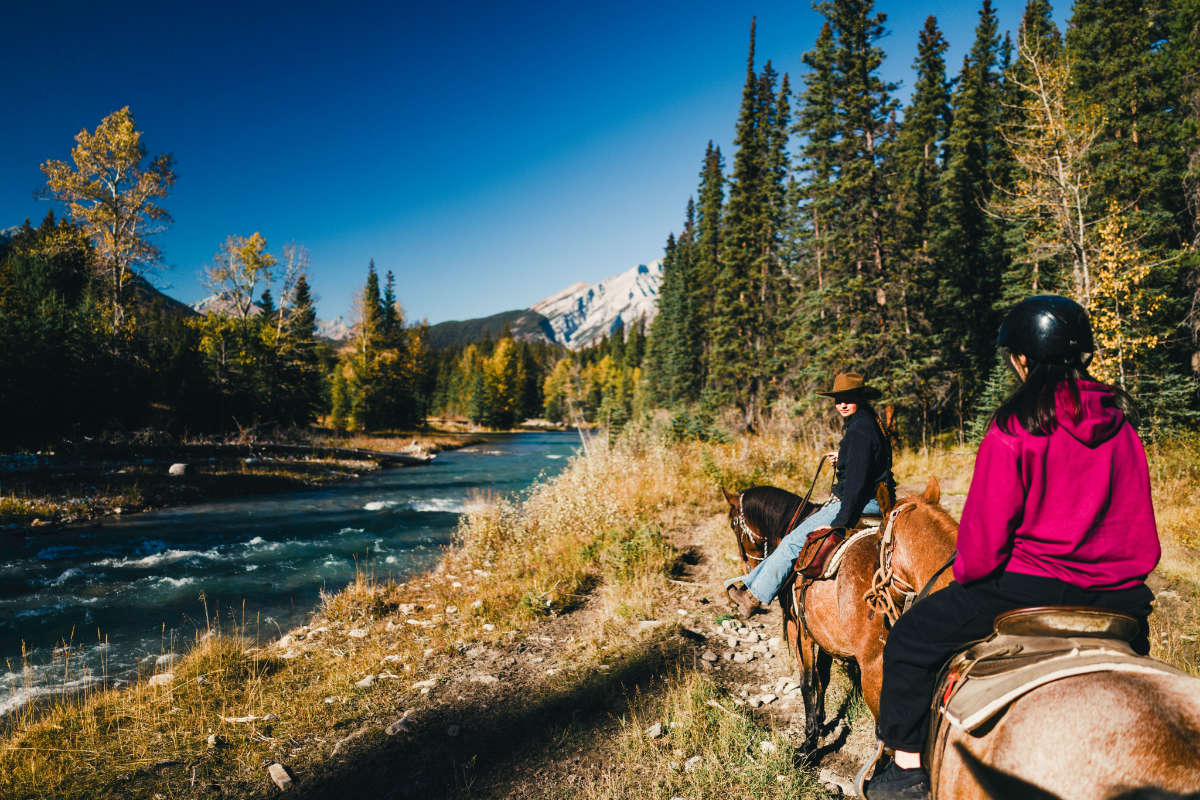
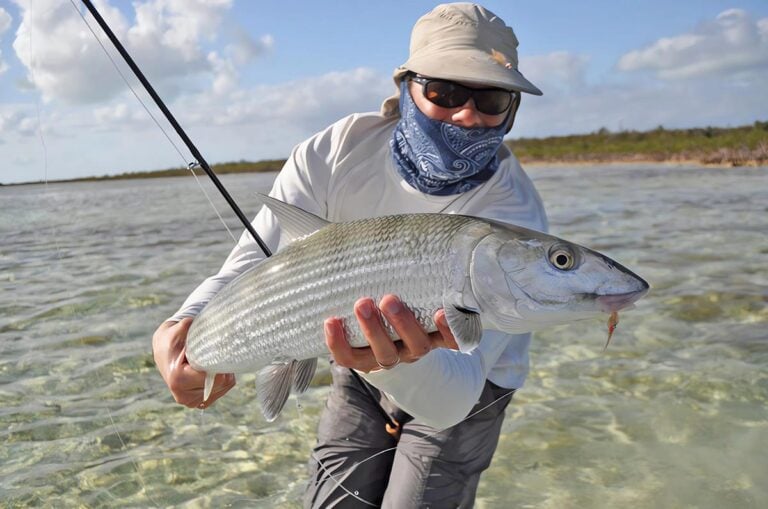
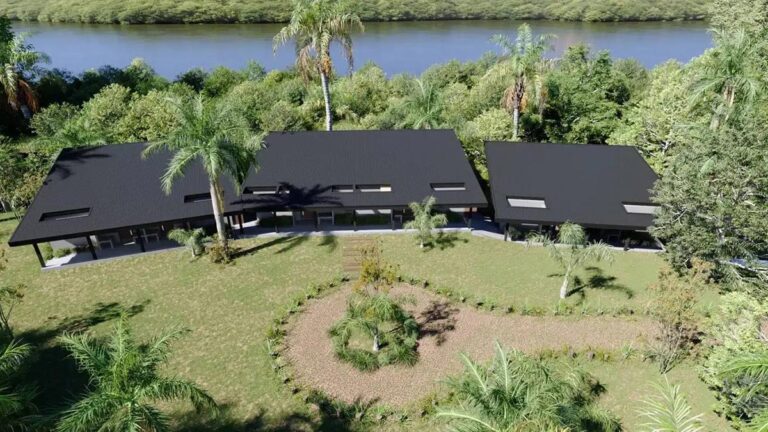
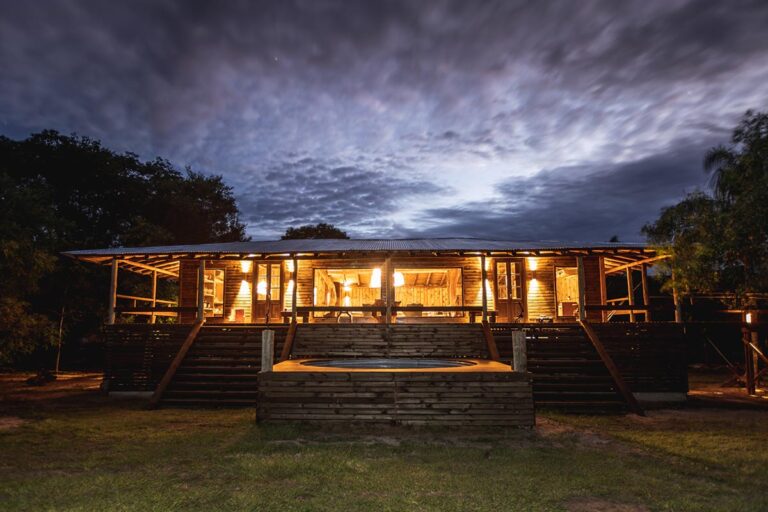
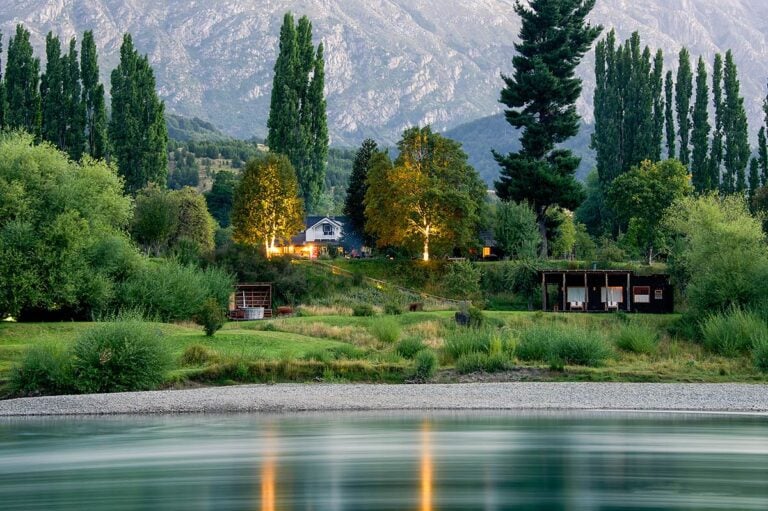
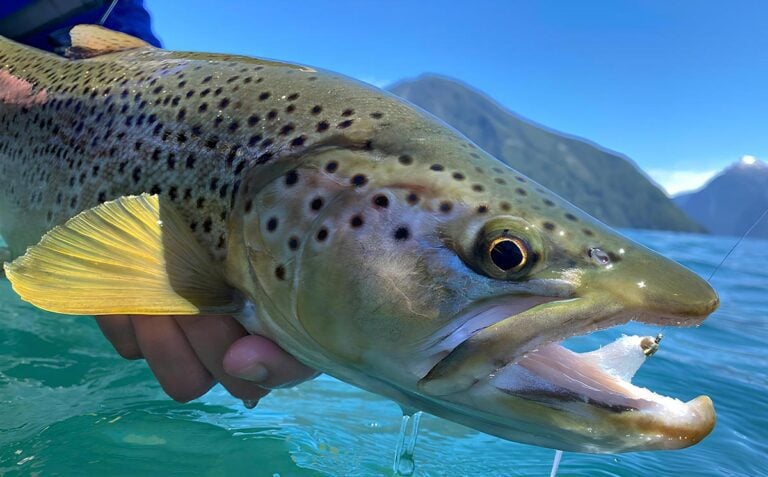
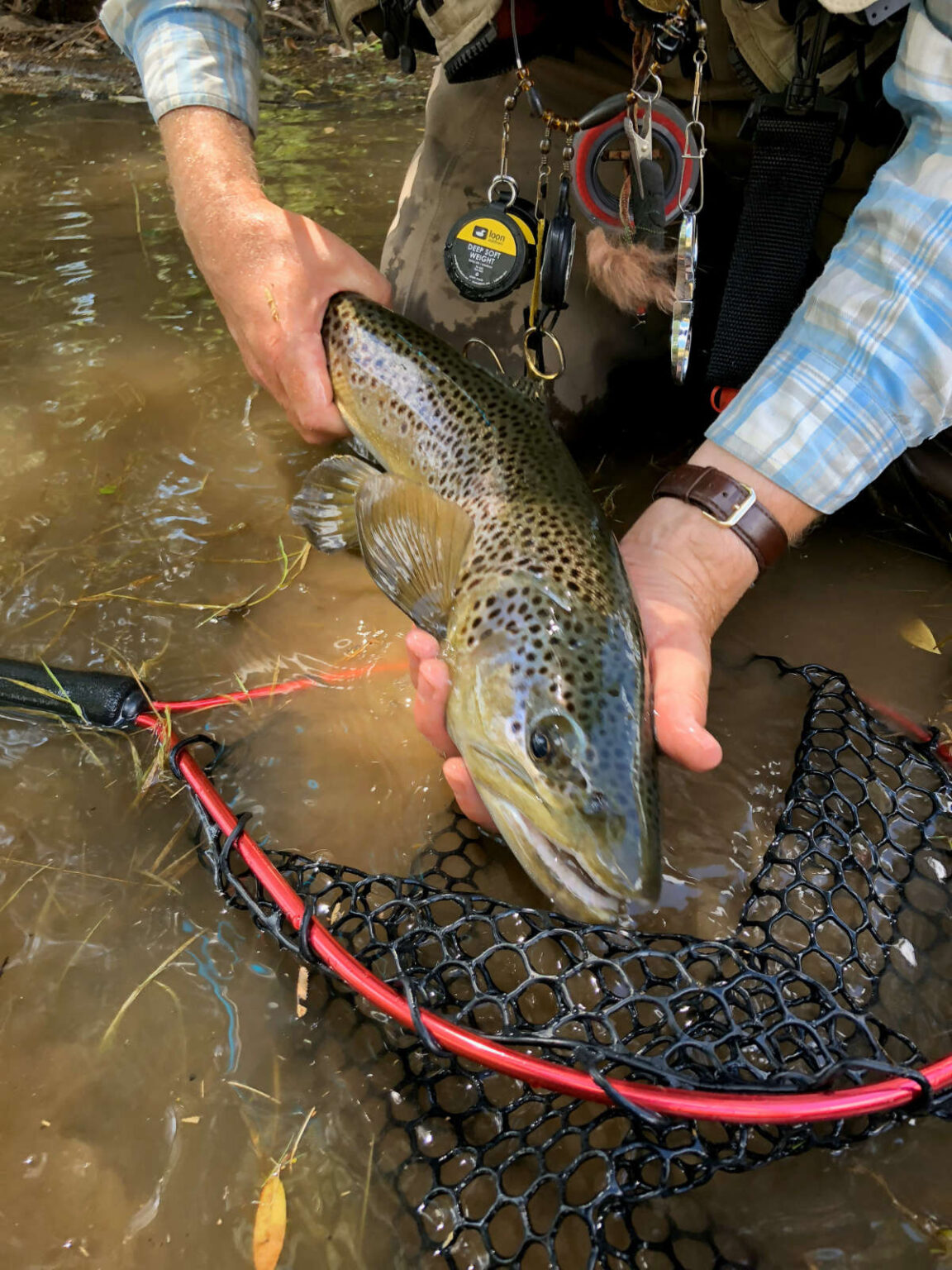
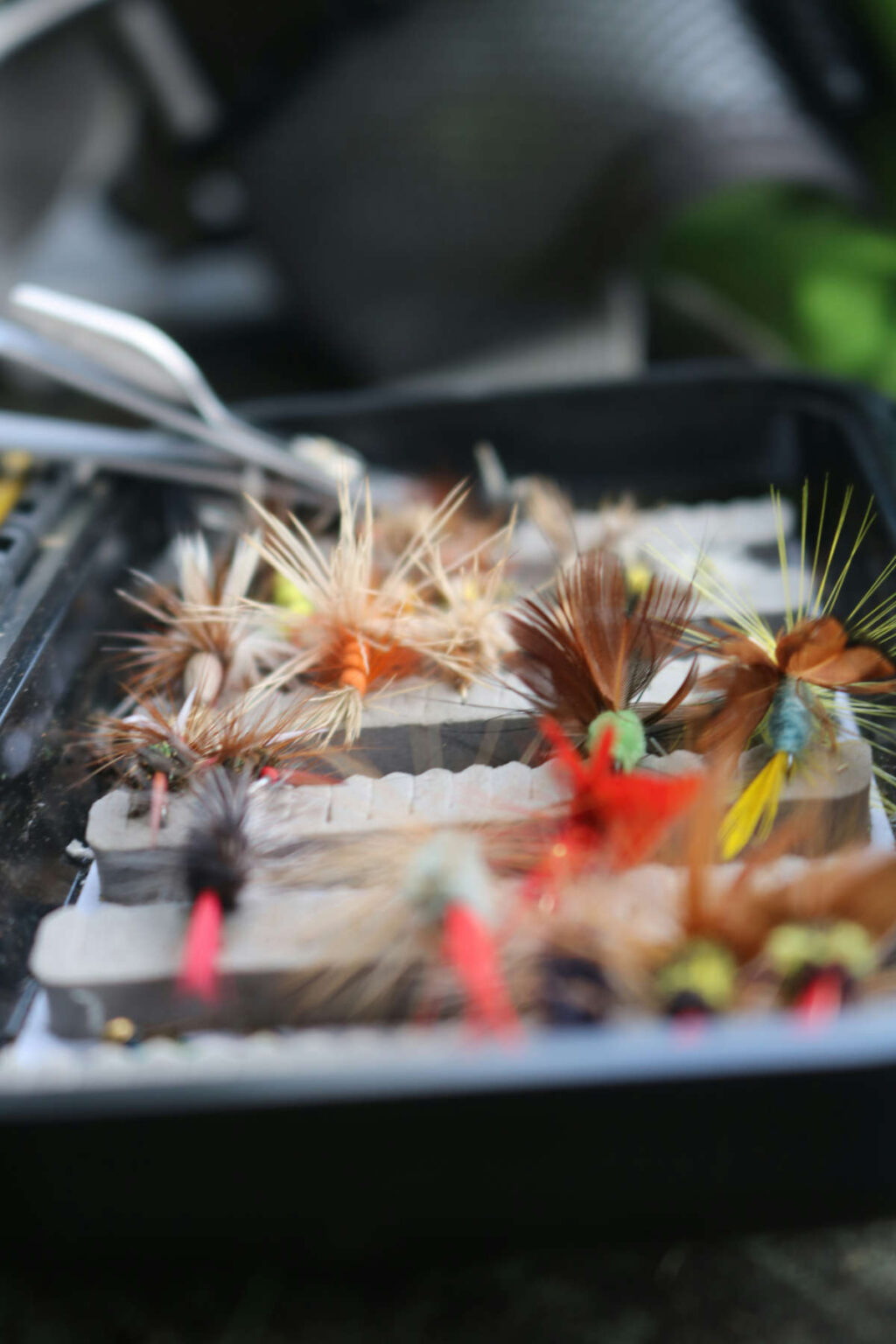
Where the Simpson River runs past the front of Los Torreones Lodge, at Kilometer 23 on the Camino Aysén in Chile’s Aysén Region, the fishing starts at the door. Dry flies lead from mid-December to mid-March, with tiny dries and nymphs for the frequent hatches, and streamers and Woolly Buggers work across the whole season. Browns and rainbows average 16 to 20 inches.
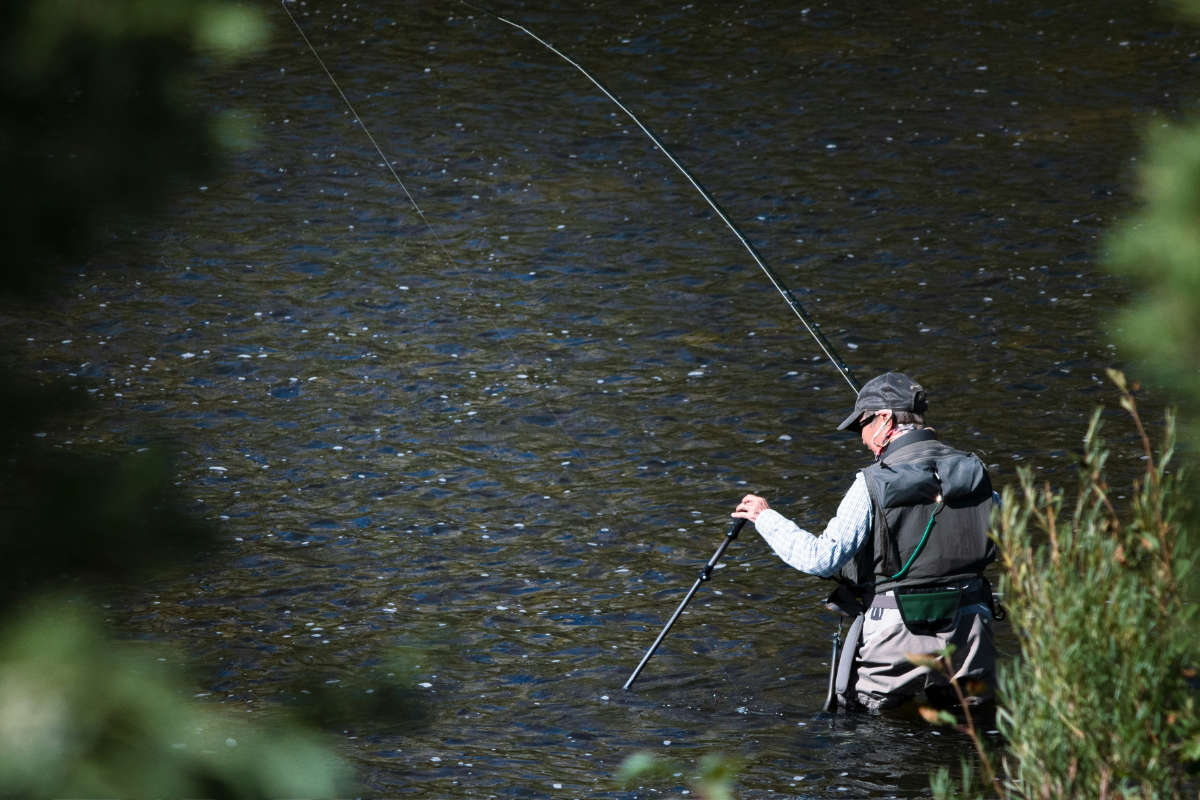
Wading and floating are both on offer, and the guest chooses. The float leaves from the lodge or from a put-in a short drive away and takes a full day, so the home river can carry an entire day’s fishing when you want it to.
Ñirehuao Hoppers and Mañihuales Floats
The Río Ñirehuao runs through open steppe country north-east of Coyhaique, a different landscape from the Simpson valley, and hopper fishing is its draw, with browns over 20 inches in the picture. The guides grew up on this river, so hopper days run on local knowledge.
The Río Mañihuales is fished as a float, and its put-in sits close to the lodge, so a full day on it begins without a long transfer.
Spring Creeks, Emperador Guillermo and Cerro Castillo
The Emperador Guillermo is a wading river of runs, riffles and undercut banks. Some of the spring creeks near the Argentine border need four-wheel drive to reach and sit well off the grid, and the small lakes around Cerro Castillo hold trophy trout. The Cisnes is also on the program. Between them, a week is built from several kinds of water rather than one river fished seven days running.
A Family Guiding Team and the Week
Packages run from four to seven nights, and a full week is seven nights with six days of fishing. Pancho Salas, who has lived and worked in Patagonia for more than 25 years, guides alongside his sons, and the guides are resident Chileans who speak English and Spanish and know the ranches and weather as well as the water. All fishing is catch and release.
To learn more about the fishing and express an interest, message The Support Team.