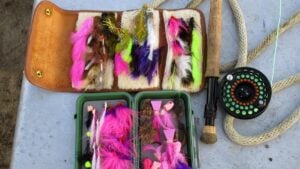
Why Anglers Travel to Fish For Trout
Trout fishing challenges anglers to adapt to changing conditions, read water effectively, and make precise presentations. From spring creeks in Patagonia to glacier-fed rivers in Mongolia, these fisheries demand skill, patience, and a sharp eye for detail.
Trout draw anglers to some of the most scenic and technically demanding waters on Earth. The species vary enormously — from the selective brown trout of New Zealand’s backcountry rivers to the hard-fighting rainbows of Alaska’s salmon-fed systems, the trophy brookies of Labrador’s wilderness lakes, and the sea-run giants of Tierra del Fuego. What unites them is the quality of the environments they inhabit and the skill they demand from the angler.
FishingExplora lists trout fishing lodges across North America, Patagonia, New Zealand, Iceland, Tasmania, and beyond — destinations where wild fish, remote access, and experienced guides come together.
Trout Species You Can Target
Brown Trout – Technical and widespread
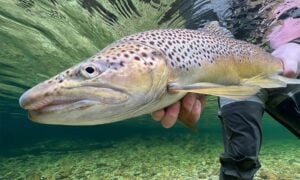
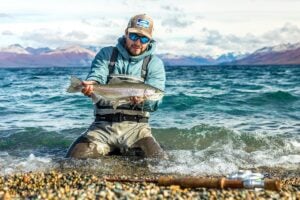
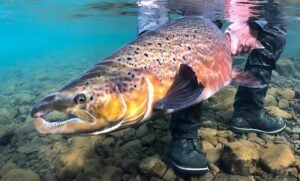
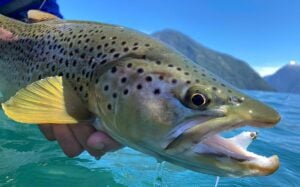
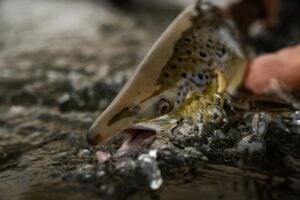
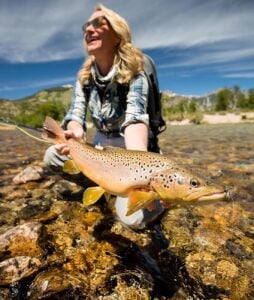
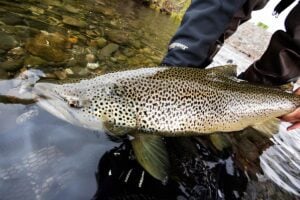
Brown trout (Salmo trutta) are among the most respected targets in fly fishing. Found in rivers and lakes across Europe, Patagonia, and New Zealand, they demand stealth and precise presentation — especially in clear, slow water. New Zealand’s South Island and Patagonia’s spring creeks are the benchmark destinations for serious brown trout anglers.
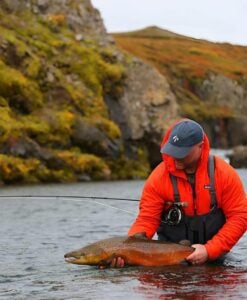
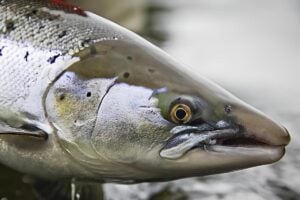
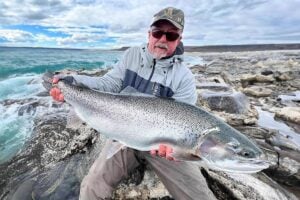
Sea-run browns feed in the ocean before returning to rivers to spawn. The Río Grande in Tierra del Fuego produces the largest sea-run browns anywhere — averaging over 9 lbs with 20-lb fish released every week of the season. The UK, Scandinavia, and Iceland also hold strong fisheries for this species.
Rainbow Trout – Versatile and responsive
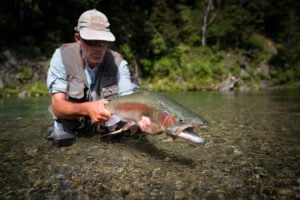
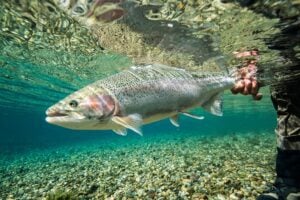
Rainbow trout (Oncorhynchus mykiss) are found on six continents. Bristol Bay’s salmon-fed rivers produce some of the largest wild fish anywhere; Patagonia and New Zealand offer technical sight fishing to wild, educated fish in clear water. Their willingness to take dry flies and acrobatic fights make them a favorite across a wide range of water types.
Steelhead – Ocean-run challenge
The anadromous form of rainbow trout, steelhead migrate from saltwater to spawn in freshwater. Known for powerful runs and difficult timing, they are the ultimate swing-target in British Columbia, Alaska, and the Pacific Northwest — and on Russia’s Kamchatka Peninsula, where September and October bring some of the most remote steelhead fishing available to traveling anglers.
Brook Trout – Small stream specialist and wilderness trophy
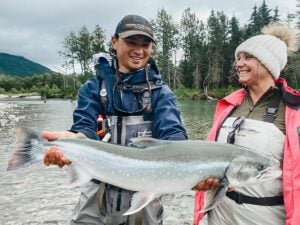
Brook trout (Salvelinus fontinalis), technically a char, run small in most mountain streams — 6 to 10 inches is typical in Appalachian and Rocky Mountain creeks, and that intimacy is part of their appeal. In Labrador’s wilderness lake systems, particularly the Minipi watershed, fish average around 5 lbs with specimens to 8 lbs taken regularly — among the largest wild brook trout found anywhere.
Native to the western US and Canada across multiple subspecies, cutthroat trout inhabit everything from alpine lakes to desert creeks. They often rise readily to dry flies — particularly terrestrials — and are among the most willing surface feeders of any trout species.
Other Trout and Char You Can Target
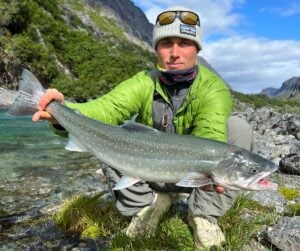
- Arctic Char – Found in Greenland, Iceland, Nunavut, and Alaska’s Arctic rivers. Vivid colors and aggressive strikes during spawning season.
- Bull Trout – Apex predator in cold western rivers. Strikes big streamers in deep pools and undercut banks.
- Dolly Varden – Resident and sea-run forms in Alaska, BC, and Russia. Often confused with Arctic char.
- Lake Trout – Deep-dwelling predator of northern lakes. Targeted by jigging or trolling.
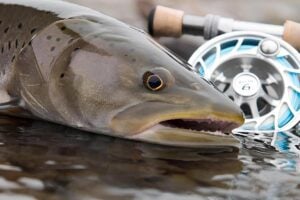
- Lenok (Asian Trout) – Ancient salmonid from Siberia and Mongolia. Takes dries, nymphs, and streamers during wilderness float trips.
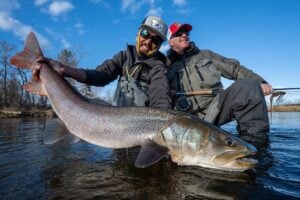
- Taimen – Technically the world’s largest salmonid rather than a true trout, but grouped here for its trout-like behavior and habitat. Mongolia’s topwater giant takes large surface flies in some of the most remote river systems accessible to traveling anglers.
- Golden Trout – High-altitude specialist from California and the Rockies.
- Tiger Trout – Sterile hybrid between brown and brook trout.
- Marble Trout – Rare Adriatic native with distinctive patterning.
- Blue Trout – Hatchery-derived rainbow variant stocked in select stillwaters.
Top Trout Fishing Destinations
- Argentina – Sea-run brown trout on the Río Grande in Tierra del Fuego, and dry-fly browns and rainbows across Patagonia’s spring creeks and lake-fed rivers. One of the world’s great trout destinations, with lodge programs to match. For a full breakdown of how Argentina’s trout fisheries work, see our guide to trout fishing in Argentina.
- New Zealand – Sight fishing for large, wild brown and rainbow trout in backcountry South Island rivers. Clear water, educated fish, and a remote feel that few destinations can replicate.
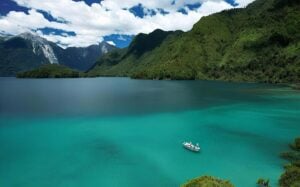
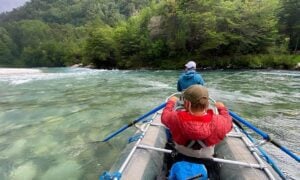
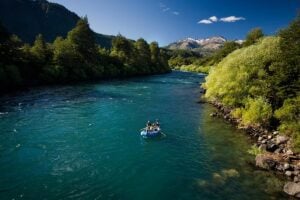
- Chile – Glacier-fed rivers, deep lakes, and backcountry float trips for wild browns and rainbows across Chilean Patagonia. Lower pressure than Argentina and comparably spectacular scenery.
- North America – Wild rainbows and char in Alaska’s Bristol Bay systems; trophy brook trout in Labrador’s remote watersheds; steelhead across British Columbia and the Pacific Northwest.
- Iceland – Wild brown trout and sea-run browns in lava-field rivers and highland lakes, with sea-run fish returning to both east and west coast systems from late June through early September.
- Tasmania – Backcountry highland lakes and tailwaters for wild brown trout. Technical dry-fly fishing in a remote island setting that rewards the angler willing to put in the effort to reach the best water.
- Europe – Chalk streams in England, sea-run browns in Scandinavia, and loch browns in Scotland and Ireland. The historical heartland of fly fishing for trout.
FishingExplora’s editorial content draws on lodge input, guide experience, published field reports, and independent research to help anglers make informed decisions about premium fishing destinations.
Frequently Asked Questions
Which trout species are best for dry fly fishing?
Brown, rainbow, and brook trout are especially responsive to surface presentations. In clear water or during seasonal hatches, dry fly fishing can be the most effective and visually rewarding method — particularly in regions like New Zealand, Patagonia, and the Rockies where wild fish see relatively low pressure and hatches are reliable.
What’s the most remote trout destination on FishingExplora?
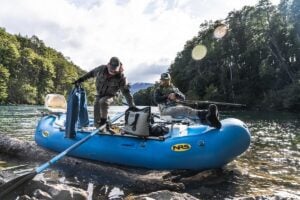
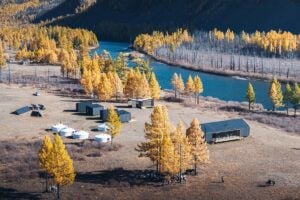
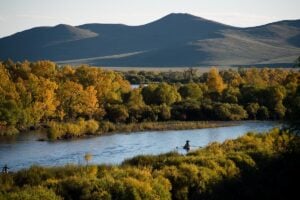
Mongolia and Greenland are among the most remote trout destinations listed. Mongolia offers float-trip access to taimen and lenok in rivers rarely seen by foreign anglers; Greenland’s fjord systems host migratory Arctic char far from roads or infrastructure, requiring charter flights or boat access. Both demand significant logistical planning and are genuinely off the beaten path.
Are char species like brook trout and Arctic char really trout?
Technically no — they belong to the Salvelinus genus (char), which is distinct from both the Salmo genus (brown trout, Atlantic salmon) and Oncorhynchus (rainbow, cutthroat, Pacific salmon). Because char share cold-water habitats and similar fly fishing tactics with trout, they are grouped with them in angling circles and on FishingExplora.
When is the best time to plan a steelhead trip?
Steelhead timing varies by region. In Alaska, August through October covers the main fall runs. On Kamchatka, September through October is prime. On the Pacific Coast of North America, winter runs peak from November through February, while summer runs enter rivers from July onward in British Columbia and the Pacific Northwest.
Do trout fishing tactics vary by hemisphere?
Yes. In the Northern Hemisphere, spring and fall are prime for most river trout and pre-spawn activity. In the Southern Hemisphere, summer months from November through April dominate in New Zealand and Patagonia. Fly hatches, river flow, and angler pressure all influence tactics, from dry fly work to heavy streamers or technical nymphing.
What is Euro nymphing, and why do anglers use it for trout?
Euro nymphing is a tight-line, contact nymphing method developed in Europe for catching trout in fast, clear rivers. It eliminates traditional fly lines and indicators, using long leaders and weighted flies to maintain direct control. Anglers use it to detect subtle takes and cover depth efficiently, especially when trout aren’t rising.