





Mongolia’s Premier Taimen Fly Fishing Destination
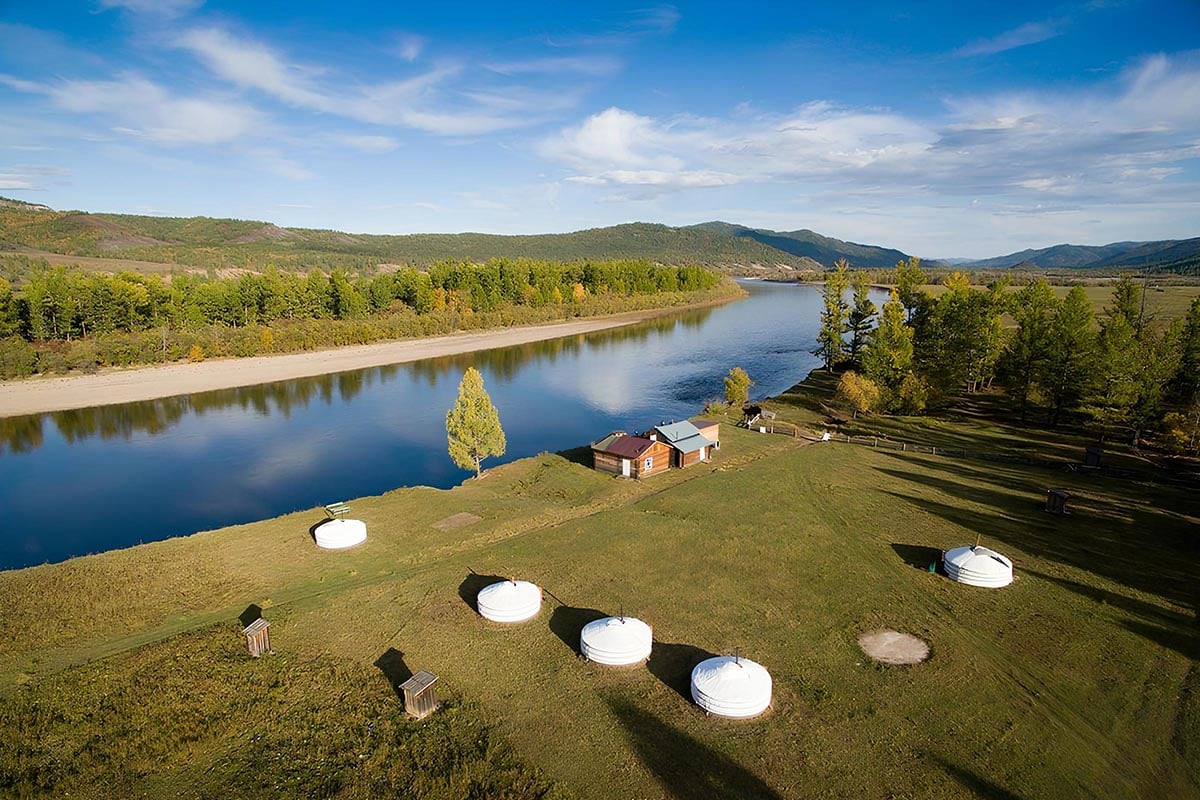
In north-central Mongolia, the Eg and Ur rivers wind through rolling grasslands and larch forest to create one of fly fishing’s most remarkable wild taimen systems. Clear, easily waded flows and long, unfished beats make this a place where skill and patience are rewarded. Sweetwater Travel first explored the Eg–Ur in 1995 and, together with local partners and the Taimen Conservation Fund, has stewarded the fishery ever since under strict catch-and-release rules that keep taimen and lenok populations healthy.
The Eg and Ur Rivers – Mongolia’s Taimen Heartland
The Eg has an Alaskan feel—cut banks, woody structure, and deep teal bends where giant fish lie in ambush. The Ur runs broader and gentler, with long stretches of water and tailouts that invite precise swings and surface presentations. Both rivers are clear, easy to wade, and range from 40 to 120 feet wide. Even after heavy rain, water conditions tend to stabilize quickly, and anglers can usually keep fishing without interruption.
Fly Fishing for Taimen, the “River Wolf”
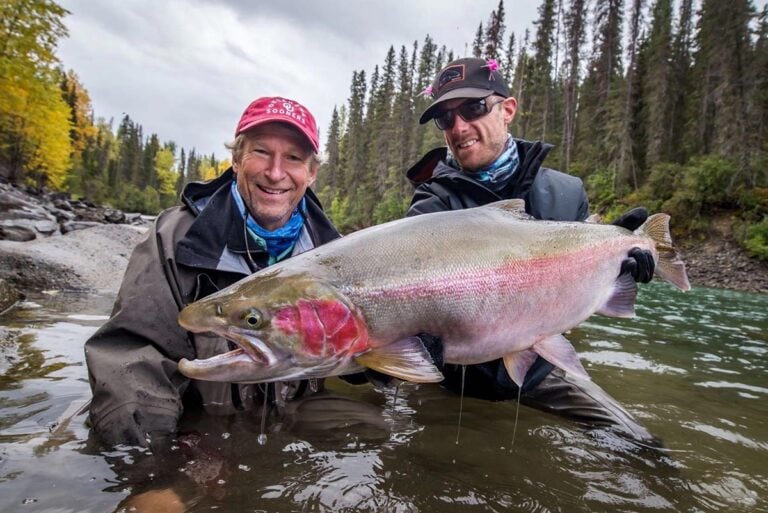
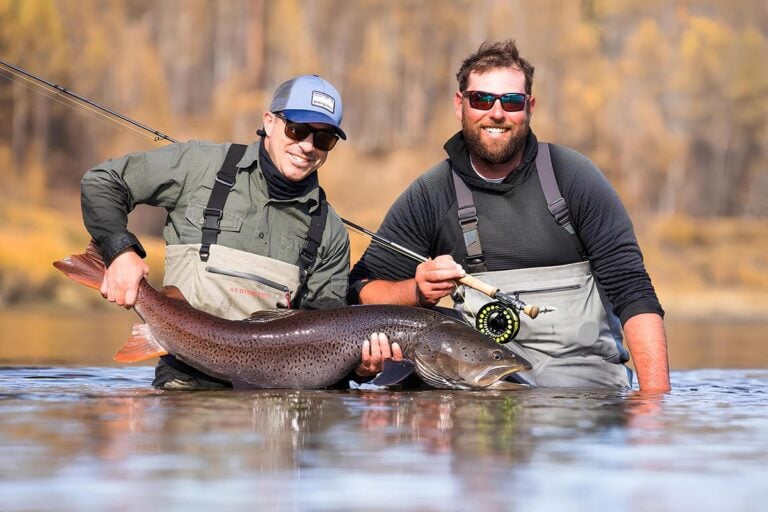
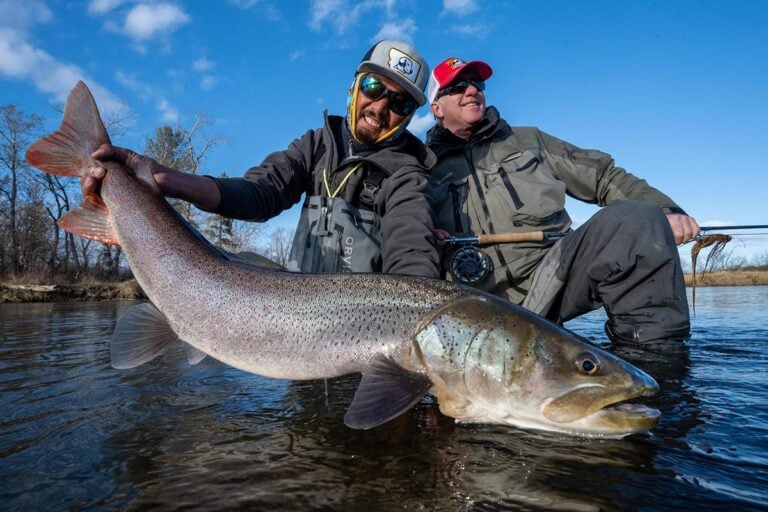
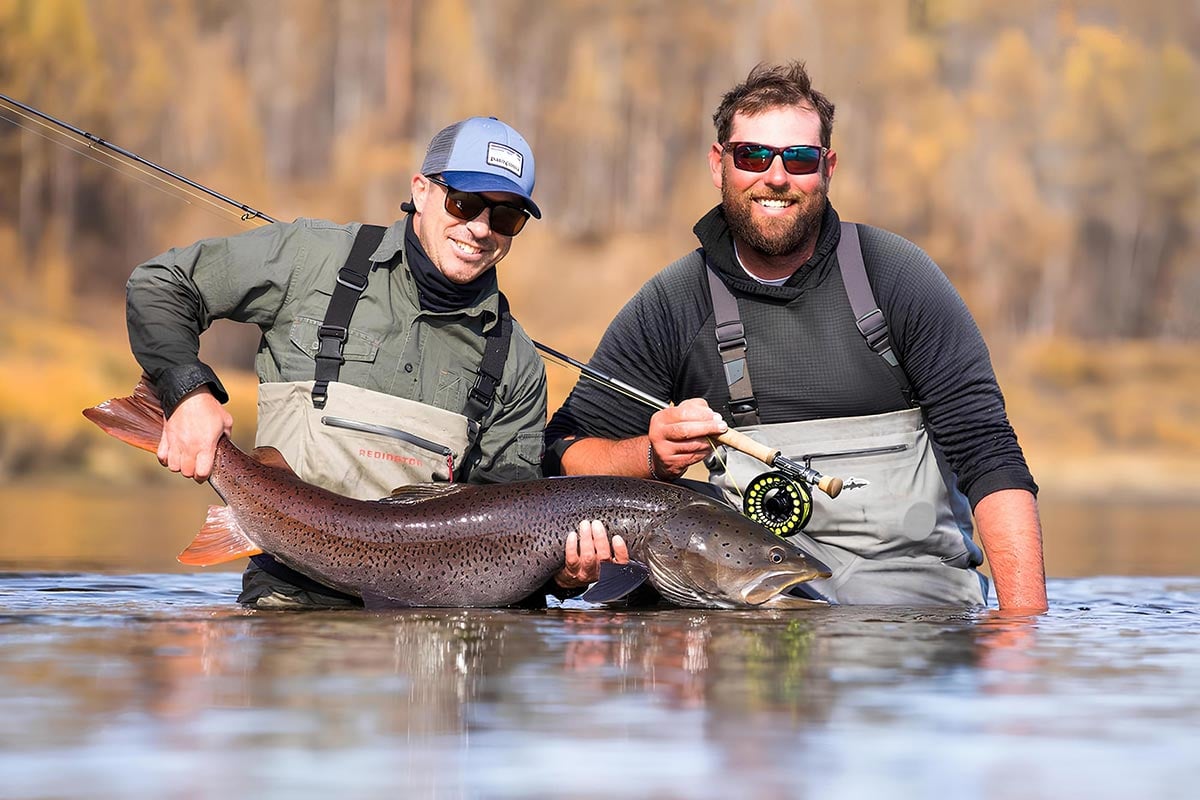
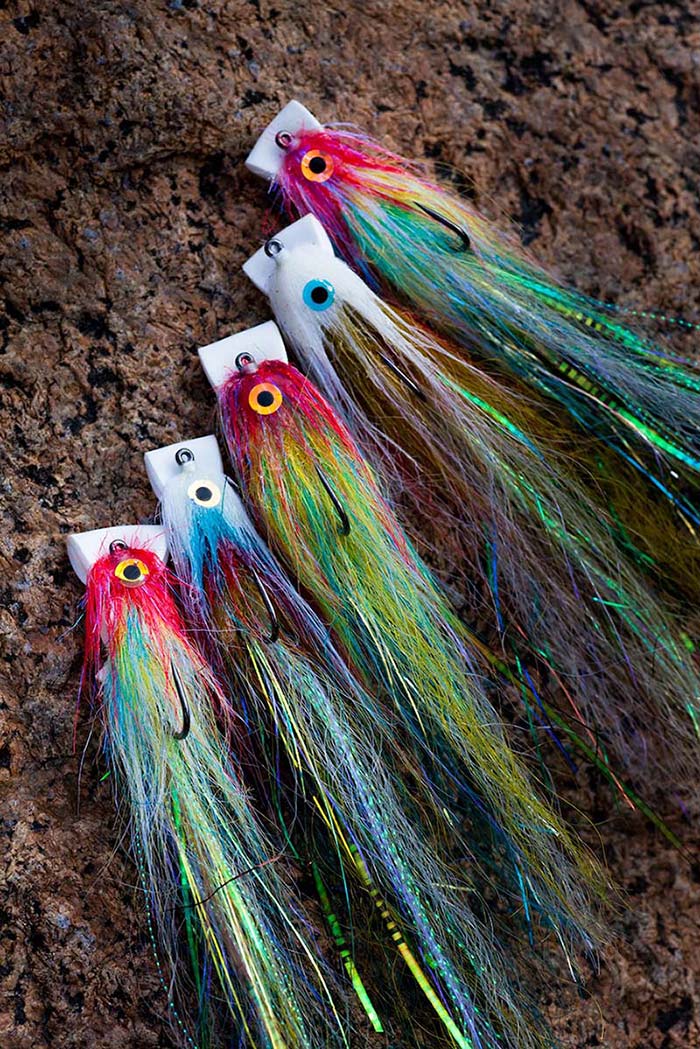
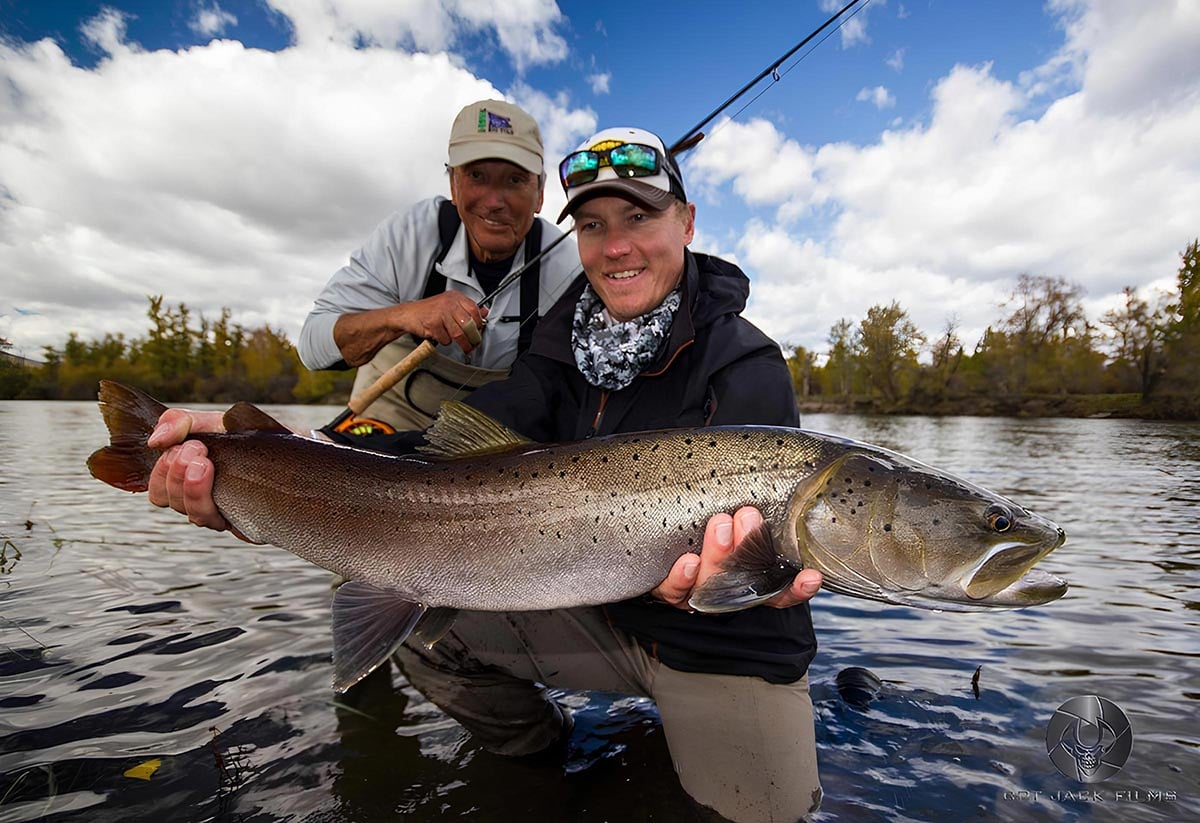
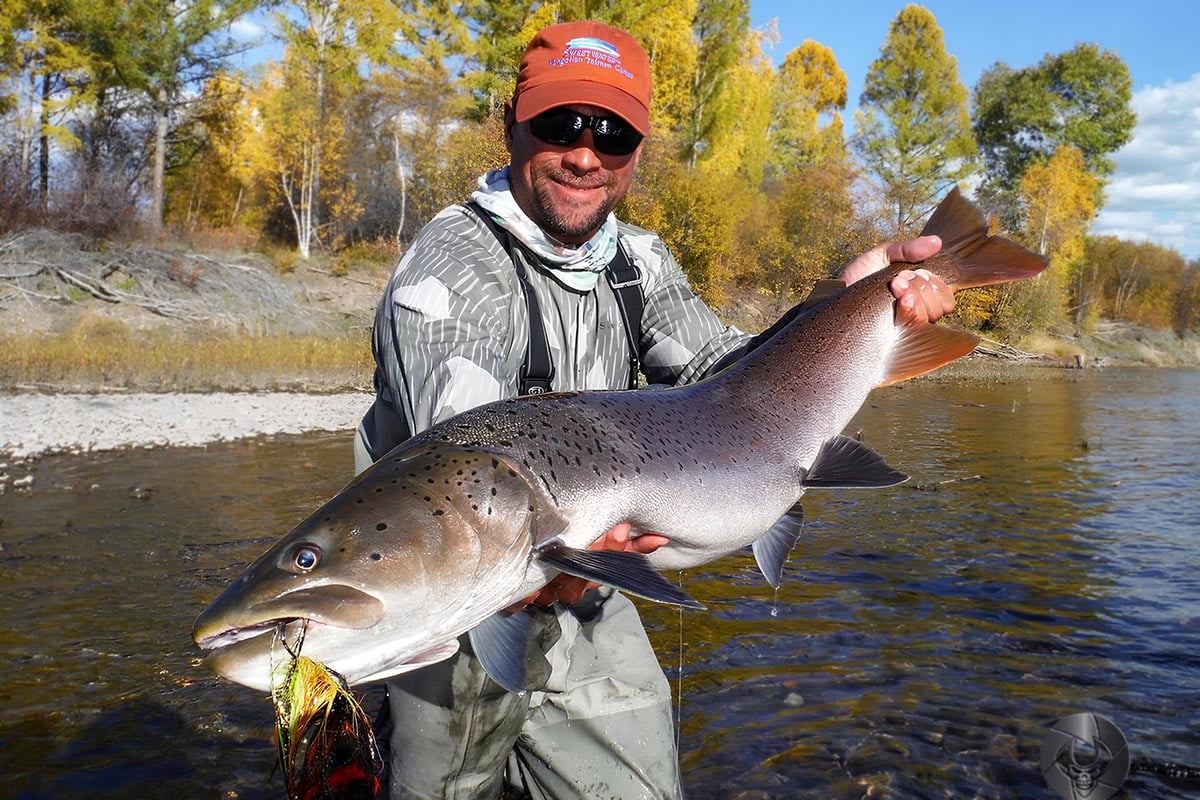
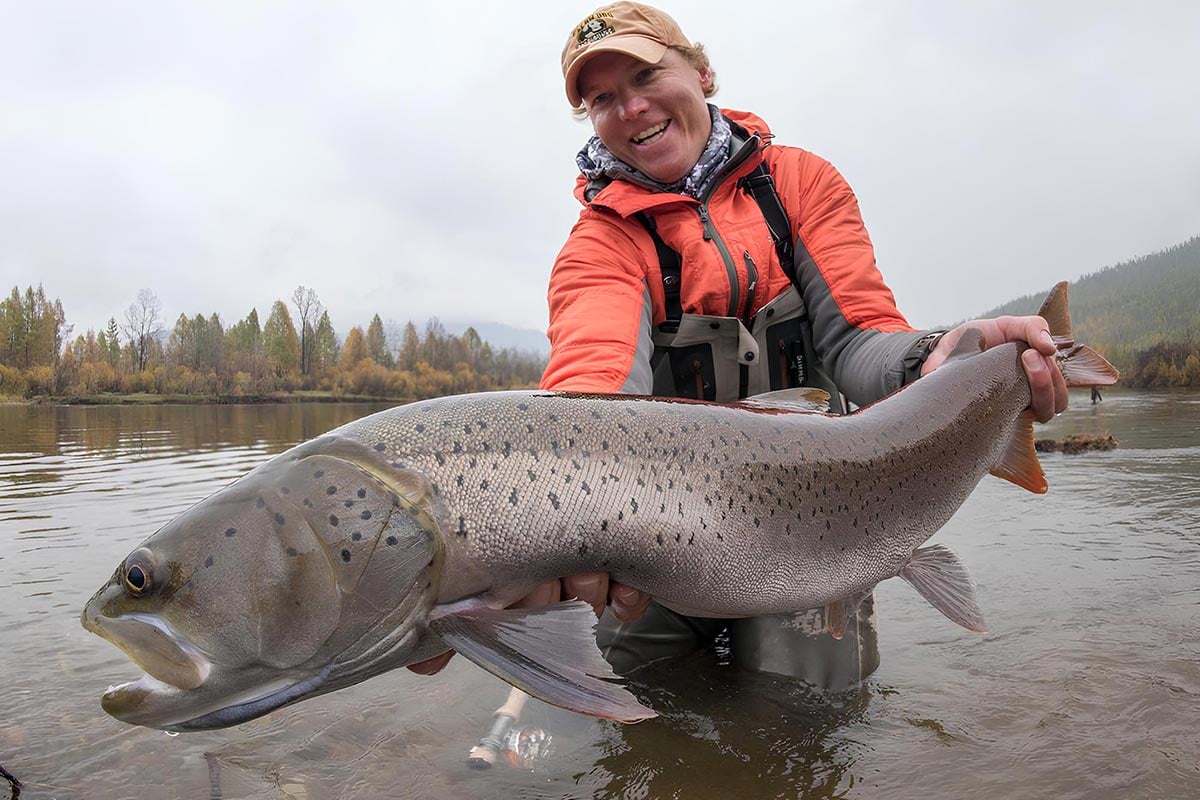
Known in Mongolia as the River Wolf, Taimen are apex salmonids known for their explosive surface takes and raw power. Fish over 40 inches are common, and true trophies beyond 50 inches are hooked every week during the season. Most anglers fish 8–9-weight rods and big surface flies—mouse, popper, or deer-hair divers—switching to streamers on sinktips when the light or water calls for it. Double-handed rods see use on broader reaches for longer swings and better water coverage.
These powerful fish hold along current seams and deeper runs, often exploding through the surface and leaping clear of the water before bulldogging back to the depths.
Fly Fishing for Lenok Trout in Mongolia
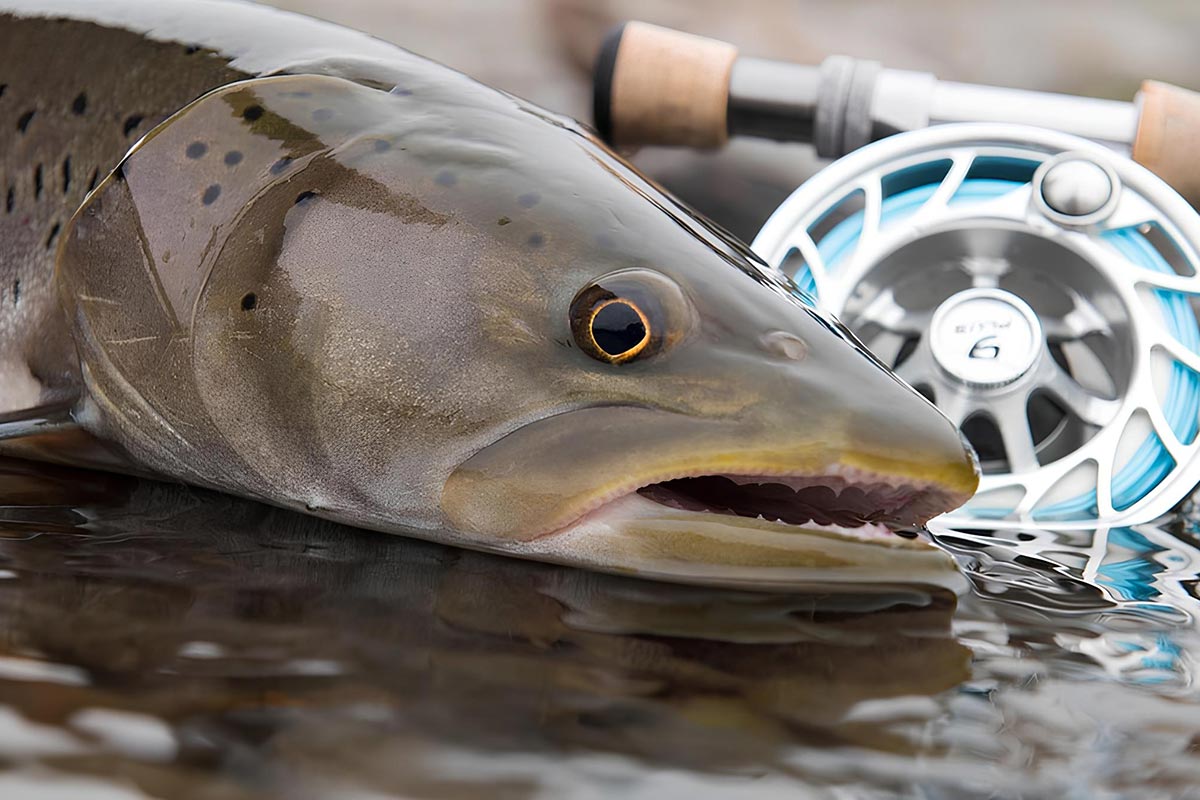
Lenok, often called the Asian trout, are native to Mongolia’s northern rivers and are the oldest trout species on earth. Closely related to brown trout, they feed steadily on nymphs and dry flies throughout the day, rising in pods when afternoon insects drift onto the water. These fish typically average around 18 inches, with larger specimens up to 28 inches caught each season.
The Eg–Ur’s prolific hatches and strong terrestrial life make for classic dry-fly sight fishing—quiet, visual, and perfectly balanced against the intensity of taimen hunting. Lenok will test a 5- or 6-weight rod and may even fall victim to taimen lurking nearby; it’s not uncommon to hook a lenok only to see a taimen try to eat it mid-fight.
They’re a rewarding interlude between taimen sessions, offering pure, relaxed trout fishing in a place where time feels unchanged.
Expert Guides and River Rotation System
Two anglers per guide is the norm here, with seasoned Mongolian and international guides who have worked these beats for decades. Days are spent drifting or walking between prime lies on a well-managed rotation that keeps water rested and anglers moving. You’ll cover fresh water every day at an unhurried pace, working rested beats and productive mid-river lies under a well-managed rotation. Modern rafts and safety protocols keep logistics smooth and efficient, even in this remote part of the world.
Best Season for Mongolia’s Taimen Fishing
The season runs June to early October; the most reliable stretch is late August into fall when cooling nights, stable water levels, and concentrated feed spark aggressive takes. Flows are generally predictable; if a thunderstorm muddies one reach, clarity often returns quickly or a nearby section remains in shape. Calm mornings favor surface work; low light and rising wind can push play toward streamers and swung presentations.
Conservation and Community
All fishing is single-barbless, strictly catch-and-release. Each visit supports Mongolia’s Taimen Conservation Fund, science, and local livelihoods through the Taimen Conservation Fund; tagging studies have tracked individual fish migrating more than 70 kilometers before returning to the same run a year later.
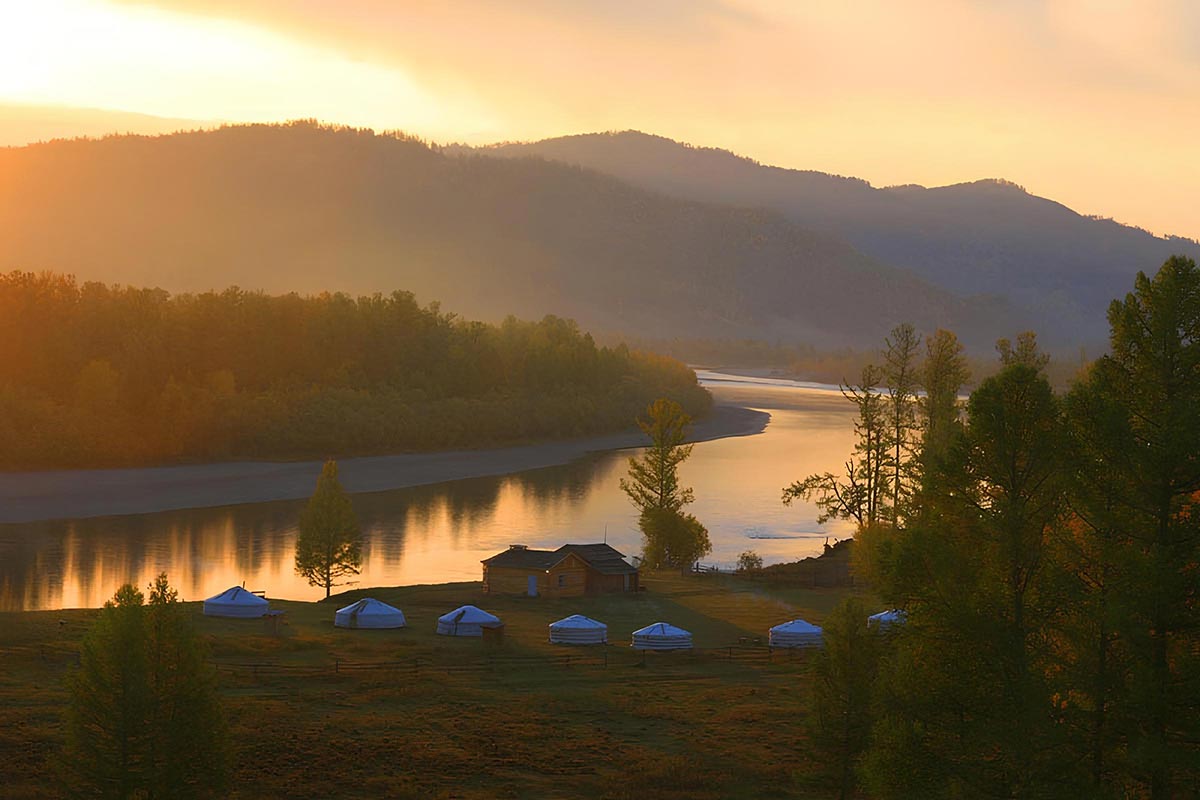
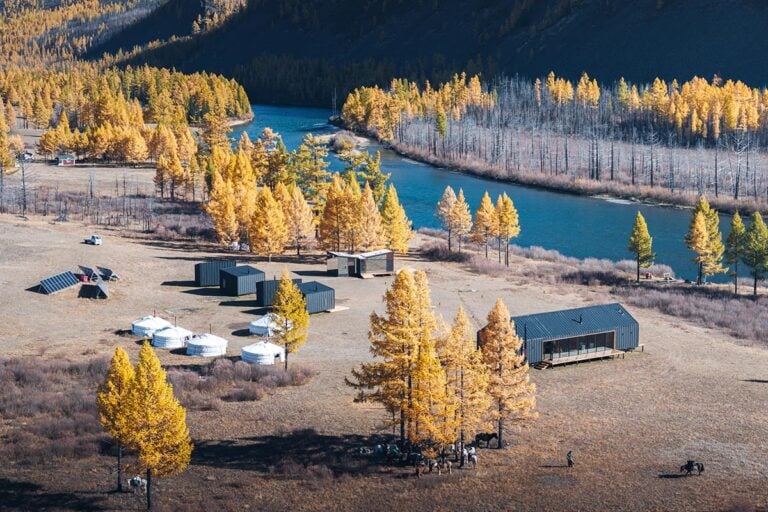
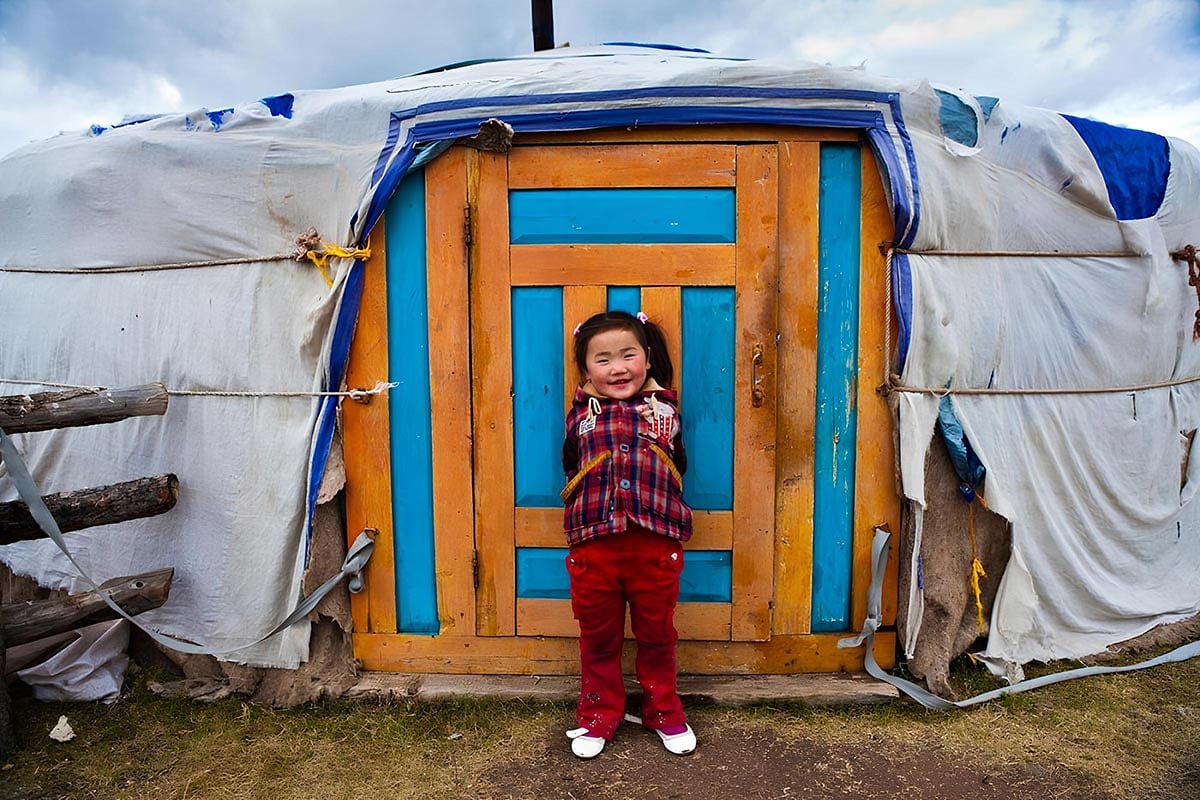
After long days on the water, evenings at camp bring quiet comfort—fireside stories, the sound of the river beyond your ger, and the rare feeling of fishing a place that still belongs entirely to nature.
To learn more about the fishing and express an interest, message Sweetwater Travel.