
Shishged River: Why Taimen Grow Larger Here
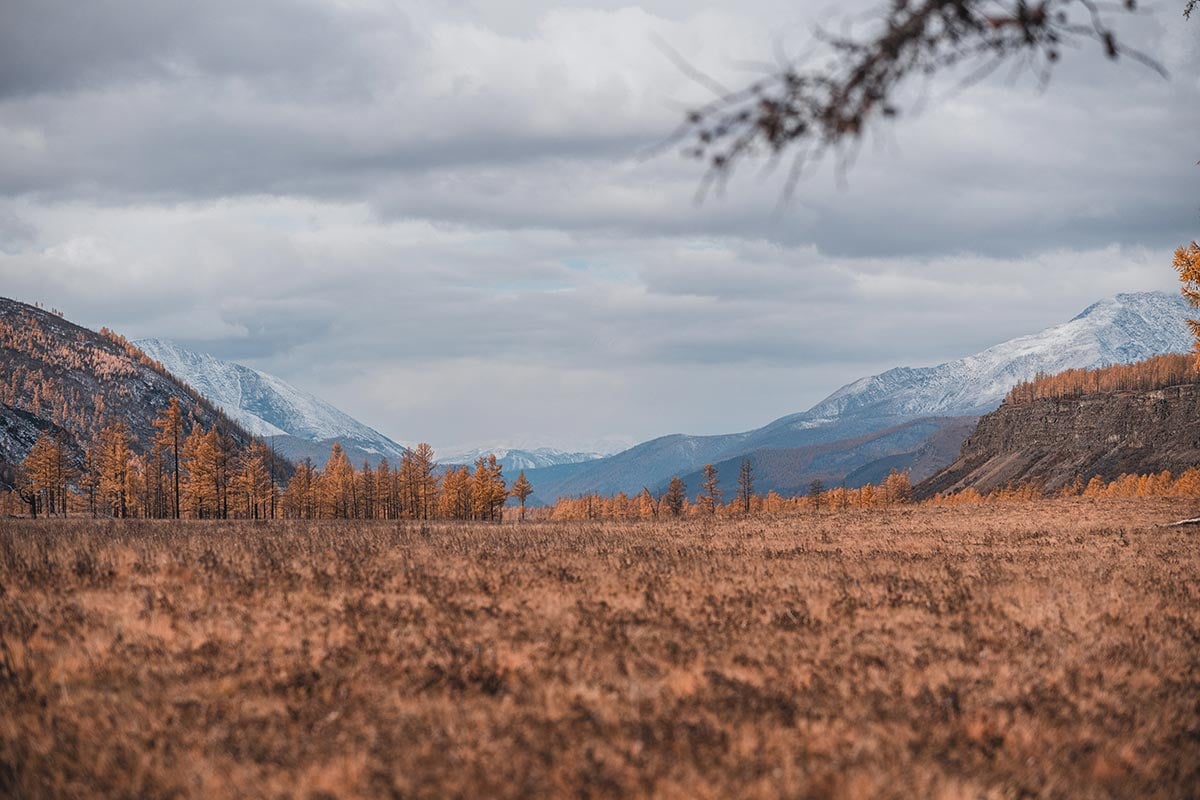
Far in the highlands where Mongolia meets the Siberian border, the Shishged and Tengis drain through Khuvsgul Province into the headwaters of the Yenisei — the world’s fifth-longest river system—carrying snowmelt from the Eastern Sayan Mountains through one of the most isolated watersheds in northern Mongolia.
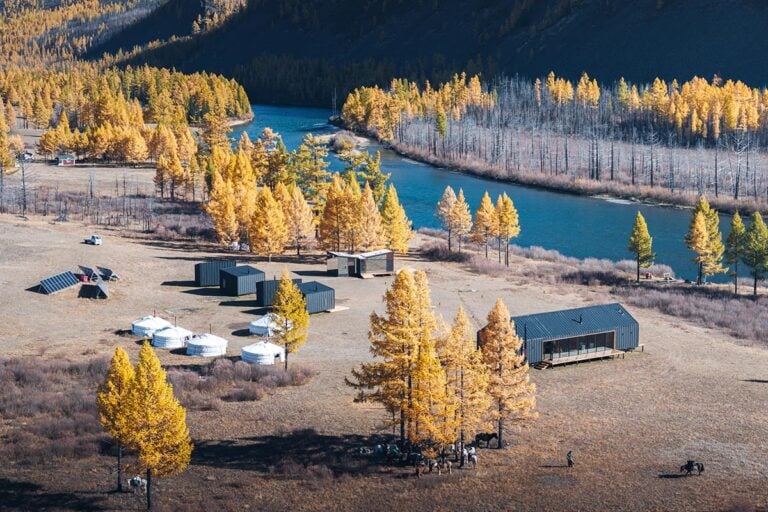
The watershed sits within Tengis-Shishged National Park, where rod numbers are strictly limited by government permit — Khanagai Lodge holds the permits to fish it.
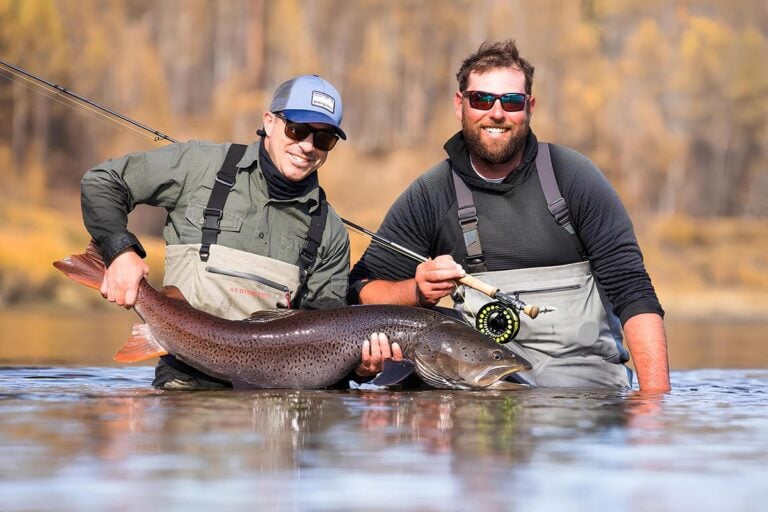
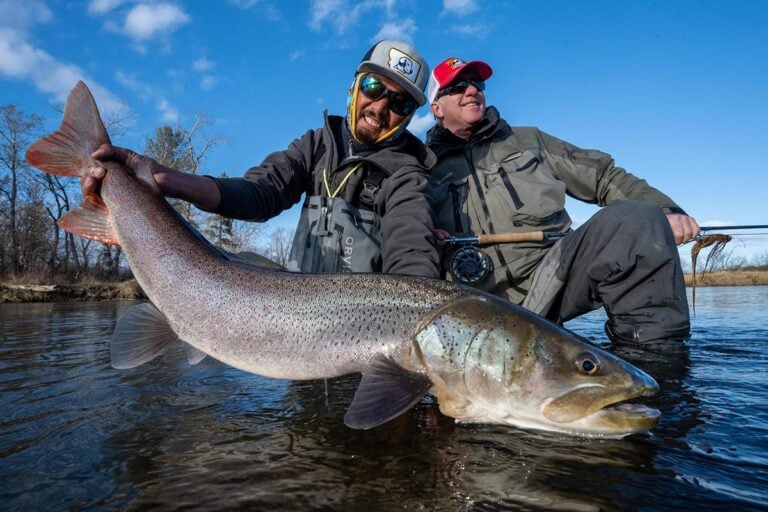
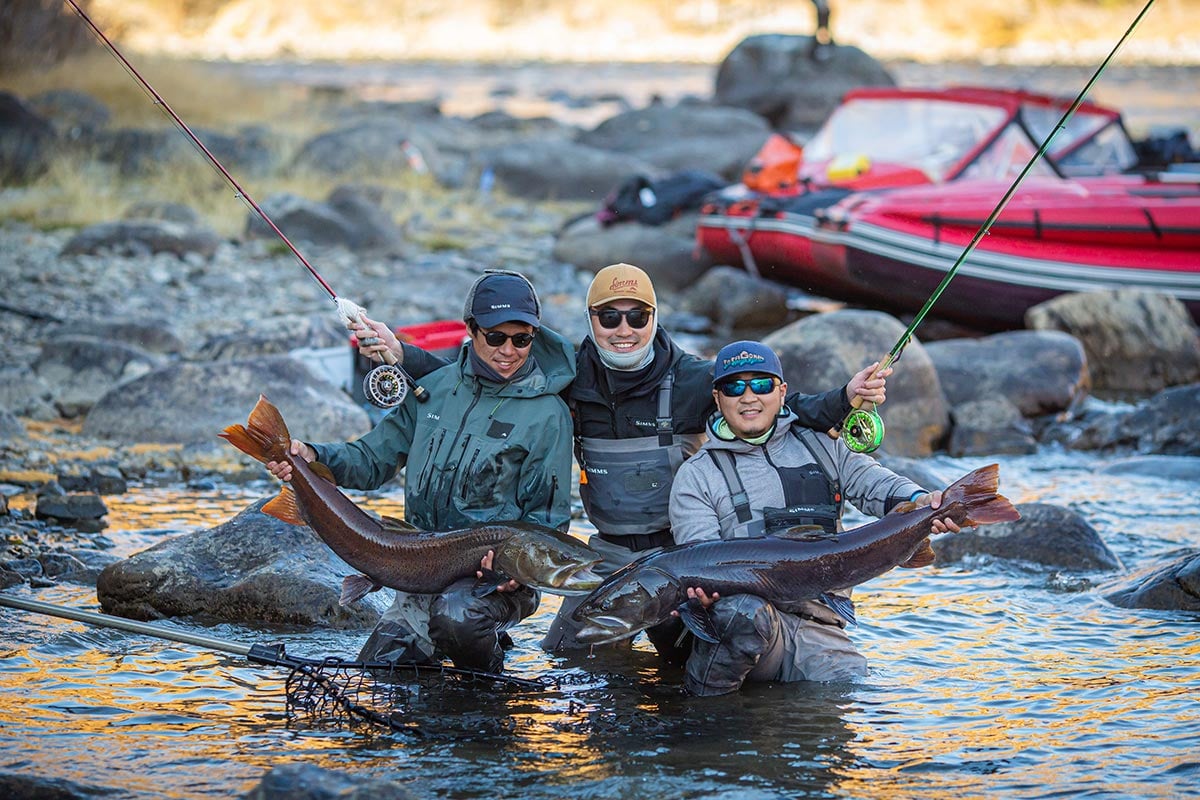
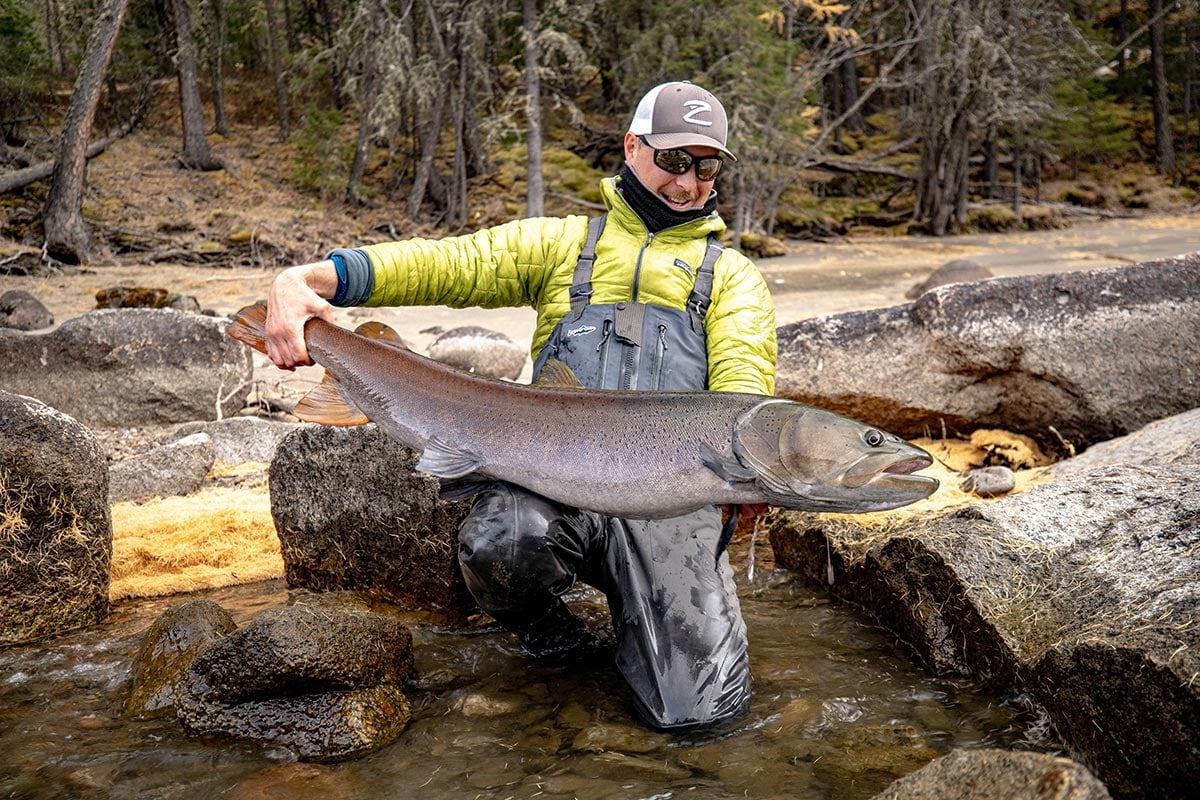
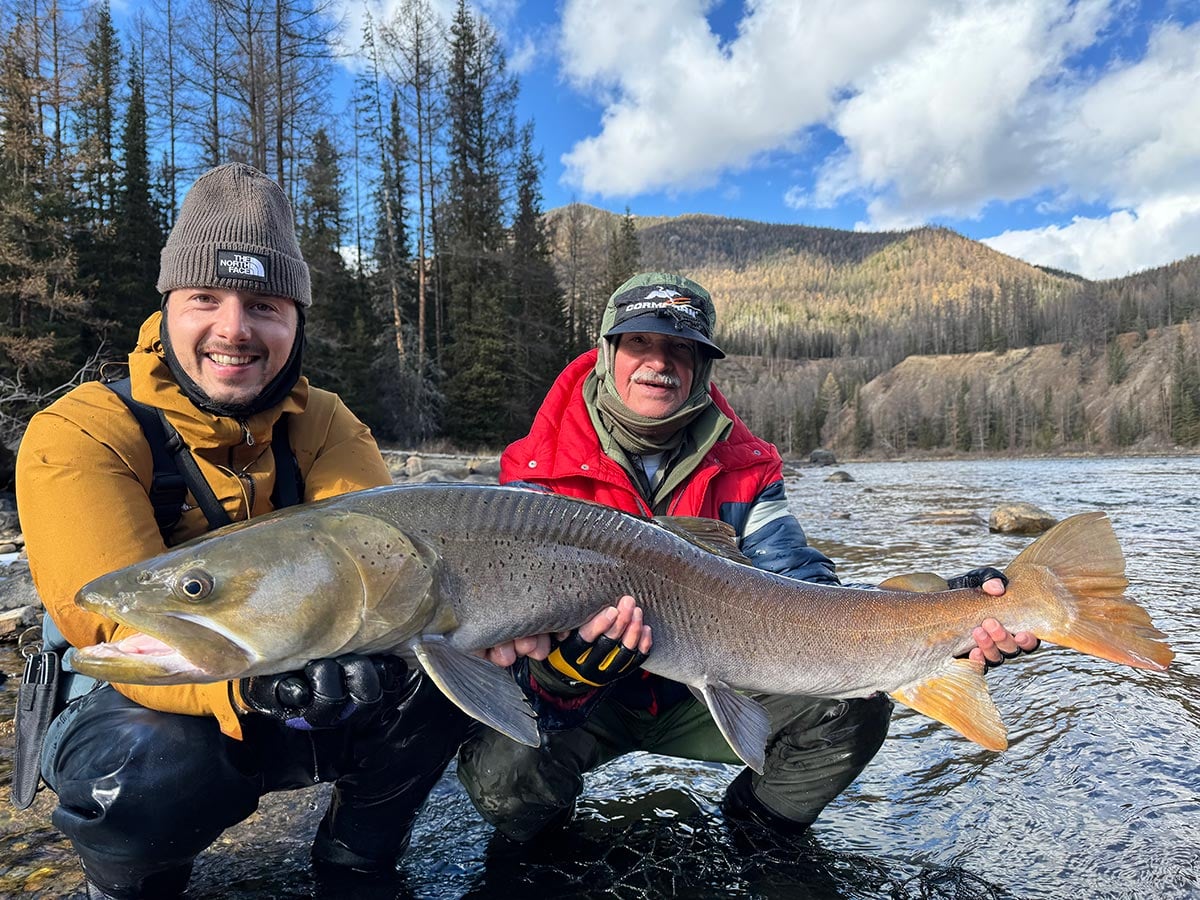
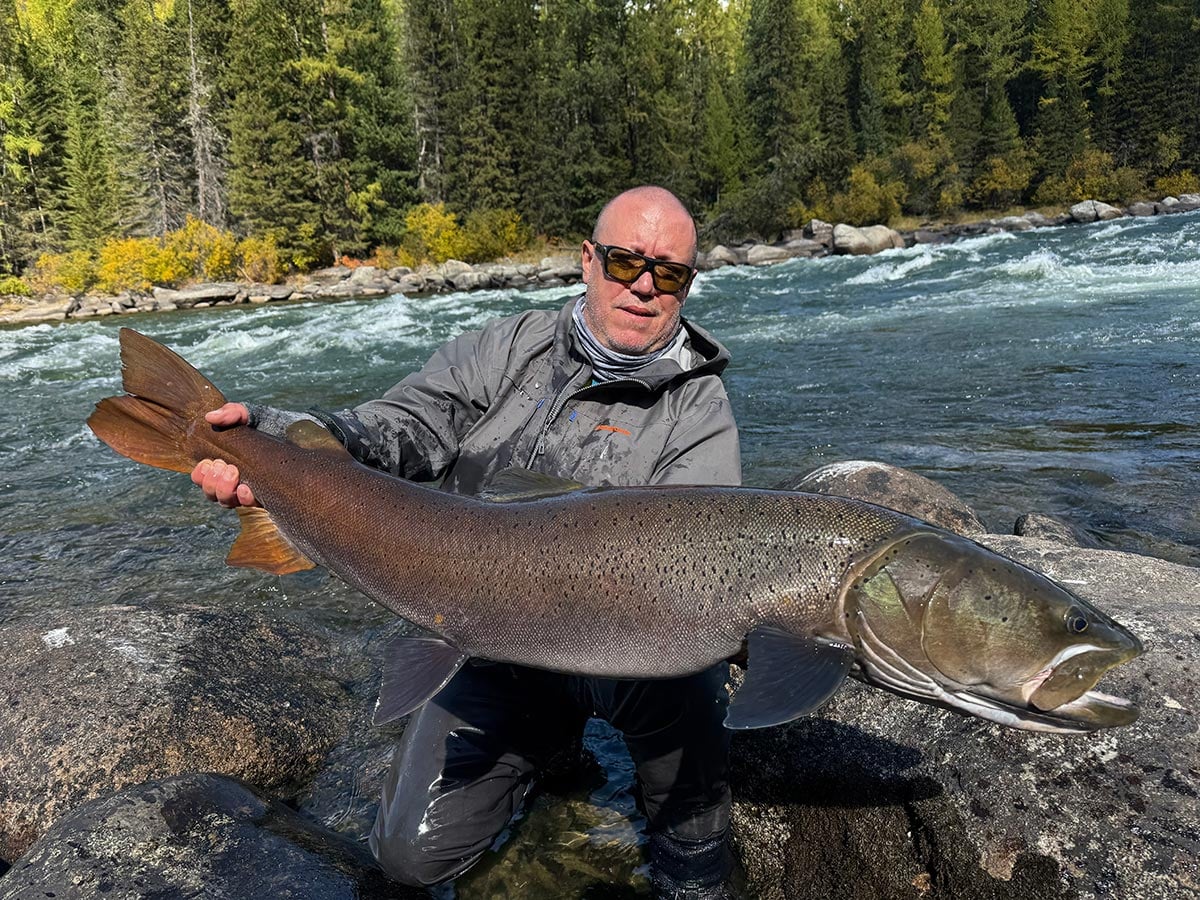
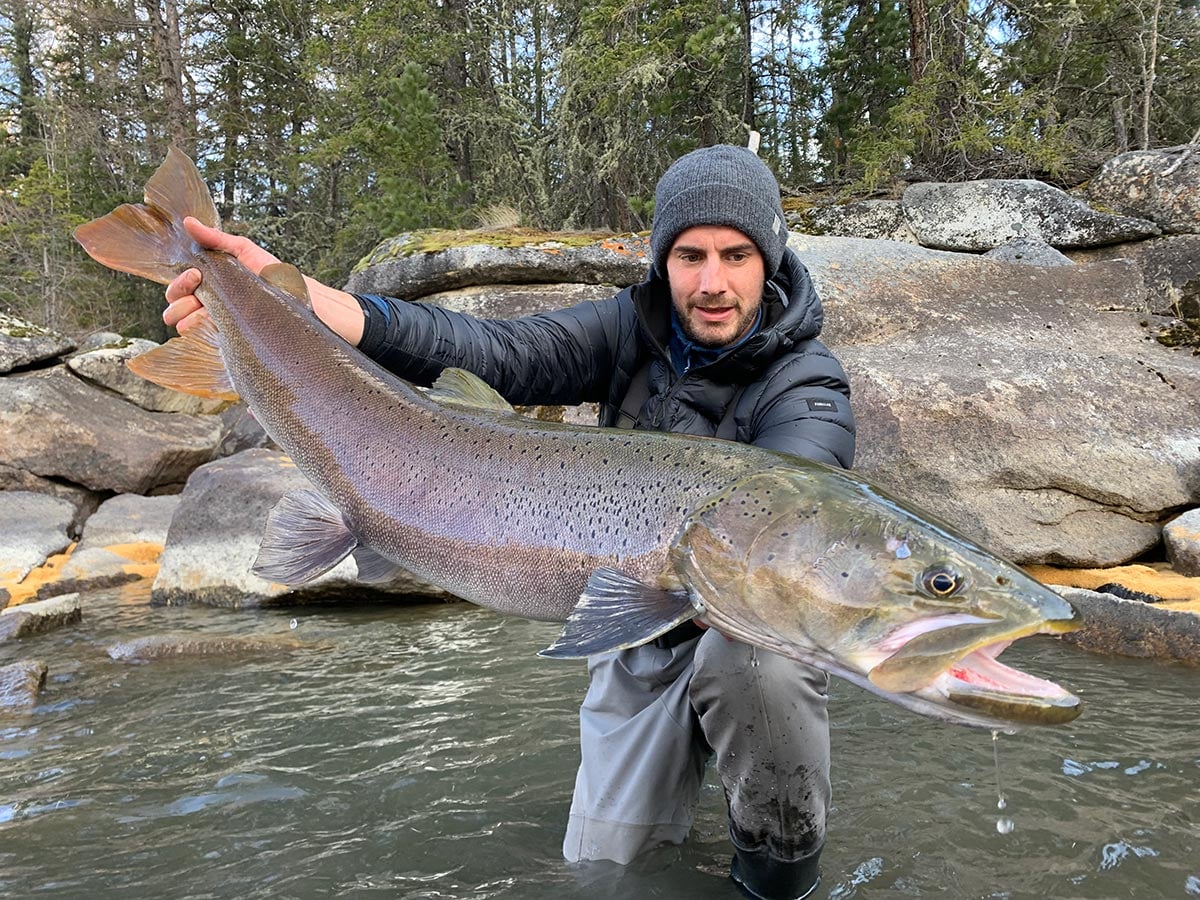
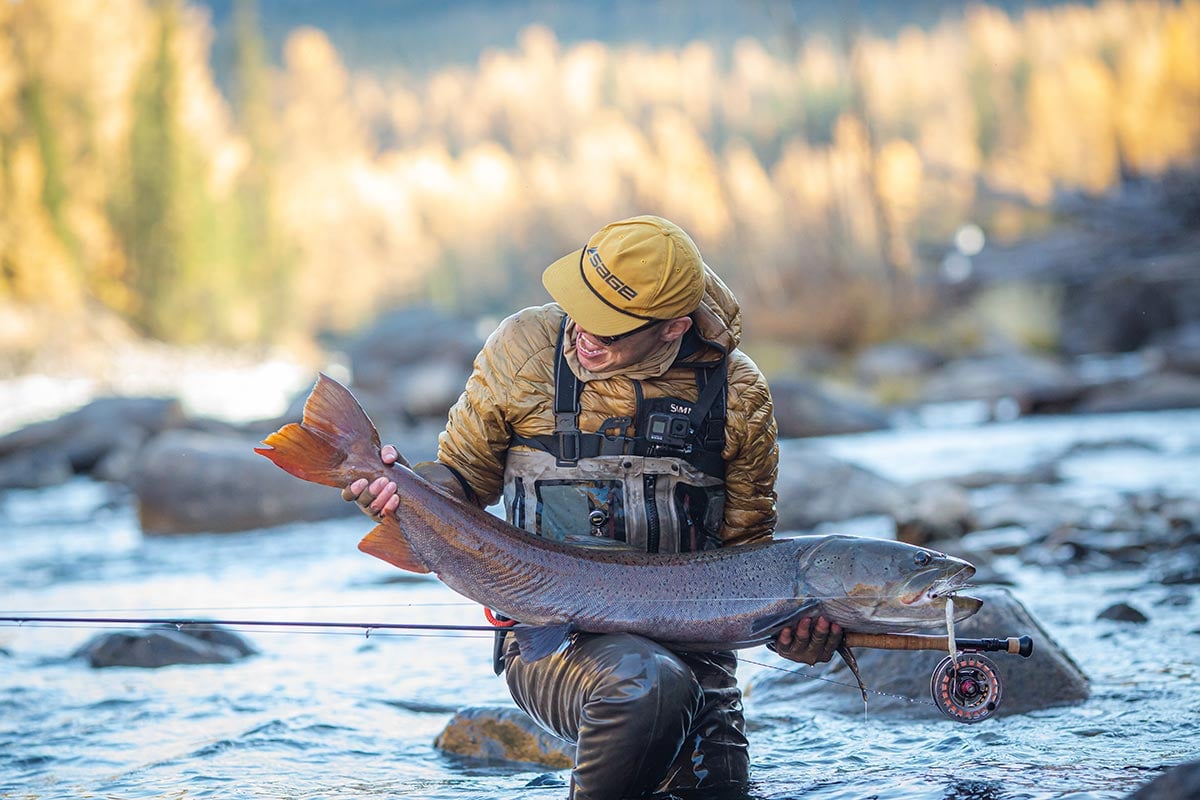
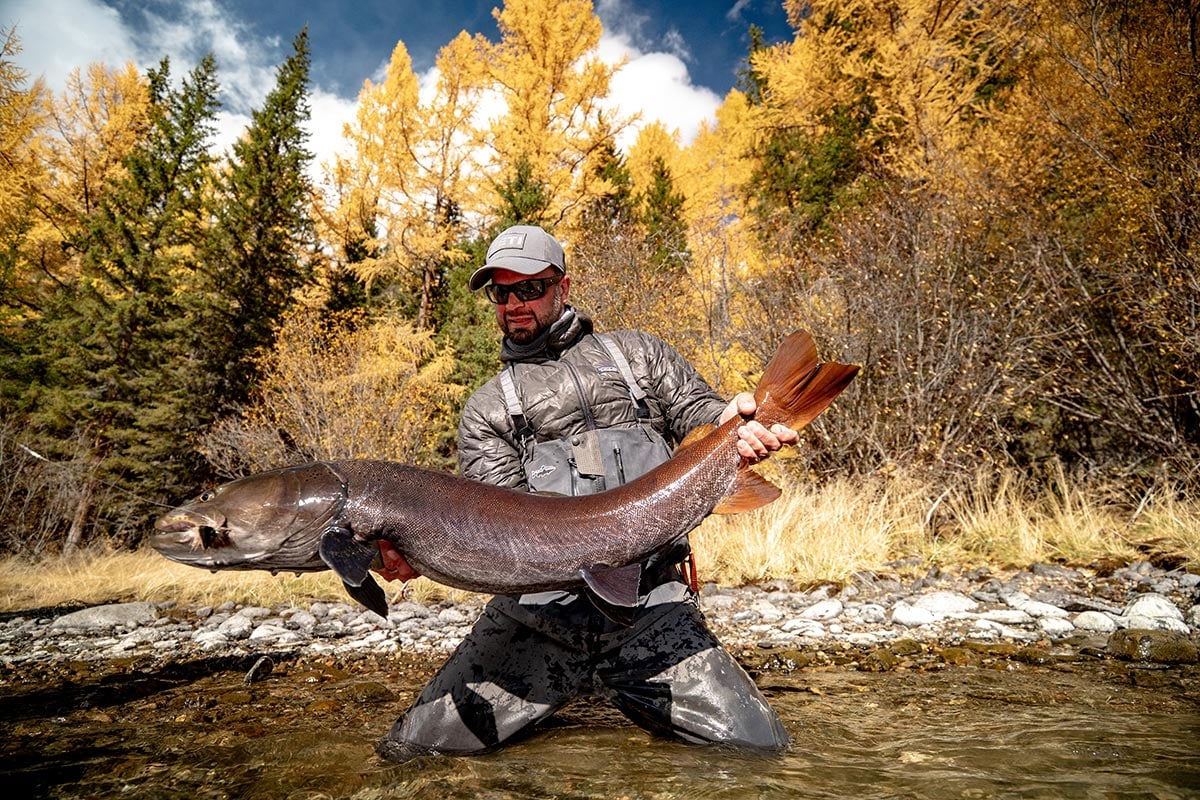
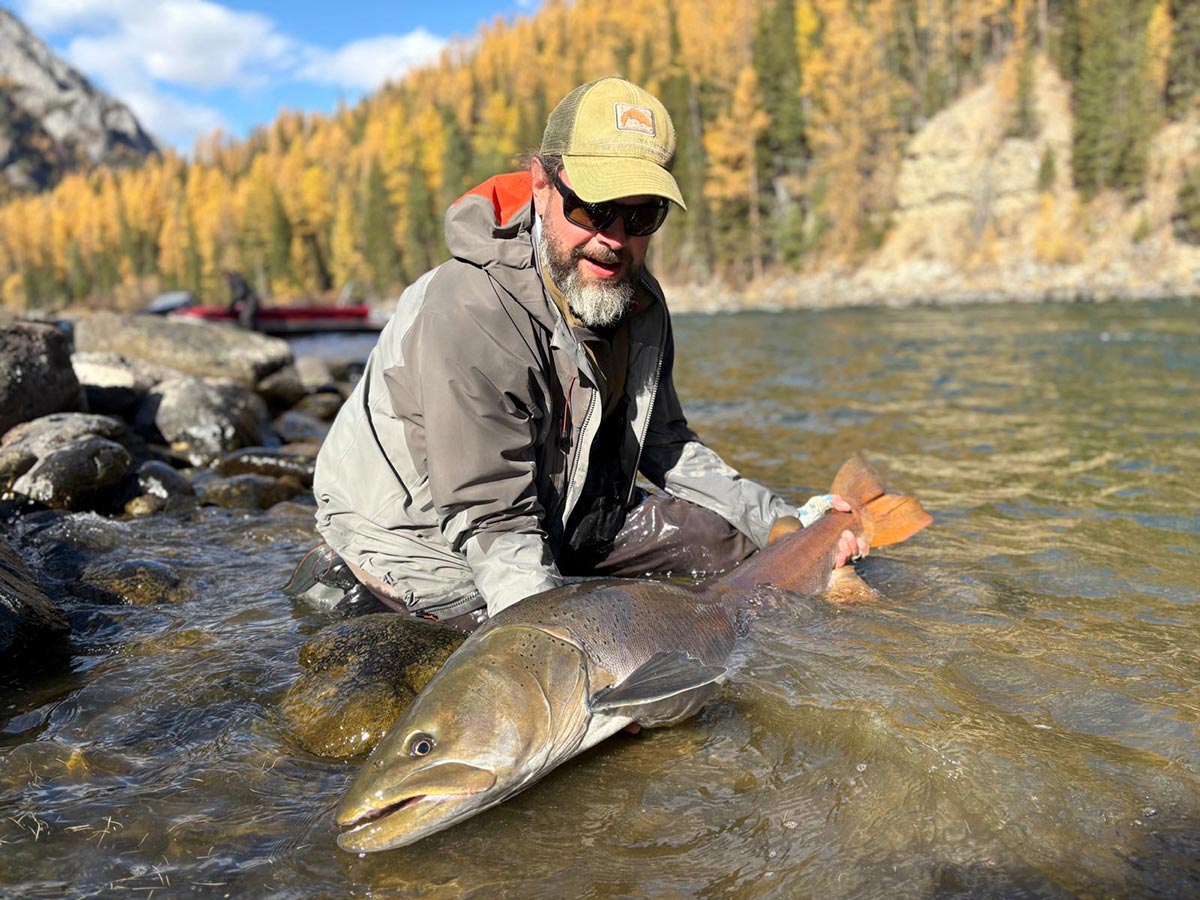
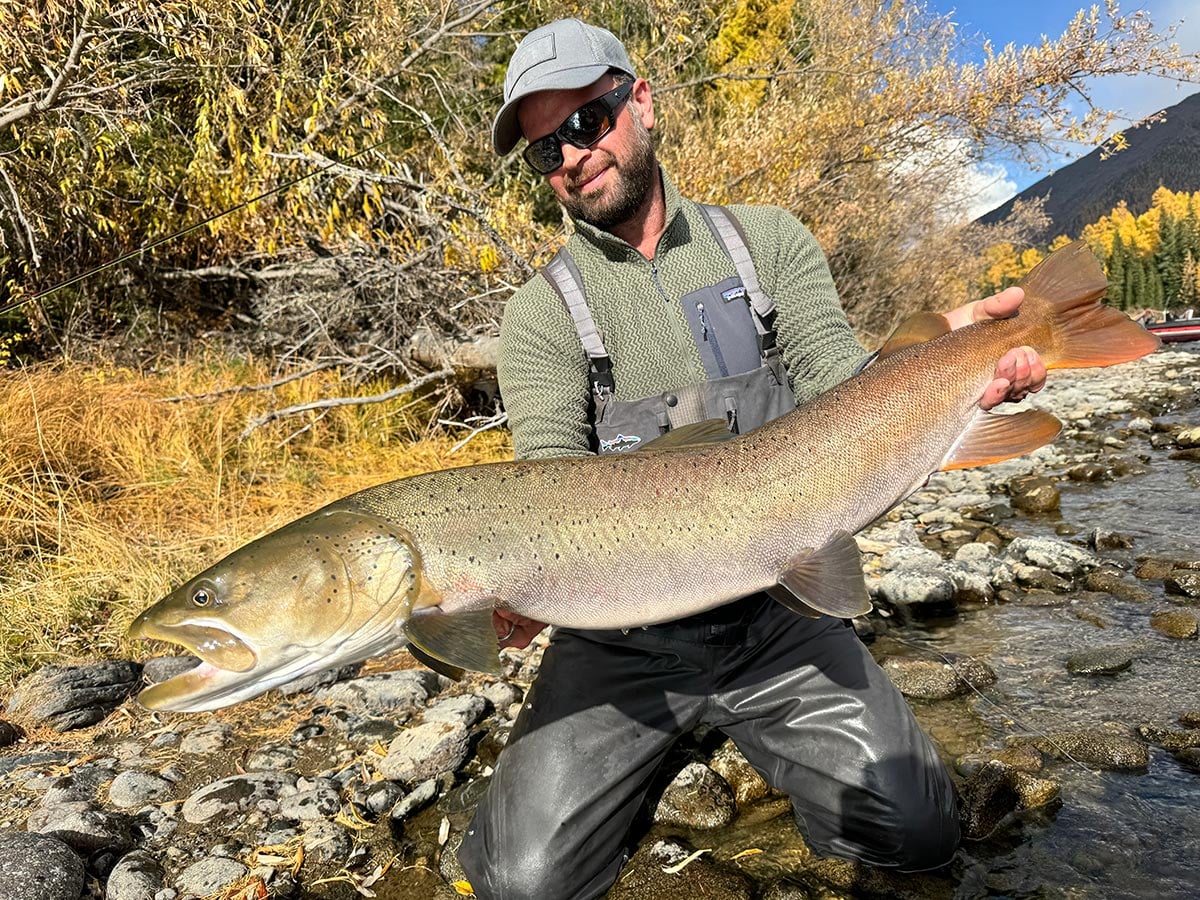
Fish in the 80–100cm class are the everyday catch on this system, with reliable numbers exceeding 130cm and documented record fish in the 140cm-plus class — a size profile found in very few rivers anywhere in the taimen’s range. That profile exists because the national park status, the absence of road access, and strictly government-limited rod numbers have kept this population from absorbing the kind of sustained pressure that has quietly diminished comparable systems elsewhere.
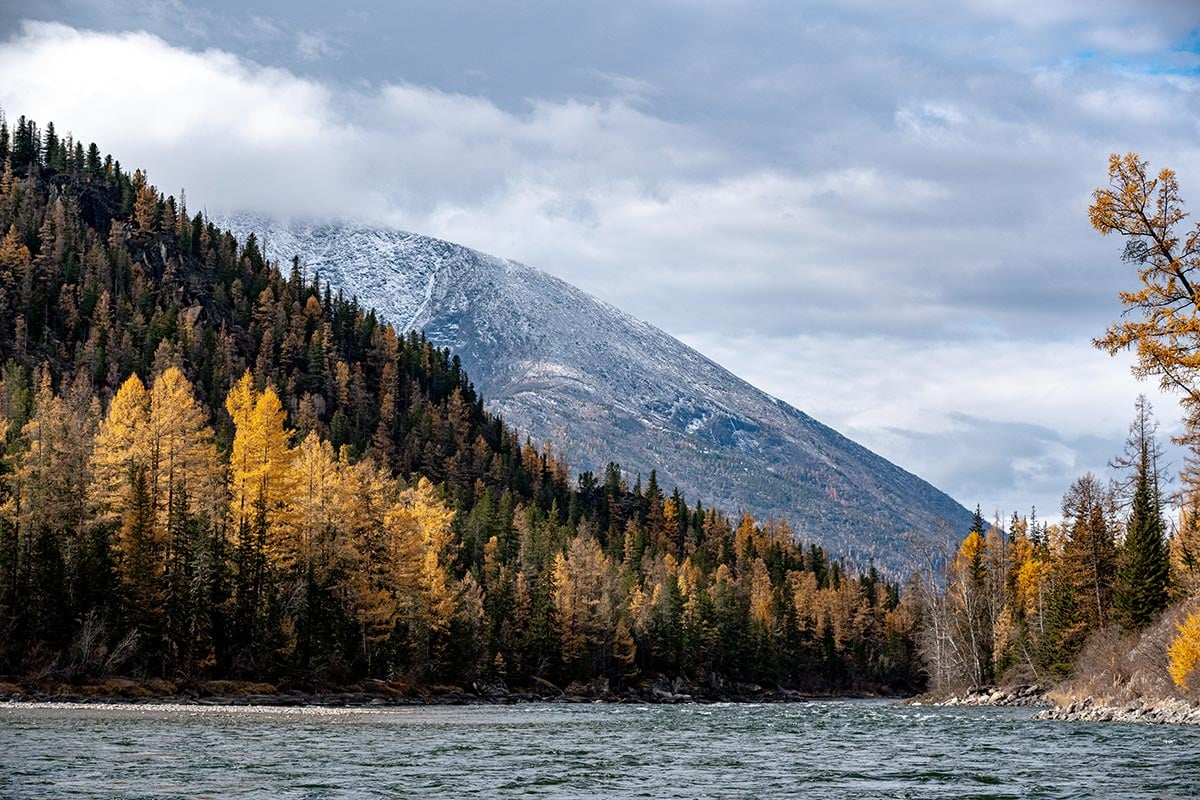
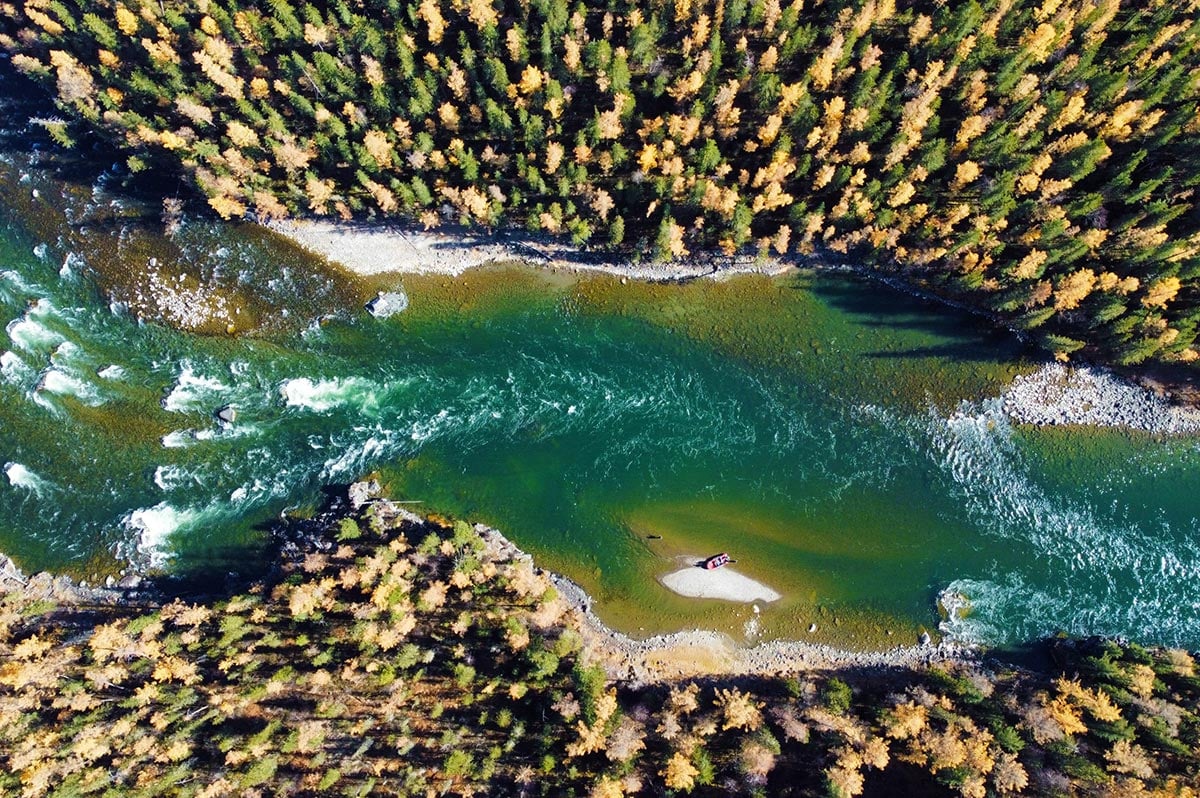
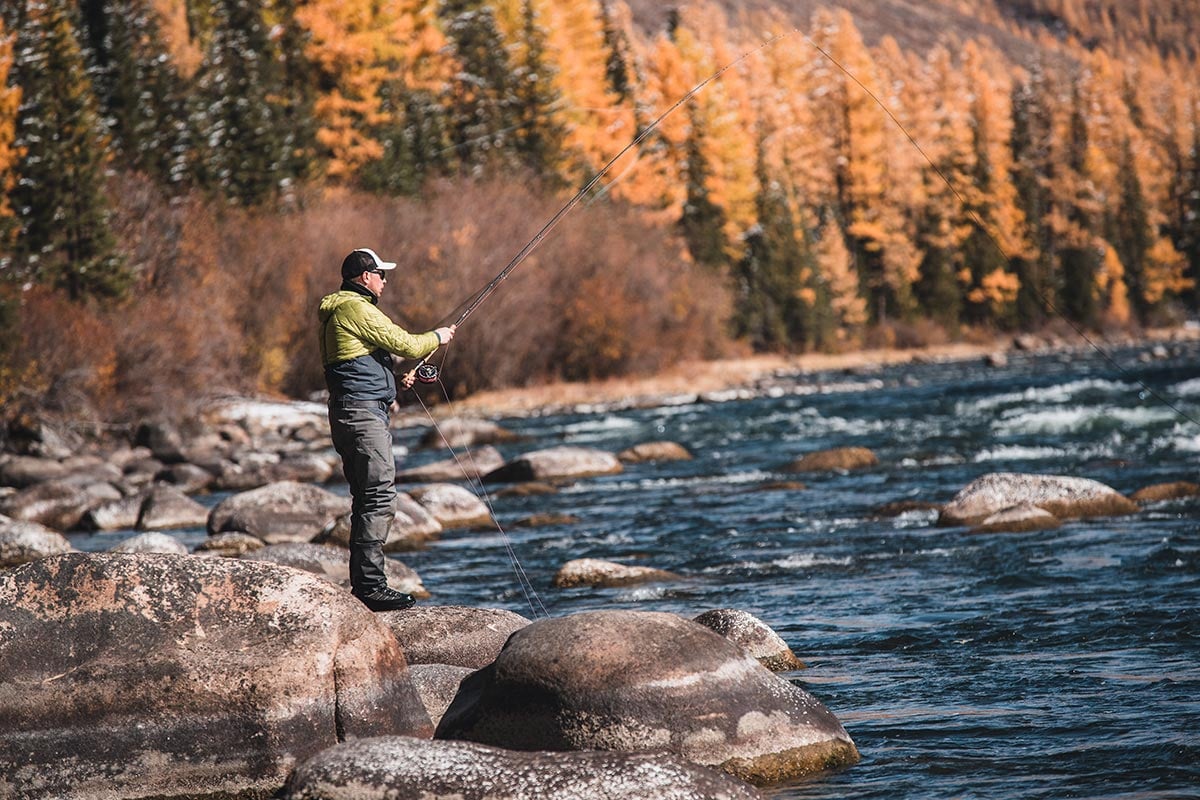
The river itself earns its reputation on character as much as fish numbers. Tall basalt columns rise above the current, the gradient steepens through boulder gardens and fast channels, and current flows break constantly around gravel bars and mid-river islands — the kind of water that gives a large predator everything it needs within a short distance of the surface.
Taimen Fishing on the Shishged: Season and Expectations
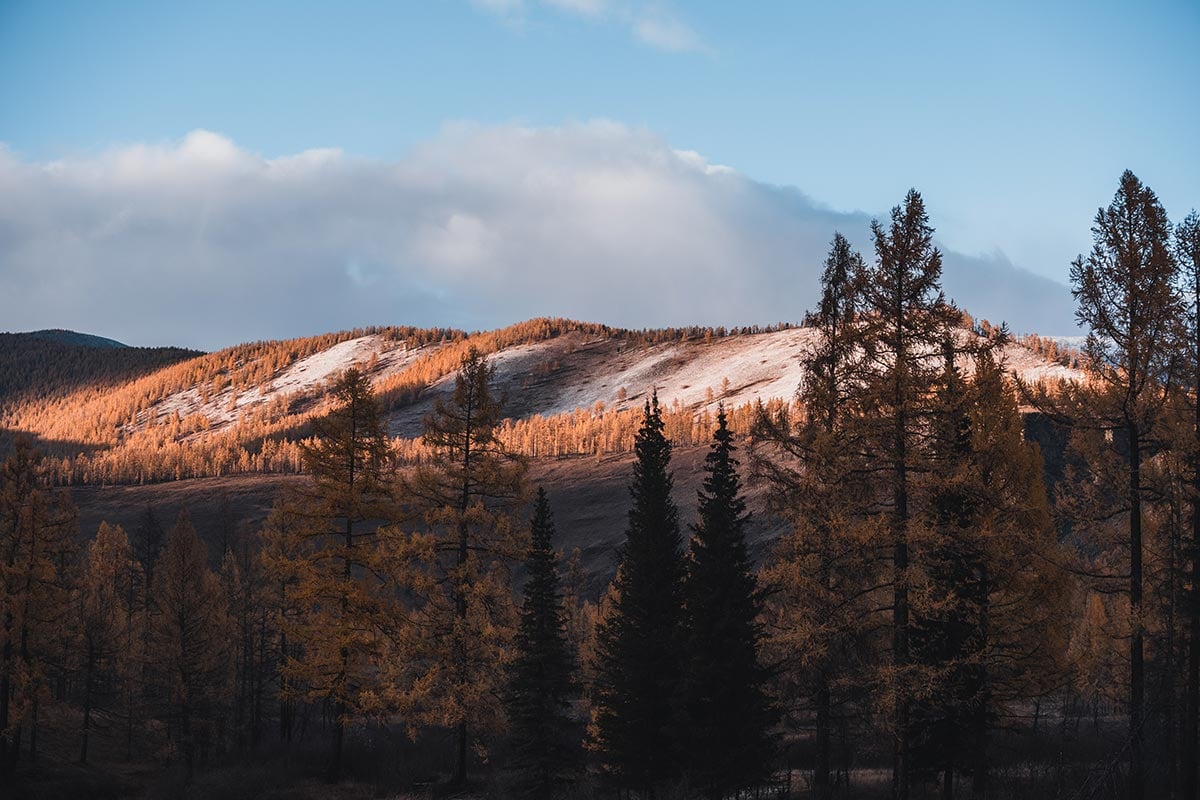
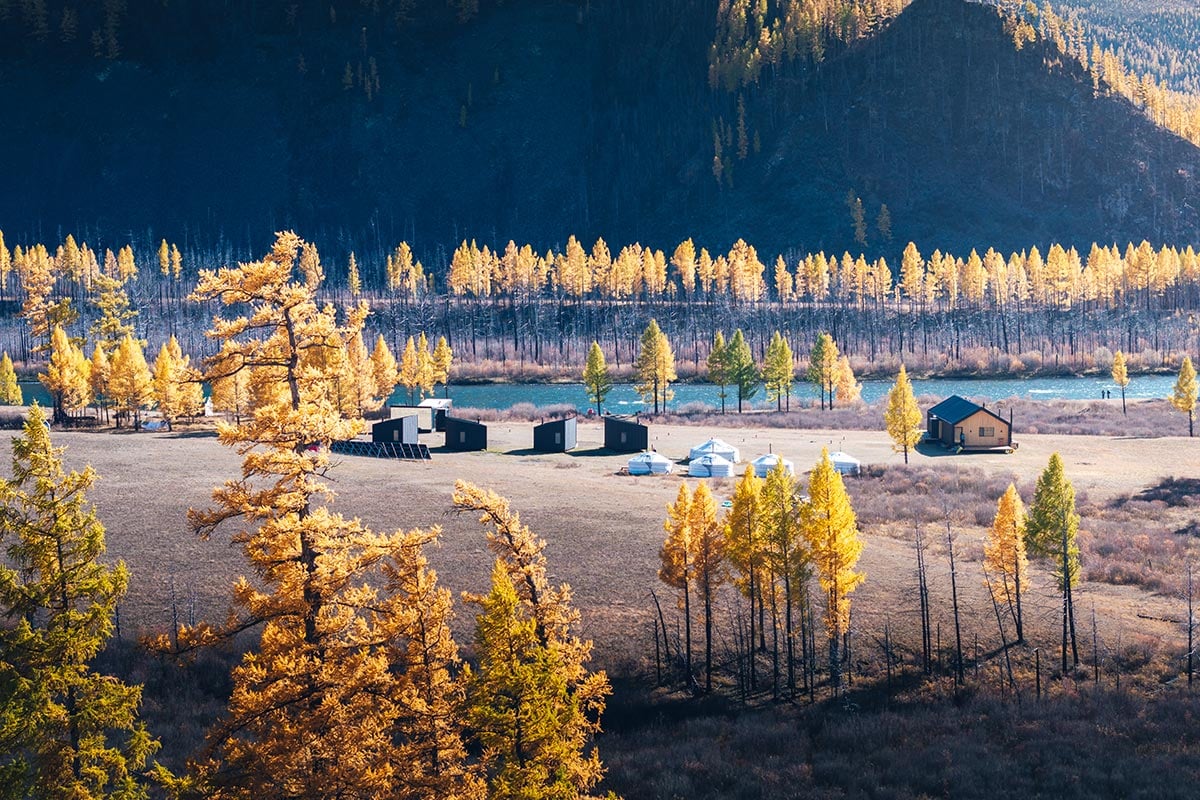
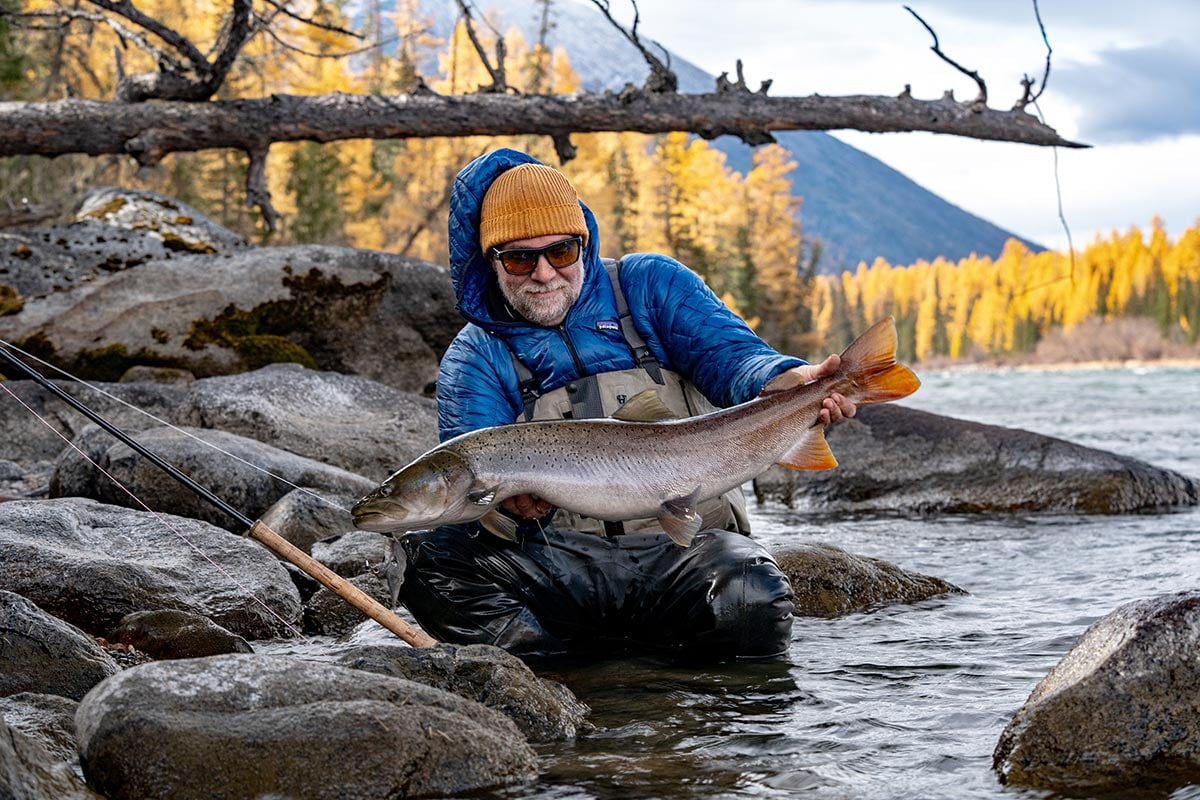
The season runs from mid-June through late October. Summer fishing — June through August — brings higher, rain-driven flows that make taimen fishing more demanding and less predictable, though lenok and grayling fishing remains excellent throughout. From late August onward, as the monsoon rains ease and the river drops and clears through autumn, taimen become more active and settle into the lies that experienced guides know by name. September and October bring the peak taimen conditions — lower water, cooler temperatures, the forest turning gold above the basalt banks, and fish that have spent the summer feeding hard and show it.
Taimen fishing on the Shishged is surface-oriented where conditions allow. Gurglers and squirrel patterns — the Shishged standards — draw violent strikes from fish holding in the slack water behind boulders and along undercut banks. The take is rarely subtle. When surface conditions are less favorable, large streamers on floating and sinking lines cover the deeper holding water, and the best days involve both approaches before lunch.
The guides here are direct about expectations: some days produce multiple fish, others require patience. The 130cm-plus class are not caught daily. What the Shishged offers is a genuine shot at a fish of that size — something few rivers anywhere can honestly claim.
Wading, Current, and the Shishged’s Character
The Shishged is a physically demanding river to wade. The current is strong, the riverbed is composed largely of large rounded boulders with variable depth between them, and footing is uncertain in many of the most productive sections. Guests who are comfortable and confident wading in heavy moving water will get the most from the program. Anglers who struggle on their feet will find access to the best lies limited.
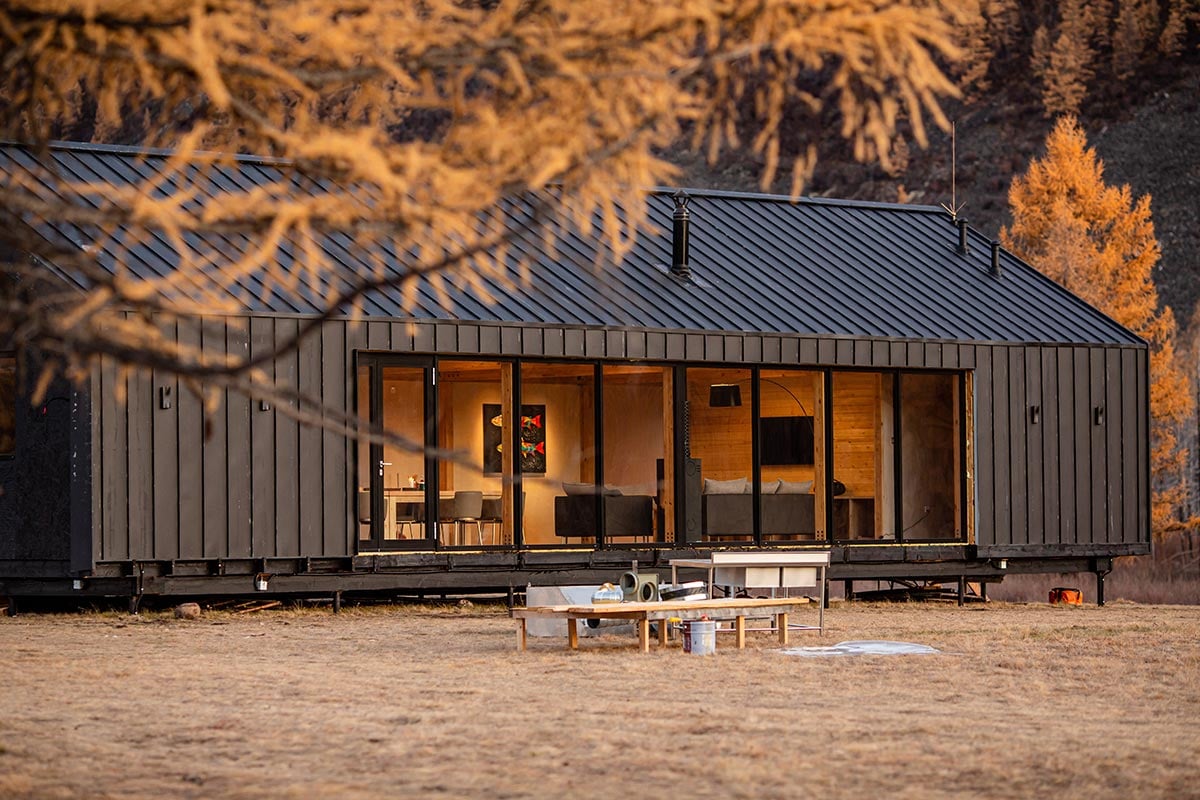
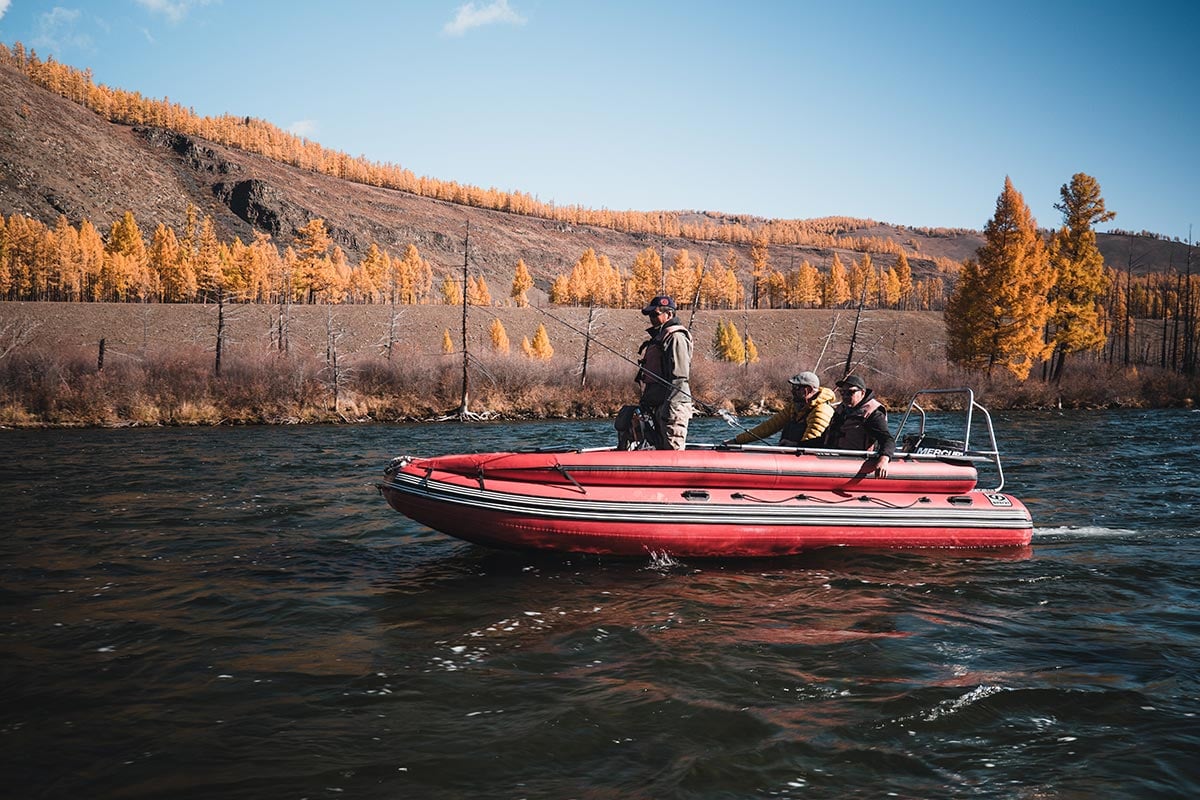
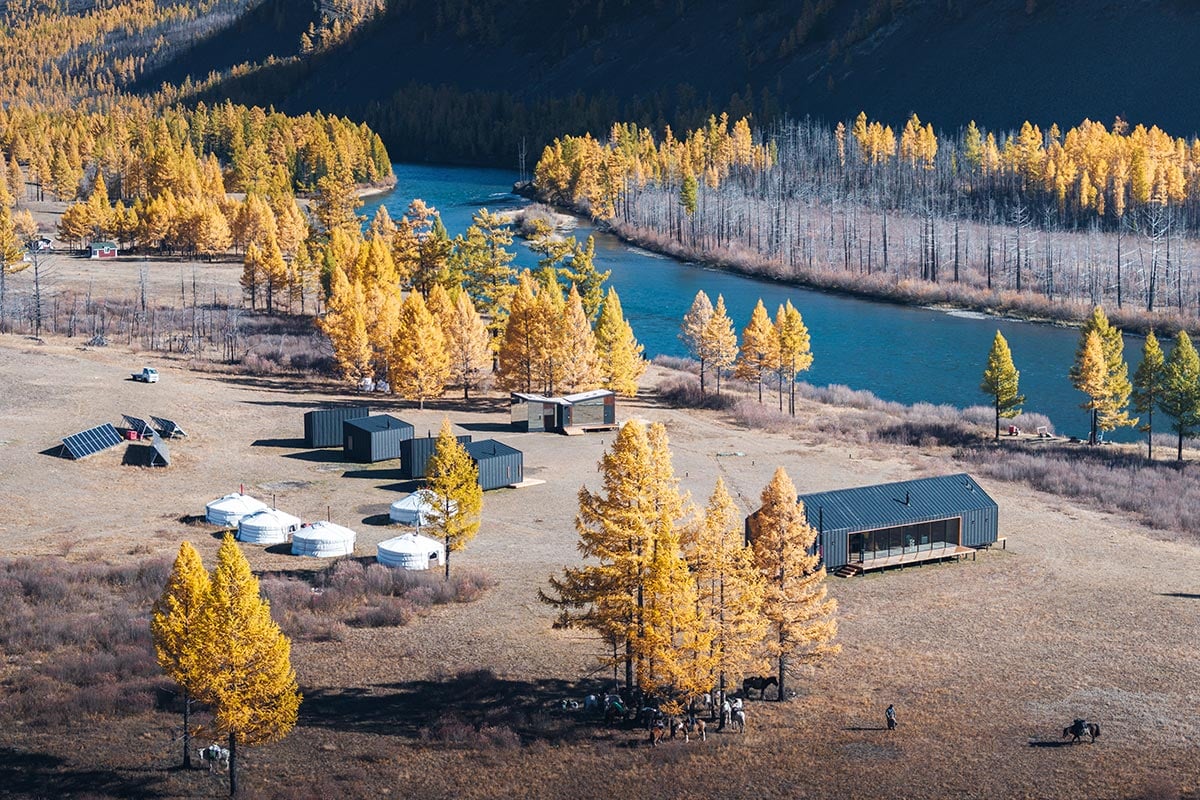
Jetboats move anglers between beats, reaching sections that no amount of bankside walking would access from camp. Some excellent water is within walking distance of the lodge; the most remote and least-pressured beats require longer runs upriver, into country where the river feels genuinely wild in a way that is increasingly hard to find.
Guided Beats and Daily Fishing Structure
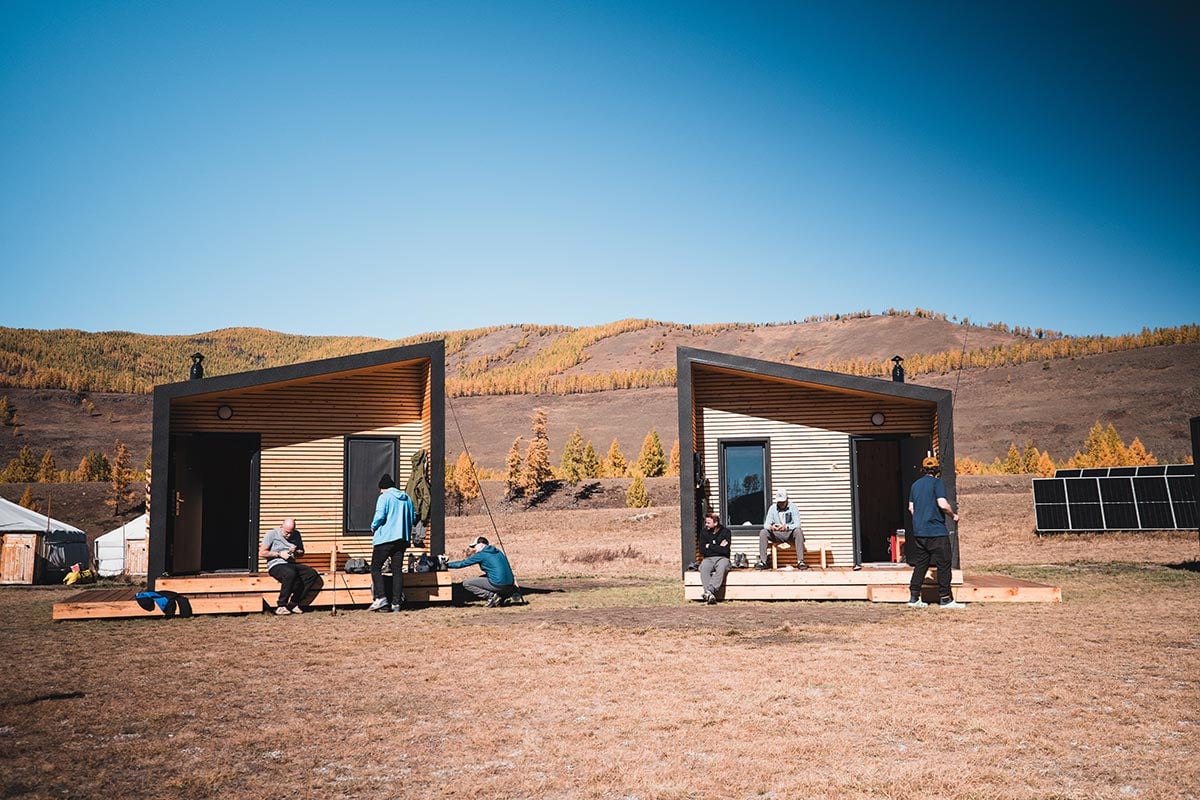
Khanagai operates with a maximum of eight rods on the system across a standard seven-day fishing program, split two to three anglers per jetboat with a dedicated guide. That ratio keeps individual anglers casting rather than watching, and allows guides to move quickly when a beat isn’t producing. The rod cap is a regulatory requirement, not a marketing position — the government-issued permits and strictly limited taimen licenses determine how many rods can legally fish this water.
Days begin after breakfast with a guide briefing on the plan. The structure is flexible by design — guides read conditions, adjust target species, and move beats based on what the river is doing rather than a fixed rotation. The program is taimen-first, but guides are attentive to what the river is doing on any given day.
Lenok and Grayling on the Tengis System
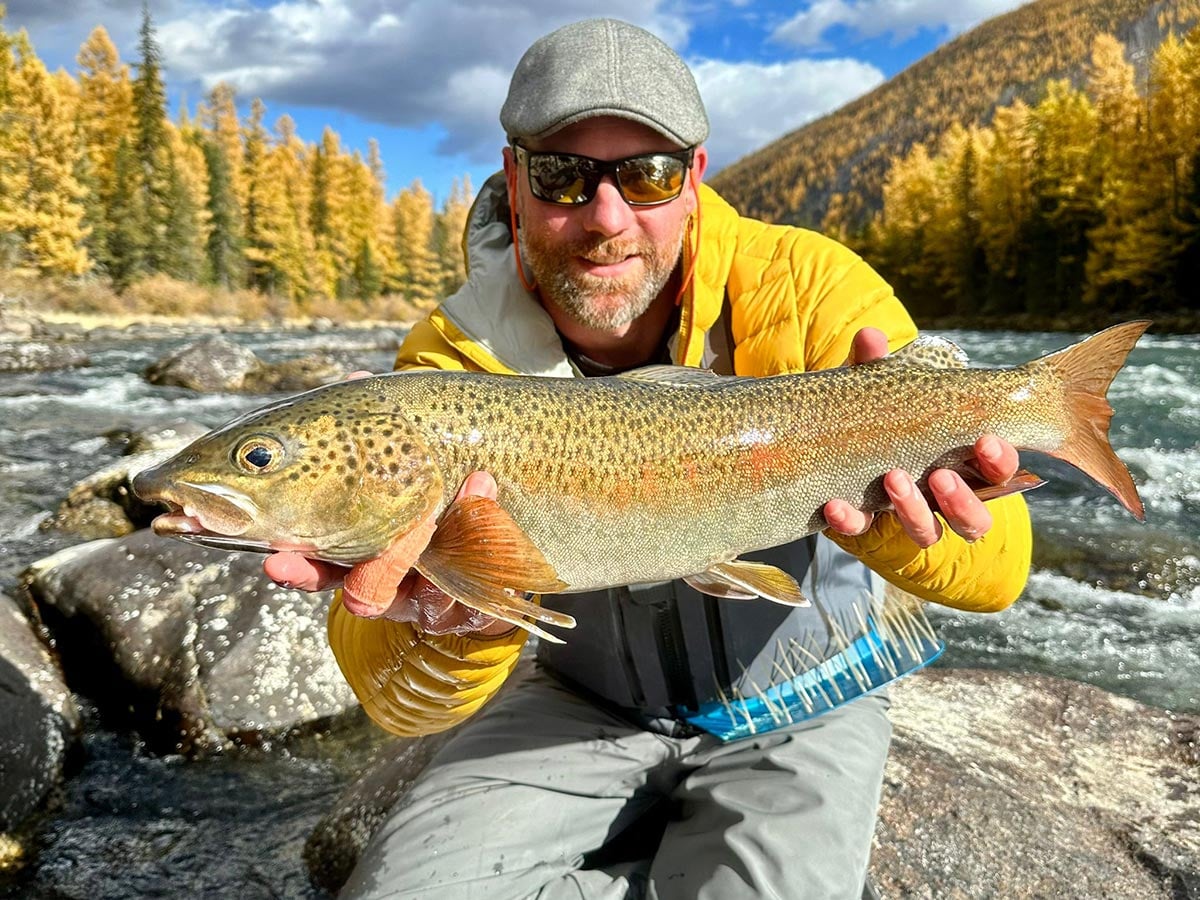
The Tengis-Shishged system holds strong populations of both lenok trout and Siberian grayling, and the daily program rotates between target species depending on time of day, location, and conditions. Lenok run to 60–65cm as a rule, fight well out of proportion to their size, and take a streamer or nymphing rig with equal willingness. The sharp-snouted lenok of this drainage are not fish to dismiss — do not mistake their modest profile for modest sport.
Grayling are abundant throughout the system and the Siberian grayling of the Shishged basin run larger and more vividly marked than their European relatives. When a hatch comes on and the grayling start rising, the dry fly fishing here is something genuinely worth stopping for — even when the taimen are cooperating.
Conservation, National Park Status, and Rod Limits
Tengis-Shishged National Park covers 869,000 hectares of boreal taiga in Khuvsgul Province, established by the Mongolian Parliament in 2011 and registered as IUCN Category II. Fishing within the park requires special government permits, which Khanagai secures on behalf of its guests. The strictly limited number of taimen licenses issued each season is the mechanism that keeps this fishery at the level it is — remove the limits and the fish that define it would not survive a decade of unmanaged pressure.
All taimen fishing at Khanagai is catch-and-release, single barbless hook only, without exception.
Reaching the Tengis-Shishged Watershed
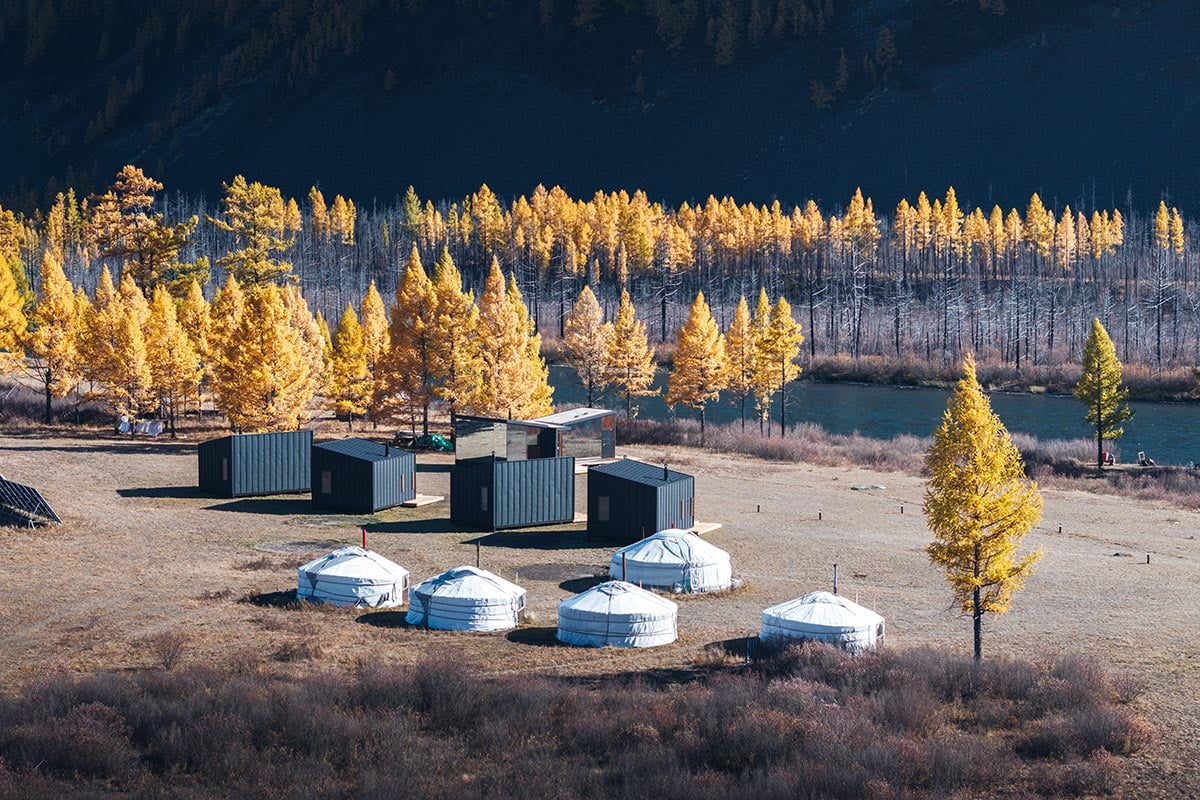
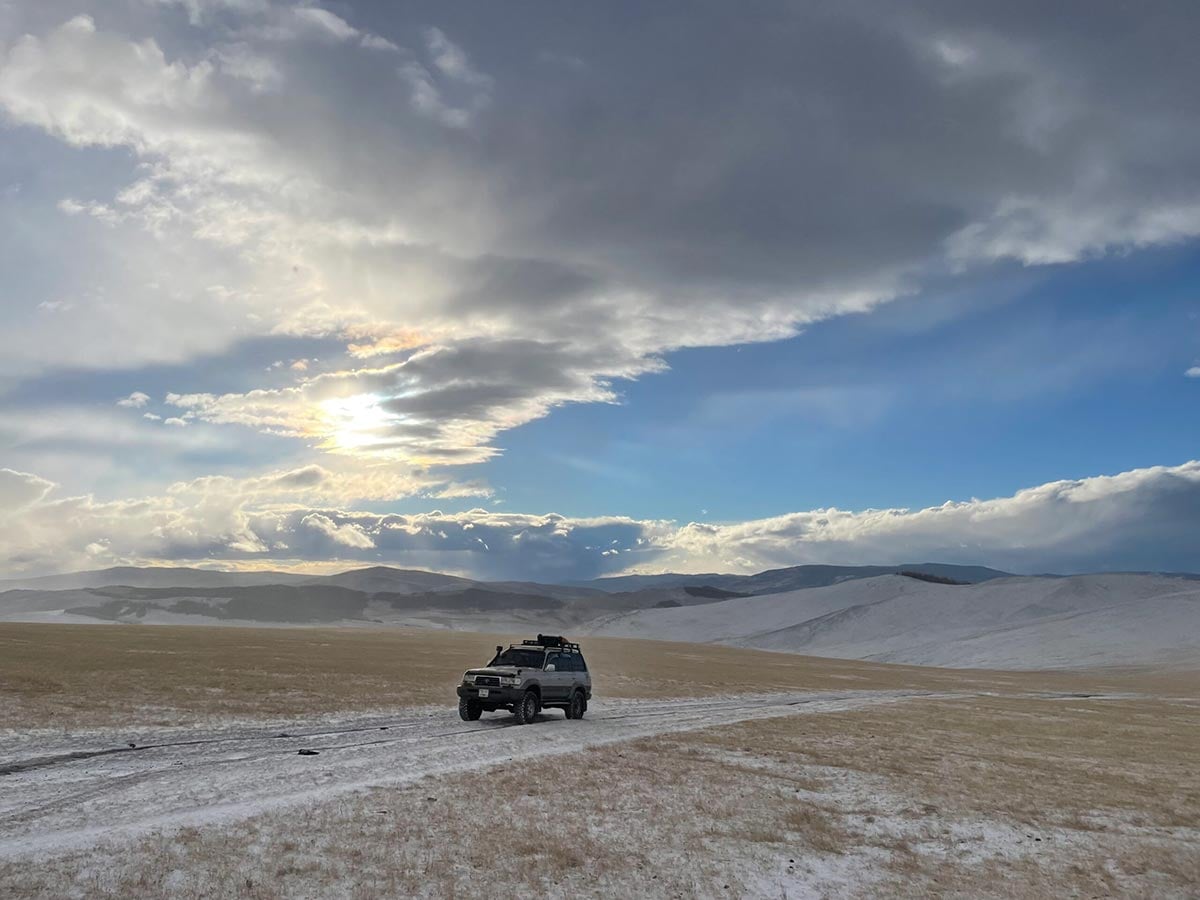
From Ulaanbaatar, guests fly domestically to Murun before an approximately seven-hour private 4WD transfer north through steppe, mountain passes, and river crossings to the Tengis-Shishged confluence, with an overnight in Murun before departure. The final stretch to camp is by jetboat.
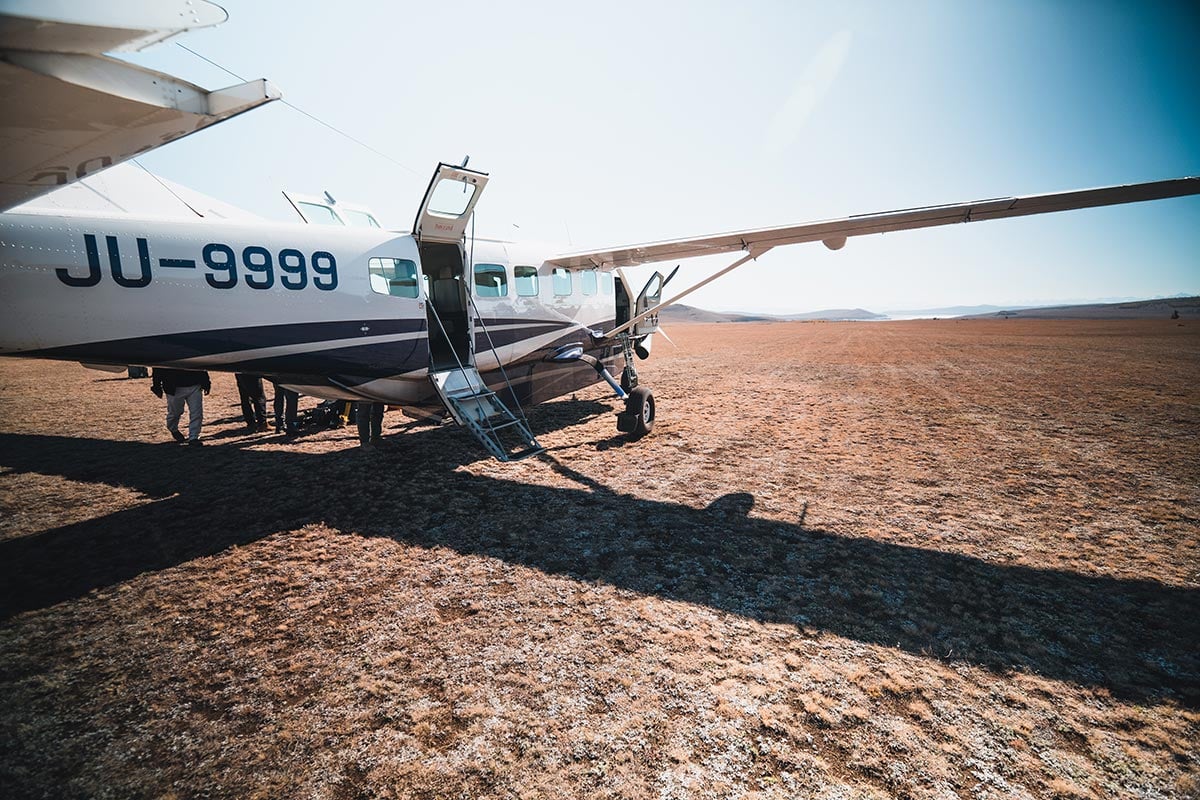
For those wanting to arrive the same day, Khanagai offers a private Cessna charter flying directly to Tsagaannuur — included in the weekly rate.
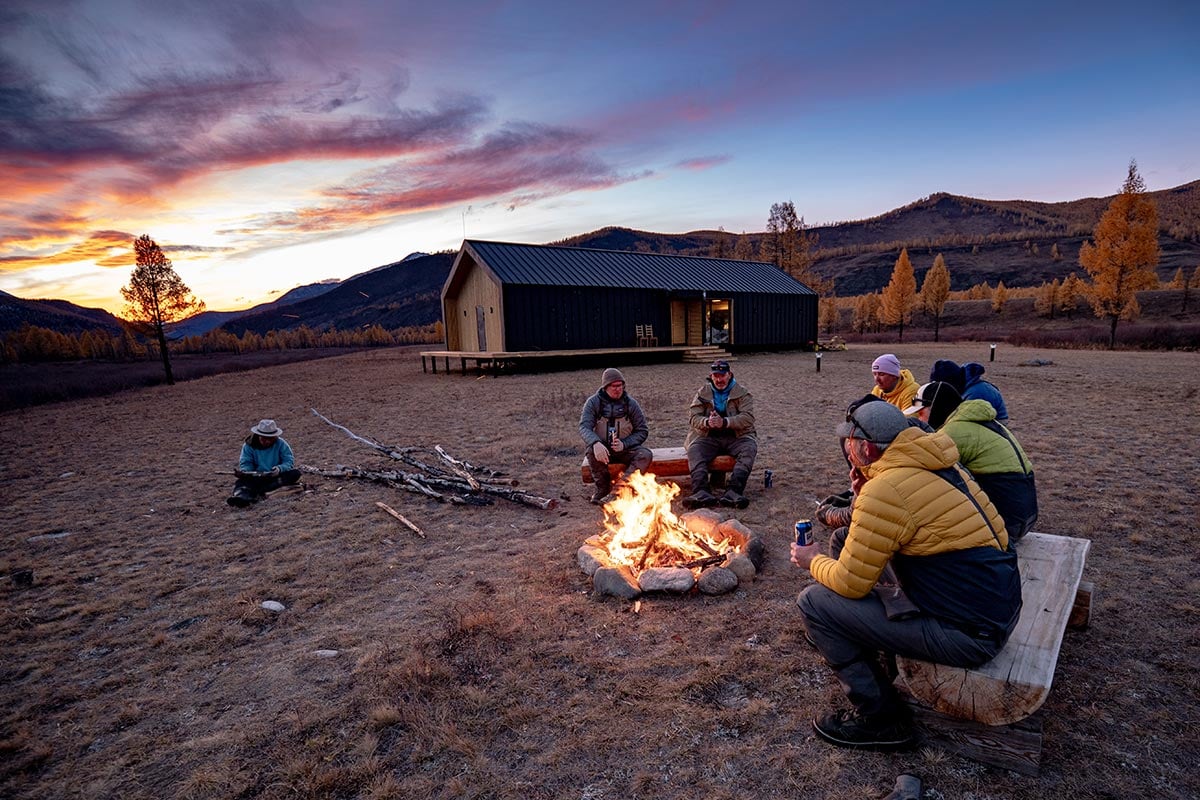
There is no road access to the fishing grounds — they are reached only by jetboat, horse, or raft. The beats Khanagai fishes have absorbed a fraction of the pressure that any comparable system closer to infrastructure would attract, and it shows in the fish.
Few rivers demand as much of the angler as the Shishged — yet few offer what it delivers: a genuine, documented shot at a wild taimen exceeding 130cm on the fly, in a national park watershed that has never been over-fished.
To learn more about the fishing and express an interest, message Khanagai Lodge.