The Paraná River Program at Río Bravo Lodge
Río Bravo Lodge, located near San Javier in Argentina’s Santa Fe Province, provides access to one of the country’s most established golden dorado fisheries on the Paraná River. Operating from August through April, the lodge offers a warm-water fishing program built around mobility, local knowledge, and daily exploration of a constantly changing river system.
Fishing is fully guided and conducted by boat, giving anglers access to a wide range of habitats over the course of a stay. From the Paraná’s main channels to its tributaries, side arms, flooded margins lined with timber, and oxbow lagoons set back from the current, days move in step with fish movement as water levels shift through the season. In addition to dorado, the Paraná supports surubí, pacú, boga, and other native species, adding variety and depth to the fishing week.
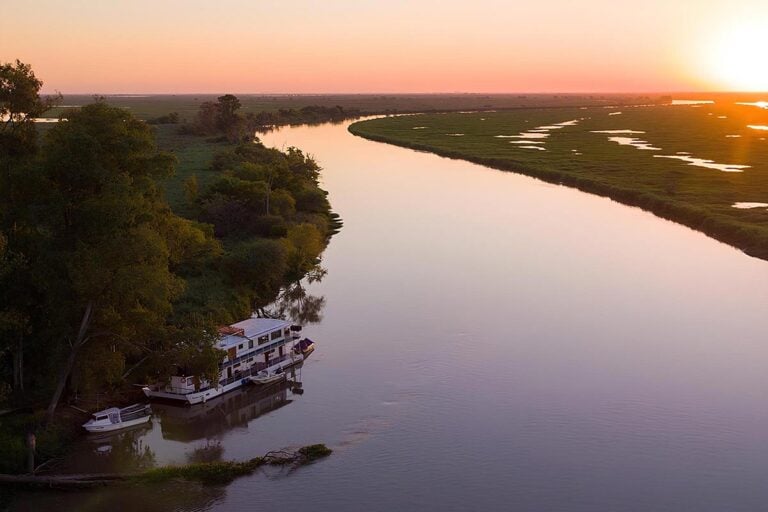
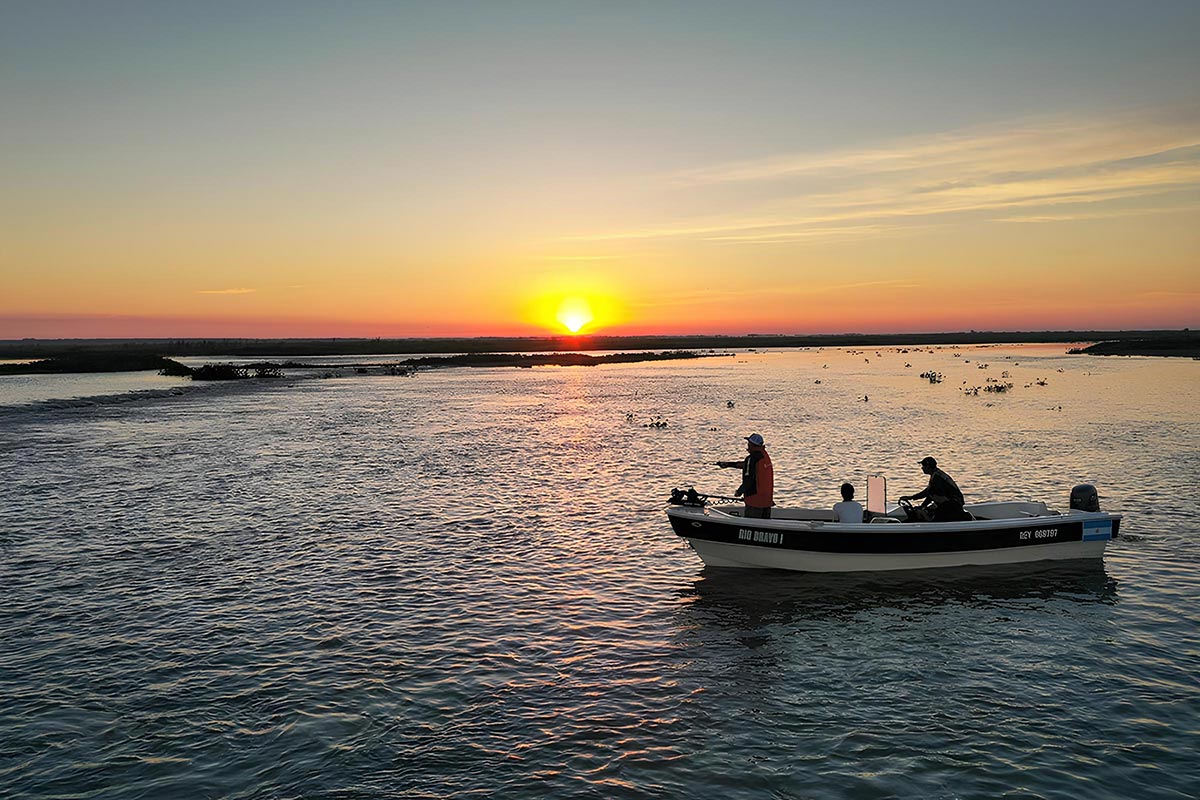
Fishing access is streamlined, with boats launching close to the lodge and covering long sections of river each day. The wide banks, open sky, and slow bends of the Paraná give a clear sense of scale, while this mobility allows the program to stay aligned with conditions rather than tied to fixed water.
Golden Dorado Fishing on Argentina’s Paraná River
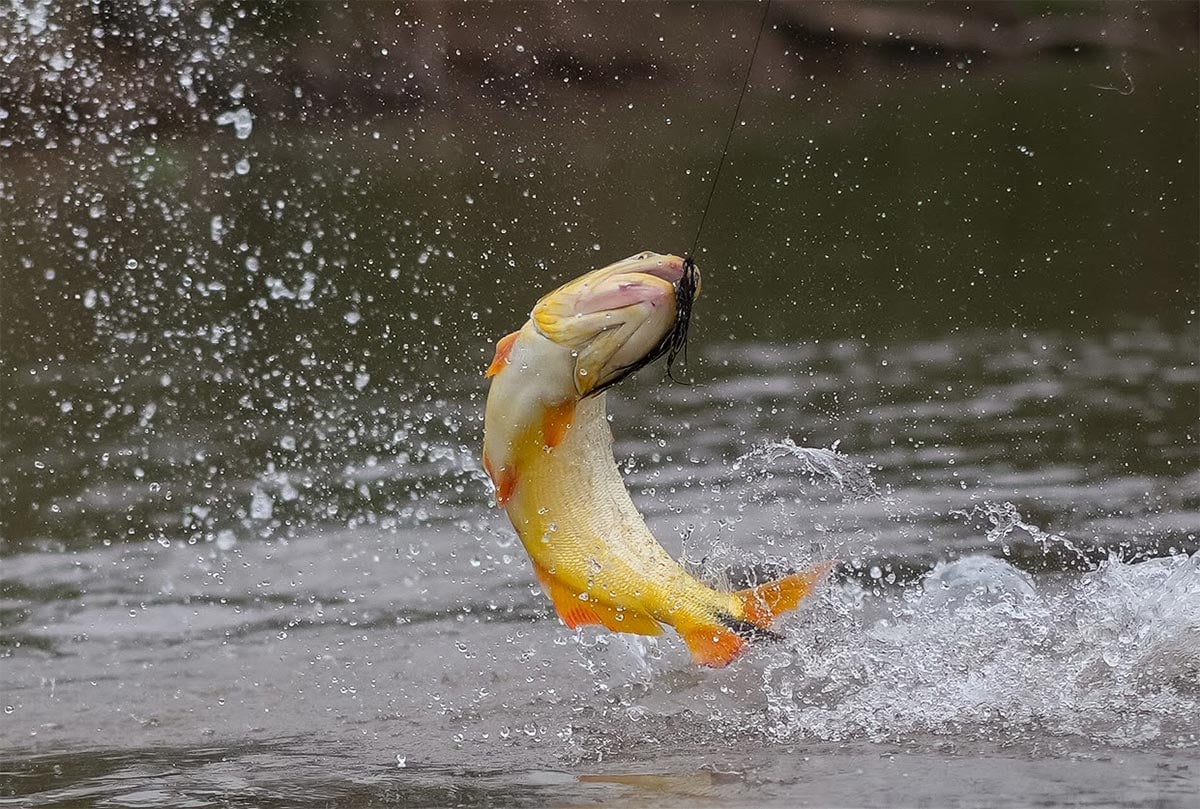
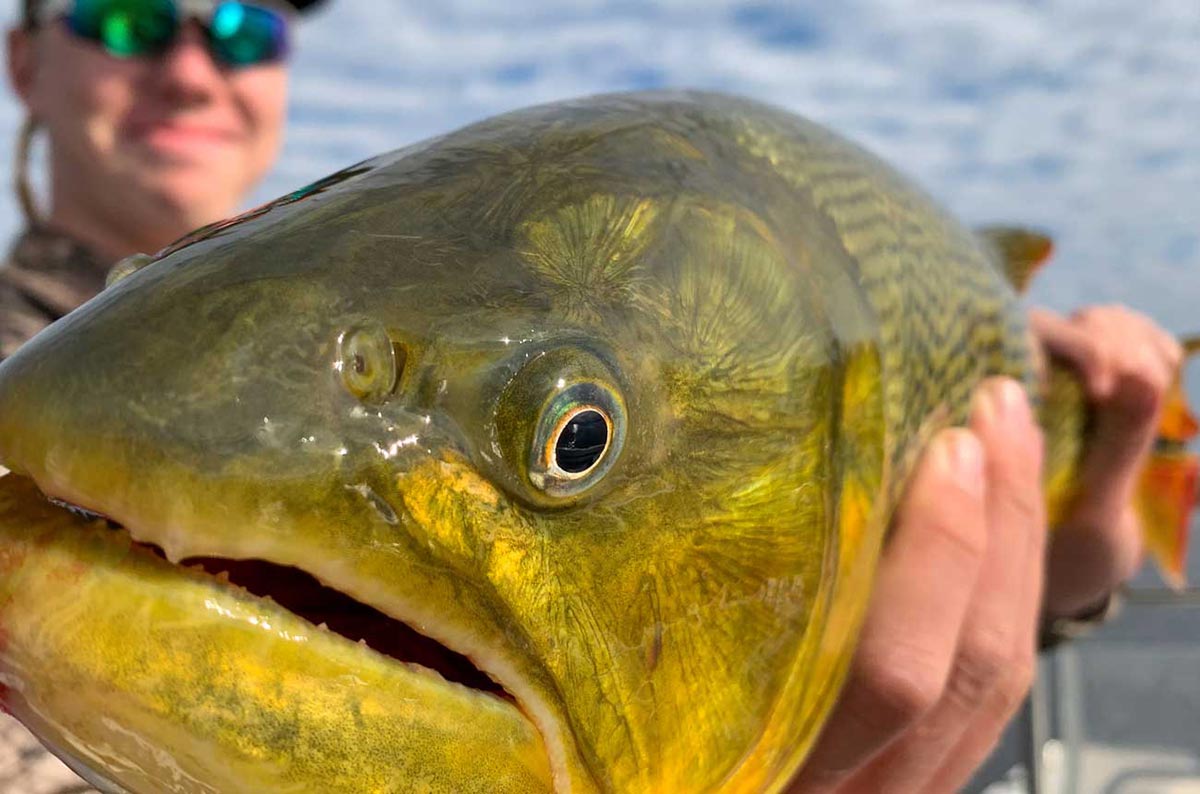
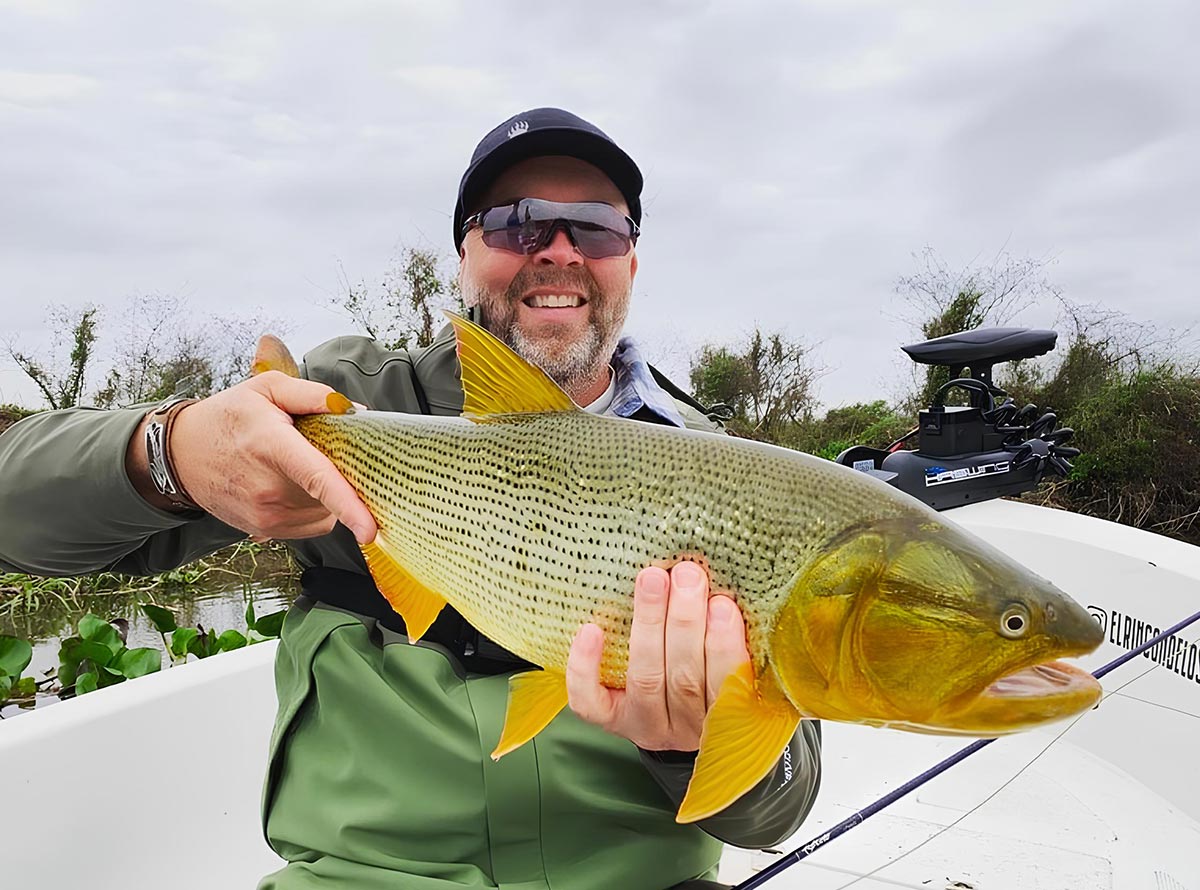
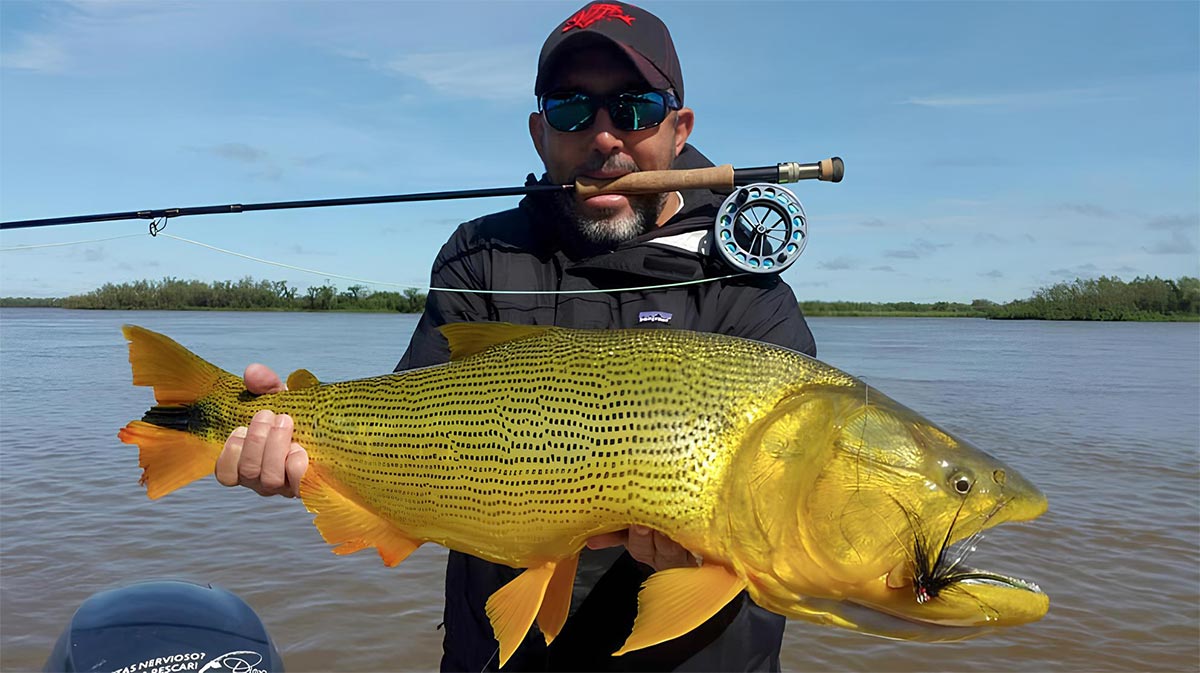
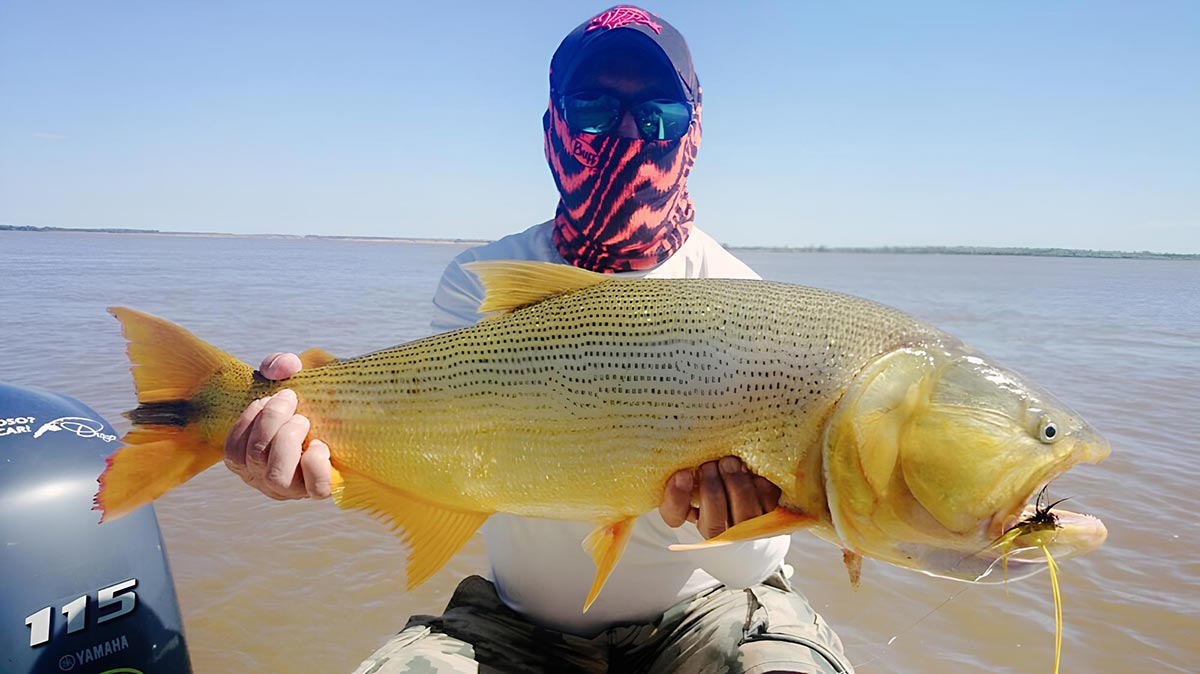
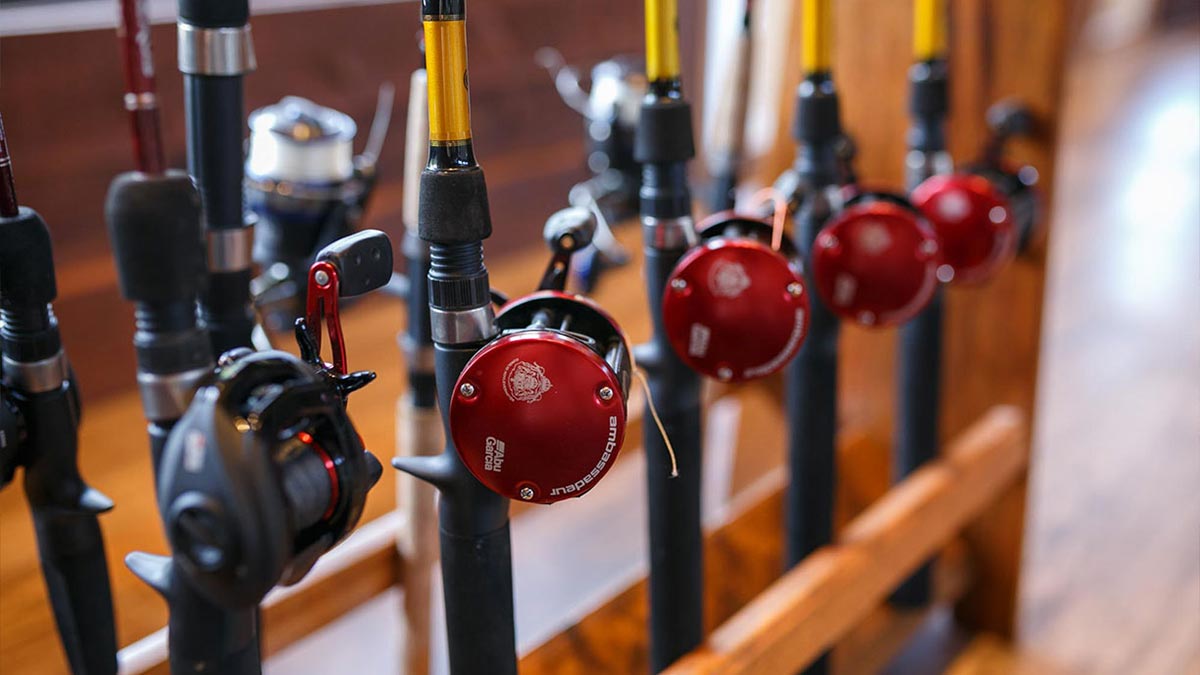
Golden dorado are the clear focus at Río Bravo Lodge and thrive in the Paraná’s powerful, sediment-rich waters. Dorado use current lines, submerged structure, and bait movement to hunt aggressively, producing explosive takes and long, sustained fights once hooked—whether chasing trophy fish with a fly rod or fishing with conventional tackle.
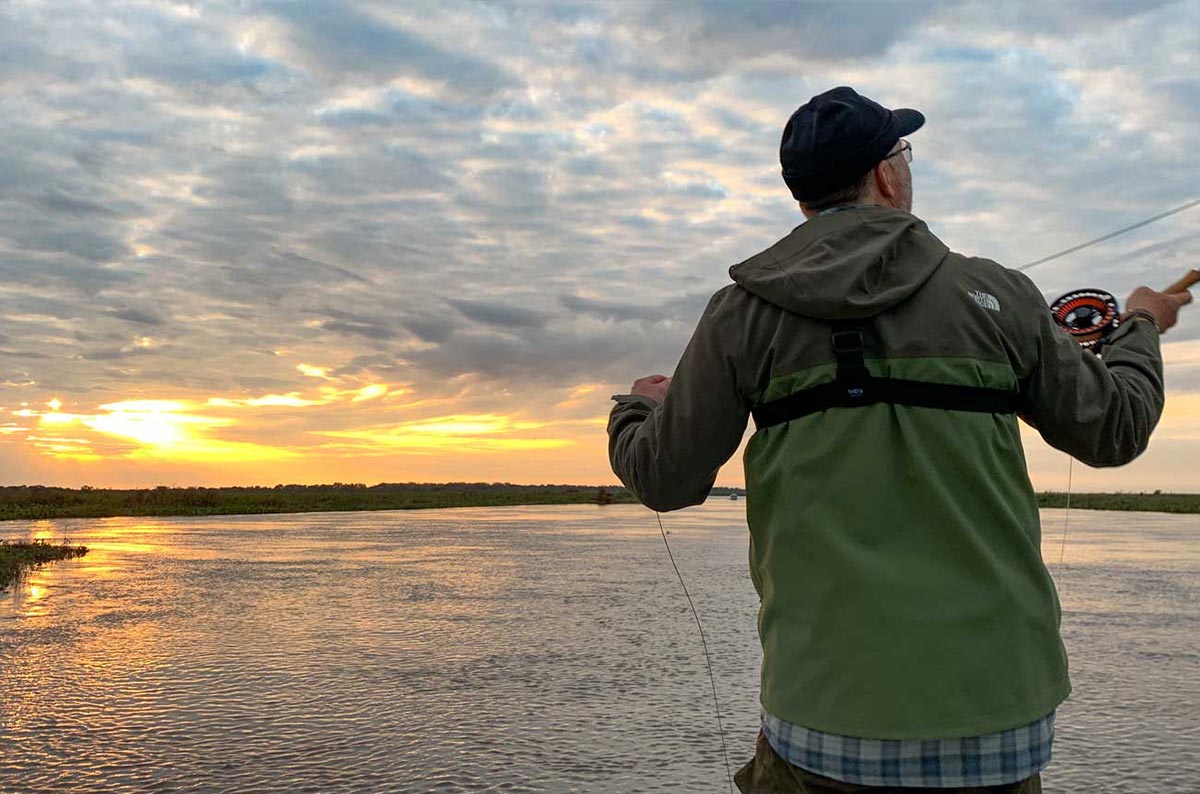
Fish commonly range from 10 to 40 pounds, with larger specimens encountered each season as conditions align. Both fly fishing and spin fishing are used throughout the season, depending on water level and angler preference, allowing presentations to match different parts of the river system.
The scale of the river allows fishing pressure to be spread across the system, avoiding repeated focus on the same stretches during a stay. Dorado may be found holding along moving water in the main river or pushing into calmer edges and side channels, with each area offering a distinct fishing rhythm.
Fishing Water Types: Main Channels and Lagoons
This stretch of the Paraná River typically runs with more color and sediment, with fishing shaped by flow, depth, and cover rather than visibility. Success comes from understanding how fish position and travel as conditions change through the season. Guides work across the Paraná’s diverse habitats, from fast-moving channels and side arms to sheltered backwaters and lagoons that connect to the river during higher water.
As water levels rise and fall, these areas fish differently. Higher water opens access into flooded margins and lagoons where dorado hunt among submerged cover, while lower flows concentrate fish into more predictable holding areas along defined edges and travel lanes. This variation keeps fishing dynamic and prevents consecutive days from feeling repetitive.
Boat-Based Fishing and Daily Rhythm
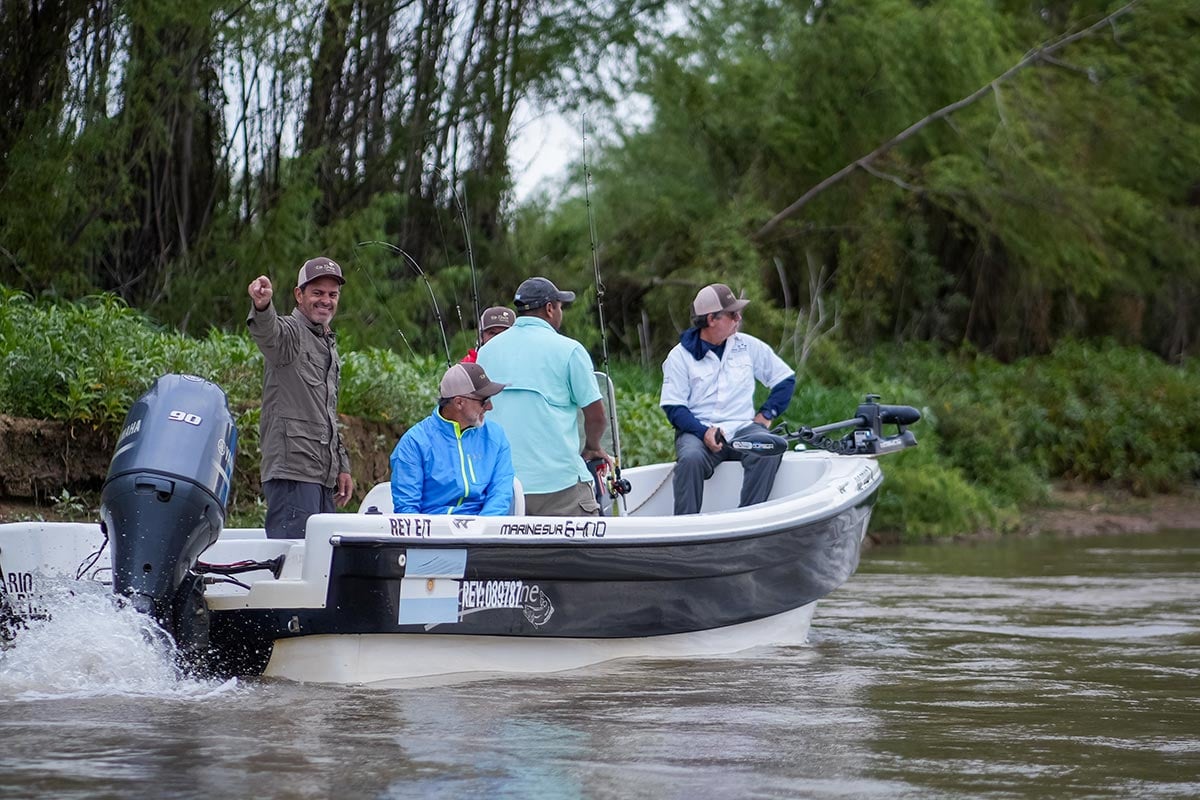
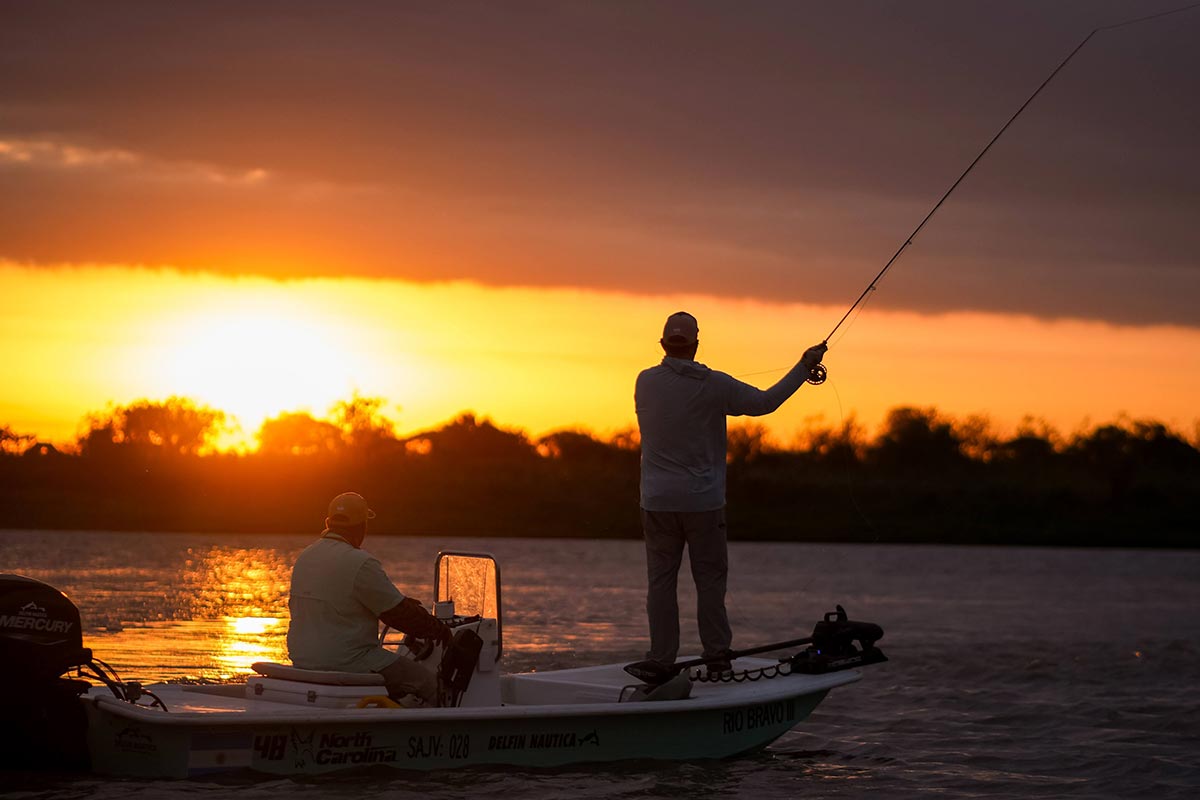
Fishing at Río Bravo Lodge is entirely boat-based, using stable, shallow-draft vessels suited to the Paraná’s size and variability. Boats allow anglers to cover multiple sections in a day, move between river types, and reposition as water levels or activity change.
Days are paced to allow water to be fished properly rather than hurried. Evenings are spent back at the lodge, with time to rest, review the day, and plan the following session.
Fishing for Surubí, Pacú, and Boga
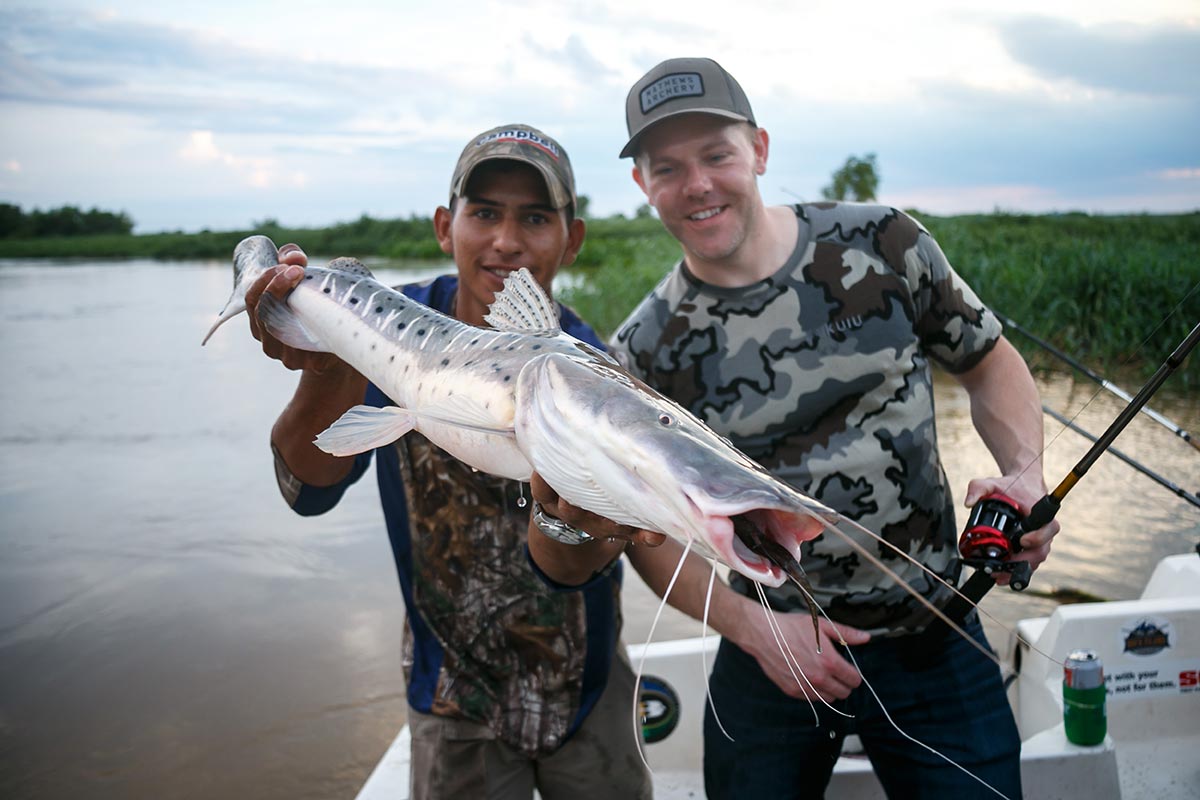
While golden dorado are the headline species, the Paraná supports a broad mix of game fish that add depth to the fishing experience. Surubí, the river’s iconic giant catfish, inhabit deeper sections and can exceed 100 pounds, offering a powerful contrast to dorado fishing and will test even the heaviest tackle setups.
Pacú are commonly encountered in calmer water and flooded areas, known for their strength and stubborn fights. Boga and piranha are frequent encounters throughout the system, adding variety alongside dorado fishing. Freshwater stingray are also present in parts of the river, reflecting the Paraná’s rich and diverse ecosystem.
Seasonality and Changing River Conditions
The fishing season at Río Bravo runs from August through April, with river conditions shifting gradually as the year progresses. As levels rise or fall, fish reposition within the system and different areas come into play. Early and mid-season periods often open large sections of connected water, while lower flows later in the season can concentrate fish into more defined zones.
Rather than limiting fishing, these seasonal changes broaden the range of water that can be explored across a stay and help maintain consistency throughout the season.
Consistency and Fishing Pressure on the Paraná
The size of the Paraná River allows Río Bravo Lodge to manage fishing pressure carefully across its operating area. Water is approached deliberately rather than repeatedly, maintaining quality conditions and protecting the character of the fishery over the course of the season.
Local Guides and Paraná River Experience
Río Bravo’s guides are lifelong locals with deep familiarity of the Paraná and its seasonal rhythms. Their approach is shaped by time on the river rather than fixed routines, focusing on reading conditions as they develop each day. The result is a calm, informed style of guiding well suited to the scale and pace of this part of the Paraná.
Note: For guests interested in extending a golden dorado trip, the same team also operates Bravo Sur Lodge, focused on trout fishing in northern Patagonia, offering the option to combine warm-water dorado fishing with a dedicated trout program as part of a longer stay.
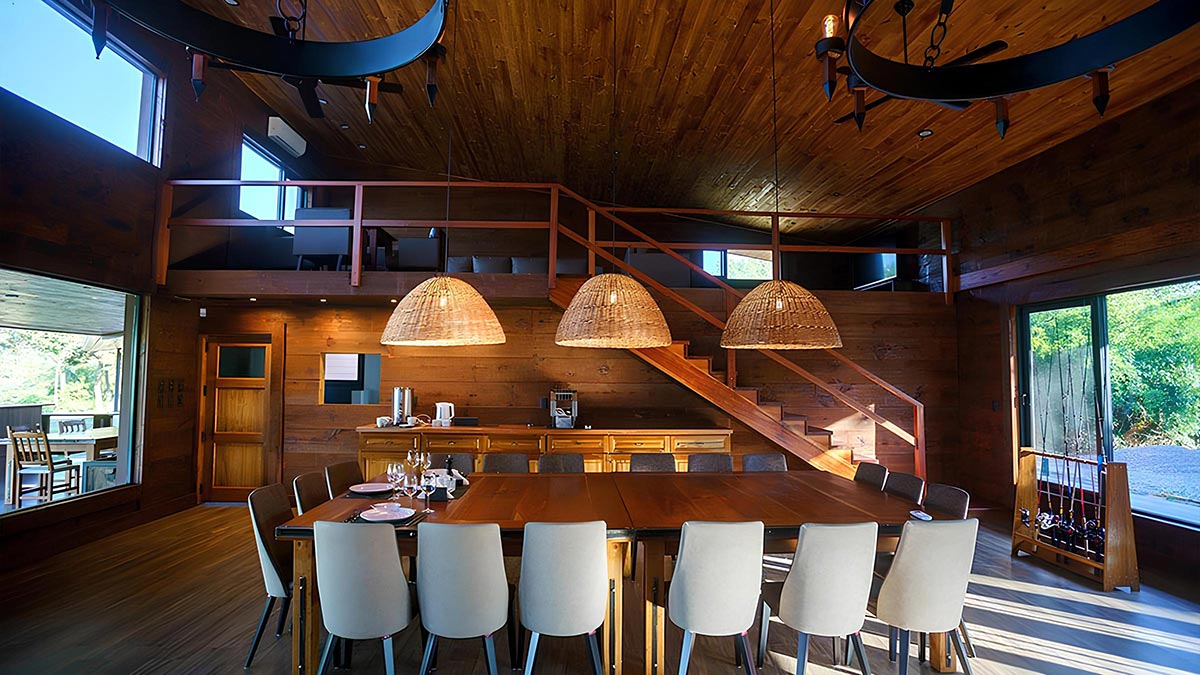
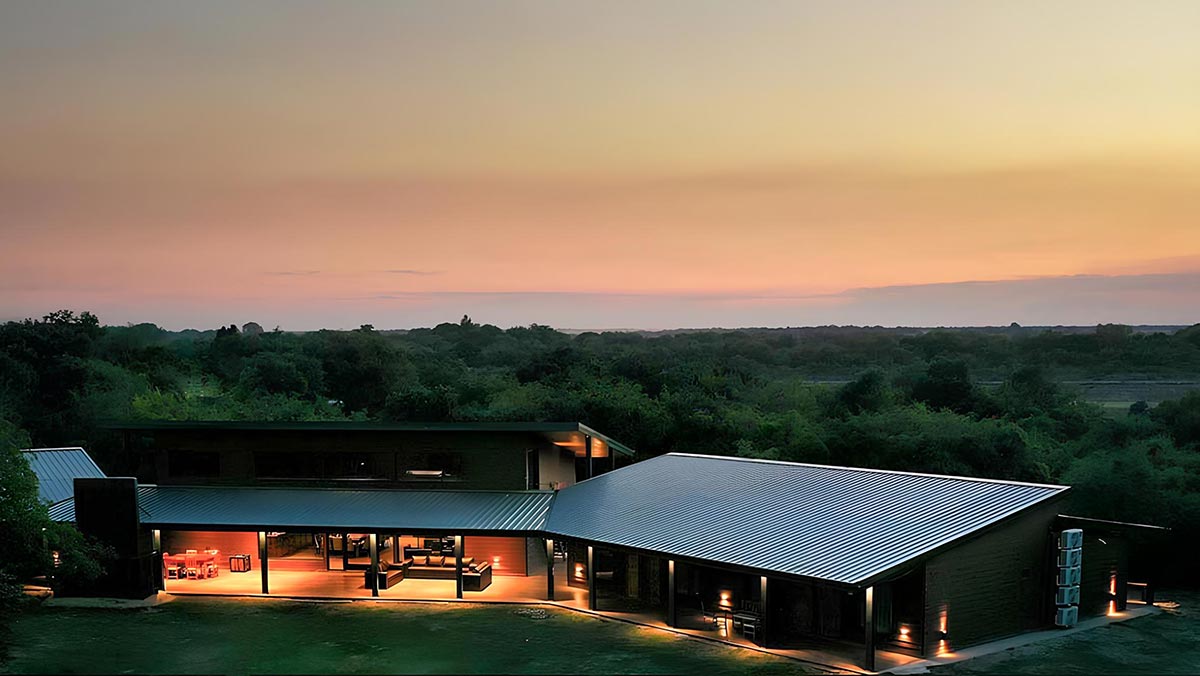
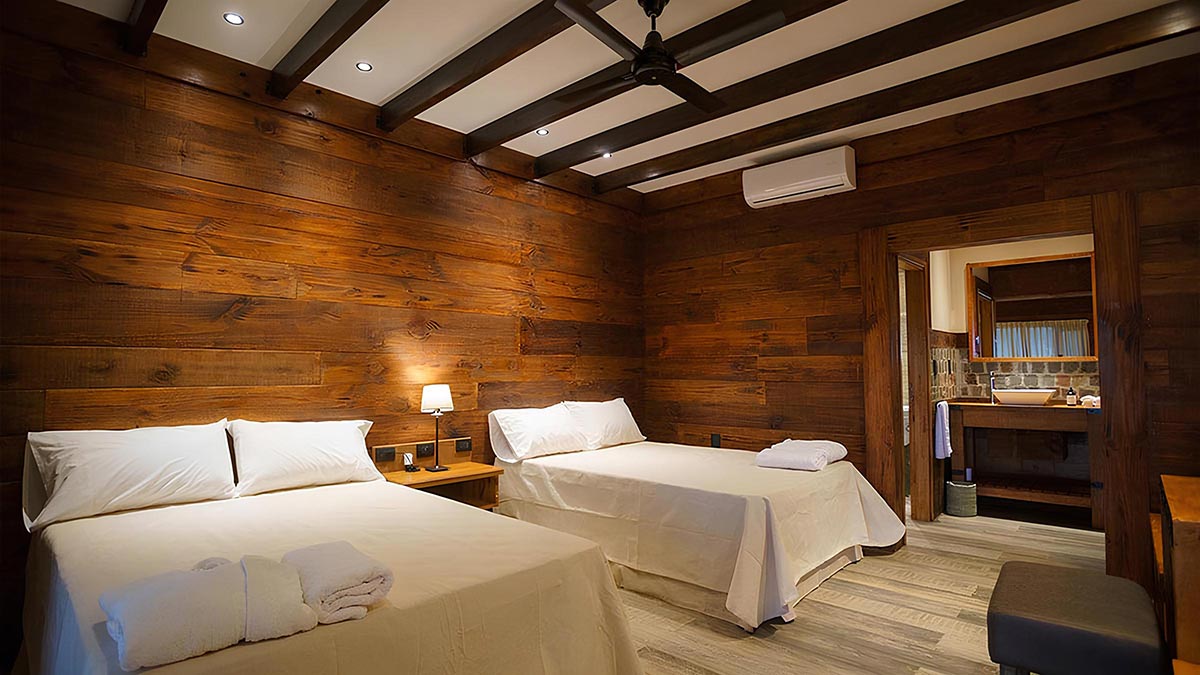
Combining prolific fish populations with a very comfortable base, the Río Bravo experience offers direct access to Argentina’s legendary golden dorado and other notable game fish.
To learn more about the fishing and express an interest, message Sierra Brava.