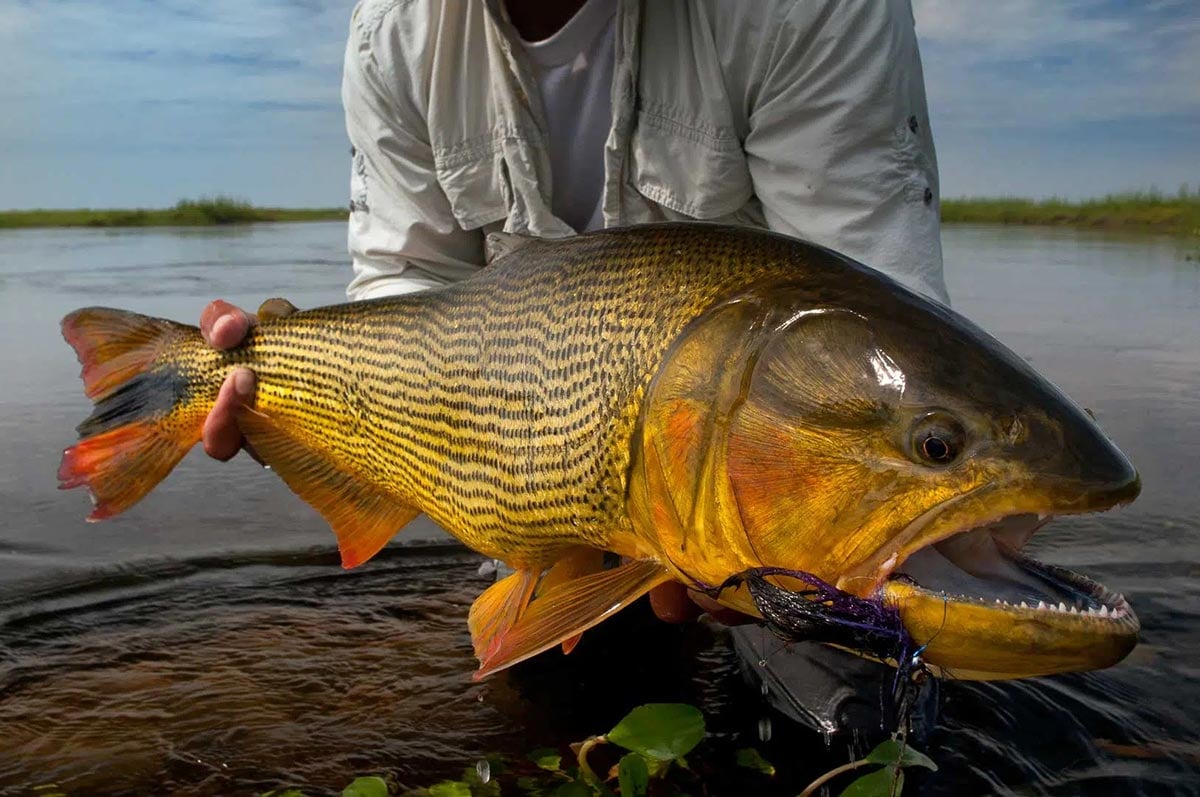
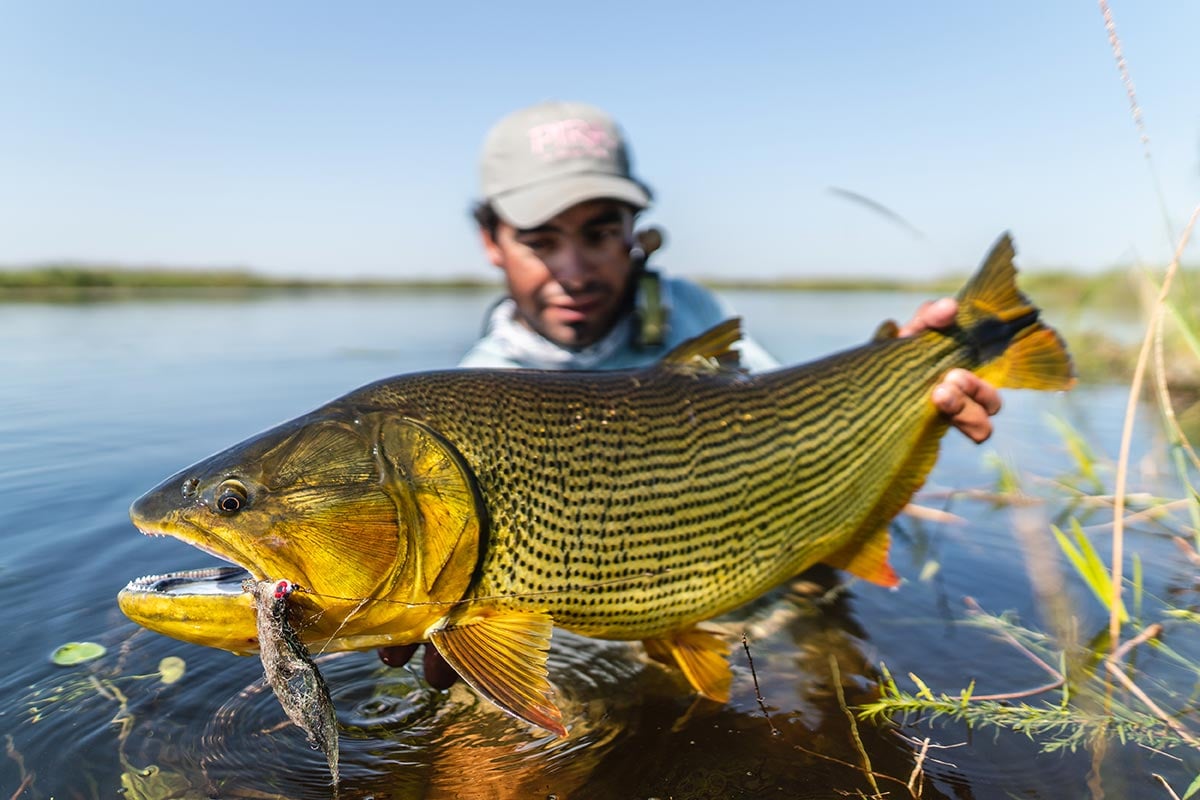
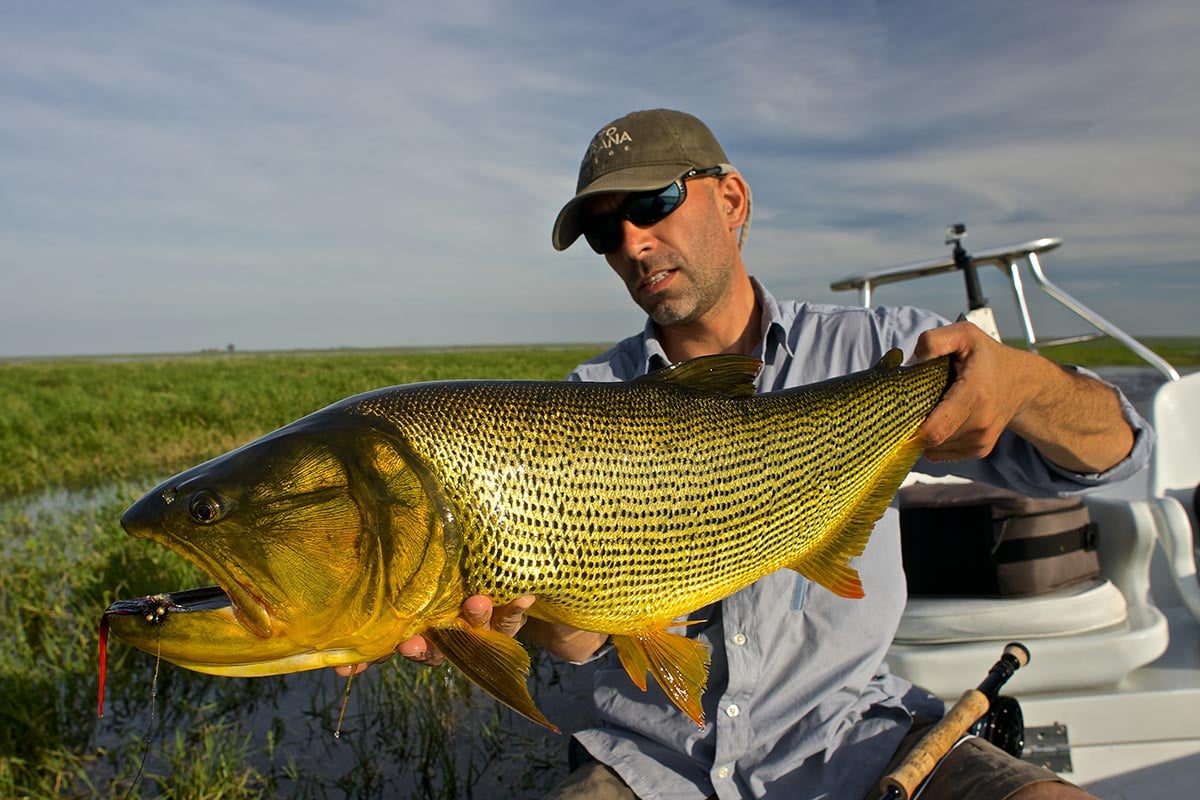
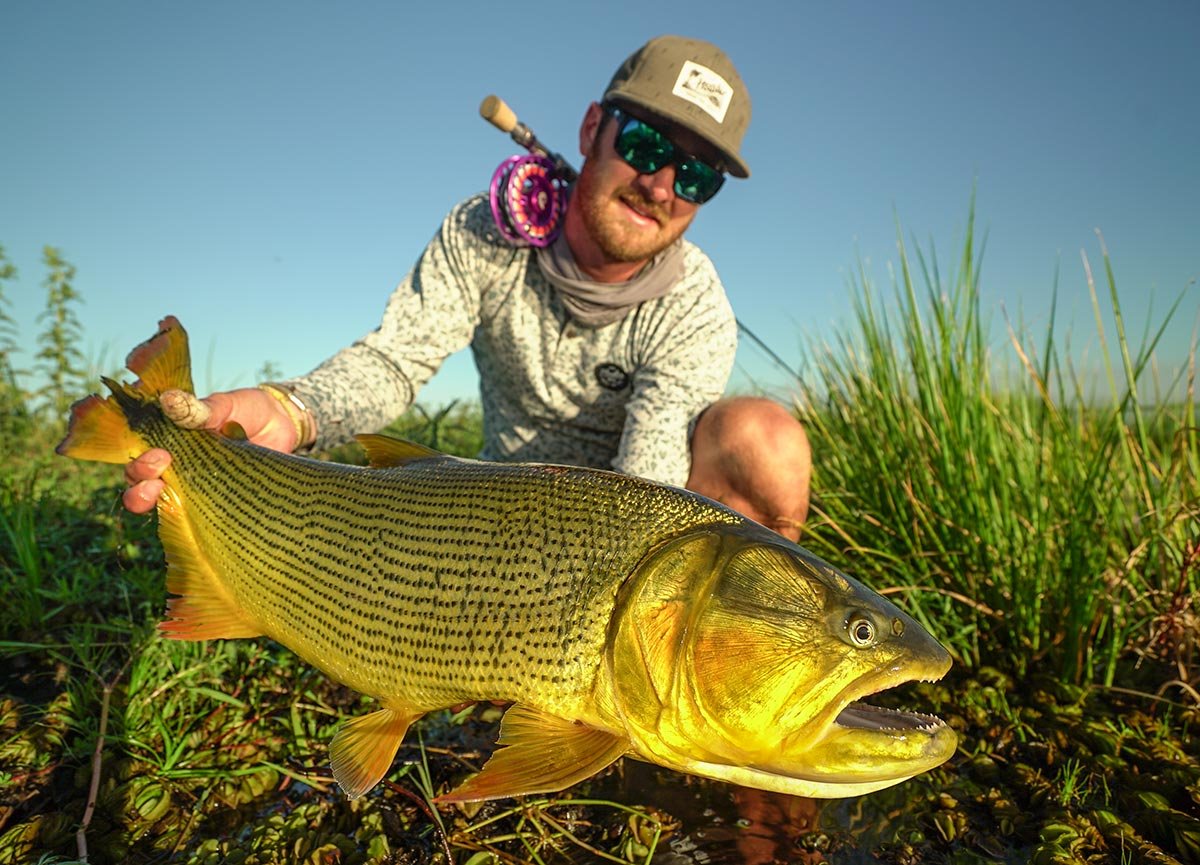

Golden Dorado Fly Fishing in the Iberá Wetlands
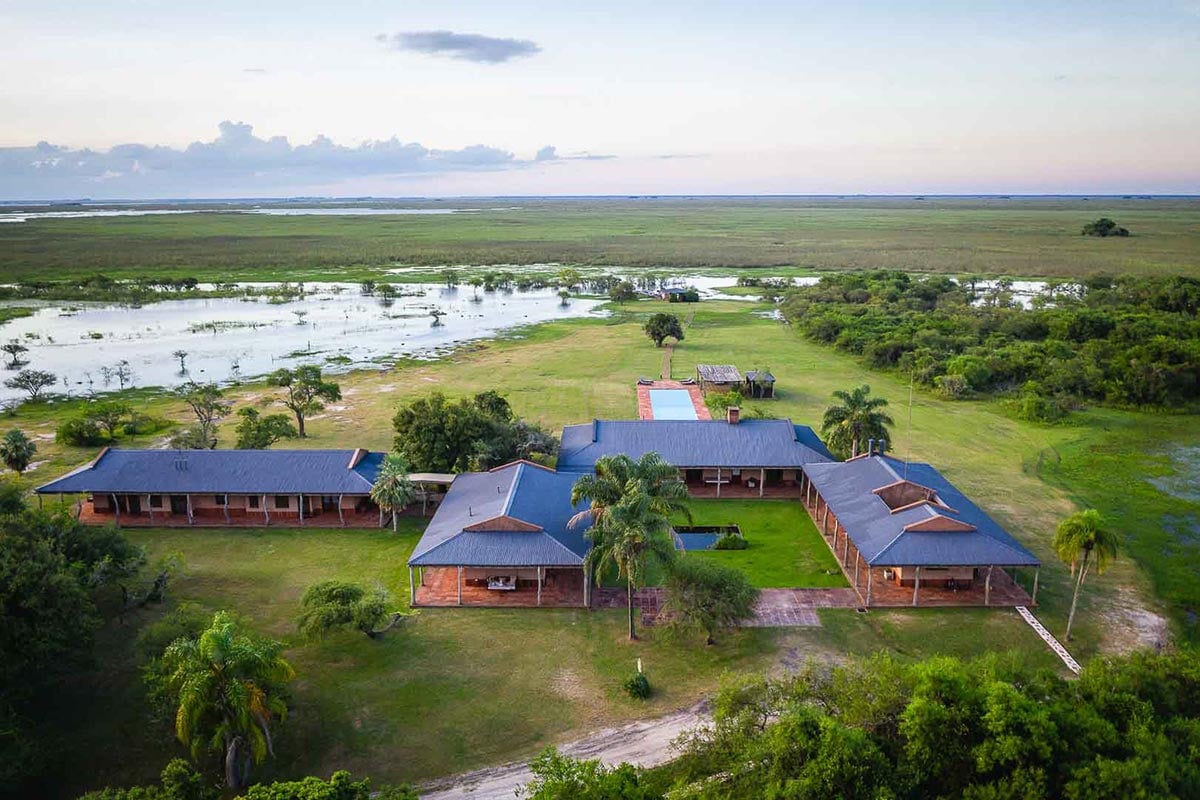
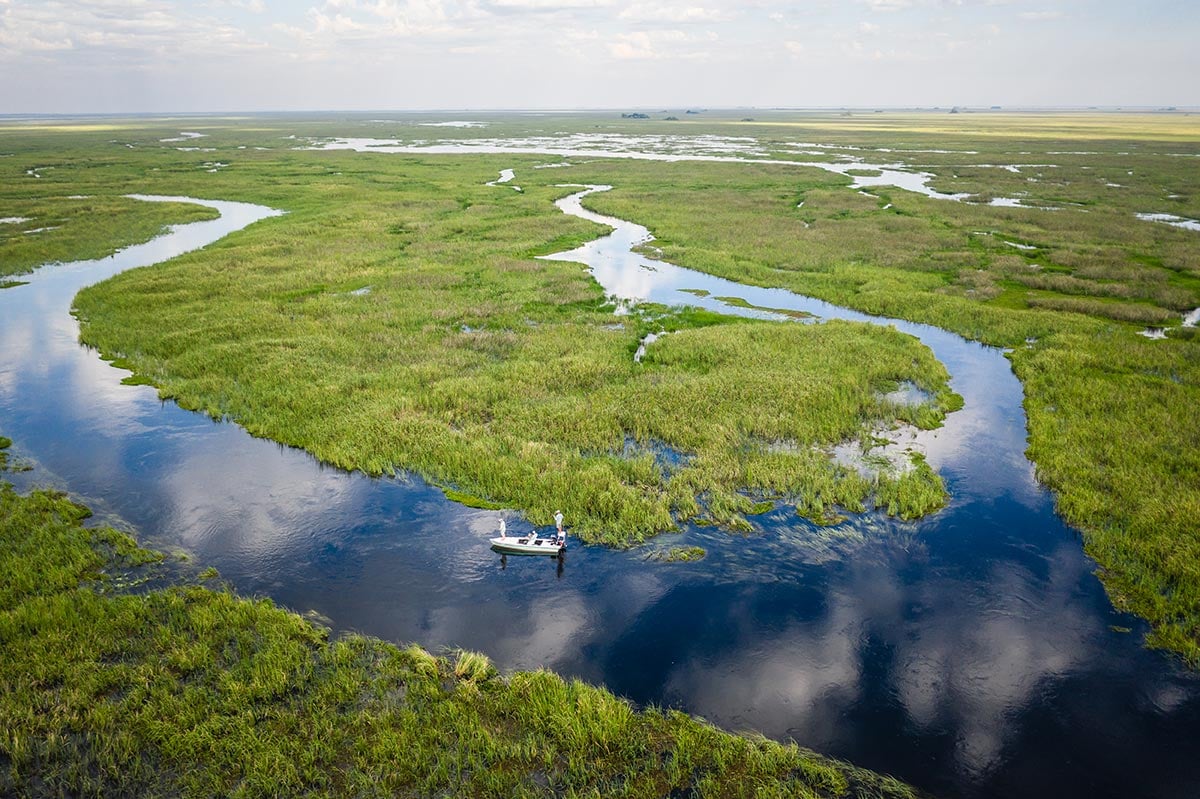
The Iberá Wetlands in northern Argentina form one of the largest freshwater ecosystems in South America—an intricate network of clear creeks, shallow lagoons, and the lower Corriente River where golden dorado thrive. From sight-casting in glass-clear channels to swinging streamers through deep bends, Pirá Lodge offers direct access to both habitats, ensuring reliable fishing across the long warm-water season.
Few destinations deliver the same combination of clarity, structure, and wildlife. The wetlands’ clean flows make sight-fishing possible much of the season, letting anglers spot cruising fish before making a cast. Dorado strike with speed and power, often taking off in blistering runs and spectacular jumps. The fishing is technical and visual, rewarding quick, accurate presentations and strong nerves at close range.
Understanding the Iberá Environment
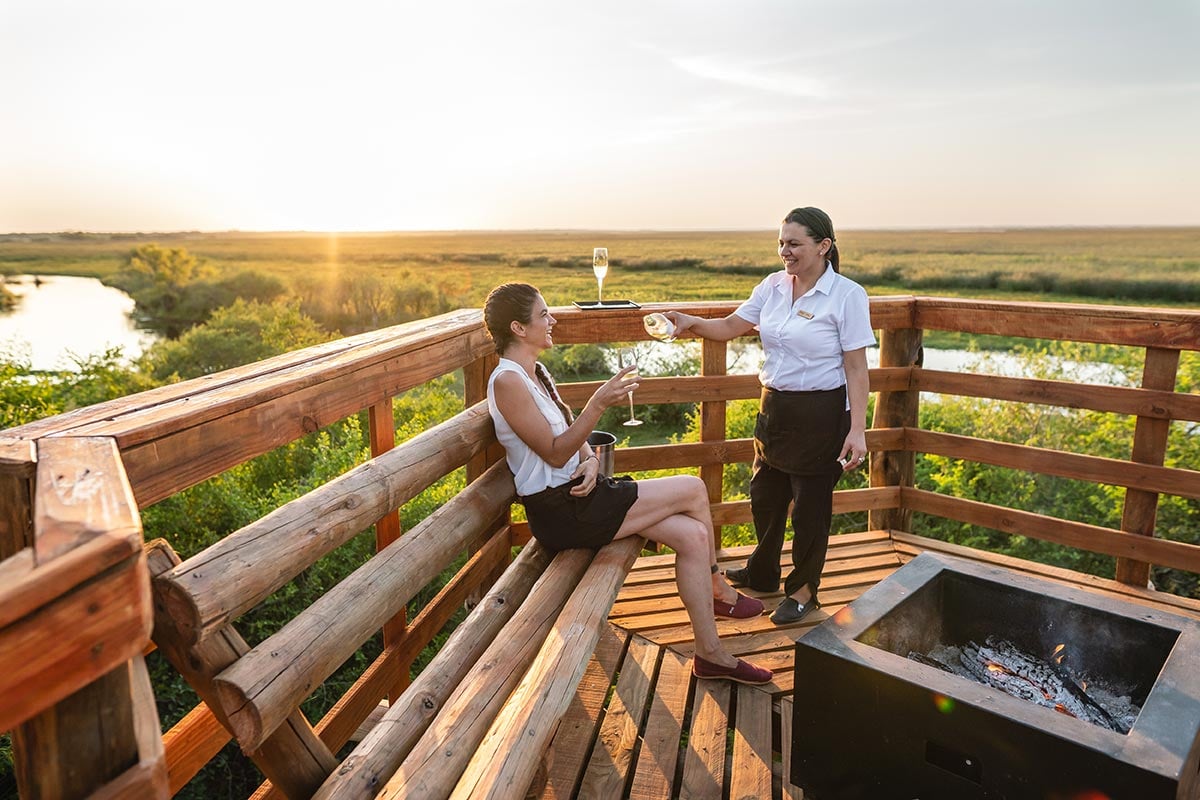
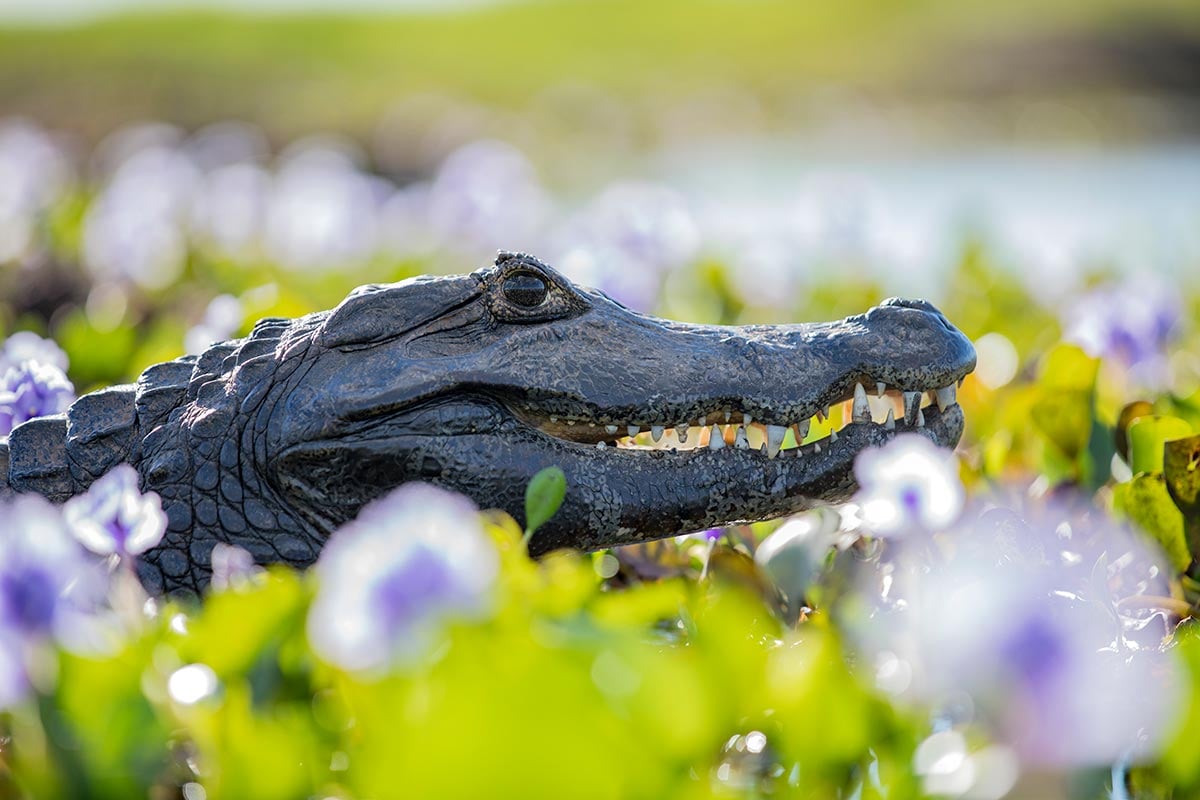
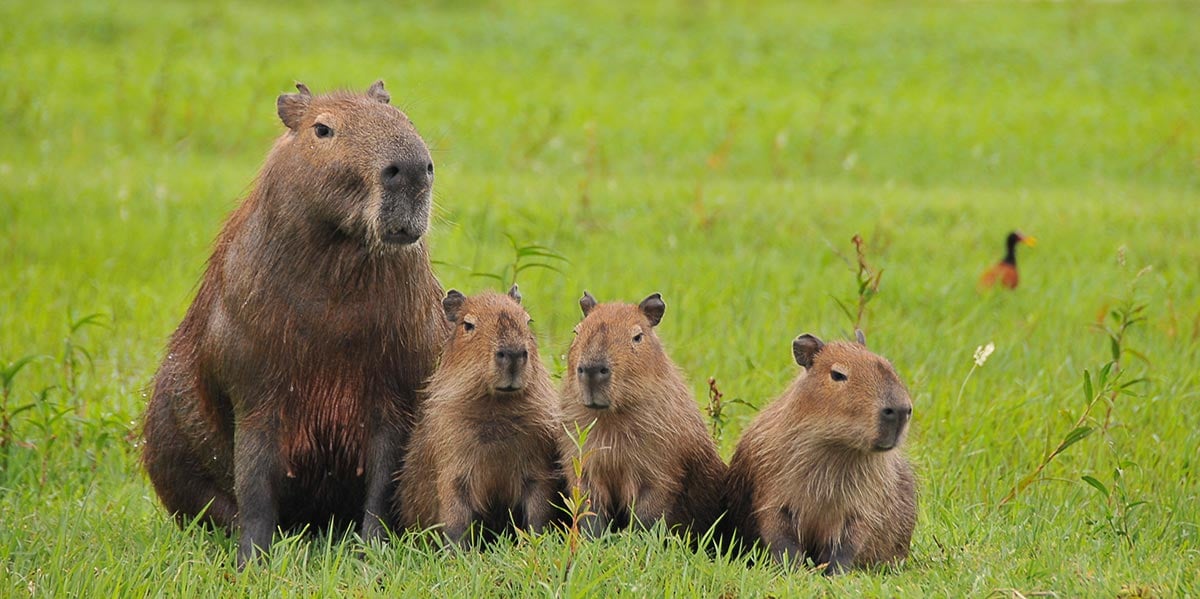
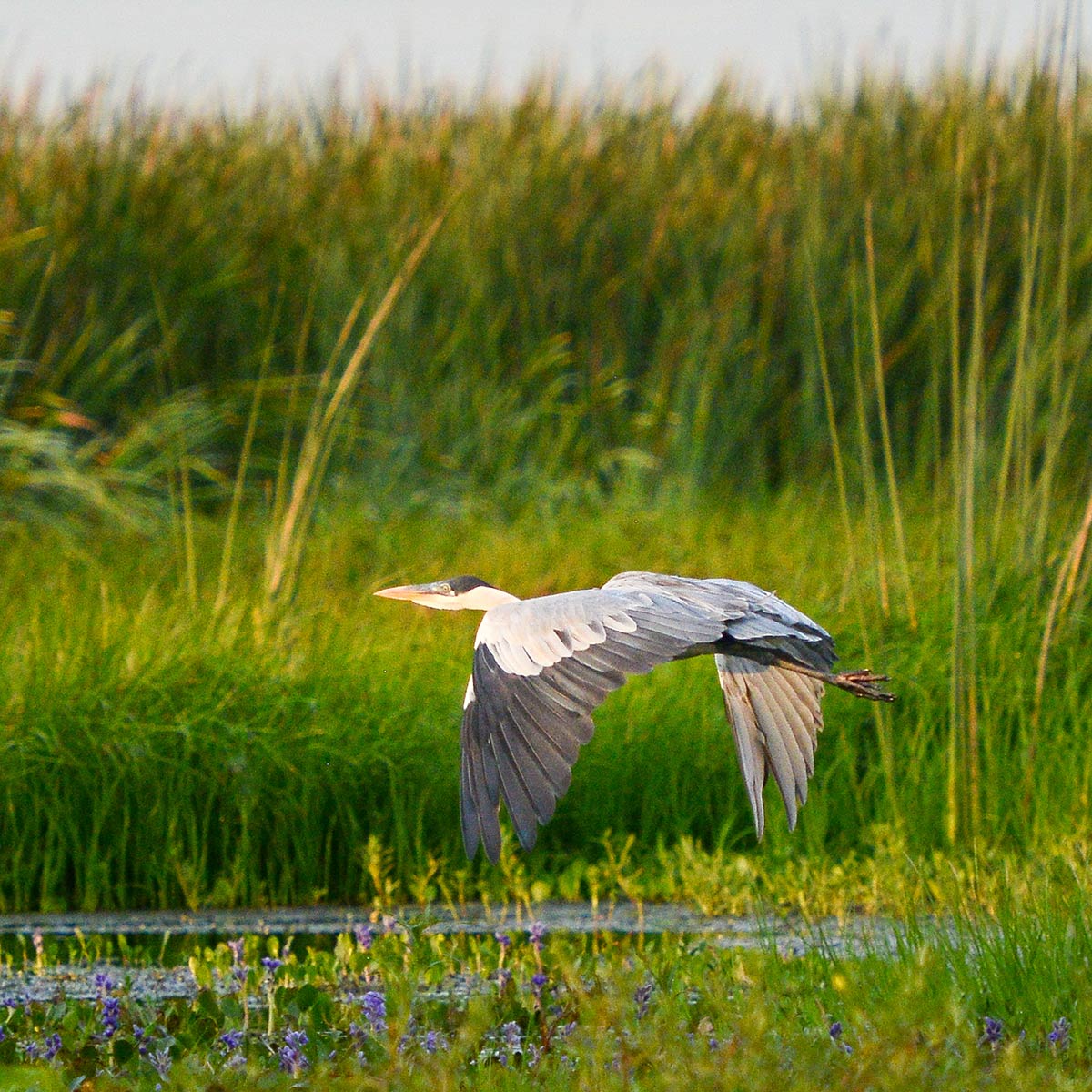
The surrounding ecosystem plays a central role in the fishing. The Iberá Marsh is a vast freshwater reservoir with floating-vegetation islands that shift subtly over time, creating new channels and edges. Groundwater-fed inputs and constant circulation maintain clarity through both high and low phases, a rare feature in a warm subtropical wetland. Throughout the year, anglers share the water with capybara, caiman, marsh deer, and more than 350 bird species—reminders of how intact this environment remains.
These ecological dynamics directly influence dorado behavior. Stable visibility allows fish to track prey at distance, while seasonal water levels affect how dorado patrol the margins or push into deeper corridors. Rising flows activate natural migration routes; dropping water exposes firm edges ideal for stalking fish in shallow light. Understanding this rhythm helps guides shape each day’s plan.
Fishing the Marsh and Corriente River Systems
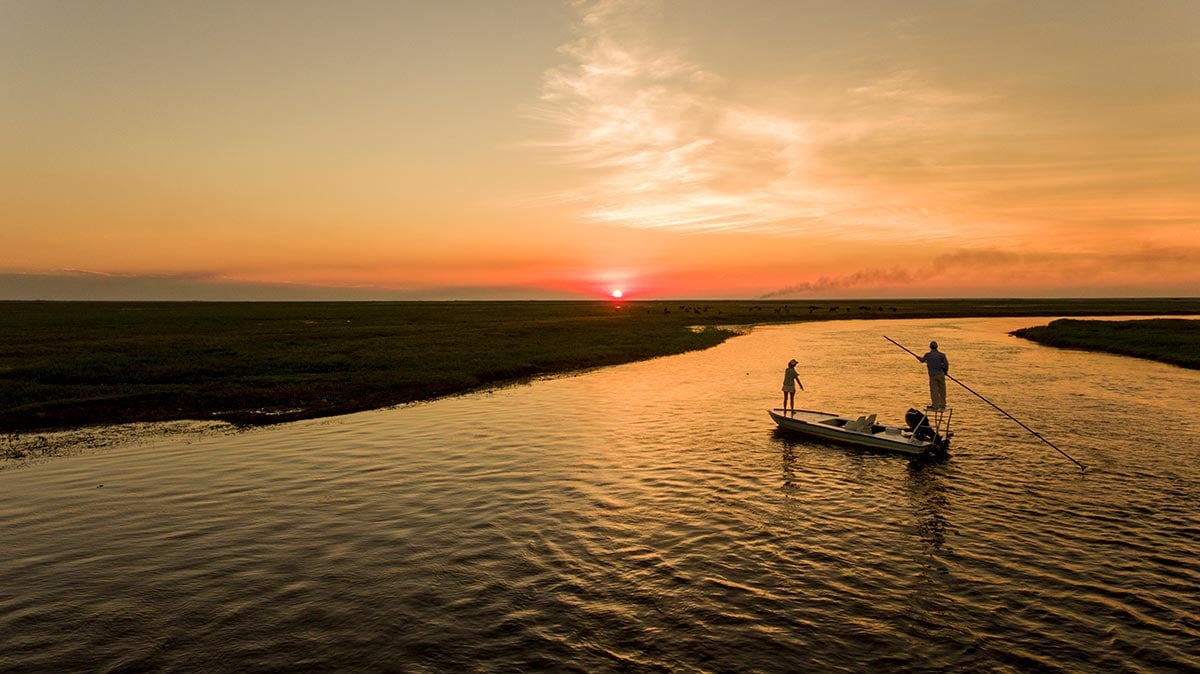
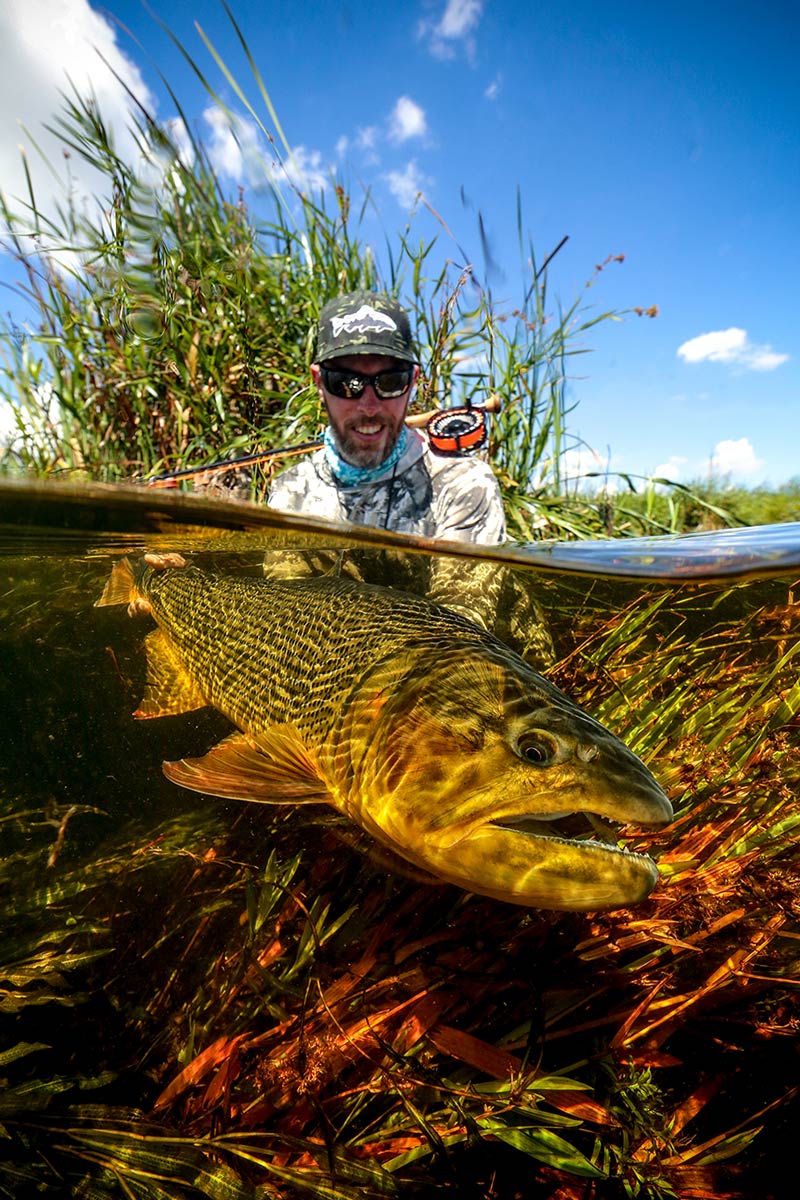
Pirá’s position at the junction of the Iberá marsh and the Corriente River gives guides daily freedom to choose the water type that is most likely to produce. The marsh fishes like an inland flats system—shallow, weedy channels suited to poling and, during lower water, short wades along grassy banks. Dorado hunt tight to these margins, pushing bait against vegetation and reacting instantly to accurately placed casts.
The Corriente River, just twenty minutes away, offers a contrasting approach. It’s a medium-clear river with defined pools, cutbanks, and long swinging runs where migratory dorado intercept schools of sábalo pushing in from the Paraná basin. Guides weigh clarity, flow, and light when deciding between river or marsh, often shifting focus mid-day as conditions evolve. Floating lines excel along the edges, while intermediate and sinking lines reach fish holding deeper.
Having both fisheries available keeps the program productive across seasons and water levels.
Hell’s Bay Skiffs and Expert Local Guides
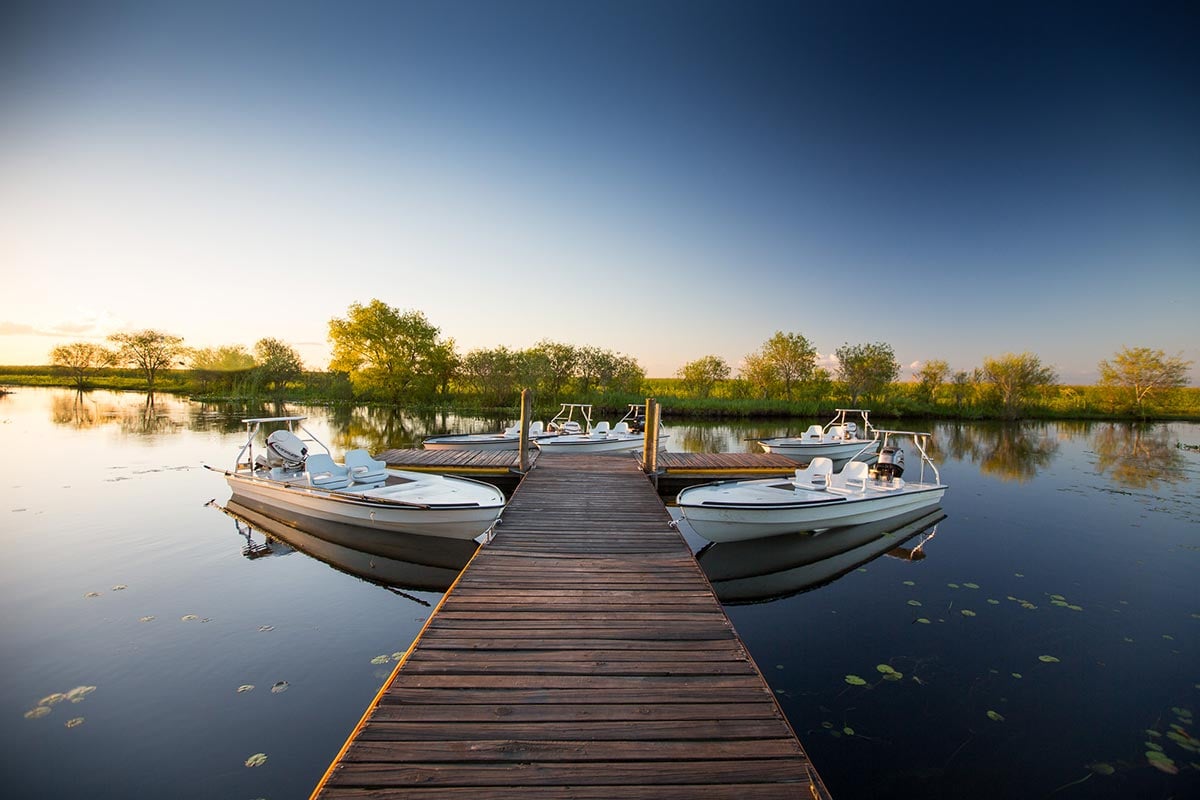
Run by Nervous Waters, Pirá Lodge is the only dorado operation in South America that markets itself as using Hell’s Bay flats skiffs—a meaningful advantage in shallow, intricate water. These skiffs pole cleanly, slip through narrow margins, and carry anglers quietly across the marsh while offering the range needed to explore distant channels.
Guides are bilingual (English and Spanish) and have years of experience tracking dorado movements across the marsh and Corriente River. Their expertise lies in reading subtle flow changes, recognizing feeding lanes in shifting vegetation, and selecting patterns that match conditions. Seasonal familiarity is crucial here: guides anticipate how water movement affects both resident fish and migratory dorado pushing in from the Paraná.
The Daily Fishing Program
A typical day at Pirá follows the rhythm of the Iberá environment. Anglers generally depart around 8 a.m. to take advantage of early light and cooler temperatures. After returning for lunch, a swim, and a short rest, the afternoon session begins around 4:30 p.m. and runs until dusk—often the most productive window for both sight-fishing and migratory fish movement.
Guides adjust the plan continuously, balancing marsh clarity, river flow, wind direction, and fish behavior to maximise the quality of each session. The split schedule suits the subtropical climate, avoids midday heat, and gives anglers time to regroup, re-rig, and change strategies—particularly valuable during peak migration periods.
Flies, Techniques and Typical Fish Size
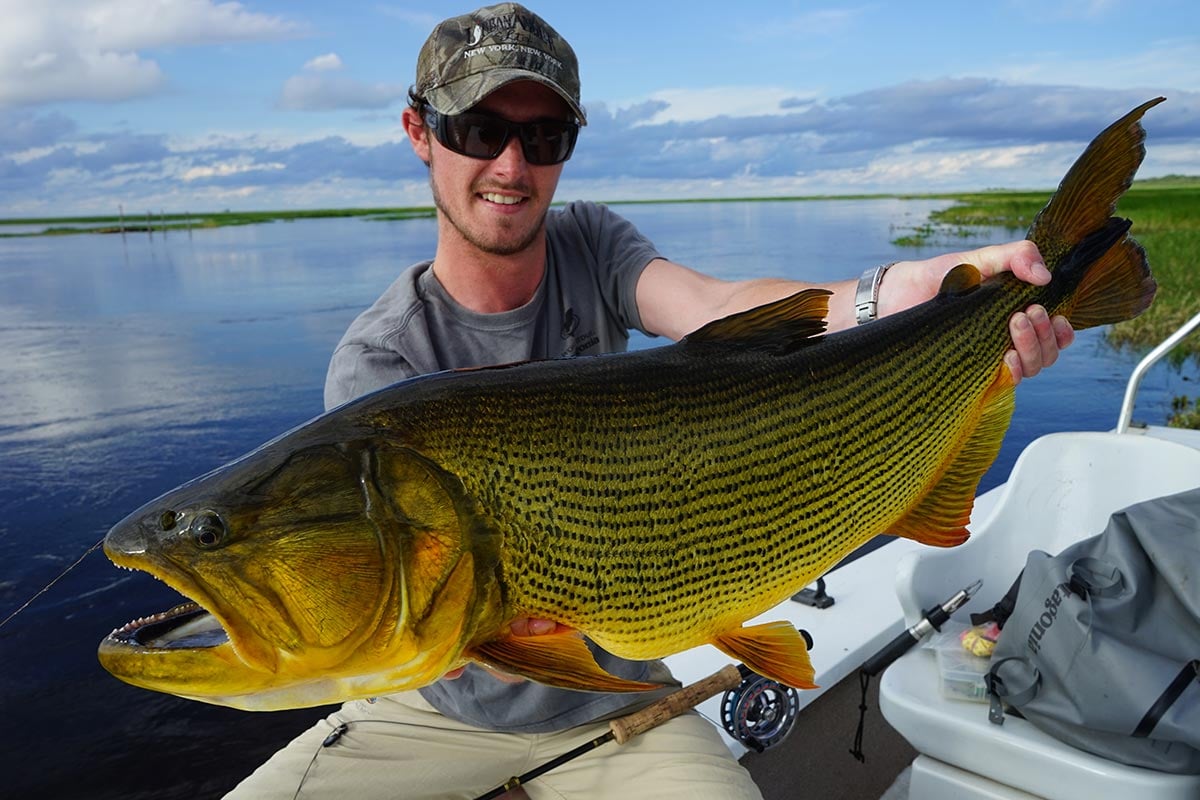
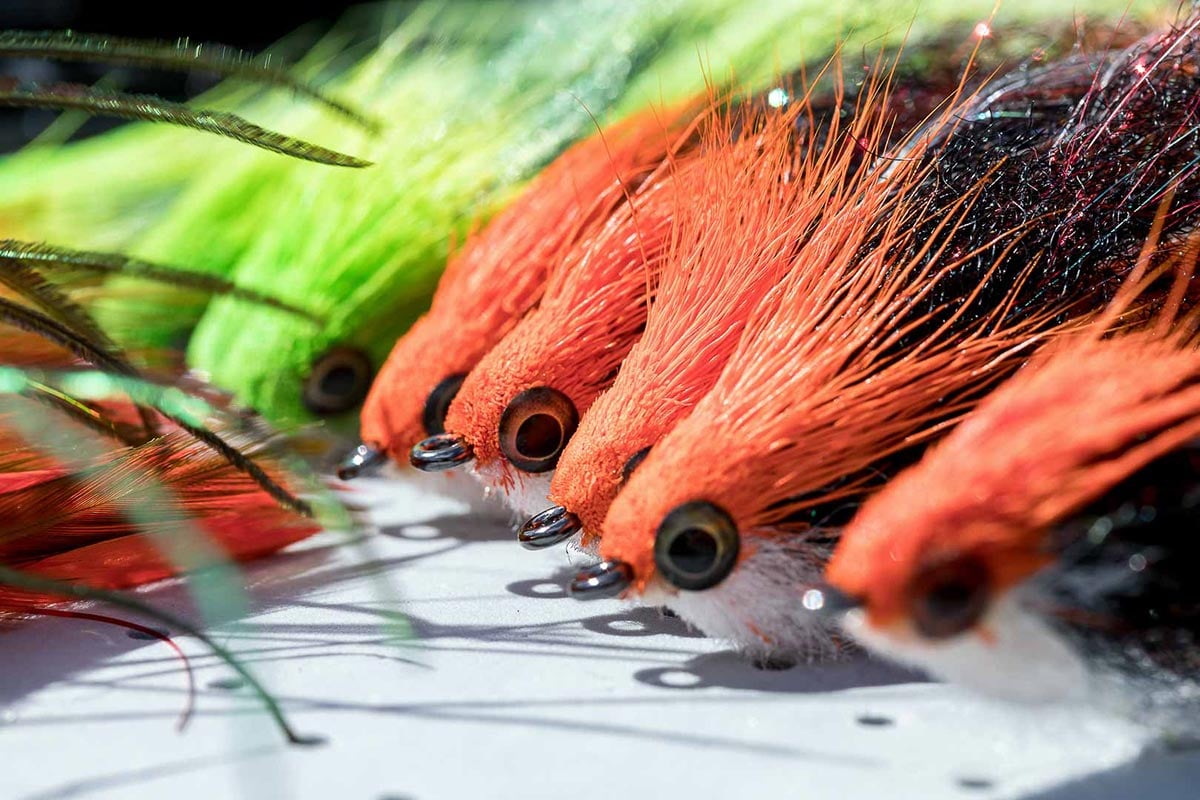
For fly fishing, anglers rely mainly on 8- or 9-weight rods with floating or intermediate lines and large streamers imitating sábalo. In peak summer heat, surface patterns—from mouse flies to buoyant attractors—often draw explosive takes along vegetated edges. Casting accuracy matters: a fly dropped tight to hyacinth mats, grass banks, or current seams is far more effective than long blind casts.
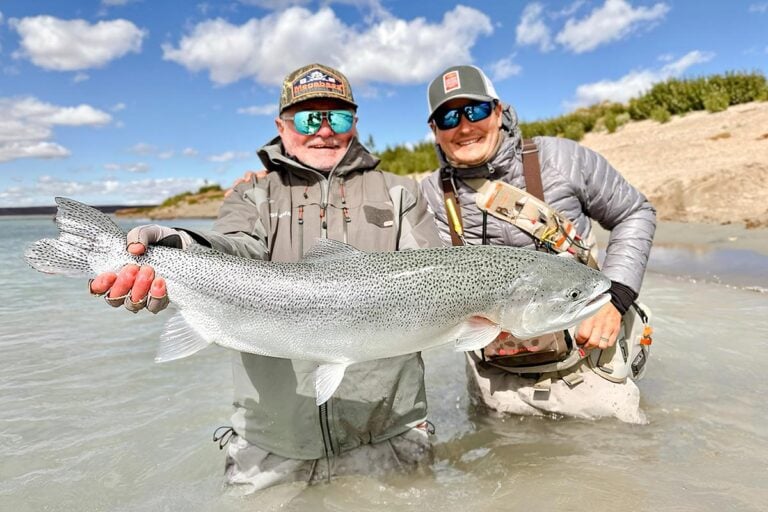
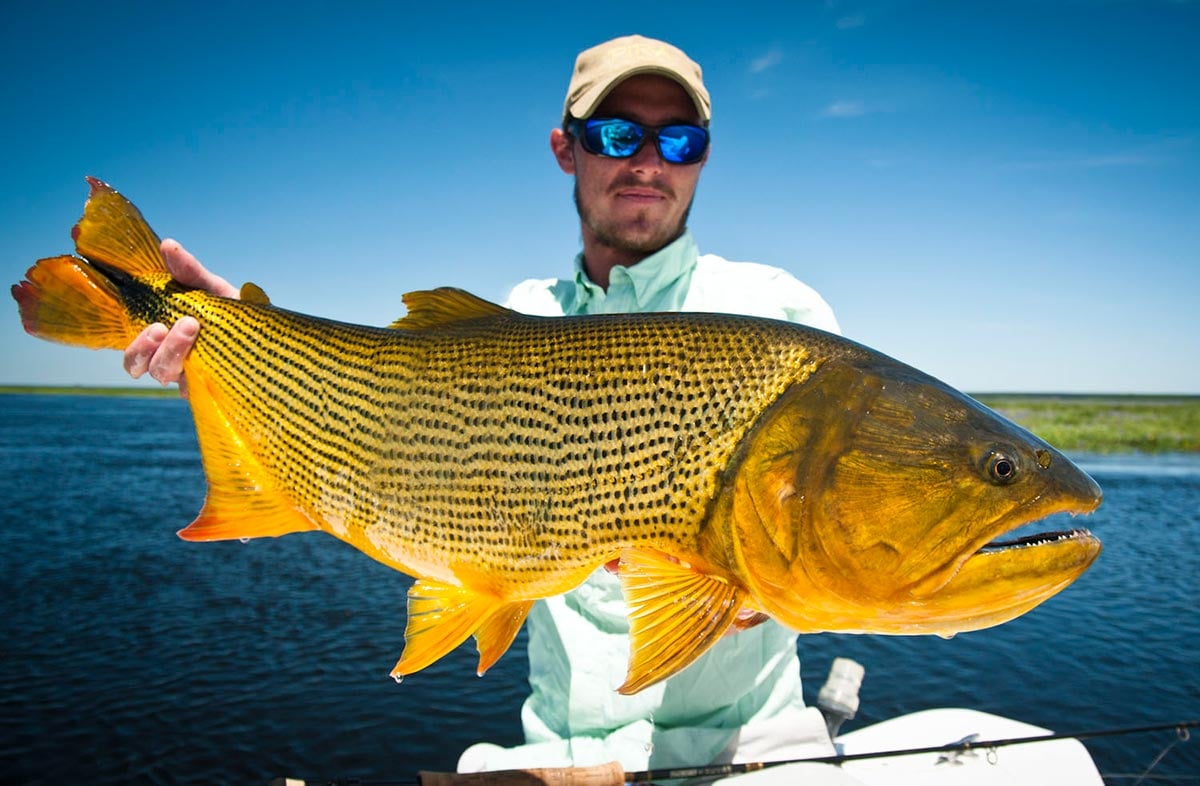
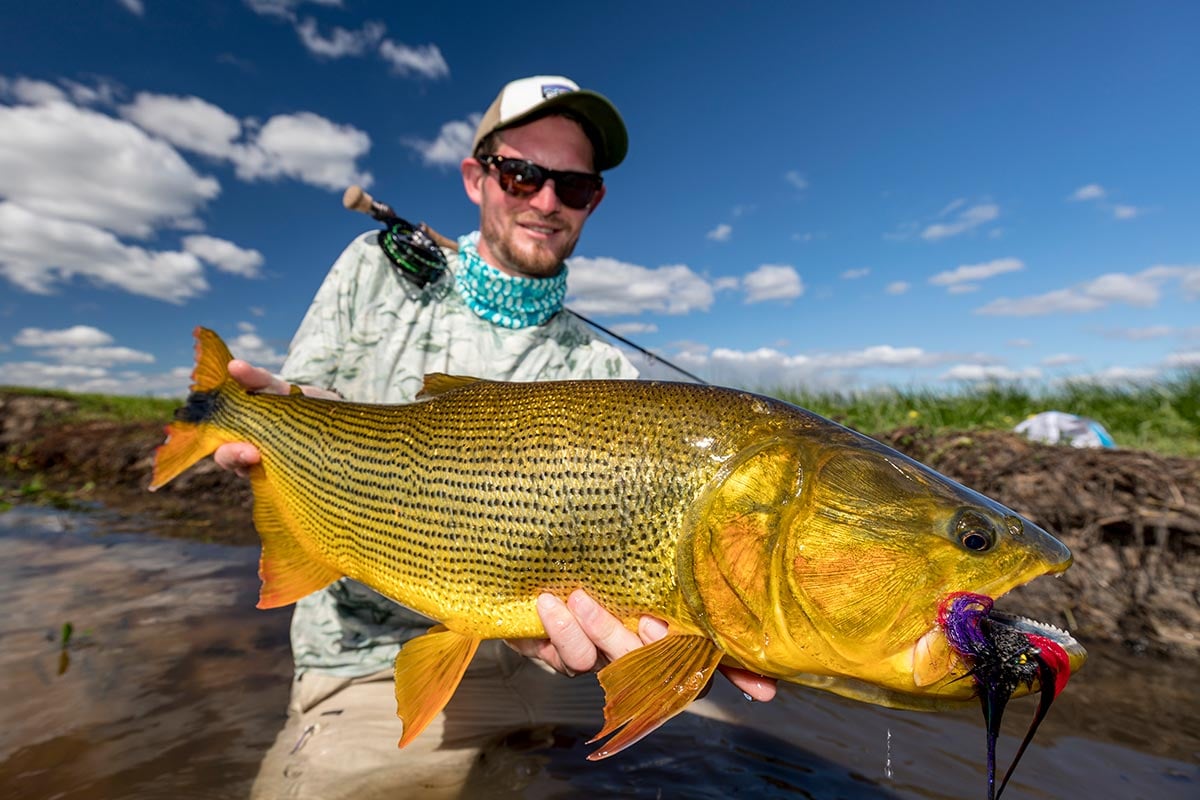
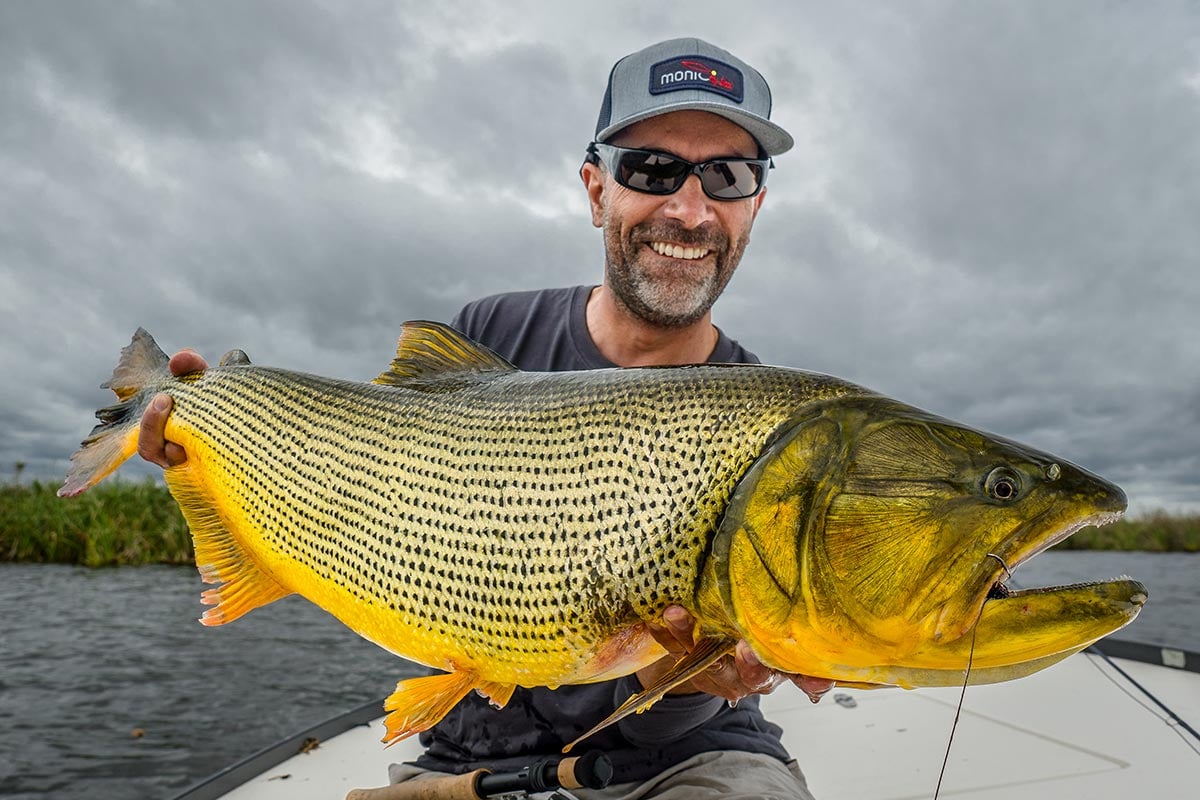
Stripping gloves or finger guards help manage the aggressive retrieves needed to trigger a reaction, and this style of close-quarter fishing often puts anglers in contact with powerful fish. Dorado average 4 to 8 pounds, with regular fish over 10 and occasional migratory adults above 20 pounds.
The system reliably produces large dorado each season, including a 27.5-pound fish weighed at the lodge during the 2024–25 season.
Seasonal Conditions and Dorado Movements
The lodge fishes from September through May, covering spring, summer, and early fall. Spring brings warming water, active pre-spawn females, and the start of the sábalo migration into the Corriente system. As temperatures rise, dorado become more responsive and shift toward feeding lanes where prey gathers.
Summer marks the peak of the migration from the Paraná basin. January often delivers the highest concentration of dorado in both the marsh and river, with fish moving aggressively between channels and deeper holding water. Warm, clear conditions allow anglers to rotate between sight-fishing, swinging lines, and working surface patterns depending on light and flow.
Late summer and early fall bring lower water, cooler days, and stable clarity. Dorado distribute between the upper marsh and the river headwaters, feeding at different depths as temperatures moderate. This period remains productive through April and into early May, with consistent opportunities across both systems.
Why Pirá Lodge Stands Out
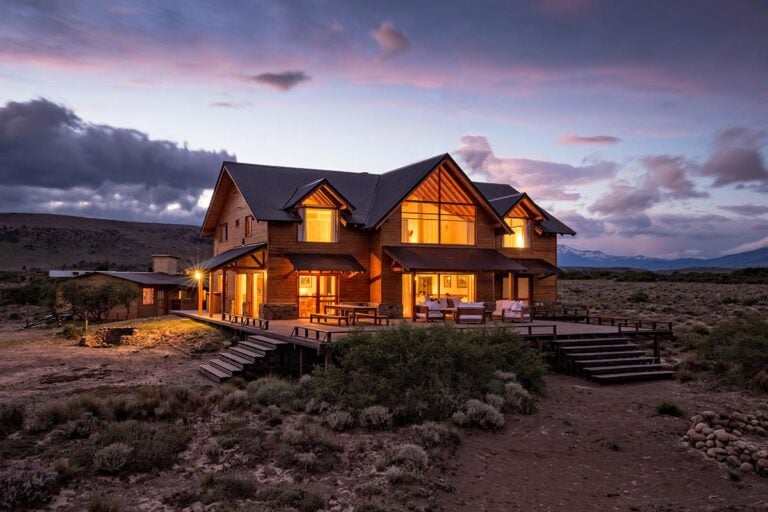
Access to two distinct water types, consistently clear water, expert guiding, and purpose-built skiffs make Pirá the benchmark golden dorado destination in Argentina.
Whether you’re refining presentations to single fish in the marsh or hunting migratory giants on the Corriente, each day blends challenge, variety, and exceptional scenery in the heart of the Iberá Wetlands.
To learn more about the fishing and express an interest, message Nervous Waters.