Explore fishing trips in Norway, staying at carefully selected lodges that combine expert guiding, remote wilderness settings, and exceptional angling.
Trøndelag, Norway
Atlantic Salmon
Trøndelag, Norway
Atlantic Salmon
No results available
Stretching from Arctic plateaus to deep fjords, Norway is a premier fishing destination for fly and spin anglers. With legendary salmon rivers, wild trout and char, and productive saltwater coastlines, it offers high-quality lodge access to some of Europe’s most scenic and remote waters.
From the Alta and Gaula to the high-country lakes of Finnmark and the sea trout fjords of the west, Norway’s fishing lodges offer direct access to world-class water. Salmon beats are tightly regulated to protect wild stocks, trout streams run cold and clear, and halibut haunt the nearshore drop-offs.
Whether you’re swinging flies for 20-pound salmon or sight-fishing for char above the Arctic Circle, this is a country built for serious anglers chasing wild fish in natural surroundings.
Norway’s northernmost region offers raw access to untouched trout and char waters, plus small, productive salmon rivers in remote, dramatic landscapes. Arctic conditions create long days and light pressure. Many of the area’s best waters sit on high fjell plateaus, with clear lakes and short outlets that fish steadily through summer. Coastal salmon rivers often rise quickly after rain, rewarding anglers who time brief windows of fresh fish.
Trøndelag is home to iconic rivers like the Gaula and Orkla. It blends world-class salmon fishing with inland trout streams and fjord access, making it one of Norway’s most versatile angling hubs. The Gaula’s lower and middle beats respond differently to changing levels, while Orkla tributaries and nearby fjord arms offer reliable trout and sea trout opportunities.
The Vestland region spans dramatic coastline and fjords, offering both sea trout and halibut access, along with smaller rivers for salmon and brown trout. Great for combining fishing with scenic travel. Spate rivers can switch on quickly after rainfall, while sheltered fjord arms hold sea trout year-round. Halibut and cod often concentrate along deeper banks near tidal mixing zones.
With tightly limited access and some of the biggest salmon in the world, the Alta is Norway’s crown jewel for those able to secure rods. Known for multi-sea-winter fish over 40 pounds. Early-season tides push large salmon into the lower river, and most access is allocated through long-standing agreements or local lotteries.
This inland river offers dry-fly and nymph fishing for wild browns and grayling in a controlled, fly-only setting. Ideal for sight-fishing and technical presentation in summer. Regulated flows from Lake Storsjøen create clear, consistent water and steady hatches, making precise drifts and long leaders essential.
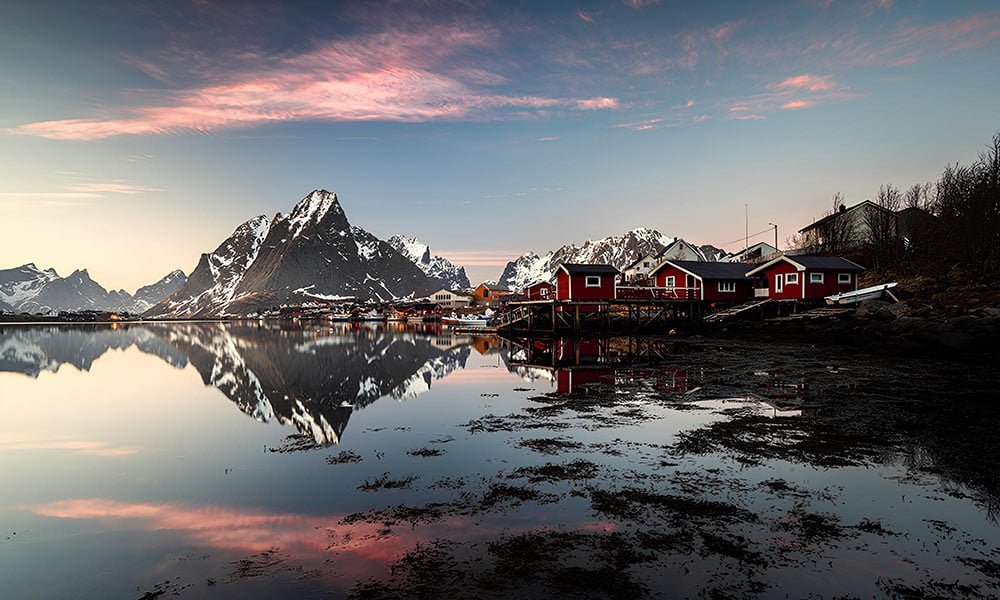
A bucket-list saltwater destination, Lofoten offers deep-sea fishing for halibut, coalfish, and cod amid spectacular Arctic scenery. Most lodges offer self-catering or guided boat packages. Tide swings and offshore structure create predictable feeding zones, with summer providing the most consistent weather windows for lodge-based fishing.
Norway’s mix of regulated salmon beats, clear inland trout rivers, and deep coastal fjords means lodge access varies widely by region and season. FishingExplora helps you compare rod availability, review conditions-led programs, and connect directly with Norway’s top lodge and river operators so you can secure the right water at the right time.
Norway requires anglers targeting salmon, sea trout, or Arctic char to hold both a national fishing fee receipt and, in many cases, a local river permit. Most lodges assist with securing the correct documentation, so licensing is usually handled during booking or on arrival.
Peak salmon fishing runs June to August across major rivers. Trout and Arctic char are most reliable from June to September, especially in inland and northern areas. Sea trout offer strong spring and autumn runs, while saltwater species fish well from spring into early fall.
English is widely spoken across Norway, especially within tourism and fishing operations. Guides, lodge teams, and transport providers communicate fluently, making travel and logistics straightforward for visiting anglers without Norwegian language skills.
Yes. Norway requires disinfection of waders, boots, nets, and other gear to prevent the spread of parasites such as Gyrodactylus salaris. Certification may be checked at customs. Some lodges provide approved disinfection on arrival if arranged in advance.
Norway uses the Norwegian krone (NOK). Credit and debit cards are accepted almost everywhere, including remote areas. Cash is rarely necessary, though some anglers carry a small amount for tips or rural travel. ATMs are widely available.
Tipping isn’t mandatory in Norway, but guides typically receive 10–15% for strong service if gratuities aren’t already included. Lodge staff can be tipped collectively at the end of a stay. Confirm local customs with your lodge or outfitter.
For salmon, 8–10 wt rods—single- or double-hand—cover most conditions with floating and sink-tip lines. Trout and char suit 4–6 wt rods with long leaders. Pack reliable rain gear and warm layers; summer weather can shift quickly, especially in the north.
Norway is well connected via Oslo, Bergen, and Trondheim, with regional flights reaching most fishing areas. Roads and ferries link remote towns, and many lodges assist with transfers. Travel is generally straightforward even when visiting northern regions.
Norwegian summers are cool and variable, with temperatures around 10–20°C and frequent rain. Conditions shift quickly in coastal and northern areas, so anglers should pack waterproof layers, warm insulation, and sun protection for long hours of light.
Classic Norwegian rivers fish well with Sunray Shadows, Green Highlanders, Collie Dogs, Ally’s Shrimps, and Red Frances variants. Hitch tubes and sparse summer flies are effective in low, clear water. Guides adjust size and colour based on daily conditions.
We use cookies to improve your experience and enable key features on the platform. You can choose which cookies to allow. Some features may not work fully without consent.