Discover top destinations for fly-out fishing. Plan a lodge-based trip with expert local guides and access to productive waters.
Bristol Bay, Alaska
Chum (Keta) Salmon, Coho (Silver) Salmon, Dolly Varden
Bristol Bay, Alaska
Arctic Char, Chinook (King) Salmon, Chum (Keta) Salmon
Bristol Bay, Alaska
Arctic Char, Chinook (King) Salmon, Chum (Keta) Salmon
Bristol Bay, Alaska
Arctic Char, Chinook (King) Salmon, Chum (Keta) Salmon
Bristol Bay, Alaska
Arctic Char, Chinook (King) Salmon, Chum (Keta) Salmon
No results available
Fly-out fishing trips use floatplanes, helicopters, or bush aircraft to access waters that cannot be reached by road or trail. From remote salmon rivers in Alaska to alpine trout streams in New Zealand, these trips deliver exceptional fishing in landscapes few anglers ever experience.
Fly-out fishing trips (often simply called “fly-outs”) are built around mobility. Instead of fishing the same stretch of water every day, anglers are flown from a central lodge to different rivers, lakes, or backcountry tributaries throughout the week.
In destinations with vast wilderness and limited infrastructure, this system allows lodges to spread fishing pressure across multiple fisheries. Guides can select rivers based on weather, water conditions, fish movements, and guest preferences, allowing each day to be planned around the best available fishing.
Unlike fly-in lodges where guests remain on one river system, fly-out lodge programs return anglers to a central base each evening, combining remote access with the comfort and logistics of an established lodge.
These programs are especially common in large wilderness regions where road access is limited, including Alaska, northern Canada, Patagonia, Iceland, and New Zealand.
Fly-out fishing trips are typically run by remote lodges that maintain aircraft, bush pilots, and guide teams familiar with surrounding watersheds. The operational model is built around daily mobility — rather than fishing the same water all week, anglers are flown to different rivers, lakes, or backcountry tributaries based on conditions and fish movements.
Each morning guides choose a destination based on factors such as:
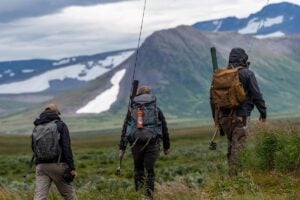
Anglers typically travel in small groups — often two anglers per guide — flying from the lodge to a selected river or lake for the day. Flight times vary by program: some destinations are fifteen minutes from the lodge dock, others require forty-five minutes or more into the backcountry. That range matters — programs with broader flight ranges can reach less-pressured water and have more options when a primary destination is unfishable.
Once on the water, fishing may involve:
At the end of the day, aircraft return guests to the lodge, where meals, gear preparation, and the next day’s planning take place. Because fly-out lodges often operate within large flight ranges, guides may have access to dozens of fisheries within reach of the lodge, allowing them to rotate rivers and maintain low angling pressure across the system. That rotation is what separates a well-run fly-out program from a single-river lodge — the ability to find fresh, unpressured water every day of the week.
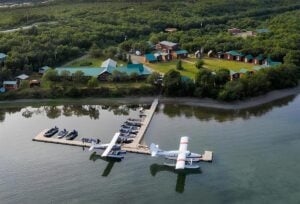
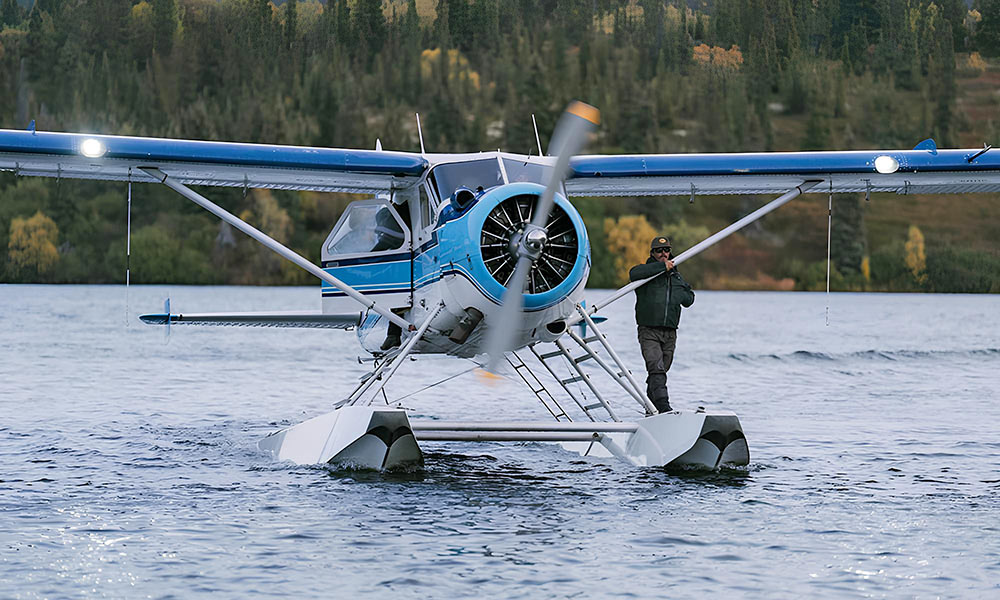
Different regions rely on different aircraft depending on terrain and water access. Most fly-out fishing operations depend on floatplanes, bush planes, or helicopters to reach remote fisheries.
Aircraft choice is usually dictated by terrain, available landing zones, and the type of fisheries a lodge operates within its surrounding watershed.
Fly-out fishing exists in several parts of the world, but a handful of regions stand out because of their combination of wilderness scale, fisheries quality, and aviation infrastructure.
Alaska is the benchmark for fly-out fishing. The combination of vast wilderness, limited road access, and well-established floatplane infrastructure allows lodge programs to cover river systems that no other access model can reach.
Most Alaska fly-out programs operate out of Bristol Bay, Katmai, or the Lake Iliamna watershed. Each region fishes differently. Bristol Bay lodges range across multiple drainages — the Naknek, Nushagak, Kvichak, Alagnak, and Wood rivers — targeting sockeye and king salmon in July, with coho following in August. Katmai programs are built around rainbow trout, using floatplanes to reach remote creek systems and river outlets within the national park. The Wood-Tikchik and Lake Iliamna drainages offer some of Alaska’s best mixed-species fly-out fishing, with resident rainbow trout, Arctic char, and grayling alongside seasonal salmon runs.
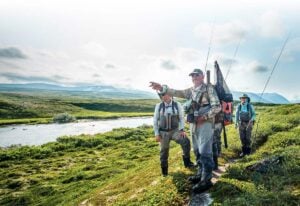
The aircraft used across these programs are almost exclusively De Havilland Beavers and Cessna 185s — floatplanes that land on lakes and slow-moving river sections, giving guides access to waters far beyond the lodge’s immediate watershed. A typical fly-out day begins at the lodge dock, where the guide selects a destination based on overnight weather reports and water conditions. Groups of two or three anglers fly to the chosen river, fishing either walk-and-wade or from cached rafts, before returning to the lodge by early evening. On days when conditions close a planned destination, guides redirect to an alternative drainage — the flexibility that defines the fly-out model and separates it from single-river programs.
Weather dependency is the operational reality no Alaska fly-out program can eliminate. Low cloud, wind, and fog can ground aircraft, sometimes for a full day. Programs with larger flight ranges and multiple backup rivers handle this better than those built around a single drainage.
Many of Alaska’s most established fly-out programs are explained in our Editorial Guide to Alaska Fishing Lodge Programs, which compares how different lodge structures operate across the state.
Northern Canada offers classic floatplane fly-out programs to remote lakes and rivers that may see only a handful of anglers each season.
These trips often target lake trout, northern pike, and Arctic grayling, with lodges operating aircraft to access hidden lakes and untouched waters across the Canadian Shield and Arctic tundra.
In Iceland, helicopters are sometimes used to access isolated sections of salmon rivers, particularly during peak runs.
These trips allow anglers to reach private beats or remote upper river stretches that would otherwise require long hikes across rugged terrain.
New Zealand’s South Island is famous for heli-fishing trips targeting wild brown trout in crystal-clear mountain rivers.
Helicopters allow guides to reach alpine valleys, glacier-fed rivers, and remote tributaries where anglers sight-fish to large trout in some of the clearest water in the world.
Southern Chile has become one of the world’s leading destinations for heli-assisted fly fishing.
Helicopters allow anglers to reach remote valleys and river systems across Patagonia, targeting wild brown and rainbow trout in rivers that remain largely untouched by road access.
Fly-out fishing trips appeal to anglers who want access to remote water and the flexibility to fish multiple fisheries during a single trip.
For many anglers, fly-out fishing represents the most immersive way to experience remote fisheries while still enjoying the comfort and support of a lodge base.
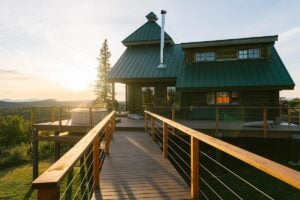
Most fly-out fishing trips operate from established wilderness lodges that maintain aircraft fleets, bush pilots, and experienced guide teams. The lodge is not just accommodation — it is the operational hub that makes the entire fly-out model work. Without the aircraft, the pilots, and the guide knowledge of surrounding watersheds, the remote water stays remote.
These lodges serve as bases for accessing surrounding fisheries. By flying anglers to different rivers each day, guides can match destinations to seasonal timing — targeting sockeye runs in July, shifting to coho systems in August, or moving to resident trout water when salmon runs are between peaks. That daily flexibility is what separates a fly-out lodge program from a fixed-location camp.
Fly-out lodge programs vary significantly in scale. Some operations maintain a single floatplane and fish a handful of rivers within a tight radius. Others run multiple aircraft and cover enormous watersheds, with guides drawing on years of local knowledge to select the right water on any given day. For anglers planning a fly-out trip, understanding the scope of a lodge’s flight program — how many aircraft, how wide a range, how many backup options — matters as much as the destination itself.
FishingExplora’s editorial content draws on lodge input, guide experience, published field reports, and independent research to help anglers make informed decisions about premium fishing destinations.
Fly-out fishing involves staying at a lodge while traveling by floatplane, helicopter, or bush aircraft to different rivers or lakes each day. In contrast, fly-in fishing refers to flying directly to a remote lodge or camp where anglers remain for the duration of the trip and fish the surrounding waters from that base.
Fly-out fishing trips generally cost more than standard lodge-based programs because they rely on aircraft, bush pilots, and access to multiple remote fisheries. In many destinations, lodge-based fly-out fishing trips typically start from $7,000–$8,000 per week, with prices increasing depending on location, aircraft use, and overall lodge standards.
Not necessarily. While many experienced anglers are drawn to fly-out fishing because of the remote locations and technical fisheries, most lodges welcome a range of skill levels. Professional guides provide instruction, manage logistics, and help anglers adapt to different rivers, water conditions, and species during the trip.
No previous flight experience is required. Fly-out fishing trips are operated by experienced bush pilots who routinely transport anglers to remote rivers and lakes. For many guests, riding in a floatplane or helicopter becomes part of the experience and offers a unique perspective on the surrounding wilderness landscape.
Because aircraft used for fly-out fishing have limited cargo capacity, anglers should pack efficiently. Most trips require layered clothing, waterproof outerwear, polarized sunglasses, and insect protection. Many lodges provide rods, reels, and terminal tackle, but guests should confirm gear availability and luggage limits before travel.
Alaska fly-out fishing is defined by scale. Programs in Bristol Bay, Katmai, and the Lake Iliamna watershed operate aircraft to access dozens of river systems within a single flight range, allowing guides to rotate destinations based on daily conditions and fish movements. The combination of floatplane infrastructure, wilderness scale, and the diversity of species — Pacific salmon, rainbow trout, Arctic char, and grayling — makes Alaska fly-out programs more operationally complex and more varied than equivalent programs in most other destinations.
We use cookies to improve your experience and enable key features on the platform. You can choose which cookies to allow. Some features may not work fully without consent.