
Lodge Location and Home River
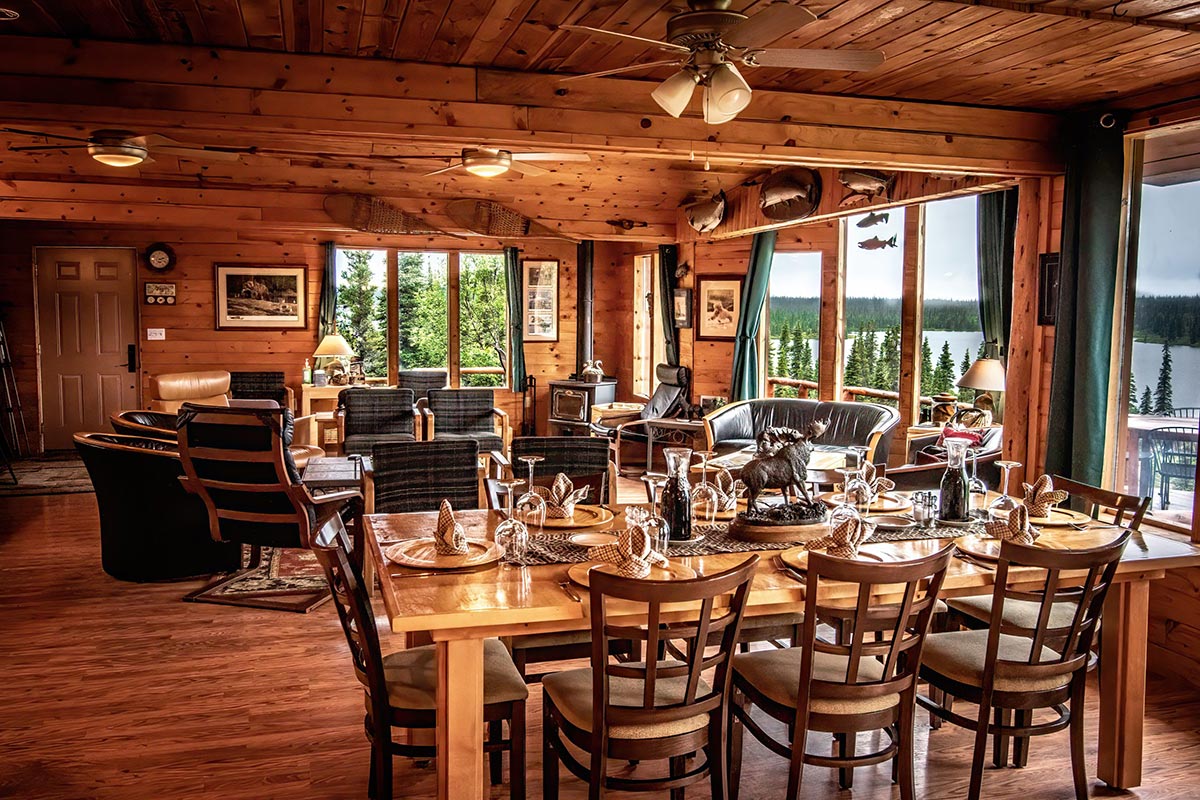
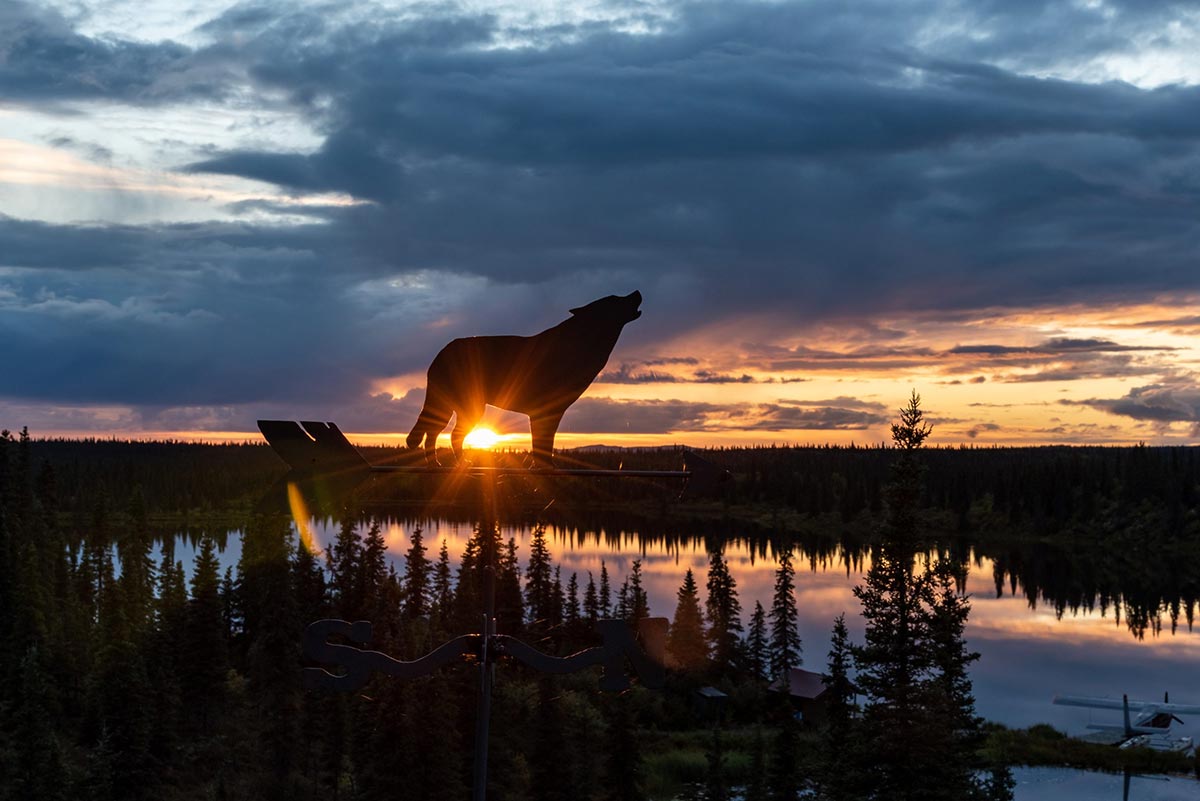
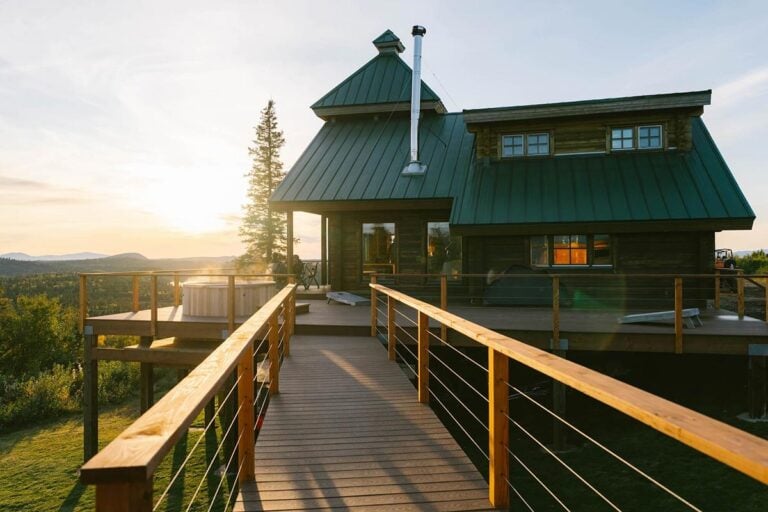
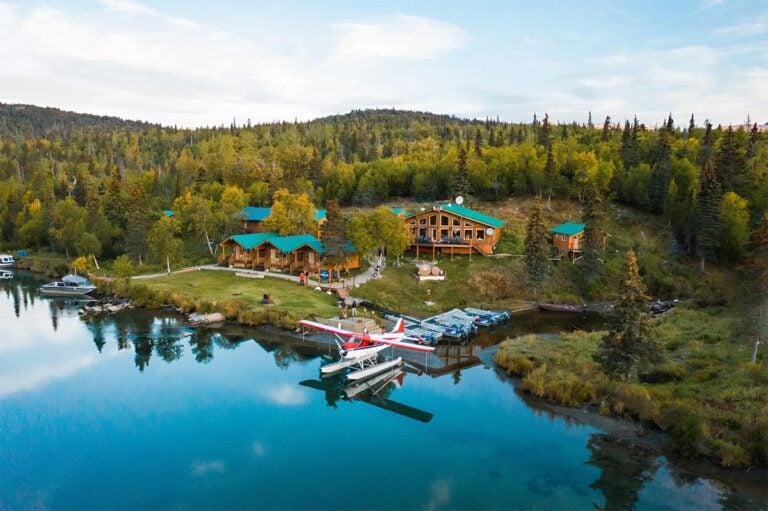
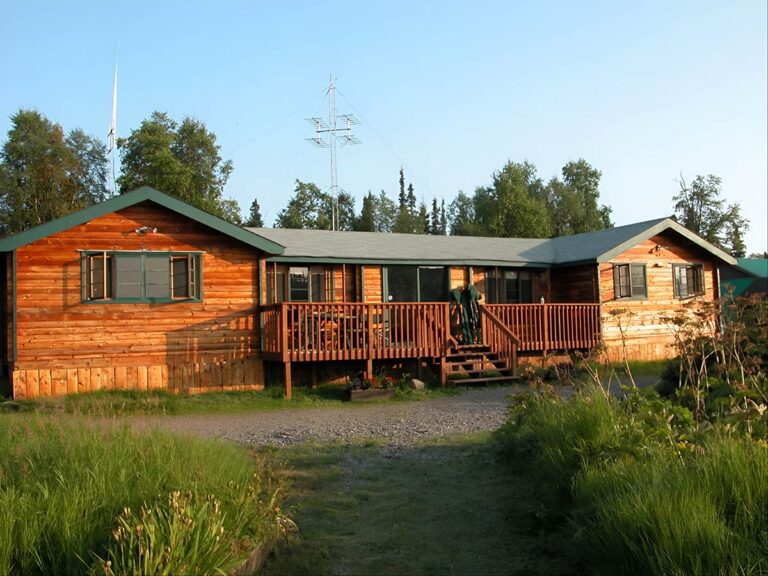
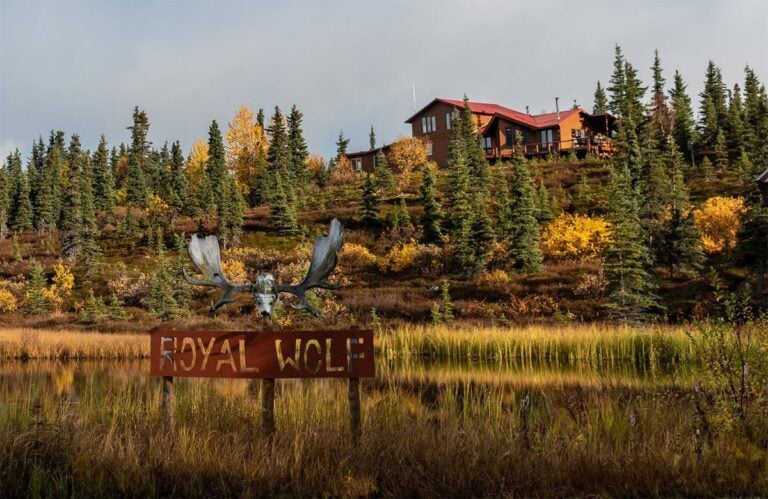
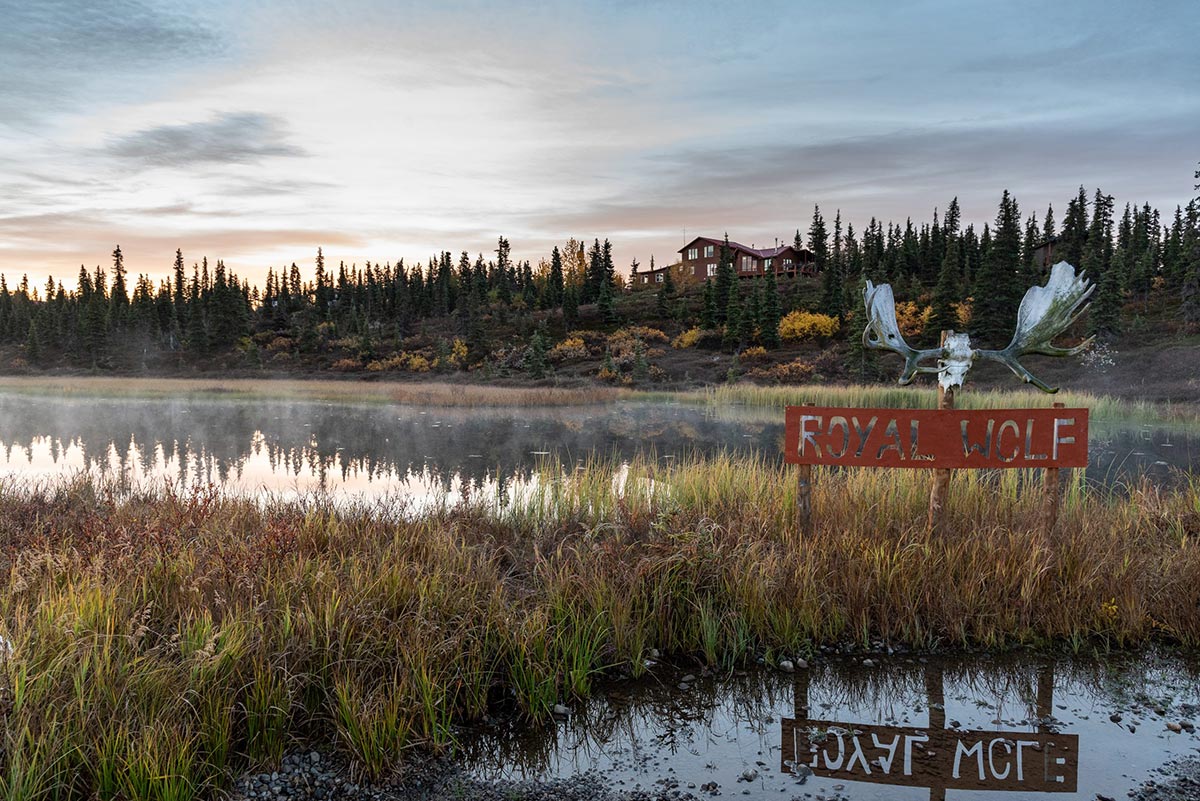
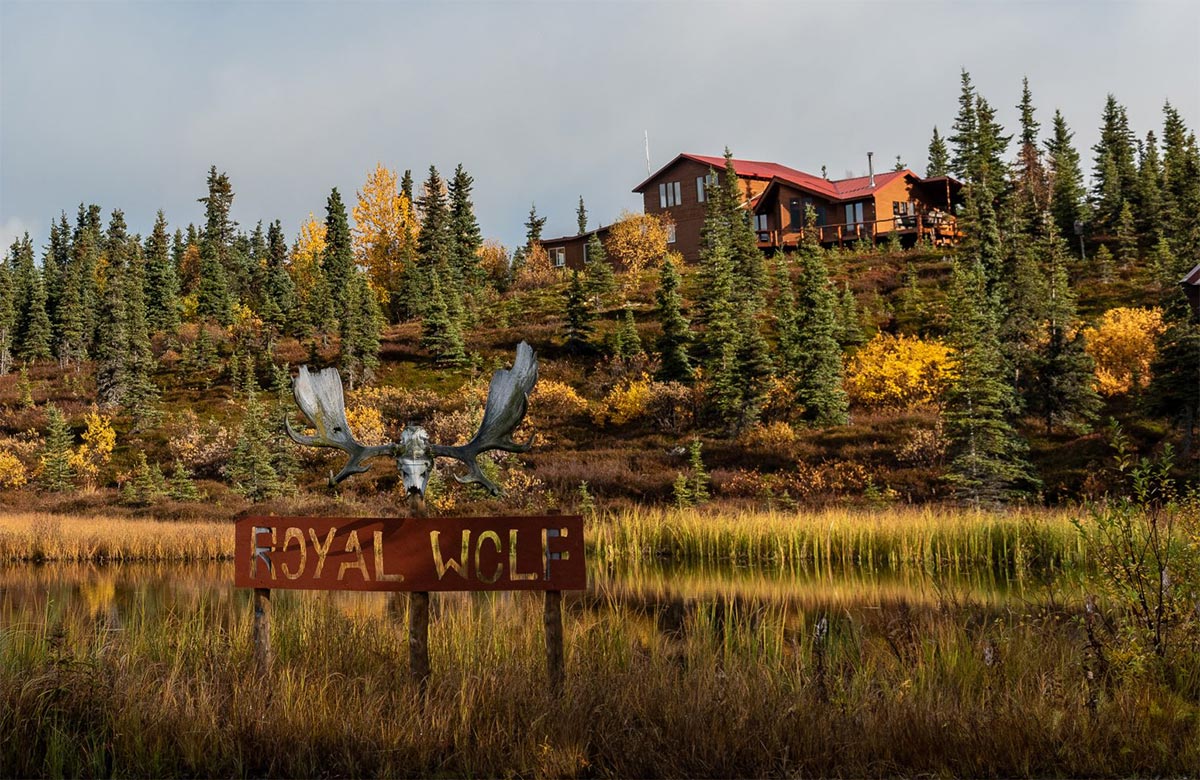
Royal Wolf sits on a 120-acre private inholding in Katmai National Park, a true fly-in lodge reached by charter from King Salmon or Iliamna. The property is surrounded by clear lakes, low tundra ridges, and wide-open views that feel unmistakably interior Alaska.
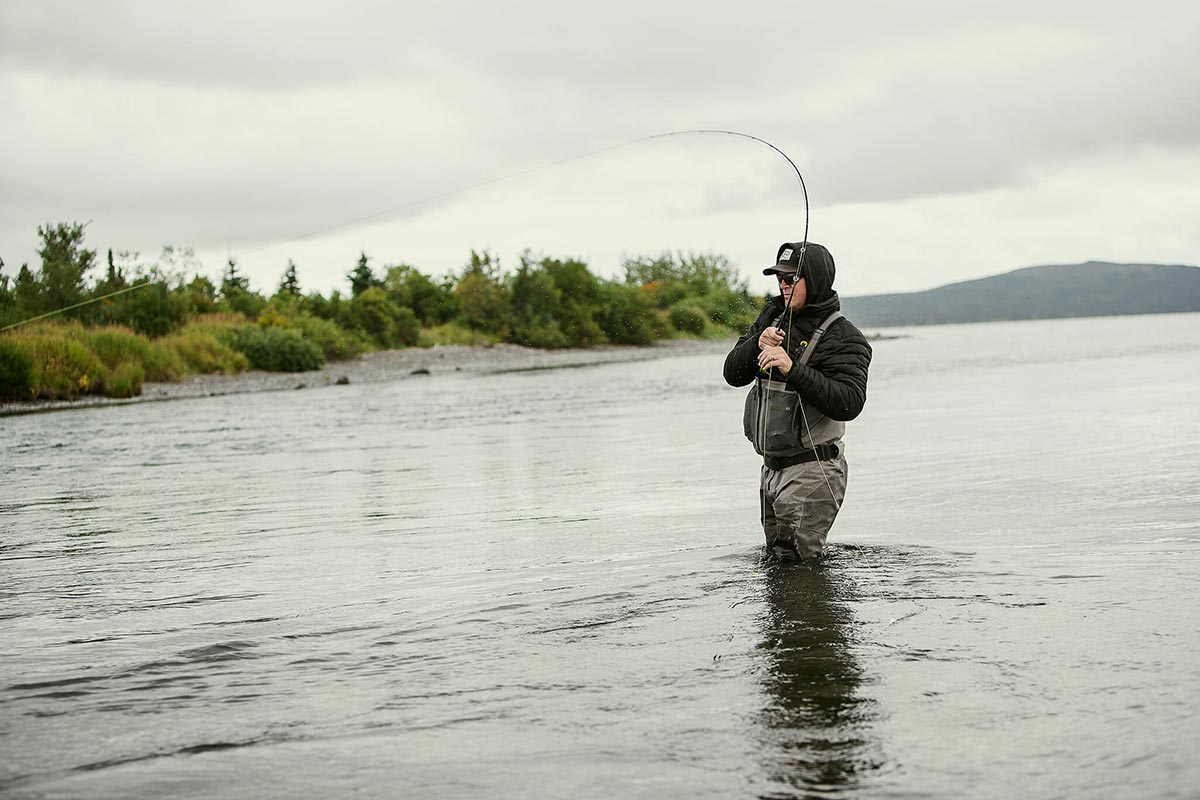
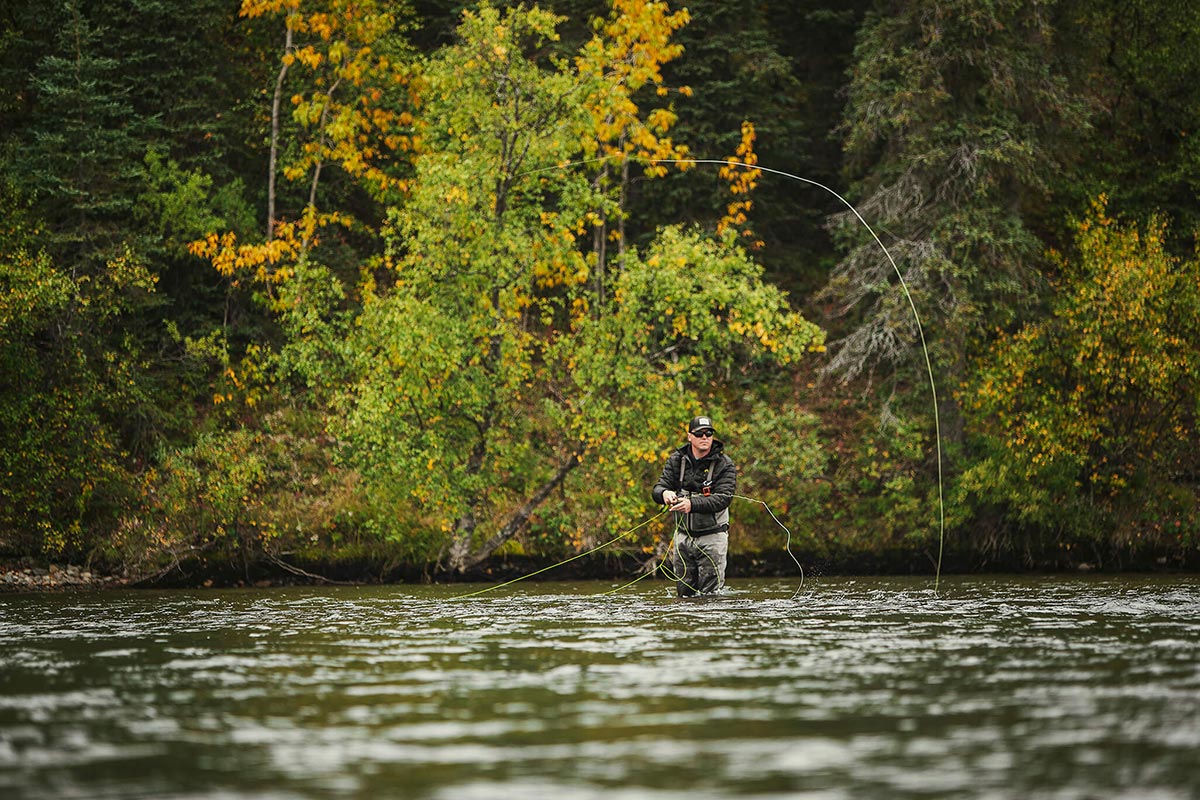
The Nonvianuk River runs just below the cabins, forming the lodge’s southern boundary and offering productive home water only a short walk away. Having reliable fishing this close is a genuine advantage—ideal for warm-ups, shorter sessions, or simply staying local when guests prefer an easier pace.
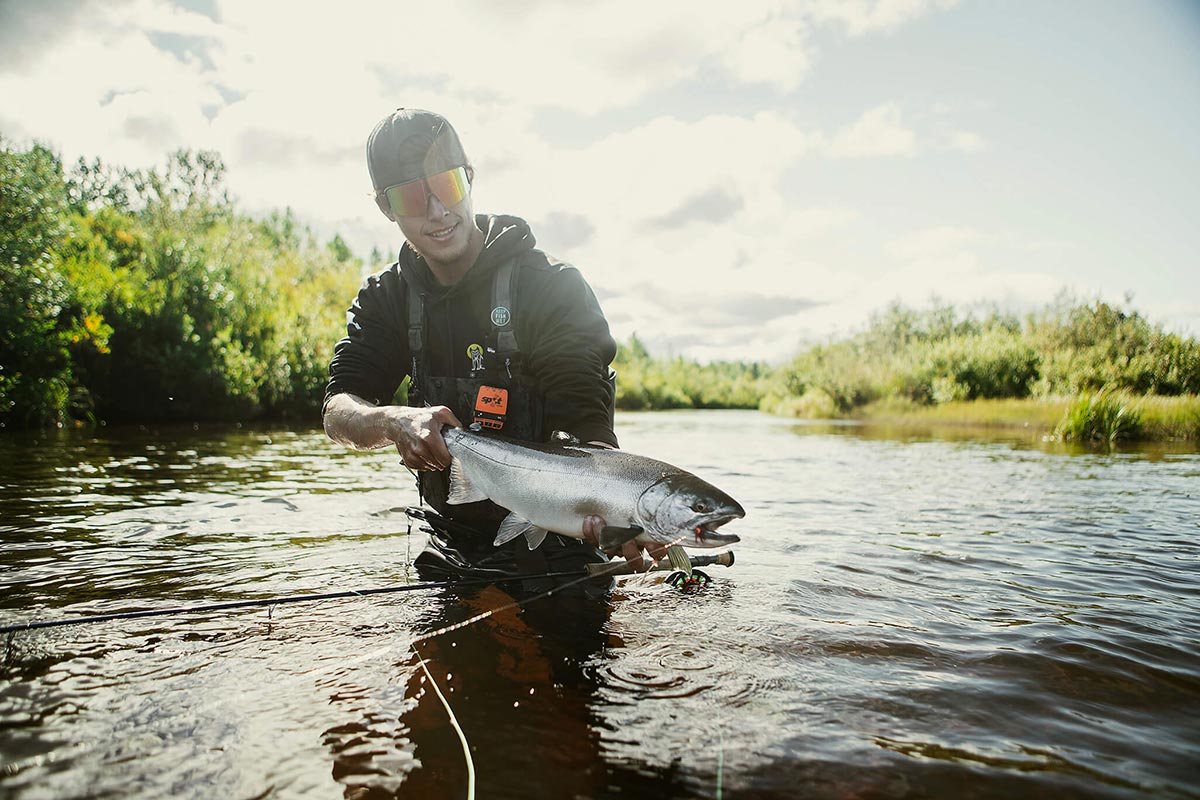
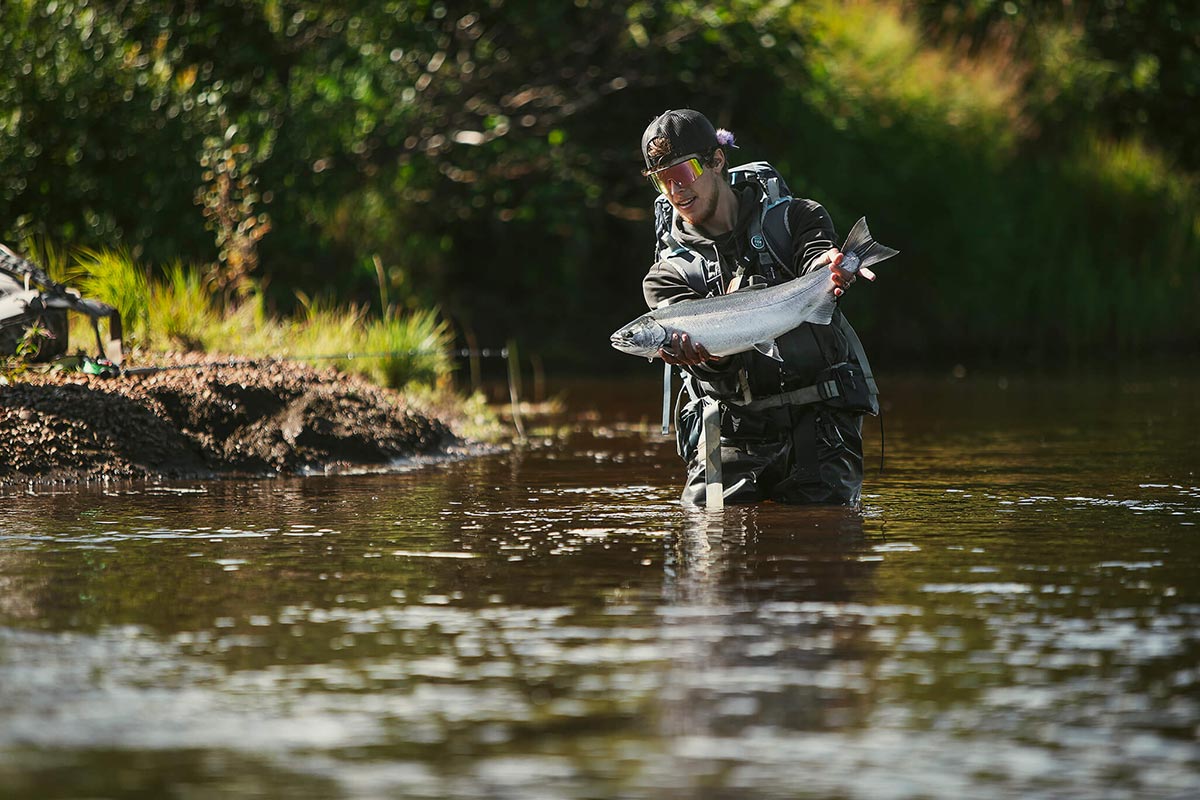
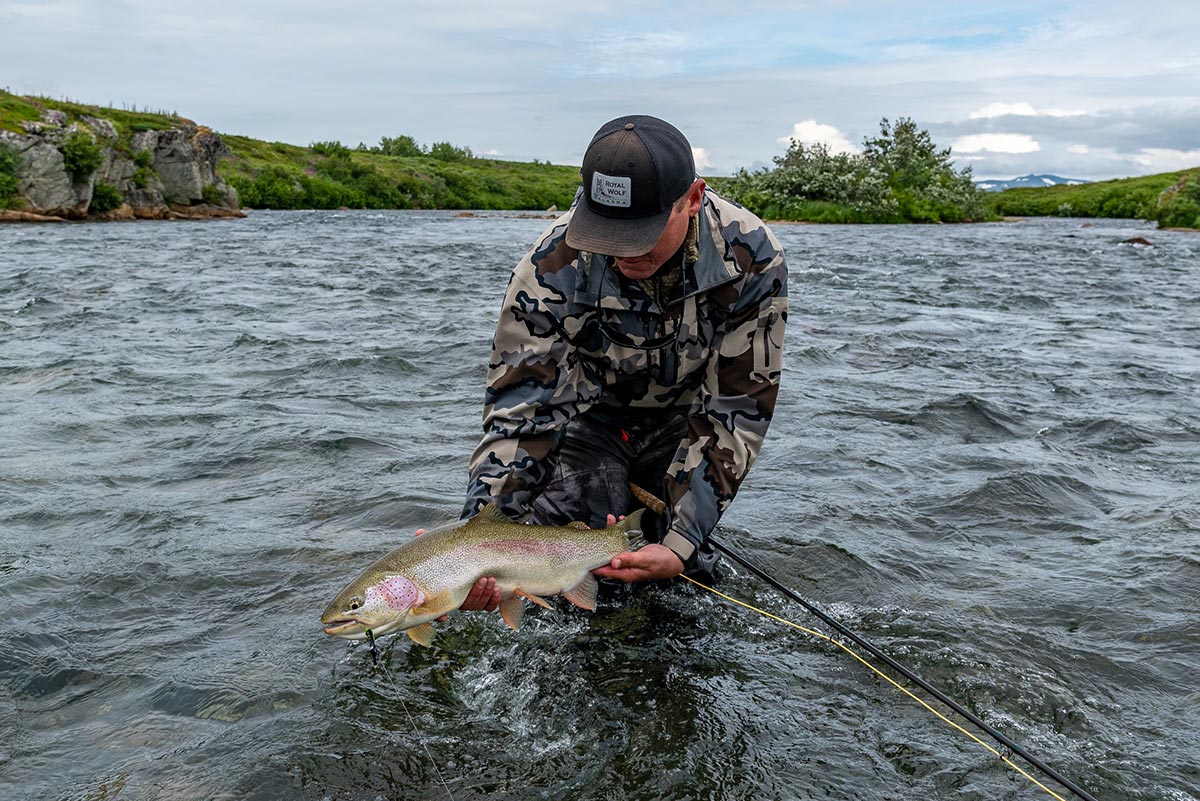
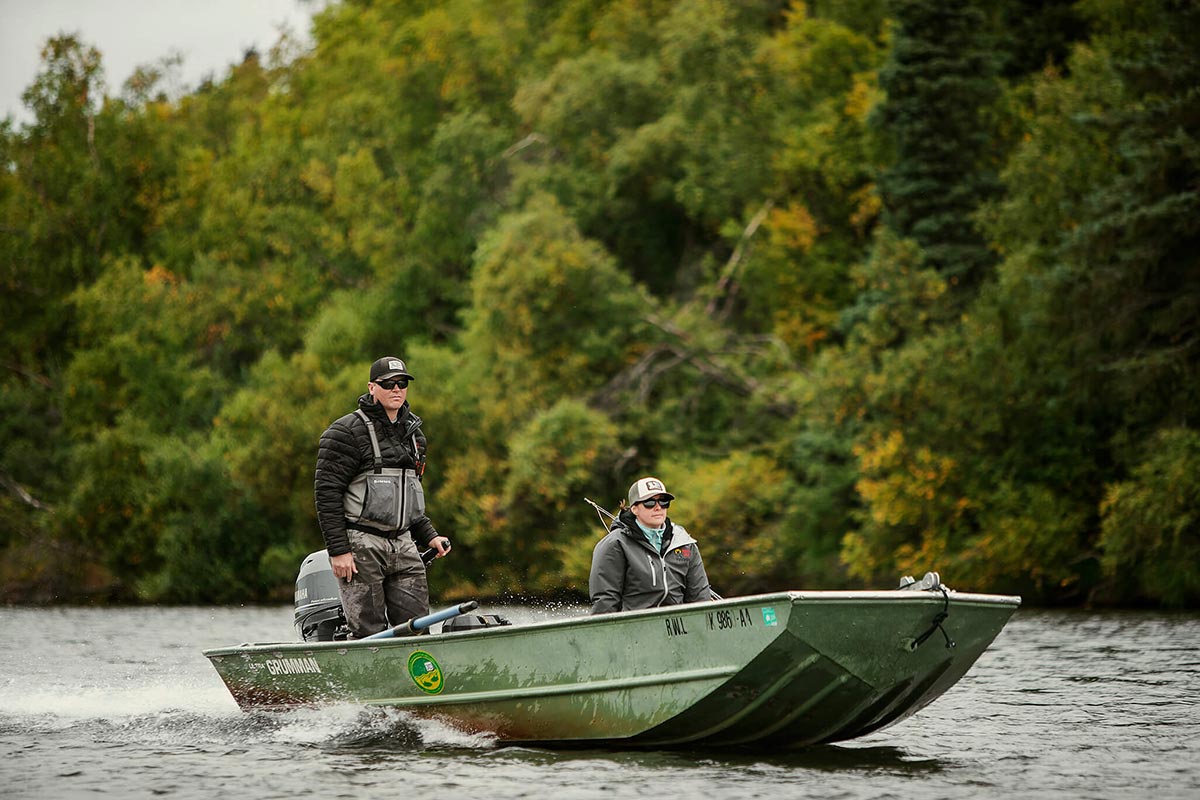
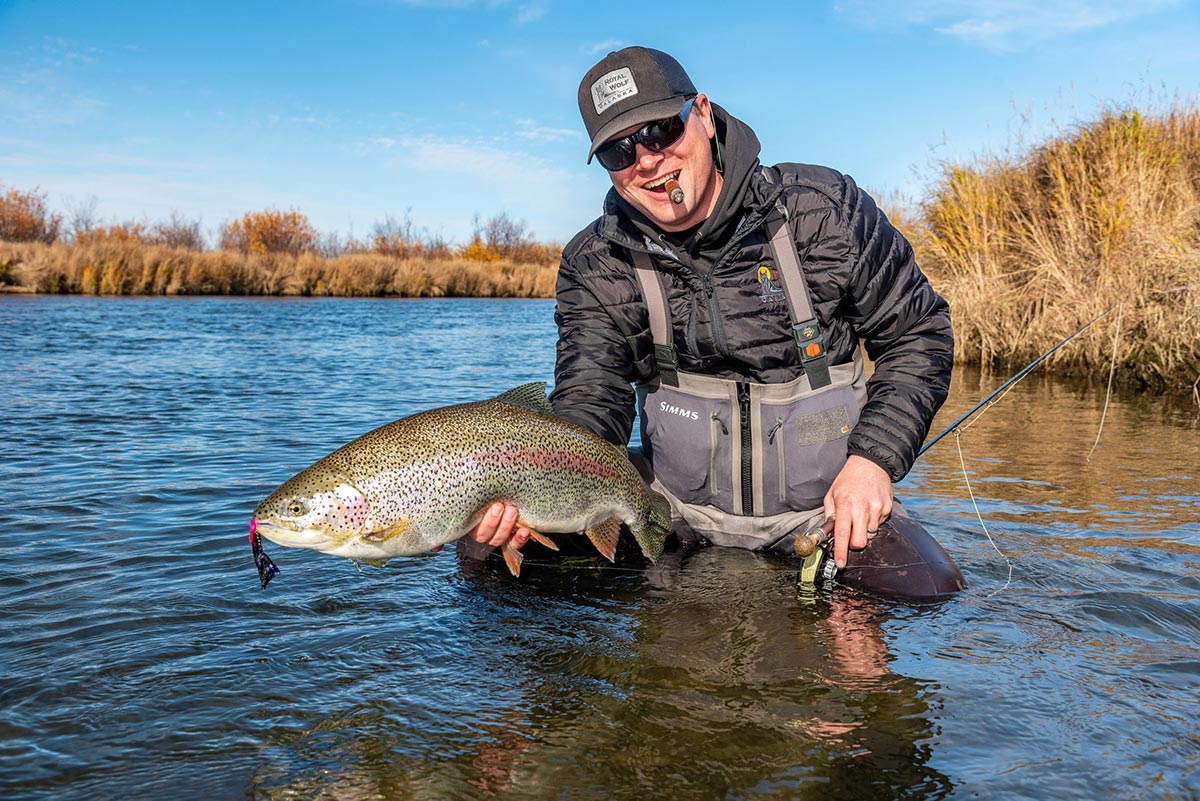
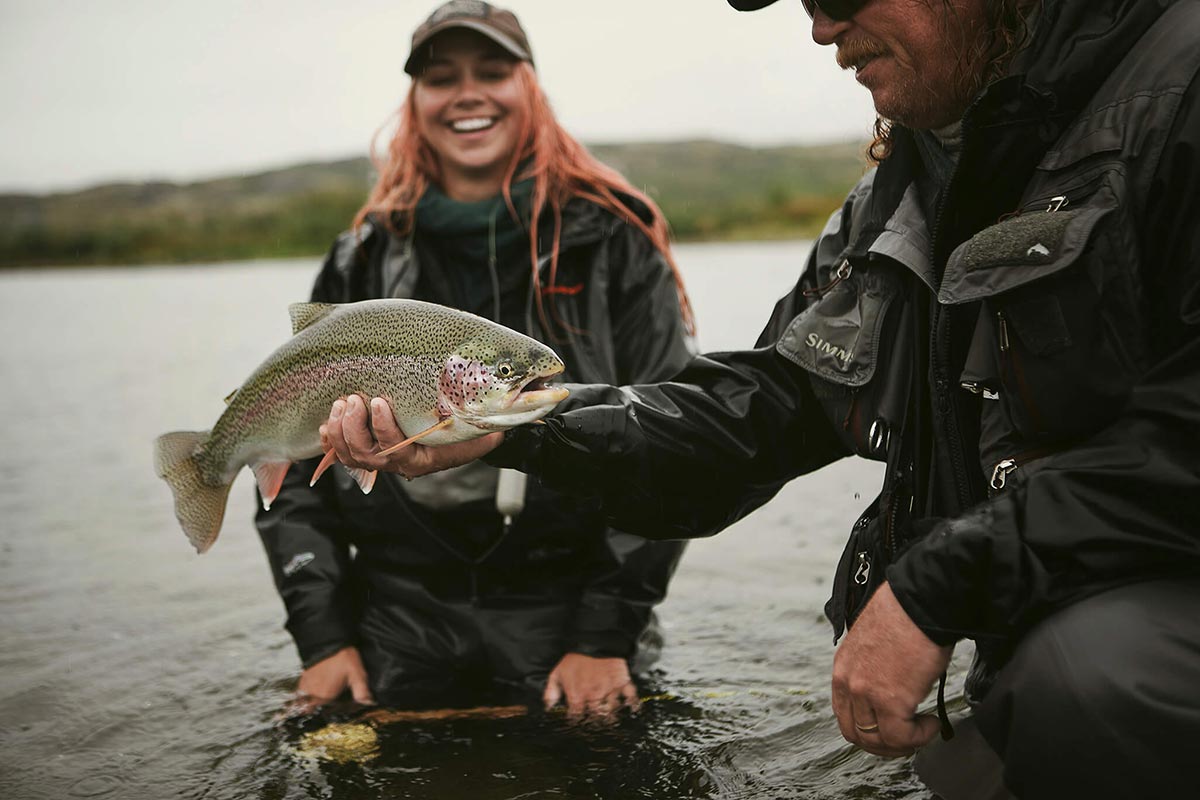
The home river blends steady currents with excellent clarity and a consistent food supply from nearby lake systems. Anglers usually fish it by wading or taking short jet-boat rides to nearby sections which fish well. It regularly produces rainbows over 20 inches, with larger trout appearing during key salmon periods, when switching to egg-imitation patterns can be especially effective.
Guides distribute angling pressure carefully across the week, keeping this close-to-lodge water in strong shape for rainbows, char, and grayling. Loaner rods, reels, waders are available for guests who prefer to travel light, and successful fly patterns will be readily available to try out.
Short-Range Water Near the Lodge
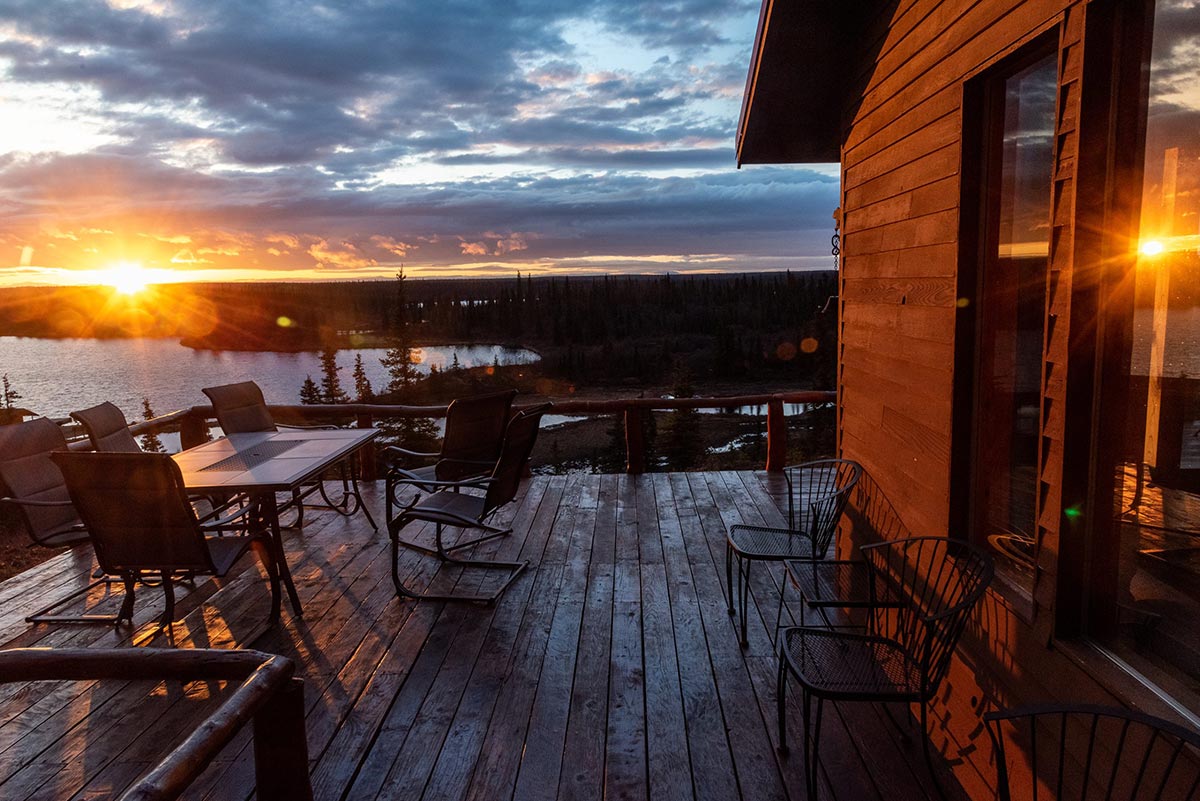
Beyond the home river, guests have access to a network of small lakes, creeks, and nearby tributaries without boarding a plane. The lodge overlooks a chain of lakes beside the Nonvianuk, and easy walking or short-boat access makes these close-range options ideal for relaxed starts, half-days, or for times when fly-outs are delayed by weather. They offer a straightforward alternative—letting guests stay near the lodge while still enjoying productive trout fishing without the full day’s logistics.
Fly-Out Rainbow Trout Destinations Across Katmai
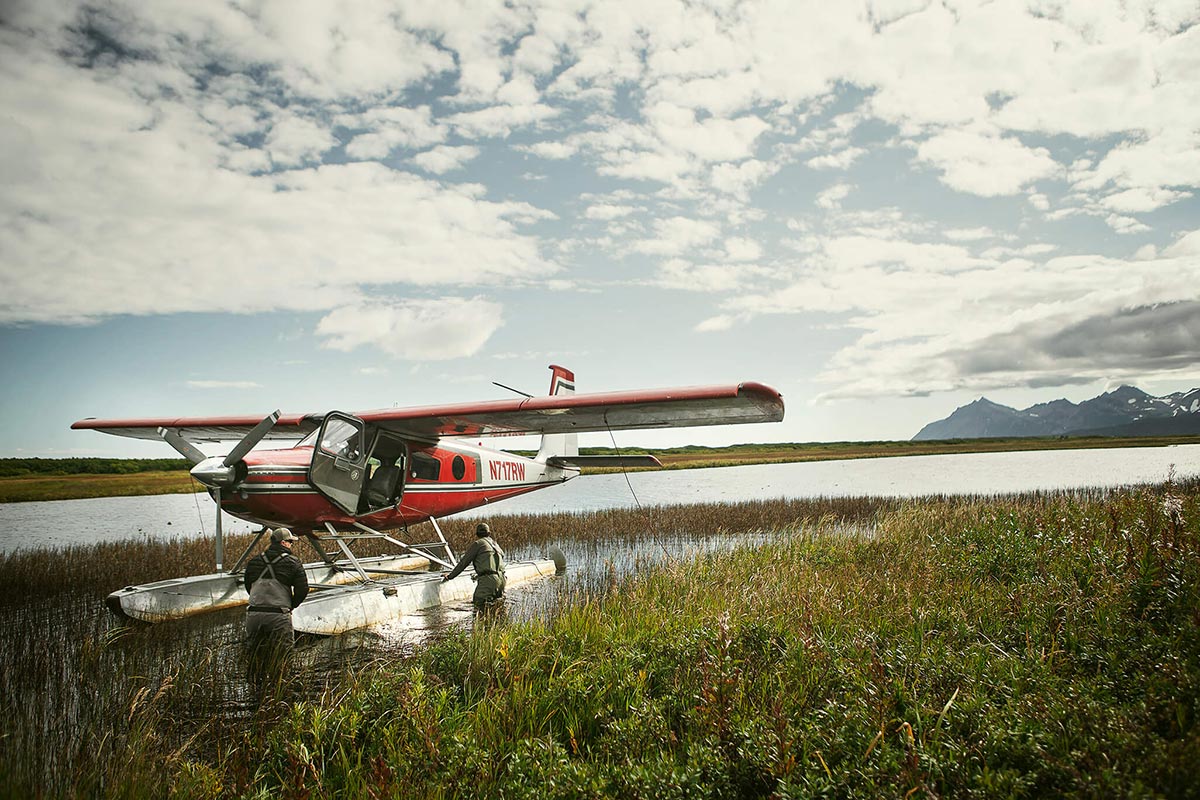
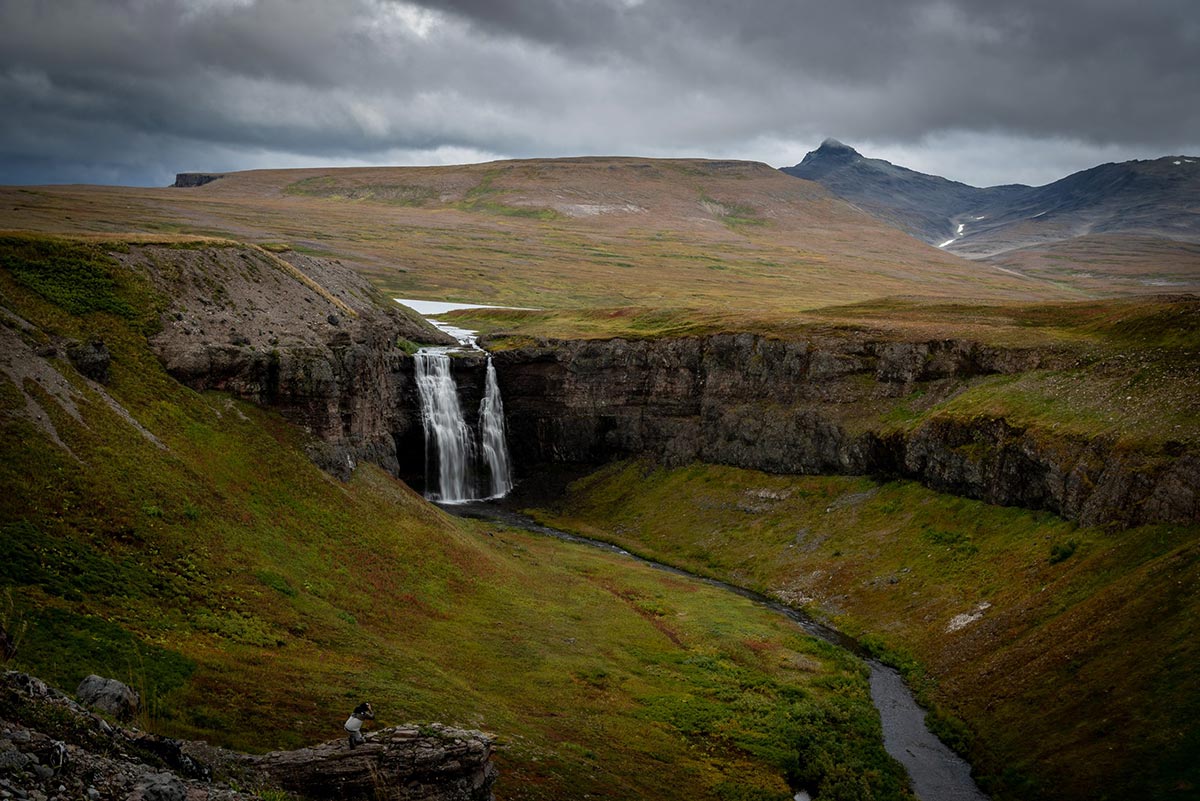
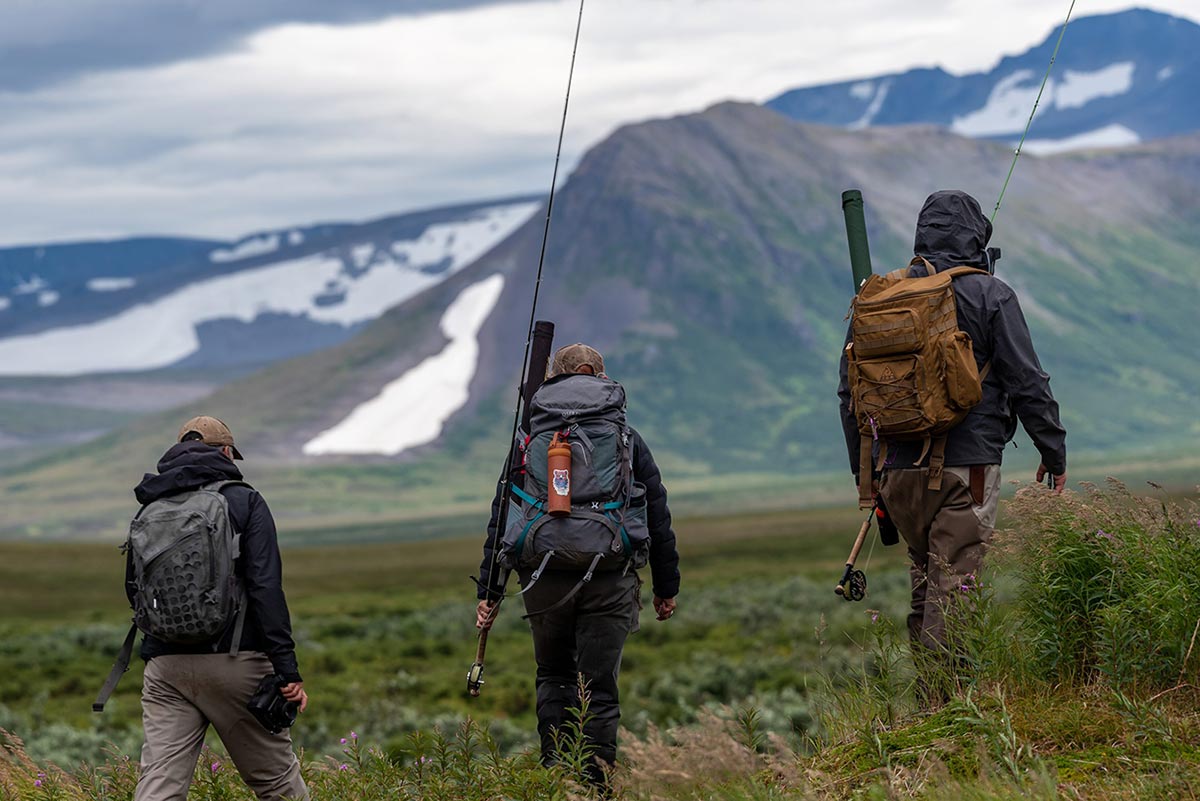
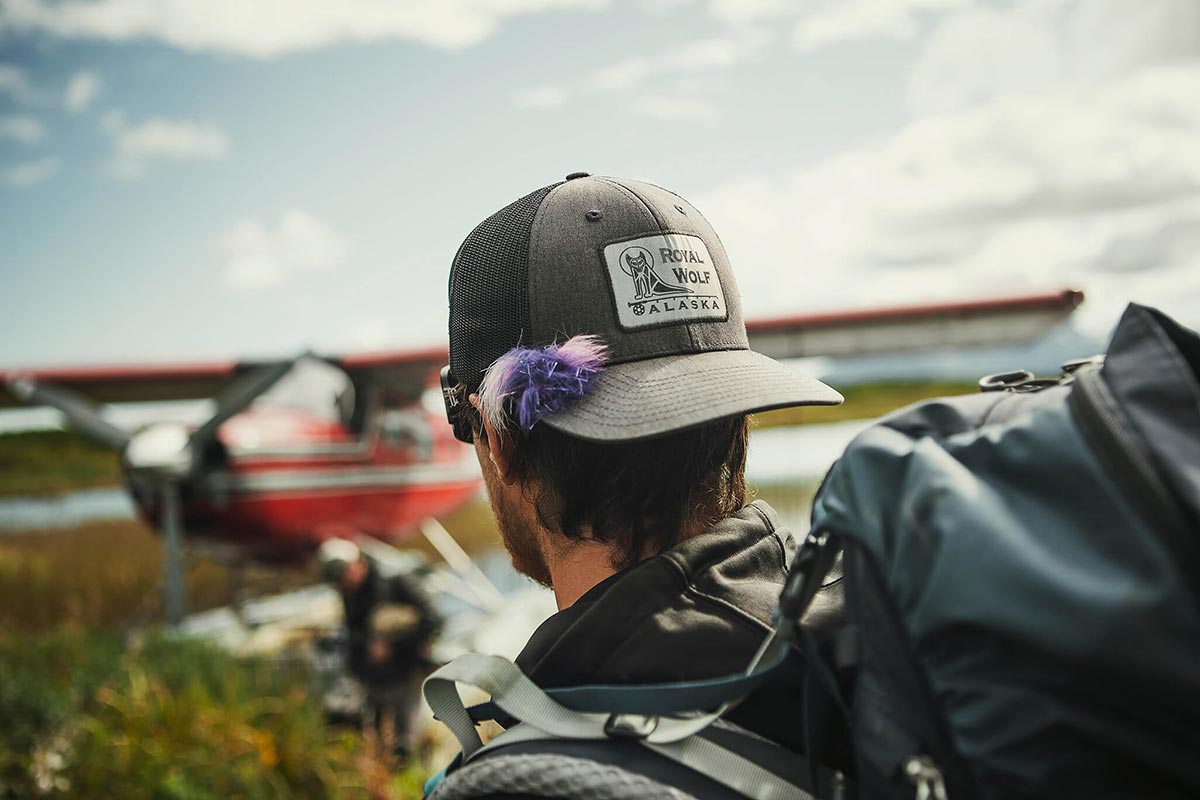
Daily fly-outs in the lodge’s De Havilland Beaver or Cessna aircraft reach a broad range of trout systems across Katmai and the greater Bristol Bay watershed. Short hops take anglers to the Nonvianuk, Big Ku, Little Ku, American Creek, Brooks, Moraine, and Battle—plus a handful of lesser-known creeks that guides prefer to keep off maps. Scenery shifts from blue-green lake outlets to broad valleys backed by rolling tundra, with many fly-out systems framed by the open interior landscapes Katmai is known for.
Many of these rivers are long-time guide favourites, with certain sections producing bigger fish during peak salmon weeks or after a rise in water. Daily destinations are chosen around weather, light, and recent fishing rather than fixed rotations, helping maintain quality across the season.
Clearwater Creeks and Tributaries
Katmai’s clear creeks and spring-fed tributaries provide some of the best sight-fishing opportunities of the year. These small waters run cold and stable, with trout feeding along shallow margins, tucking beside structure, or staging behind early salmon. Early in the season, fish respond to drifting insects and small streamers. As sockeye arrive, eggs become the primary draw and trout gather in confined runs where food concentrates.
These creeks often produce surprisingly large rainbows relative to their size. Precision and quiet wading matter, and guides manage spacing carefully around bear activity and changing visibility after rain.
Raft Floats on the Big Ku & Beyond
Several fly-out rivers are best fished by raft, drifting long, scenic stretches and stepping out to work productive banks and deeper holding pockets along the way. Float days on the Big Ku, Little Ku, and American Creek open lightly pressured water and add a different rhythm—steady travel, wide viewpoints, and long glides broken by quick, accurate casts.
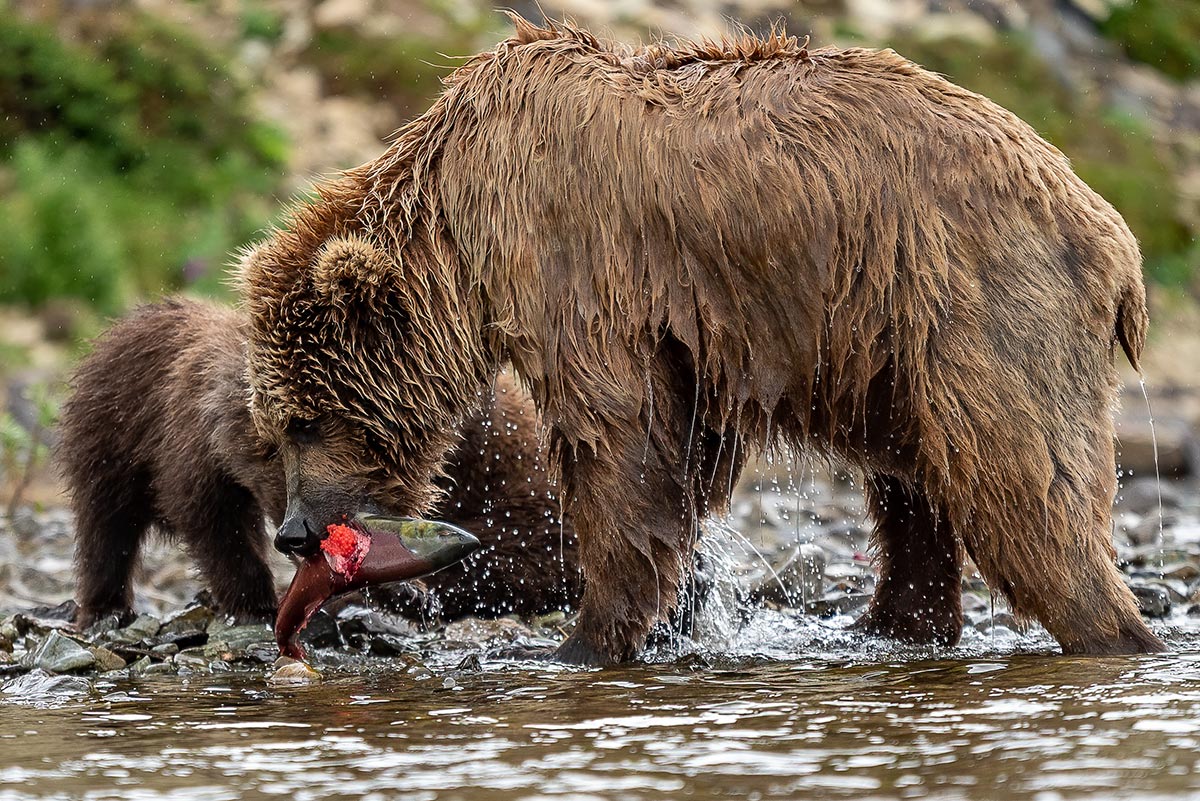
Lunches are usually taken streamside on broad gravel bars, giving anglers time to rest, take in the open Alaska scenery, and—on many rivers—watch bears moving along the banks as they follow salmon upstream. It’s also a natural moment to bring out a camera to capture both landscapes and wildlife.
Seasonal Tactics for Katmai’s Rainbow Trout
Fishing evolves from early June to early October. Early season sees trout feeding hard after spawning, often along deeper banks or current lines. Mid-summer brings more surface activity on creeks and lake outlets. Late season is shaped by salmon: trout slide behind spawners, and numbers build quickly in productive holding water as gravel areas fill with fish.
Techniques and On-Water Strategy
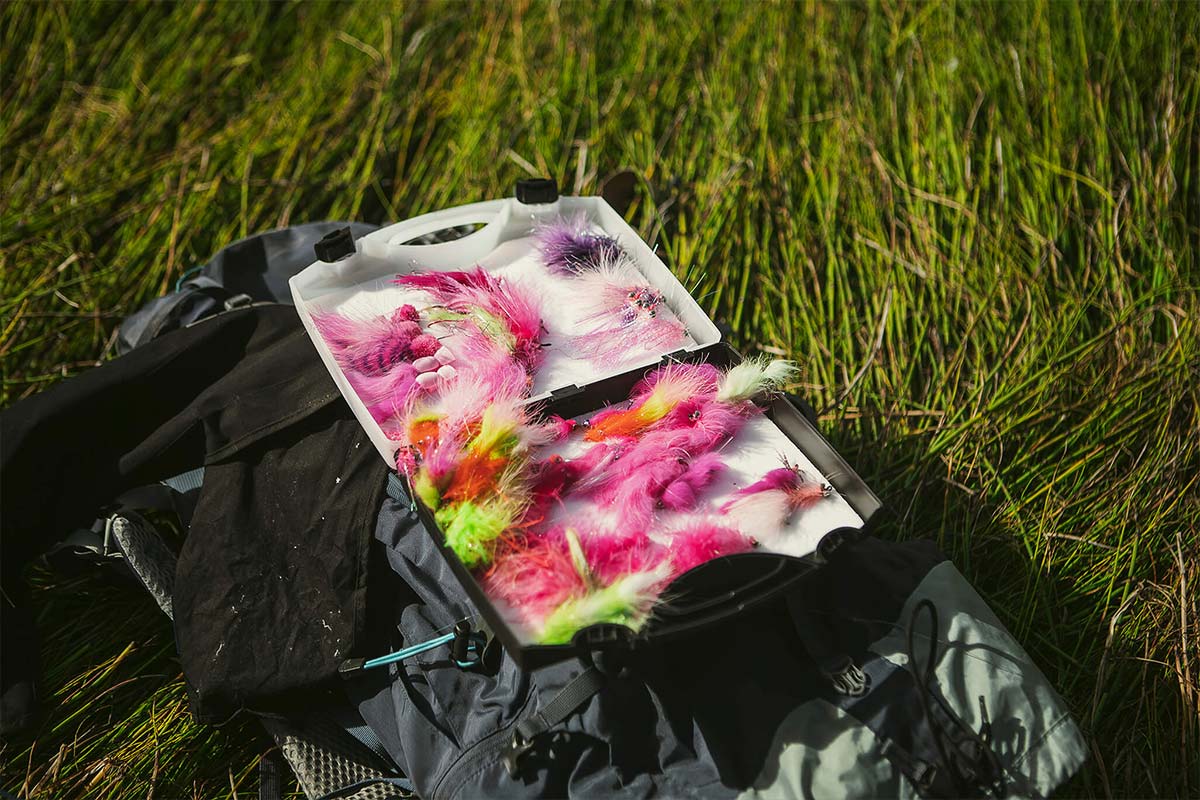
Most anglers fish 5–7-weight rods with floating lines; sink-tips or weighted flies help in deeper slots or early-season flow. Techniques shift through the day—clean drifts with egg imitations and subsurface patterns, controlled streamer swings, dry-fly work on clear creeks, or mouse patterns in low-light windows or grassy edges.
Guides adjust methods frequently as trout shift between feeding lanes, structure, and the egg-rich water that forms behind spawning salmon. Flies and leaders are supplied, and setups are refined throughout the day in response to food supply, weather, and wind.
Guide Expertise and Daily Planning
Royal Wolf’s guides and pilots have long experience in Katmai and understand how individual rivers behave as conditions shift through the season. Many have fished the same systems for years, tracking subtle changes in timing, water colour, and wildlife movement.
Two anglers per guide is standard, and days can be shaped around ability, pace, or specific interests such as dries, streamers, or photography. Safety briefings cover aircraft procedures, bear behaviour, and river travel. All fishing is barbless and catch-and-release, with an emphasis on low-stress handling that keeps larger trout healthy.
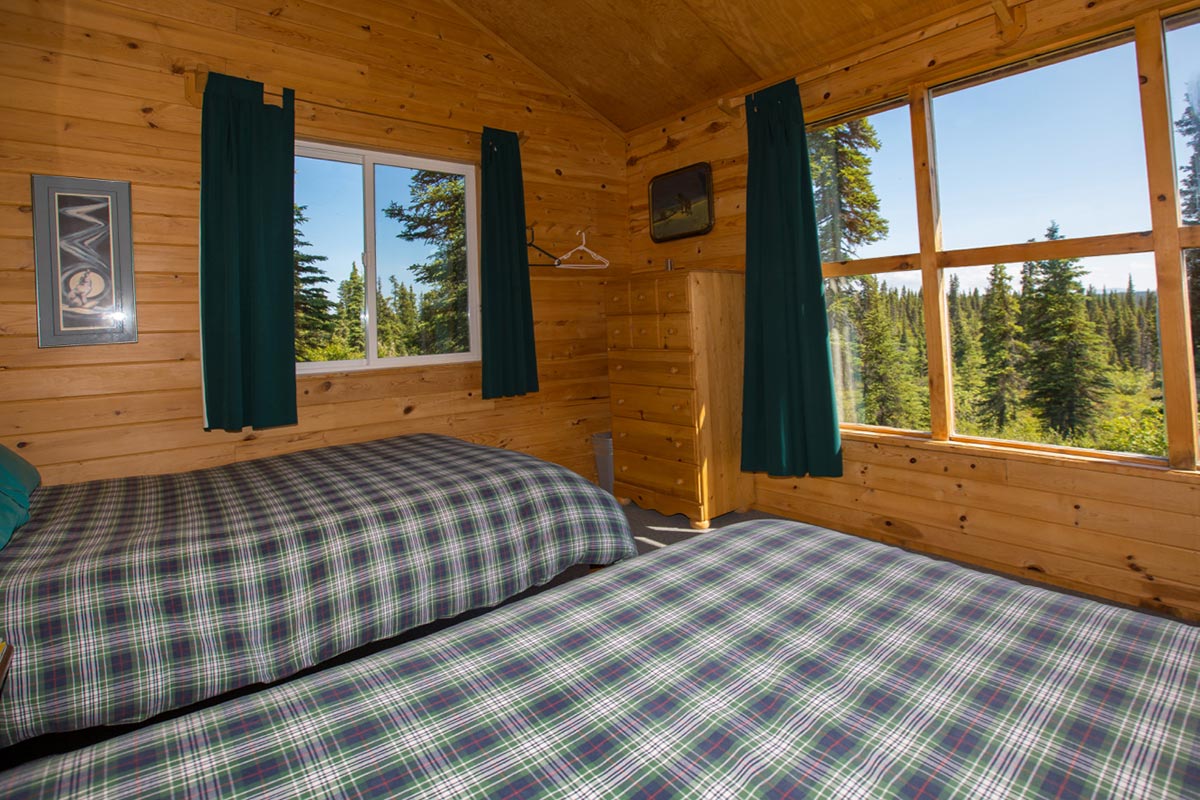
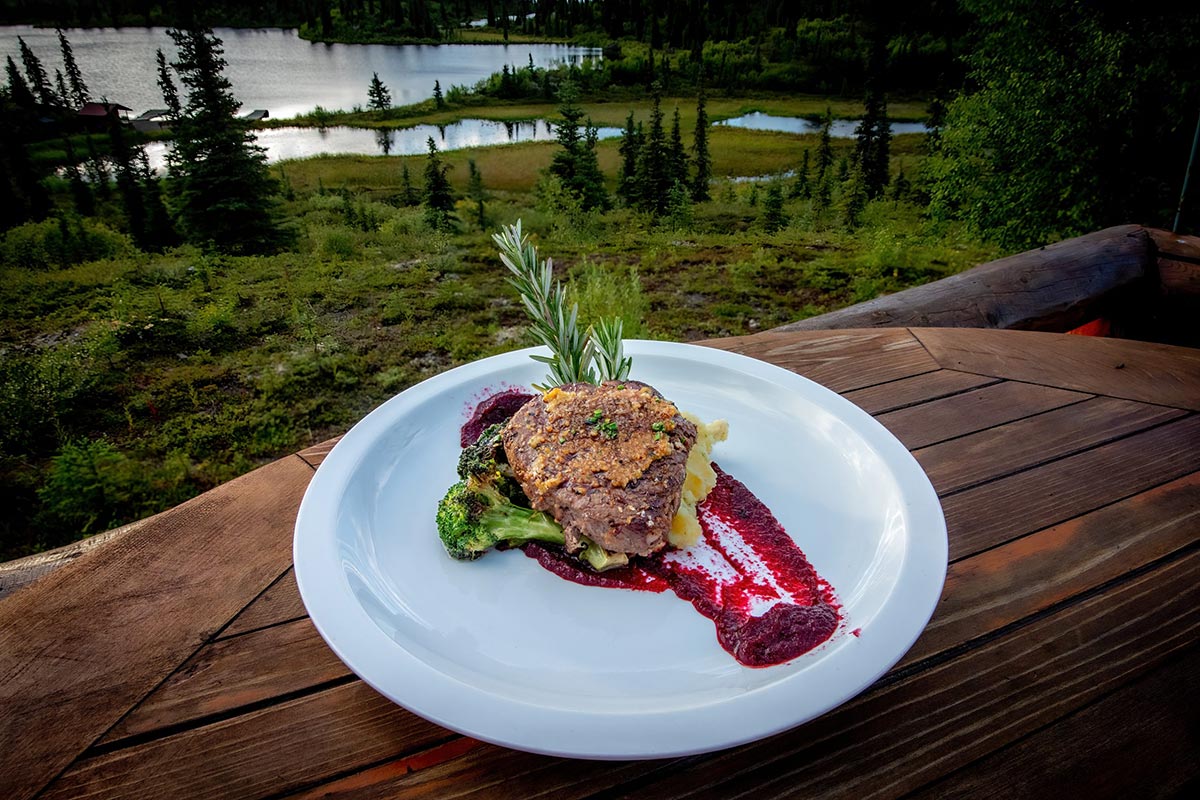
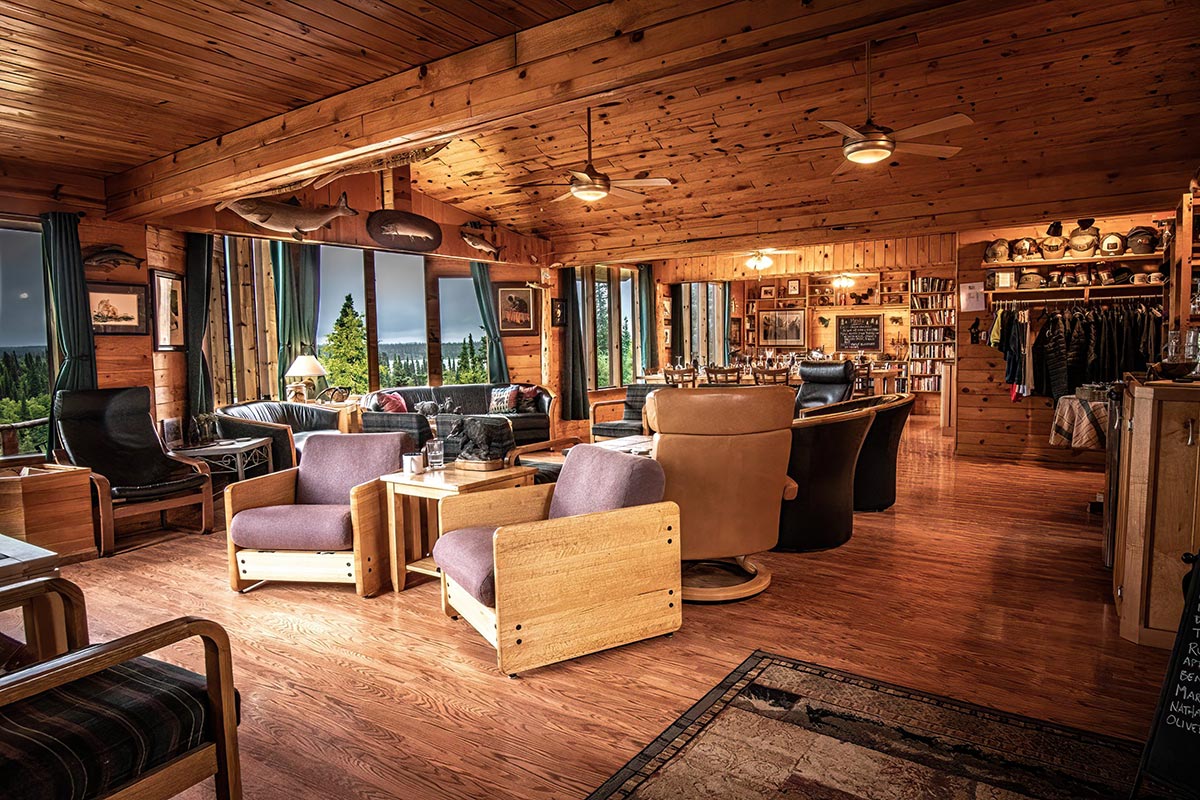
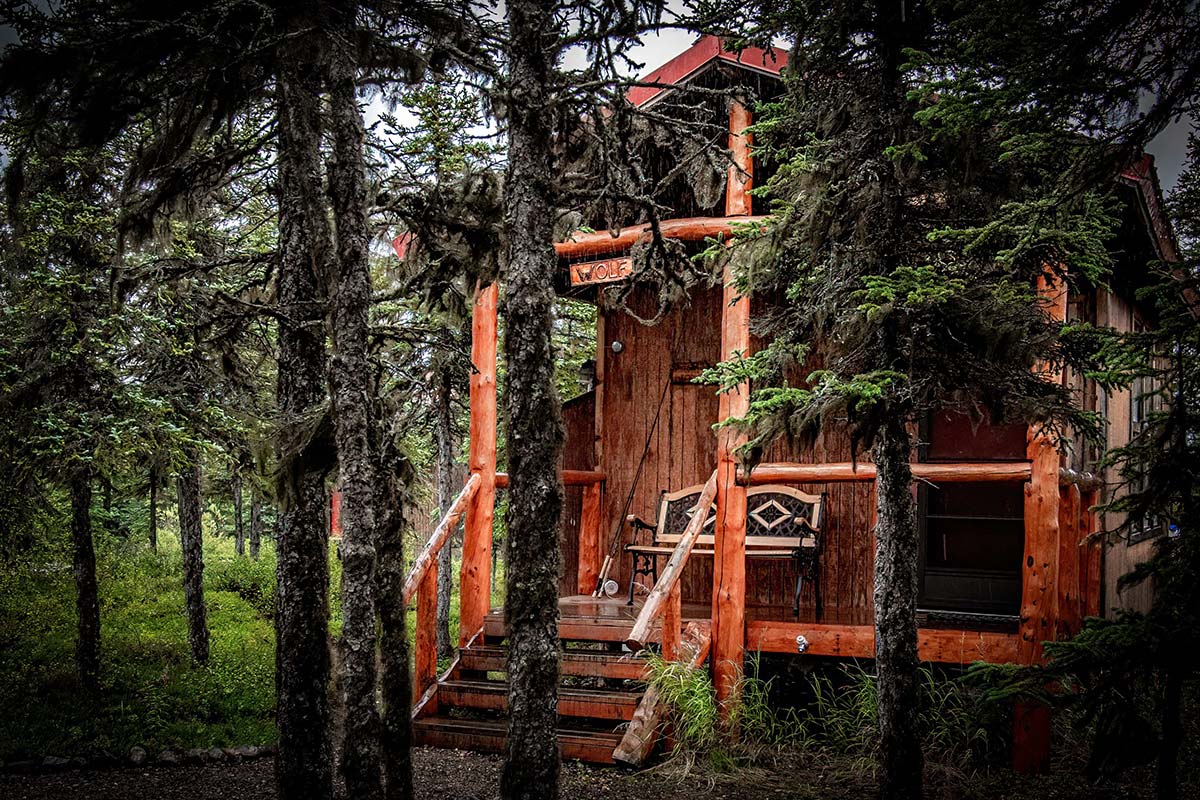
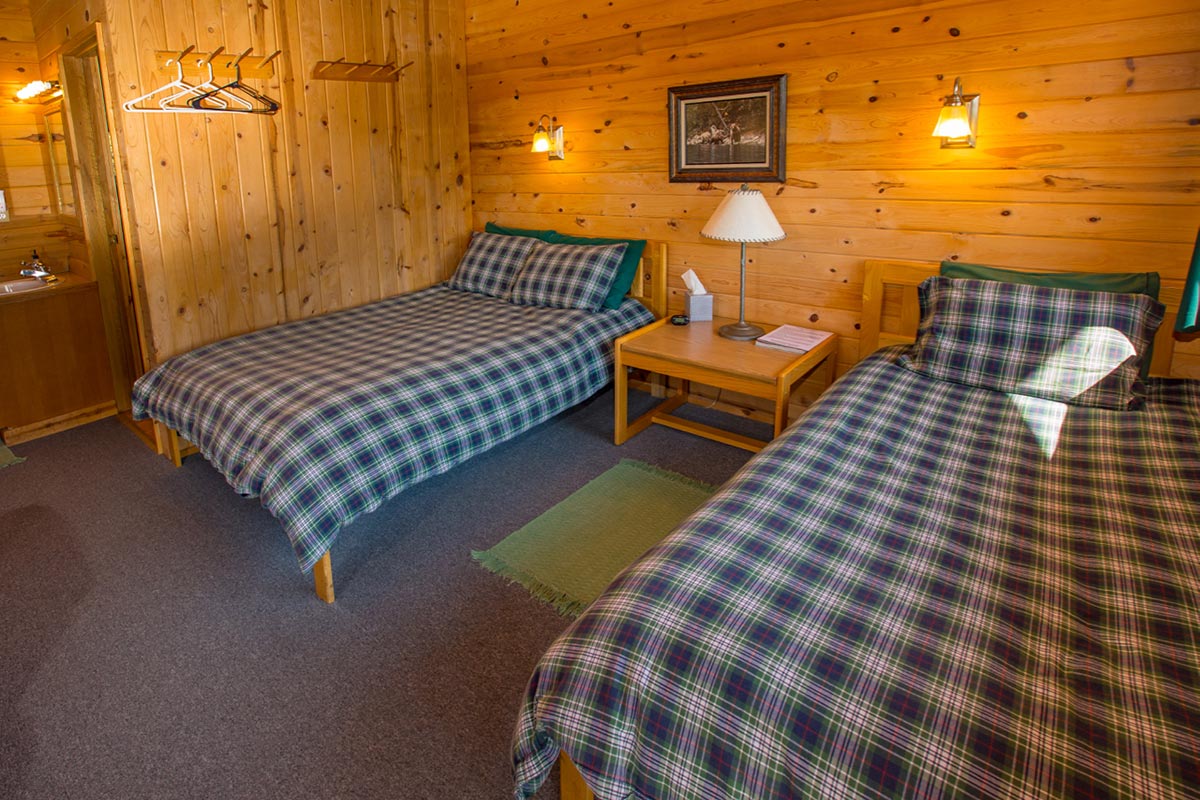
At Royal Wolf Lodge, remote Alaska feels refined. Private cabins, personalised guiding, gourmet dining, and direct access to Katmai’s most sought-after trout systems combine to deliver one of the region’s premier fly-out programs—an elevated wilderness experience designed for anglers who expect the very best.
To learn more about the fishing and express an interest, message Wild On Alaska.