Program Approach at Rapids Camp Lodge
Rapids Camp Lodge (RCL), based on the lower Naknek River, operates as a lodge program where each evening the next day’s water is chosen based on weather, run timing, and guest priorities. Rather than committing to a single river for the week, anglers typically balance time on the home river with optional fly-outs across Bristol Bay.
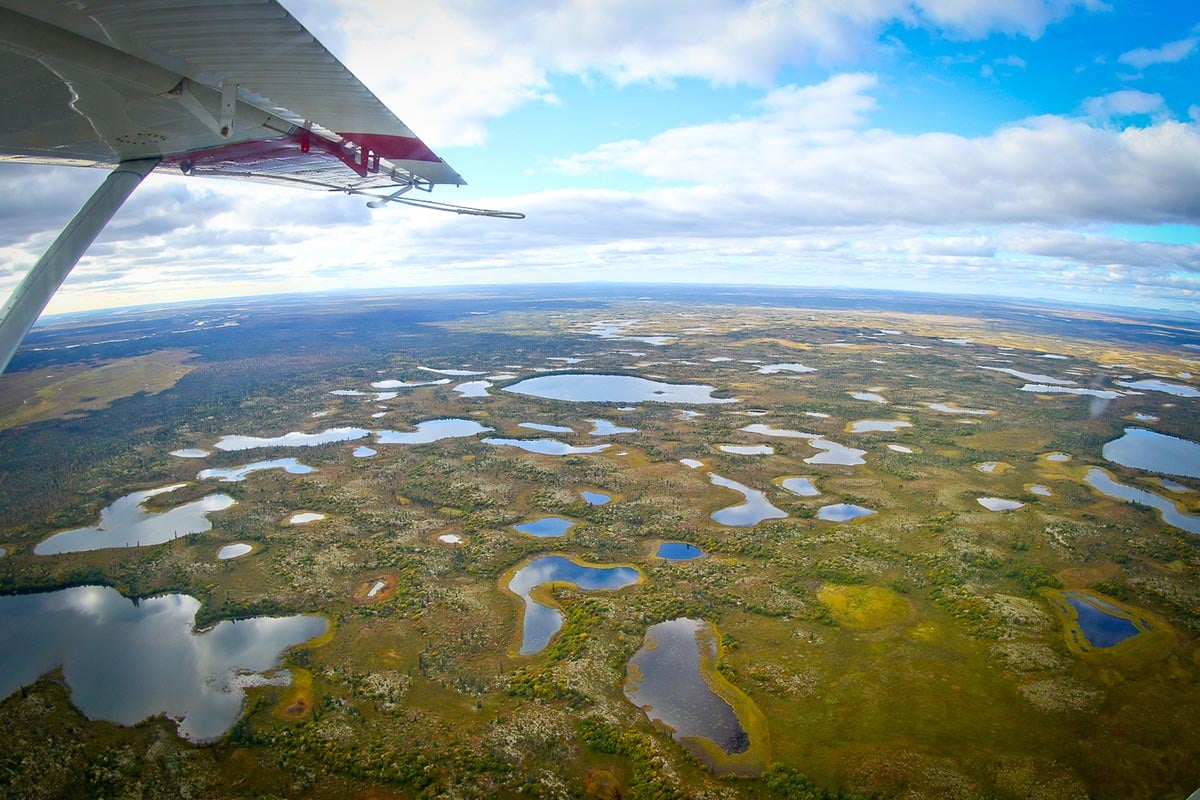
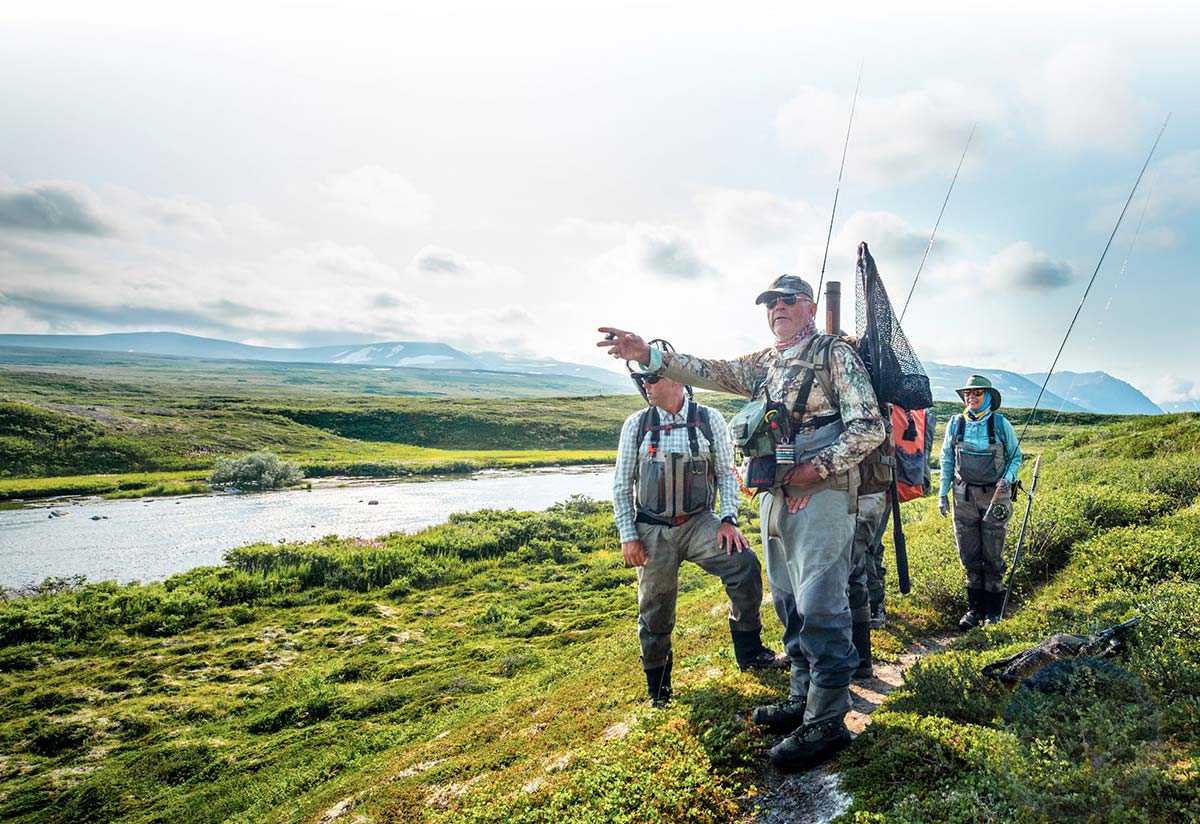
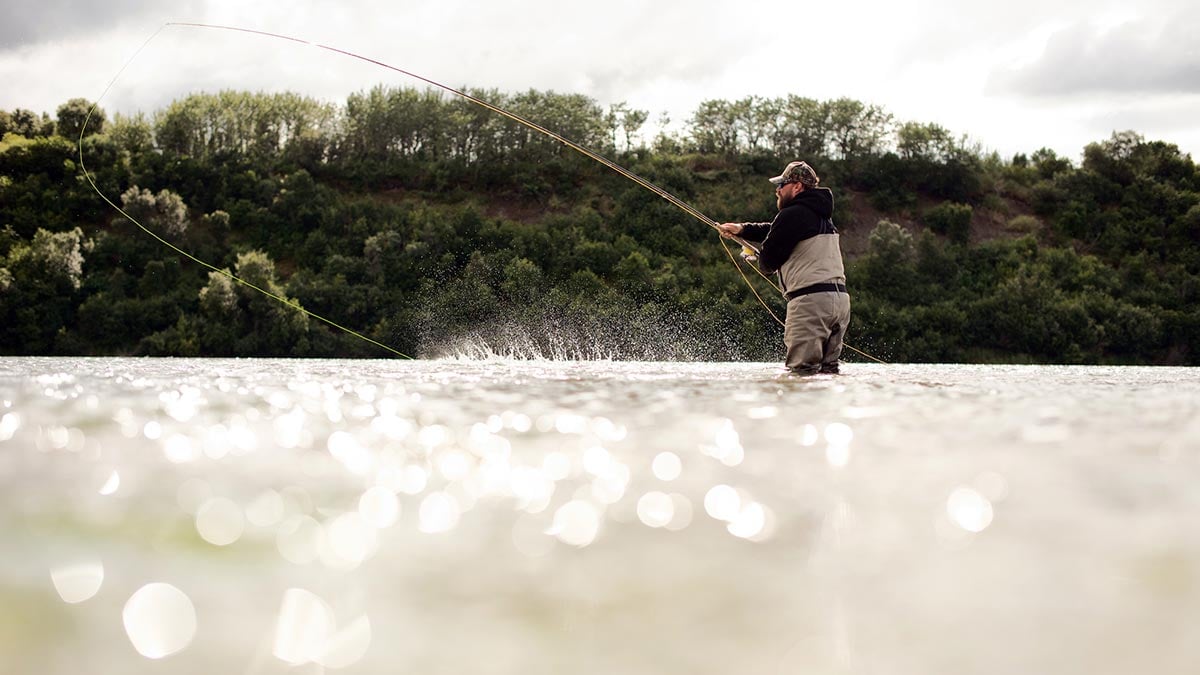
The contrast between waters is part of the appeal. The Naknek itself is broad and powerful with long gravel bars and steady current lines, while many fly-out destinations are narrower tundra rivers where anglers often sight-fish to moving runs of salmon and trout in clear water. This range allows the week to shift between big-river swing water and intimate creek fishing without relocating.
The Naknek provides immediate fishing close to the lodge, while the aircraft fleet opens access to more distant fisheries when conditions allow.
The Lodge’s Location & River Access
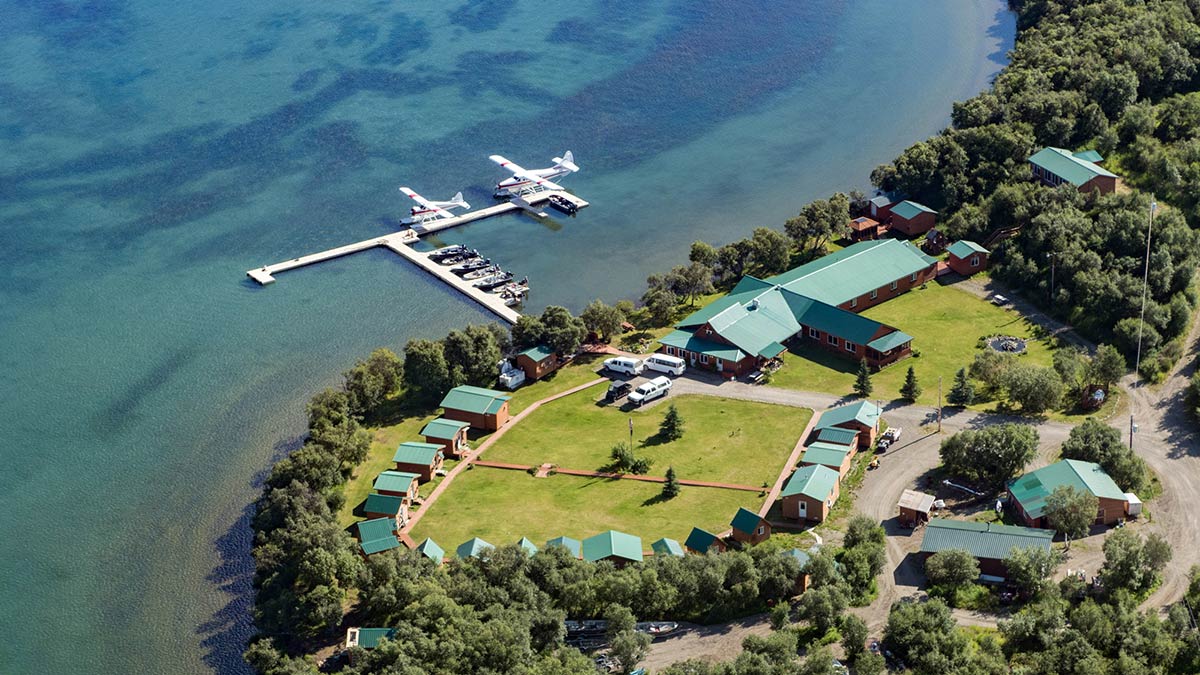
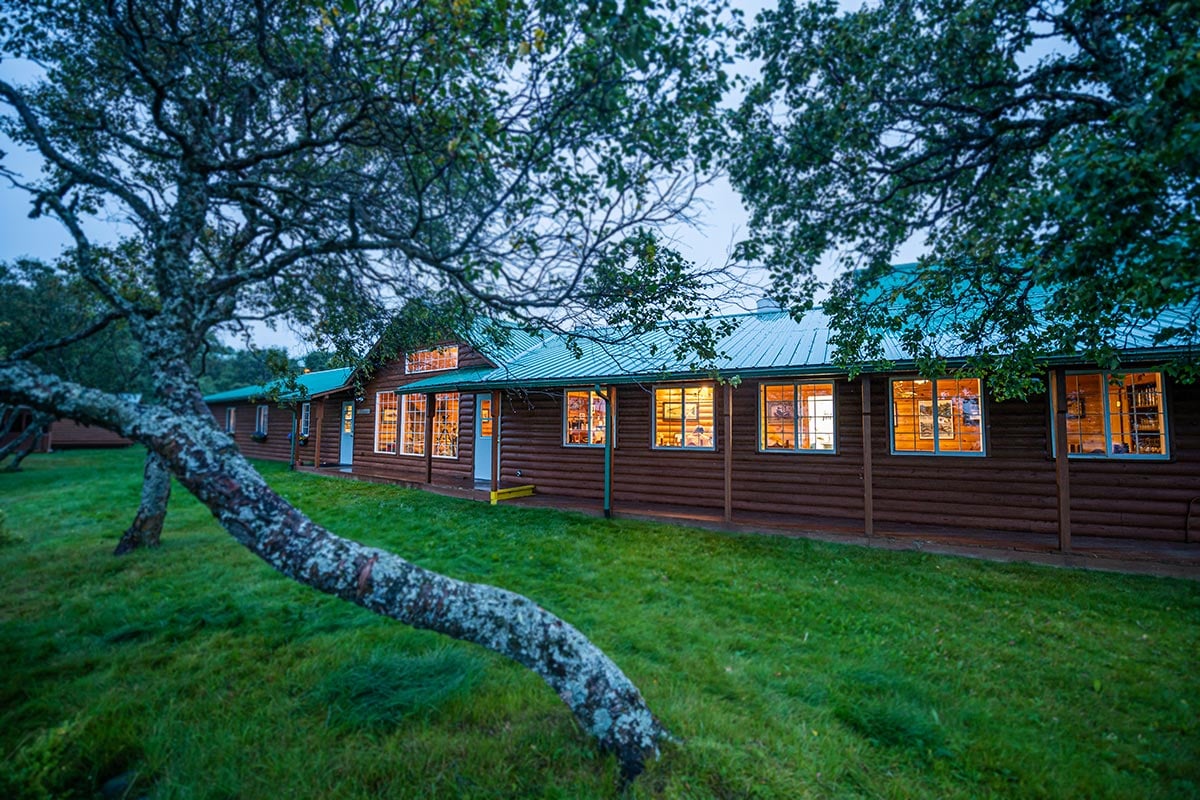
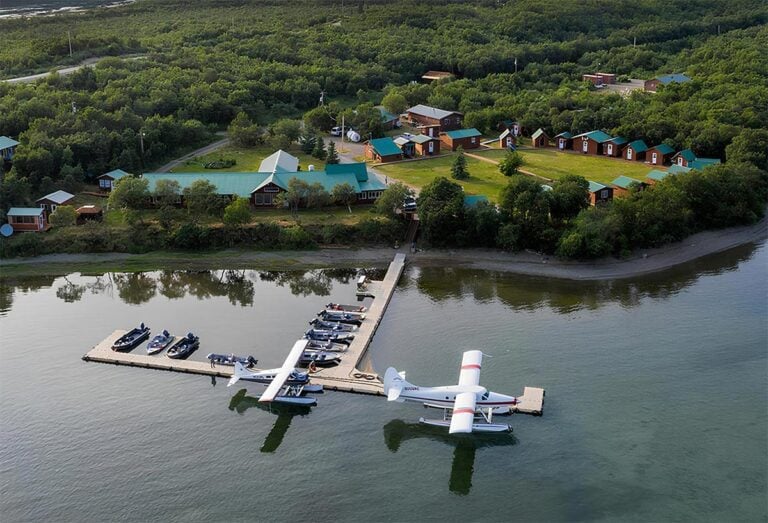
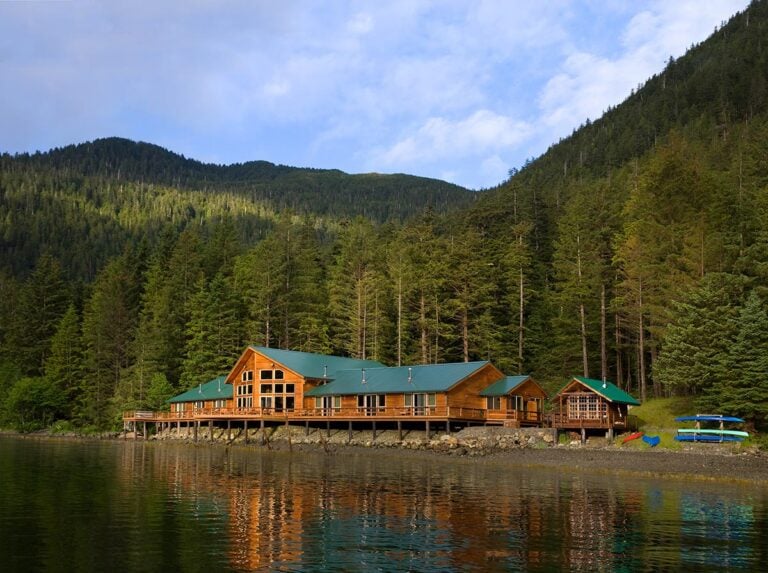
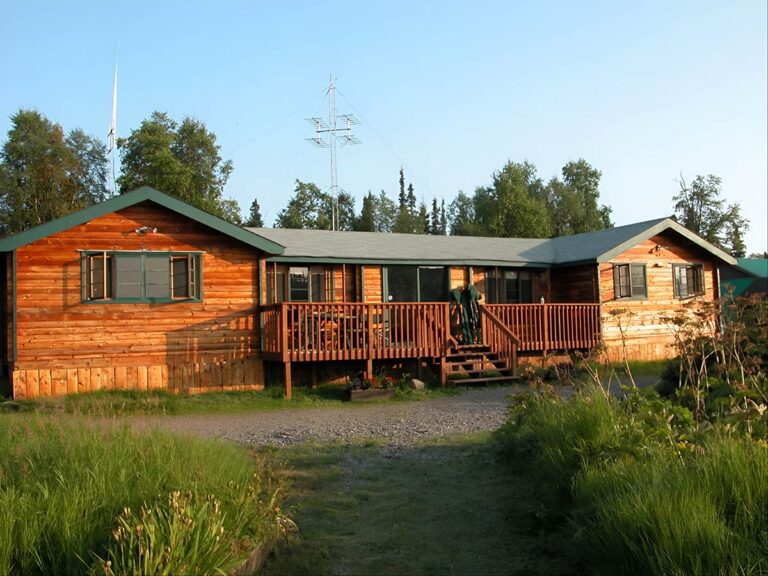
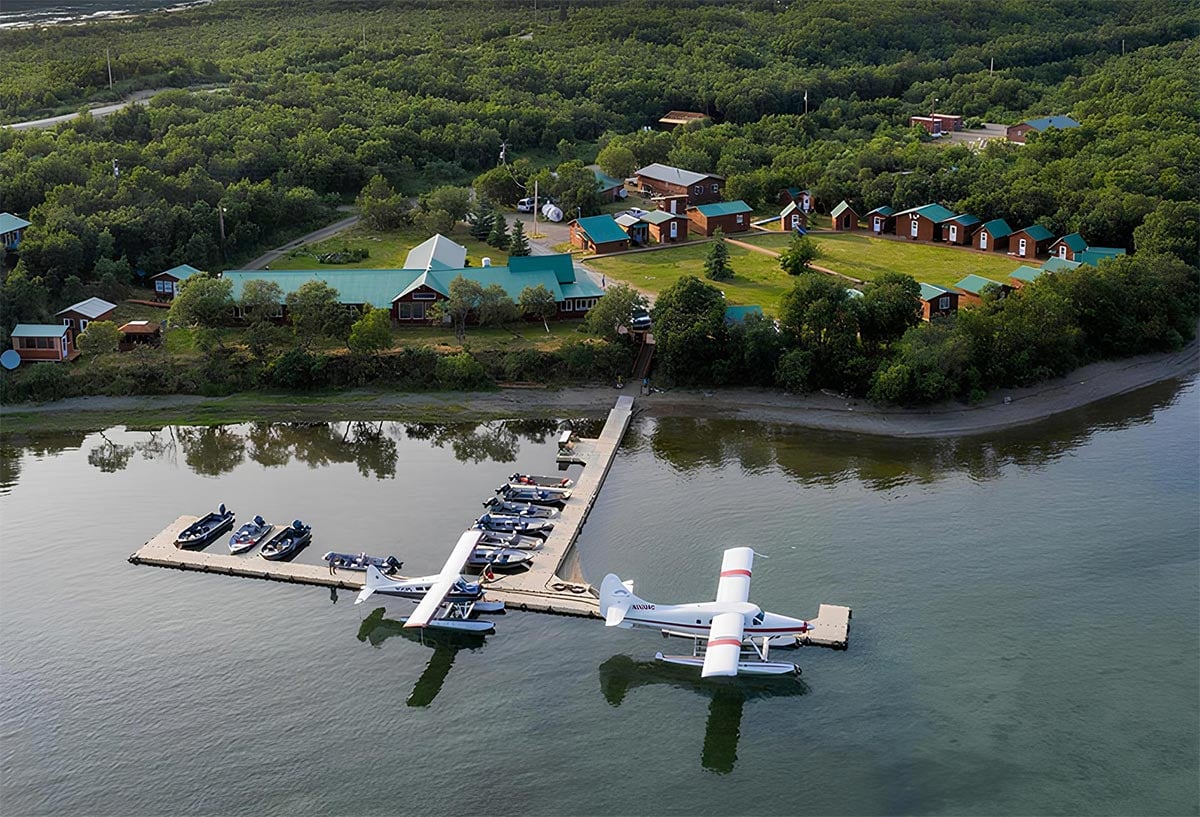
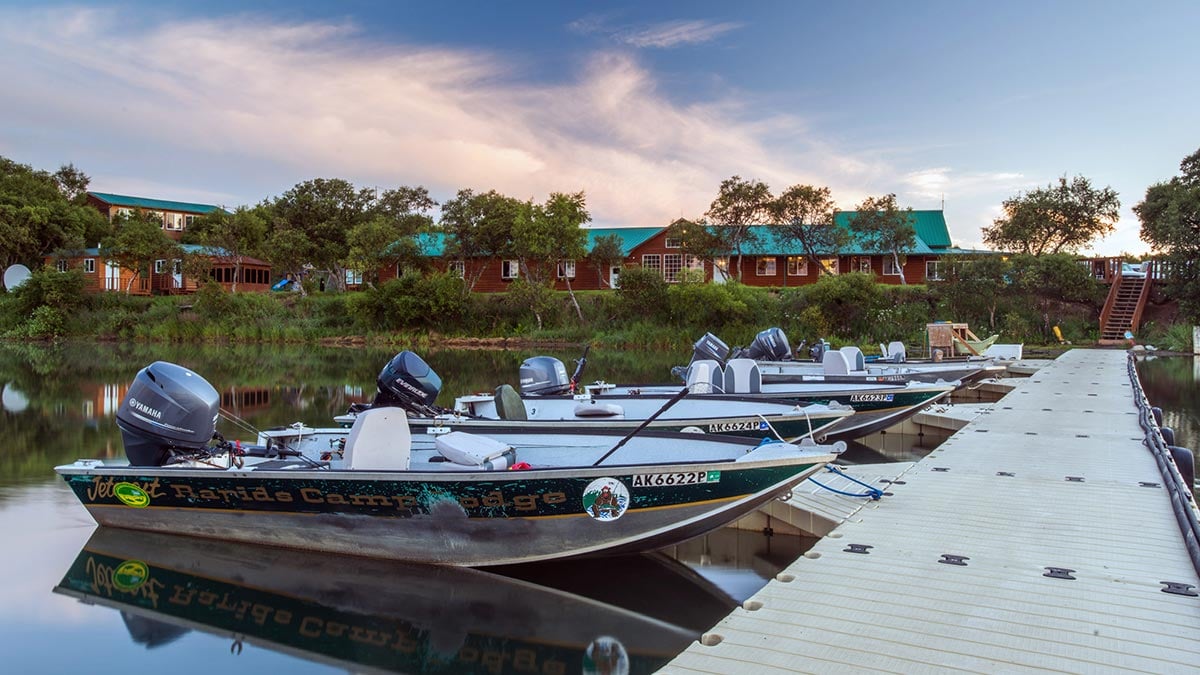
Sitting on a private 60-acre property, Rapids Camp Lodge benefits from over a mile and a half of river frontage on the lower Naknek River. It lies about seven miles below Naknek Lake and only a short 15-minute flight from the town of King Salmon. Its position places anglers within easy reach of Katmai National Park, Becharof National Wildlife Refuge, and dozens of other productive systems across the Bristol Bay watershed.
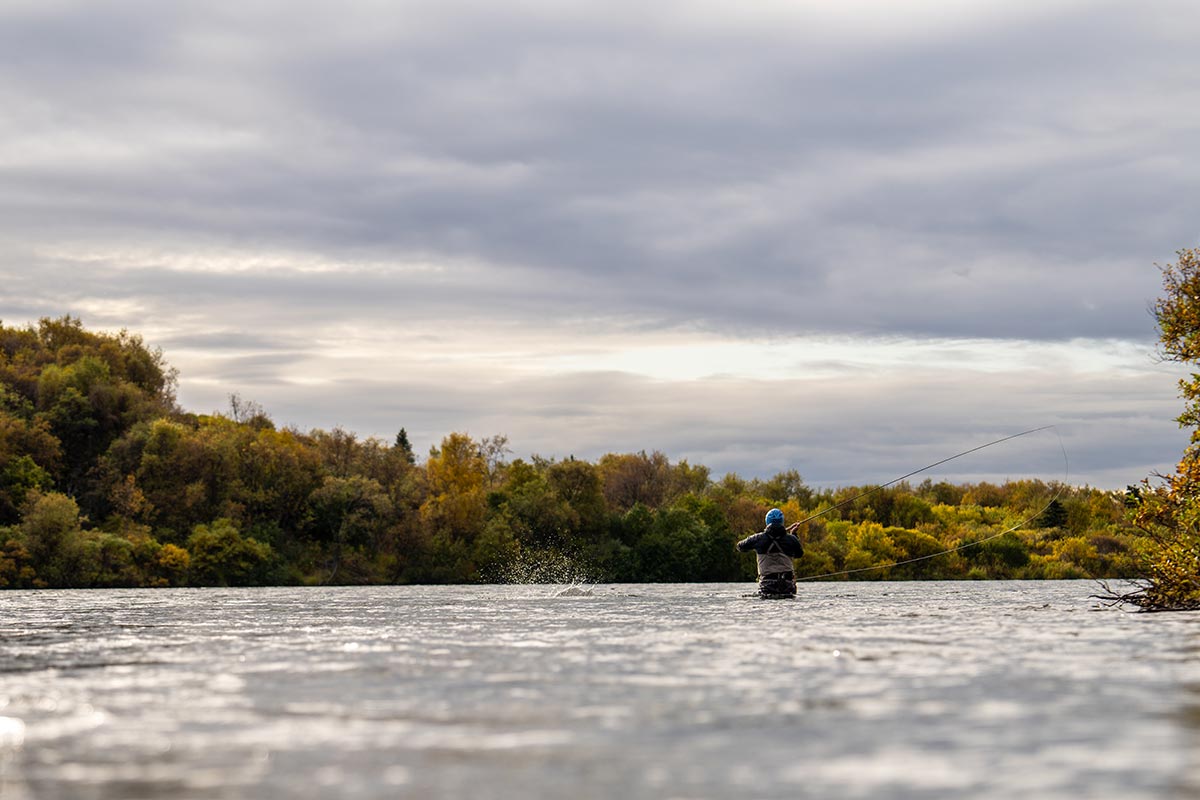
This lower stretch of the Naknek is known for its long river stretches and deep outside bends where trout stage behind spawning salmon, as well as broad gravel islands that make wading straightforward even at higher flows.
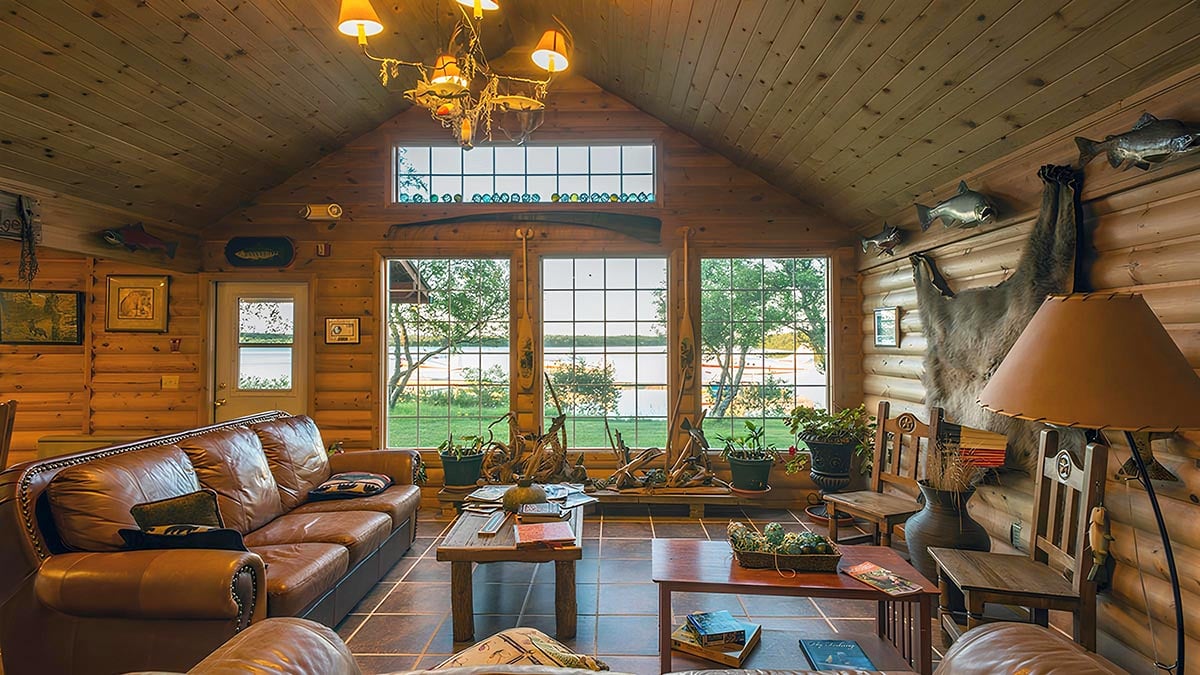
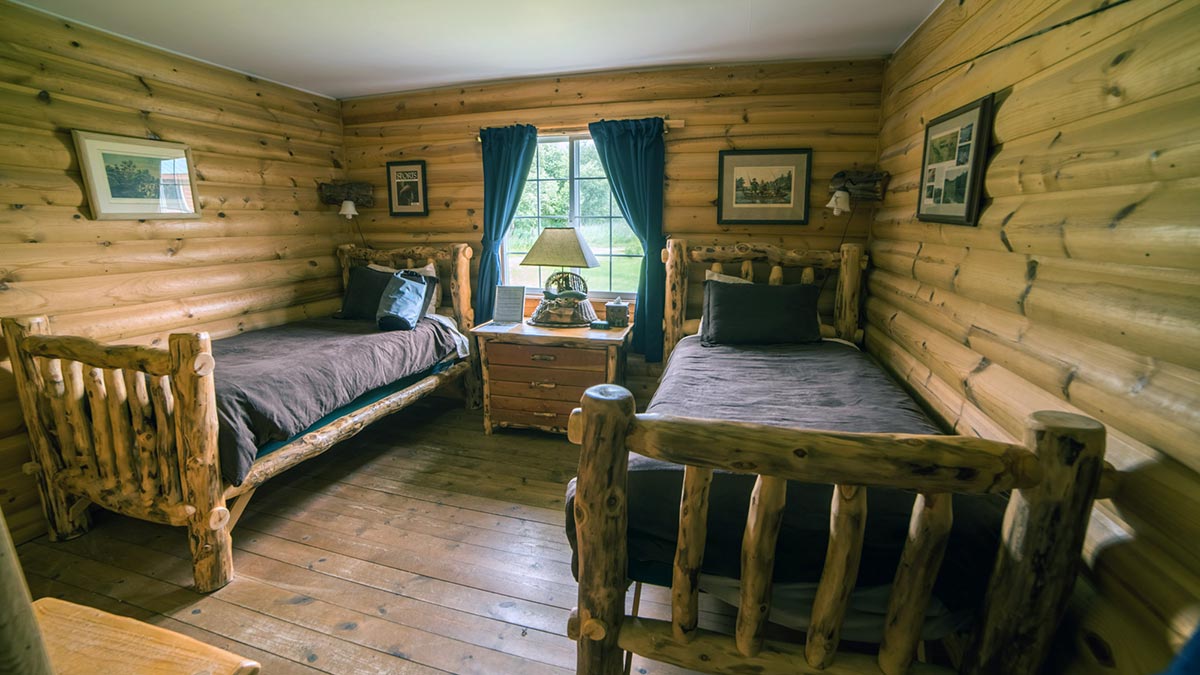
With space for just ten guests per week, the lodge maintains a small, well-managed atmosphere. The riverfront setting puts productive water just steps from the lodge, while the aircraft fleet extends reach to nearby waters as conditions permit.
How a Week at Rapids Camp Typically Unfolds
With the variety and access options available, most weeks fall into one of three general patterns depending on season and guest preference. Understanding these seasonal differences helps guests in deciding which month of the year they should book their Alaskan fishing trip for.
King-Focused Early Season Weeks
In mid-June through mid-July, many guests prioritise Chinook fishing on the Nushagak or other strong king systems reachable by air. These weeks often involve heavier tackle and longer days built around run timing and tides.
Mixed Fly-Out Variety Weeks
Through July and August, anglers alternate between salmon rivers, tundra streams, and lake systems. These weeks balance trout, char, and multiple salmon species, using the Naknek when wind or visibility limits flights.
Late-Season Naknek Trout Weeks
In September, attention commonly shifts toward the Naknek itself as trout and char concentrate behind spawning salmon. Fly-outs still occur, but many anglers spend more time close to the lodge covering longer stretches of the home river with heavier streamers and sink tips.
This approach ensures that even repeat guests have real variety to look forward to, without locking the entire stay into a single water type.
Fly-Out Fishing and Daily Fishing Program
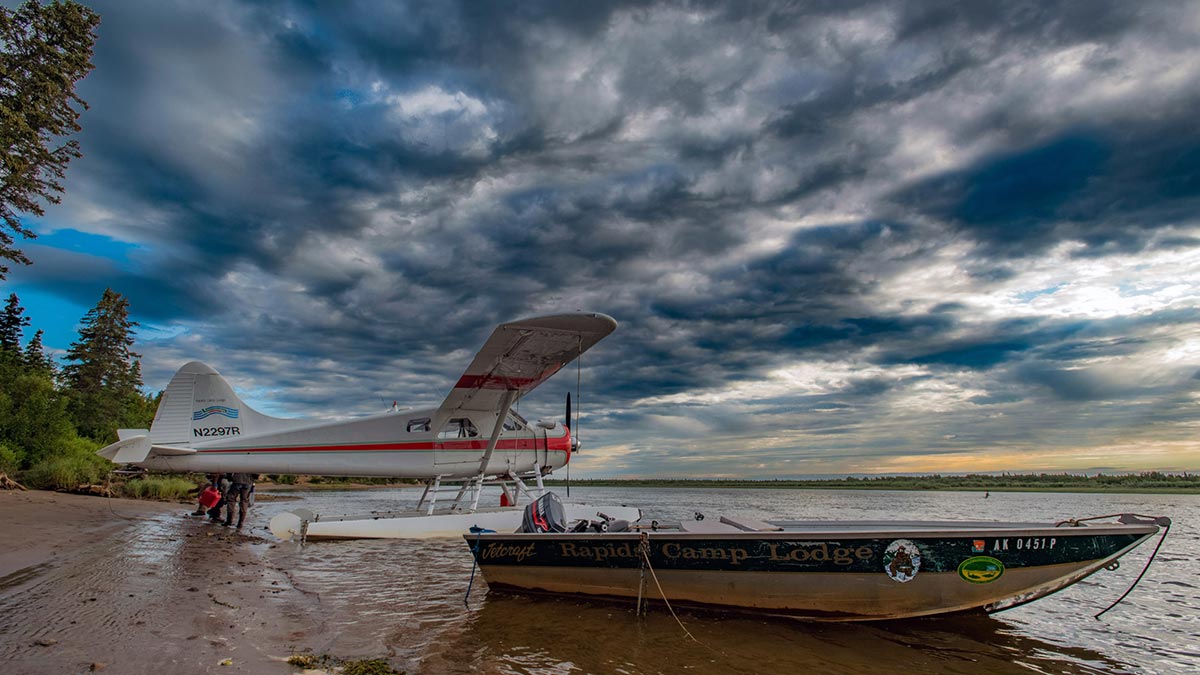
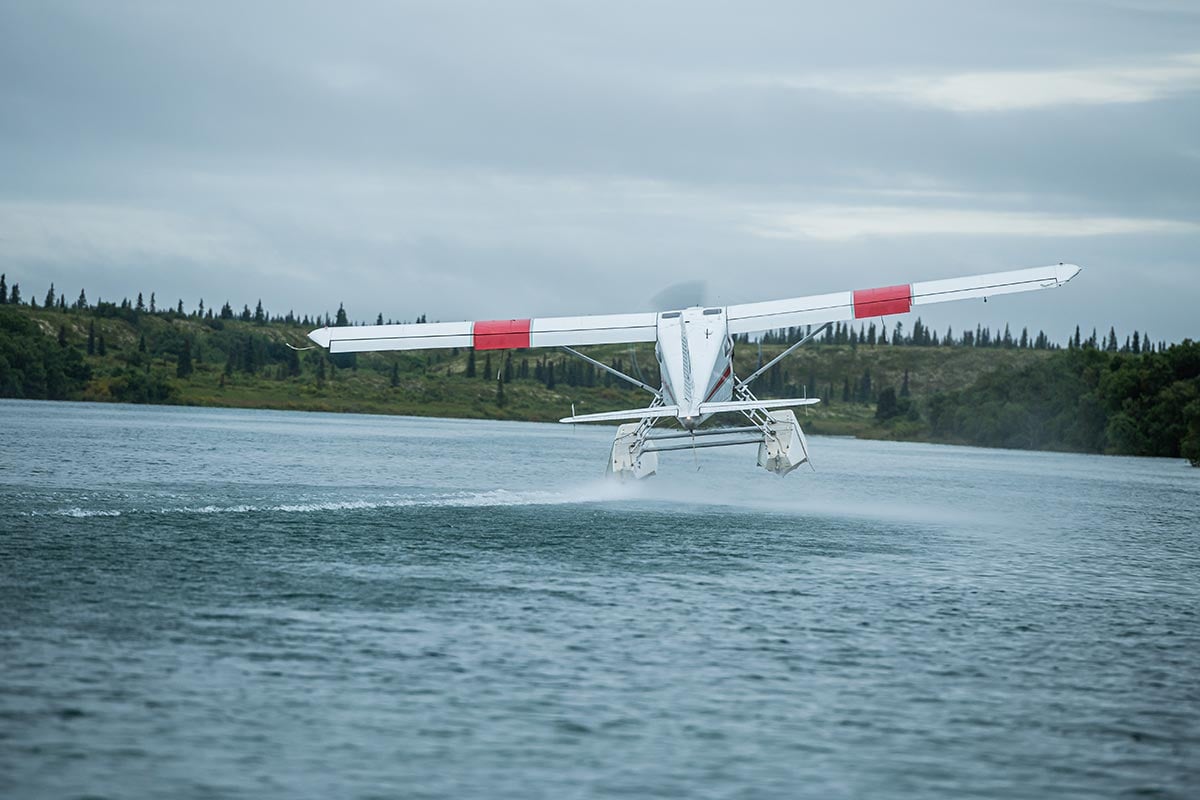
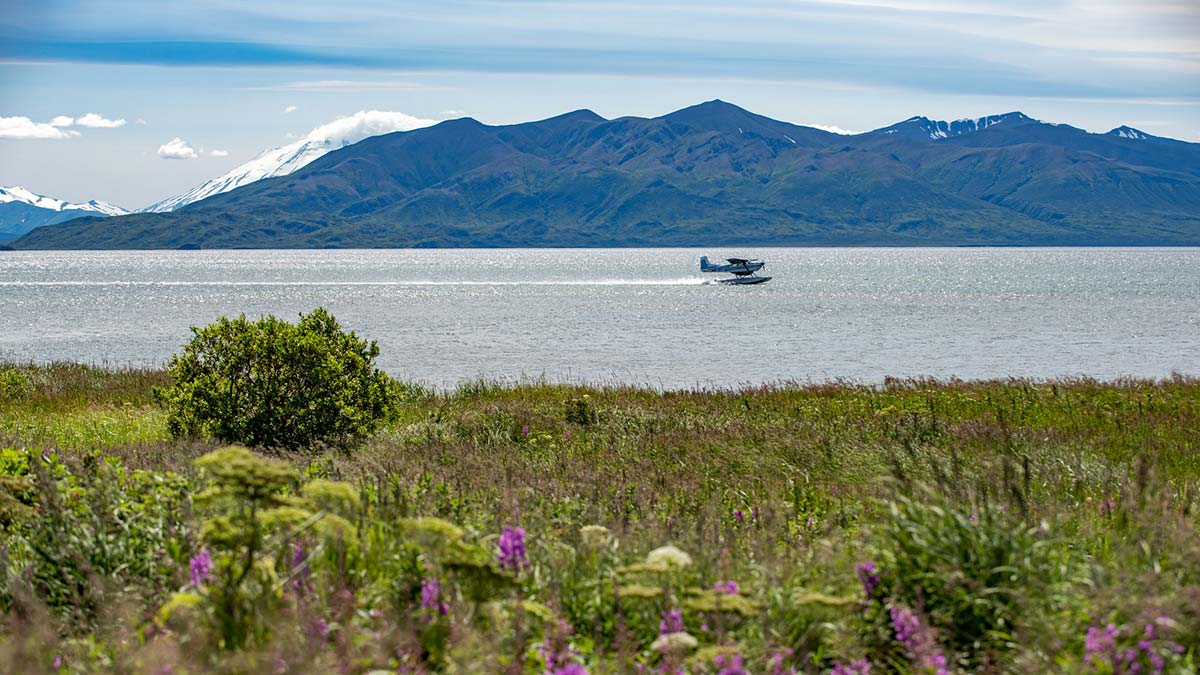
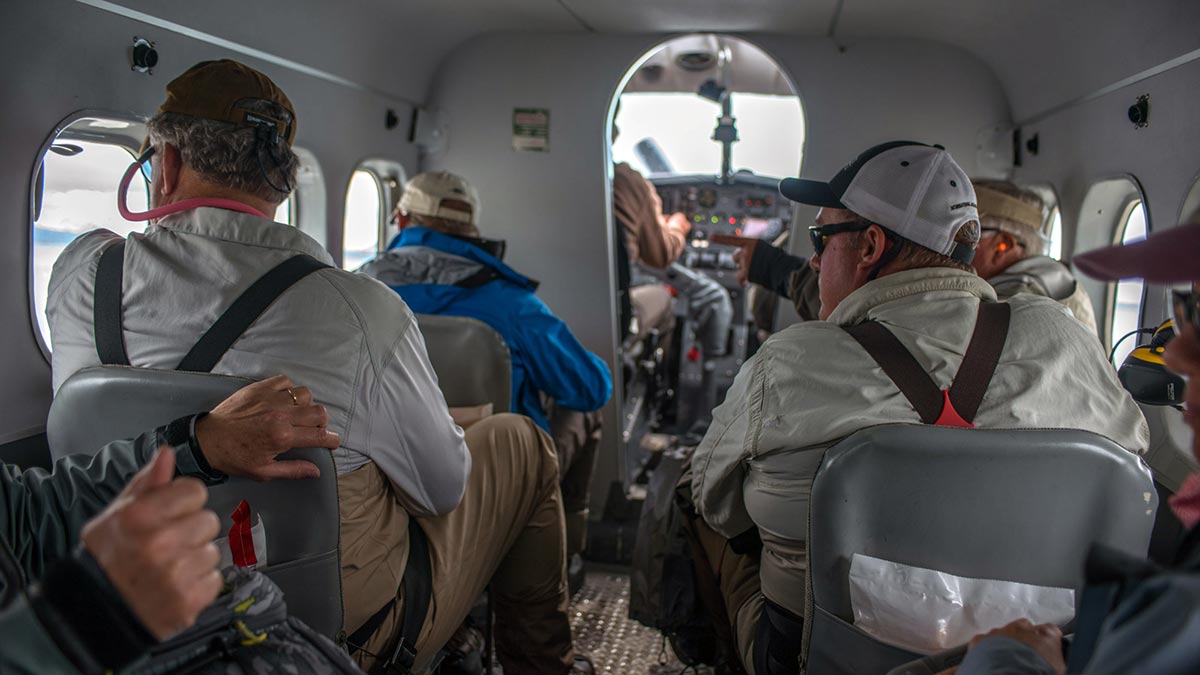
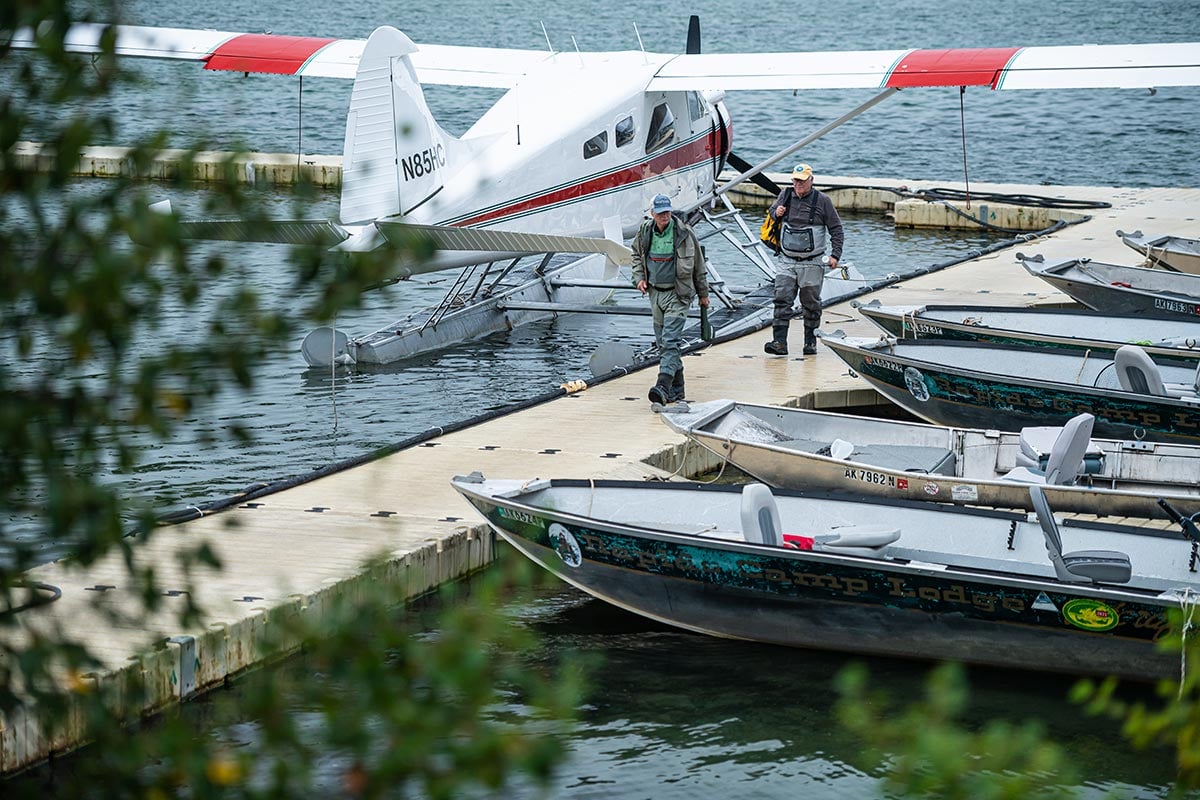
Although entirely optional, fly-outs are a defining part of the Rapids Camp experience, with anglers travelling by de Havilland Beavers on floats to waters across the watershed and Alaska Peninsula. Most destinations are within an hour’s flight, ranging from narrow tundra streams to broad salmon systems.
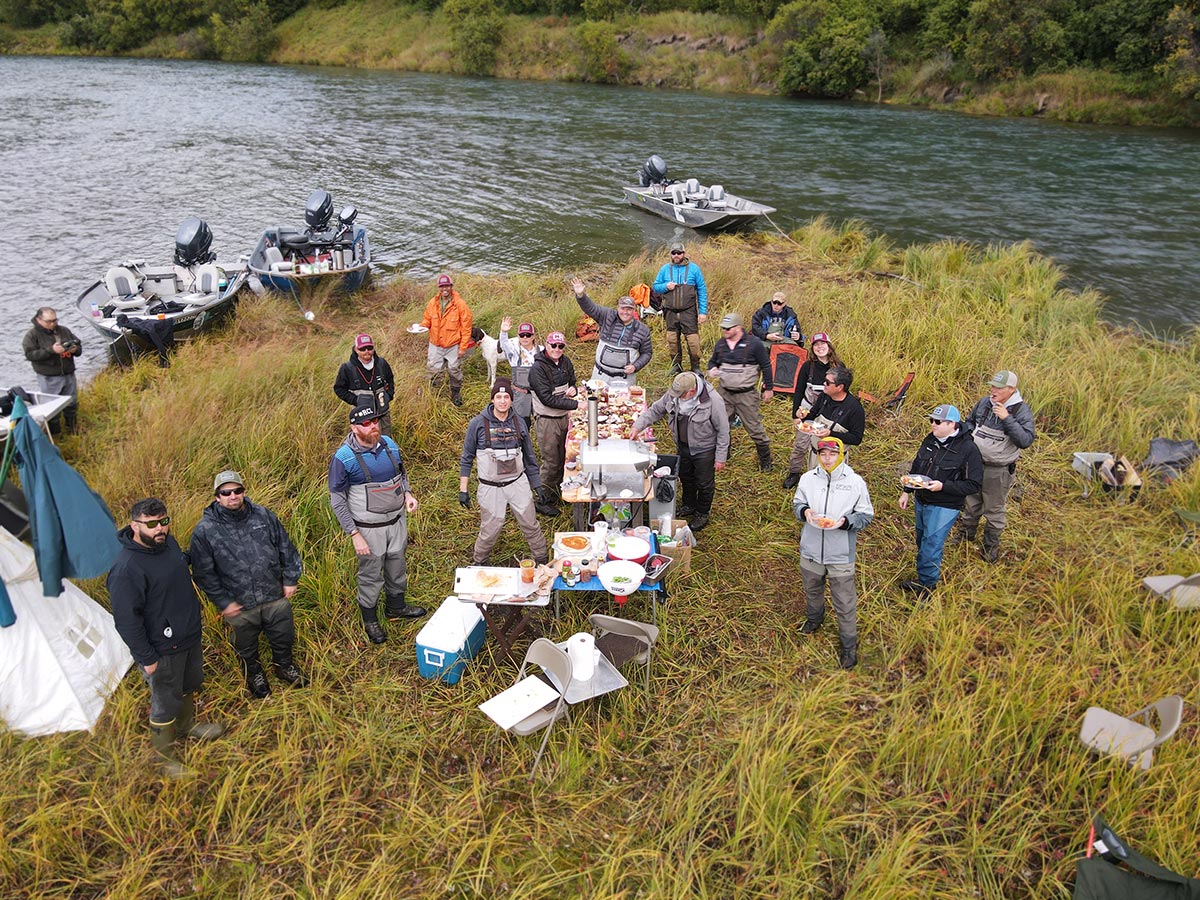
Days are built around time on the water — two anglers per guide, lunches taken streamside, and a mix of wading and short boat moves within the same river. Most guests return to the lodge by late afternoon to rest before dinner.
How Daily Flight Decisions Work
Flights are planned the evening before and confirmed in the morning once wind and visibility are clear. When conditions allow, aircraft extend the fishing range well beyond the Naknek; when they don’t, the lodge’s riverfront position ensures the day still begins on productive water within minutes. This balance between immediate access and broader reach is a defining feature of the program.
Fishing Options and Tackle
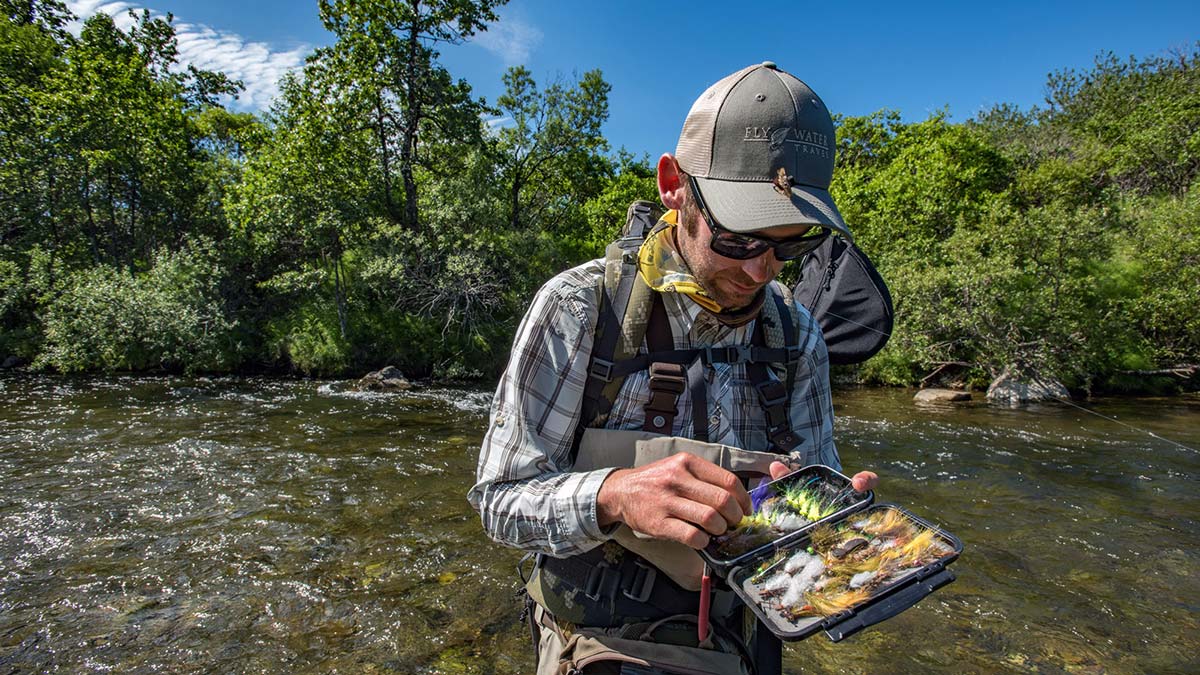
Rapids Camp Lodge caters to both fly and spin anglers, though fly fishing dominates the program. Depending on the river and season, anglers switch between mousing, drifting beads, and swinging streamers.
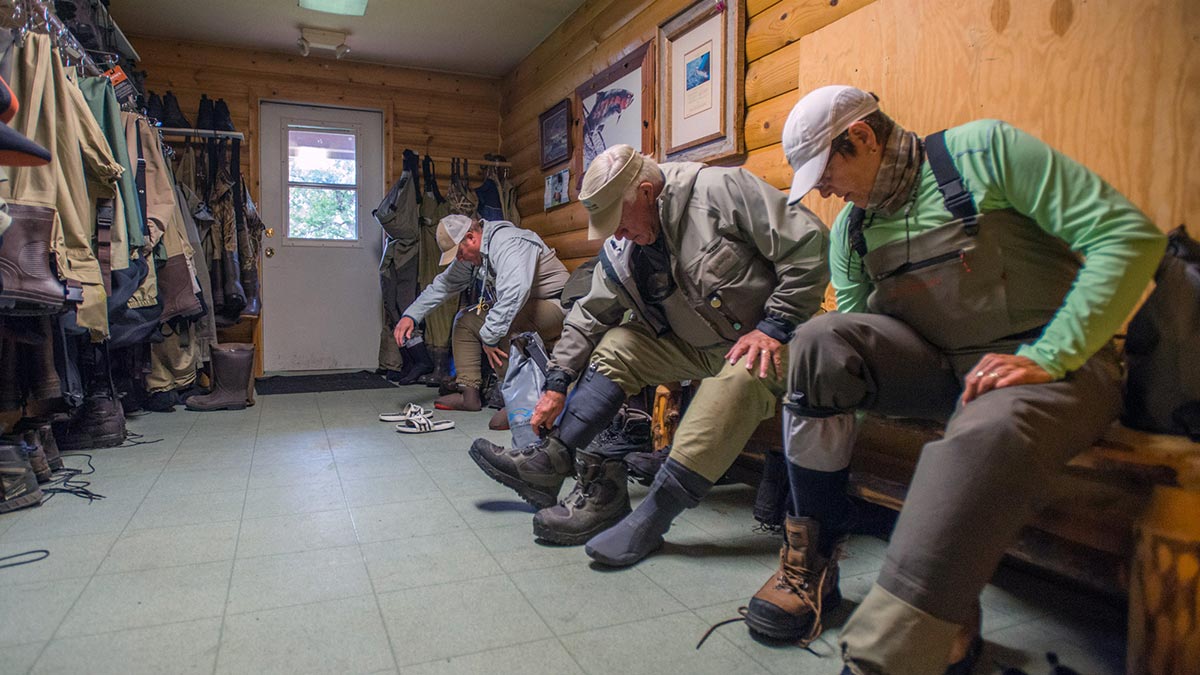
For guests wanting to travel light, the lodge maintains a fully stocked gear room with Sage rods, Galvan reels, RIO lines, and Simms waders and boots, all available at no extra charge. Guides are on-hand to help adjust tackle to match water levels and fish behaviour, ensuring everyone is fishing with the right setup from the start.
Seasonal Highlights and Target Species
The Rapids Camp Lodge season runs from mid-June through late September, covering the complete Bristol Bay salmon cycle and its peak trout periods.
Mid-June to Mid-July – King Salmon:
The season opens with Chinook on the Nushagak River, targeted with flies and heavy sink tips. Early summer also brings aggressive chum salmon and strong Dolly Varden numbers in nearby creeks.
July – Sockeye Salmon:
By early July, sockeye push into Bristol Bay’s rivers in massive numbers, bringing fast-paced fishing for bright, hard-fighting salmon and kicking off the annual feeding cycle for resident trout and char.
August – Silver Salmon and Trout:
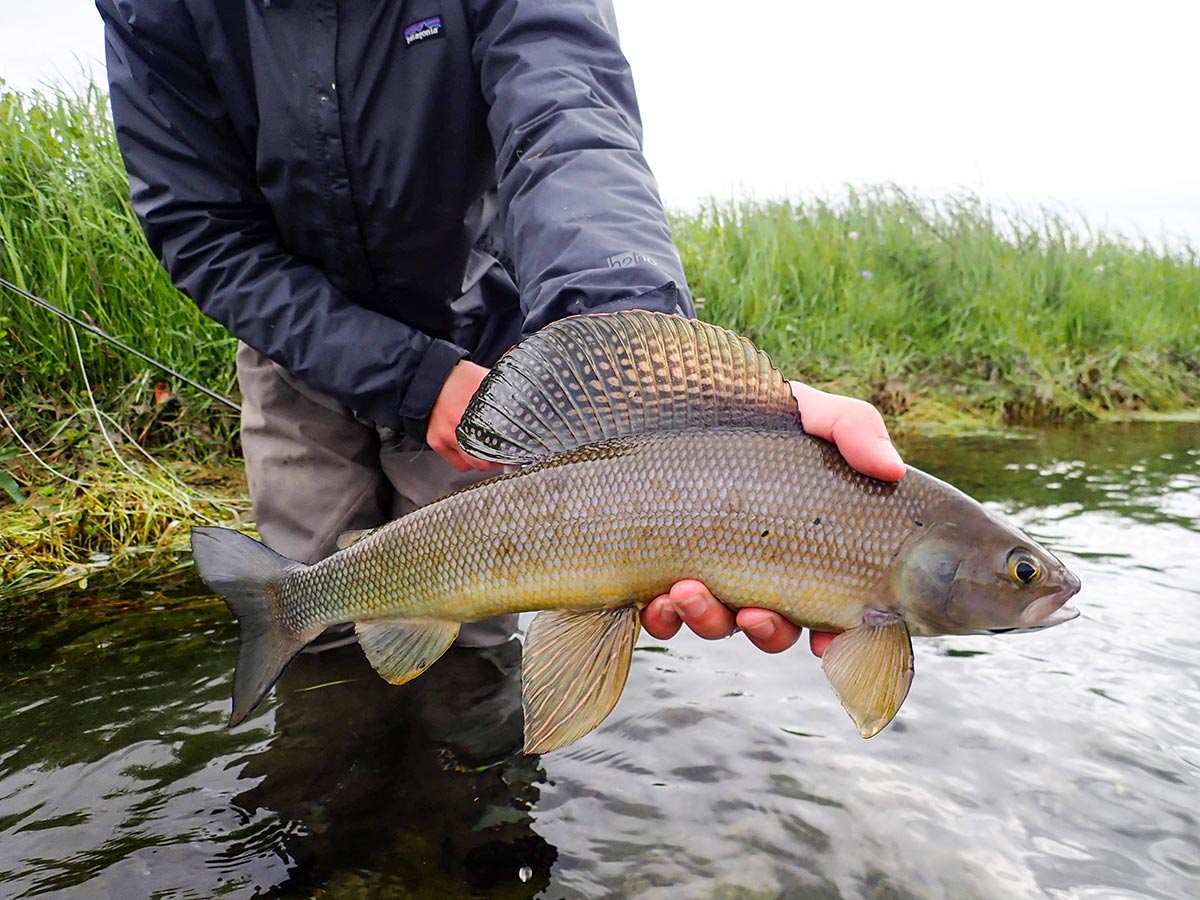
Coho arrive in force, taking both poppers and stripped streamers. Tundra creeks fill with spawning salmon, drawing rainbow trout and char onto egg patterns. Sight-fishing peaks in this part of the season.
September – Trophy Trout and Char:
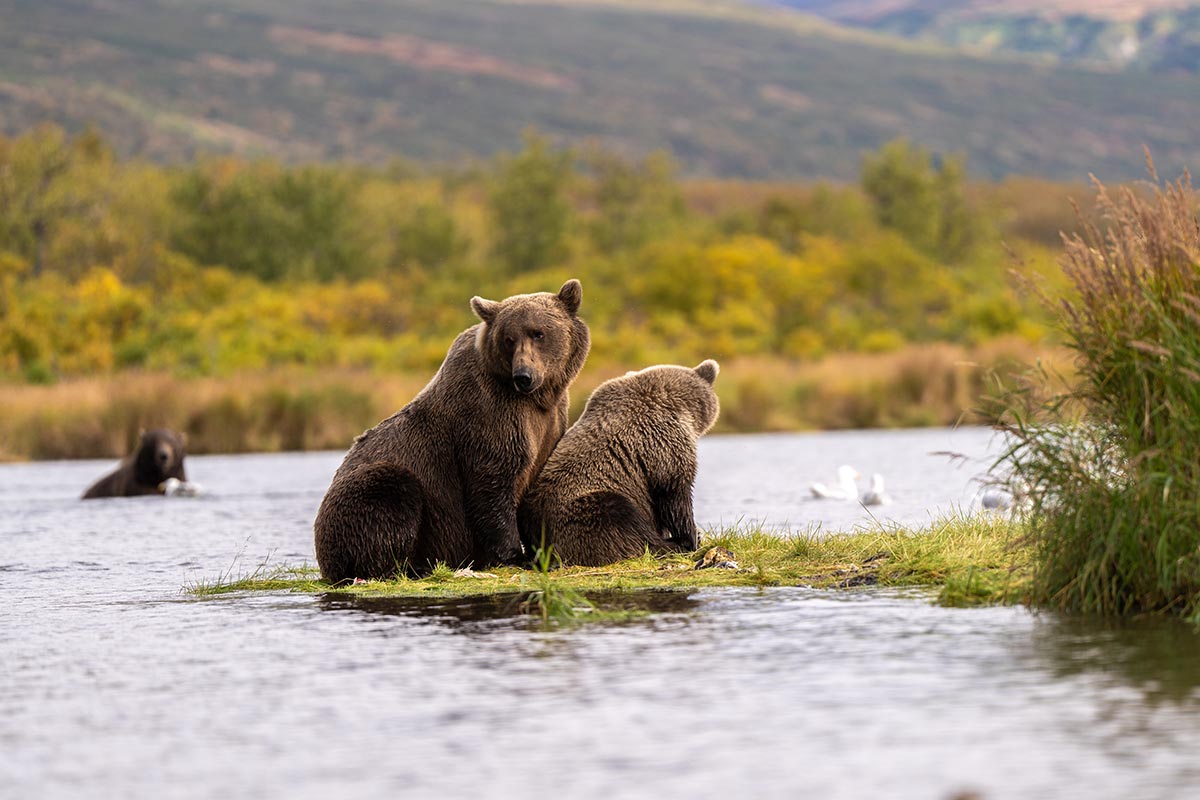
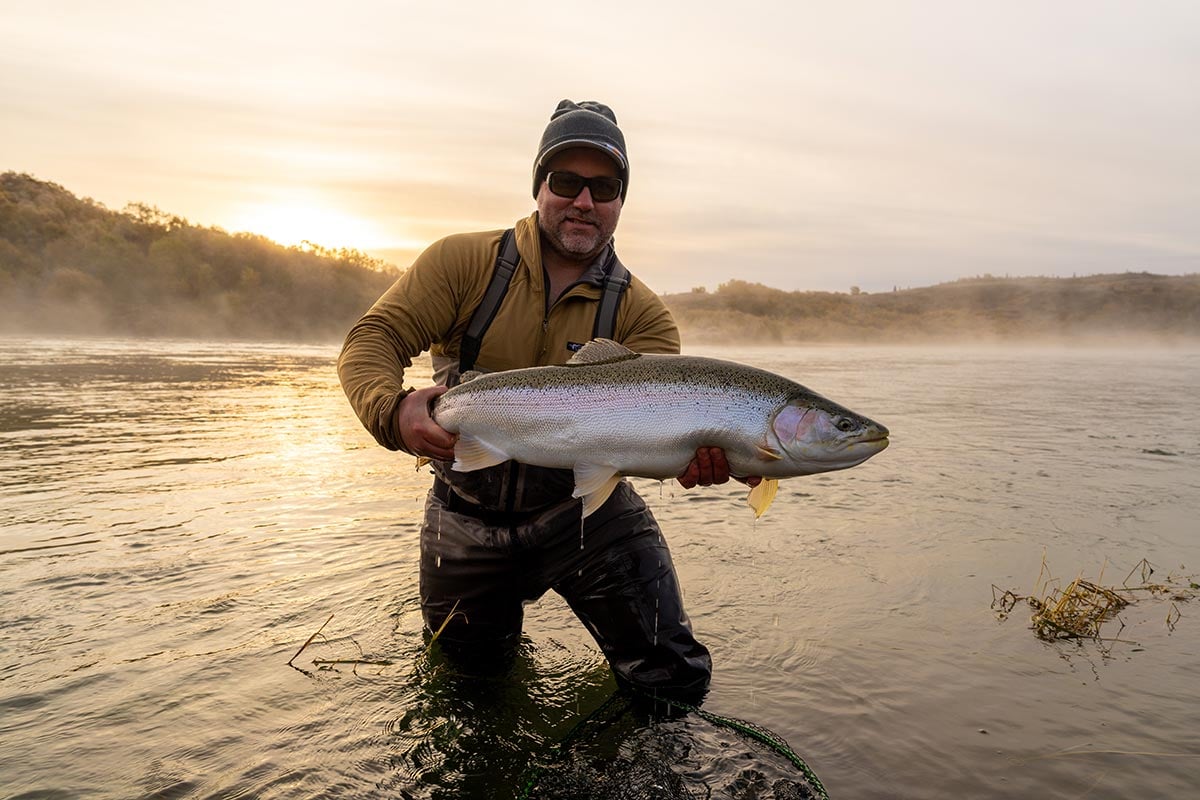
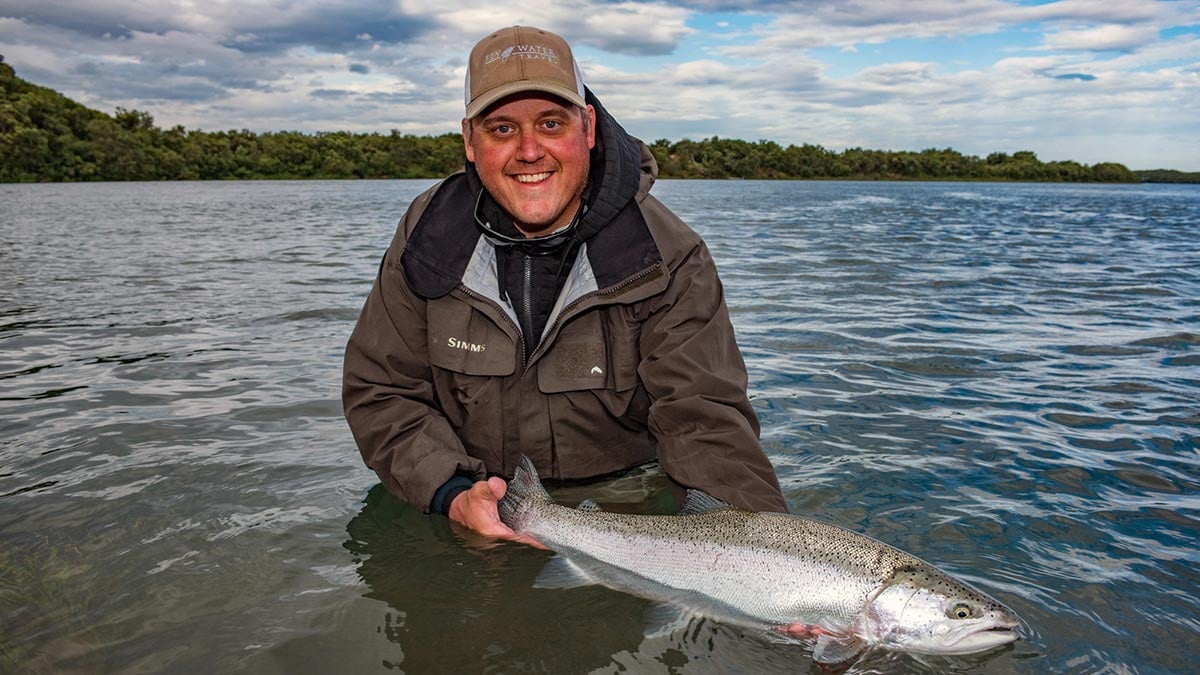
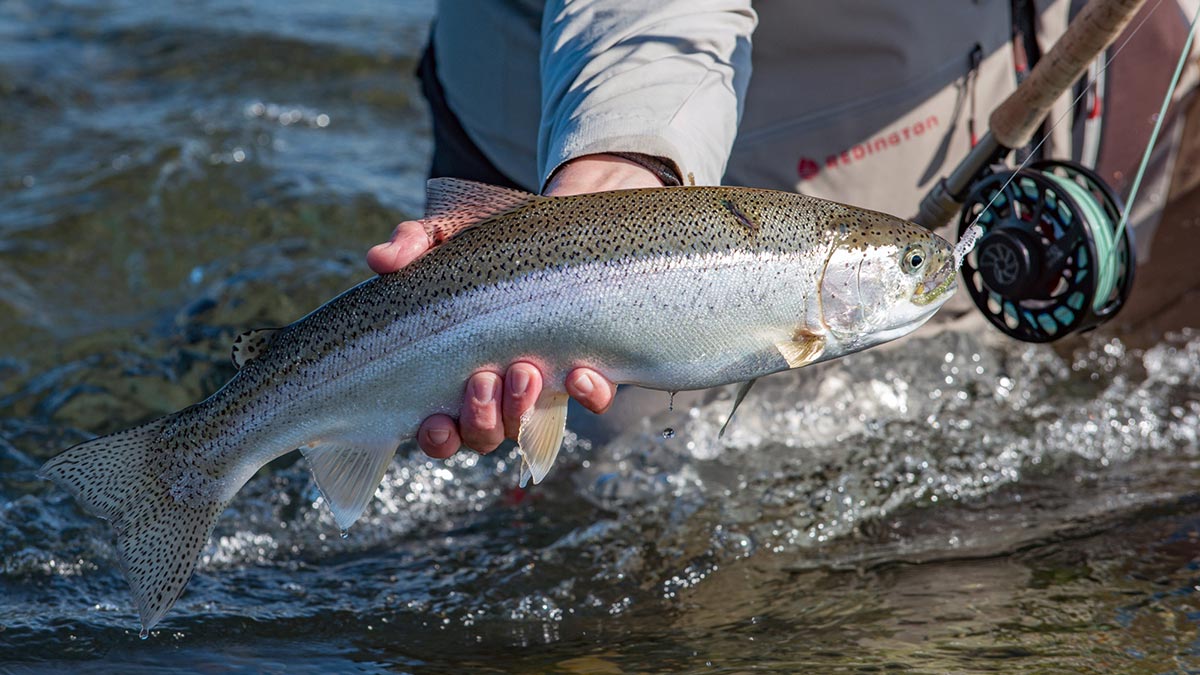
As temperatures drop, anglers focus on the Naknek’s giant rainbow trout — fish over 30 inches are caught each year. Heavy rods and leech-style streamers are standard, with trout often behaving more like steelhead in size and strength.
Guides, Aircraft & Support Team
Rapids Camp Lodge’s guide team brings years of experience across the Bristol Bay region, with specialties ranging from Spey casting and sight-fishing to raft-based trips on remote tundra streams. Pilots — many long-time Alaskans — operate the lodge’s fleet of float planes and the Pilatus PC-12.
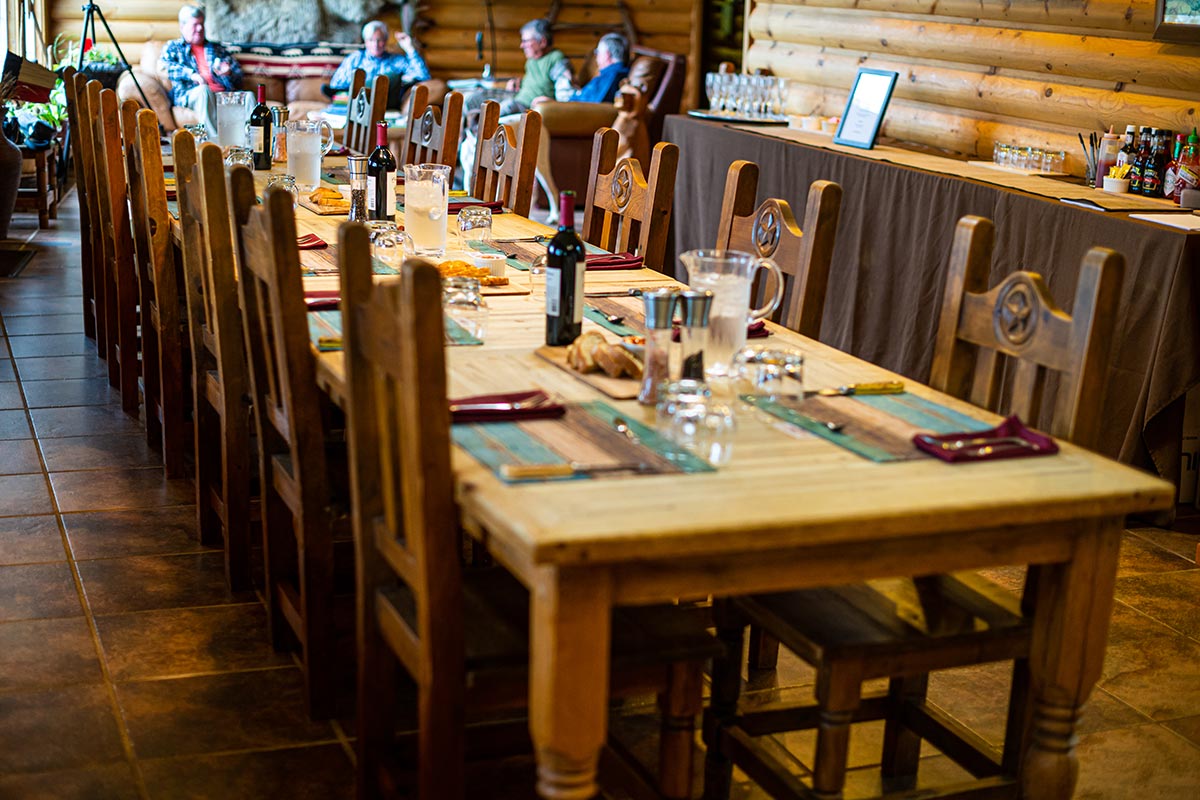
Behind the scenes, mechanics, chefs, housekeepers, and logistics staff maintain aircraft, boats, meals, and guest facilities, allowing guides to focus fully on the fishing day.
Conservation and Fish Care
All rainbow trout and char fishing is strictly catch-and-release, with barbless hooks. Selective harvest of salmon follows Alaska Department of Fish and Game guidelines. Careful handling and minimal air exposure remain standard practice.
Weather and Fishing Conditions
Bristol Bay’s coastal climate can shift quickly. Daytime summer highs typically range from the 50s to 70s °F (10–21 °C), with cooler mornings and regular wind. Layering and waterproof gear are essential.
While early summer tends to be mild, late-season trips often bring cooler air and changing light — conditions that frequently coincide with the largest trout of the year.
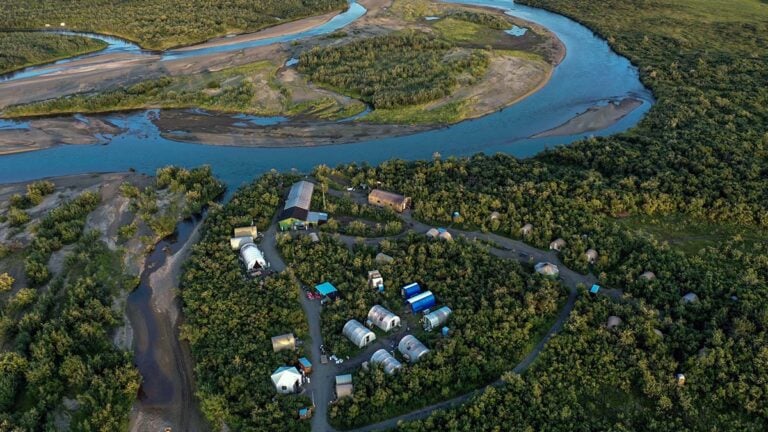
For anglers who prefer a dedicated river camp without lodge amenities, the same management team also runs Alaska West Lodge on the Kanektok — a boat-access tent camp focused on tidewater salmon and resident trout.
From its base on the Naknek River, Rapids Camp Lodge connects anglers to Bristol Bay’s most productive waters through a flexible fly-out program refined over nearly two decades. Operated by Deneki Outdoors, it pairs seasoned guides with dependable logistics.
To learn more about the fishing and express an interest, message Deneki Outdoors.