Why Anglers Travel to Fish For Salmon
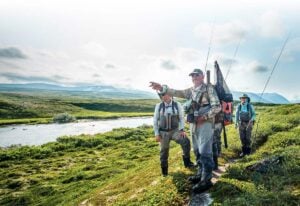
Salmon fishing offers unmatched seasonal variety, from fly-only rivers in Iceland to tidewater Coho in Alaska. With species that migrate, hold, and move in response to water and light, each system demands timing and adaptability. The pursuit blends remote settings, dynamic conditions, and a mix of traditional and modern technique.
Salmon fishing combines seasonal strategy, migratory timing, and adaptable presentation. From targeting Atlantic salmon in Europe and eastern Canada to fishing for Pacific species like Coho and Chinook in Alaska or British Columbia, each fishery has its own rhythm shaped by rainfall, temperature, and ocean cycles.
Success depends on reading water, covering lies efficiently, and adjusting to changing conditions. The appeal lies not only in the fight, but in interpreting runs, reacting to water levels, and pursuing one of the most iconic migratory fish in moving water.
Types of Salmon You Can Target
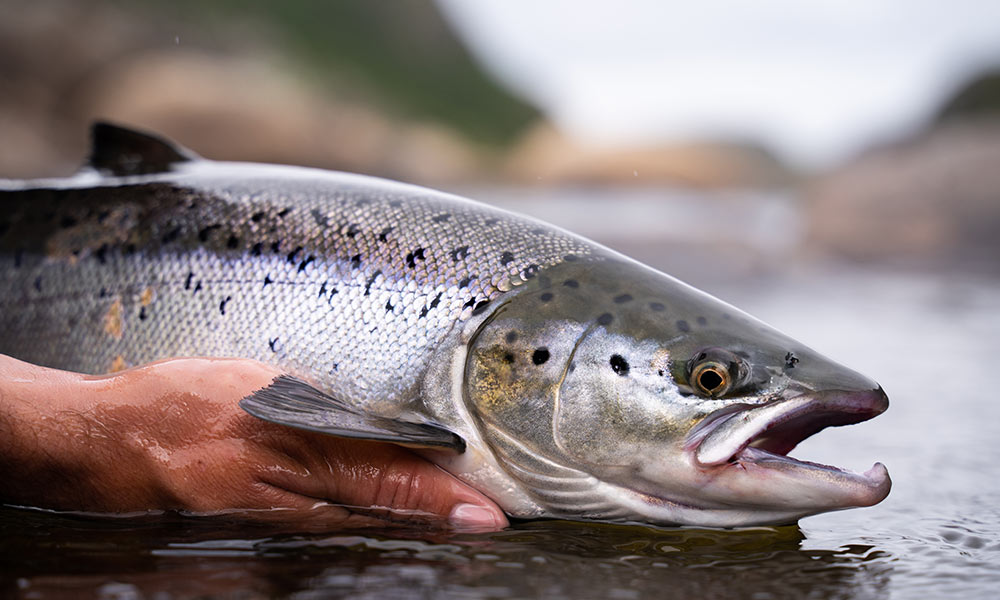
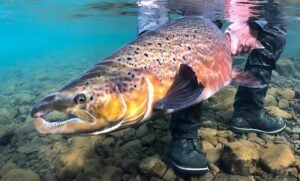
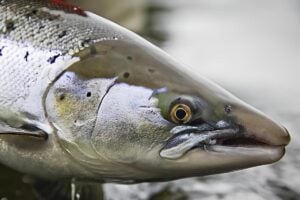
Atlantic salmon return to rivers across Europe and eastern Canada, where long-established access models and strong conservation policies shape most fisheries. Unlike Pacific salmon, they do not feed once in freshwater — which makes presentation, timing, and water reading the primary variables.
Pacific Salmon – Five distinct species across the North
Pacific salmon return to rivers from Russia to North America in large numbers, with each species offering a different style of fishing. Their migrations create diverse opportunities across river, estuary, and tidewater systems. Here’s a breakdown of the five major species:
- Chinook (King) Salmon – The largest Pacific salmon and the most powerful in the water. Most Alaska river fish average 15–25 lbs, with trophy fish on rivers like the Kenai and Nushagak regularly exceeding 40 lbs. Runs begin in May and peak through June and July.
- Coho (Silver) Salmon – Aggressive fighters known for aerial takes and surface strikes. Runs extend from late July through October in Alaska and British Columbia, with Bristol Bay systems peaking in late August and September.
- Sockeye (Red) Salmon – Dense runs and challenging presentation — they feed on zooplankton rather than baitfish, making every hookup earned. Bristol Bay hosts the largest sockeye runs in the world, peaking from late June through July.
- Chum (Dog) Salmon – Second largest Pacific salmon, averaging 8–15 lbs and among the most aggressive on swung flies near tidewater when fresh from the ocean. Summer and fall runs from late July through October.
- Pink (Humpy) Salmon – High-volume runs on a strict two-year cycle. In southern BC and Washington, odd years dominate; in much of Alaska, even years are often stronger. Peak runs in July and August.
Top Salmon Fishing Destinations
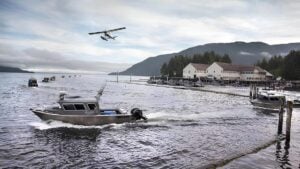
- Alaska: Offers all five Pacific species across fly-out rivers, estuaries, and tidewater systems. Runs extend from May through October.
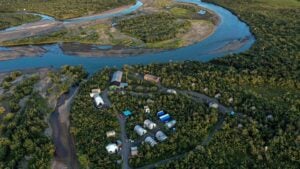
- Canada: Prime Coho and Chinook in British Columbia rivers and nearshore waters from the Skeena to Vancouver Island; remote Atlantic salmon on Labrador’s Flowers and Eagle rivers, with fly-in, catch-and-release fishing from mid-June through mid-September.
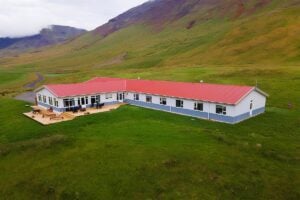
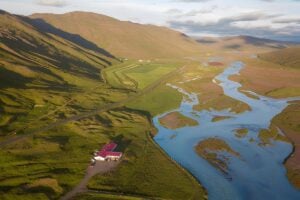
- Iceland: Clear, compact Atlantic salmon rivers with strict conservation and limited rods. Rivers like the Nordurá, Grimsa, and West Rangá are among the country’s most productive, with small flies, hitched presentations, and sight fishing to fresh-run fish defining the Icelandic style.
- Norway: Home to classic rivers including the Gaula and Orkla, with seasons running June through August. Known for large Atlantic salmon and exceptional fly water.
- Scotland: Historically home to some of the world’s most famous Atlantic salmon rivers — the Spey, Tay, Tweed, and Dee among them. Today the northern Highland rivers, including the Naver, Helmsdale, and Thurso, retain strong reputations for classic spate fishing on intimate, wadeable beats. All Scottish rivers now operate under mandatory catch-and-release.
- Kamchatka (Russia): All five Pacific salmon species, with runs arriving from July through September. High fish density, remote heli-access, and limited rods per season.
Salmon Fishing Techniques
Salmon techniques vary widely depending on species, river size, and water conditions:
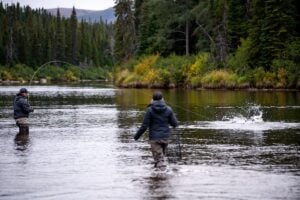
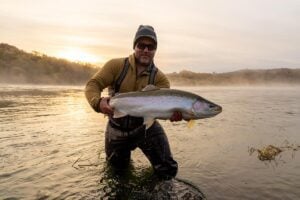
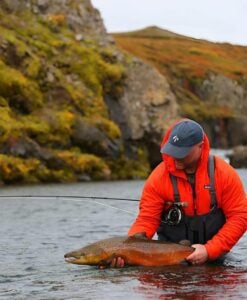
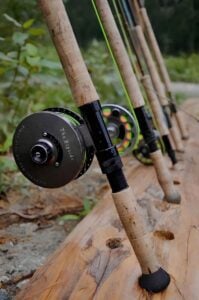
- Fly Fishing: Two-handed rods are common on broad northern rivers, while single-hand setups suit smaller systems. Presentations range from swung flies in larger water to lighter approaches in clear, shallow flows.
- Spinning: Effective in higher or colored water for Pacific species where regulations allow.
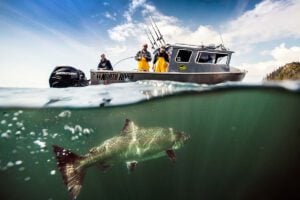
- Trolling: A saltwater and tidal method used near river mouths and in coastal zones, particularly in Alaska and the Pacific Northwest. Less common in freshwater river fishing.
- Bait Fishing: Permitted in select regions under strict regulation, typically in parts of Canada, Norway, and Japan.
Best Time To Fish For Salmon
Run timing depends on species and geography. Pacific salmon return from late spring through early fall, with each species following its own pattern. Pink salmon are notably strongest on even-numbered years across much of their range. Atlantic salmon seasons typically run from early summer into autumn — June through August in Norway, late June through mid-September in Iceland, with similar summer windows in Labrador.
For detailed seasonal breakdowns, visit each dedicated species page listed above.
Salmon Fishing Lodges & Guided Trips
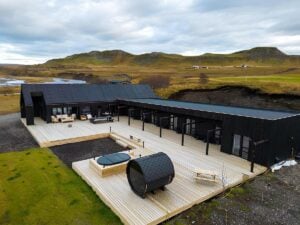
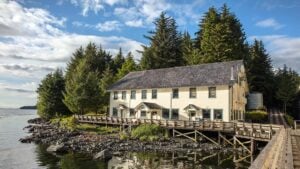
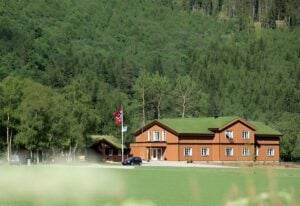
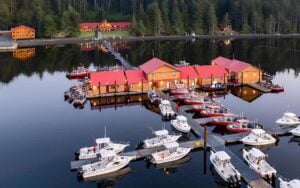
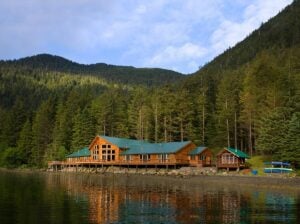
FishingExplora lists salmon fishing lodges across Alaska, Canada, Iceland, and Norway. Each listing covers program structure, access, and season dates to help you match a lodge to a specific run.
FishingExplora’s editorial content draws on lodge input, guide experience, published field reports, and independent research to help anglers make informed decisions about premium fishing destinations.
Frequently Asked Questions
What’s the difference between Spey and switch rod setups for salmon?
Spey rods are longer two-handed setups ideal for covering wide rivers and casting heavier lines with limited backcast space. Switch rods are shorter and more adaptable, suited to both one- and two-handed casting — useful on mid-sized rivers or when conditions change through the day.
Which salmon species fights hardest pound for pound?
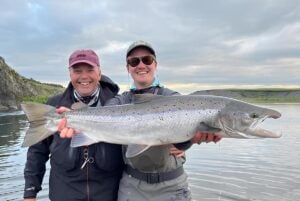
Opinions vary, but Atlantic salmon are widely regarded as powerful fighters relative to size, while Coho deliver some of the most dynamic aerial action. Chinook remain the heaviest and strongest overall. The experience depends heavily on water type and where fish are encountered in the system.
Are Pink and Chum salmon worth targeting on fly?
Yes. Fresh-run Chum are notably strong and aggressive — second largest of the Pacific species, averaging 8 to 15 lbs — and respond well to swung flies near tidewater while chrome and full of fight. Pink salmon provide high-volume action during even-year runs and take small streamers or surface patterns readily. Both species are more willing on the fly than their reputations suggest.
Does fly selection matter for salmon?
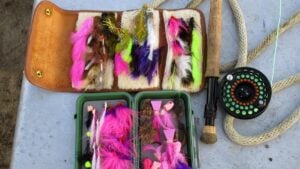
Yes. Salmon across all regions respond differently to pattern size, color, and profile depending on water clarity, temperature, and light levels. Fresh-run fish in low, clear water typically require smaller, darker flies; higher, colored water calls for larger, brighter patterns. Adjusting fly choice — and fishing depth — through the day is standard practice for experienced salmon anglers.
Is fly fishing for Pacific salmon similar to targeting Atlantic salmon?
There is significant overlap. In heavier water, swung flies and sink tips are effective for both. Pacific species — particularly Coho and Chum — tend to be more aggressive in freshwater and will move further to a fly. Atlantic salmon often require more precise, delicate presentation in clear flows. Technique converges or diverges depending on river type, water height, and species behavior.