Salmon Fishing on the Gaula River in Norway
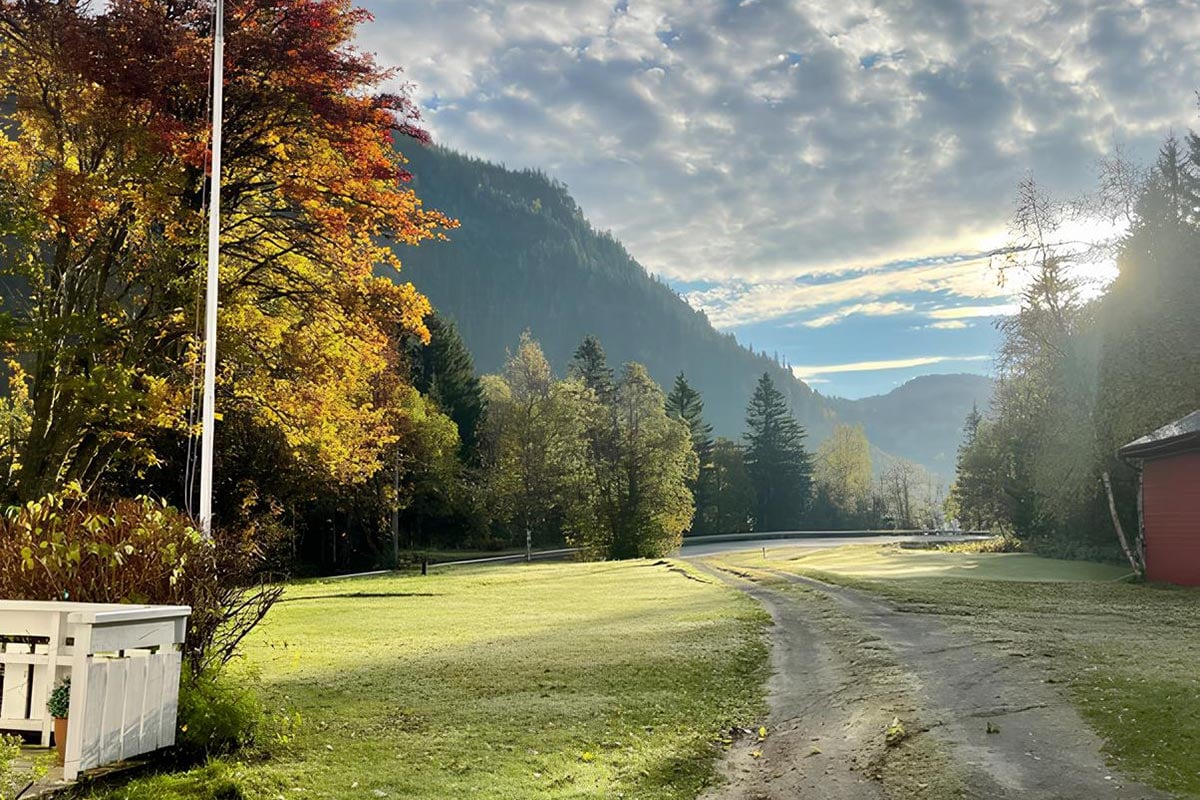
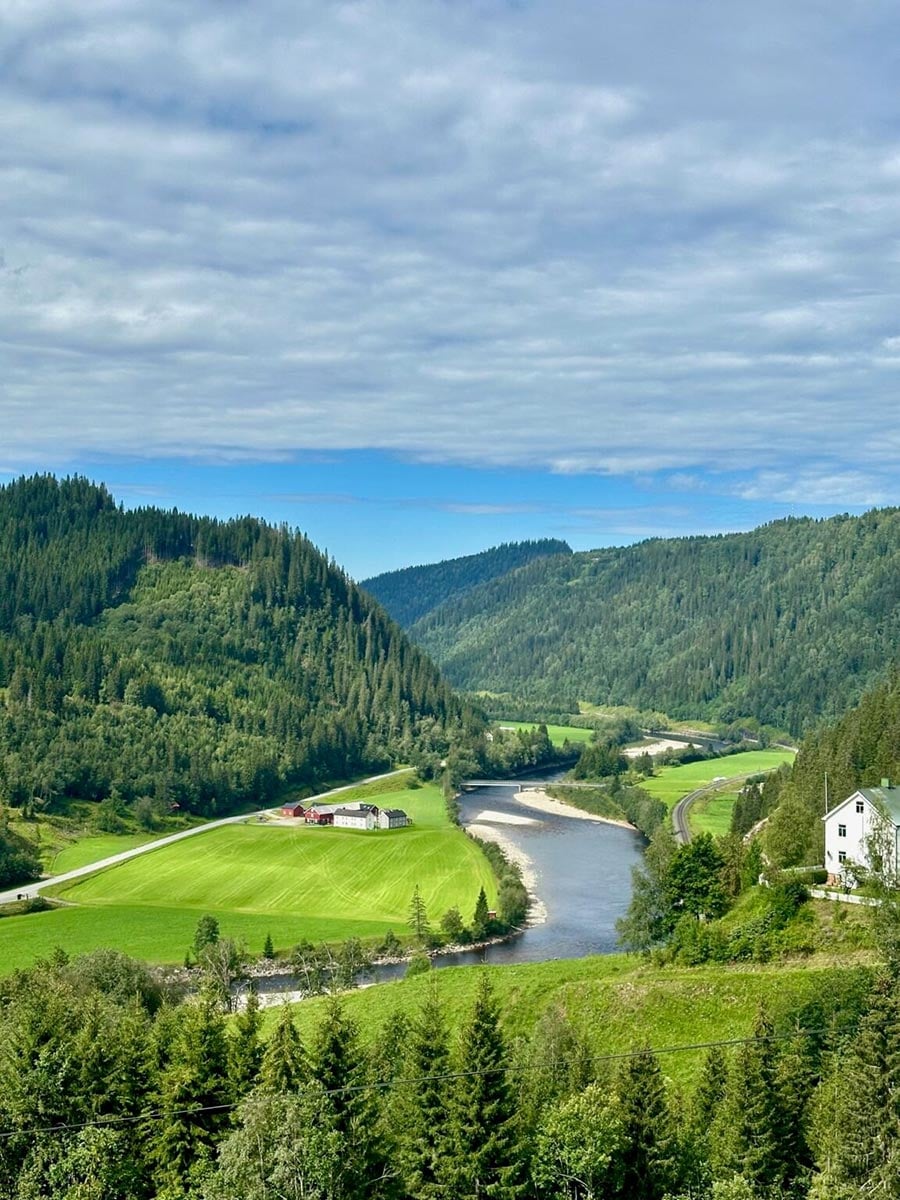
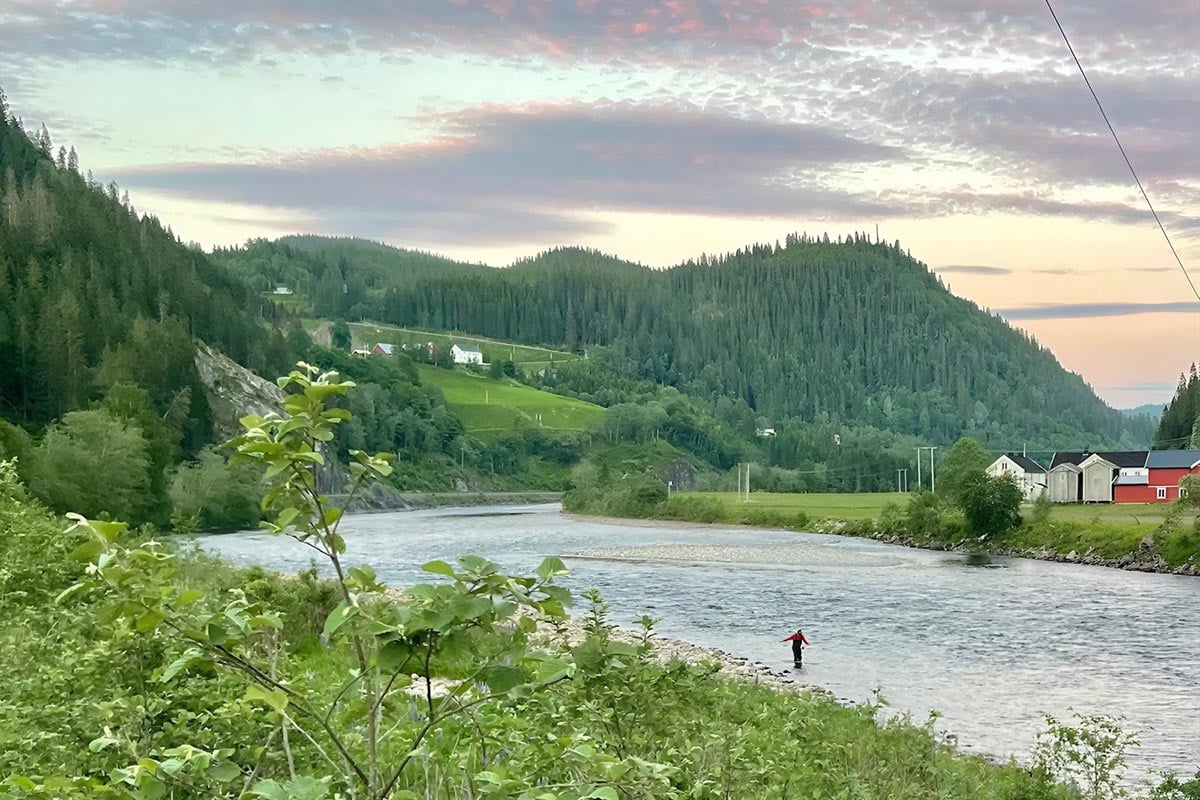
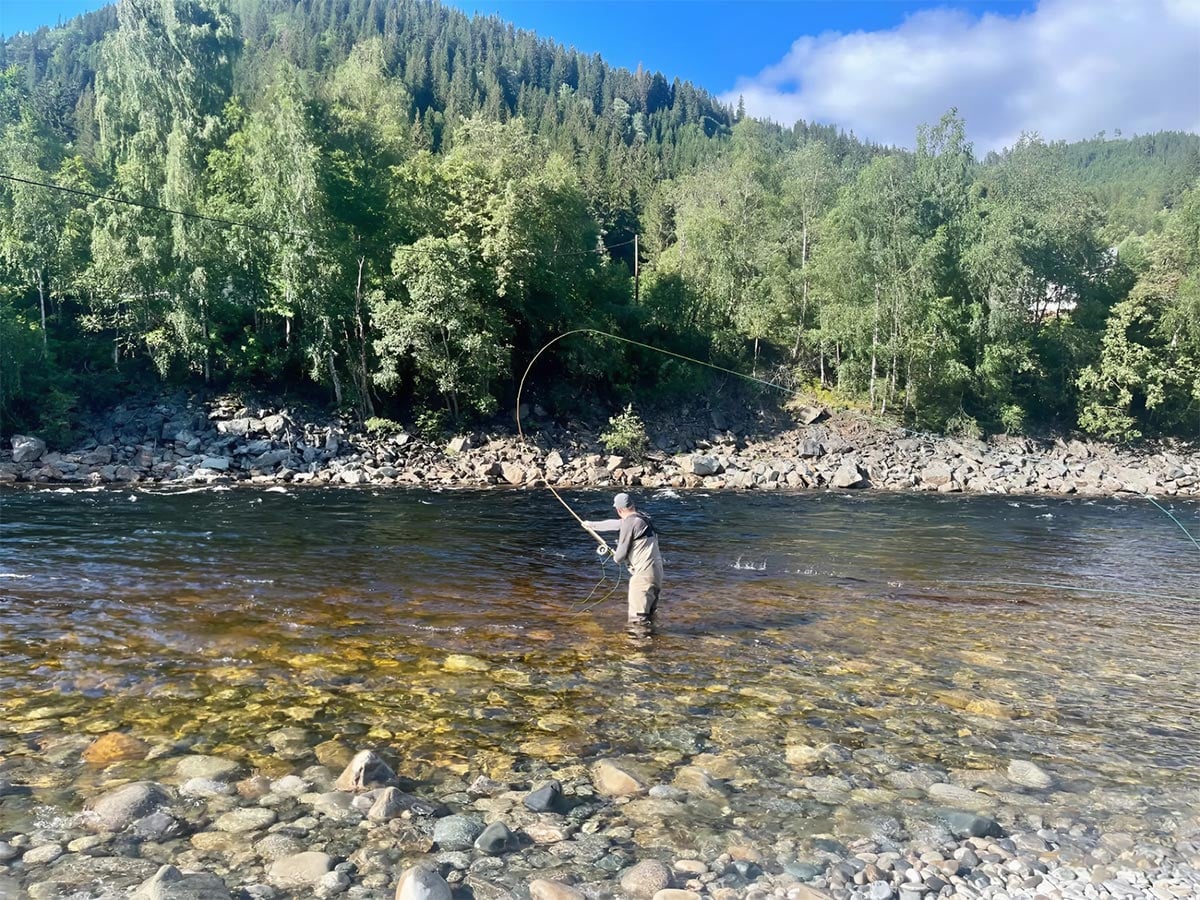
Set in the rural Gaula Valley, where farmland and forest meet fast-flowing salmon water, Gaula Flyfishing Friends (GFF) offers a straightforward, self-catered base for anglers fishing one of southern Norway’s most respected wild-salmon rivers. The operation manages 7 km of privately controlled water divided across 11 distinct beats, each shaped by the river’s dynamic summer flows and long migration corridor. From June through August, this traditional Norwegian salmon fishing program combines an effective 24-hour rotation system with a clear conservation ethos and strong local knowledge, creating a grounded Atlantic salmon experience.
Gaula’s Salmon Water and Seasonal Dynamics
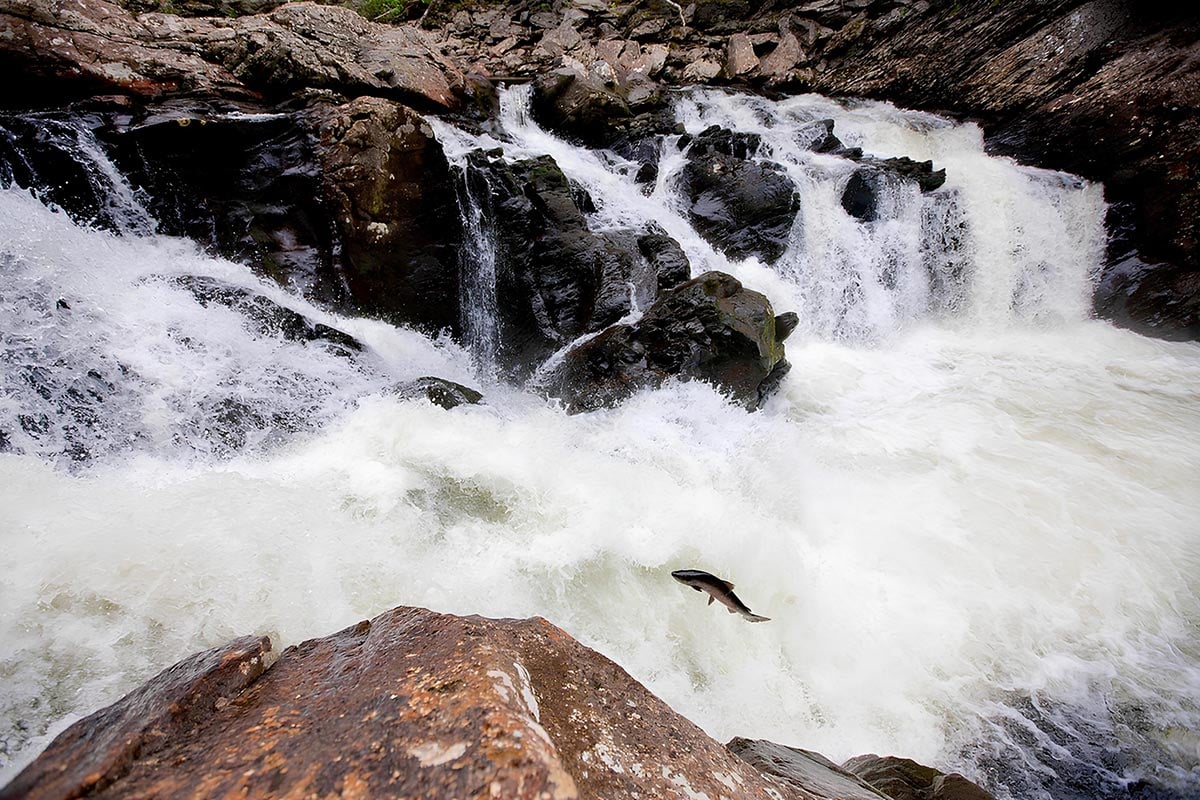
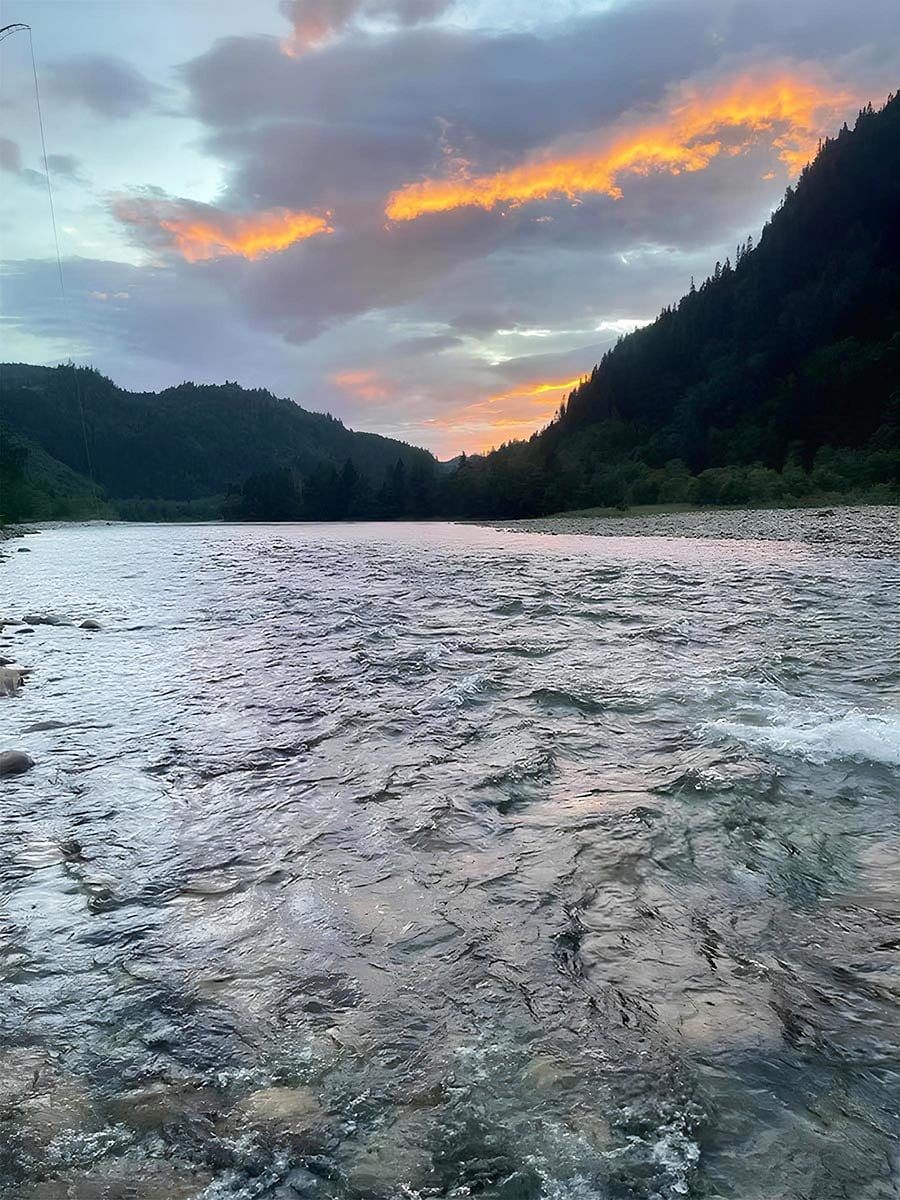
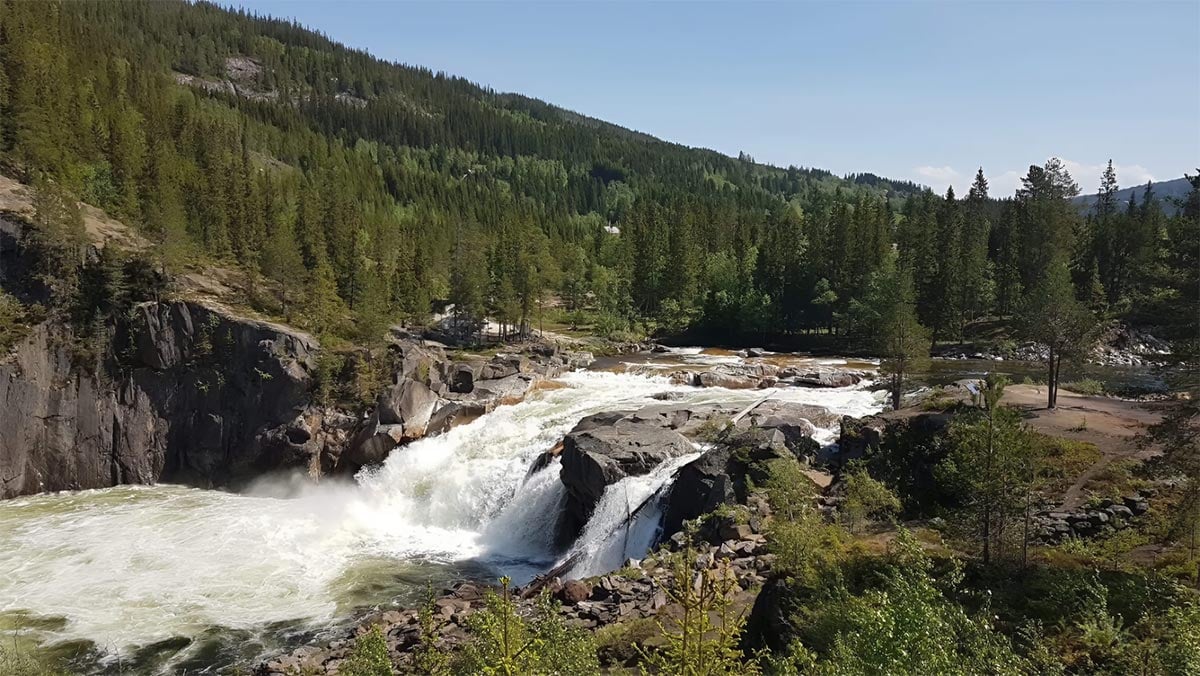
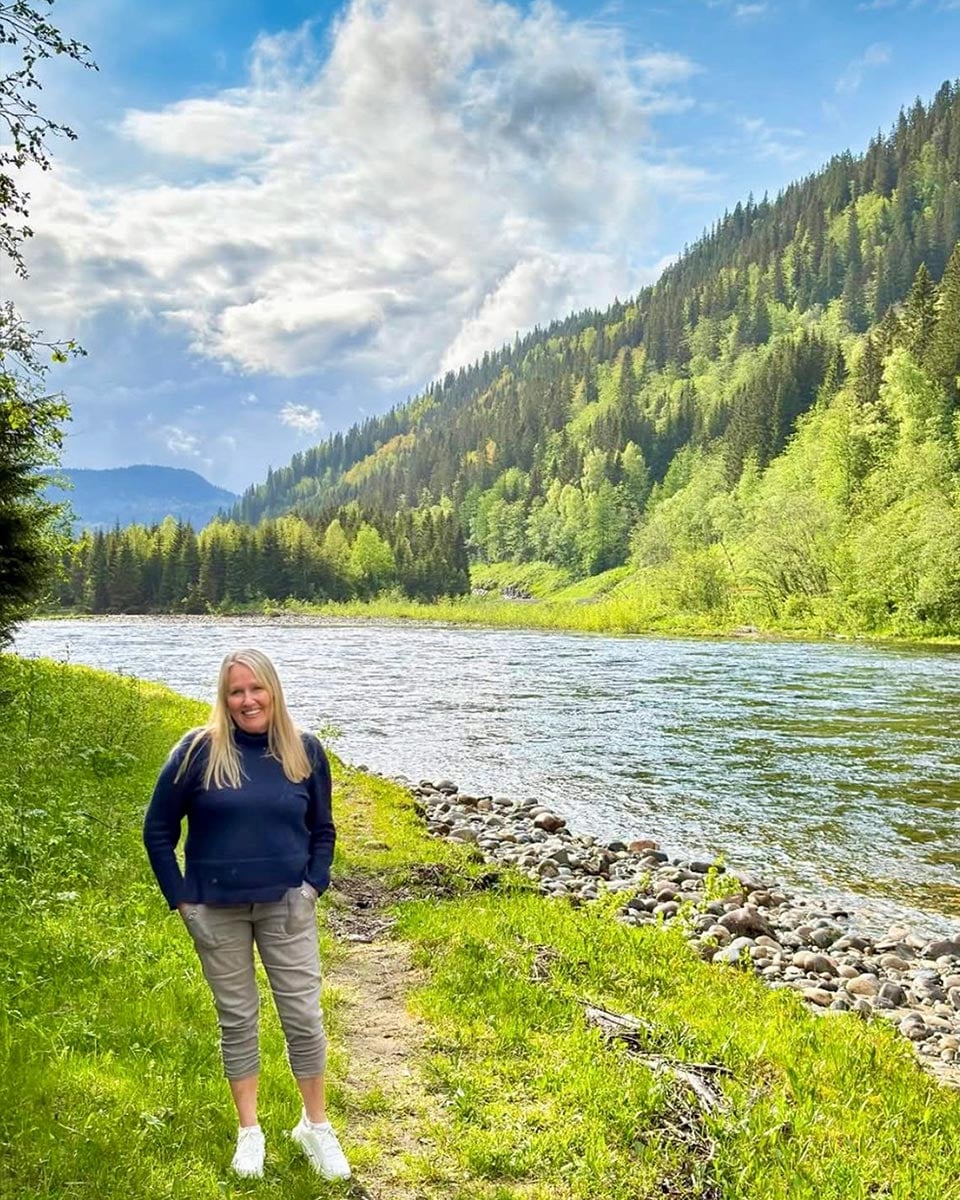
The Gaula is a free-flowing river shaped by snowmelt in early summer and variable rainfall through July and August. As the largest salmon-bearing river system in southern Norway, it offers more than 200 km of productive salmon water across the main stem and its tributaries—including the Bua, Sokna, and Fora. Salmon migrate as far as Eggafossen, nearly 95 km upstream, contributing to annual catches that typically range between 4,000 and 6,000 fish.
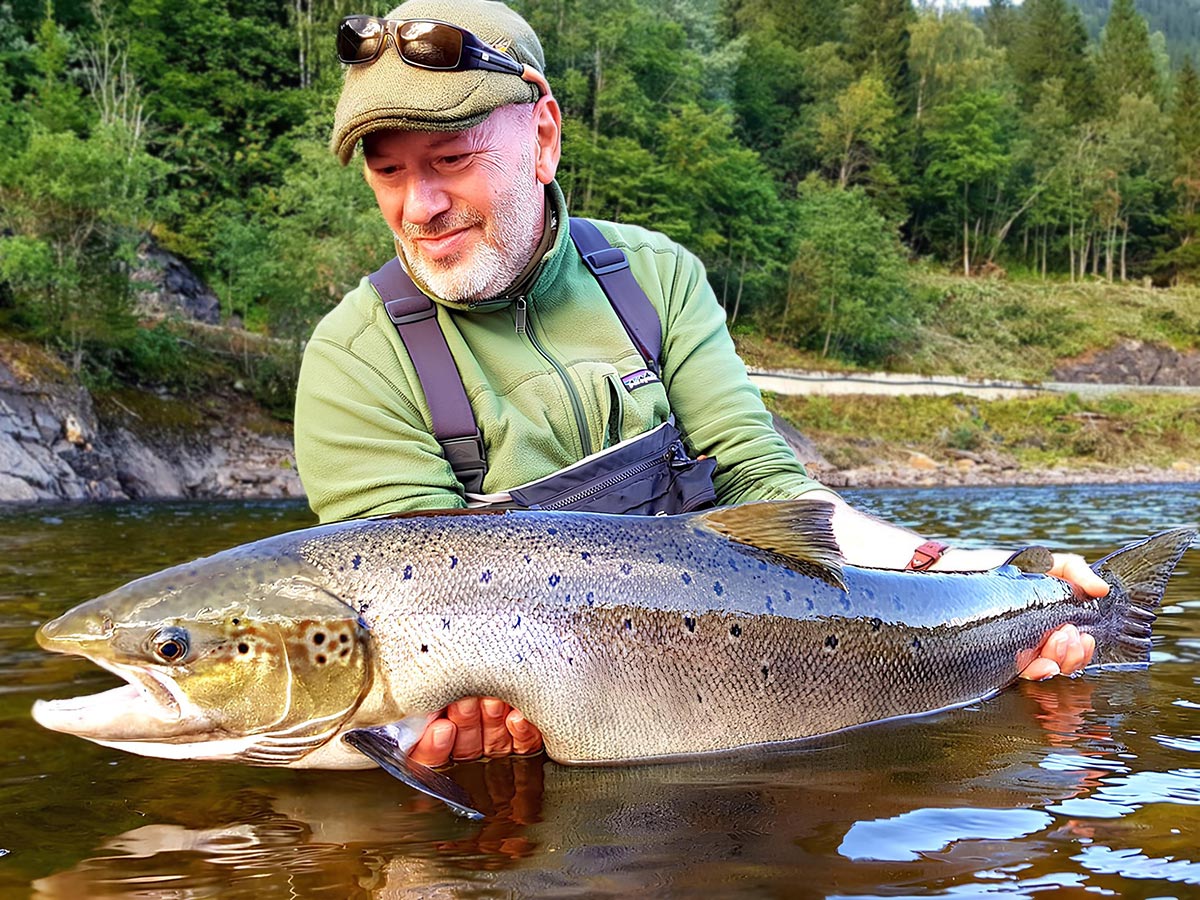
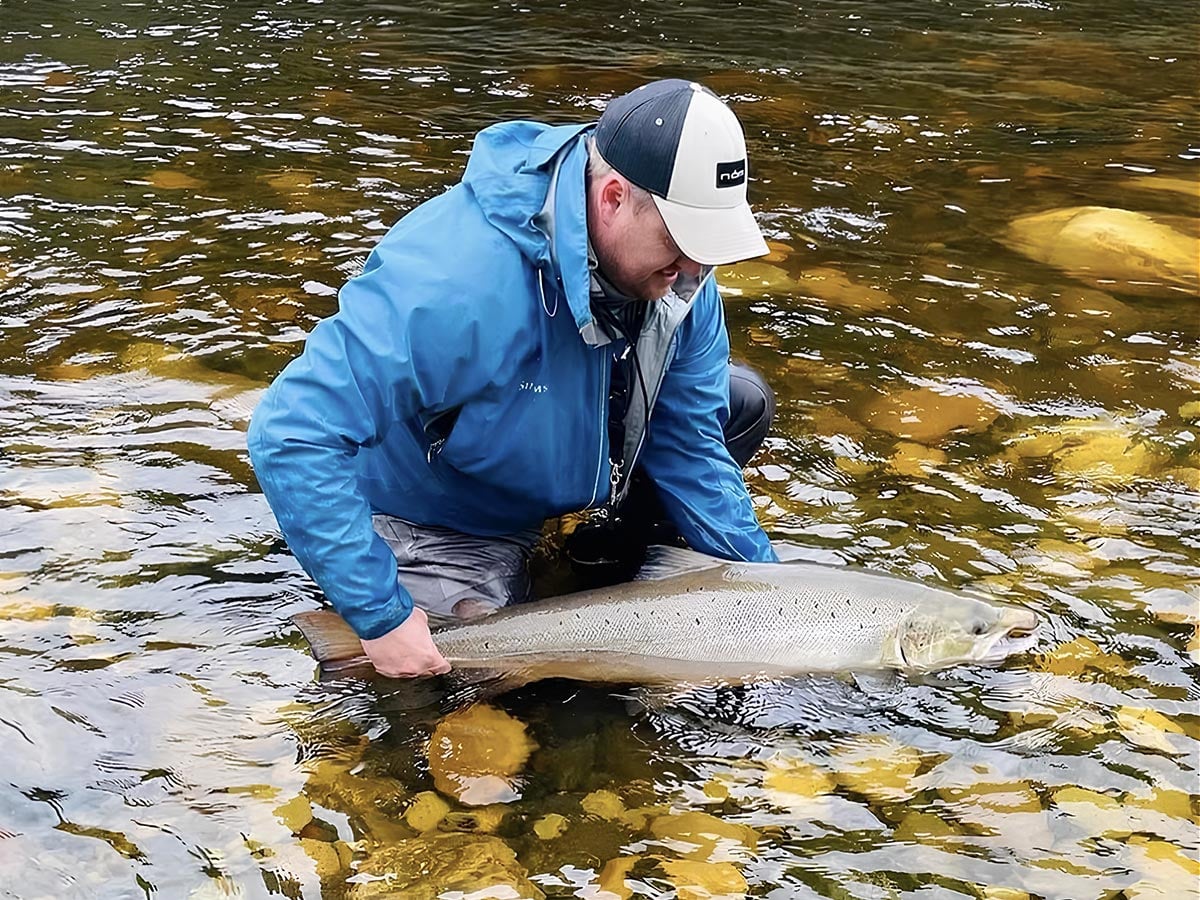
Known for its blend of powerful multi-sea-winter salmon and strong runs of medium-sized fish and grilse, the Gaula remains one of Norway’s most consistently productive wild-salmon systems. Average salmon weigh around 5.5 kg (12 lbs), though fish exceeding 30 lbs are landed each year—a reflection of the Gaula’s longstanding reputation as one of Norway’s most iconic wild-salmon rivers.
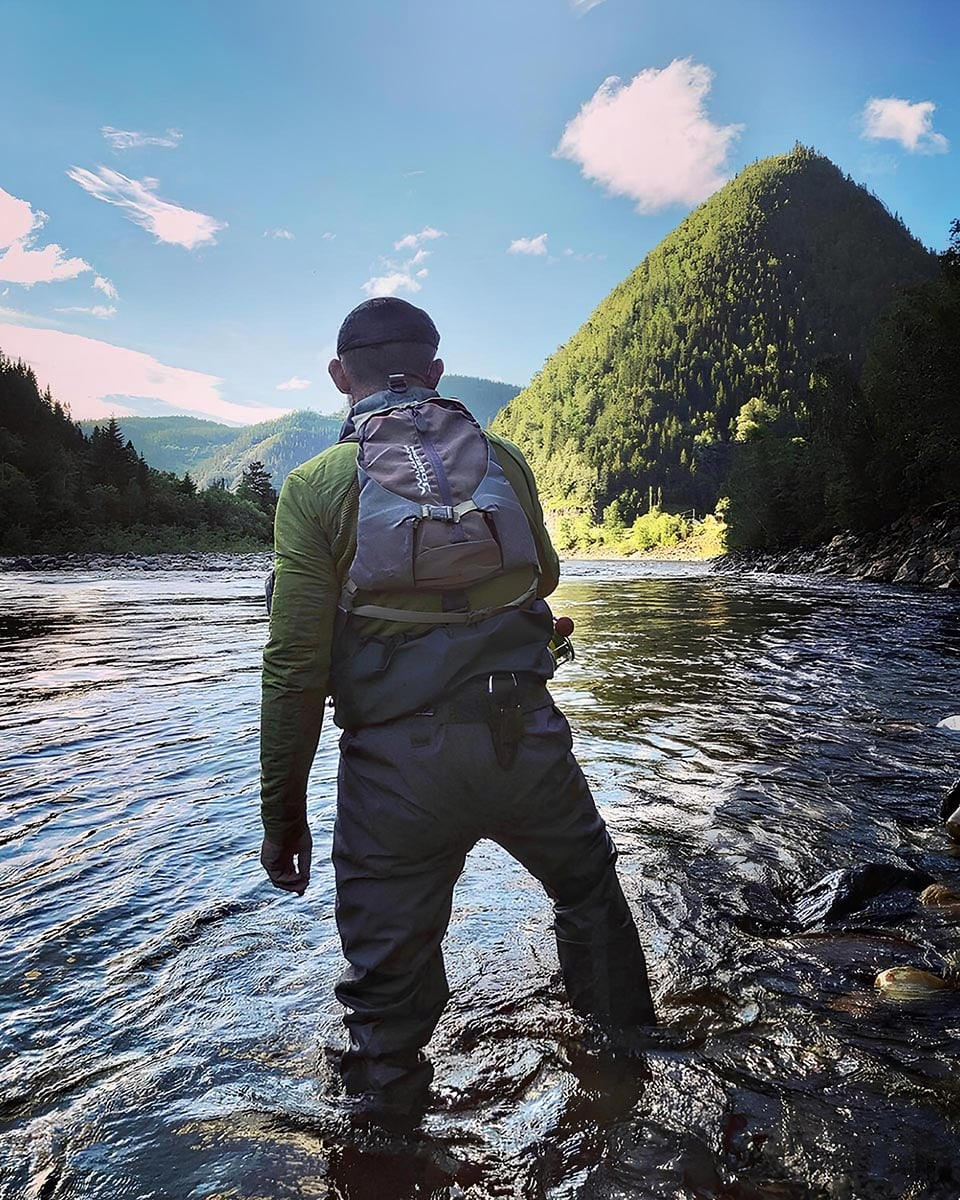
Higher, colder flows in June encourage larger multi-sea-winter fish to move upriver, while July brings more settled levels and a mix of grilse and late-running MSW salmon. By August, the river often drops and clears, creating more technical conditions where smaller flies and precise presentations become increasingly important—patterns well documented across many Norwegian salmon systems. The river’s varied gradient, flowing from high plateaus through canyons, forests, and wider agricultural valleys, creates multiple current types and holding structures that shift in character as summer progresses.
The 24-Hour Rotation and Fishing Program
GFF operates a traditional 24-hour rotation divided into 6-hour sessions, with two anglers assigned to each beat. The fishing week begins on Saturday at 12:00, following an arrival-day briefing held late that morning or early afternoon. Once underway, anglers progress through the rotation in 6-hour blocks, with the flexibility to fish each session as they prefer. This ensures all beats are rested between anglers—an important advantage on a river that can rise or fall quickly after rain or temperature changes.
Beat-by-Beat Overview of the 7-km Fishery
With 11 distinct beats spanning all water levels, the salmon fishing with Gaula Flyfishing Friends cover the full range of water levels throughout the season. The rotation includes several of the middle river’s most reliable and historically productive pools, reflecting GFF’s long-standing presence on the Gaula.
Sverre / Bogen (480 m, double bank, medium–high water levels)
Sverre is a beat which is easy to cover and fishes best in medium to high water when the current gives the fly a perfect, steady swing. In higher flows, salmon often hold close to the near bank; wading out should be avoided to prevent fish from being pushed off their lies. As levels drop, salmon shift toward the far side beneath the sandbar where swallows nest, reachable with a longer cast. It’s a beautifully scenic stretch, with wildflowers and butterflies – classic summer Gaula surroundings.
Langøra (650 m, mixed access, all water levels)
“Lang” in Norwegian translates as ‘long’ , and this is one of the longest stretches in the rotation and most adaptable, with both single- and double-bank access. Langøra provides consistent fishing across all water levels, offering deeper, early-season swing water and well-formed summer runs as levels fall. Its length and varied current profiles give anglers room to adjust to changing river height through the week.
Reppe (750 m, double bank, medium–low water levels)
Reppe is a long, open beat that changes subtly from season to season as high water reshapes the channel. It has an upper and a lower section, but the most reliable fishing is typically found just above and below the bridge. The upper part can be particularly productive in low water. The lower section fishes best in higher water—especially the tailout where salmon will lie before pushing upstream.
Sæter / Bogen (550 m, double bank, medium–high water levels)
A historic beat that fishes well in medium to high flows, well suited to early- and mid-season conditions. Its depth and structure create predictable lies as salmon push upstream. Two deeper pockets define this beat: one near the small stream mouth, where salmon rest behind the larger rocks, and another farther upstream beneath the cliff that regularly holds bigger fish. As water drops, the head of the pool becomes the most reliable water. A varied stretch with several productive options.
Enge / Jærdahølen (550 m, double bank, high–medium water levels)
A strong early-season option that holds its shape in higher flows and offers steady swing water as levels begin to settle. It’s a fantastic high-water pool, which in recent years has fished very well right down to the tailout – an opportunity often overlooked by anglers.
Røttum (100 m, single bank, low water levels)
A compact, technical beat ideal in low, clear conditions. Despite its short length, it is often very productive and should always be fished if water conditions are favorable. An efficient stretch for focused summer fishing.
Engan / Bogen (500 m, double bank, medium–high water levels)
A mid-river stretch that performs reliably in moderate to higher flows. Defined channels and steady current lines make this a dependable option, and has been one of the best beats in recent years. At the bottom of the bend, a deeper pocket consistently holds salmon in low water.
Stadion, Rognes (400 m, double bank, medium–low water levels)
A well-known and historically important Gaula beat with easy access and a strong catch record. It fishes best on medium to low water, offering steady swing lanes and predictable lies as the river stabilises. It can also provide excellent conditions for dry-fly fishing later in the season.
Kjelden (470 m, Single bank, medium water levels)
A mid-season beat that fishes well once early-season flows ease, with reliable swing lanes and balanced current. The rocky bank requires careful footing, and some anglers pass over it for that reason. But with plenty of salmon pausing here, the beat often fishes better than its statistics suggest and can produce good results during stable water.
Øyan (400 m, mixed access, low water levels)
Øyan is a reliable low-water beat with steady current and well-defined summer lies. It offers mostly double-bank access, which adds useful variety during August’s more technical fishing. Øyan changes from year to year depending on how high water reshapes the beat, so some seasons fish markedly better than others.
Flekken, Aunøien (285 m, single bank, medium water levels)
A compact beat that excels in medium flows. As the river settles, fish will lie on the far side in holding water before pushing further upriver. When salmon are on the move this is a productive beat, and ideally where you want to be.
Guiding, Techniques, and Daily Approach
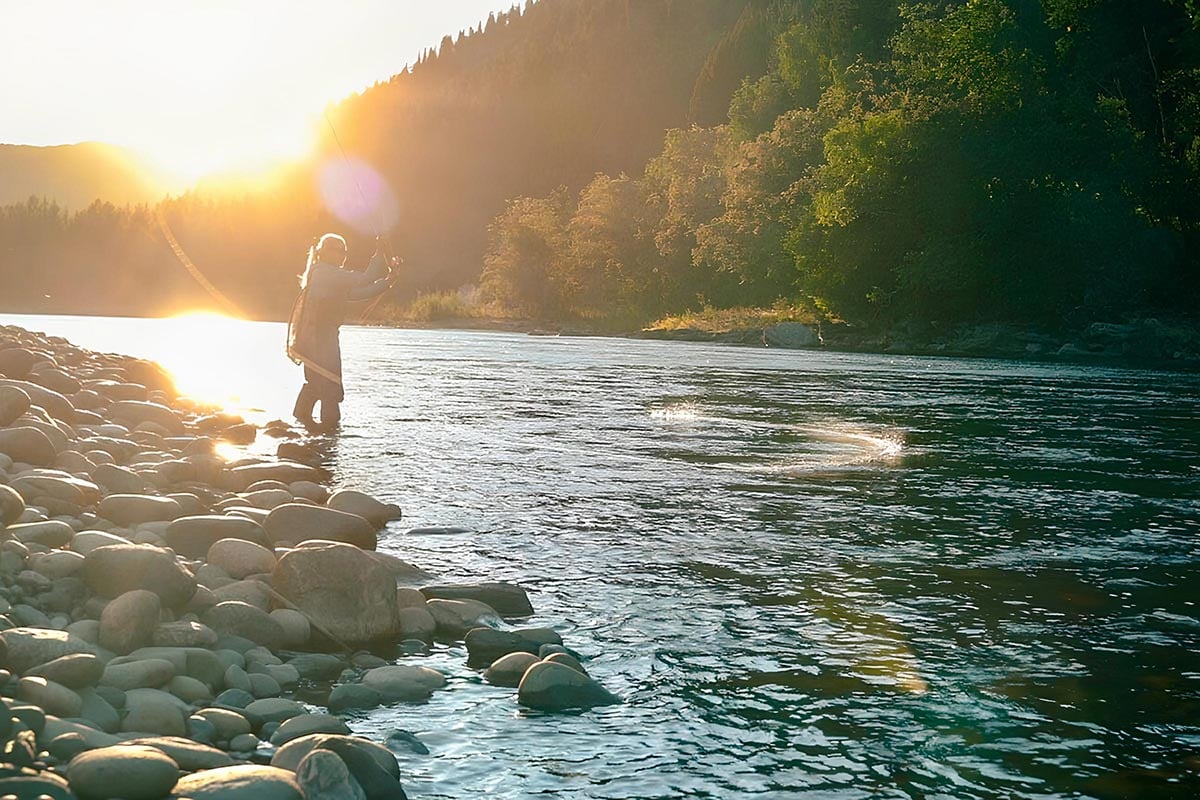
Techniques evolve naturally with the Gaula’s changing flow profile. Early in the season, anglers typically fish 12–14 ft rods with sink-tips and larger flies to maintain depth in powerful water. As levels stabilise through July, floating or intermediate lines paired with medium tubes or doubles suit balanced mid-season currents. By August, when the river often drops and clears, small doubles and more refined swings become the primary approach as fish hold in defined lies. These shifts reflect the natural cycle of a free-flowing Nordic salmon river and influence how each beat fishes across the summer.
GFF’s guides help interpret day-to-day changes in clarity, temperature, height, and movement, refining approaches throughout each session. Their focus is experience-led and conditions-driven, helping anglers adjust effectively to rising or falling water and make the most of each beat within the rotation.
Conservation and Catch & Release
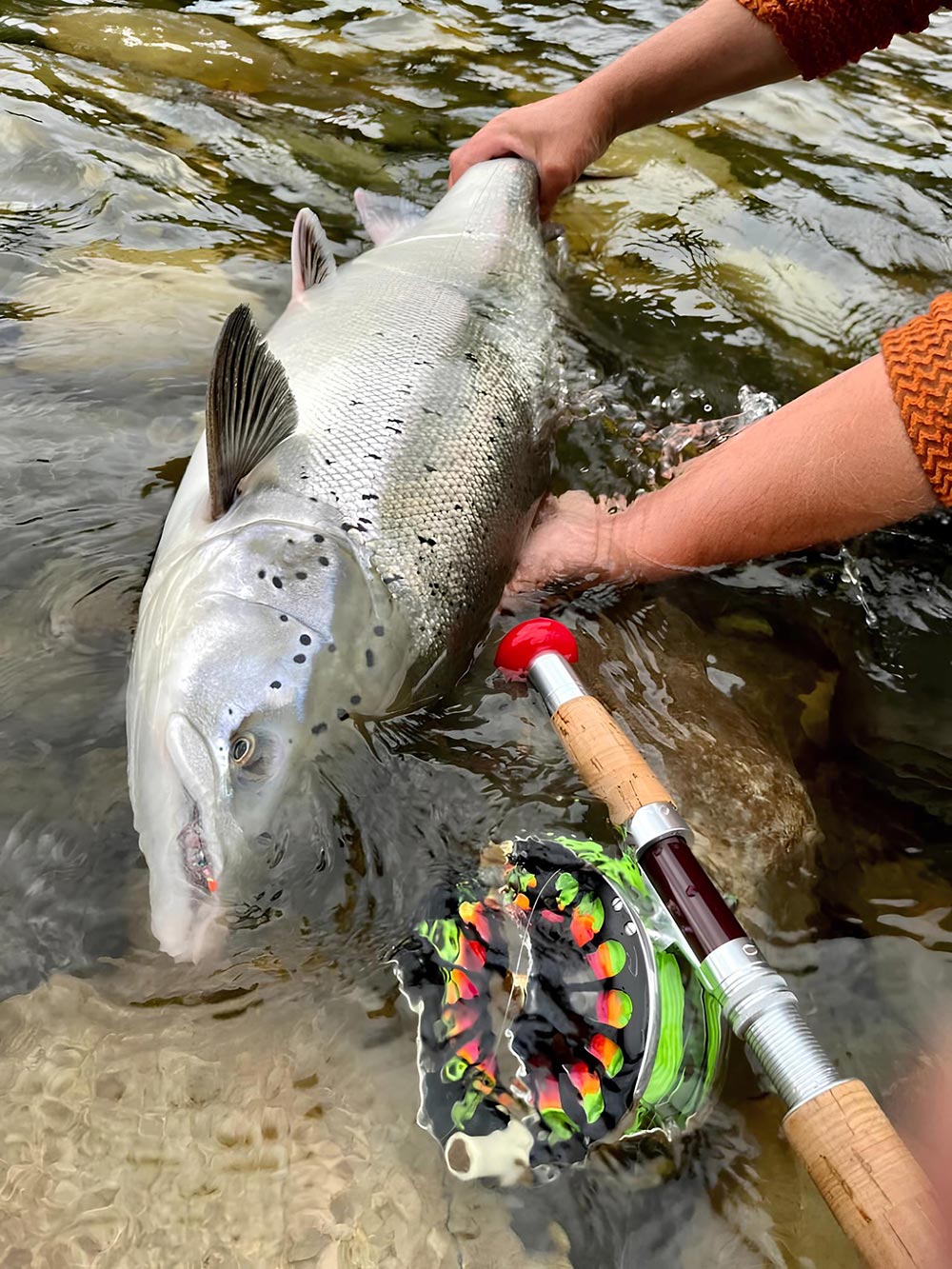
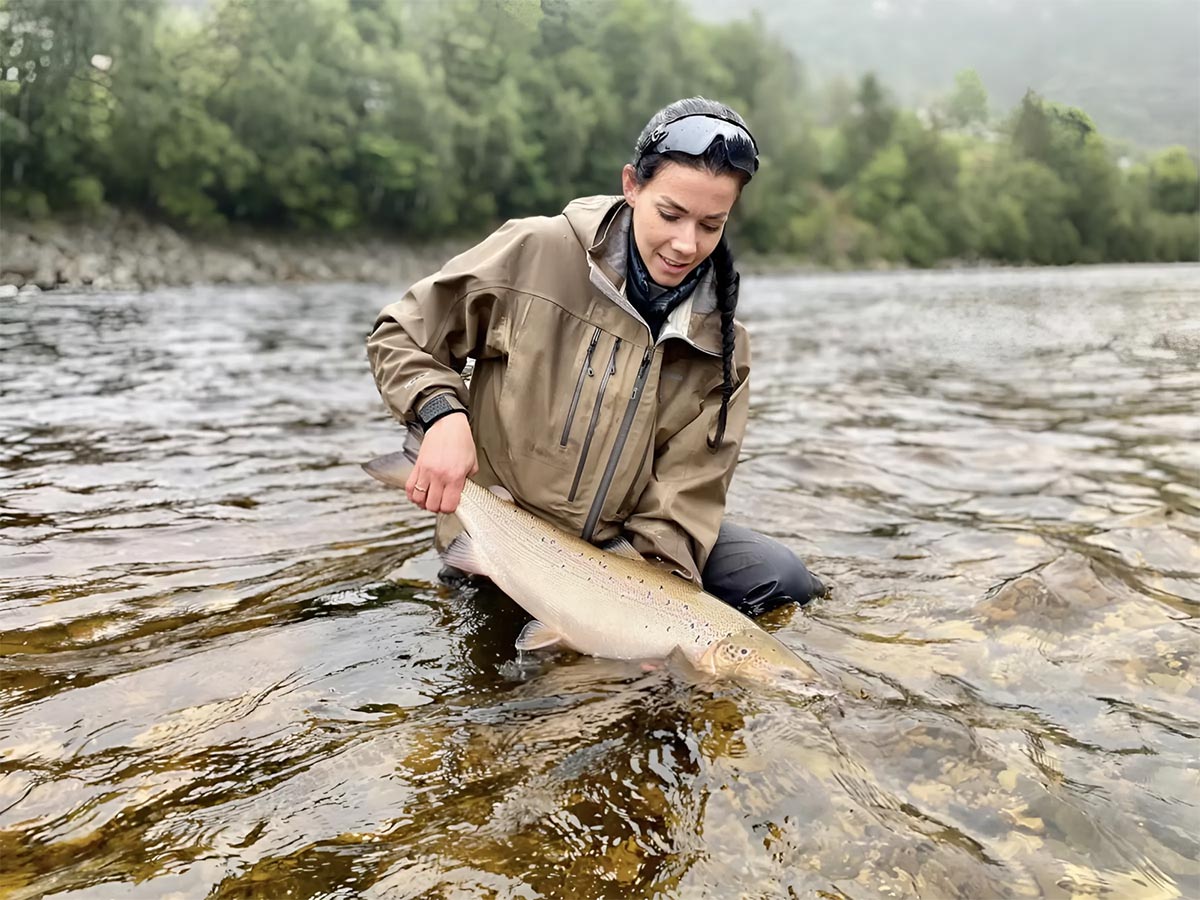
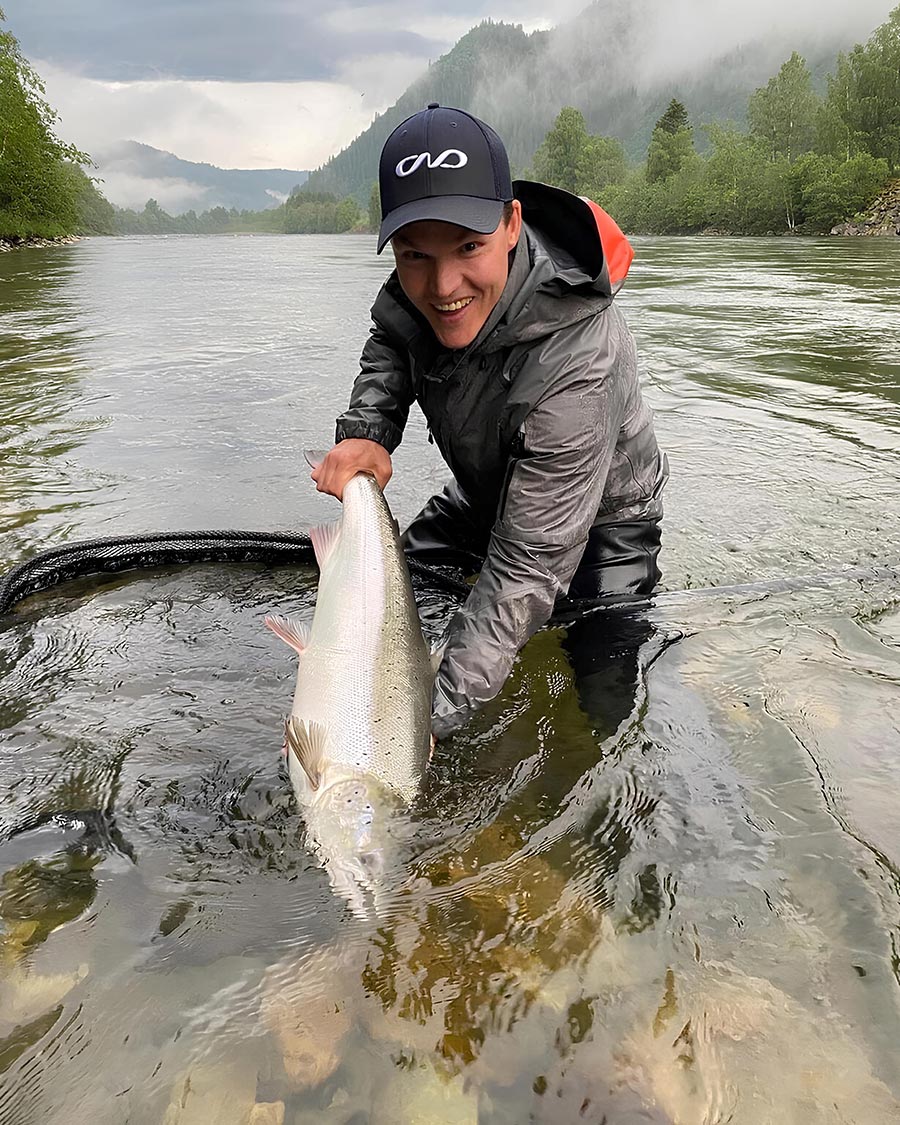
GFF places strong emphasis on responsible handling and the long-term future of the Gaula’s wild salmon. Anglers may retain one salmon per day, with a maximum of two retained fish for the entire season; after these limits are reached, all salmon must be released. Although limited retention is permitted, GFF encourages anglers to release salmon whenever conditions allow to help protect the river’s wild fish.
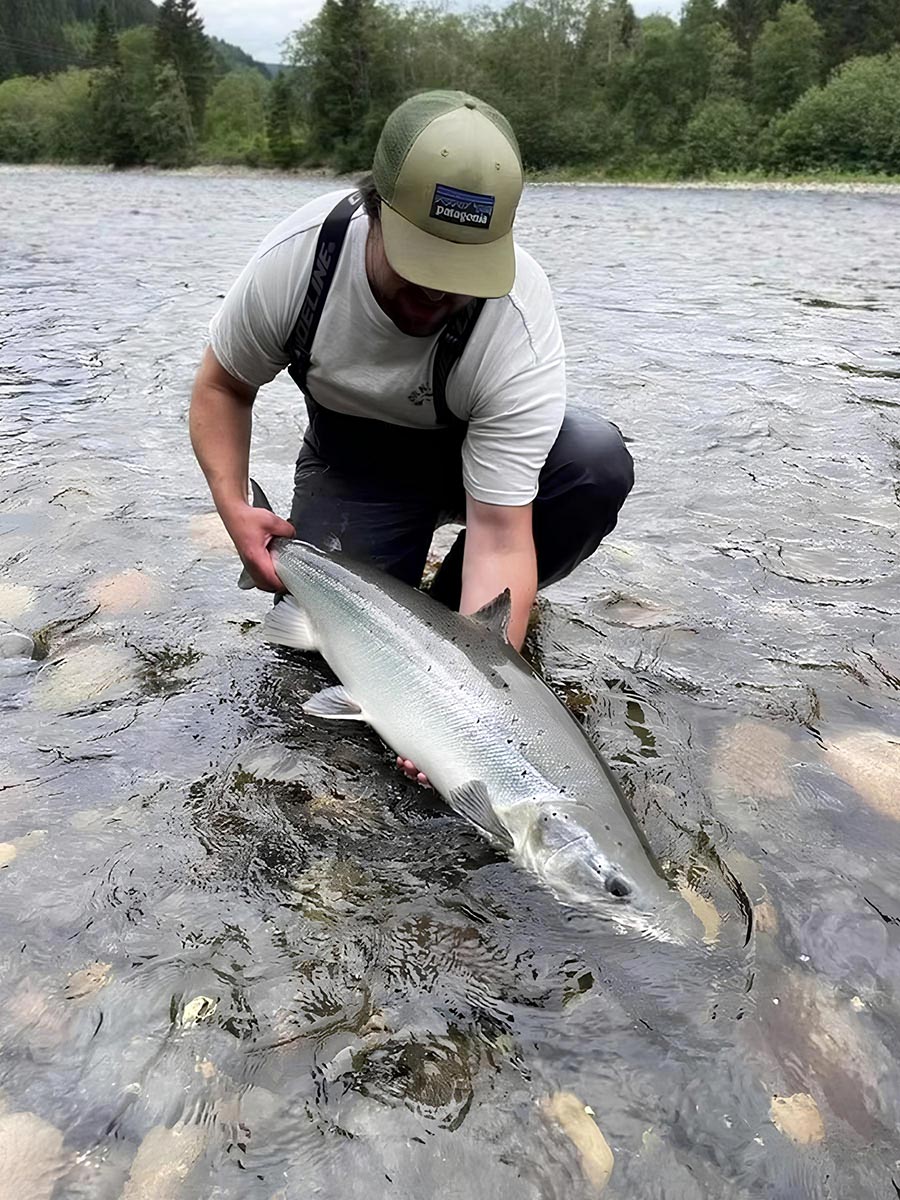
All salmon over 65 cm are protected and must be released immediately. Under the salmon quota rules introduced in 2025, catch-and-release is capped at three fish per day to reduce handling pressure. Fish should be kept in the net, handled gently, and released quickly, reflecting practices widely recommended across Norwegian salmon fisheries and forming a central part of GFF’s ethos.
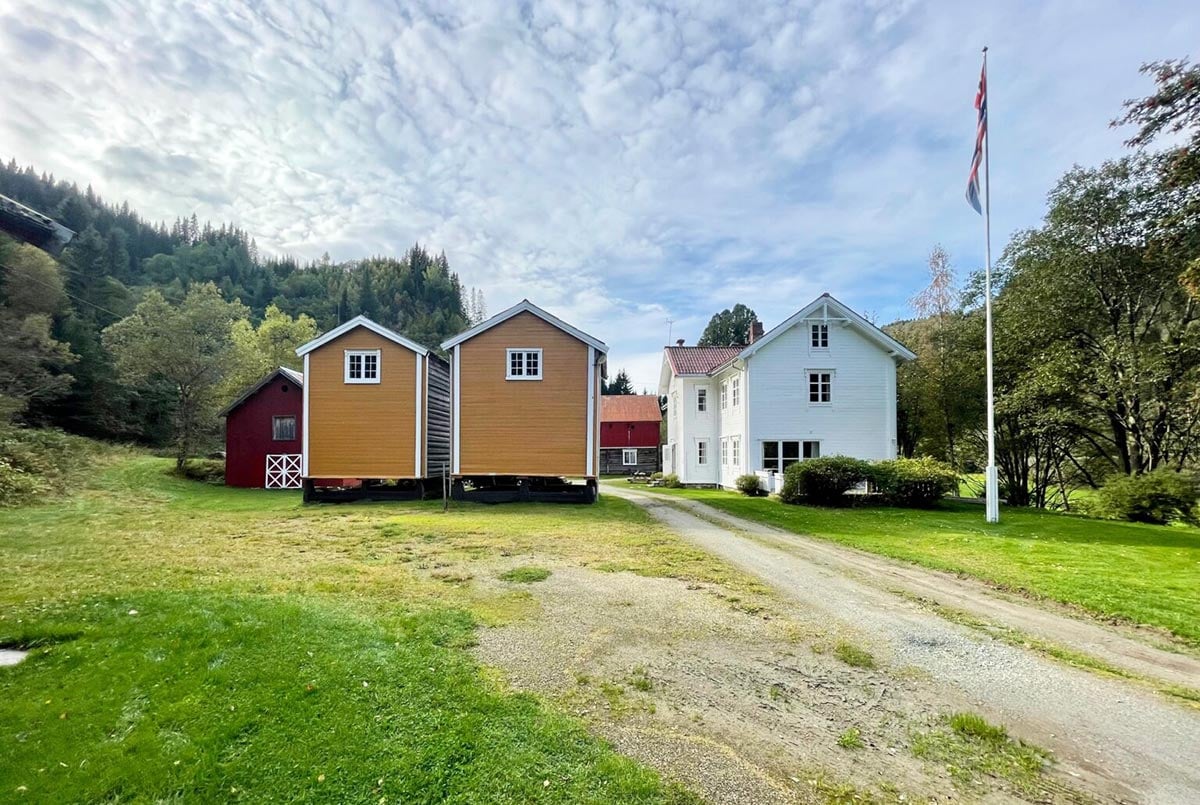
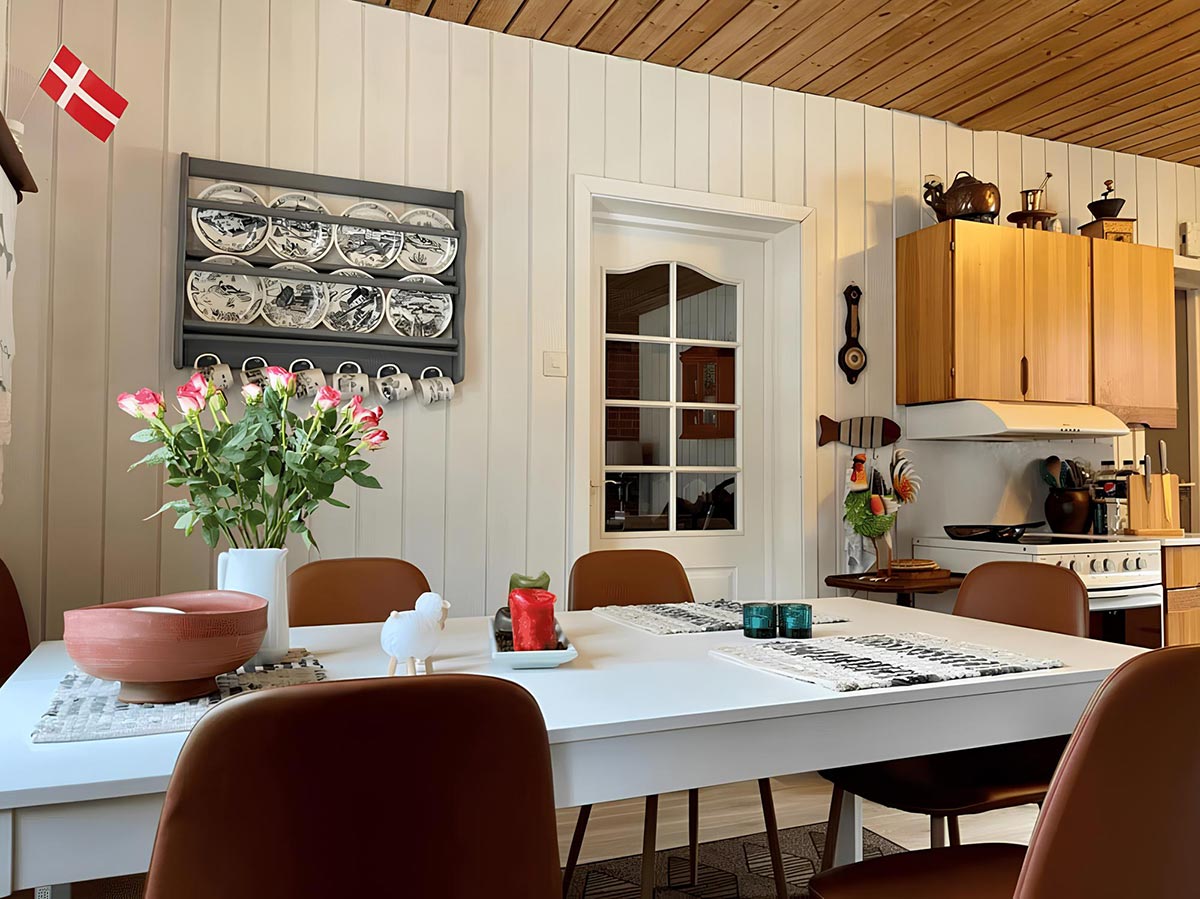
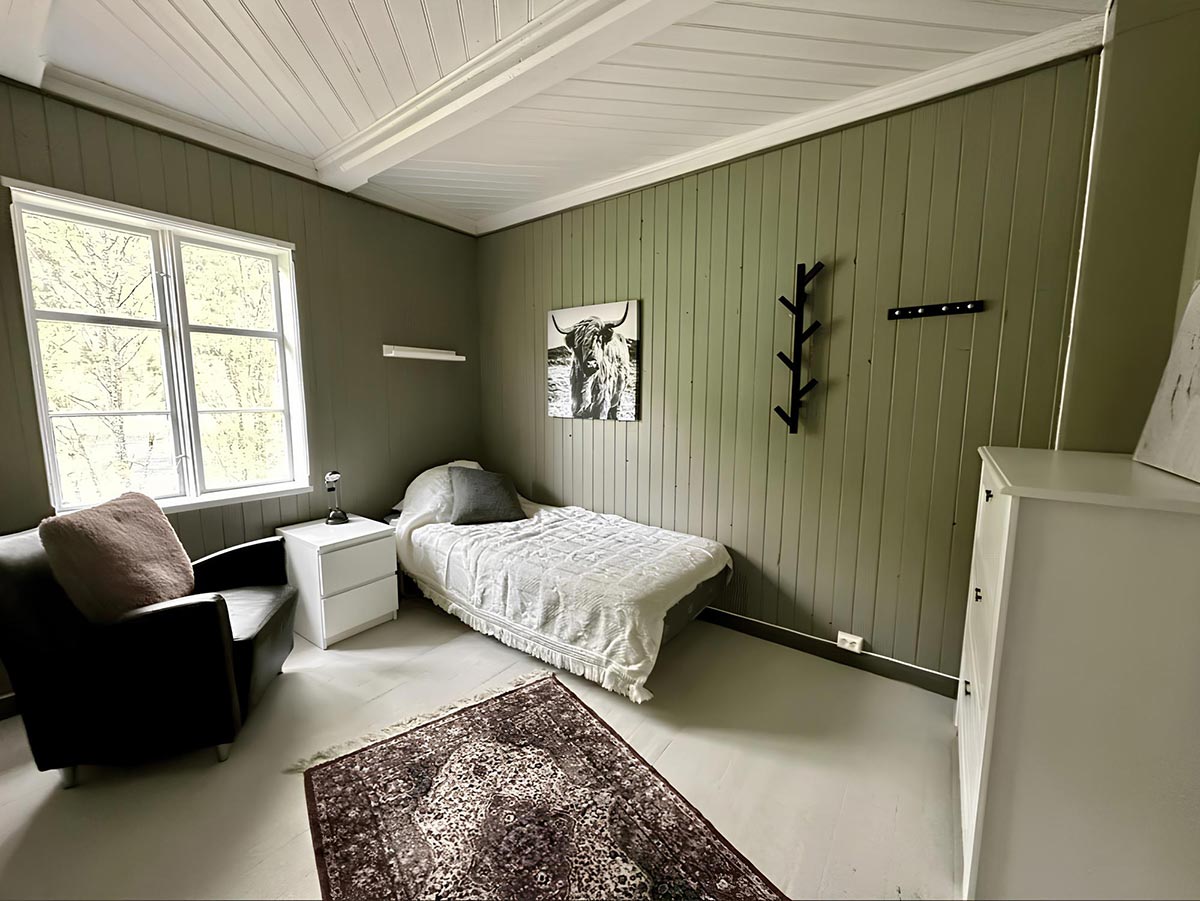
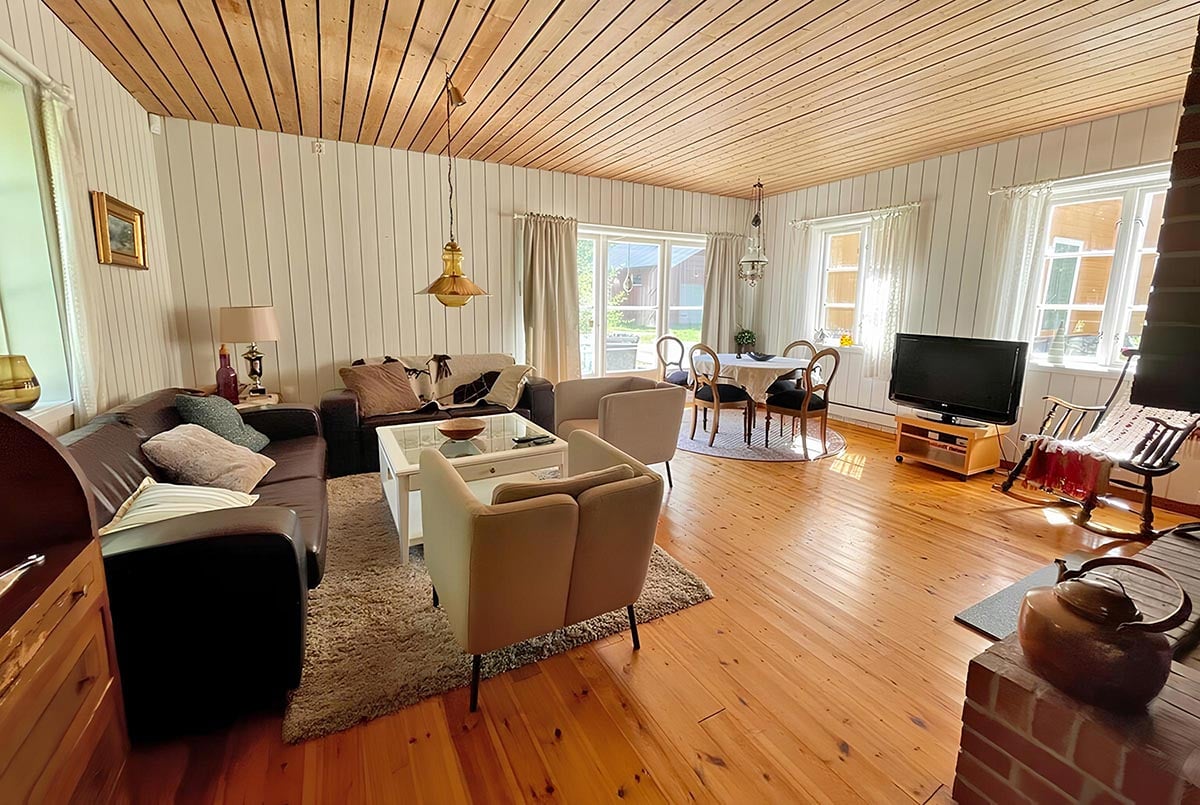
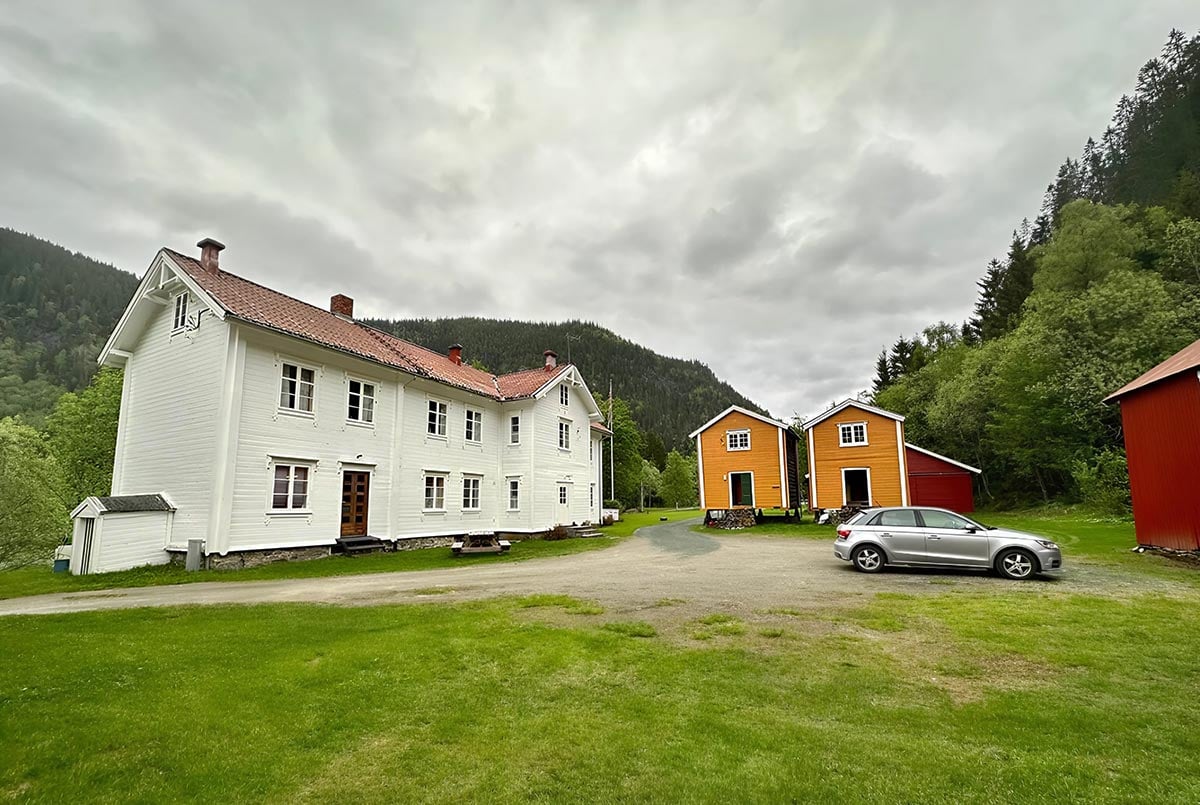
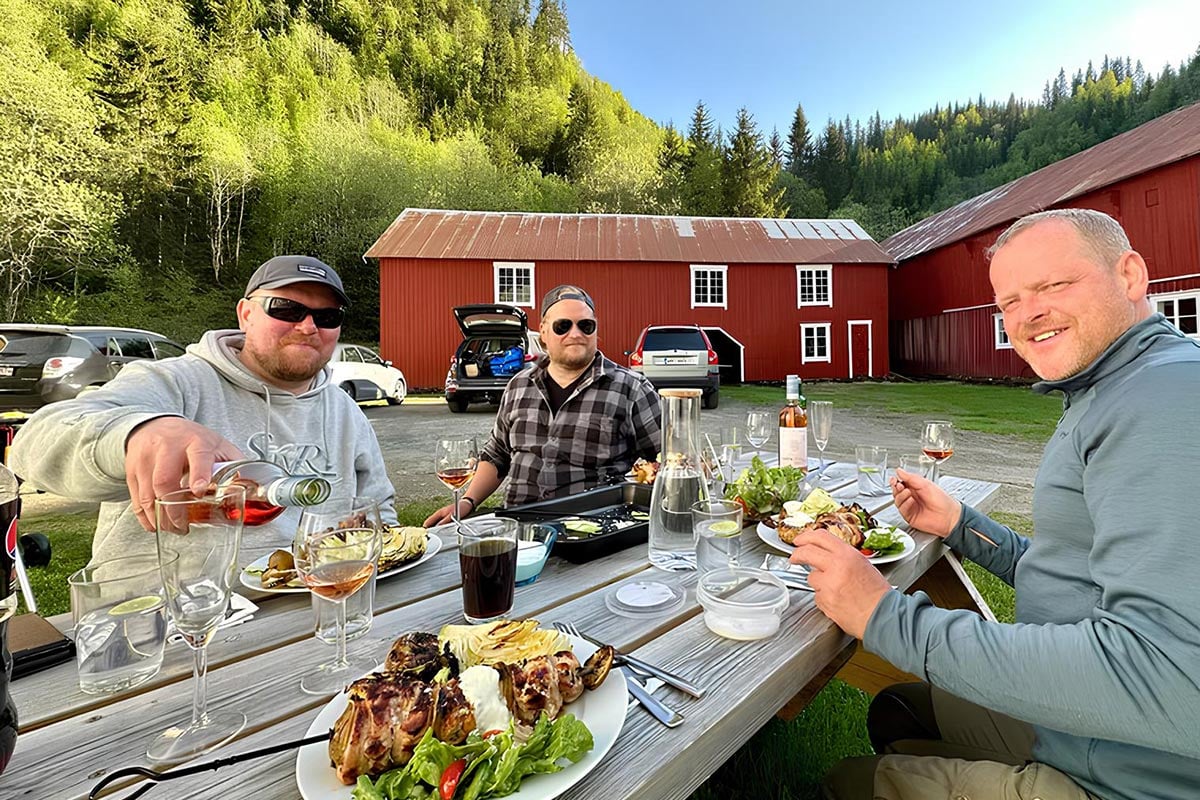
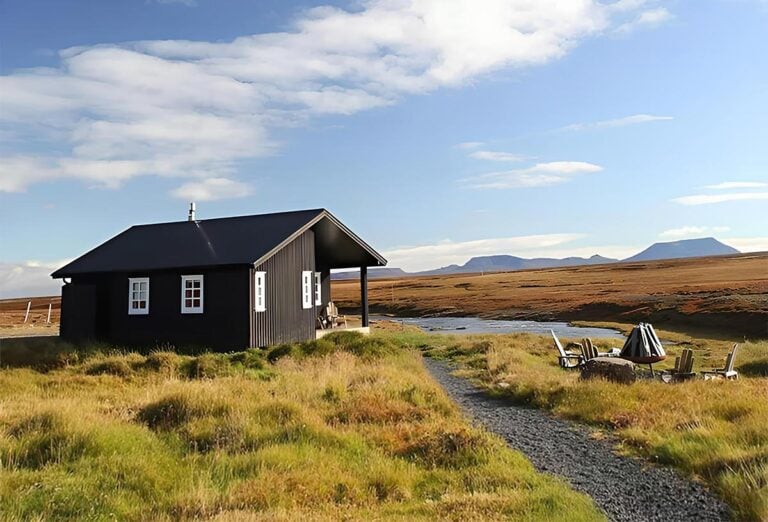
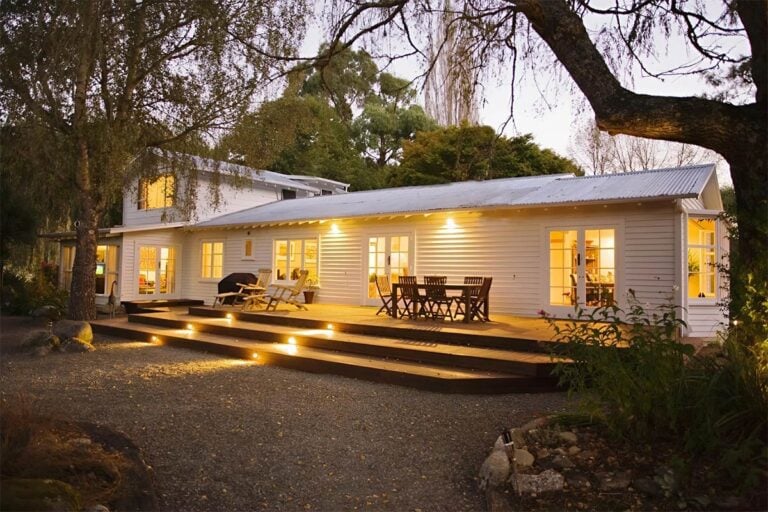
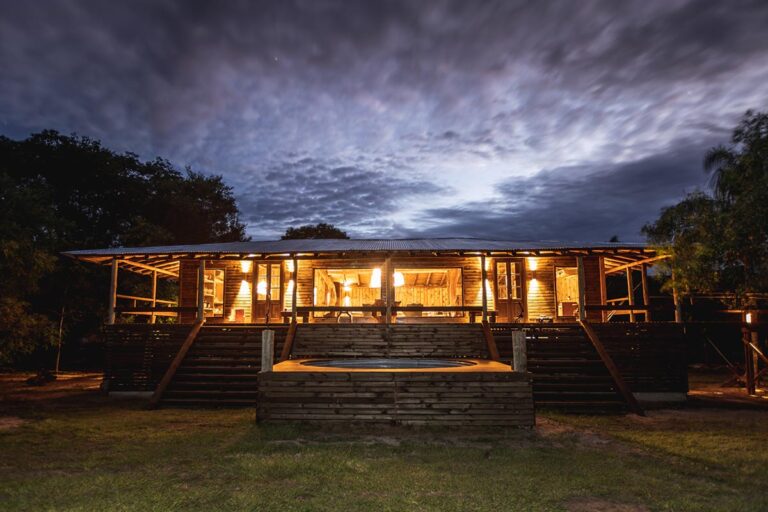
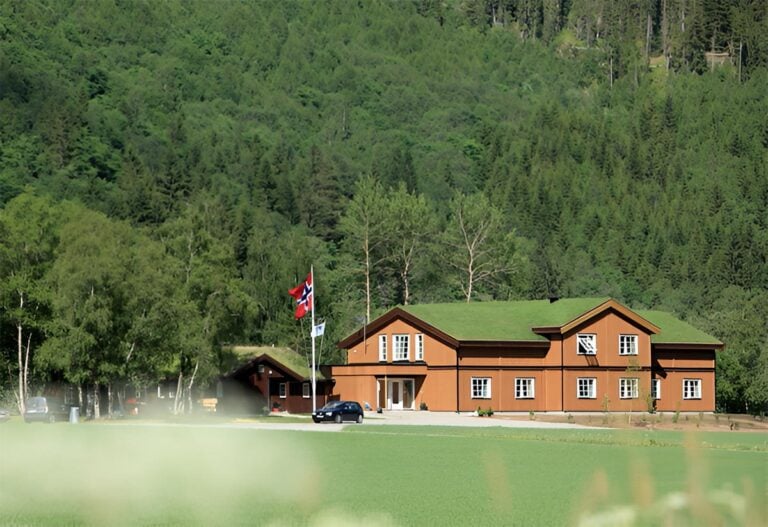
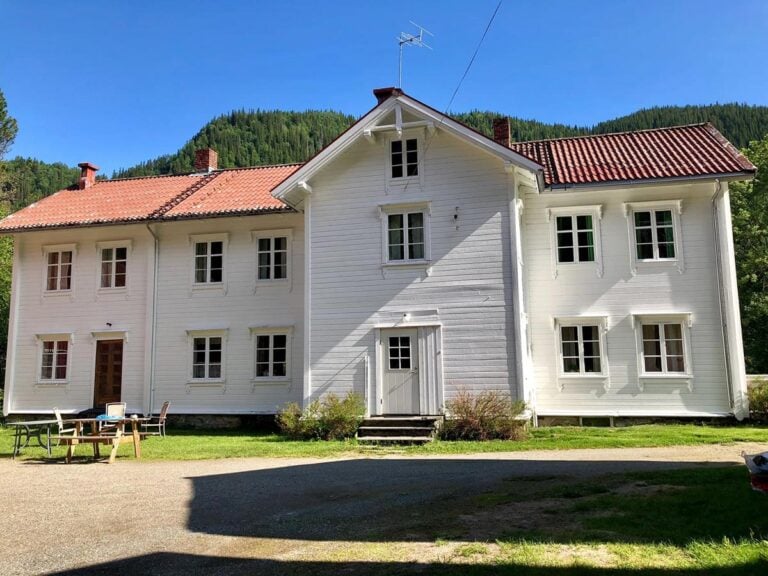
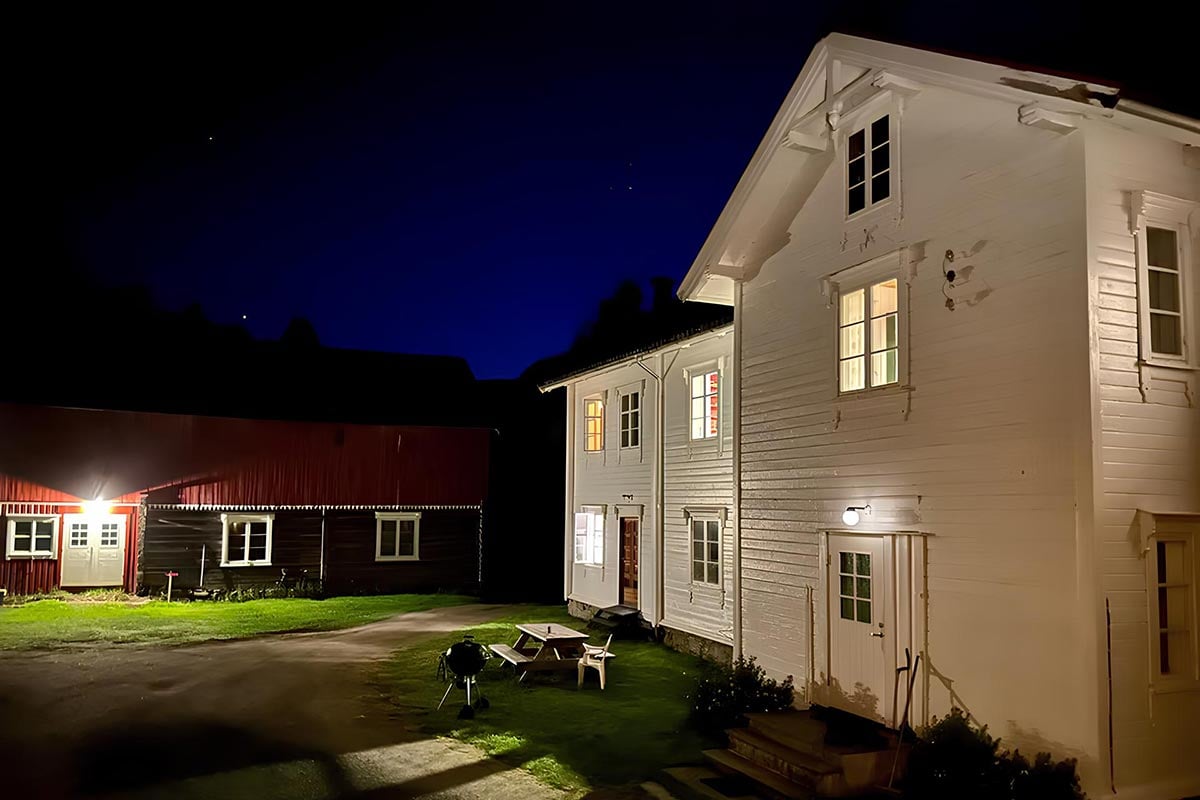
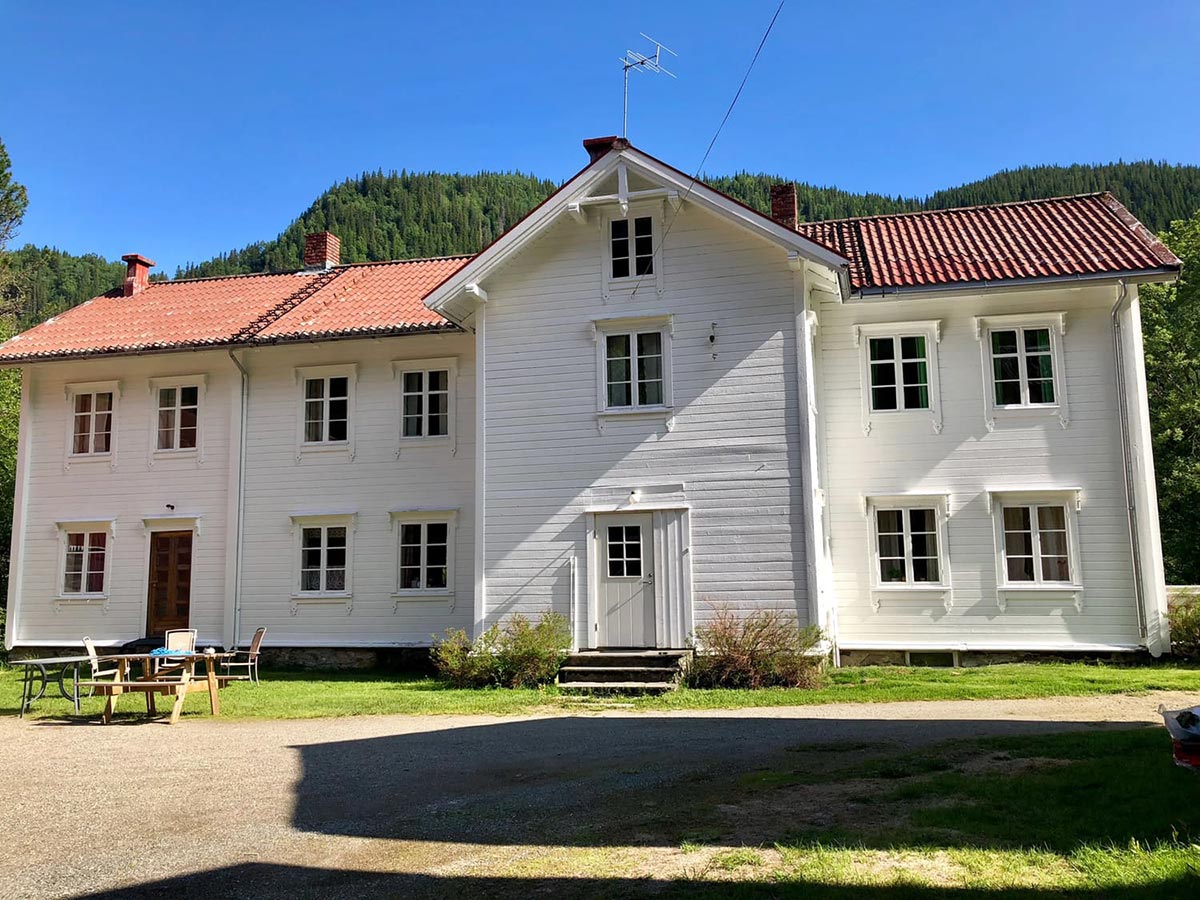
Structured access, varied water, and local insight define the GFF Atlantic salmon fishing experience on the middle Gaula, with a practical self-catered base at Norstu Bogen Farm rounding out the week.
To learn more about the fishing and express an interest, message Gaula Flyfishing.