



The Lodge and Its Remote Coastal Setting
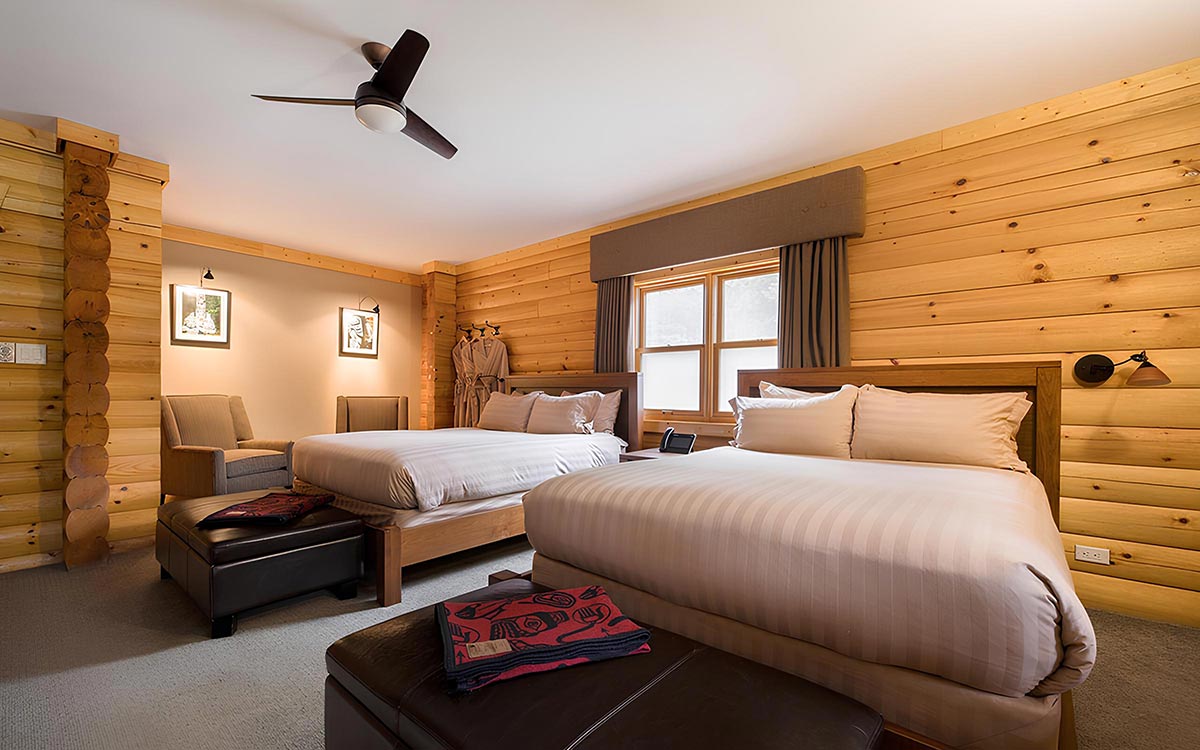
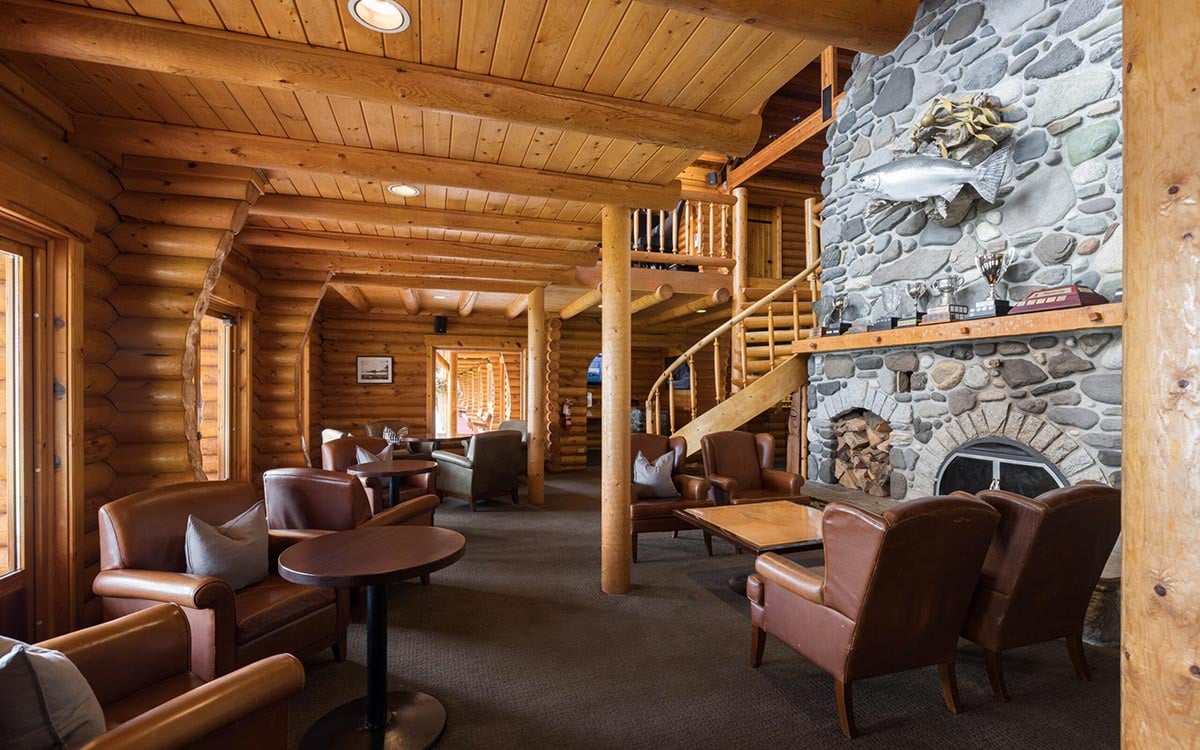
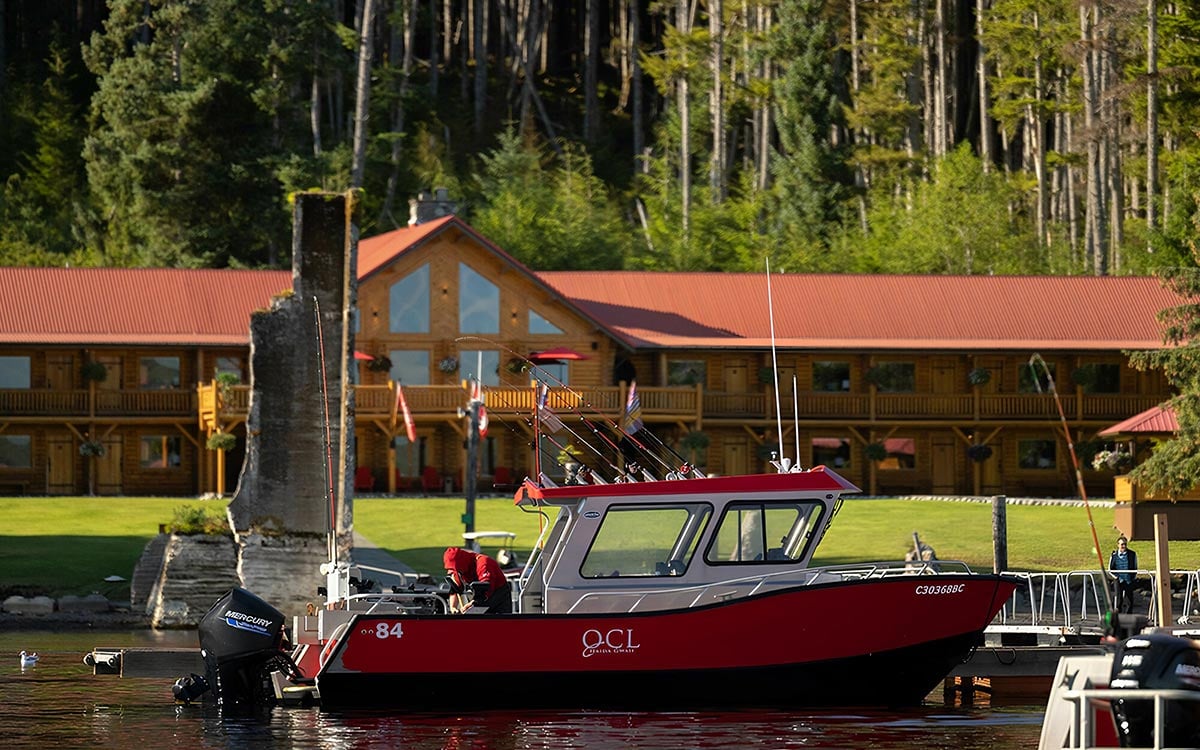
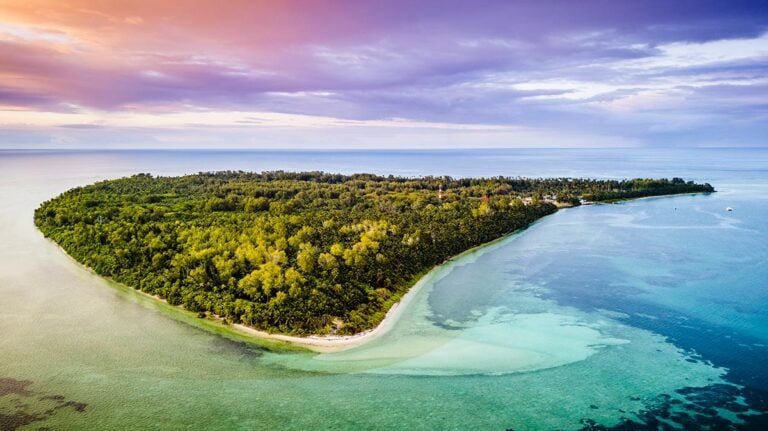
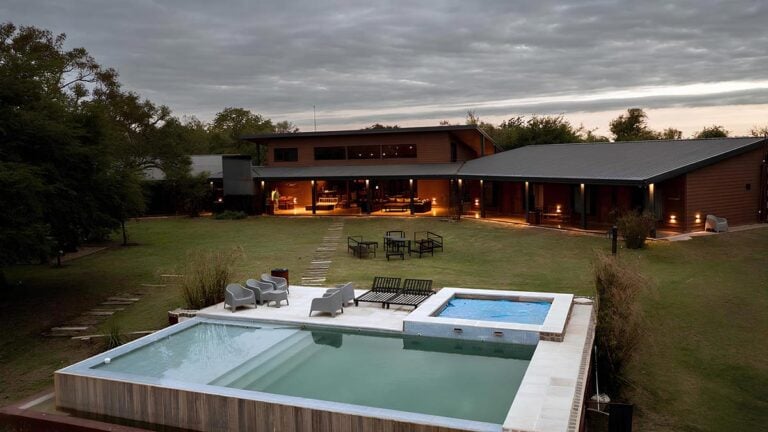
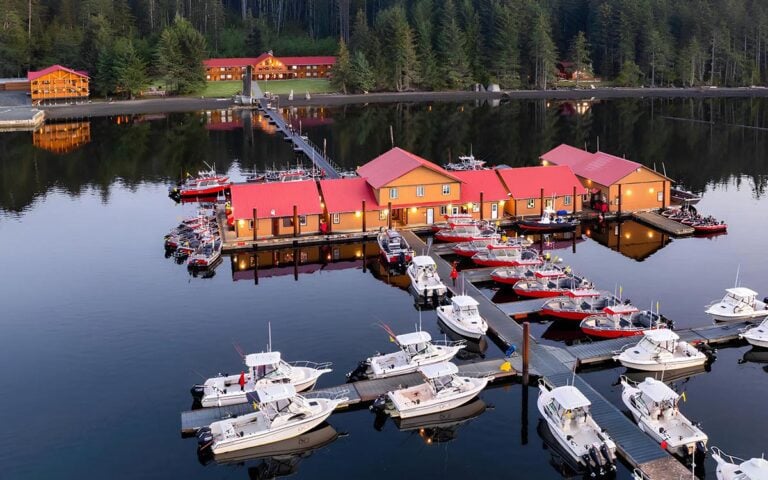
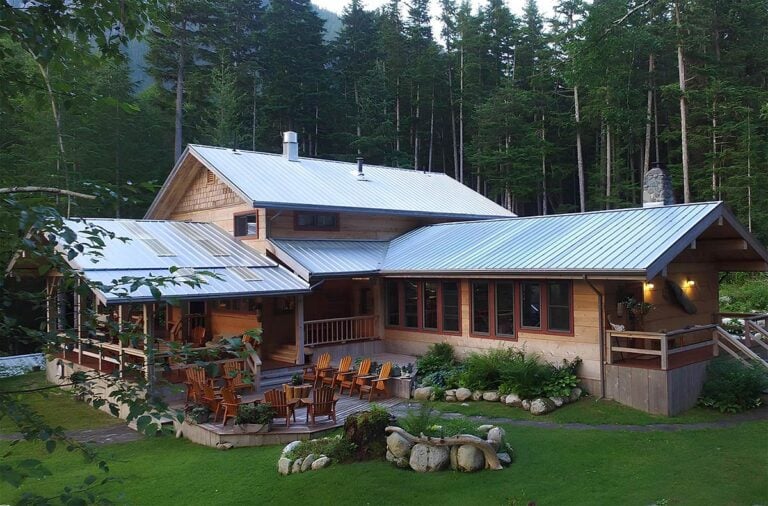
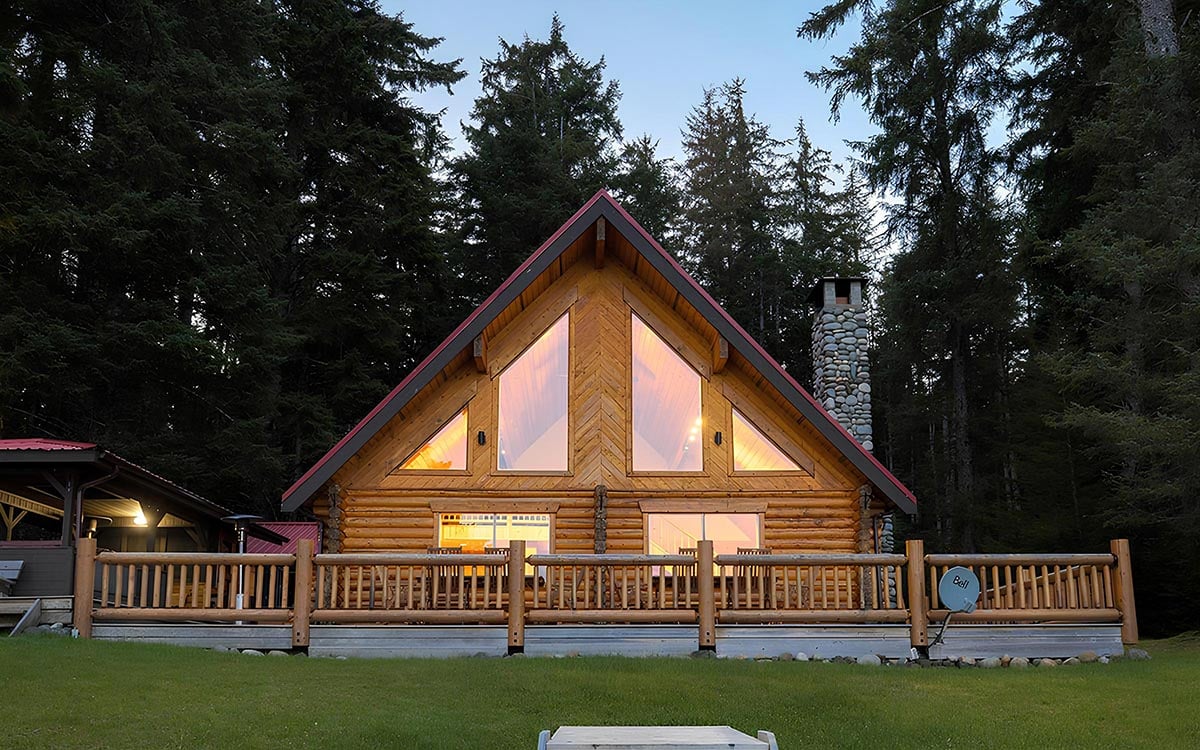
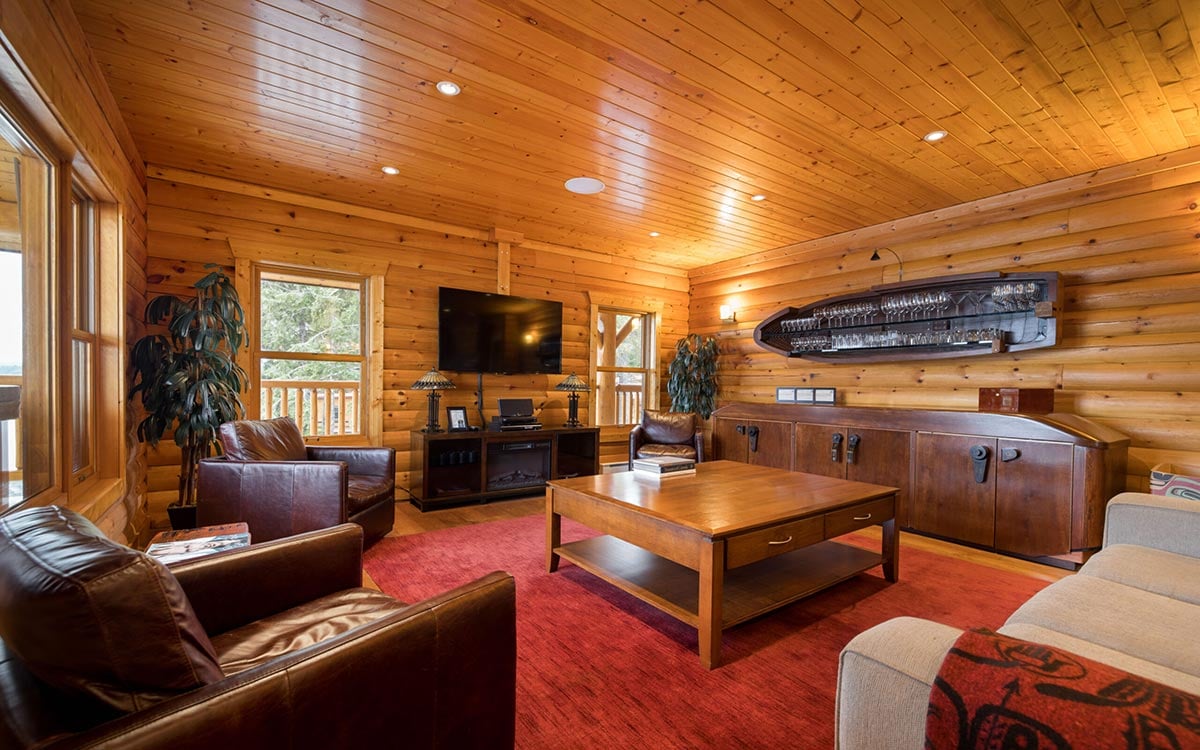
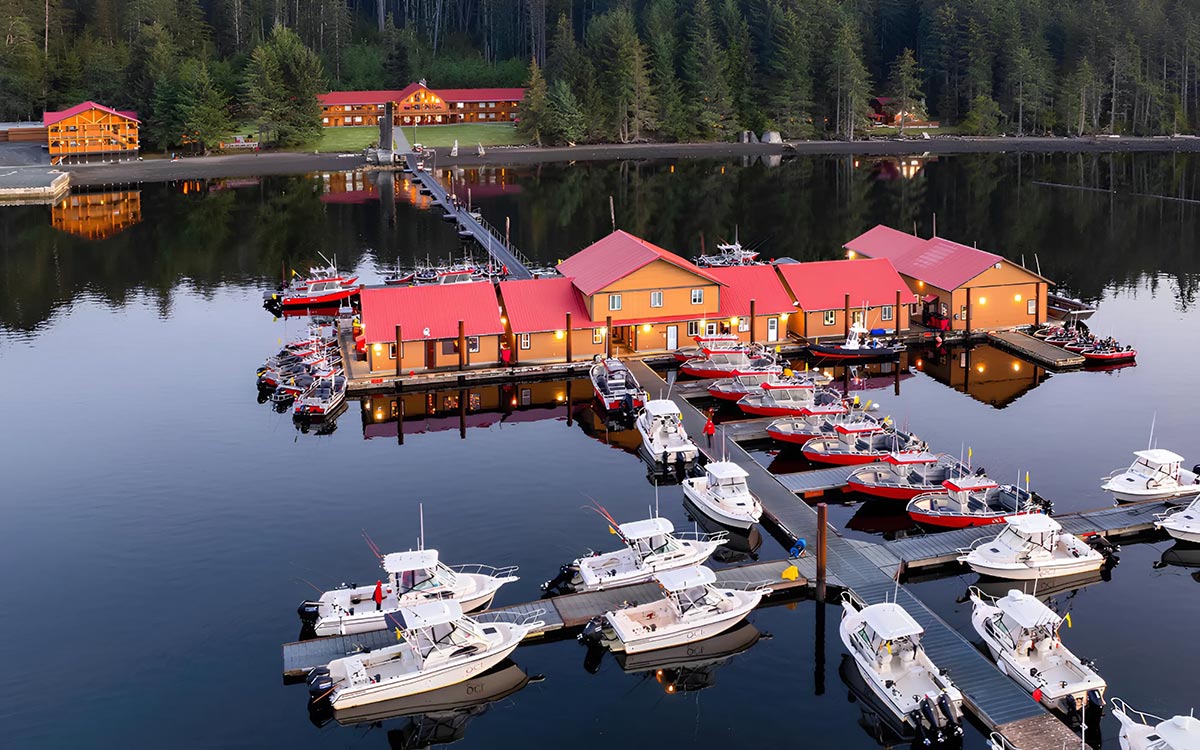
Set on the forested shoreline of Naden Harbour, Queen Charlotte Lodge sits along the remote north coast of Haida Gwaii, where sheltered inside water meets the open Pacific. The lodge operates as a self-contained coastal resort, with purpose-built accommodation, dining venues, docks, and on-water logistics all centered around the harbor. Guests arrive by charter flight to Haida Gwaii, followed by a short helicopter transfer into the lodge.
From this base, boats range out daily along the coast, with distance and direction shaped by tides, weather, and target species.
Saltwater Fishing at Queen Charlotte Lodge
Fishing at QCL begins inside the protected water of Naden Harbour before extending along the surrounding coastline and nearshore Pacific. Low forested shorelines, kelp-lined edges, and exposed points define much of the water fished, with boats working closer to shore or pushing farther along the coast depending on conditions.
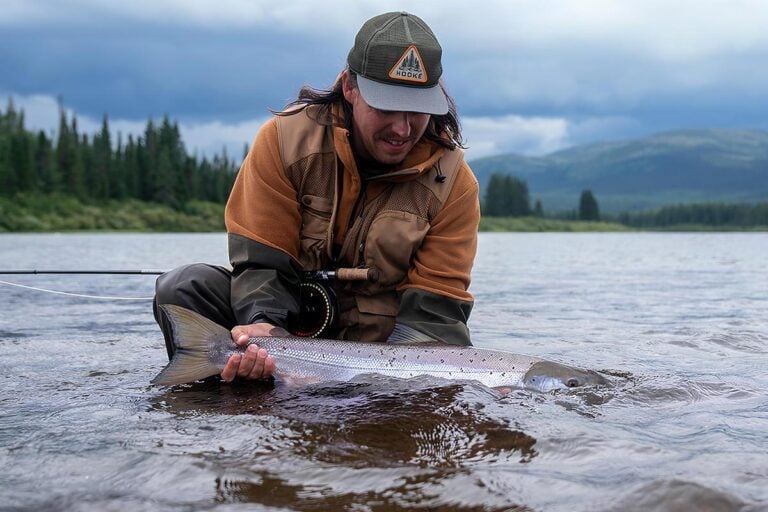
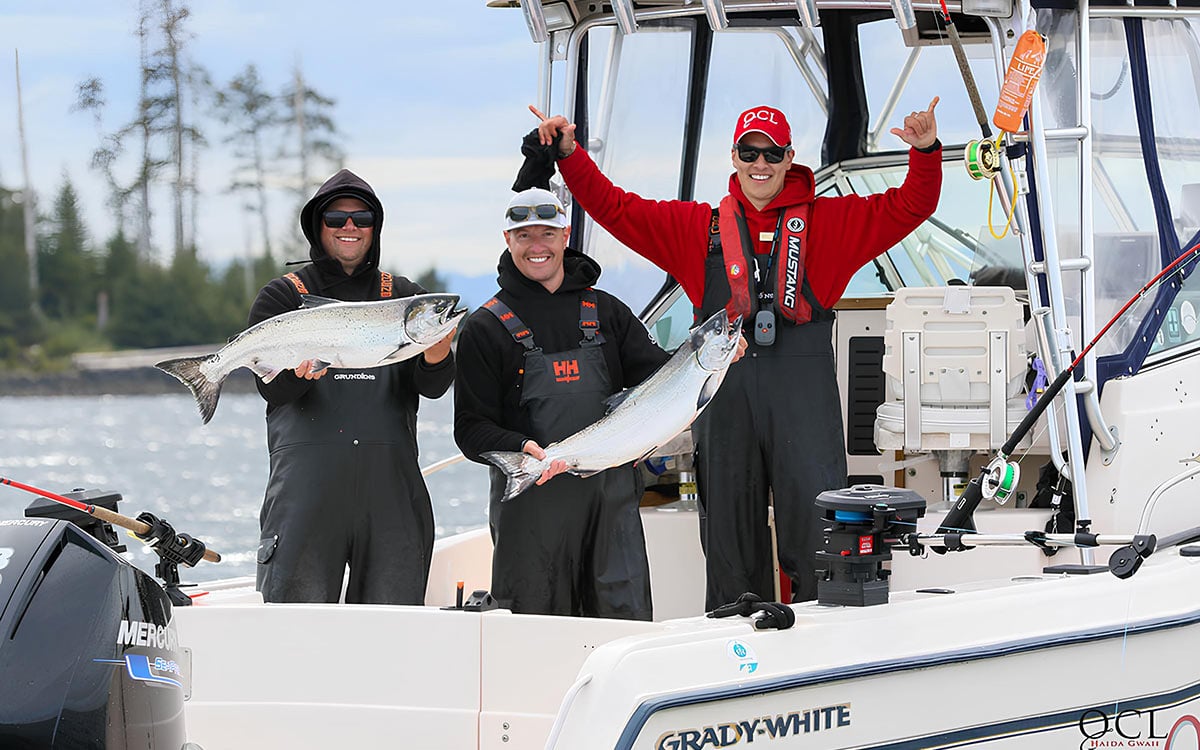
Chinook (King salmon) are the primary target throughout the season, with coho providing energetic fishing later in summer, while halibut and lingcod round out the fishery when conditions allow. Large Chinook—locally referred to as “Tyee”—are a defining part of the Haida Gwaii fishery.
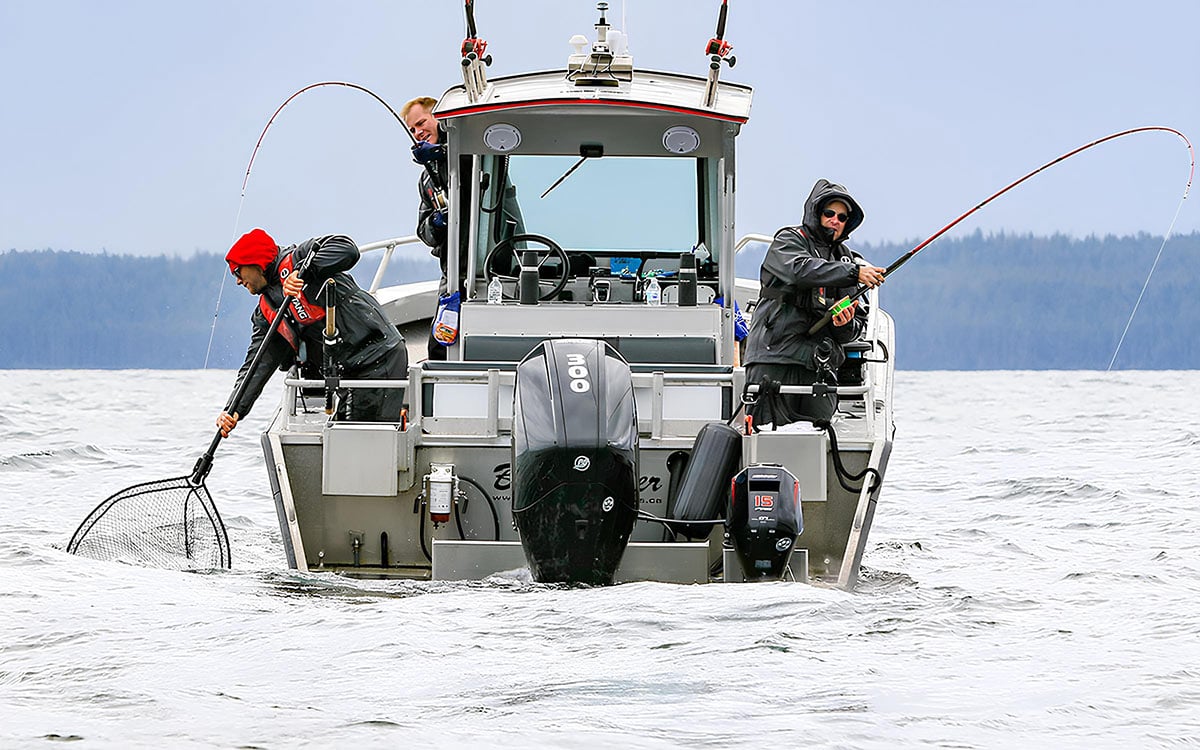
From the outset, anglers decide how far to range, which water to focus on, and whether to fish with a guide or independently. Fishing styles range from boat-based salmon trolling along coastal structure to deeper halibut sessions offshore.
Why Haida Gwaii Holds Fish Through the Summer
Haida Gwaii lies directly along the migration corridor used by salmon returning south toward their natal rivers. The north coast of Graham Island combines relatively shallow coastal structure with nutrient-rich currents, creating areas where fish feed and stage rather than simply pass through. Kelp forests, rocky points, and quiet coves concentrate baitfish such as herring and needlefish, drawing salmon into predictable holding zones. Sheltered from the full force of the open Pacific, these waters hold fish consistently through the summer.
Seasonal Changes Across the Fishing Season
Chinook are present throughout much of the summer, but the pattern of fishing changes as the season progresses. Early summer often centers on ocean-bright Chinook moving steadily along the coast, while mid-season brings a wider range of fish, with both larger and mid-sized Chinook holding across nearshore and more exposed coastal water.
Later in the summer, coho become more prominent, adding faster-paced fishing alongside Chinook. Halibut remain an option throughout the season, particularly in deeper water. The fishery fishes well across a long summer window rather than peaking briefly.
How a Fishing Day Is Structured at QCL
Fishing days at QCL are long, with a standard dock-to-dock schedule of approximately eleven hours. Boats leave early, spread across the fishing grounds through the morning, regroup mid-day, and return to the water for the afternoon session.
Start times can vary day to day, with timing set around tides and daylight rather than a fixed departure hour. Once boats leave the dock, the focus is on staying on the water and covering ground rather than watching the clock.
Tides, Light, and On-Water Timing
Timing shapes how fishing is approached around Haida Gwaii. Tides influence where salmon hold along the coast, particularly around points and kelp edges, while light affects when more exposed water fishes best. Guides and experienced self-guided anglers read these factors together, often adjusting position and drift as tides change through the day. This approach keeps fishing consistent across changing days rather than relying on a single narrow window.
Weather, Sea State, and Water Selection at QCL
The fishing program at QCL balances time spent on the open Pacific Ocean with access to more protected stretches of coastline. In settled weather, boats can range farther along the coast or fish more exposed areas. When wind or swell picks up, fishing shifts closer to shore, working lee coastlines and sheltered areas. This range allows fishing to continue without forcing boats to return to dock if weather changes during the day.
Guided and Self-Guided Fishing at QCL
QCL offers both guided and self-guided fishing, supported by the same dock, fleet, and on-water coordination. All boats operate within a shared system, with safety oversight and communication maintained throughout the day.
Guided fishing places anglers alongside experienced local guides who manage positioning, timing, and daily decisions on the water. Guides handle boat control, tackle setup, and fish handling, allowing guests to focus on fishing while benefiting from local knowledge built over decades on these waters. This option is particularly well suited to first-time visitors to Haida Gwaii or anglers looking to shorten the learning curve.
Self-guided anglers fish independently after a thorough dockside orientation and head out in fully equipped boats. On the water, the Fishmaster provides coordination, assistance, and safety oversight for all boats. This option suits confident saltwater anglers who value independence and a more flexible pace, and it is often a more cost-efficient choice for experienced guests.
Fleet Range, Boat Classes, and Coverage
The lodge maintains a varied fleet to cover both nearshore water and longer coastal runs. Smaller center-console boats are used in protected and nearshore areas, while larger guided vessels provide range and stability for fishing farther along the coast. This spread allows boats to work different areas rather than concentrating effort in a single location and fishing the same water together.
The fleet is organized into several boat classes, including the Classic, Coho, Chinook, and Tyee classes. Some boats are available with or without a guide, while larger platforms are reserved for guided fishing. Boat selection is matched to sea conditions, range, and angler experience, with different classes used throughout the week as needed.
Fishing Gear and Onboard Equipment
All QCL fishing boats are fully equipped and ready to fish on departure, with no requirement for guests to bring personal tackle unless they prefer to do so. Standard equipment includes premium Islander salmon reels paired with custom mooching rods, electric downriggers, weighted rod setups, and a full selection of terminal tackle and bait. All-weather fishing apparel is also provided, ensuring anglers are properly equipped for long days on the water in variable coastal conditions.
Each vessel is fitted with GPS and depth sounders, VHF marine radios, and satellite communication for navigation and safety. Halibut gear is carried onboard, making it possible to target different species during the same day.
The MV Driftwood as an On-Water Base
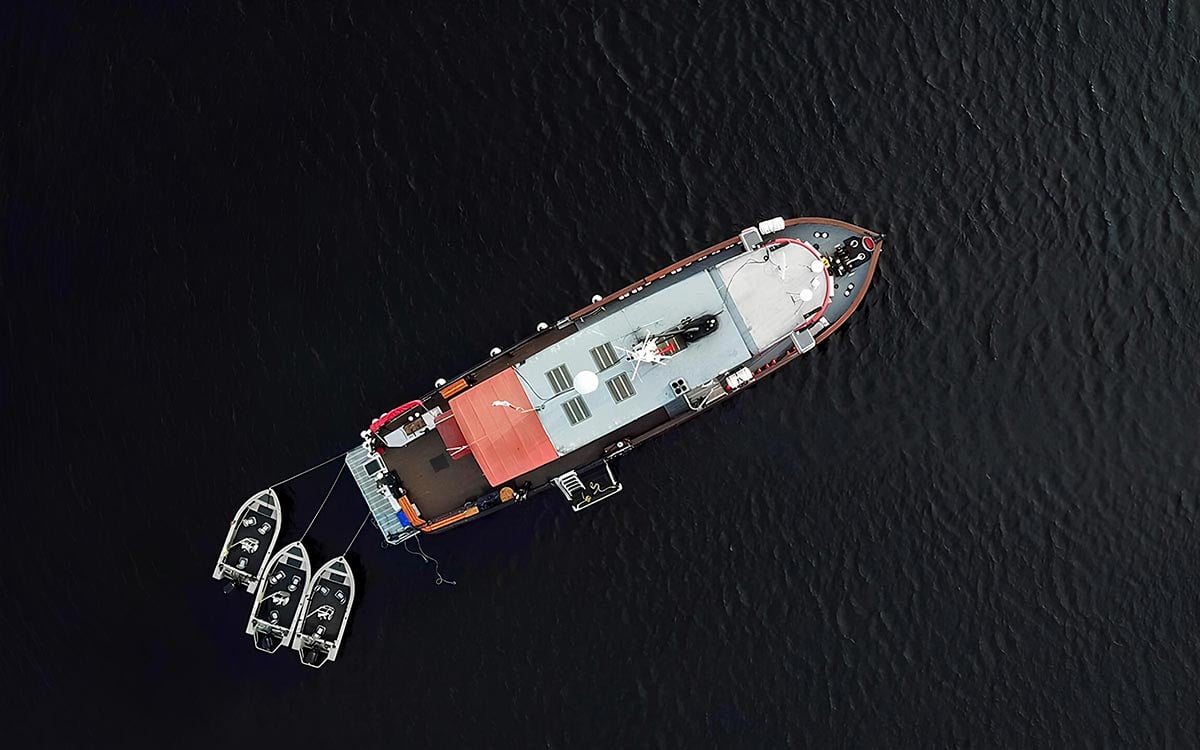
Anchored in sheltered water near the fishing grounds, the MV Driftwood serves as the on-water hub during the fishing day. The vintage wooden vessel provides lunch service, washroom facilities, and a central meeting point, allowing boats to remain on the grounds through the middle of the day rather than returning to the lodge.
A bar and enclosed deck offer a place to regroup between sessions, while a small number of onboard cabins are used for guests fishing the Driftwood program. Moored near Bird Rock during the day, the vessel keeps boats close to productive coastal water while extending time spent fishing.
Fishing Pressure, Spacing, and Water Management
Despite the size of the operation, boats at QCL are spread across different areas rather than working the same water together. Range and timing are used to keep boats moving between stretches of coastline, reducing repeated pressure on individual areas. Catch decisions are managed with the same care, with selective harvest encouraged and large Chinook commonly released to support future runs. This approach is one reason many guests return, with repeat visitors fishing fresh water through the week rather than cycling through the same locations.
Catch Care, Processing, and Taking Fish Home
Care of the catch is integrated into the fishing program at QCL. Complimentary standard processing includes cleaning, filleting, vacuum packing, and freezing fish for air transport home. Guests can also choose optional services such as portion-pack processing, smoking or canning, and home delivery. These options allow anglers to decide how their fish is prepared and transported without affecting time spent fishing during the trip.
Queen Charlotte Lodge offers a refined saltwater fishing experience shaped by conditions, access, and thoughtful on-water support, delivering consistent summer fishing in one of British Columbia’s most remote coastal settings.
To learn more about the fishing and express an interest, message Queen Charlotte Lodge.