Discover the best bonefish destinations, guided trips, and lodge-based experiences worldwide. Explore remote waters and world-class angling with expert local hosts.
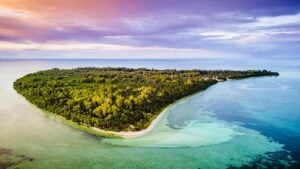
Outer Islands, Seychelles
Barracuda, Bonefish, Bumphead Parrotfish
South Andros, The Bahamas
Bonefish, Permit, Tarpon
Outer Islands, Seychelles
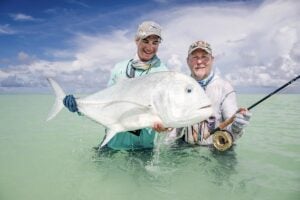
Barracuda, Bonefish, Giant Trevally (GT)
Abaco, The Bahamas
Amberjack, Barracuda, Bonefish
Yucatan Peninsula, Mexico
Barracuda, Bonefish, Grouper
Abaco, The Bahamas
Barracuda, Bonefish, Grouper
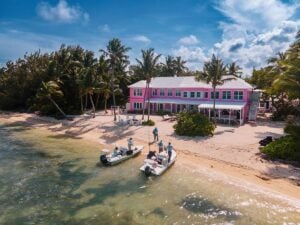
Mangrove Cay, The Bahamas
Barracuda, Bonefish, Snapper
No results available
Bonefish are built for speed and stealth — the defining quarry of the saltwater flats. From the Bahamas to remote Indian Ocean atolls, bonefishing is one of the most technical forms of saltwater fly fishing, demanding precision casting, tide reading, and sharp eyes.
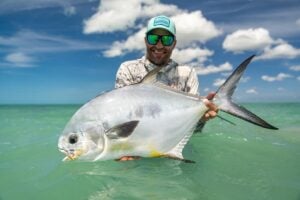
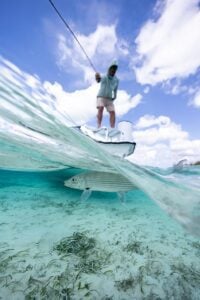
Bonefish (Albula vulpes) are the quintessential saltwater flats species, prized for blistering speed, wary behavior, and crystal-clear habitat. Found tailing in inches of water, they offer one of the most intense sight-fishing challenges in fly fishing. Anglers target them by stalking the flats on foot or from skiffs, placing precise casts to moving fish before they vanish.
Most bonefish average 2–5 lbs, with quality fish in the 4–7 lb range on productive flats and genuine trophies reaching 11–13 lbs on the best water at Andros and Acklins. Hawaii holds some of the largest bonefish anywhere — a different species complex from Atlantic fish — with double-digit fish a realistic target on Oahu and Molokai. Across all destinations, their keen vision and strong flight instinct demand refined presentations and confident timing.
The Bahamas holds more developed bonefishing infrastructure than anywhere else in the world. Andros alone covers more flats acreage than any other island in the Caribbean, and the guiding culture — particularly on the Bights — runs generations deep. The Bights system gives lodges on Mangrove Cay access to opposing tidal flows on the east and west sides of the island, meaning there is almost always fishable water within reach regardless of wind direction — a practical advantage unique to this fishery.
Fish in the 4–7 lb range are common on quality flats, with trophies to 11–13 lbs taken each season on Andros and Acklins. The remote West Side of Andros, known among serious anglers as the Land of the Giants, holds the highest concentration of double-digit fish in the Bahamas.
Mexico’s Ascension Bay and Chetumal Bay hold strong bonefish populations, often alongside permit and juvenile tarpon — a natural combination for varied days on the water.
Alphonse, Farquhar, and Cosmoledo offer some of the most pristine flats fishing water in the world. The species here is the Indo-Pacific bonefish — genetically distinct from Atlantic fish — and consistently runs larger, with fish averaging 4–6 lbs and double-digit specimens encountered regularly. These atolls are lightly pressured compared to more accessible Atlantic destinations, and fish behavior reflects it.
Extensive flats systems and protected marine areas make Belize a bonefishing stronghold. Well-suited to wade fishing or guided skiff trips from established lodges.
Legendary flats and technical fishing, particularly around Islamorada, Biscayne Bay, and Key West. Fish here tend to be larger and spookier — best suited to experienced anglers who can make accurate casts in wind.
Oahu and Molokai hold some of the largest bonefish anywhere. Shots at double-digit fish are realistic in challenging, low-pressure conditions.
Bonefish are uniquely adapted to the flats, with mirrored scales that reflect sand and sky. Strong fish make initial runs of 100 yards or more, pulling line deep into the backing in seconds. Their sensitivity to sound, shadow, and movement makes them one of the most demanding targets in saltwater fly fishing.
Success means reading tides, anticipating fish movement, and making fast, accurate casts. The window between spotting a fish and the cast landing is measured in seconds.
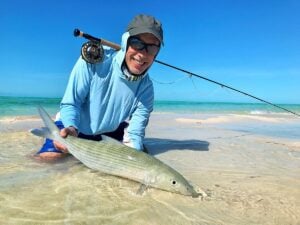
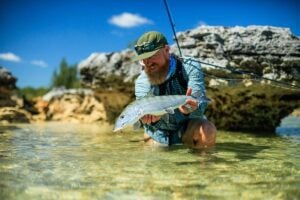
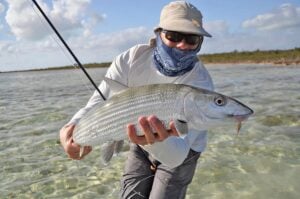
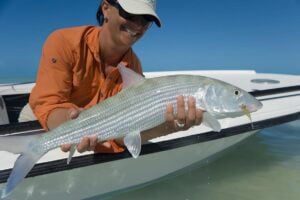
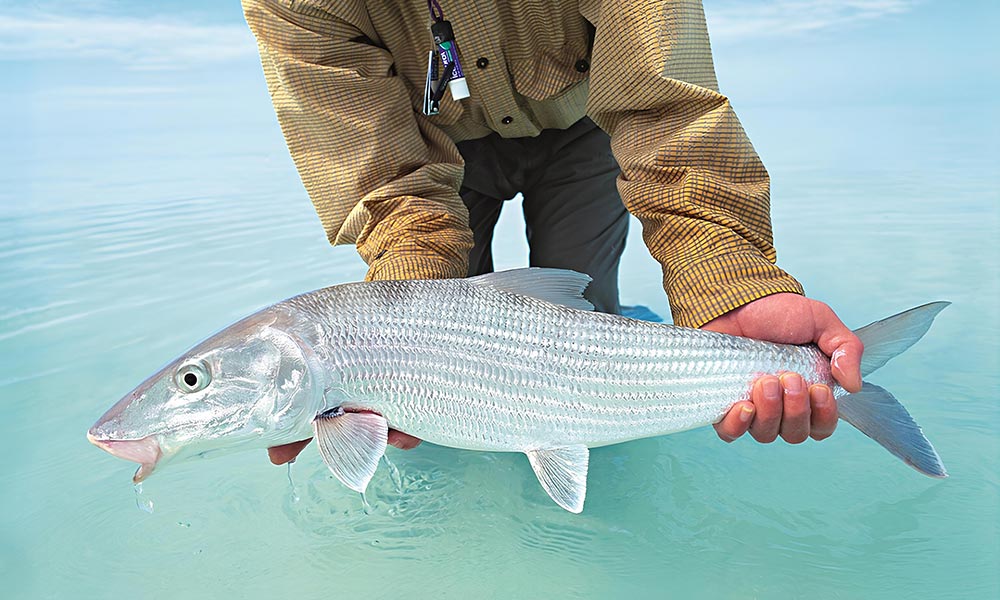
Bonefish have a sleek, silver body with a blue-green back and dark streaks running between the scale rows along the dorsal side — the coloring that makes them almost invisible against sand and turtle grass in clear, sunlit water. Their downturned mouth is built for rooting out crabs and shrimp from the bottom, and their narrow, tapered shape lets them move through inches of water without disturbing the surface. Tailing fish — tipped head-down with the tail breaking the surface — are the clearest visual signal on the flats.
Tides and sun angle are the primary variables. Incoming low tides often reveal tailing fish; falling tides concentrate bonefish in channels and flats edges.
FishingExplora connects you directly with top bonefishing lodges, guides, and outfitters worldwide. From classic flats lodges in the Bahamas to remote atolls in the Seychelles, our curated listings give you access to experienced guides and unpressured water. Contact lodges directly to plan your trip.
FishingExplora’s editorial content draws on lodge input, guide experience, published field reports, and independent research to help anglers make informed decisions about premium fishing destinations.
Bonefish are fast, nearly invisible in clear water, and alert to movement, noise, and shadow. On pressured flats they will spook at a misplaced cast or a boat pole touching the bottom at the wrong moment. Presentations need to land quietly, lead the fish correctly, and strip convincingly — and the window between spotting a fish and delivering the fly is often less than ten seconds.
An 8- or 9-weight saltwater fly rod is the guide-recommended standard. The Bahamas can be windy — particularly in winter and spring — and anything lighter becomes unreliable when casting at distance into a trade wind. Use a large arbor reel with at least 150–200 yards of backing. Polarized glasses and sun protection are essential for spotting fish on the flats.
The most effective bonefish flies imitate shrimp and small crabs. Crazy Charlies, Gotchas, Spawning Shrimp, and Bonefish Bitters are widely relied upon across Atlantic and Indian Ocean fisheries. Weight and color should match local conditions — tan, pink, and olive cover most tropical flats situations, with lighter, less weighted flies for skinny water where fish are easily spooked by a hard landing.
Yes. In many locations, bonefish share the flats with permit, tarpon, and snook. The Bahamas, Mexico, and Belize are particularly good for mixed-species days. In the Seychelles, triggerfish, bluefin trevally, and GT are additional flats targets depending on the atoll and the program.
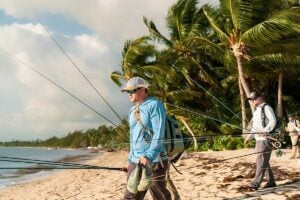
Both work well and the best guides use both strategically. Wading offers stealth and precision in firm-bottomed, shallow flats — ideal when fish are tailing in skinny water. Skiffs allow access to a wider range of water and provide elevation for spotting fish at distance, which is the advantage on deeper or soft-bottomed flats where wading isn’t practical.
The Bahamas is the most developed destination, with more flats acreage and guiding infrastructure than anywhere else. The Seychelles — particularly Alphonse, Farquhar, and Cosmoledo — offers remote fishing with large, lightly pressured fish. Mexico’s Yucatán coast is the best option for combining bonefish with permit and tarpon in a single program.
Scale, guiding depth, and tidal access. Andros has more fishable flats than any other island in the Caribbean. The Bights system on the central island gives guides access to opposing tidal flows — when one side is unfishable due to wind, the other is typically productive. Guide families on Mangrove Cay have been reading these tides for three and four generations. The remote West Side, lightly fished by comparison, consistently produces the largest fish — double-digit bonefish that are a realistic rather than exceptional target for anglers prepared to seek them out.
The Bahamas fishes well year-round, with the strongest windows from October through June. March through May offers a combination of good weather and active fish. December through February brings larger fish and fewer calm days — good fishing, but anglers should be prepared to cast in wind. Timing varies by destination — the Seychelles and Yucatán each have distinct seasonal windows driven by weather and tidal patterns.
We use cookies to improve your experience and enable key features on the platform. You can choose which cookies to allow. Some features may not work fully without consent.