
Alphonse Island and the St Francois Atoll System
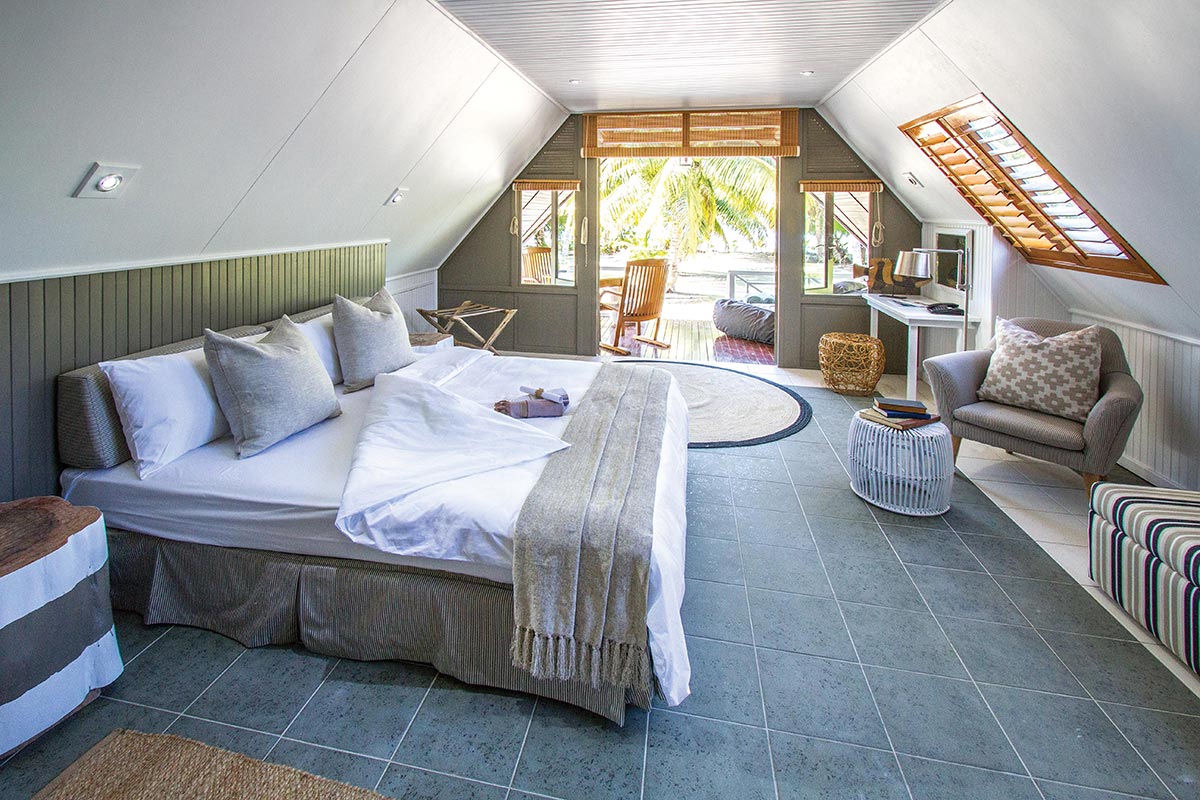
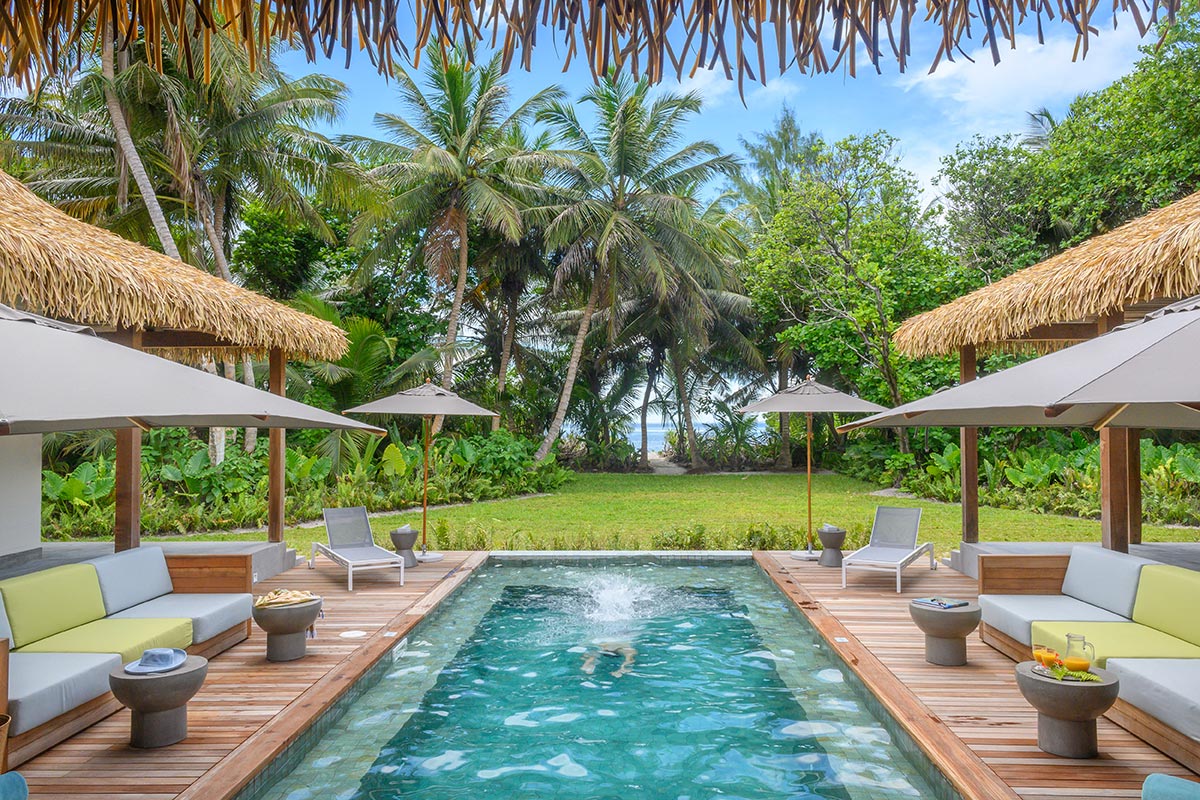
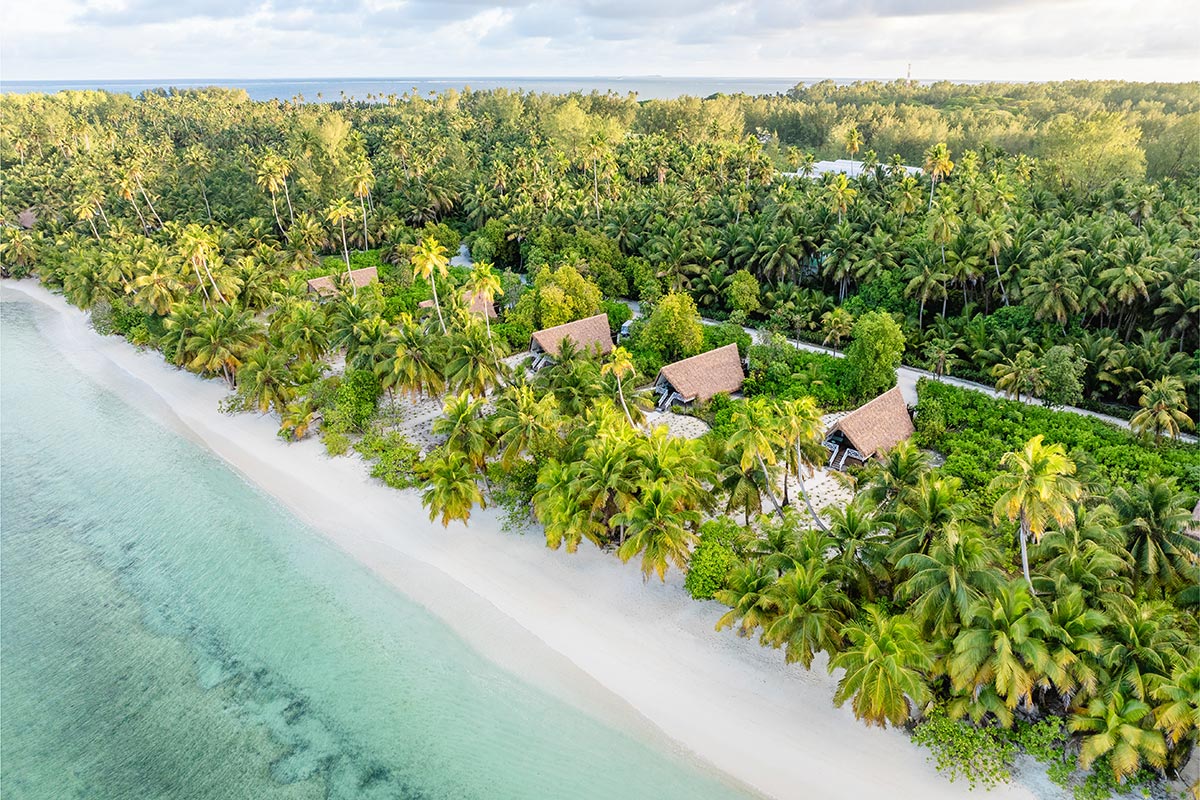
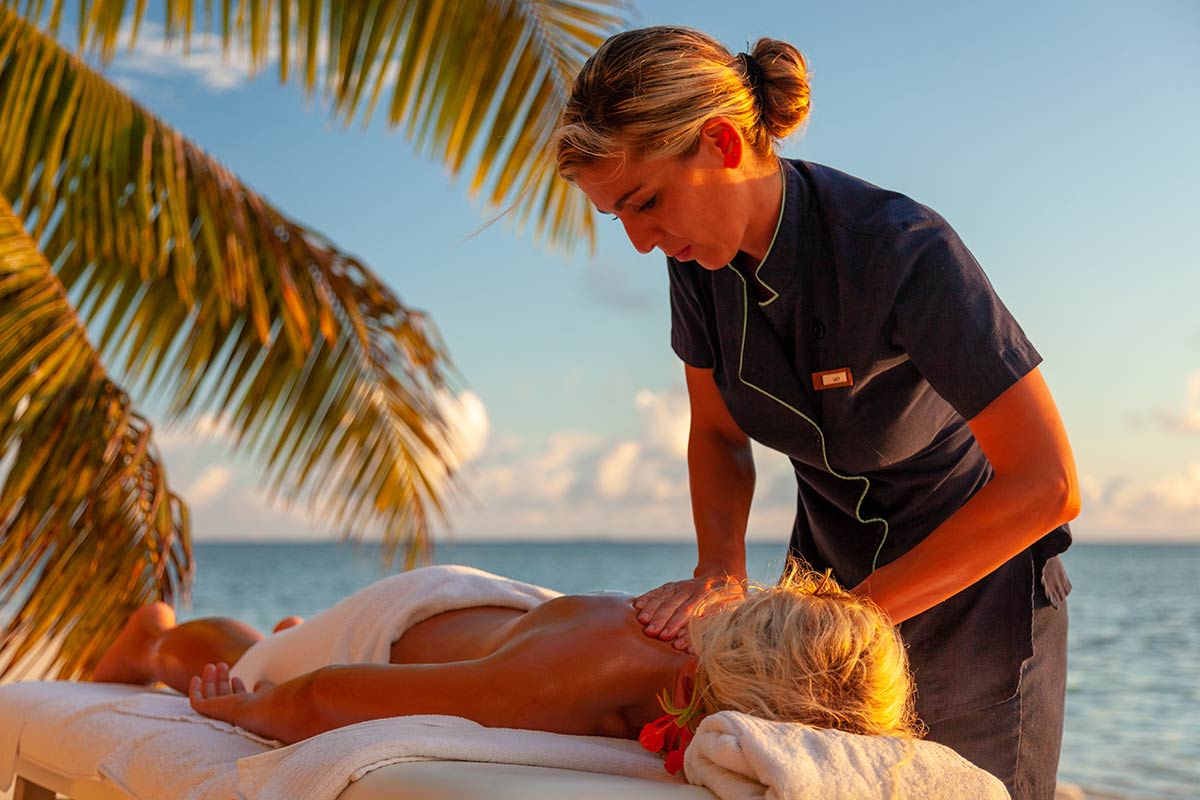
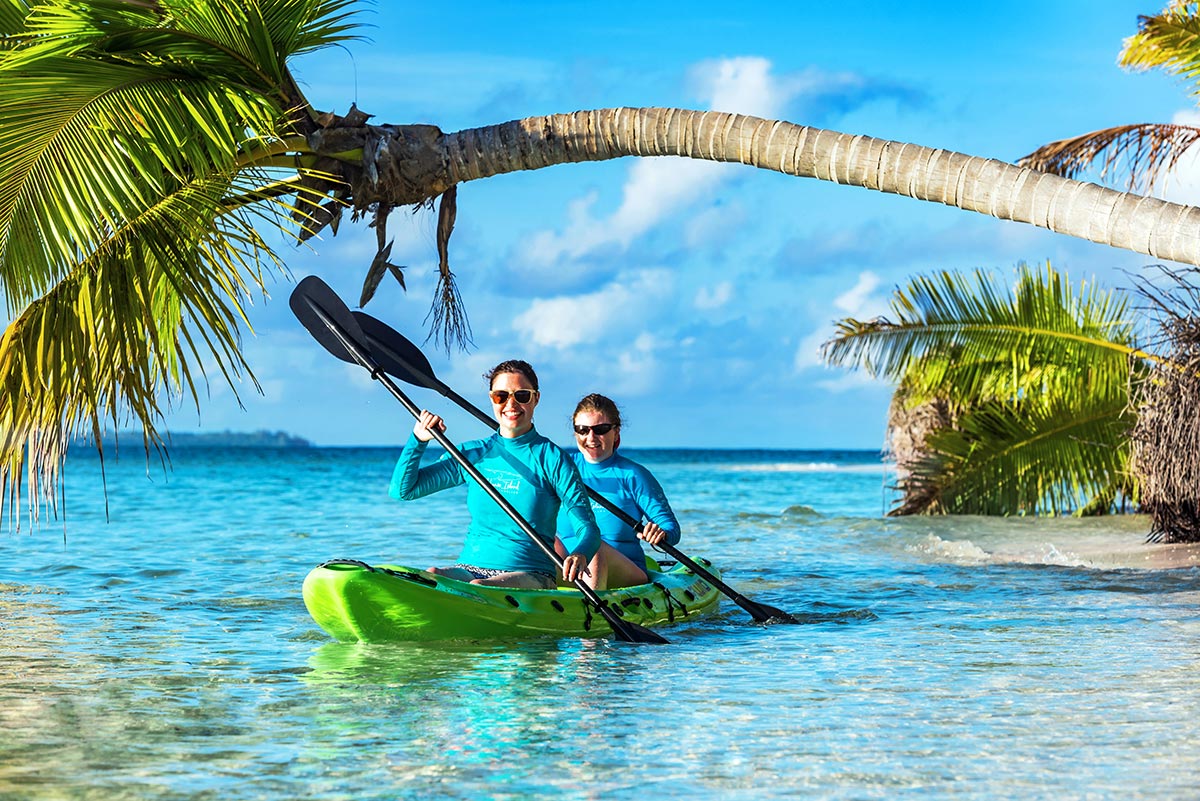
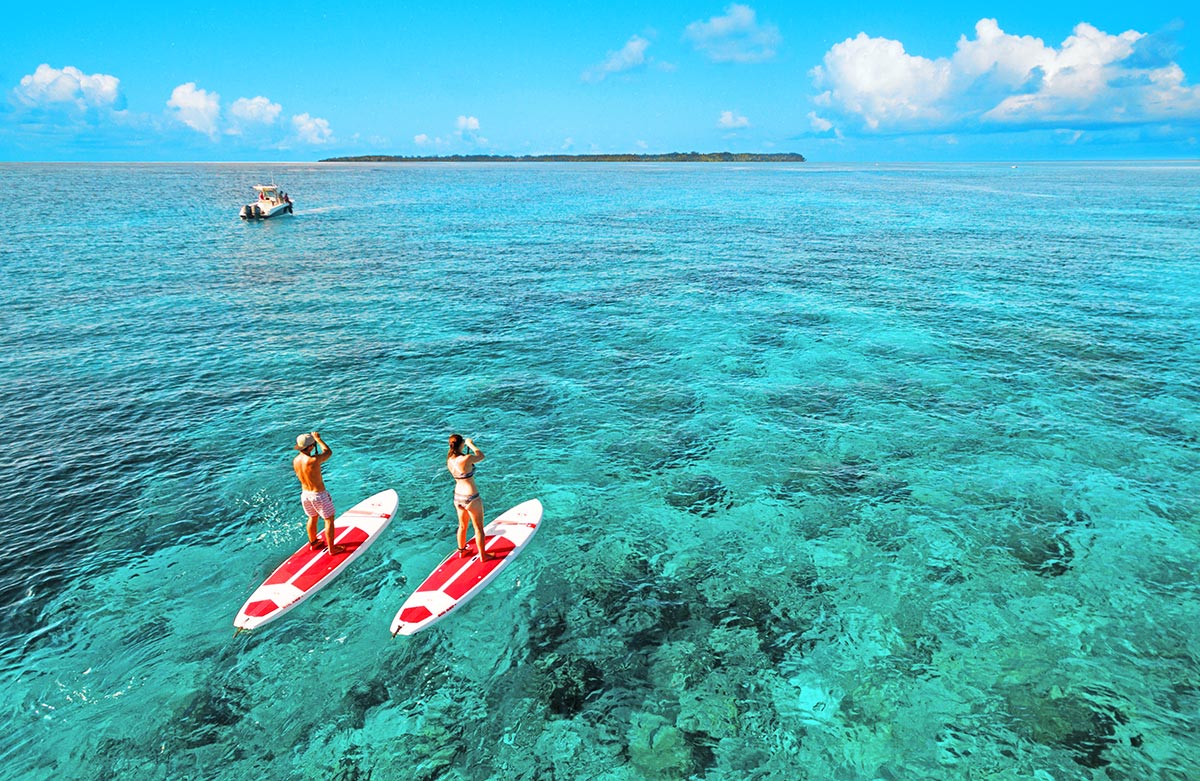
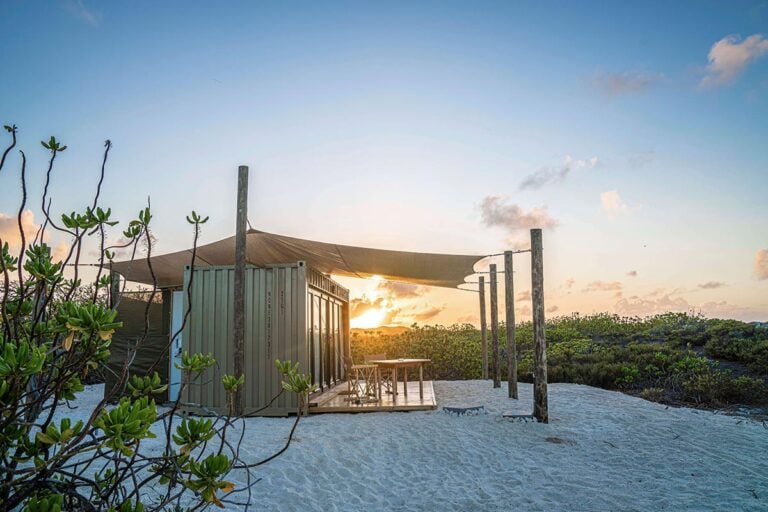
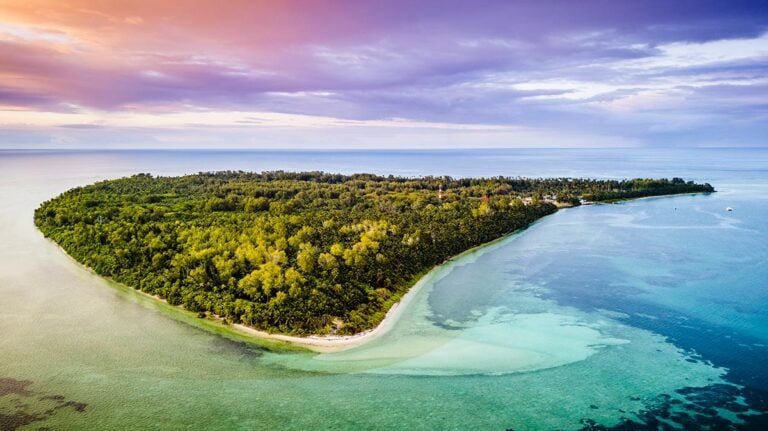
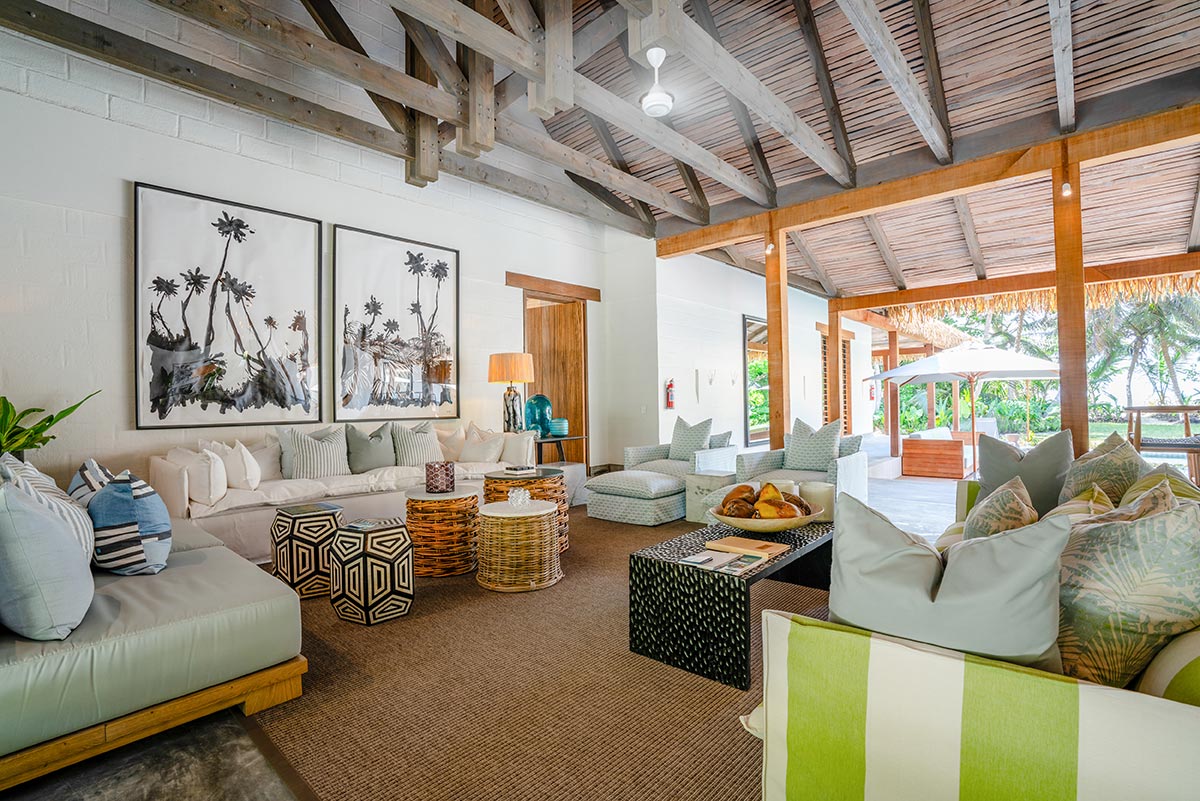
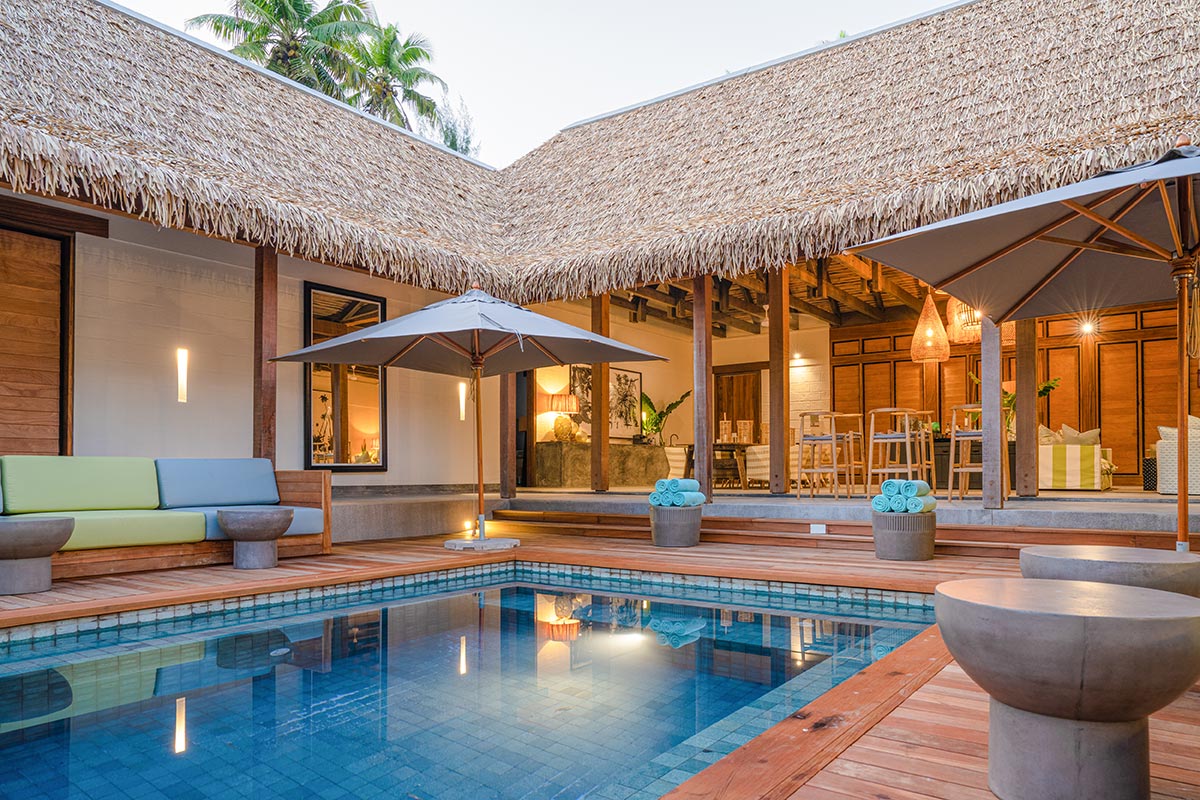
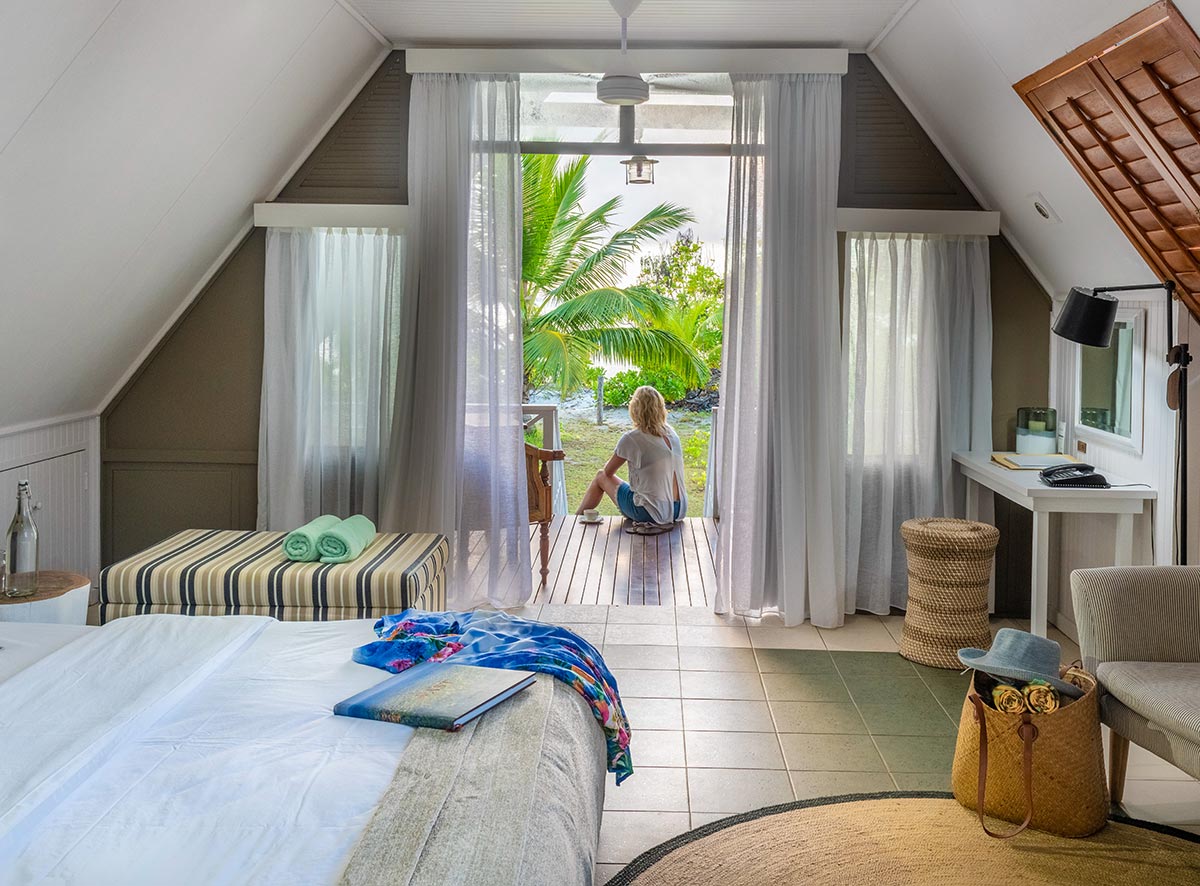
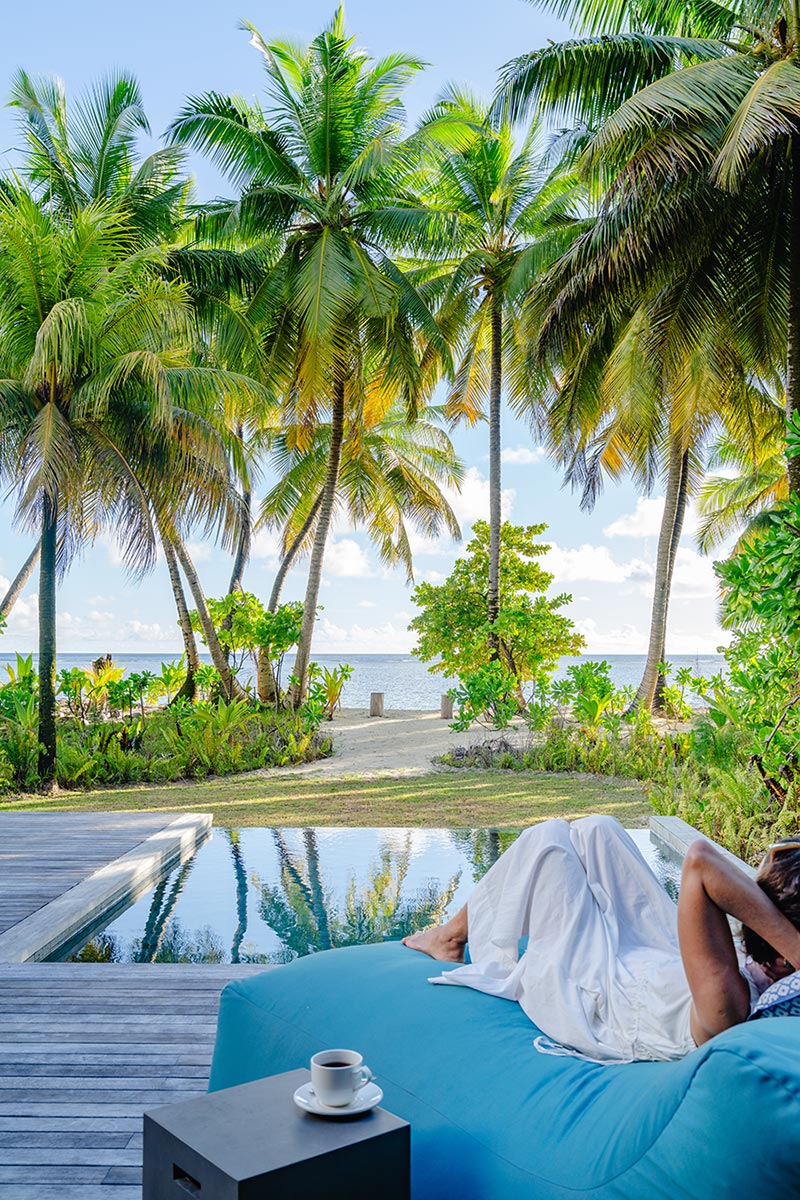
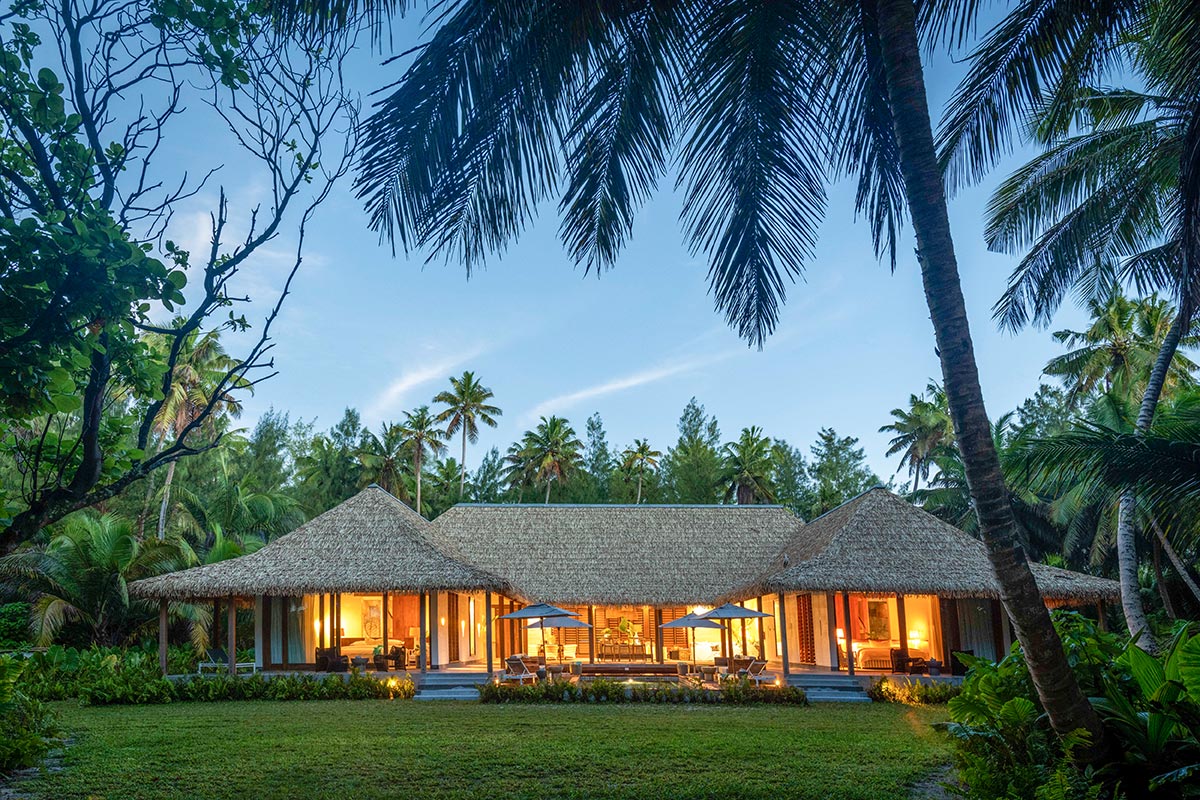
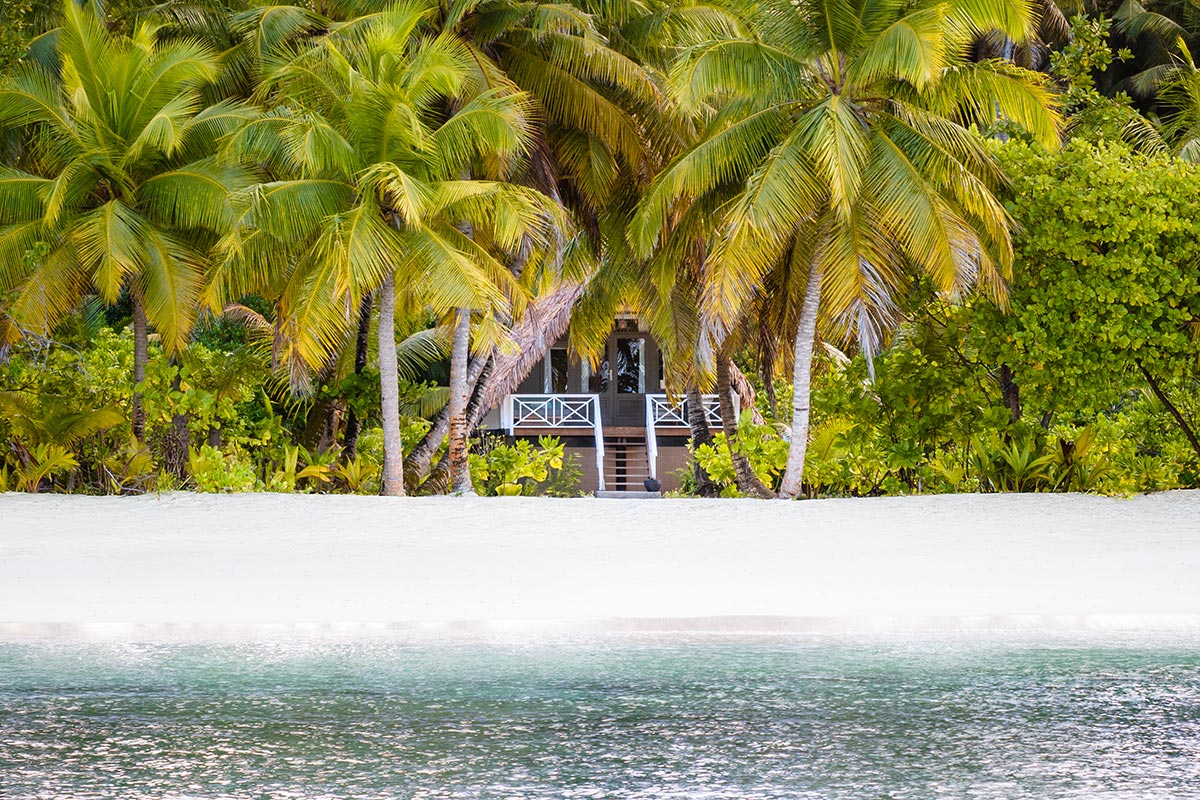
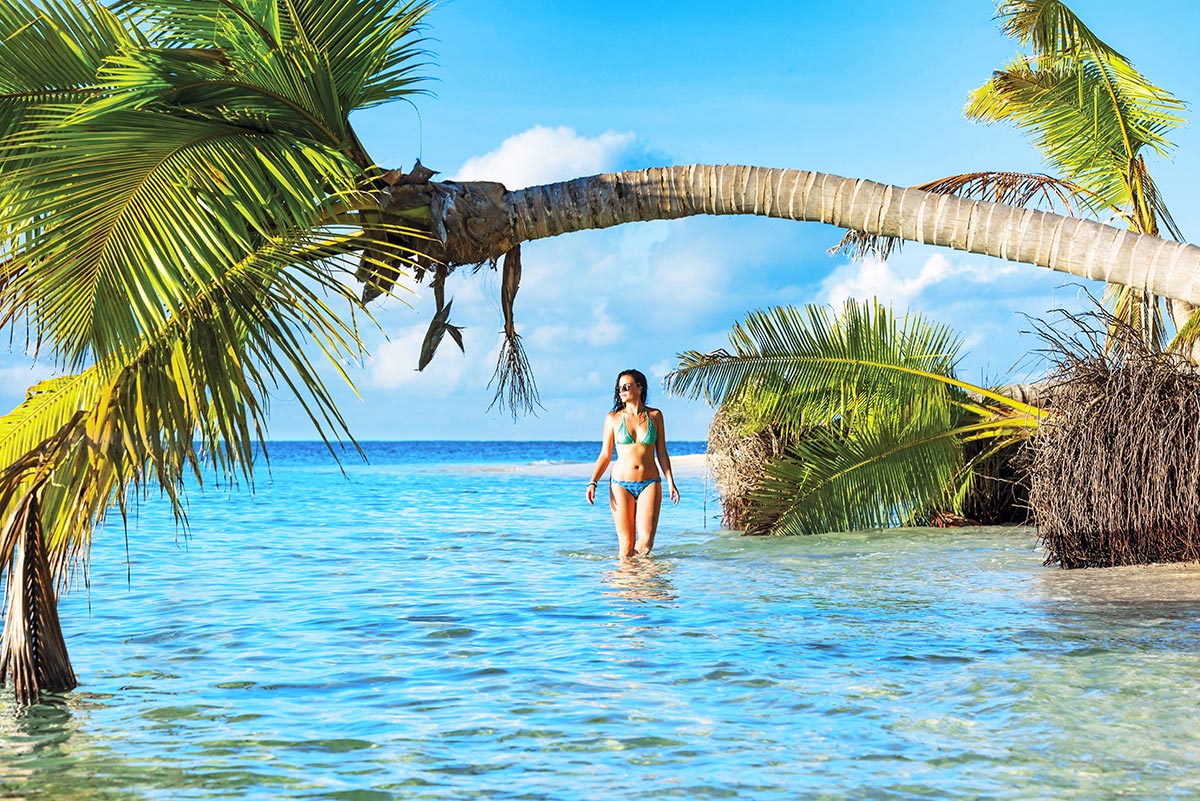
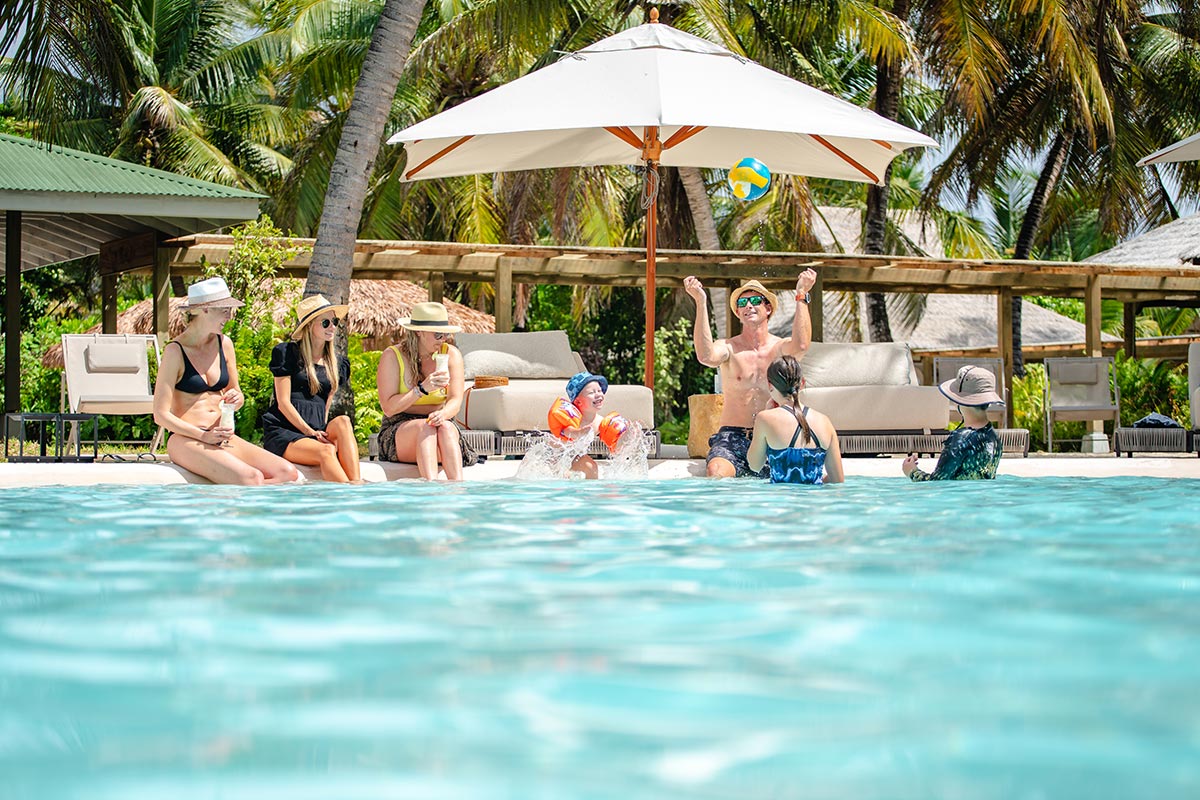
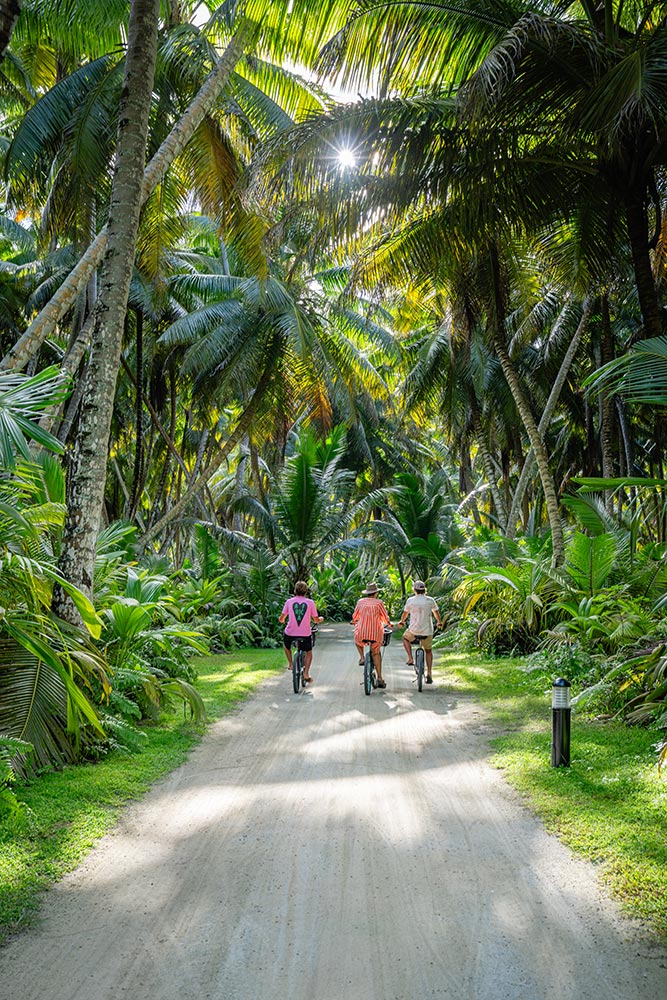
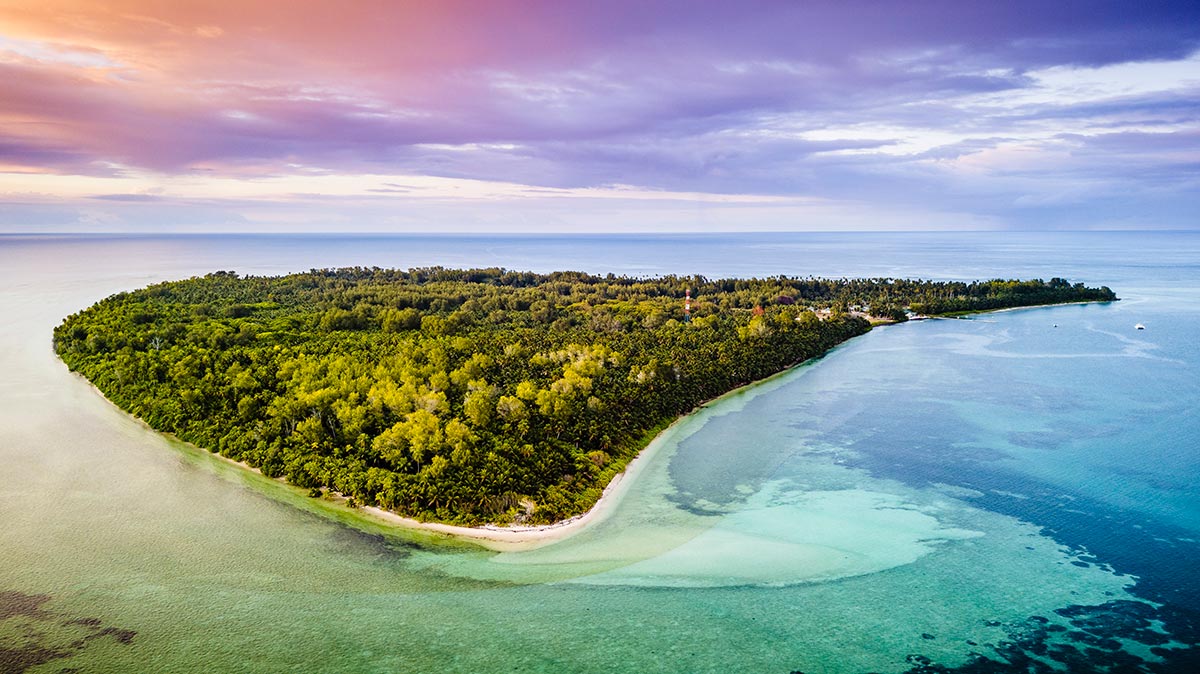
Alphonse Island lies deep in the southern Outer Islands of the Seychelles, an hour’s flight from Mahé and only a short crossing from St Francois and Bijoutier. The resort occupies its own coral island and offers several high-end accommodation options—from Beach Bungalows set among palm groves to larger Beach Villas and multi-bedroom Retreats—providing a comfortable base before and after long days on the flats.
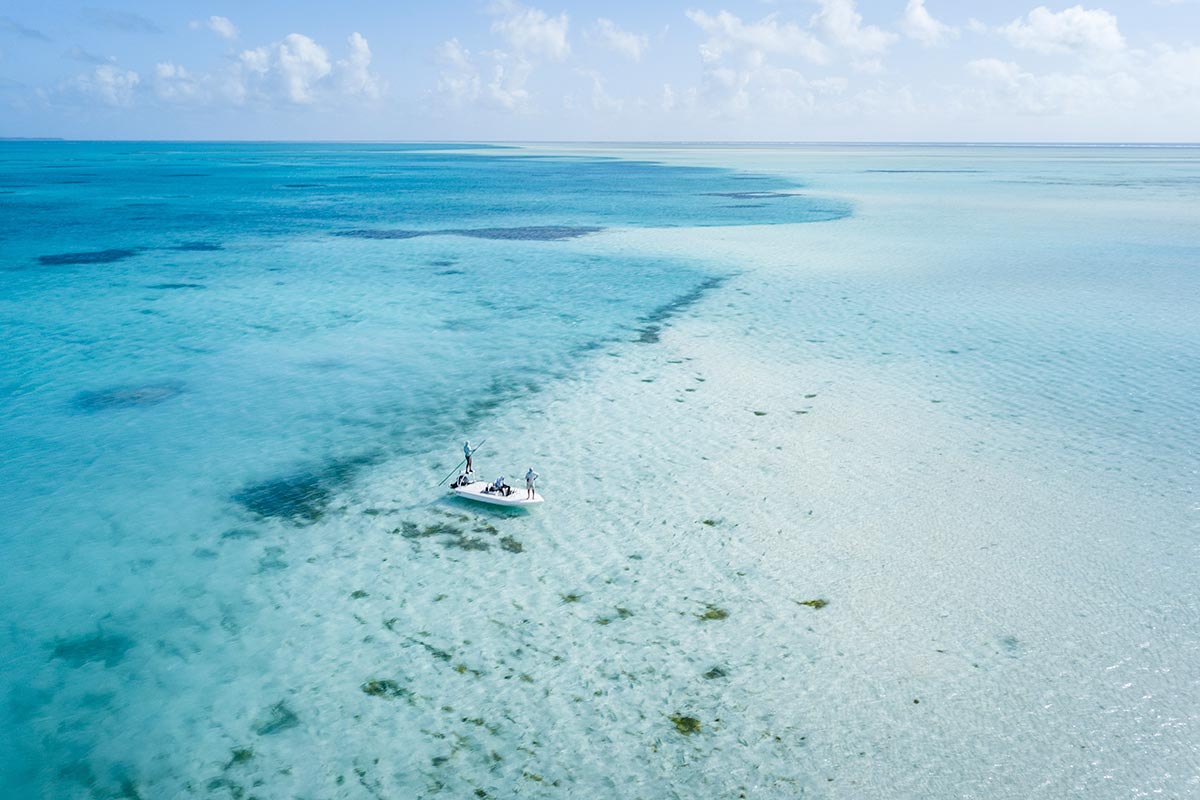
All fishing takes place on nearby St Francois Atoll, a broad system of hard-sand flats, lagoon edges, and coral structures. This separation between a resort base and a dedicated fishing atoll defines the week: early departures from Alphonse, long wades on St Francois, and evenings back on the island’s quiet shoreline.
Alphonse and St Francois – Fishery Overview
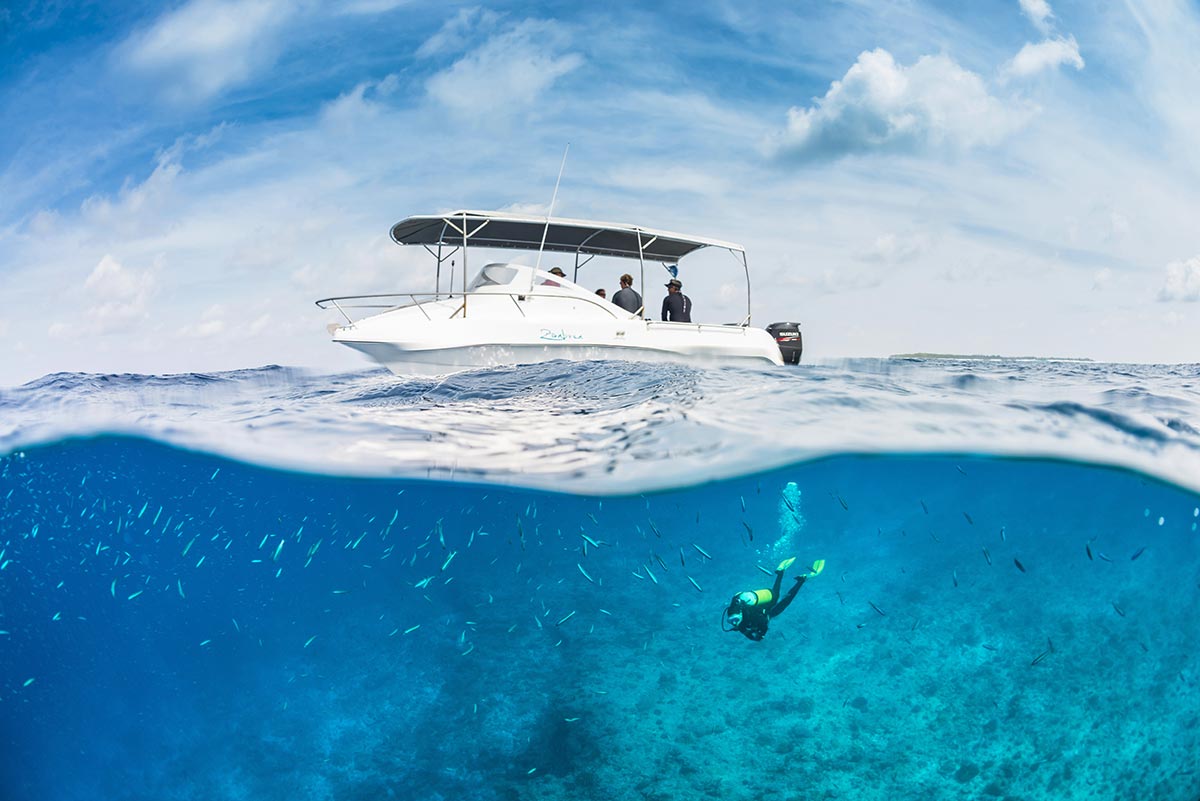
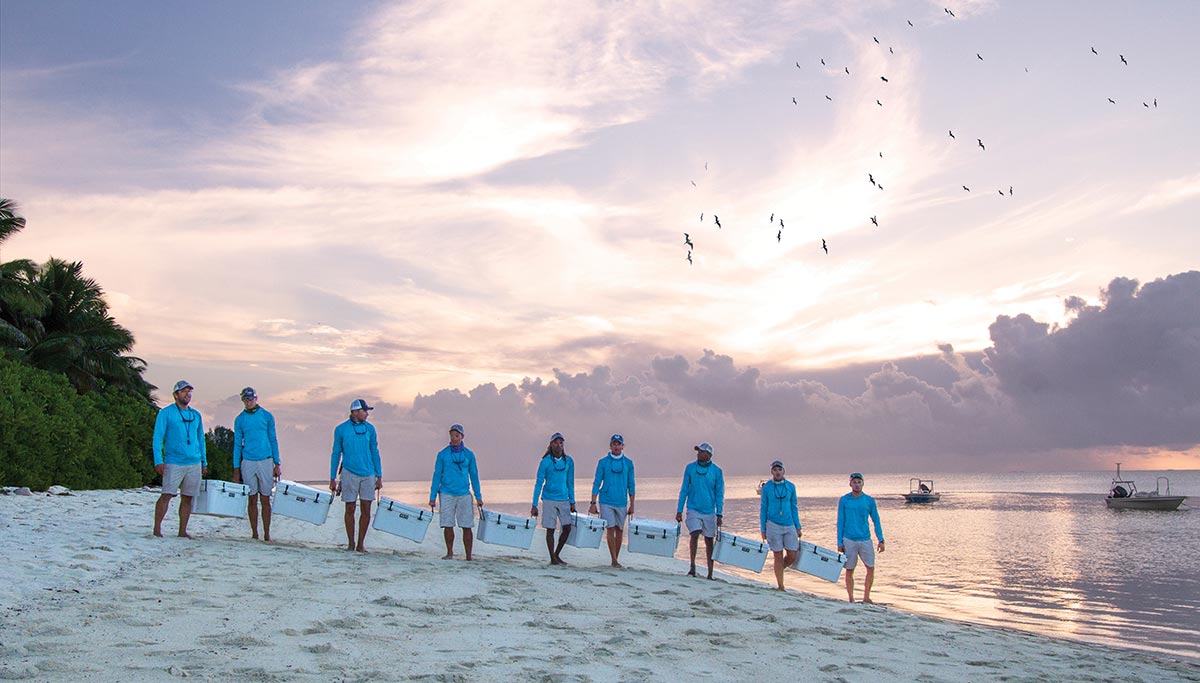
The Alphonse program combines well-organised logistics with a large, lightly pressured atoll. Days begin at the fishing centre before anglers board the mothership—a large transfer vessel used to reach St Francois and launch the skiffs—for the 40-50 minute run to St Francois. After skiffs are launched, teams spread across the atoll to work flats, channels, island contours, and deeper edges depending on tidal movement and light.
With a strict limit of just twelve anglers per day spread across the atoll’s 10,000 acres of flats, pressure remains low and the fishery offers predictable fishing throughout the season. The atoll’s strength lies in its consistency—steady bonefish action, meaningful opportunities for permit and trevally, and the longest-running milkfish program in the Seychelles.
Flats Layout, Water Movement and Wading
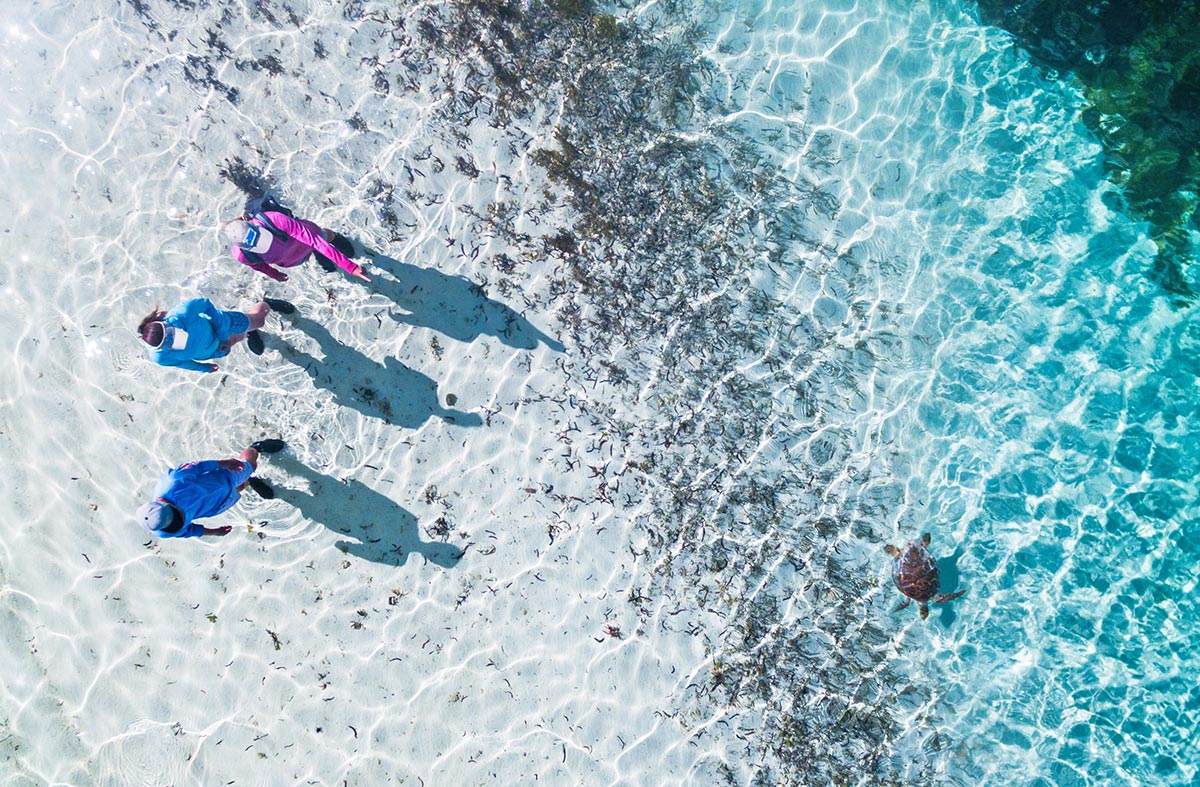
St Francois is shaped by firm white sand, shallow basins, and a network of channels that empty and flood the system. The atoll’s layout produces long wading sessions on low tide, while the first push of rising water brings fish along island edges, back-reef contours, and the tips of finger flats.
Guides work the atoll as a series of tide-dependent areas rather than fixed sectors. They anticipate how water will shift across specific structures and position anglers accordingly—intercepting fish leaving the flats on falling tides or targeting new arrivals pushing into shallower terrain as water rises. This nuanced tide reading is central to the fishery and one reason experienced anglers return.
Bonefish on St Francois
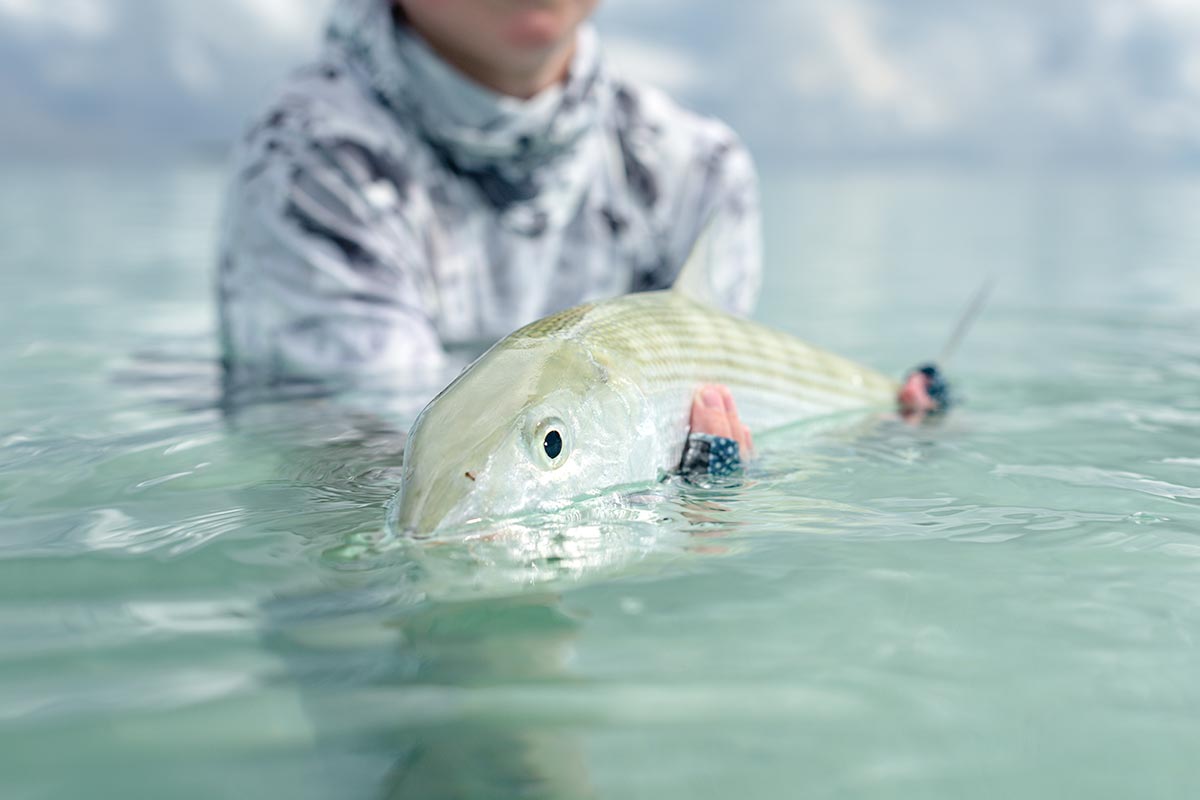
St Francois holds the Seychelles’ most reliable and approachable bonefish population, and it remains the cornerstone of the Alphonse program. The atoll sees strong numbers of school-sized fish on most tides, giving anglers steady action and plenty of shots while wading. These groups of bonefish move predictably across the flats as water drains, creating clear intercept lanes and long, visual shots in open sand.
Larger bonefish—solid four- to six-pound fish and occasional bigger singles—spread out over turtlegrass and mixed coral-sand bottom, particularly on brighter, calmer days. These fish demand cleaner presentations and reward patience, offering more technical sight-casting than the schools provide.
Average returns run around a 12-15 bonefish per angler per day, with experienced anglers often putting up significantly higher numbers when conditions line up.
What separates St Francois from many other Indian Ocean bonefish destinations is the balance: reliable numbers, good-sized fish, and the ability to target them entirely on foot. For anglers looking for a dependable tidal program with both action and the chance for trophy catches, bonefishing remains one of the strongest reasons to fish Alphonse.
Milkfish and Offshore Options
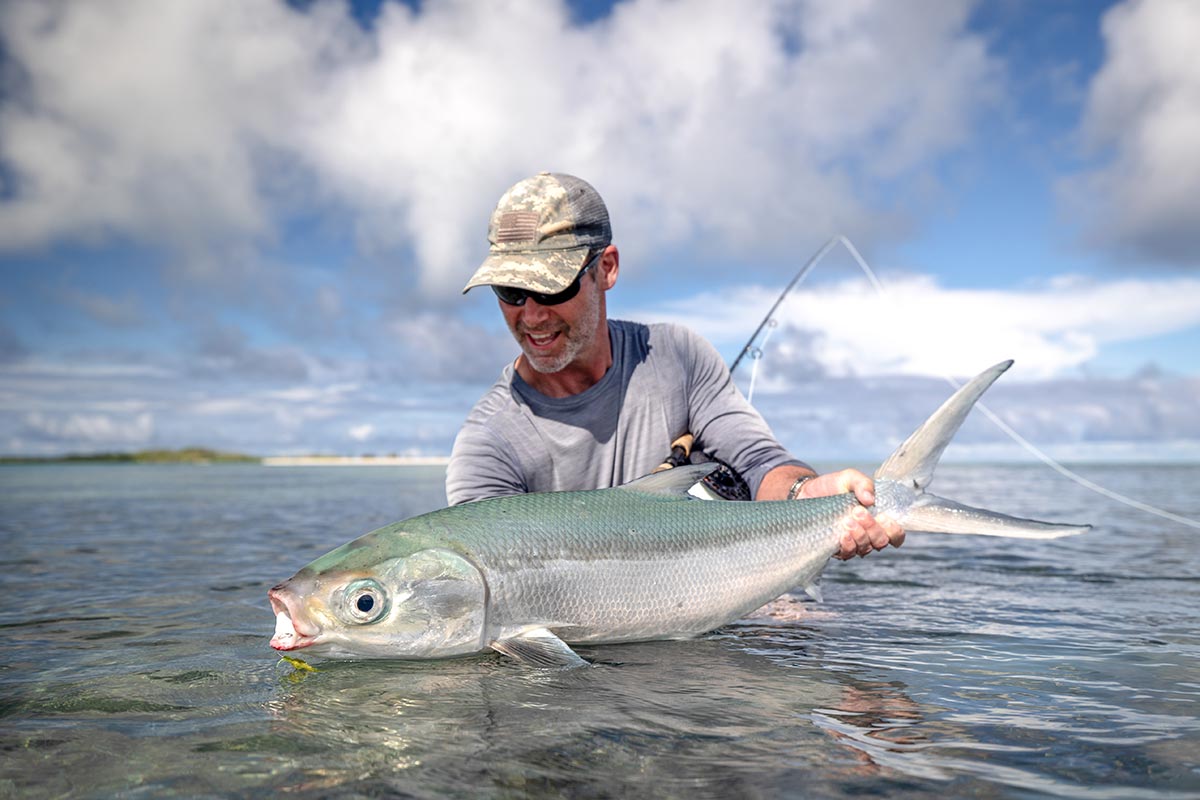
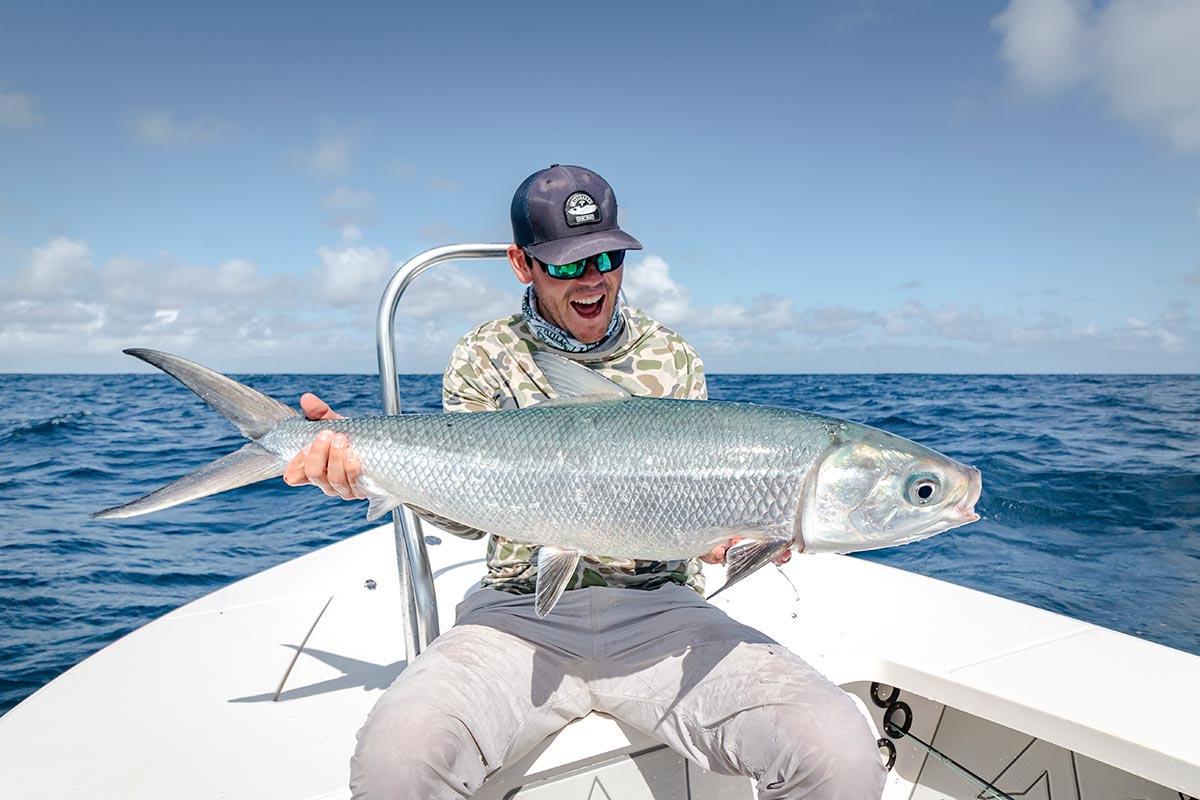
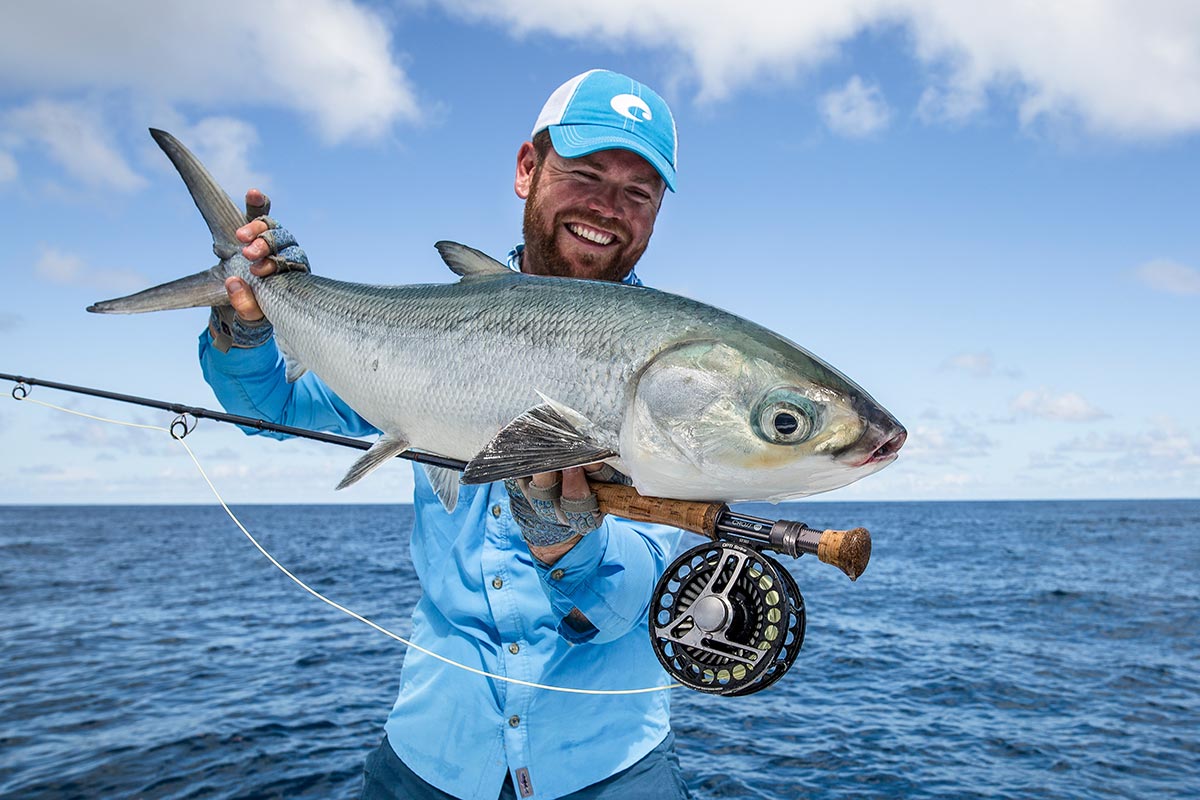
Alphonse is a cornerstone of modern milkfish fishing. When plankton slicks form, guides focus on current seams and channel edges where milkfish graze in the upper water column. Success requires well-timed shots, accurate drifts, and specialist milkfish patterns, usually algae and plankton imitations developed specifically for the Seychelles. Despite the challenge in catching these fish, St Francois remains one of the few places globally where milkfish can be targeted deliberately throughout a season.
When conditions allow, offshore edges around Alphonse, St Francois, and Bijoutier offer shots at sailfish, wahoo, yellowfin tuna, dogtooth tuna, and dorado from purpose-built vessels. In contrast, the lagoon and flats remain fly-only and catch-and-release to protect the atoll’s inshore stocks.
Permit, Triggerfish and Other Flats Species
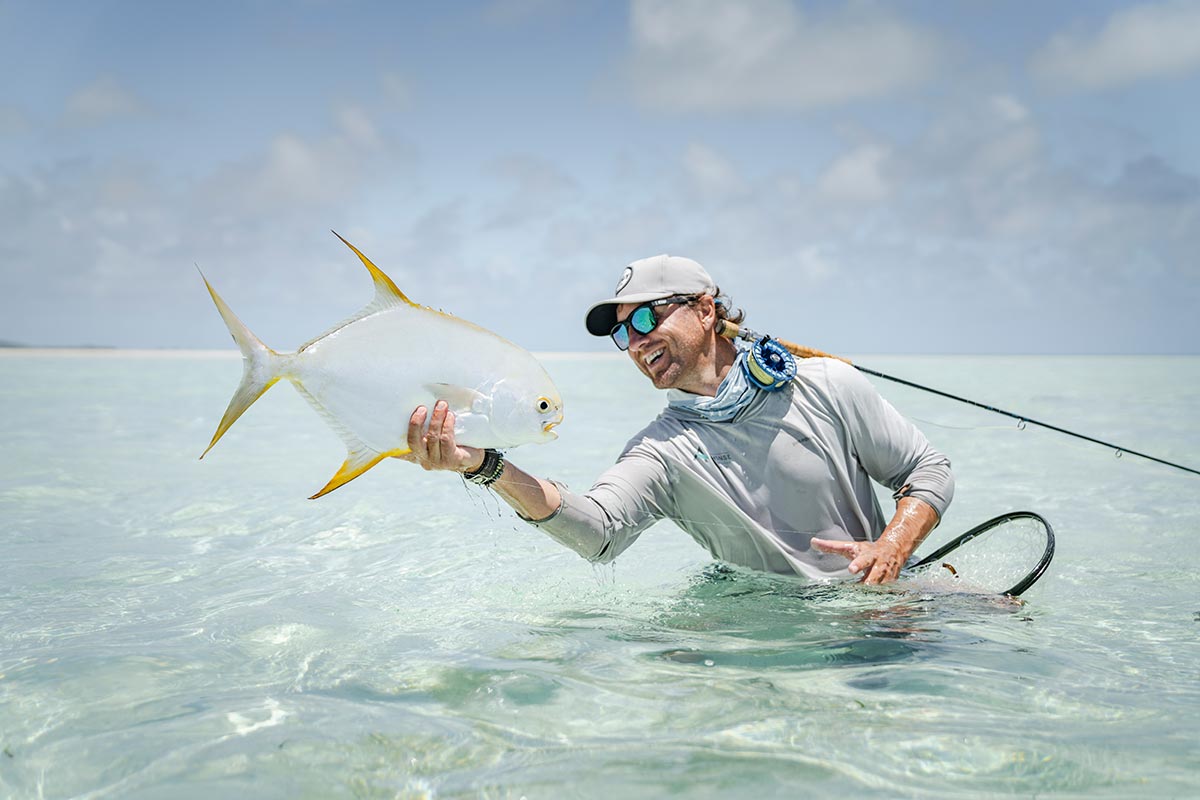
Indo-Pacific permit feature across open sand, coral tongues, and shallow lagoon margins. Opportunities may be selective but reward experienced anglers who recognise movement patterns, adjust angles quickly, and present flies cleanly. Local guide knowledge—built over many seasons—is key to identifying these brief windows.
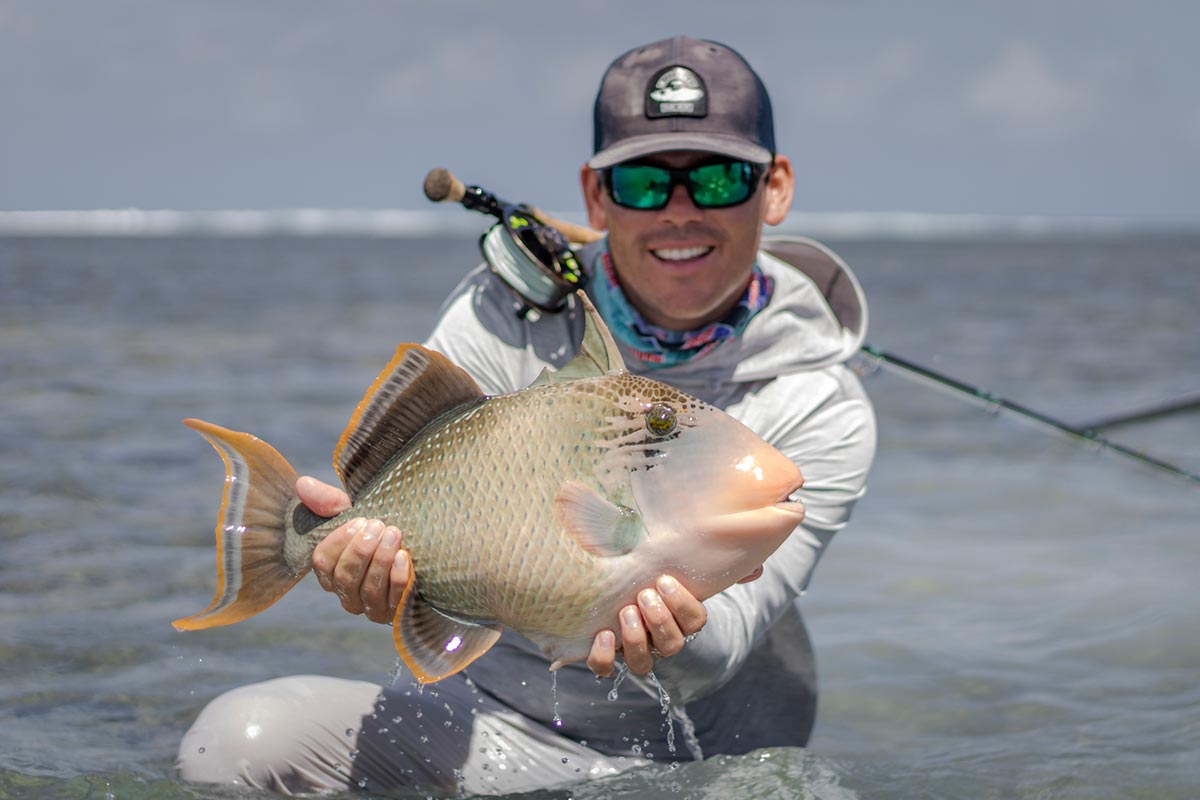
Triggerfish—moustache, yellowmargin, and Picasso—tail boldly across coral plates and turtlegrass. They demand quiet wading, accurate casts, and patience as they shift between small patches of feeding water. Alongside these marquee species, anglers routinely encounter bluefin, brassy, golden, and yellowdot trevally, as well as barracuda and reef fish when conditions change.
Giant Trevally and Trevally Species
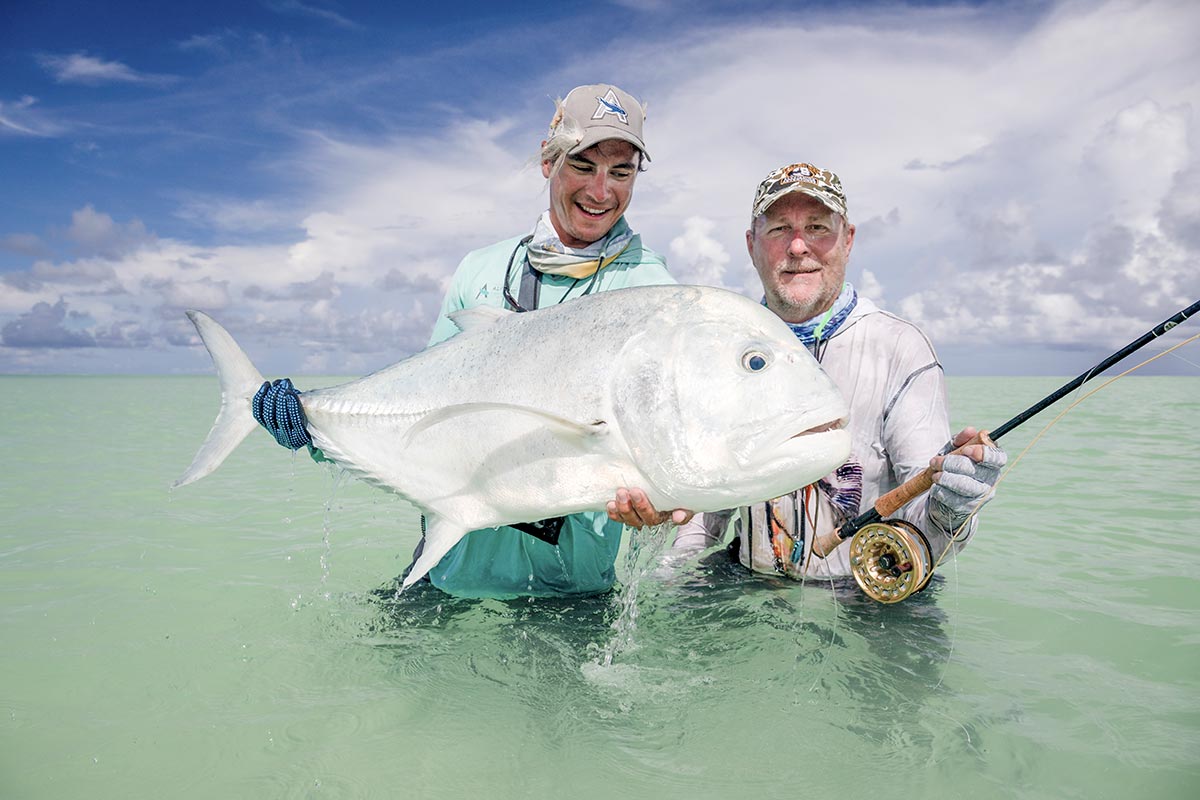
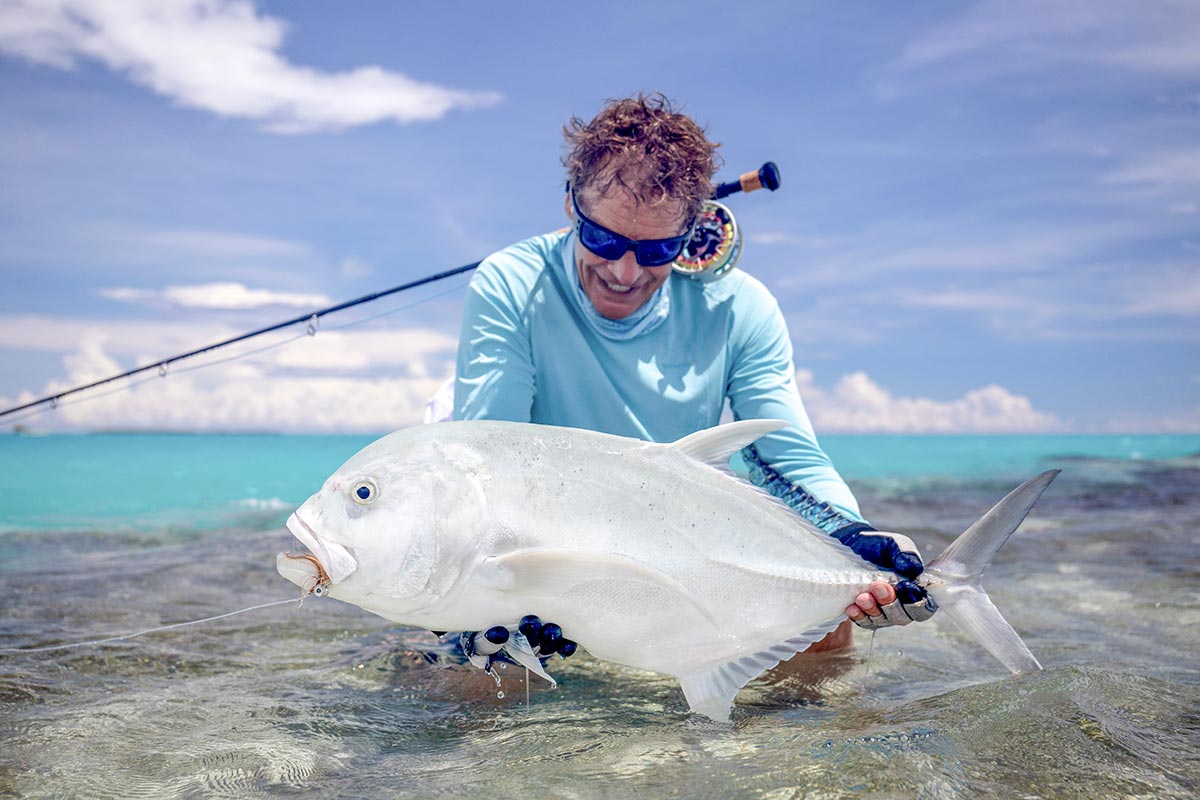
Giant trevally are present across St Francois in moderate but consistent numbers. A seasonal average of roughly ten GTs per program week reflects a varied fishery rather than a GT-specific operation. Most encounters are visual—fish moving between reef and lagoon, pushing wakes along edges, or hunting bonefish traffic over shallow sand.
Anglers focused primarily on GT volume may want to consider Cosmoledo Eco Camp, where GTs dominate the fishery. Alphonse, by contrast, offers a more balanced program built around bonefish reliability, targeted permit and triggerfish sessions, bluefin trevally action, and a proven milkfish season.
Bluefin trevally provide regular opportunities across the atoll—fast, aggressive, and ideal for lighter tackle.
Daily Program and Tides
The program runs on tide timing rather than a fixed location itinerary. After breakfast, anglers meet at the fishing centre before travelling to St Francois on the mothership. Two anglers per guide and skiff then spread out across the atoll, shifting positions throughout the day as water levels and light change.
Guides adjust plans continuously—working drains on falling water, island margins on rising tides, or coral edges when species behaviour changes. The return crossing to Alphonse in the late afternoon brings anglers back to the resort with time to enjoy the island setting and amenities while preparing for the following day.
Guides, Skiffs and Conservation
Guides live full-time on Alphonse and have extensive experience reading the subtleties of the atoll. All are qualified skippers operating shallow-draft skiffs suited to flats, channels, and reef contours. Constant communication helps distribute pressure and locate productive water efficiently.
The fishery is tightly regulated: fly-only and catch-and-release inside the atoll, restricted angler numbers, and long-running tagging programs for GTs, milkfish, and other species. The Island Conservation Society conducts ongoing monitoring that supports habitat protection and long-term fishery health.
From a luxury resort base to vast wadeable flats, Alphonse offers a tide-led program built on bonefish consistency, technical permit and trevally water, and a well-established milkfish season.
To learn more about the fishing and express an interest, message Blue Safari Fly Fishing.