
Cosmoledo’s Location and Fishing Overview
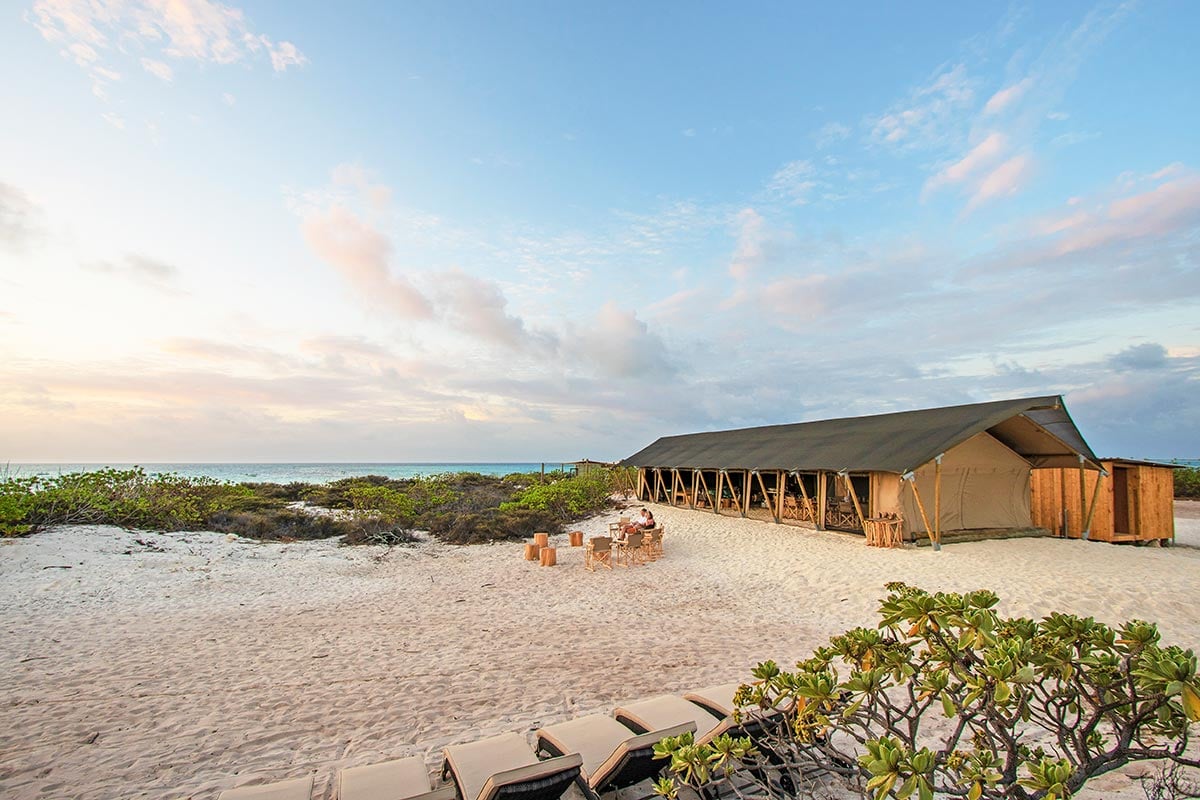
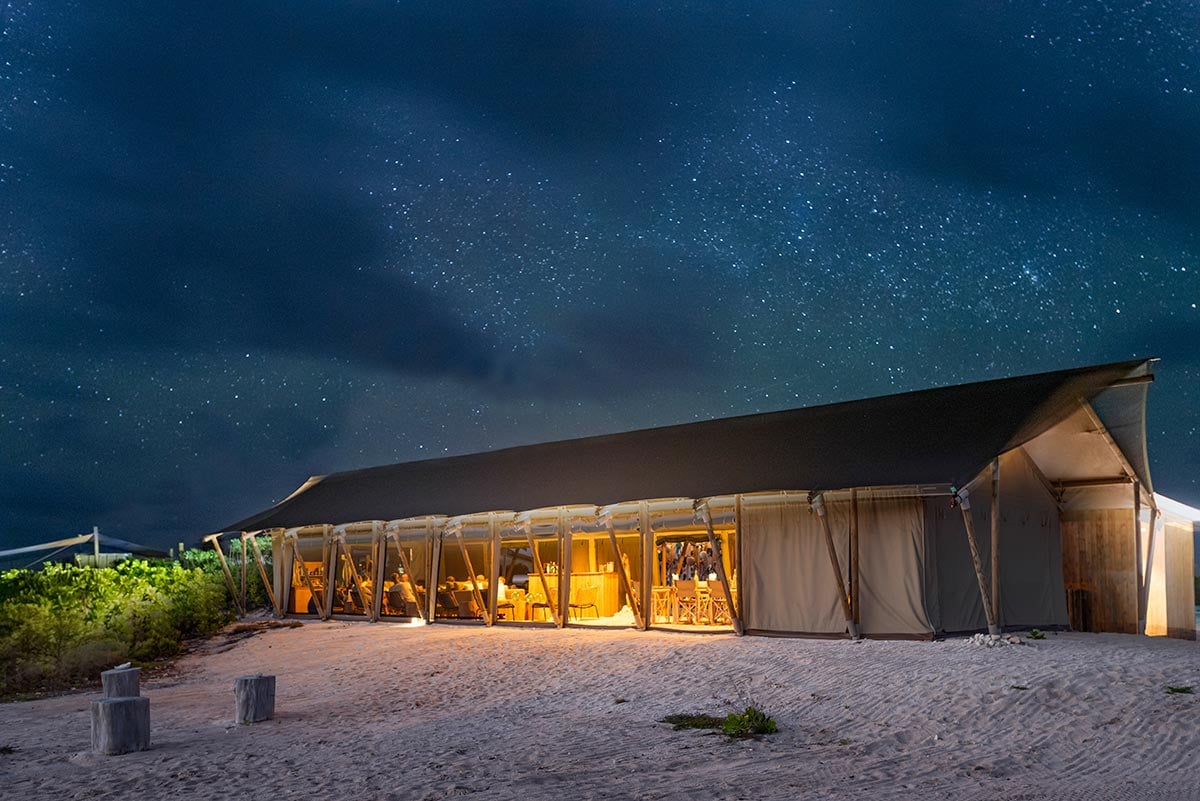
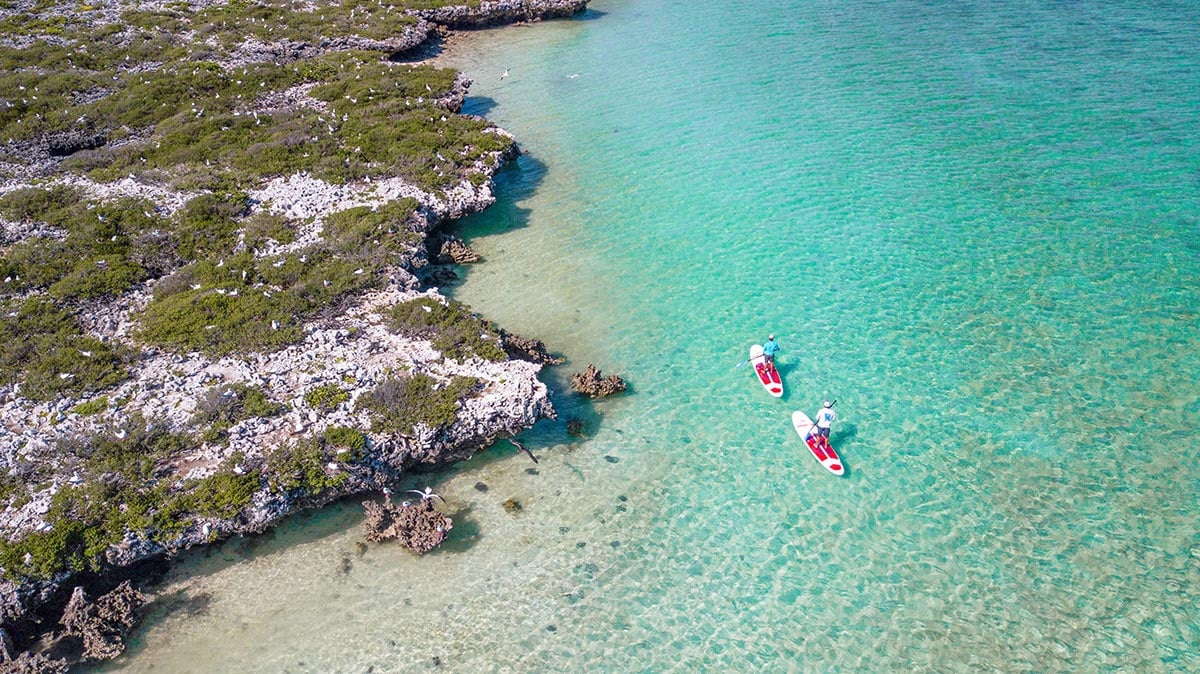
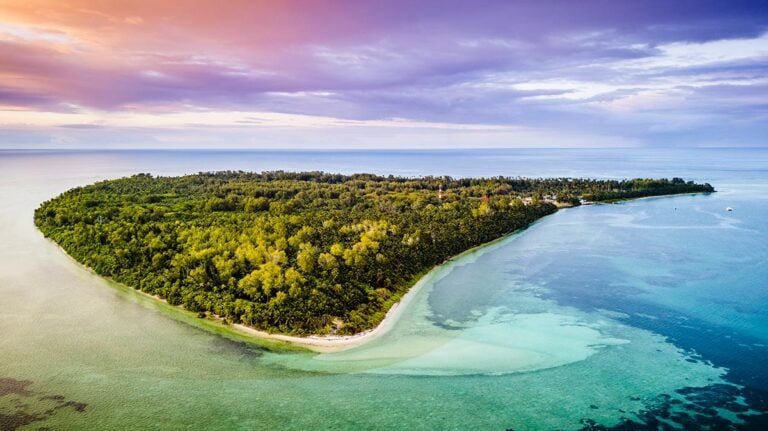
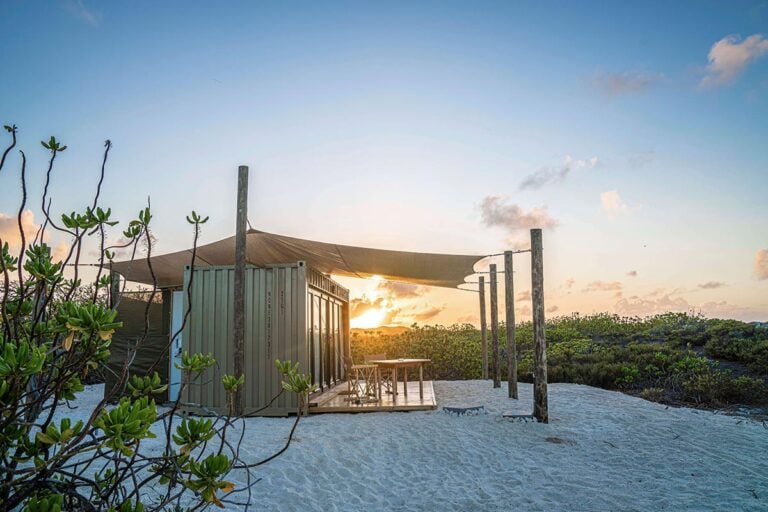
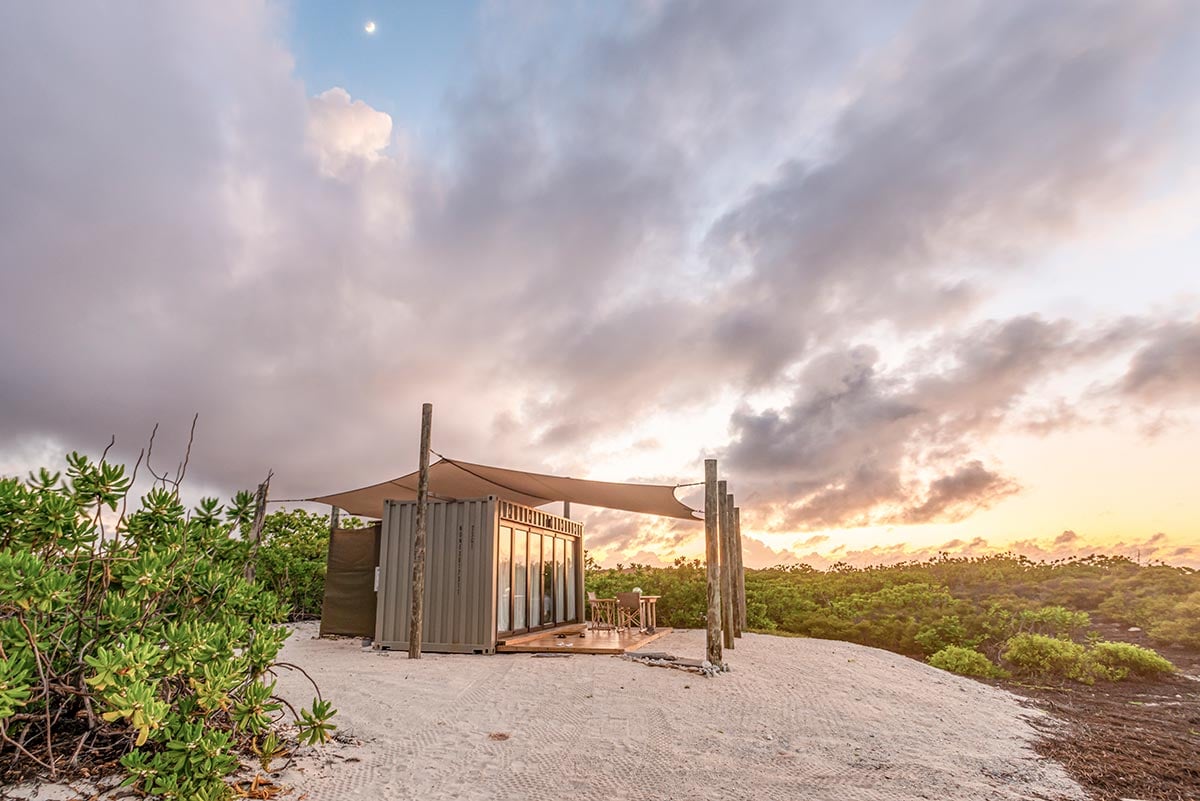
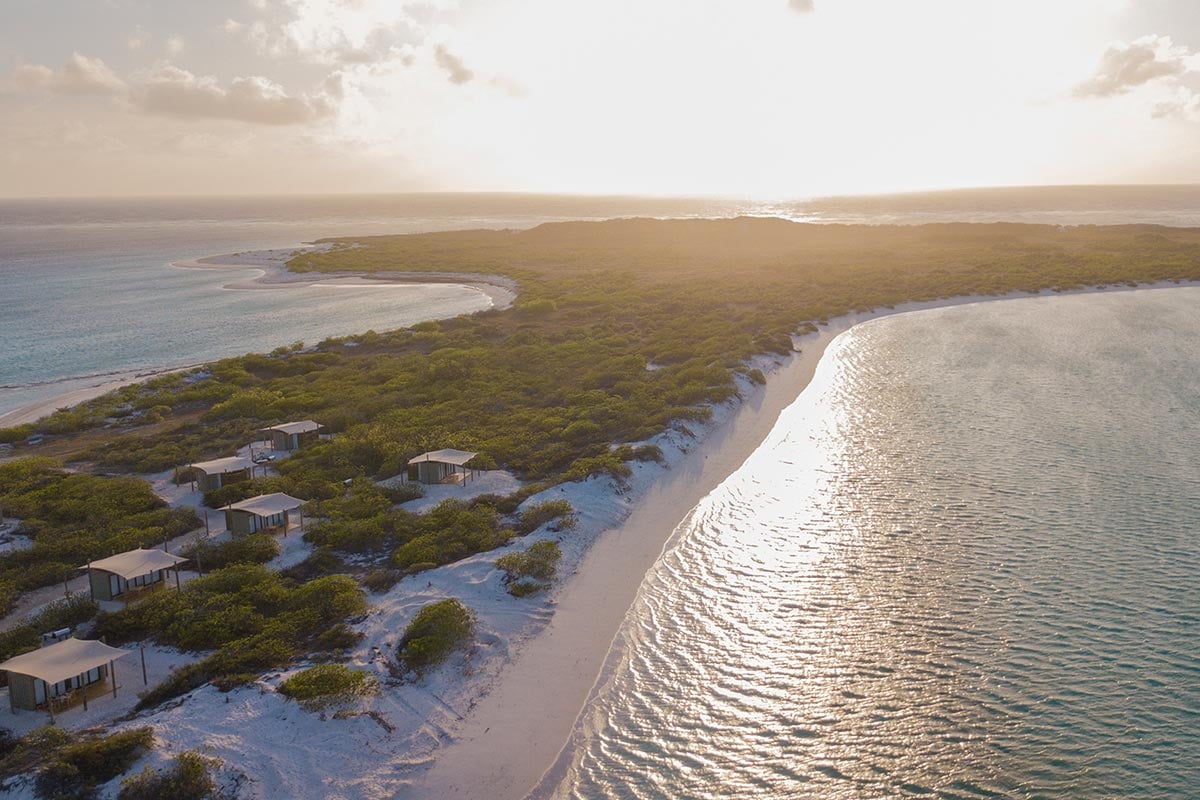
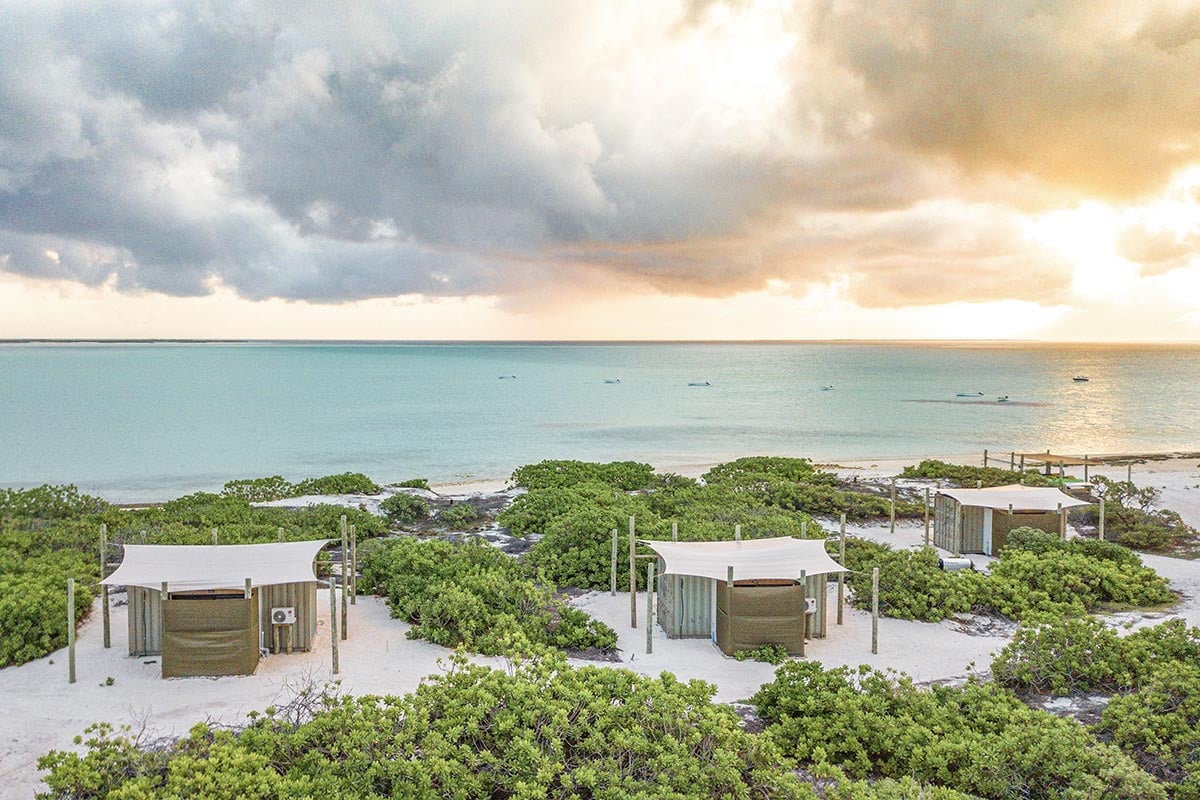
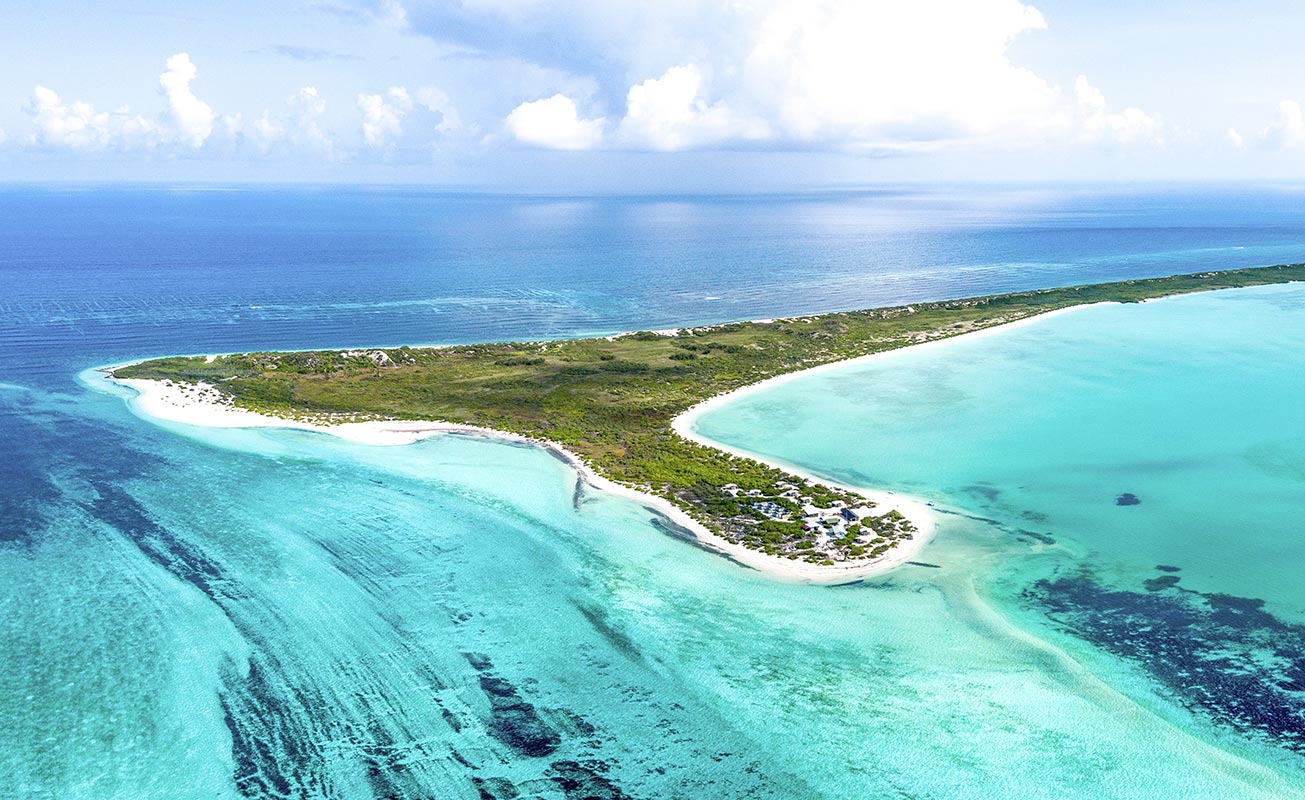
Cosmoledo Atoll lies deep in the far-western Outer Islands of the Seychelles, a remote coral ring of 18 islands surrounding a wide inner lagoon. From the eco-camp on Wizard Island, anglers access white-sand flats, lagoon edges, channels, and reef contours that shape one of the Indian Ocean’s most dependable saltwater fly fishing programs.
The atoll’s status as the Giant Trevally (GT) capital of the world comes from its unique atoll structure, expansive hard-bottom flats, rich bait supply, and decades of minimal human pressure—supported today by strict conservation limits and low weekly rod numbers. With only ten anglers per week, dedicated skiffs, and a season running from November to late April, Cosmoledo offers rare access and genuine seclusion to a vast, lightly fished system.
Cosmoledo is built for wading, with firm sand, turtlegrass, and coral plates providing stable footing across the atoll’s basins, surf edges, and island margins. The fishery is fly-only and fully catch-and-release, with rotated zones preserving healthy populations of flats species and the predators that follow them.
Flats Layout and Lagoon System
The atoll’s broad inner lagoon is its defining feature—a shallow basin ringed by reef that connects to the Indian Ocean through two main channels. This structure produces a mix of slow-flooding basins, clean sand flats, and deeper edges where fish patrol during tide shifts. Islands such as Menai, Wizard, and South Island sit close to both the ocean-facing current lines and the sheltered lagoon flats, giving guides quick access to very different types of water as conditions change.
The flats themselves are highly walkable. Long stretches of firm bottom allow anglers to move easily on foot, often connecting several flats or island edges in one session.
Wading and Tidal Movement
Depending on angler preference and tidal conditions, sessions at Cosmoledo involve a mix of wading and skiff-based fishing. On low tides, fish move through ankle-deep basins and narrow drains. As water rises, GTs, bluefin trevally, and triggerfish push up onto harder flats and along island seams. The tide’s pace and direction influence both fish behaviour and how quickly certain areas open or close.
Guides position anglers to intercept fish as water shifts across the atoll, rather than follow fixed routes, keeping time focused on the most productive water.
Days are built around these windows. Boats depart after breakfast and return in the late afternoon once the optimal light and tidal stages fade. Lunch is either packed on the skiff or taken back at camp.
Giant Trevally (GTs) at Cosmoledo
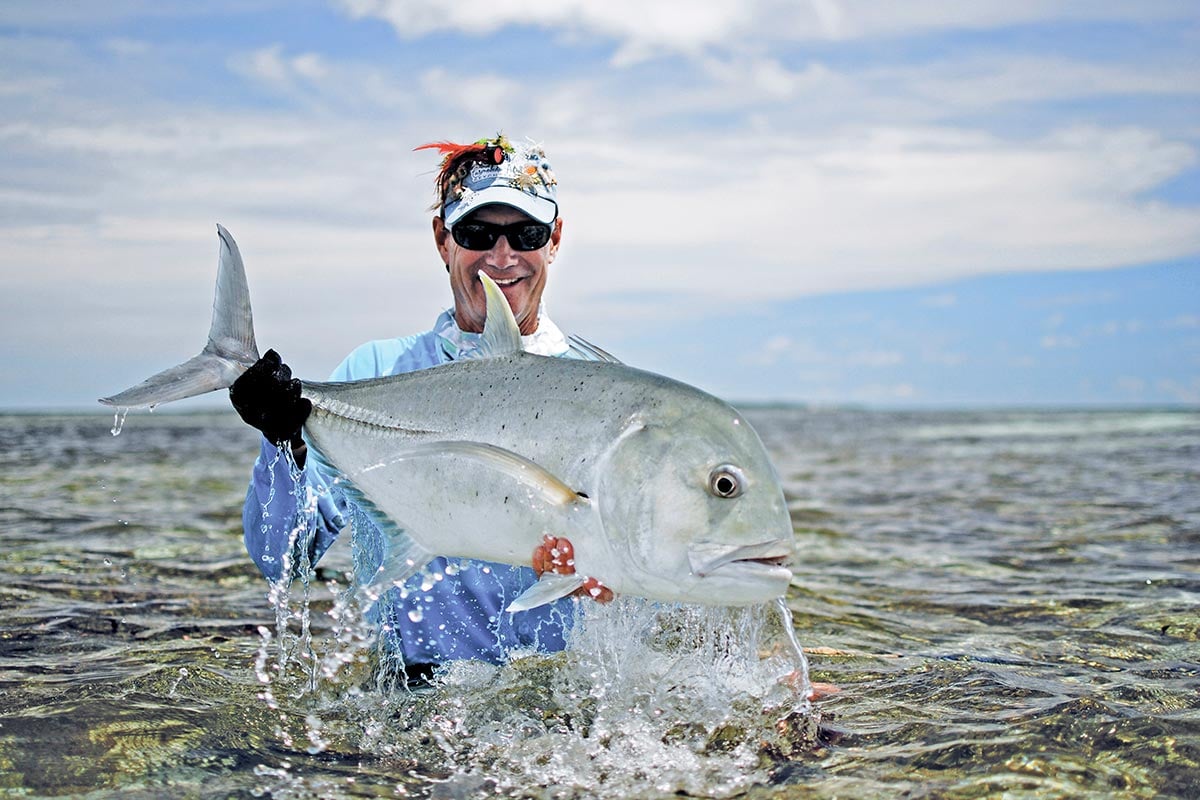
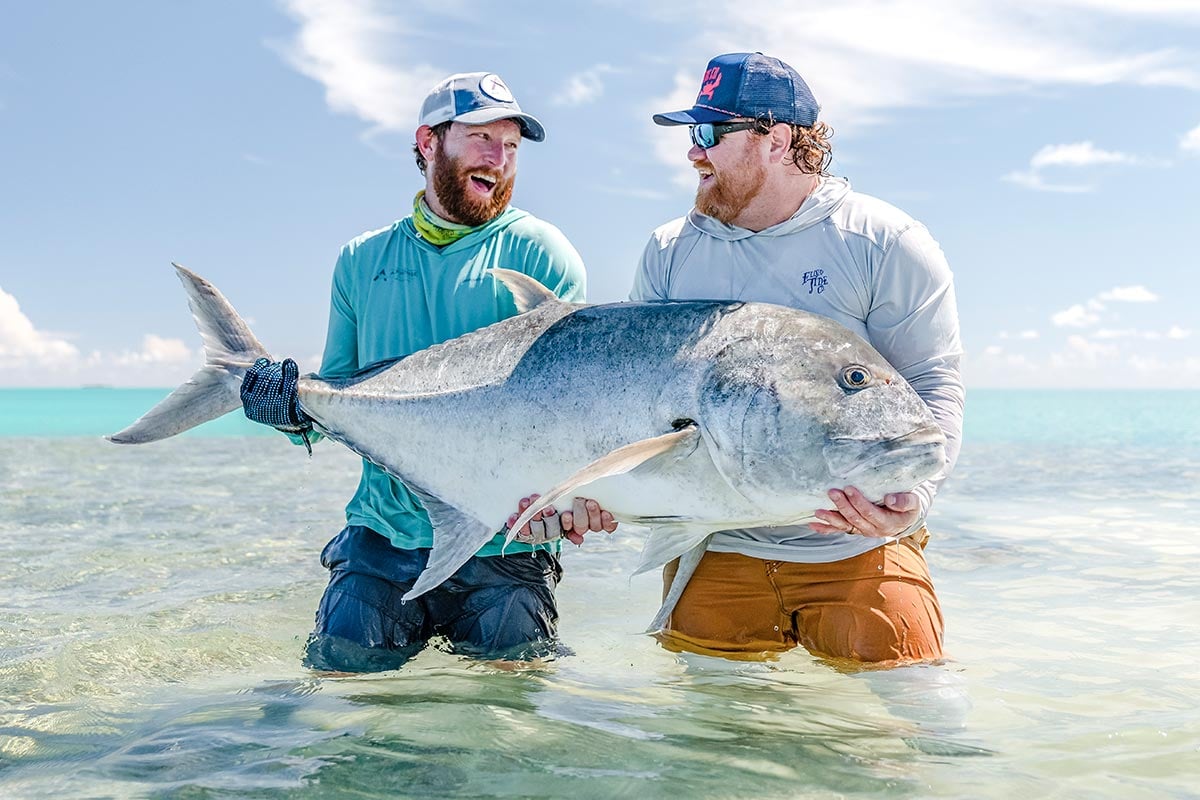
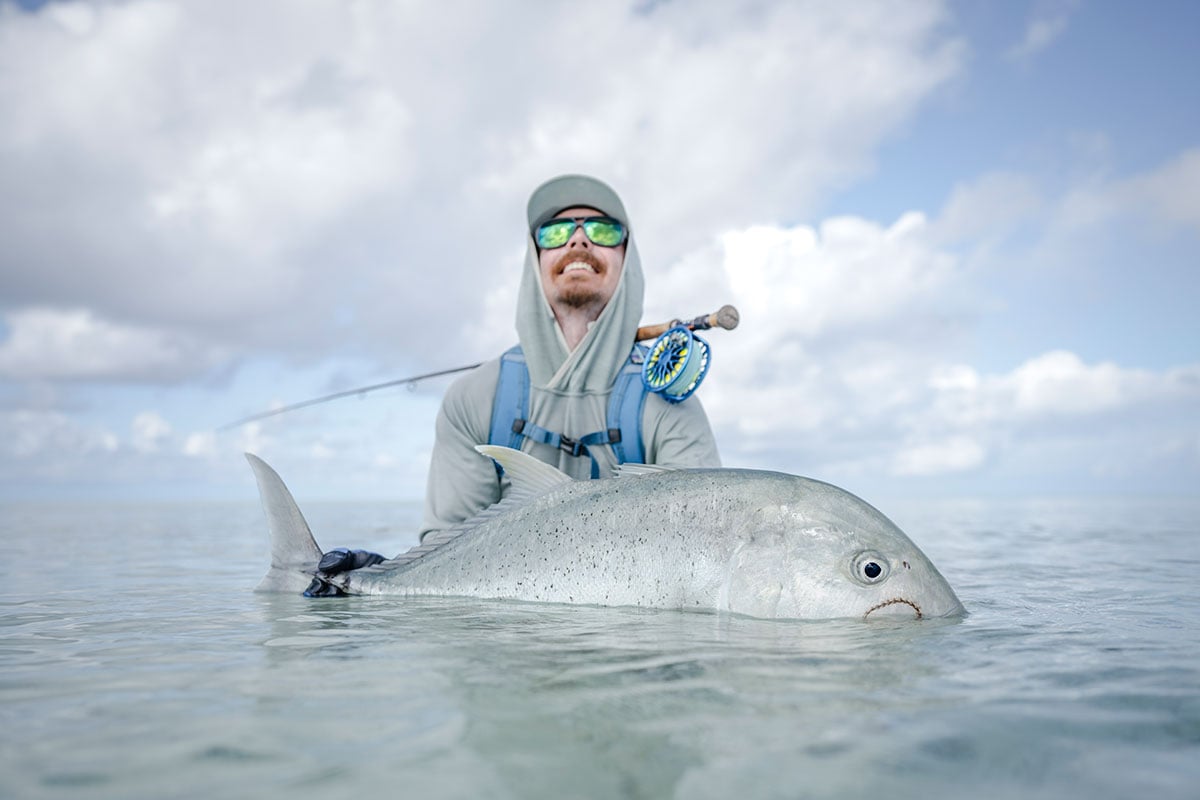
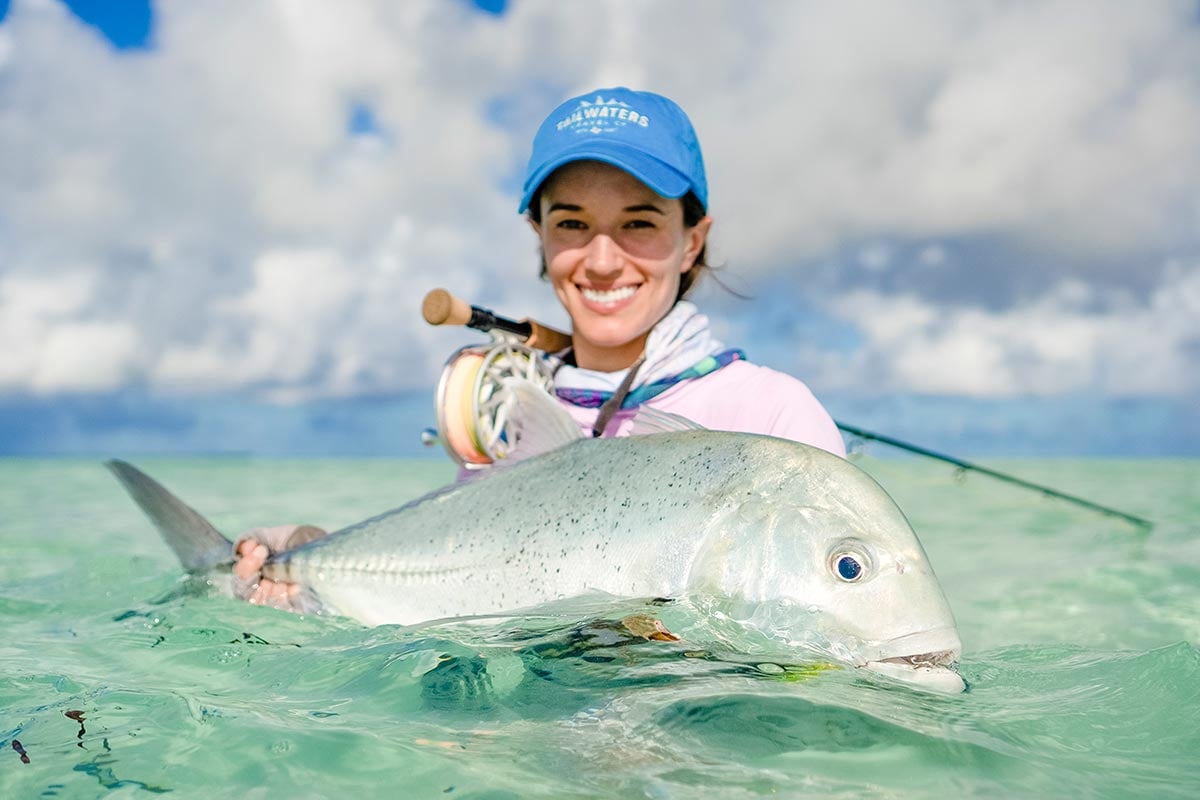
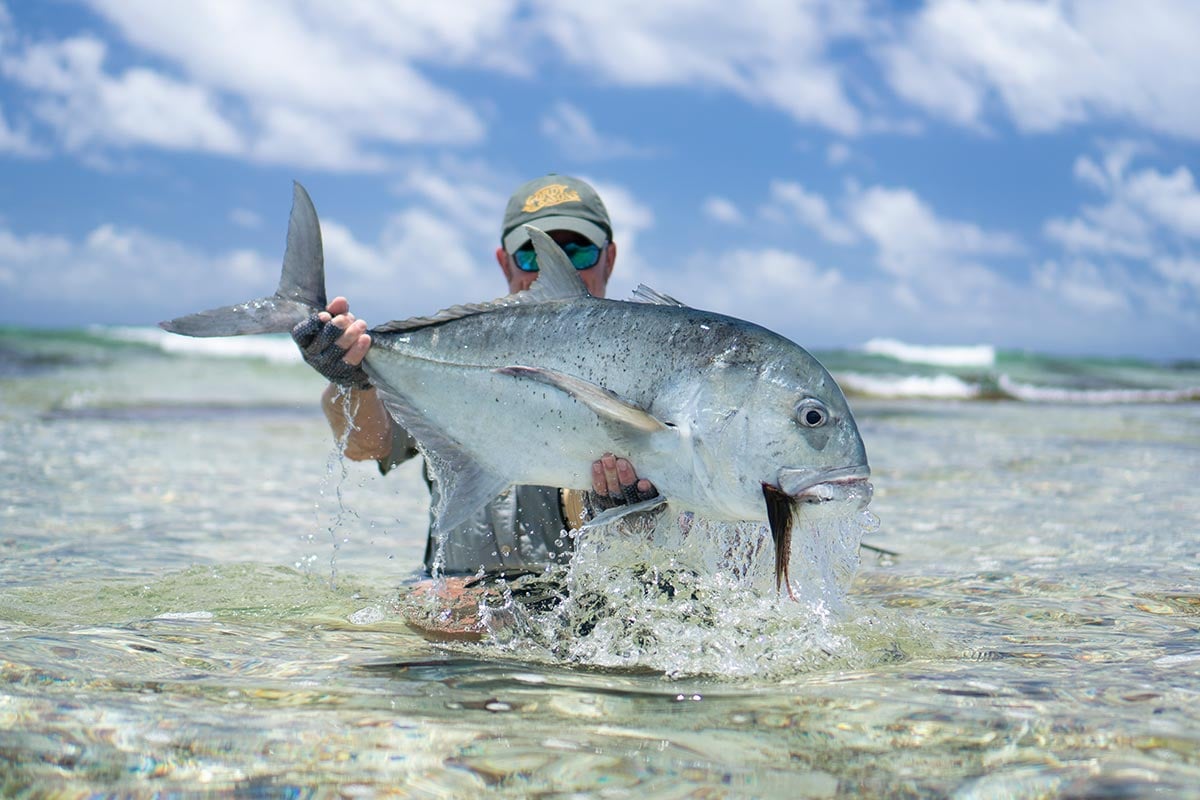
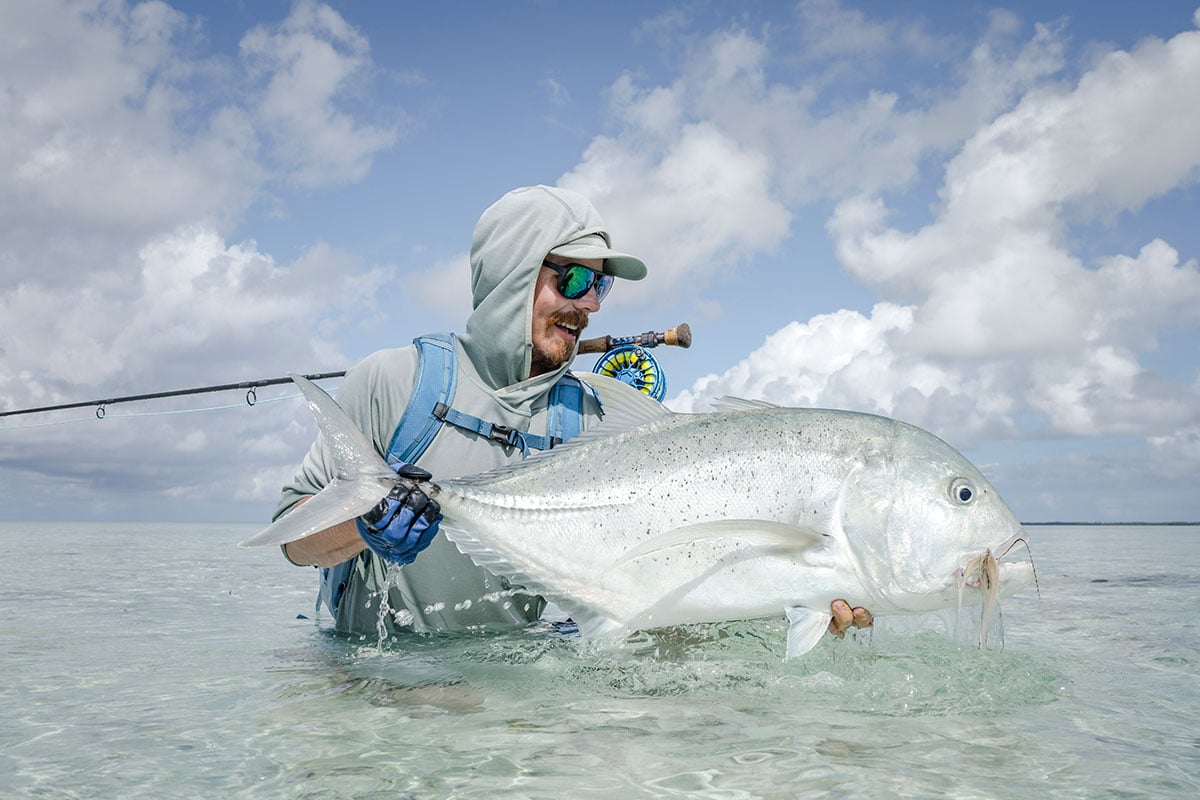
Cosmoledo’s GT population is its signature draw. More GTs frequent this atoll than any other in the Seychelles, from small packs of “schoolies” to powerful singles sliding over sand or pushing wakes along outer-reef edges. Most fish range from 60–100 cm, with strong numbers of 15–40 lb fish and occasional larger trophies. Encounters are usually visual—fish appearing out of surf foam, crossing turquoise bowls, or hunting tight to the shoreline.
Guides place anglers along key travel lanes during tide changes, when GTs move between deeper ledges and the flats. Many shots are close-range and require quick delivery and strong line management. This style of GT fishing, defined by staying alert and reacting quickly, reflects the classic Indian Ocean approach for anglers seeking consistent action.
The atoll’s GT numbers are reliable, and a reason why experienced fly-fishers highly rate this destination. Most anglers experience repeated daily encounters, with enough visual sightings over a week to keep even seasoned GT anglers engaged.
Triggerfish and Permit
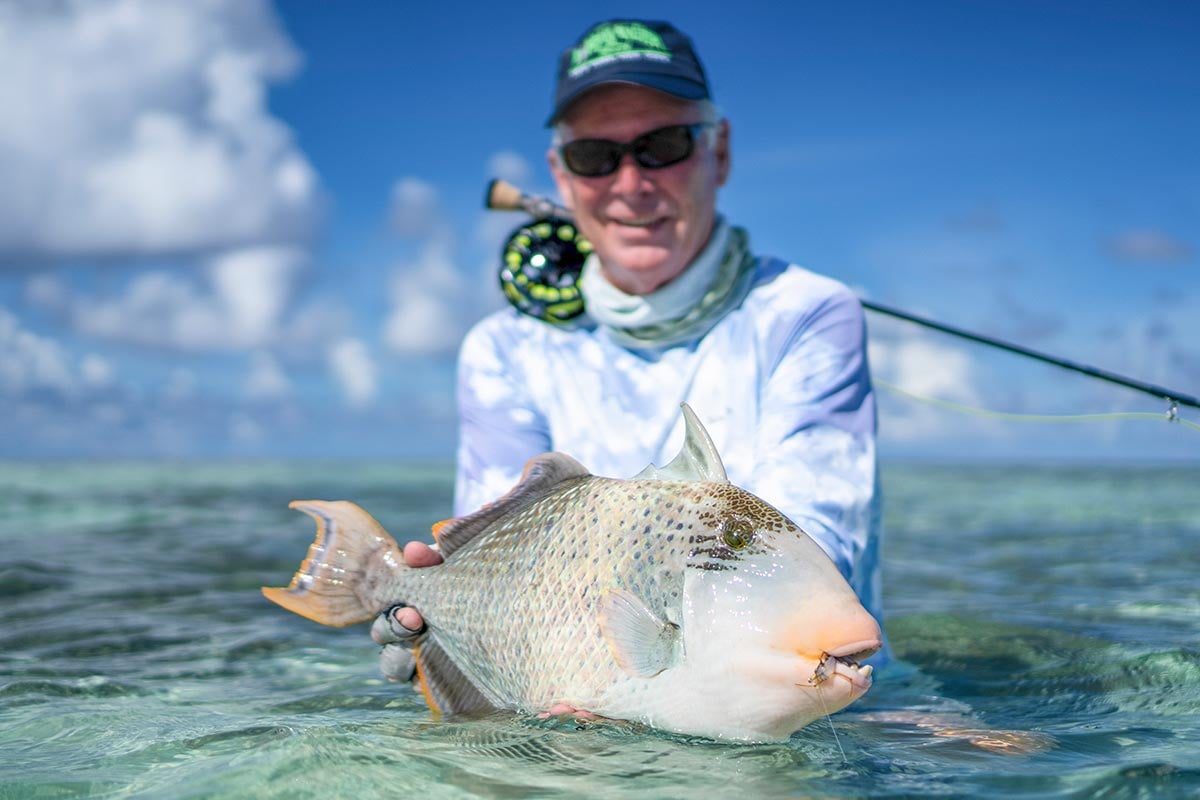
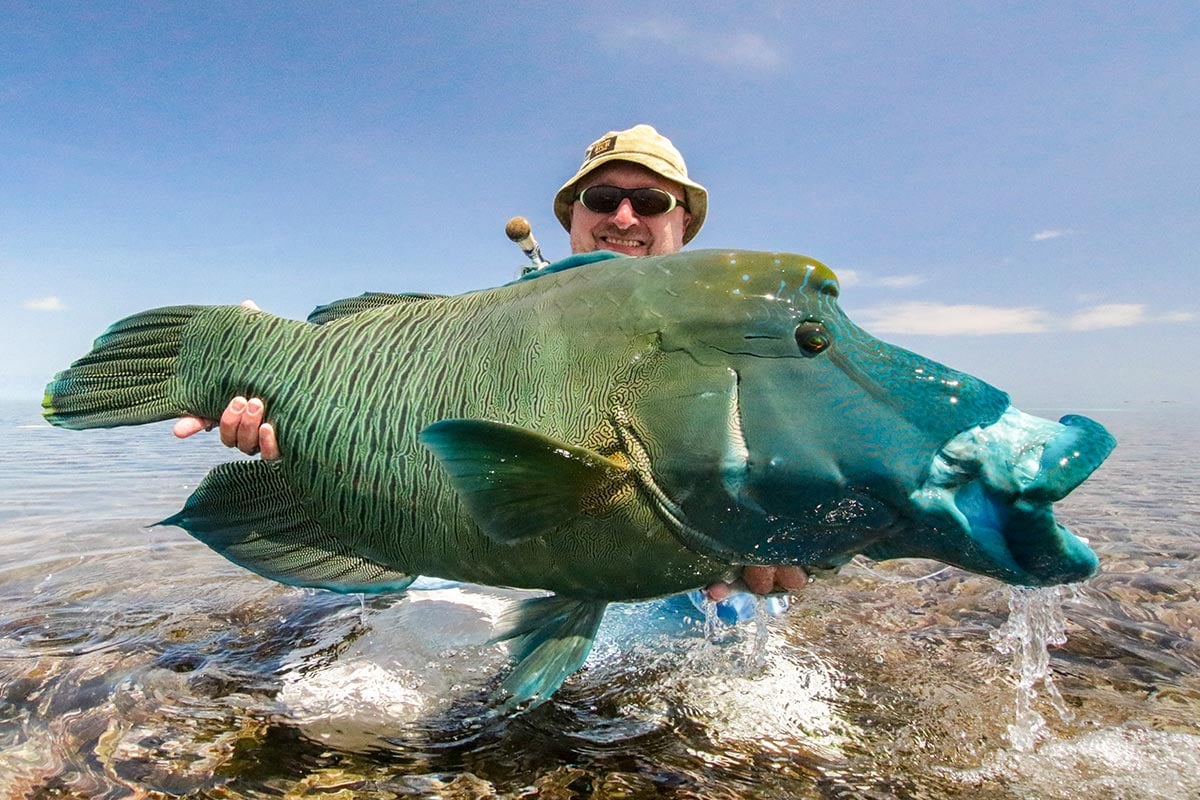
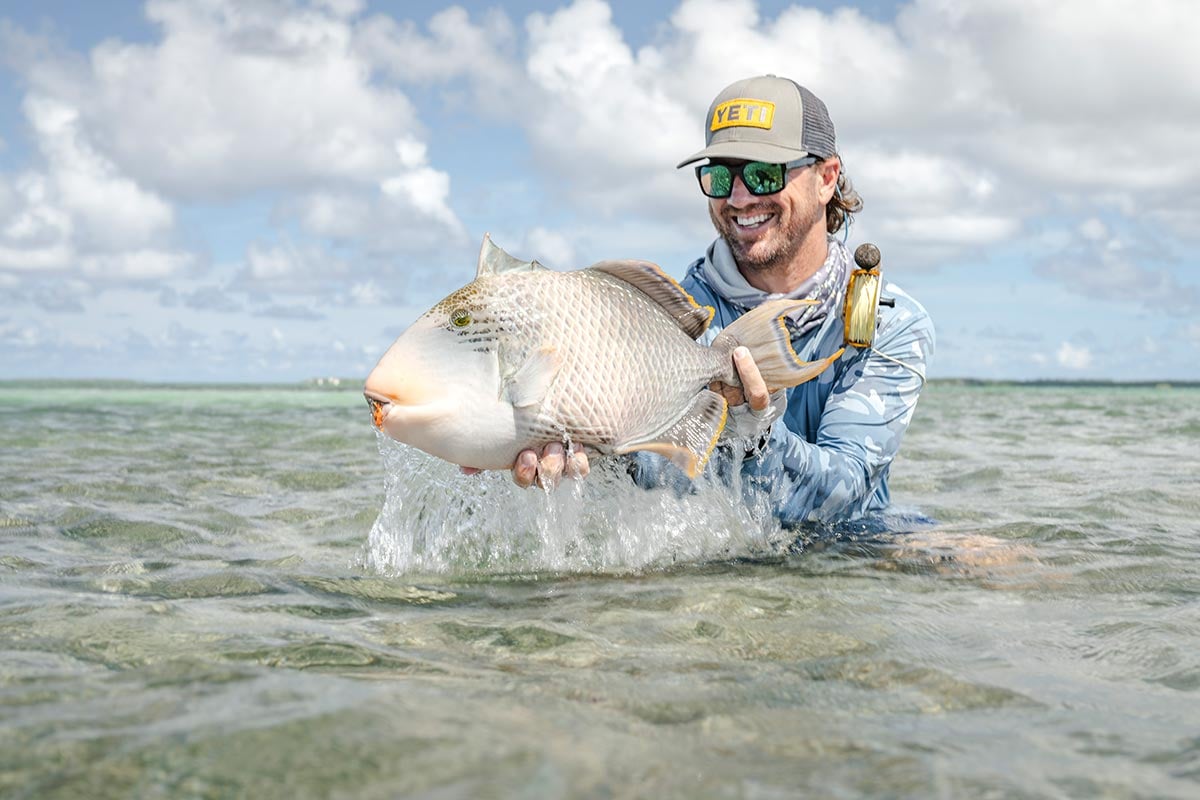
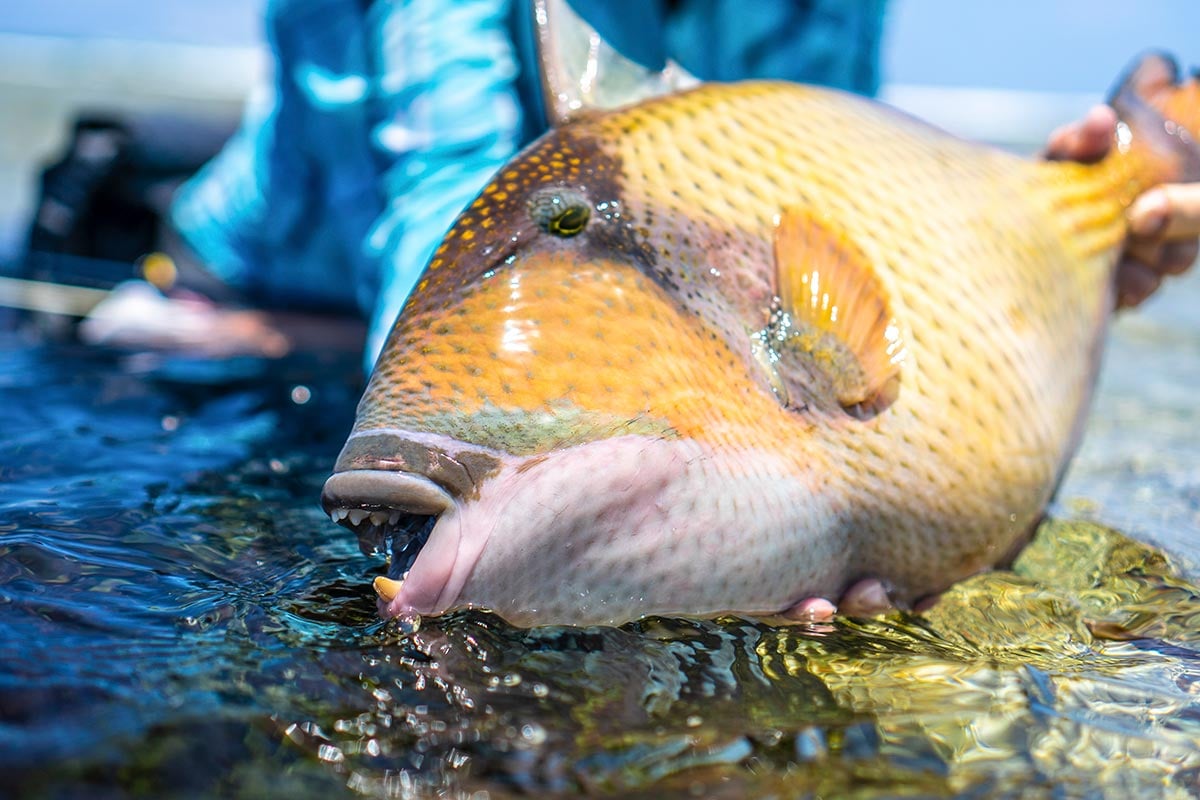
Cosmoledo is also one of the Seychelles’ most reliable destinations for moustache and yellowmargin triggerfish. These fish tail across mixed coral and sand, shifting unpredictably as they feed. They demand accurate casts, quiet positioning, and patience, but the atoll’s density gives anglers realistic attempts at species that are far harder elsewhere.
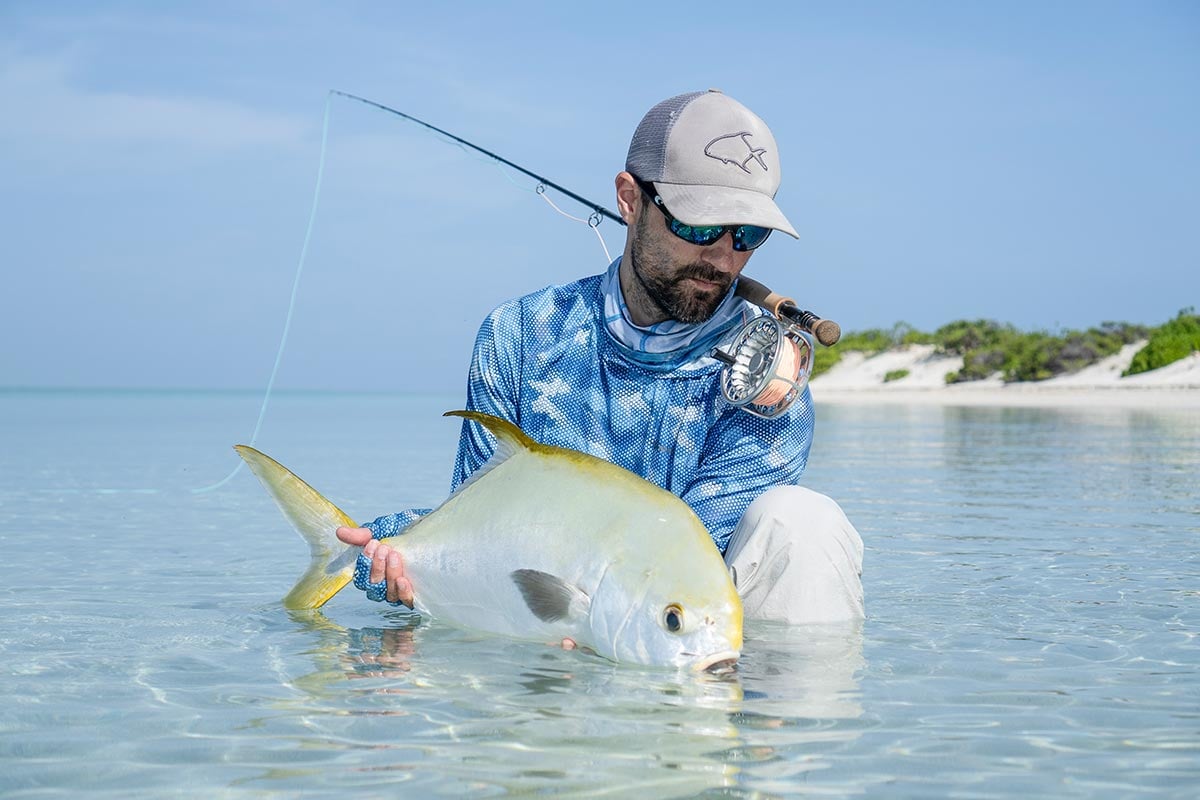
Indo-Pacific permit move over similar ground. They reward clean, deliberate presentations more than volume, and sight-fishing to permit on Cosmoledo’s shallow, glass-clear flats remains one of the atoll’s most technical challenges.
Bonefish and Bluefin Trevally
Bonefish at Cosmoledo are consistently large, commonly in the mid-single-digit range, with bigger fish seen regularly. They feed across sand and turtlegrass, offering classic, visual shots in clear light. While GTs often take centre stage, the quality of Cosmoledo’s bonefish is a major part of the fishery and sight-fishing possibilities. Anglers seeking a more dedicated bonefishing program may also consider Alphonse Island, one of the Seychelles’ signature bonefish destinations.
Bluefin trevally are widespread and provide dependable action across the tide cycle. Fast and aggressive, they move along island edges, lagoon contours, and turtlegrass lanes, making them an ideal target for lighter rods when GT opportunities slow.
Milkfish and Reef Species
Milkfish, a powerful algae-feeder known for blistering runs and aerial fights. appear when algae concentrations and light conditions line up. They can be targeted on lagoon edges or deeper inner water and provide one of the most demanding fights found anywhere in the region.
Along reef shelves, anglers may encounter bohar snapper, barracuda, and occasional wahoo, dogtooth tuna, or sailfish on bluewater sessions. Flats fishing remains the core focus, but the surrounding ocean adds genuine variety when tides or weather favour heavier water.
Guide Team, Skiffs and Zone Rotation
Guides are experienced, English-speaking, and highly familiar with the atoll’s subtle water movements. All are qualified skippers with medical training, and each pair of anglers fishes with a dedicated guide and skiff. Rotated zones ensure areas rest between sessions, keeping pressure low across the week.
For technical species such as triggerfish, permit, and milkfish, local knowledge makes a clear difference. Many of the flies and approaches used here were developed on these atolls, and guides adapt constantly to match light, tide, and fish behaviour on any given day.
A small fleet of motorised, shallow-draft skiffs provides fast access to flats, channels, and reef contours. With Wizard Island positioned near key starting points, running times stay short and maximise wading time.
Conservation and Limited Pressure
Cosmoledo’s conservation framework—fly-only regulations, catch and release, rotated zones, and a maximum of 10 anglers on the atoll at any time—help preserve the health of the fishery. The atoll’s isolation and minimal human presence have kept pressure extremely low, and ongoing conservation efforts led by Blue Safari and the operations team aim to maintain that balance.
This combination of careful management and natural productivity is a major reason Cosmoledo remains one of the most dependable flats fisheries in the Indian Ocean. Anglers are encouraged to fish hard, handle fish responsibly, and respect the fact that very few places like this remain.
From its walkable flats to its dense GT population, Cosmoledo offers the Seychelles flats experience at its most concentrated. With only a handful of anglers staying on Wizard Island each week, it delivers rare access, variety, and consistency in a truly remote setting.
To learn more about the fishing and express an interest, message Blue Safari Fly Fishing.