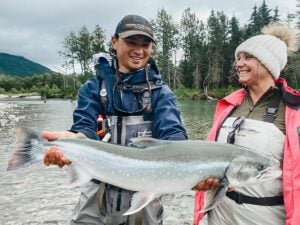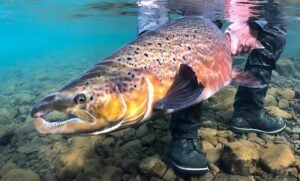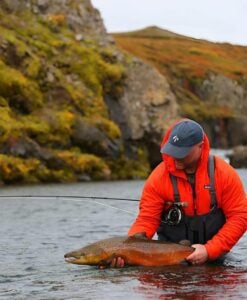
Discover the best arctic char fishing destinations, guided trips, and lodge-based experiences worldwide. Explore remote waters and world-class angling with expert local hosts.
Northwestern Region, Iceland
Arctic Char, Atlantic Salmon, Brown Trout
Bristol Bay, Alaska
Arctic Char, Chinook (King) Salmon, Chum (Keta) Salmon
Western Region, Iceland
Arctic Char, Atlantic Salmon, Sea Trout
Newfoundland and Labrador, Canada
Arctic Char, Atlantic Salmon
Bristol Bay, Alaska
Arctic Char, Chinook (King) Salmon, Chum (Keta) Salmon
Southern Region, Iceland
Arctic Char, Atlantic Salmon
Bristol Bay, Alaska
Arctic Char, Chinook (King) Salmon, Chum (Keta) Salmon
Sermersooq, Greenland
Arctic Char
Bristol Bay, Alaska
Arctic Char, Chinook (King) Salmon, Chum (Keta) Salmon
Northeastern Region, Iceland
Arctic Char, Atlantic Salmon
No results available
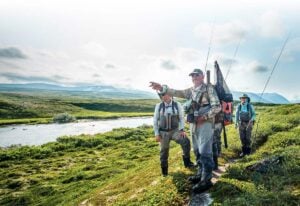
Arctic char thrive in cold, remote rivers and lakes from Alaska to Greenland. These striking fish offer one of the wildest fly fishing experiences in the Northern Hemisphere — especially in areas where floatplanes and long hikes are the only way in.
Arctic char (Salvelinus alpinus) share the Salvelinus genus with brook trout, lake trout, Dolly Varden, and bull trout — all char, not true trout despite their common names. They occupy some of the most extreme environments in freshwater fishing, often the dominant predator in high-latitude systems where few other salmonids can survive.
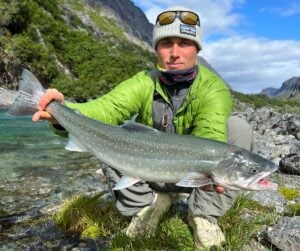
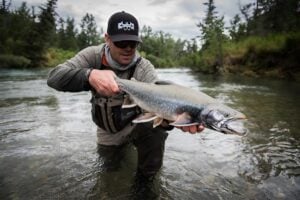
Their appearance varies widely depending on time of year, location, and whether fish are resident or sea-run. Sea-run fish return from the ocean bright and silver, while resident lake char may display deep gold or orange bellies and bold light-colored spotting. Whether caught in a coastal river, alpine lake, or tundra stream, Arctic char deliver a powerful, acrobatic fight.
From Labrador and Quebec to Nunavut and the Northwest Territories, Canada hosts some of the world’s best Arctic char fisheries. Sea-run fish returning from the ocean in July and August are the prime target, accessed by fly-in lodges and floatplane camps on remote northern rivers.
Alaska’s Arctic char populations are primarily lake-resident rather than anadromous — a key distinction from the sea-run char of Canada and Greenland. The Brooks Range and northern lake systems hold good populations, often overlapping with Dolly Varden in the same waters. These are remote, fly-out fisheries prized for their solitude.
Greenland’s west coast rivers are legendary for sea-run Arctic char. Anglers sight-cast to cruising fish in clear, icy water — often wading remote rivers just minutes from the sea, targeting fish that are chrome-bright and full of ocean aggression.
Iceland holds healthy Arctic char populations in cold spring creeks, glacial rivers, and lava-formed lakes across the island. These are primarily resident fish and provide an accessible char fishery alongside the island’s salmon and brown trout waters.
Lapland, Svalbard, and Finnmark host thriving char populations in high lakes and rivers. Often resident and colorful, they are caught on dry flies and streamers during summer’s long daylight hours.
The Taymyr and Kola Peninsulas, as well as Kamchatka, offer pristine Arctic char fishing in some of the most remote areas of Siberia. Many rivers here see little to no angling pressure.
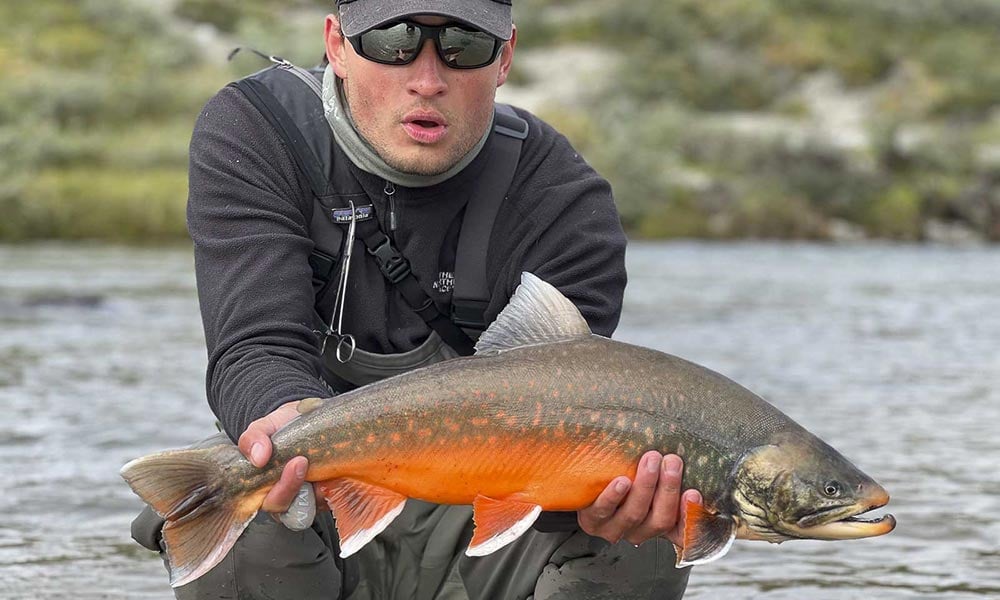
Arctic char are among the most beautiful fish in the salmonid family. Sea-run fish return chrome-bright with faint spotting; spawning fish — particularly males — shift to gold, orange, or rose along the belly with striking white-edged fins. Their ability to survive, migrate, and thrive in some of the coldest, most hostile freshwater environments on Earth sets them apart from any other salmonid.
They are opportunistic predators, feeding on insects, sculpins, and smaller fish. In rivers they strike streamers with aggression; in lakes they cruise drop-offs and shallow edges, especially during ice-out and fall turnover.
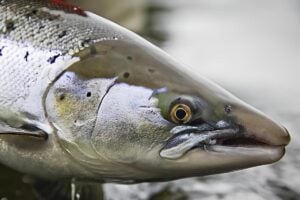
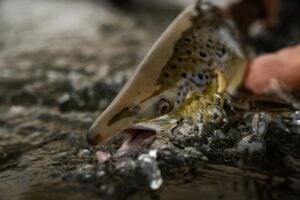
Arctic char carry the char family’s defining trait: light-colored spots on a dark background, the reverse of trout. Ocean-run fish are silver with a faint blue-green back; resident or spawning fish show significant variation, with males turning deep gold, orange, or rose along the belly with cream to orange spots and prominent white leading edges on the lower fins. The tail is noticeably forked — more so than Dolly Varden — and the caudal peduncle (the area before the tail fin) is narrow and distinct.
Timing varies by latitude and ice melt. In some regions fish push into rivers during warm spells; in others, lake fisheries come alive during late-season cool-downs.
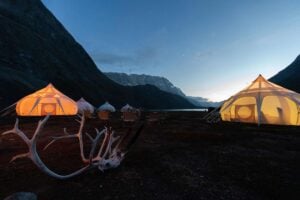
FishingExplora lists Arctic char lodges across Alaska, Canada, Greenland, and Iceland. These are true wilderness experiences — often fly-in only — with expert guides, remote rivers, and serious fish. Each listing covers program structure, access, season dates, and direct contact with the lodge.
FishingExplora’s editorial content draws on lodge input, guide experience, published field reports, and independent research to help anglers make informed decisions about premium fishing destinations.
The key field marks: Arctic char have fewer but larger spots (larger than the pupil), a more deeply forked tail, and a narrower caudal peduncle. Dolly Varden have more numerous, smaller spots (smaller than the pupil), a less forked tail, and a more prominent hooked jaw on spawning males. Both species share many waters in Alaska and Canada, and even experienced biologists occasionally misidentify them.
Egg Sucking Leeches, Zonkers, and sculpin patterns are the most consistent streamers. In clear, shallow systems char will also rise to dry fly attractors or take large nymphs during hatches — particularly in Greenland and Canadian rivers where fish are actively feeding between ocean migrations. Bright colors — orange, pink, and chartreuse — tend to trigger the strongest reaction strikes from sea-run fish near tidewater.
Sea-run populations exist across northern Canada, Greenland, Iceland, and parts of Scandinavia — and unlike Pacific salmon, they do not die after spawning, returning to the ocean multiple times. In Alaska, however, Arctic char are generally lake-resident rather than anadromous; sea-run char in Alaska are uncommon and often reclassified as Northern Dolly Varden on closer examination.
In regions with sea-run populations — principally northern Canada and Greenland — char typically return from the ocean in July and August, entering rivers to feed and eventually overwinter. Timing varies by latitude and river temperature. The earliest returnees are the freshest and most aggressive, making July a prime window for targeting chrome-bright fish in coastal systems.
Yes — many Arctic char populations are entirely lake-resident, completing their life cycle without ever accessing the ocean. This is the norm in Alaska and is common across Iceland, Scandinavia, and parts of Canada. Lake char feed aggressively during ice-out in late spring and again during fall turnover, when they move into shallow water and are accessible to fly and spinning anglers from shore or by boat.
Canada’s Nunavut and northern Quebec produce exceptional sea-run char, with trophy fish well over 10 lbs taken from remote fly-in river camps. Greenland’s west coast rivers are the benchmark for sight-fishing to large, chrome-bright fish in glacial water. Iceland and Scandinavia offer more accessible options for lake-resident char. Alaska’s Brooks Range systems hold quality fish, though they are lake-resident and typically smaller than sea-run populations.
We use cookies to improve your experience and enable key features on the platform. You can choose which cookies to allow. Some features may not work fully without consent.