Salmon Fishing in Iceland on the Stóra Laxá
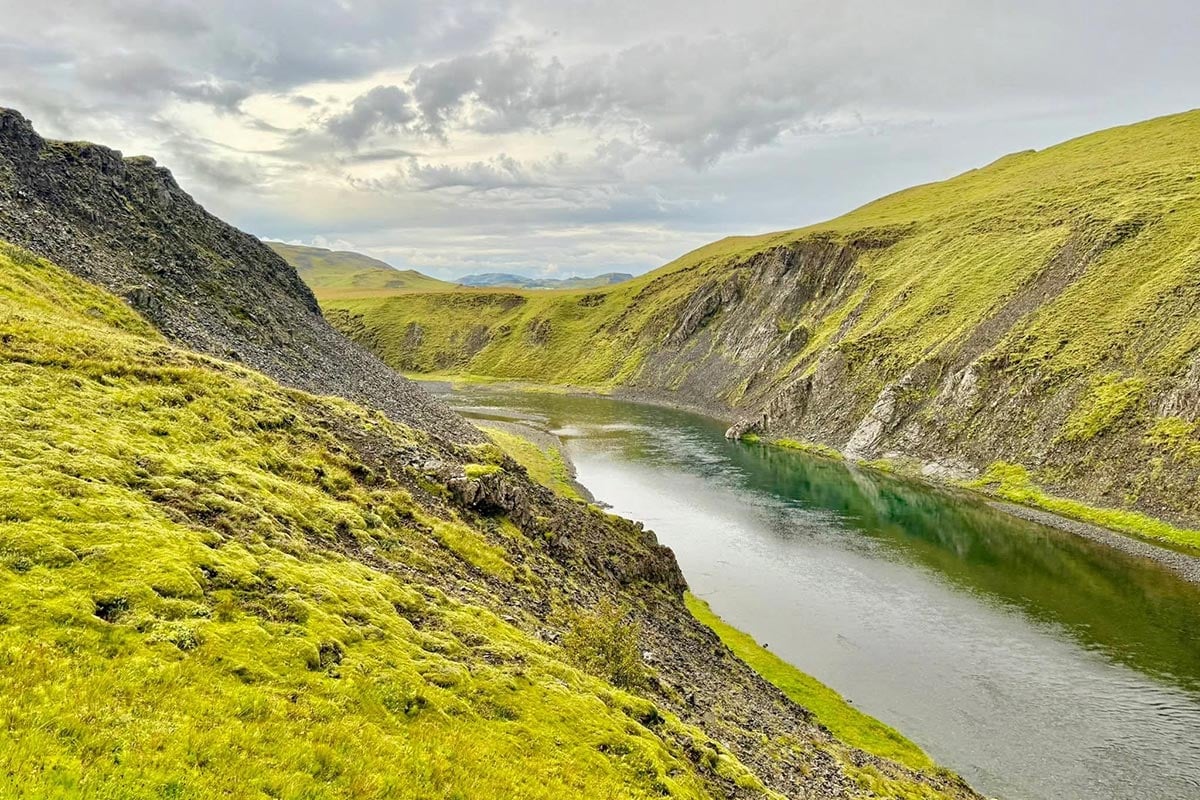
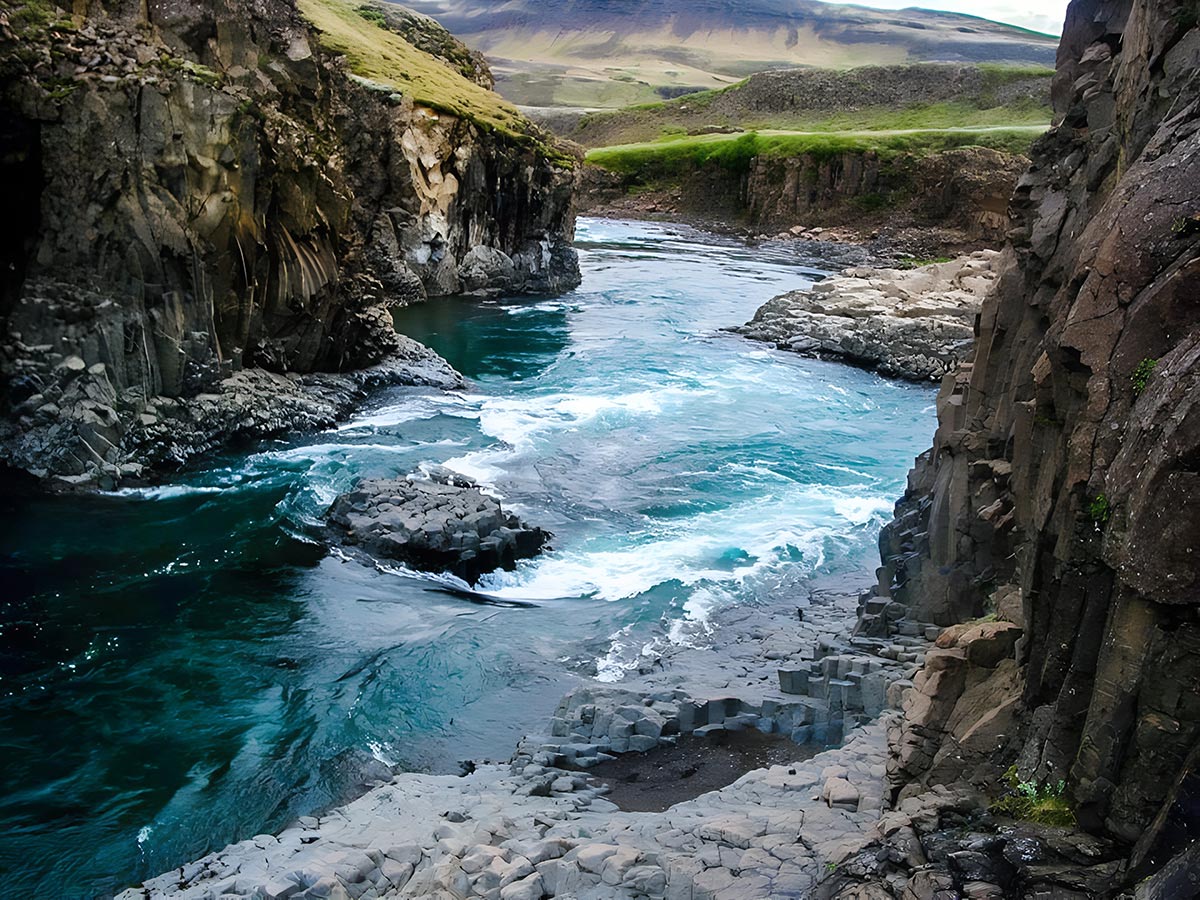
Stóra Laxá is the only major fully natural salmon river in southern Iceland, flowing from Lake Grænavatn through the Laxárgljúfur gorge system before opening into wider valley reaches and eventually joining the Hvítá.
Spanning approximately 90 kilometres from source to confluence, the river includes confined upper sections, rocky runs, and slower lower valley water, with fishing spread across clearly defined upper and lower beats.
Fishing is fully guided and typically carried out using both single- and double-handed rods, with water ranging from accessible lower valley pools to tighter gorge sections that require careful movement and positioning. Its scale allows fishing to be evenly distributed across the system throughout the season.
Lower Stóra Laxá – Valley Water and Holding Pools
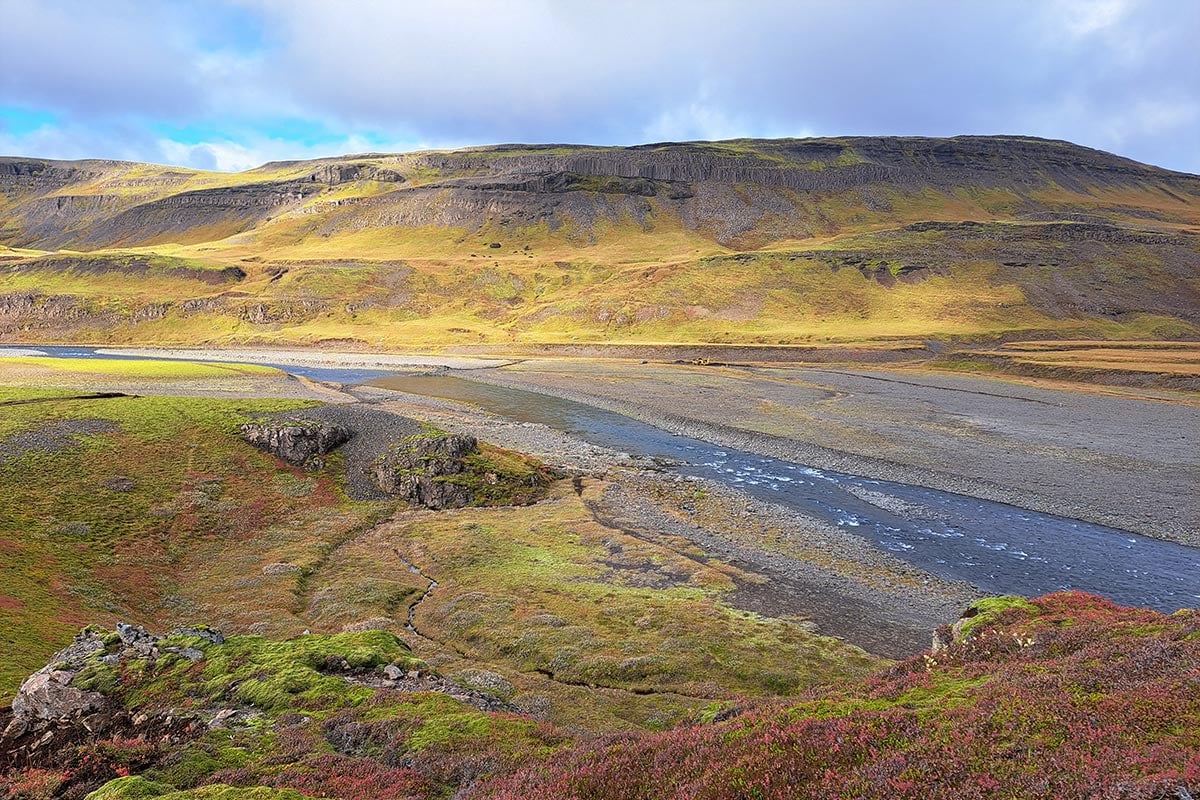
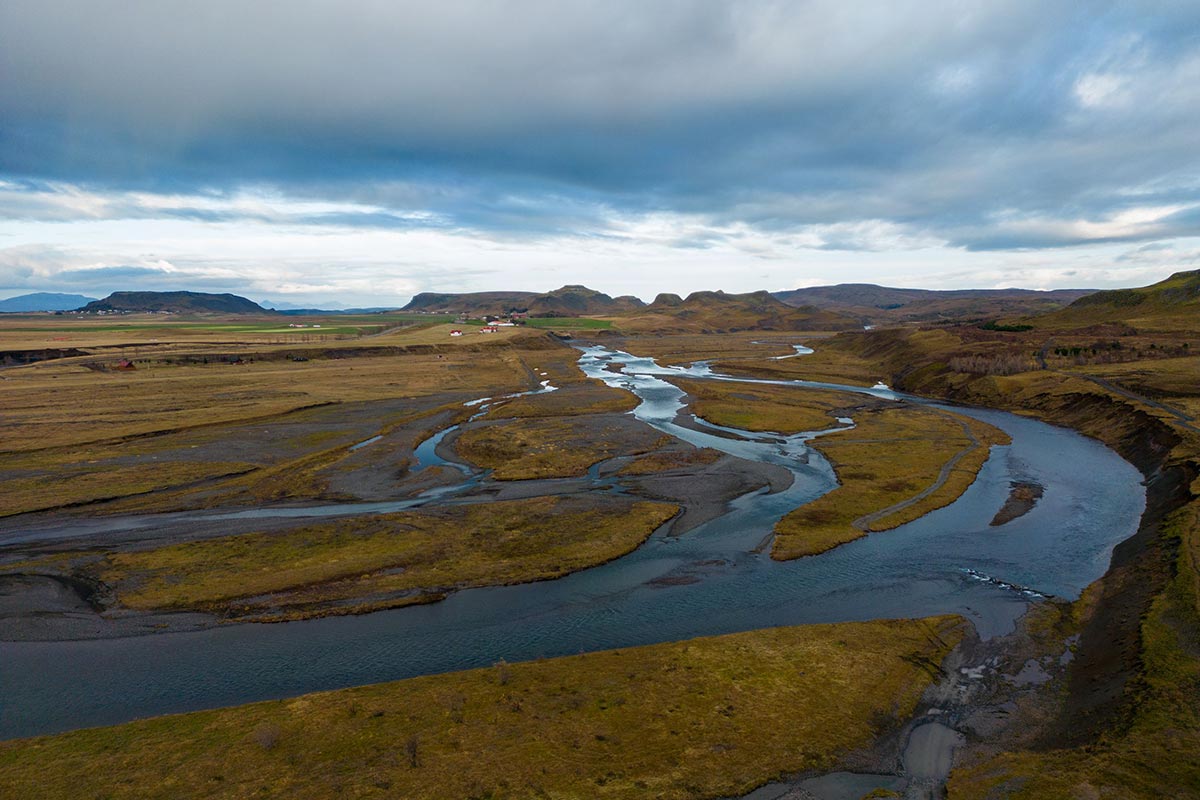
The Lower Stóra Laxá now accommodates up to eight rods and includes over 60 marked pools, recently expanded with additional water incorporated from Beat IV. This section transitions from steeper, confined water into broader valley sections, offering a wide range of pool types and consistent holding water.
Access along the lower river is via established tracks, with most marked pools reached directly from the bank. A large proportion of the river’s holding pools are located on this section, particularly as salmon settle into the system during mid to late season.
The Upper Stóra Laxá – Wild and Remote
The Upper Stóra Laxá is characterised by narrow gorges, steeper terrain, and a more remote setting. Now managed as a three-rod fishery—with a fourth rod permitted to fish free as part of a group booking—this section offers around 50 pools spread through steep-sided gorge water. Salmon here are known for their strong average size, with fishing involving regular movement between pools along the upper sections.
As part of the Upper Beat rotation, the Gorge section has been added to the program. Access to the Gorge depends on guide configuration: groups fishing with two guides may include it within their rotation, while parties with one guide can visit the Gorge by booking an additional guide for the day.
Rod Rotation, Salmon Sizes and Season
Fishing is managed through a limited-rod rotation—typically eight rods on the Lower section and three on the Upper—spread across a long river system, resulting in exceptionally low fishing pressure per kilometre compared to many Icelandic salmon rivers.
The season runs from late June through September. Prime fishing often coincides with the opening weeks, when fresh salmon enter directly from the ocean and average size is typically strong. A second key period is September—often improving later in the month—when the river can receive a significant run of the later-arriving “Hvítá fish”. When this run pushes through, numbers can build quickly in the pools and the river can change character over a short period as fish redistribute throughout the system.
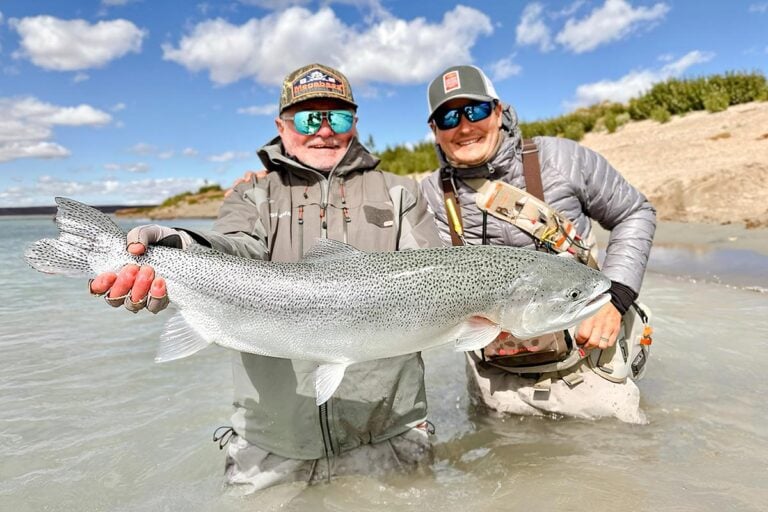
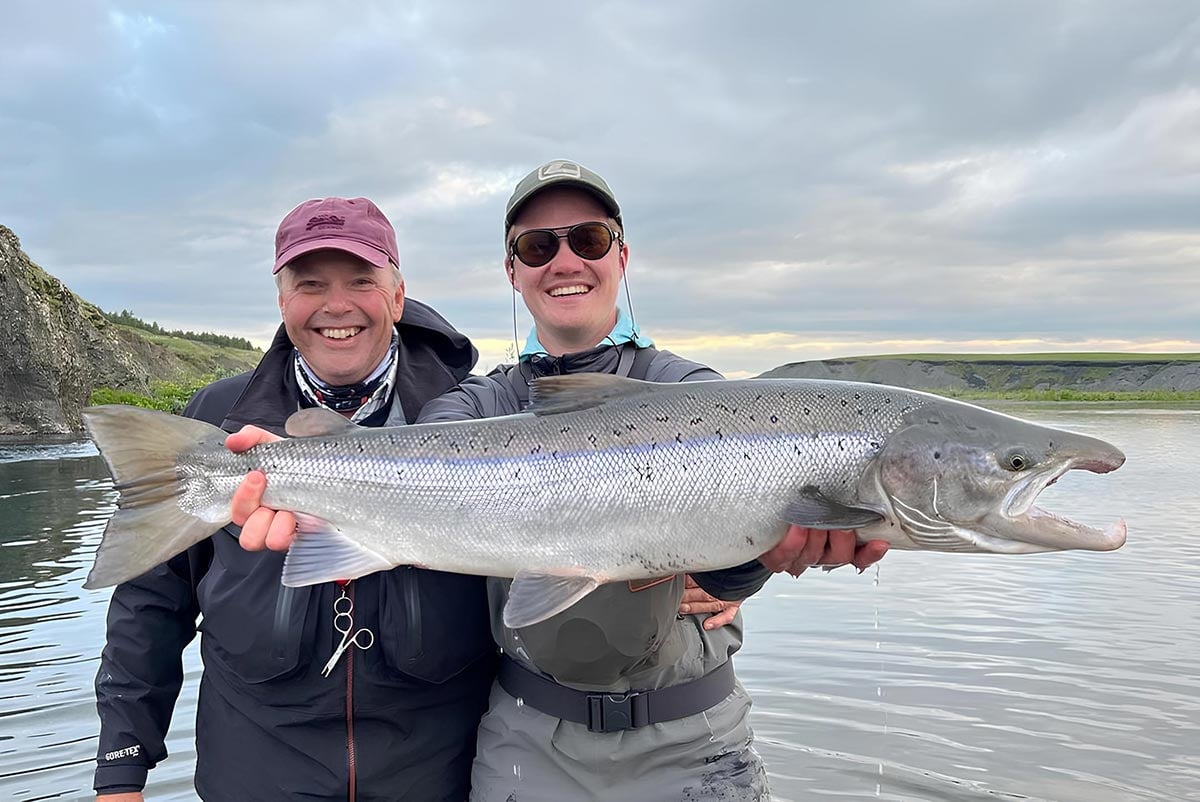
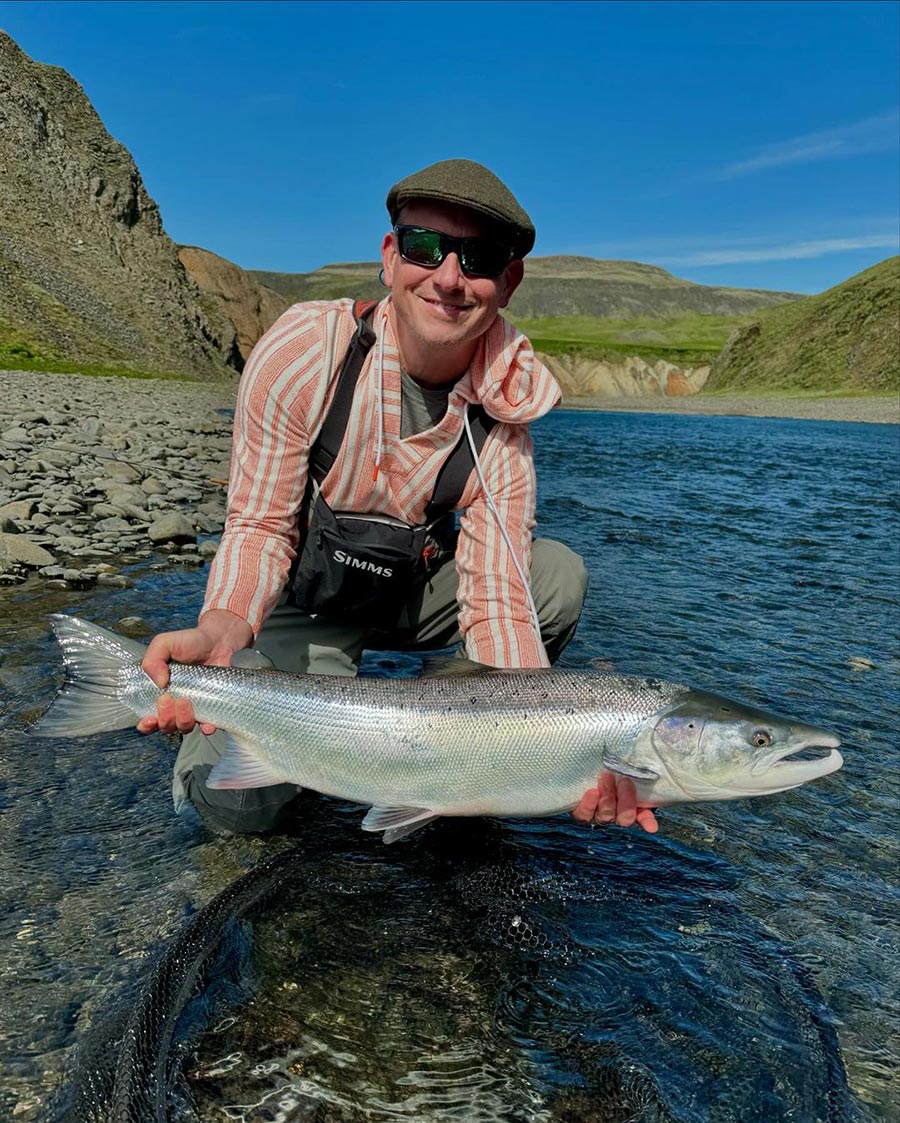
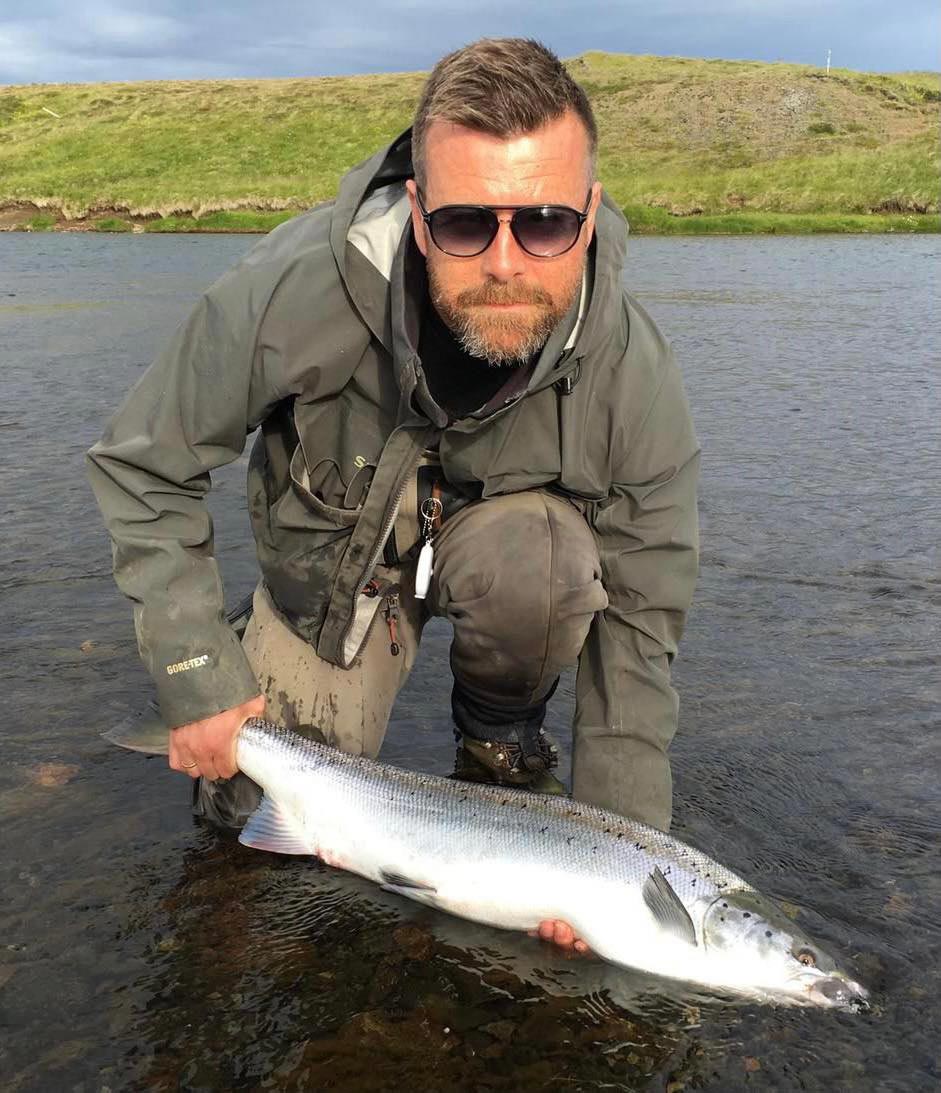
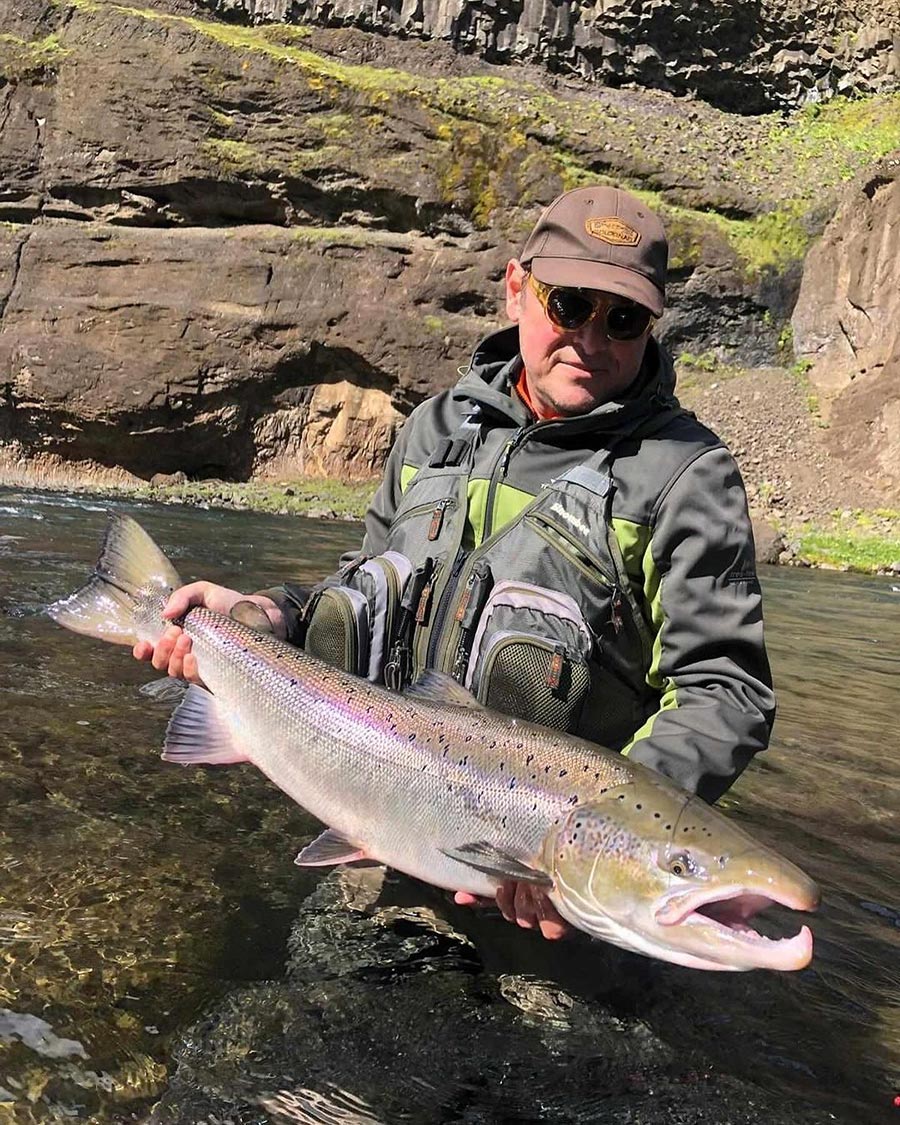
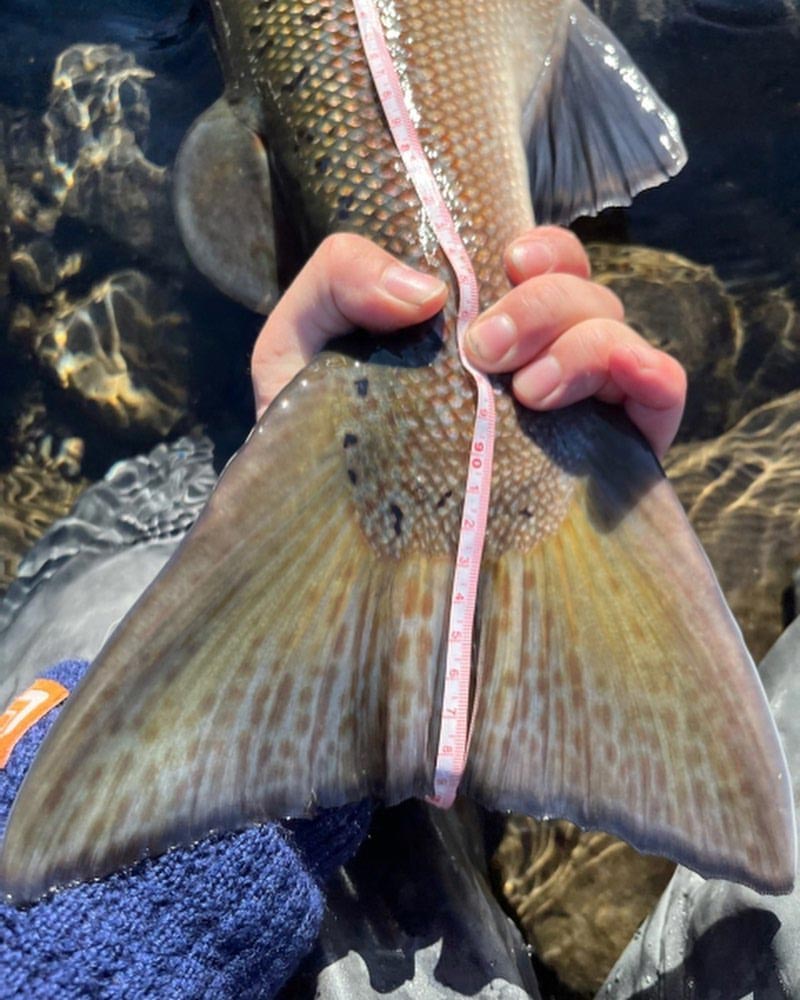
Over the past four seasons, the average salmon landed has measured around 9.25 pounds (72 cm), reflecting the river’s consistent production of strong, well-conditioned fish. Catch-and-release regulations are in place throughout the season to support long-term conservation.
Fly Fishing Amid Iceland’s Southern Landscapes
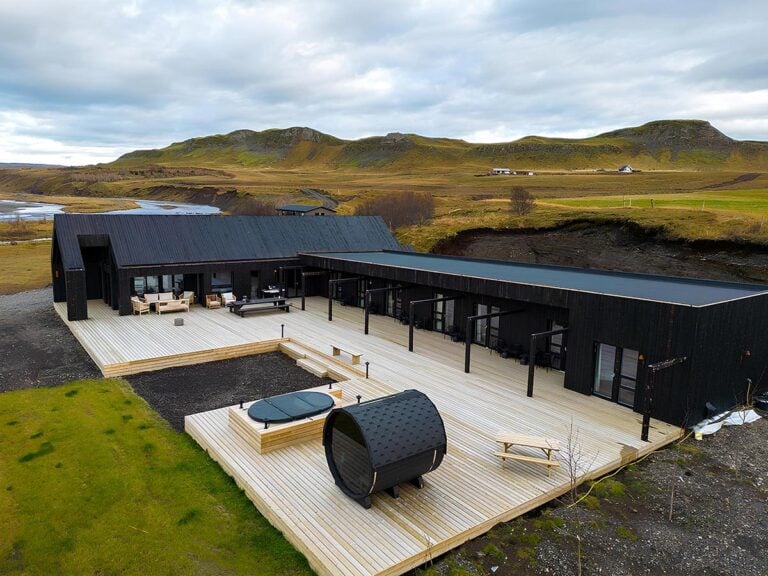
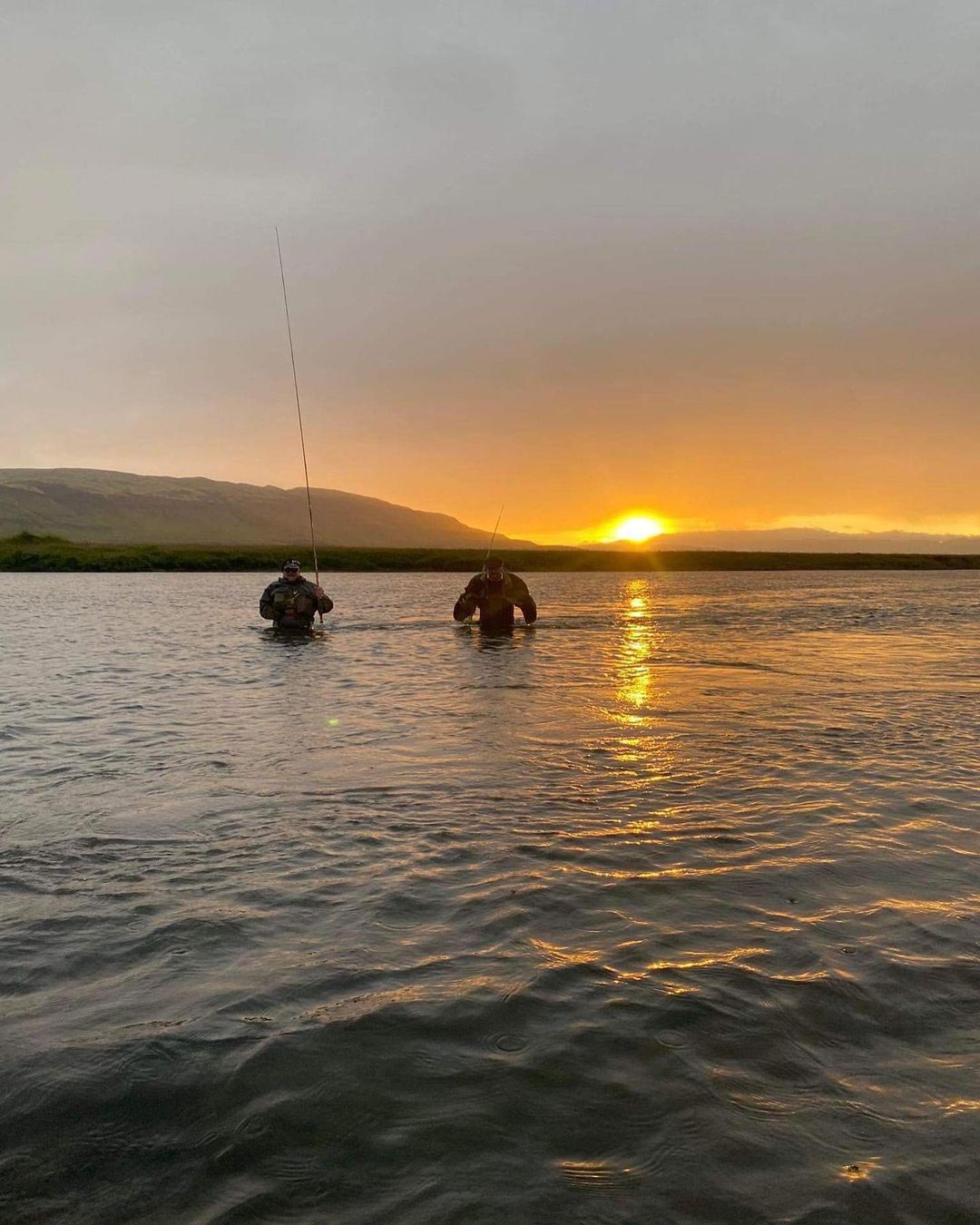
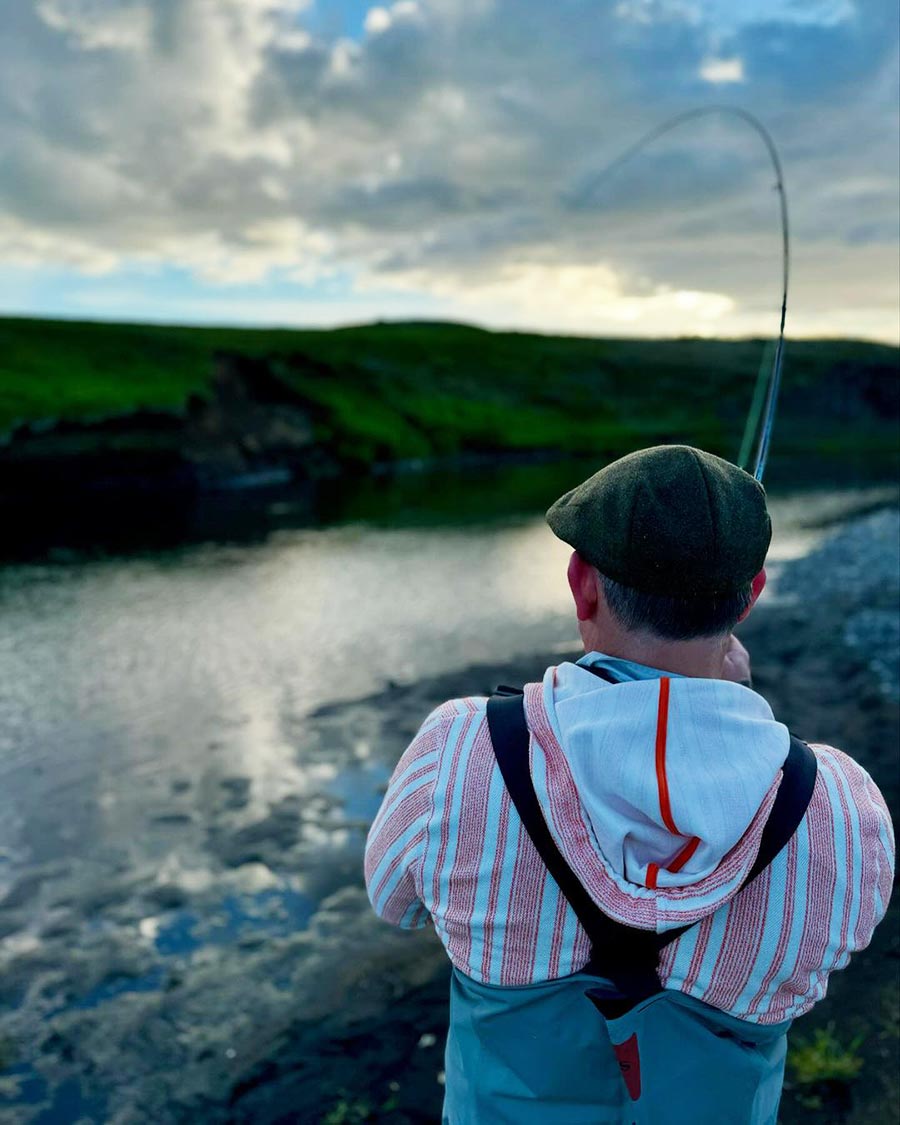
Fishing Stóra Laxá takes place across steep-sided gorges and wider valley water in southern Iceland. Time on the river is spent moving between clearly defined beats, with days shaped by access, distance, and the overall length of the system rather than short, repetitive rotations. The separation between sections and the amount of fishable water reflect how the Stóra Laxá program is laid out.
Spanning confined upper water and broad lower valley sections, Stóra Laxá combines scale, guided access, and disciplined rod management as a complete salmon fishing program in southern Iceland.
To learn more about the fishing and express an interest, message Stóra Laxá.