Discover the best Atlantic Salmon destinations, guided trips, and lodge-based experiences worldwide. Explore remote waters and world-class angling with expert local hosts.
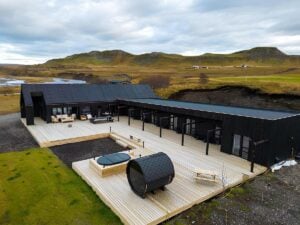
Northwestern Region, Iceland
Arctic Char, Atlantic Salmon, Brown Trout
Western Region, Iceland
Arctic Char, Atlantic Salmon, Sea Trout
Northeastern Region, Iceland
Arctic Char, Atlantic Salmon
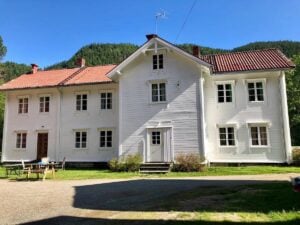
Trøndelag, Norway
Atlantic Salmon
Newfoundland and Labrador, Canada
Arctic Char, Atlantic Salmon
Trøndelag, Norway
Atlantic Salmon
Southern Region, Iceland
Arctic Char, Atlantic Salmon
No results available
Atlantic salmon (Salmo salar) are the original migratory gamefish—sleek, powerful, and shaped by a lifecycle that drives them from the North Atlantic back to the rivers where they were born. Their sea-winter age, seasonal timing, and sensitivity to flow create narrow windows when conditions align and fish respond decisively.
For experienced anglers, Atlantic salmon fishing is about reading water and recognising movement patterns. Unlike Pacific salmon, which die after spawning, Atlantics can return multiple times, producing both grilse and larger multi-sea-winter fish. Fresh-run salmon move quickly on rising flows, often pushing through lower beats before settling as levels stabilise. On spate rivers, fishing commonly peaks as the water drops after a rise, when salmon pause in classic holding lies and become more willing to take a fly.
Prolonged low water can make fish cautious, favouring smaller patterns and careful approaches. These shifts—between rising, dropping, and settled flows—define the Atlantic salmon experience and make timing as important as technique.
For a broader overview of all salmon species, see our Salmon Fishing page.
Scotland’s Spey, Dee, Tay, and Tweed combine historic beat structures with diverse migratory patterns. Spring fish, summer grilse, and autumn runs each play a role. Low, clear water requires smaller patterns and careful wading, but many Scottish rivers truly come alive as levels fall after a spate, when fresh fish are stirred up a little and become far more willing to take.
Norway’s Gaula, Orkla, and Alta attract anglers targeting large multi-sea-winter salmon. Early-season flows often carry strong runs of sea-lice-bright fish, with salmon spreading upstream as levels stabilise. Select tributaries provide more intimate fishing later in the season.
Iceland’s spring-fed rivers favour precise single-hand fishing, hitch flies, and low-water tactics. Grilse dominate much of the season, though early runs can produce notable MSW fish. Controlled rods and clear water make presentation and stealth especially important.
Newfoundland and Labrador host numerous Atlantic salmon rivers ranging from fly-in wilderness systems to accessible coastal drainages. Early-season MSW salmon move first, followed by strong grilse runs through summer. Cold tributaries and spring influence help maintain reliable fishing even in warmer weather.
Atlantic salmon hold a unique place in migratory fish culture. Their ability to return multiple times creates a mix of grilse and mature MSW fish, each with distinct behaviour. Small changes in flow or temperature can dramatically influence their movement and willingness to take, making them one of the most condition-sensitive migratory species.
Another defining trait is how differently salmon behave in wide Scandinavian rivers compared with narrow Scottish spate systems. Large MSW fish often travel in shorter bursts before settling into deeper holding water, while grilse may pause in shallower glides or tailouts during stable summer flows. These nuances, shaped by river size, gradient, and water chemistry, deepen the appeal of Atlantic salmon and reward anglers who adapt quickly to changing conditions.
Many Atlantic salmon rivers are steeped in tradition, with regulated access, beat systems, and a methodical style centred on reading water, making clean swings, and adjusting fly choice to match depth and clarity.
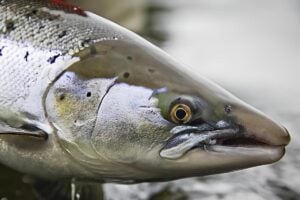
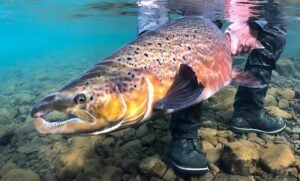
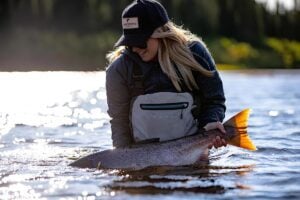
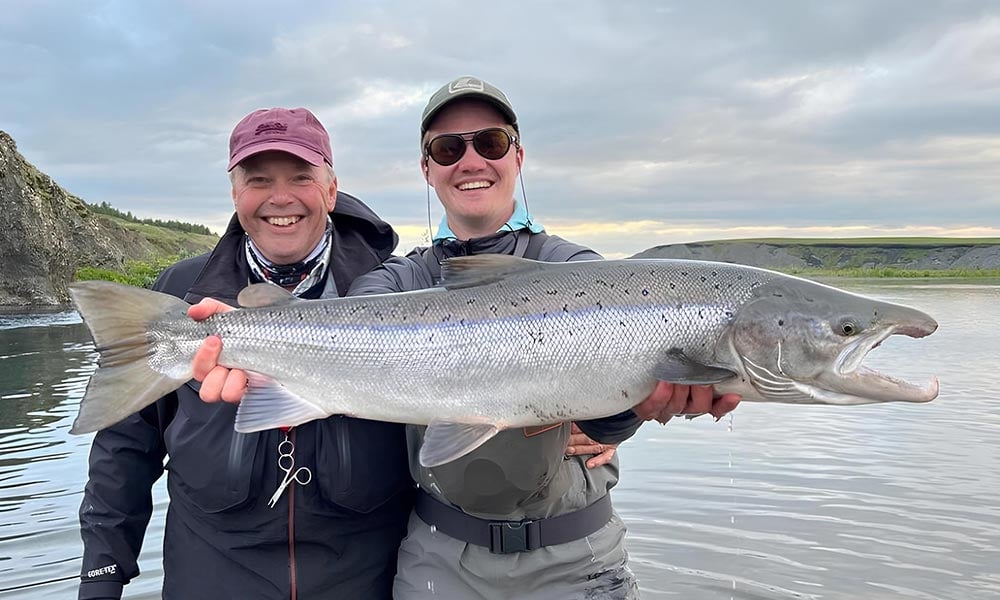
Fresh-run Atlantic salmon are unmistakable: bright chrome sides, a clean silver belly, and a dark, metallic back that shifts between blue-grey and slate with a faint green or olive cast depending on the light. Black spotting is sparse and sits mostly above the lateral line, reinforcing their streamlined, sea-run appearance.
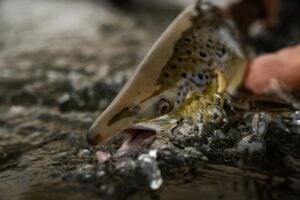
As salmon hold in freshwater, their colour deepens. Both sexes take on a bronzed or copper tone, especially in warm or settled conditions when fish remain in pools for extended periods. Males (cock fish) develop a more pronounced kype and sharper contrast, while females (hen fish) retain a sleeker shape with more subdued markings. Unlike Pacific salmon, Atlantics keep a relatively clean, athletic outline even when fully coloured.
A key technical distinction is how anglers adjust fly depth and speed for different fish types. Large MSW salmon often prefer slower, deeper swings early in the season, while grilse can react aggressively to faster, higher presentations in warmer water. On clear rivers, subtle changes—micro-tube length, leader taper, or hitch angle—can transform the response, especially when salmon lie high in the column.
Timing is central to Atlantic salmon fishing. Early MSW fish are fewer but larger, while mid-season grilse offer consistent action. Water temperature governs movement: cool, rising flows often trigger travel, while warm, low water can make fish hold and respond only to smaller, more precise presentations. On rivers with strong tidal influence, early-morning pushes of fresh fish can create brief, intense windows when salmon are far more willing to take.
FishingExplora connects anglers with Atlantic salmon destinations across Norway, Iceland, Scotland, and Canada. These programs focus on accurate seasonal timing, controlled access, and experienced guides who understand river-specific behaviour, fly choice, and the narrow windows when salmon move or take.
Atlantic salmon stop feeding when they enter freshwater but will take flies or lures out of aggression or reaction to movement. Their willingness to move is strongly tied to temperature, clarity, and flow, making presentation more important than imitation.
Most rivers fish best between 8–14°C (46–57°F). Cool, rising flows encourage movement, while warm, settled water slows fish and heightens selectivity. Many of the best days follow a small or moderate rise in river level.
A grilse is a one-sea-winter Atlantic salmon, usually smaller and more numerous than multi-sea-winter fish. Grilse dominate many mid-summer runs and often respond well to lighter patterns and smaller tubes.
Salmon rest where depth, current speed, temperature, and cover align. Tailouts, soft seams, undercut banks, and broken mid-river water frequently offer the right combination of shelter and flow efficiency.
Atlantic salmon are a single repeat-spawning species, while Pacific salmon die after spawning. Atlantic fisheries are often more technical, with beat systems, controlled access, and a stronger focus on reading water and making accurate swings.
We use cookies to improve your experience and enable key features on the platform. You can choose which cookies to allow. Some features may not work fully without consent.