Explore world-class sea fishing trips, lodges, and destinations with knowledgeable local guides.
Gabon, Central Africa
Cubera Snapper, Giant African Threadfin, Jack Crevalle
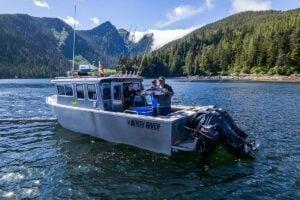
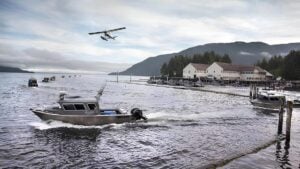
Southeast Alaska
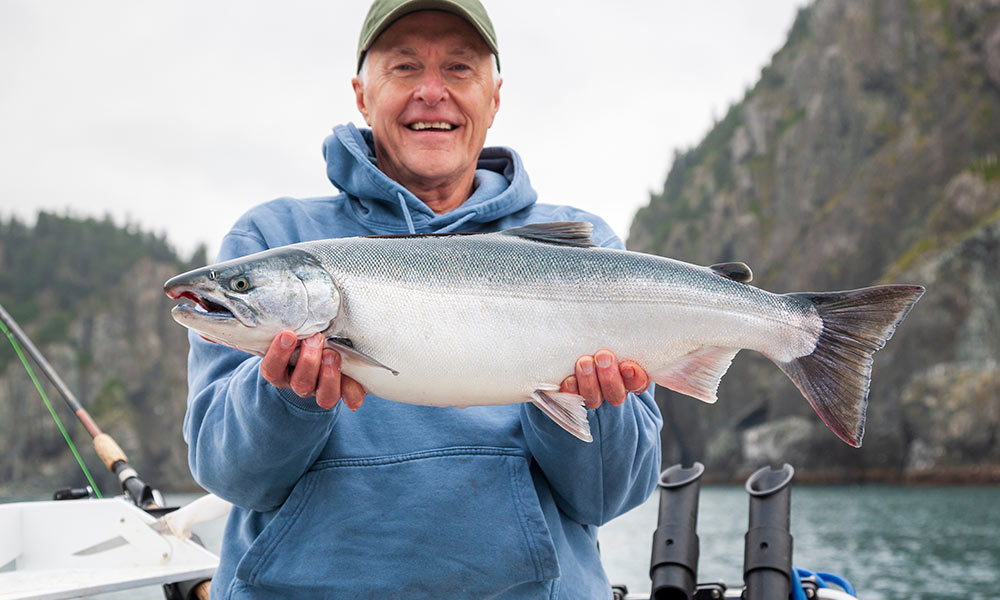
Chinook (King) Salmon, Coho (Silver) Salmon, Halibut
Pacific Region, Colombia
Amberjack, Bigeye Tuna, Cubera Snapper
British Columbia, Canada
Chinook (King) Salmon, Coho (Silver) Salmon, Halibut
Southeast Alaska
Chinook (King) Salmon, Coho (Silver) Salmon, Halibut
No results available
Sea fishing delivers access to powerful species, open ocean environments, and big-run action. From nearshore reef drop-offs to deep offshore bluewater, lodge-based sea fishing covers a wide range of habitats and techniques—from trolling for tuna to vertical jigging reefs or casting for snapper in heavy current.
Sea fishing trips range from skiff-based inshore sessions to multi-day offshore runs. While some species are seasonal and highly migratory, others thrive year-round on reefs, wrecks, and coastal ledges. Timing, tide, and structure all play a role in targeting fish effectively—whether you’re sight-casting to roosterfish or dropping jigs into 300 feet for lingcod.
FishingExplora focuses on lodge-based sea fishing experiences that combine access, comfort, and local expertise. Whether you’re after reef predators or bluewater pelagics, these trips are guided by knowledgeable professionals with the right boats, tactics, and timing to get you into fish.
Often targeted in deep fjords or offshore ledges using bait, jigs, or heavy tackle. Alaska and British Columbia hold some of the largest halibut on record.
Aggressive and toothy, these fish attack jigs and bait near rocky bottoms. Best targeted during strong tides or structure-oriented drifts.
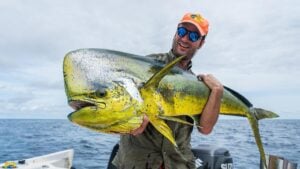
Found near floating debris and current lines offshore. Take flies, jigs, and plugs. Known for blistering runs and electric colors.
Common in tropical and sub-tropical waters. Hit jigs hard and pull toward structure. Includes various species like cubera and red snapper.
Targeted on fly or spin in warm shallows, channels, and river mouths. Known for their jumps, strength, and explosive takes.
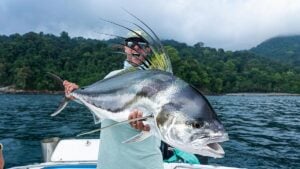
Caught near surf zones and rocky points. Explosive topwater takes. Often sight-fished along beaches or from pangas.
Found around reefs and offshore drop-offs. Hit high-speed trolling lures or jigs with violent strikes and reel-burning runs.
Often located by birds or bait balls. Fought hard with heavy gear or fly rods. Includes yellowfin, bigeye, and blackfin depending on region.
Powerful fighters found in ledges and drop-offs. Caught using live bait or heavy jigs—pull hard or risk break-offs in structure.
Aggressive surface takes on poppers and streamers. Found on reefs, flats, and shorelines. Includes species like GTs and bluefin trevally.
While world-class sea fishing exists globally, FishingExplora features lodge-based trips in the following regions:
May to September. Best action in protected bays, offshore ledges, and near coastal kelp beds. Long days and big fish.
May to October. Excellent nearshore and offshore access from coastal lodges. Best tides vary by species and location.
October to April. Unique mix of estuary and surf fishing for aggressive species in warm, nutrient-rich water.
December to March. Coastal lodges offer quick access to tuna, wahoo, snapper, and roosterfish on spin or jig.
Sea fishing techniques vary by target species, depth, and environment. From precision reef jigging to high-speed offshore trolling, here are common approaches:
FishingExplora connects you with trusted lodges offering guided sea fishing adventures. Whether you’re exploring cold Pacific waters or tropical African coasts, these trips combine expert boat crews, quality equipment, and prime seasonal timing—all with direct host contact.
A 7-foot medium-heavy spinning rod rated for 30–50 lb braid covers most nearshore and reef species. Offshore, bring a trolling setup or heavy jigging rod depending on target fish and depth.
Vertical jigging triggers aggressive strikes from active fish, while bait often produces better in slower or deeper conditions. Both techniques work—local knowledge typically guides the choice.
Timing varies by region, but tuna, mahi-mahi, and wahoo are most consistent where currents, baitfish, and sea temps converge. In most regions, this occurs late summer to early fall.
The FG Knot is the most reliable low-profile option for connecting braid to heavy mono or fluoro. It passes through guides smoothly and holds under heavy drag.
Pack versatile tackle, corrosion-resistant gear, and backups for key items like pliers or sunglasses. Bring terminal tackle suited to the species, and confirm baggage restrictions with the lodge beforehand.
We use cookies to improve your experience and enable key features on the platform. You can choose which cookies to allow. Some features may not work fully without consent.