Discover the best grouper fishing destinations, guided trips, and lodge-based experiences worldwide. Explore remote waters and world-class angling with expert local hosts.

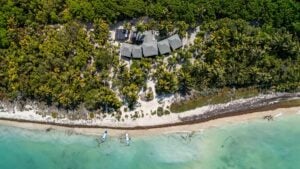
Outer Islands, Seychelles
Barracuda, Bonefish, Bumphead Parrotfish
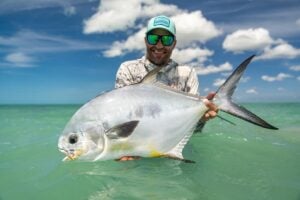
Pacific Region, Colombia
Amberjack, Bigeye Tuna, Cubera Snapper
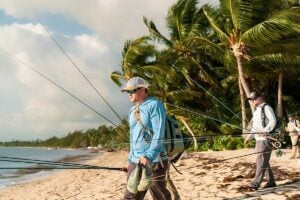
Abaco, The Bahamas
Barracuda, Bonefish, Grouper
Yucatan Peninsula, Mexico
Barracuda, Bonefish, Grouper
No results available
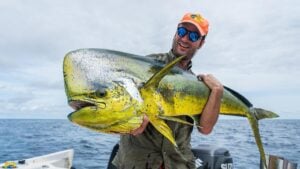
Groupers are hard-hitting reef predators known for their power, size, and ambush strikes. Found around deep reefs, drop-offs, and wrecks, they’re a favorite target in warm coastal waters worldwide.
Groupers are among the most sought-after reef species for anglers chasing strength and size. With powerful jaws and the instinct to retreat into structure, they challenge even experienced bottom fishers. Species like black, red, gag, and Nassau grouper dominate warm Atlantic and Indo-Pacific waters, often overlapping with snapper and jacks.
Groupers belong to the family Epinephelidae — a large, diverse family of reef-associated predators found across tropical and subtropical oceans. While most commonly caught on jigs, live bait, or vertical presentations, some aggressive species will chase poppers or flies in shallow reef zones.
Black grouper are the primary grouper target in the Bahamas for visiting anglers, found around reef edges and deep cuts within reach of lodge-based boats. Nassau grouper are also present but are critically endangered and subject to a government-mandated closed season from December through February — responsible programs treat any Nassau grouper encounter as catch-and-release only.
Along the Gulf side of the Yucatán, anglers can target grouper on day trips from coastal lodges, often mixed with snapper, jacks, and other reef species.
Colombia’s coastlines host a mix of reef systems, making it possible to encounter multiple grouper species on lodge-based trips from either coast.
Guided trips from remote atolls target grouper species along coral edges, drop-offs, and shallow reef flats, often combined with GT and snapper fishing.
Wrecks and ledges in the Florida Keys are home to black, gag, and goliath grouper. Many lodge-based trips offer guided access to deeper zones via center consoles.
Groupers here are often caught near rocky offshore formations, especially while fishing for roosterfish or snapper on lodge-supported boats.
Less pressured than many destinations, these waters hold large grouper in deeper reef systems, often combined with trips for GT and snapper.
Groupers are the heavyweight bruisers of the reef. Their sheer pulling power and ability to dart back into cover make them a thrilling species to target on bottom or jig gear. Many grow to substantial sizes — especially goliath and black grouper — and require heavy tackle and a decisive hookset. They are also known for producing audible low-frequency grunts, particularly when landed, a characteristic shared across the family.
Groupers vary by species but share a thick, muscular body, large mouth, and heavy gill plates built for ambush predation. Coloration ranges from mottled browns and grays in black and gag grouper to reddish-orange in red grouper.
Nassau grouper are among the most distinctive — light buff to tawny with five dark brown vertical bars, a large black saddle blotch at the base of the tail, and a tuning-fork shaped stripe on the forehead; color can shift rapidly from pale to almost black depending on mood and environment.
Sizes vary widely — common reef species typically run 5–30 lbs, while black grouper regularly reach 50+ lbs and goliath grouper can exceed 400 lbs.
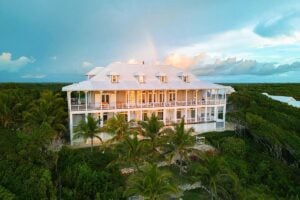
FishingExplora connects anglers with remote, lodge-based fishing destinations that include guided access to productive grouper waters. Whether targeting reef drop-offs in the Bahamas or grouper species alongside GT and snapper programs in the Seychelles Outer Islands, our lodges offer expert guides and well-equipped boats. Contact lodges directly to discuss program structure and availability.
FishingExplora’s editorial content draws on lodge input, guide experience, published field reports, and independent research to help anglers make informed decisions about premium fishing destinations.
Grouper respond well to live bait — pinfish, grunts, sardines, and squid are reliable choices across most destinations. Cut bait and vertical jigs are also effective, particularly near reef structure. Local guides know which presentations work for specific species and depths at their home fishery.
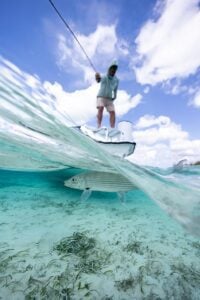
Most grouper aren’t practical fly targets due to their preference for deep structure. In some shallow reef zones, smaller species like certain reef grouper can be caught on large baitfish patterns — particularly in the Seychelles and similar Indo-Pacific destinations where fish are less pressured and water clarity is high.
Grouper are found from 20 feet to over 300 feet, depending on species and structure. Most lodge-based programs target them on reef ledges, wrecks, and offshore pinnacles accessible on day trips. Shallow-water species are available in the 20–60 foot range; larger black and gag grouper typically hold deeper.
Black, red, gag, and Nassau grouper are the most frequently caught Atlantic species. Goliath grouper are encountered but are protected across much of their range and must be released. In the Indo-Pacific, coral grouper and various Epinephelus species are the primary targets.
Yes — grouper fishing requires stout rods, heavy braided mainline, and strong fluorocarbon leaders. Their instinct on hookup is to dive immediately back into structure, so the ability to apply maximum pressure from the moment of the strike is critical. Light gear will not turn a large grouper before it reaches cover.
We use cookies to improve your experience and enable key features on the platform. You can choose which cookies to allow. Some features may not work fully without consent.