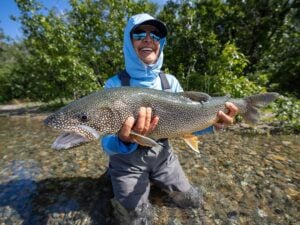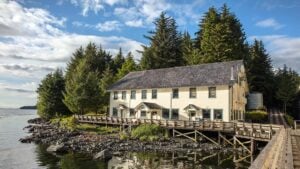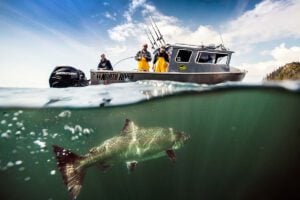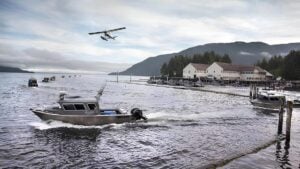
Explore fishing trips in Alaska, staying at carefully selected lodges that combine expert guiding, remote wilderness settings, and exceptional angling.
Bristol Bay, Alaska
Arctic Char, Chinook (King) Salmon, Chum (Keta) Salmon
Southeast Alaska
Chinook (King) Salmon, Coho (Silver) Salmon, Halibut
Bristol Bay, Alaska
Arctic Char, Chinook (King) Salmon, Chum (Keta) Salmon
Alaska, United States
Chinook (King) Salmon, Chum (Keta) Salmon, Coho (Silver) Salmon
Bristol Bay, Alaska
Arctic Char, Chinook (King) Salmon, Chum (Keta) Salmon
Bristol Bay, Alaska
Arctic Char, Chinook (King) Salmon, Chum (Keta) Salmon
Bristol Bay, Alaska
Chum (Keta) Salmon, Coho (Silver) Salmon, Dolly Varden
Southeast Alaska
Chinook (King) Salmon, Coho (Silver) Salmon, Halibut
No results available
From glacier-fed rivers to exposed coastal waters, Alaska offers one of the most logistically demanding and rewarding lodge-based fishing destinations in the world. Those planning Alaska fishing vacations need to factor in short seasons, limited road access, and vast distances. The quality of a trip is shaped as much by access and planning as by the fishing itself.
Alaska’s fishing lodges cover a vast geography—from the braided rivers of Bristol Bay to the saltwater reaches of Southeast and Kodiak. Anglers come here for the wild fish, the off-grid lodges, and the sheer scale of the Alaska lodge fishing experience. The state’s defining character is variety: five Pacific salmon species, trophy rainbow trout, Arctic char, grayling, and saltwater species all within reach of lodge-based programs.
For those comparing different lodge formats—fly-out programs, river-based lodges, and saltwater operations—see our Editorial Guide to Alaska Fishing Lodge Programs, which explains how these programs differ and how to choose the right fit.
Bristol Bay draws more lodge-based anglers than any other region in Alaska. The Naknek, Kvichak, and Alagnak rivers run through the world’s largest sockeye salmon watershed, with annual returns consistently exceeding 40 million fish. Resident rainbow trout grow large on the salmon runs and are the primary target for most fly-out programs. Most fishing water here is accessible only by floatplane. Guests typically fly commercially to King Salmon or Dillingham, with onward transfers by road, boat, or floatplane depending on the lodge. Anchorage is the standard connection point for both hubs.
The Kenai River runs two distinct king salmon runs each season—the first from mid-May through late June, the second in July—making it one of the few systems in Alaska where kings can be targeted across nearly three months. The Russian River confluence is one of the state’s most productive sockeye spots. Full-service lodges, road access, and proximity to Anchorage make the peninsula the most practical entry point for first-time Alaska visitors.
Kodiak’s saltwater grounds produce halibut year-round from May through September, with oceanfront lodges running guided charters into productive nearshore and offshore habitat. On the freshwater side, the Karluk River carries the second-largest steelhead run in Alaska, peaking in October, with the Ayakulik offering a smaller but less-pressured alternative. Salmon run all five species across the island’s river systems through summer.
The protected channels of the Inside Passage give lodges near Sitka, Juneau, and Ketchikan reliable access to king and coho salmon, halibut, and more than 20 bottomfish species regardless of open-water conditions. The Situk River near Yakutat holds the largest wild steelhead run in Alaska—averaging over 6,000 fish annually—with the primary season running April through May.
Valdez and Cordova sit at the edge of one of Alaska’s most productive marine environments, where glacial rivers empty into sheltered saltwater bays. Silver salmon enter the rivers from August through September; halibut and lingcod are consistent offshore targets from May. The area sees less lodge traffic than Bristol Bay or Southeast, making it a strong option for anglers looking for less competition on the water.
Alaska’s central and northern drainages produce reliable chum and pink salmon runs through July and August, with Arctic grayling offering consistent dry-fly action in clear-water tributaries throughout the summer. The Kobuk and Selawik rivers in the northwest hold the state’s strongest sheefish population—fish here regularly exceed 30 pounds, with specimens reaching 60 pounds reported—and are best targeted June through August.
Alaska supports one of the most diverse sport fisheries on earth, with five Pacific salmon species, several native char and trout, and uniquely Arctic species found nowhere else in the lower 48.
For a full month-by-month breakdown of how each species fishes across Alaska’s regions, see our guide to the best months for salmon fishing in Alaska.
FishingExplora lists lodges across Alaska’s main fishing regions. Contact hosts directly to discuss seasons, program structure, and availability.
For more lodge-based options across the larger region, explore all our fishing lodges in North America.
FishingExplora’s editorial content draws on lodge input, guide experience, published field reports, and independent research to help anglers make informed decisions about premium fishing destinations.
King salmon run mid-May through July, peaking mid-June to early July. Sockeye are strongest in July, with coho from August through September. Most systems offer overlapping species through the summer, so the best timing depends on which salmon you’re targeting.
Alaska’s rainbows grow large by feeding on salmon eggs and flesh during spawning season. Found in rivers like the Naknek and Kvichak in Bristol Bay, they are wild, hard-fighting fish ideal for anglers using streamers, beads, and swung flies.
Most visiting anglers require a sport fishing license, available online through the Alaska Department of Fish and Game before you travel. If targeting king salmon, a separate king stamp is also required. Anglers booking saltwater halibut days on a charter should note that a halibut stamp is now required as of 2026 — most lodge programs cover this, but confirm at booking. Most lodges assist with all licensing as part of the arrival process.
Most trips begin in Anchorage or Fairbanks. From there, guests transfer by floatplane or small charter to the lodge. Lodges typically coordinate these flights as part of the arrival logistics.
Pack waterproof outerwear, breathable base layers, insect repellent, waders or hip boots, and warm clothing for cold mornings. Bring 5–7 wt rods for trout and 8–9 wt for salmon. Most lodges offer gear rental if needed.
Yes. Many lodges cater to beginners with guided trips, quality gear, and on-water instruction. Experienced local guides and reliable species timing help ensure a productive experience regardless of skill level.
Mosquitoes and biting flies are most active mid-June through late July, especially in interior and tundra regions. Repellent, long sleeves, and head nets are standard kit for remote rivers and float trips.
Many offer bear viewing, glacier flights, whale watching, and hiking. These can be added as half-day or full-day excursions, usually arranged through the lodge.
We use cookies to improve your experience and enable key features on the platform. You can choose which cookies to allow. Some features may not work fully without consent.