
Remote Fly-In Lodge Accessing Bristol Bay Waters
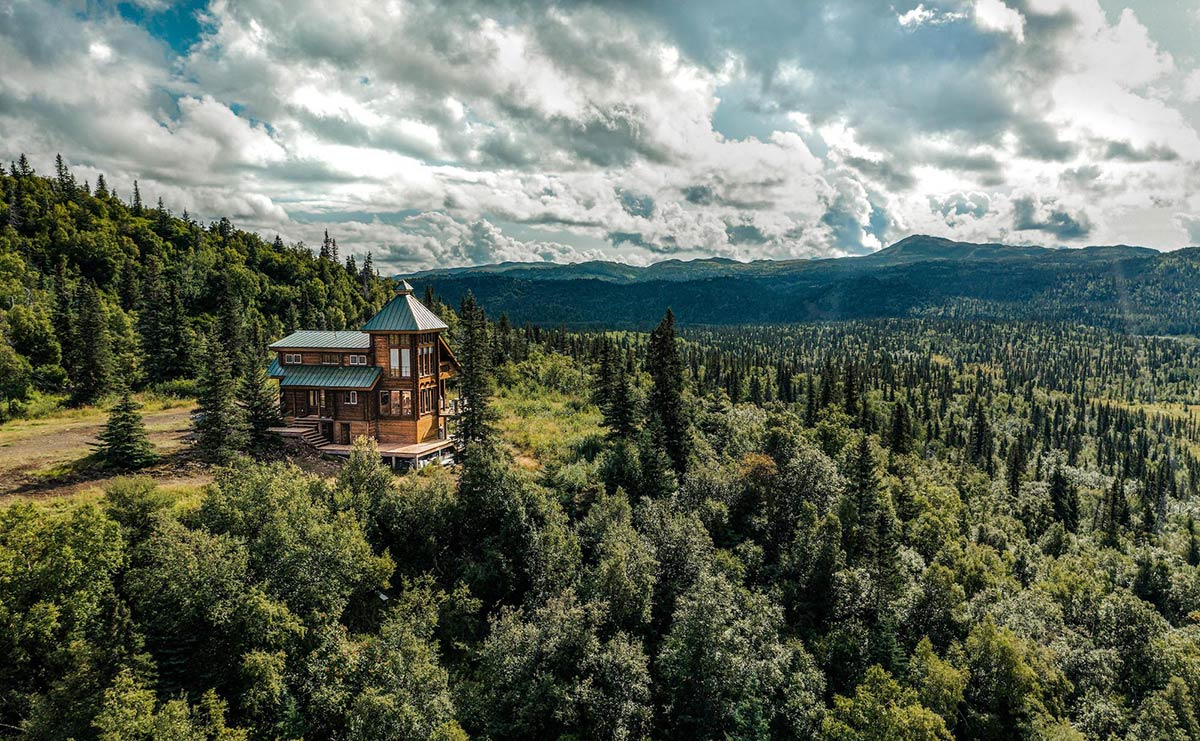
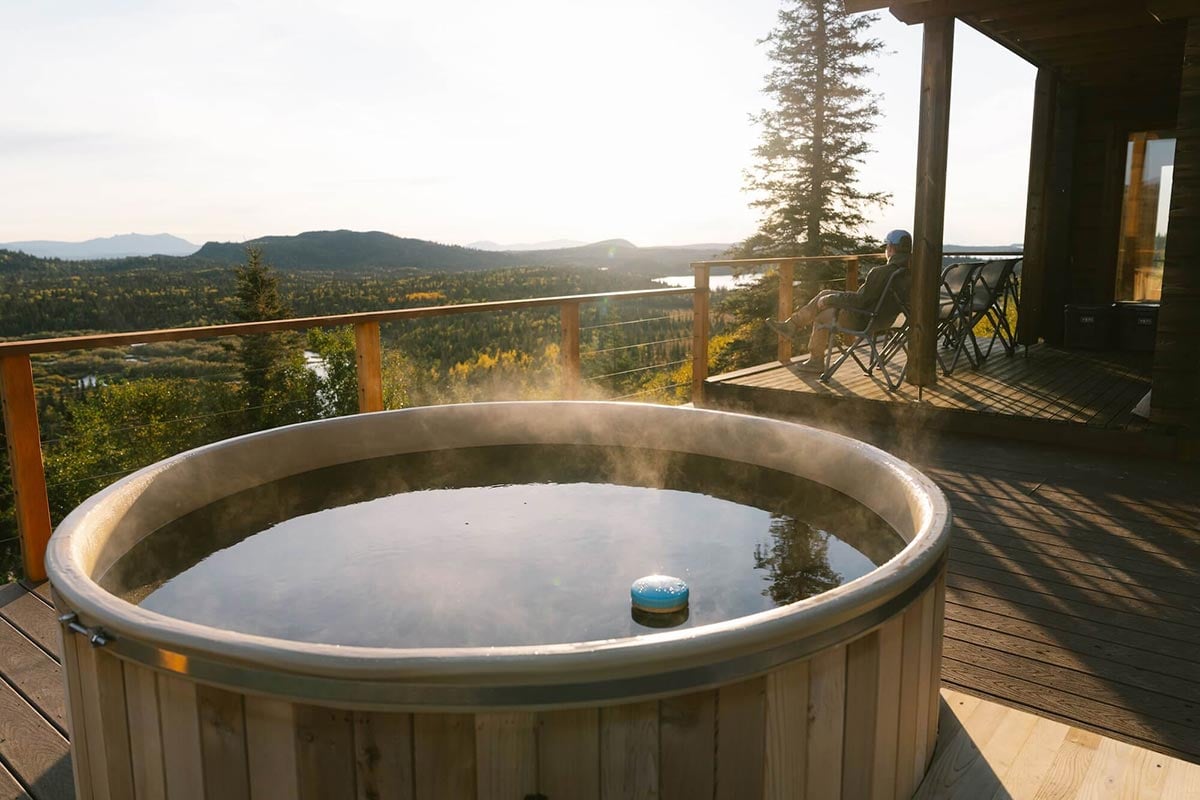
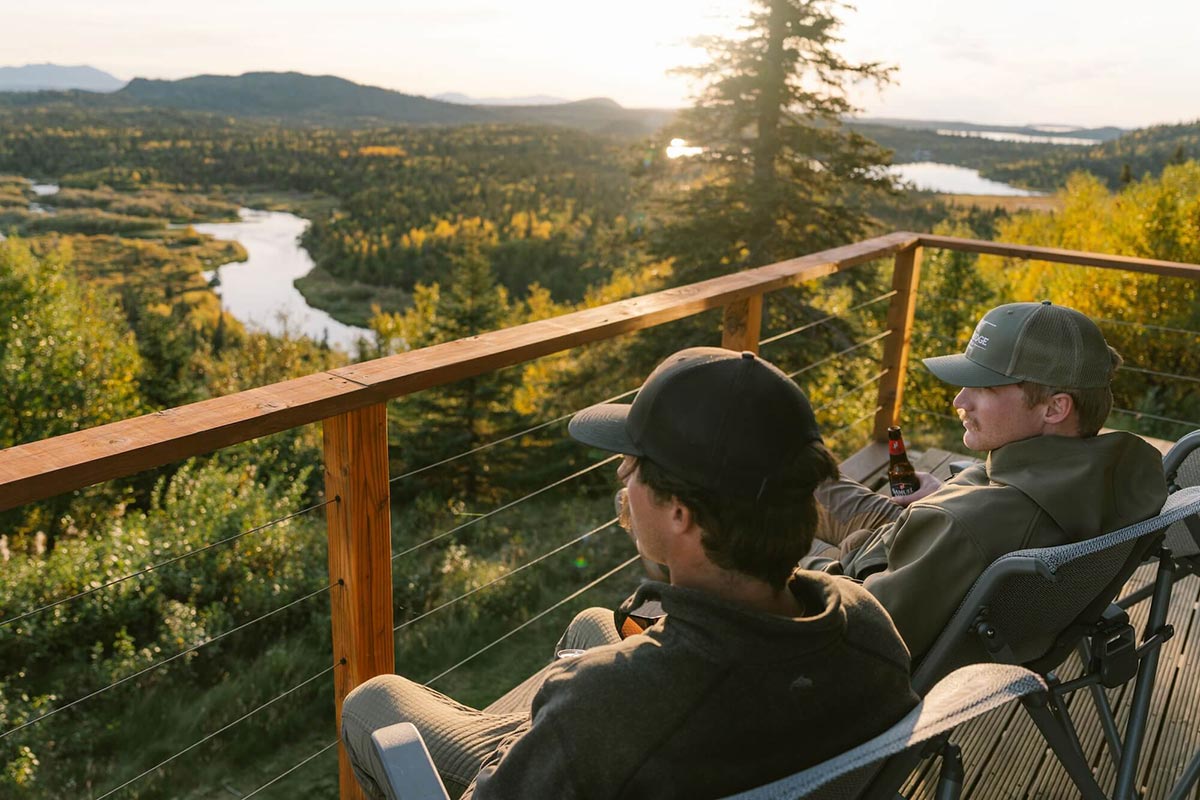
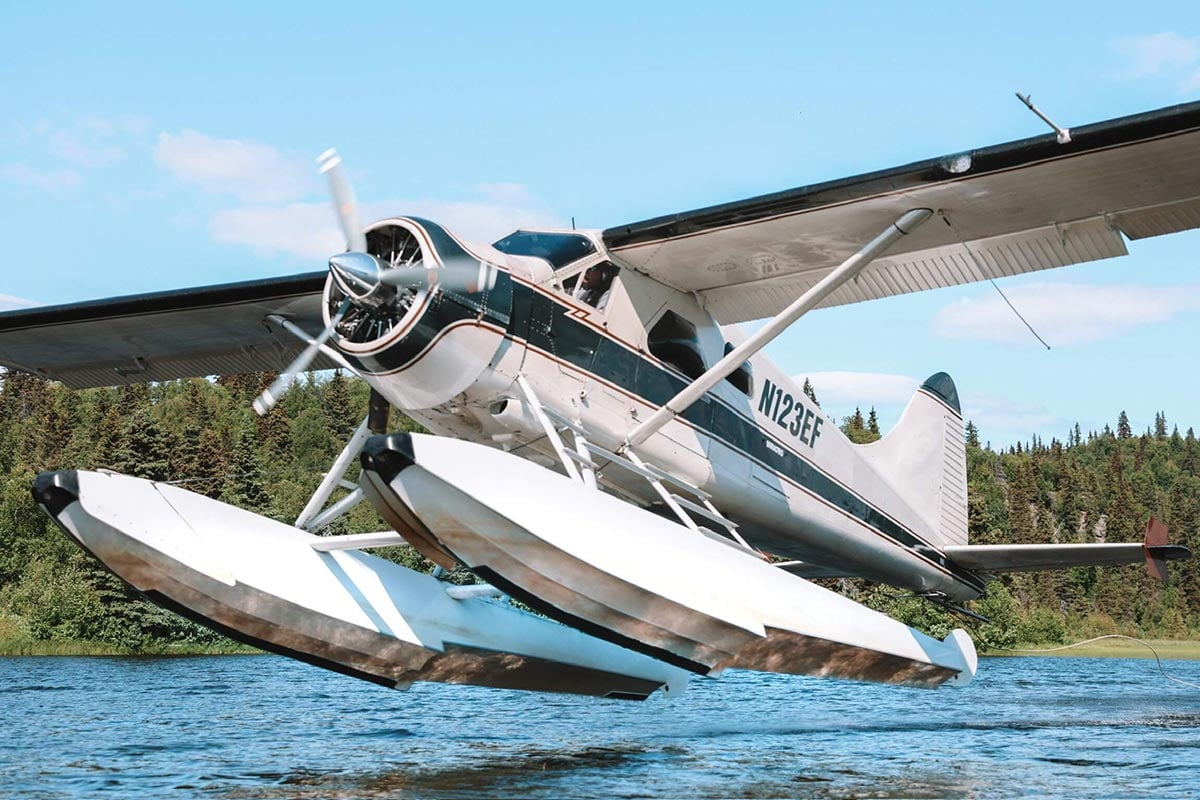
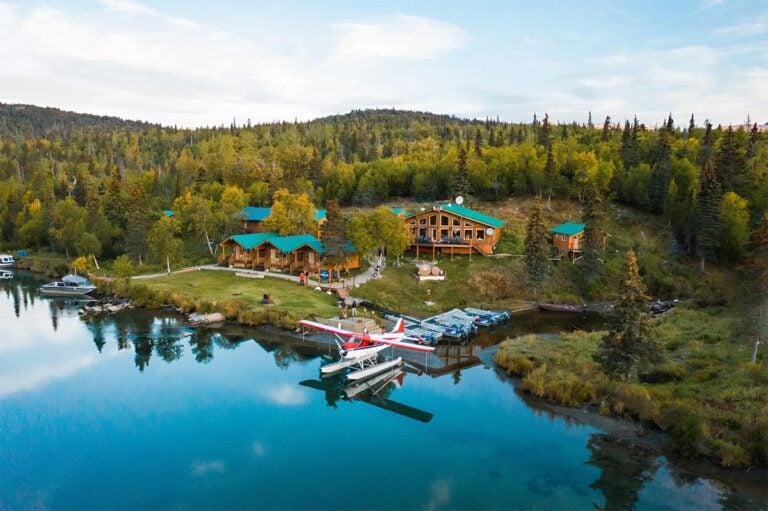
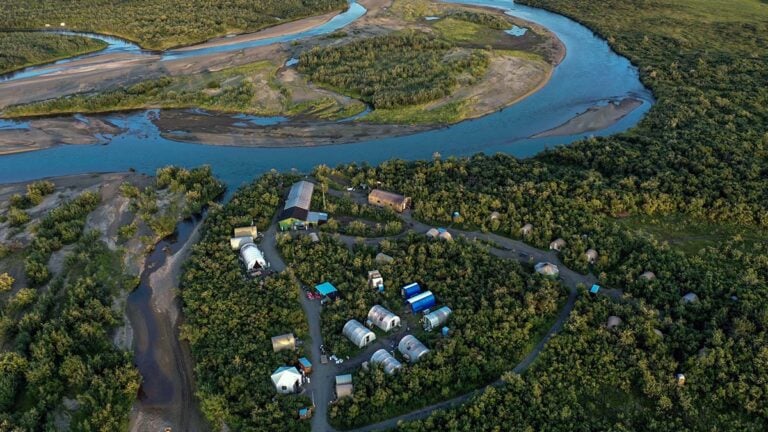
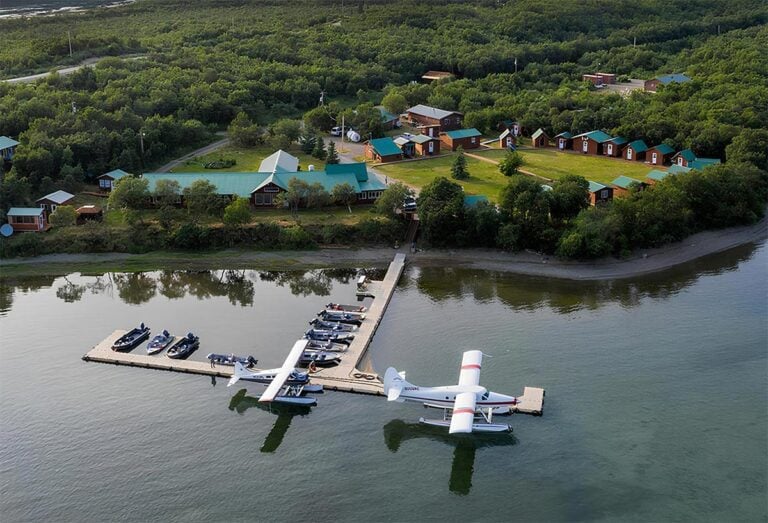
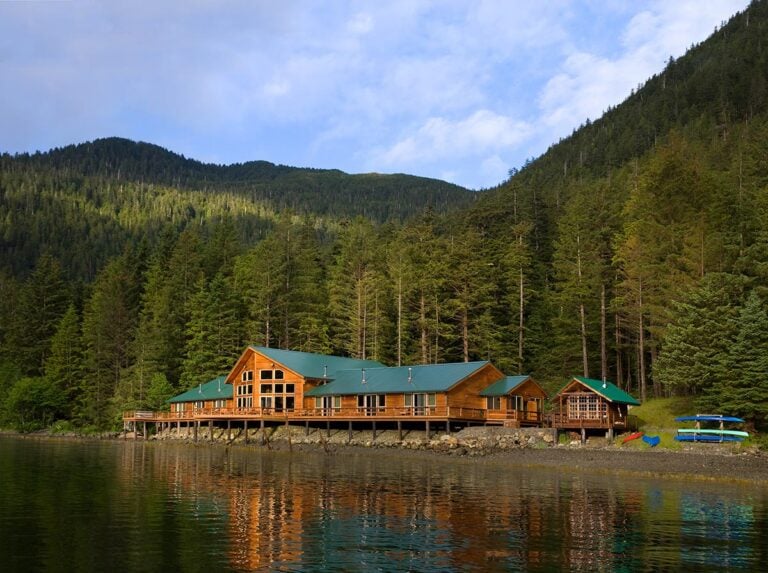
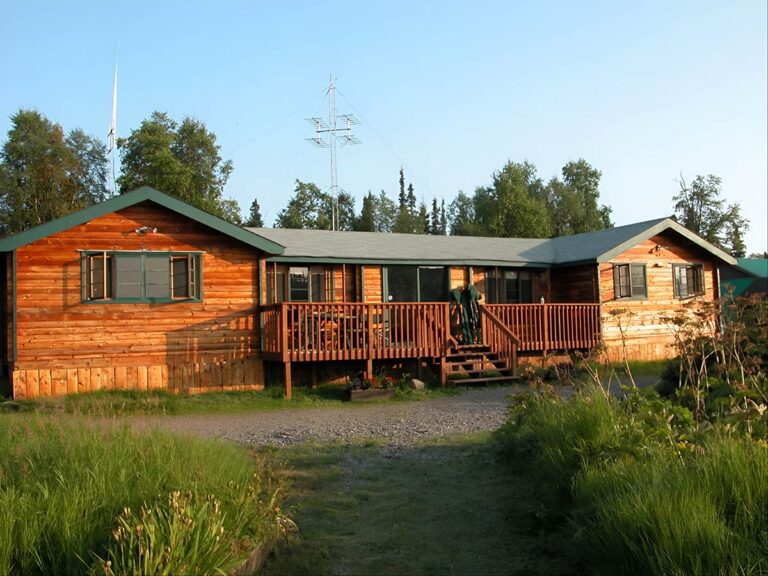
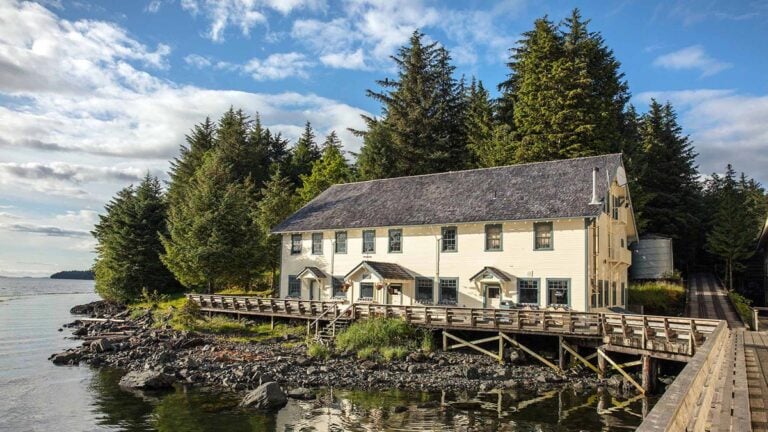
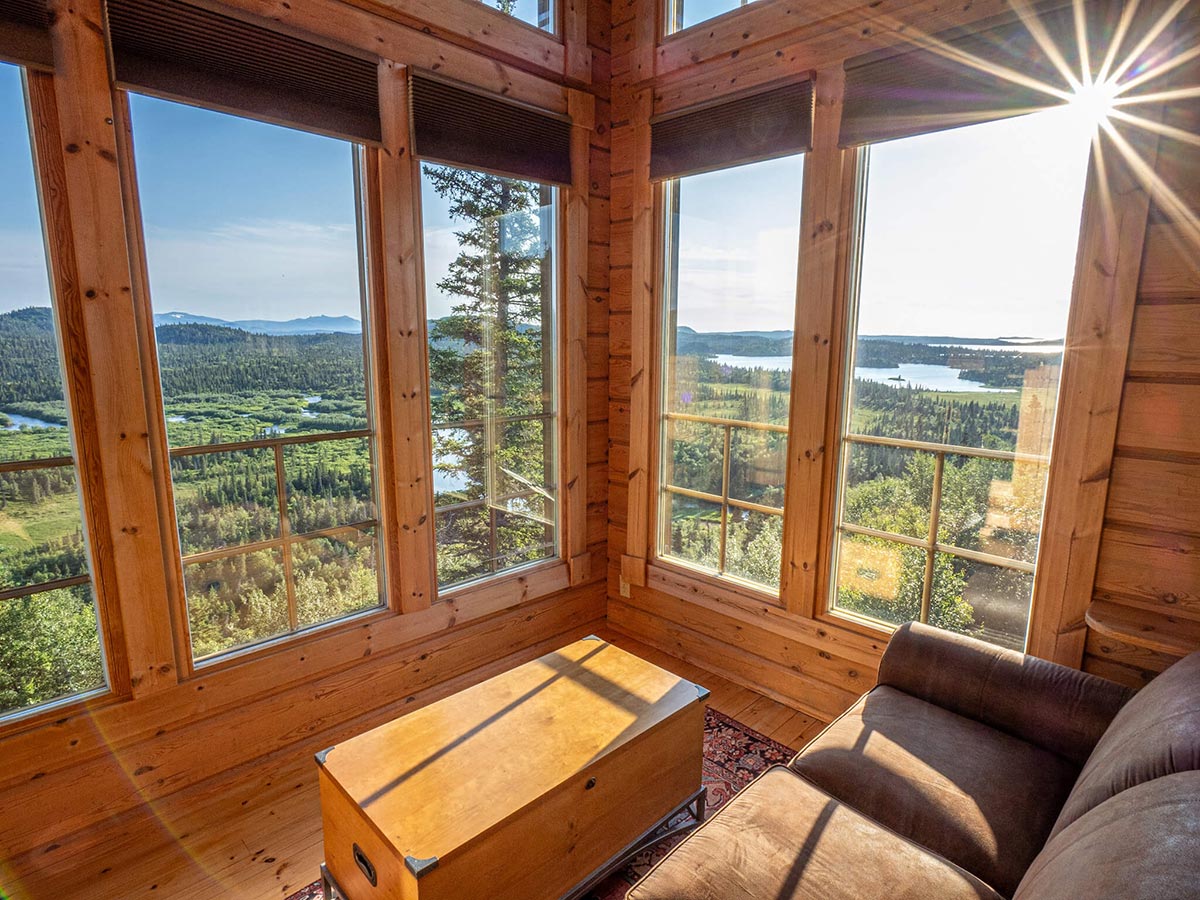
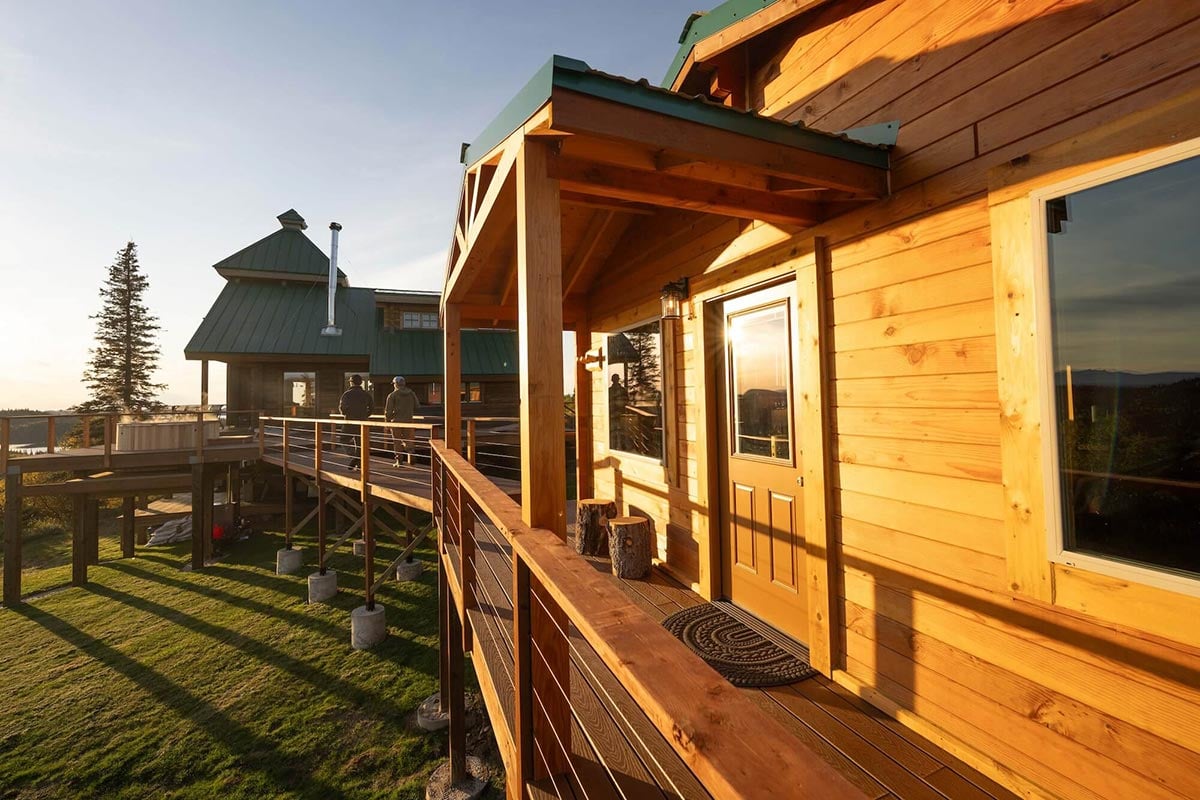
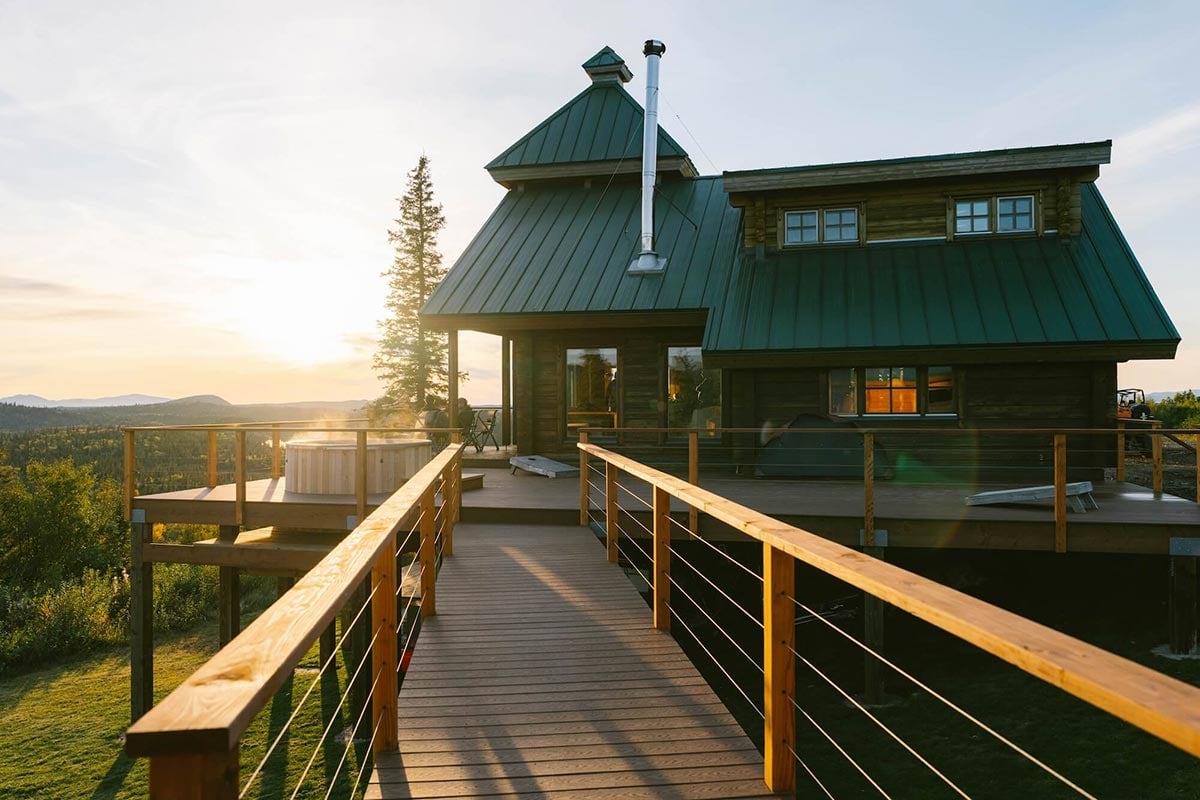
Set deep in roadless country and reached only by floatplane, The Ridge sits above the Copper River in the Iliamna region and operates as a genuine fly-in Alaska fishing lodge. Guests arrive by bush plane and spend the week moving between rivers, tributaries, and lake-fed systems across Bristol Bay and Katmai. Most flights are short, placing anglers quickly into clear creeks, broad outlets, or tide-influenced water. On the ground, jet boats, rafts, and stashed Jon boats extend reach and open access to quiet backchannels, steady banks, and productive structure used by trout, salmon, and char.
A Flexible Bristol Bay Fishing Program
With only six guests per week, The Ridge builds each day around choosing the right water rather than following a fixed rotation. Guides draw from a broad circuit of rivers, creeks, and coastal streams across Iliamna and Katmai, selecting destinations according to clarity, fish movement, and angler preference. Some days suit longer glides on bigger water; others favor precise, visual fishing in smaller pieces.
As part of a small group of regional lodges, The Ridge combines real-time fishing reports that help guides anticipate shifts in conditions. Throughout the season, anglers use both single-hand and two-hand setups, with Winston rods and Bauer reels provided and rigged for the week’s expected water types. The Ridge is among a small number of Winston Preferred Lodges worldwide, a quiet marker of the program’s quality.
Floatplanes, Jet Boats & Raft Access
Floatplanes underpin the rhythm of the week. Most flights run under half an hour, placing anglers into tributaries, outlet rivers, or remote coastal water across Iliamna and Katmai. Once there, jet boats, rafts, and stashed Jon boats broaden access and turn fly-outs into full days on new water.
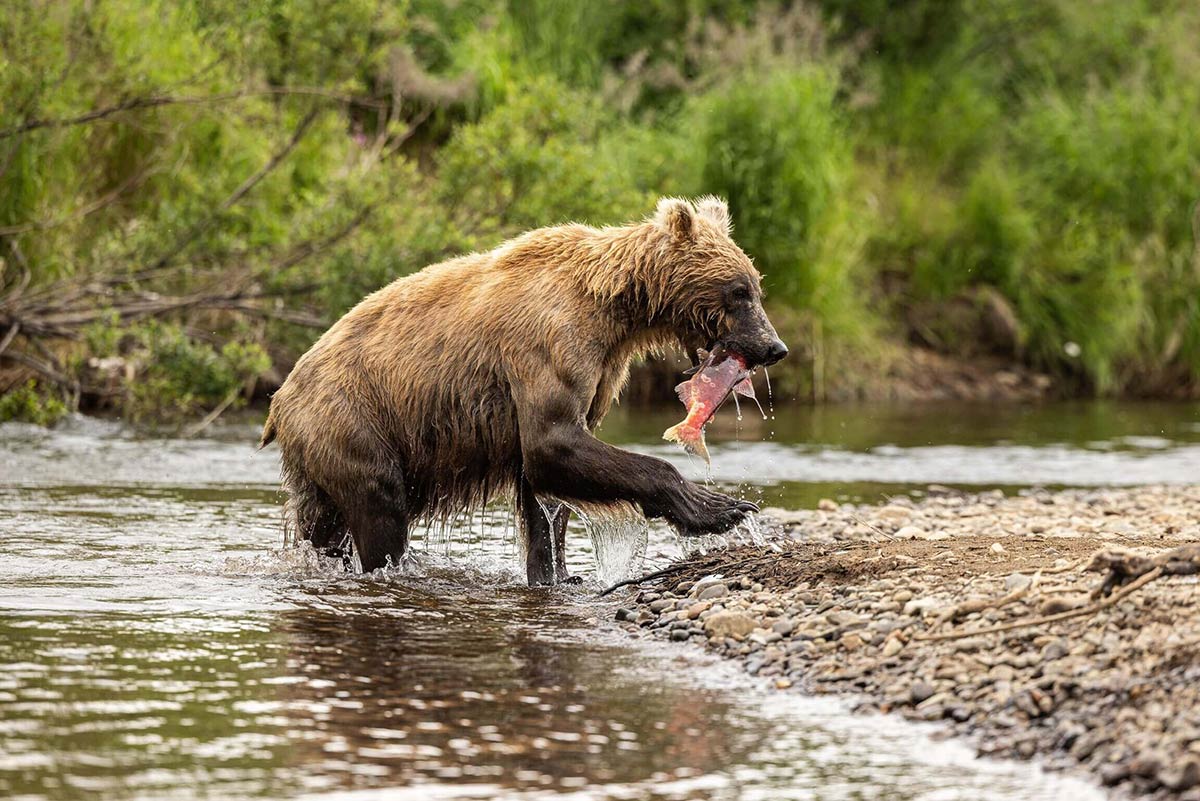
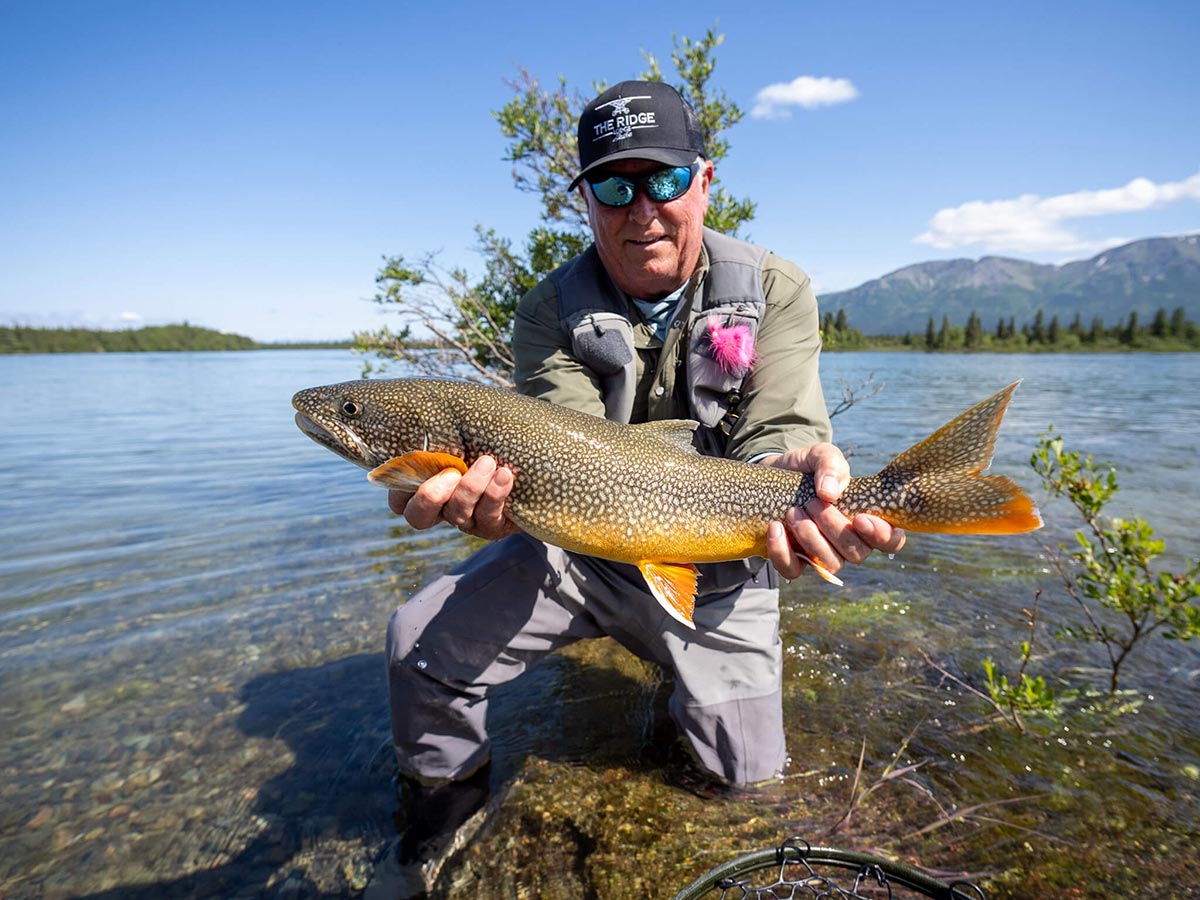
On the Copper, jet boats run through shallow channels before pulling onto gravel bars where all fishing is walk-and-wade. Wildlife—brown bears, eagles, and the occasional moose—often forms part of the day. Many fly-outs begin by inflating rafts at quiet put-ins and drifting steady, lightly traveled stretches. Jon boats positioned on lakes and backchannels reach deeper margins and inlet structure where trout, char, and lake trout gather. This layered access keeps options open when weather or flows shift.
Fishing the Copper River
The Copper is the program’s most consistent fishery and a defining part of the week. Flowing through a rugged valley, it shifts between wide bars, deeper bends, and gently broken midriver water—each section fishing differently as the season progresses. This variety allows guides to adjust naturally to light conditions, salmon arrivals, and changes in flow.
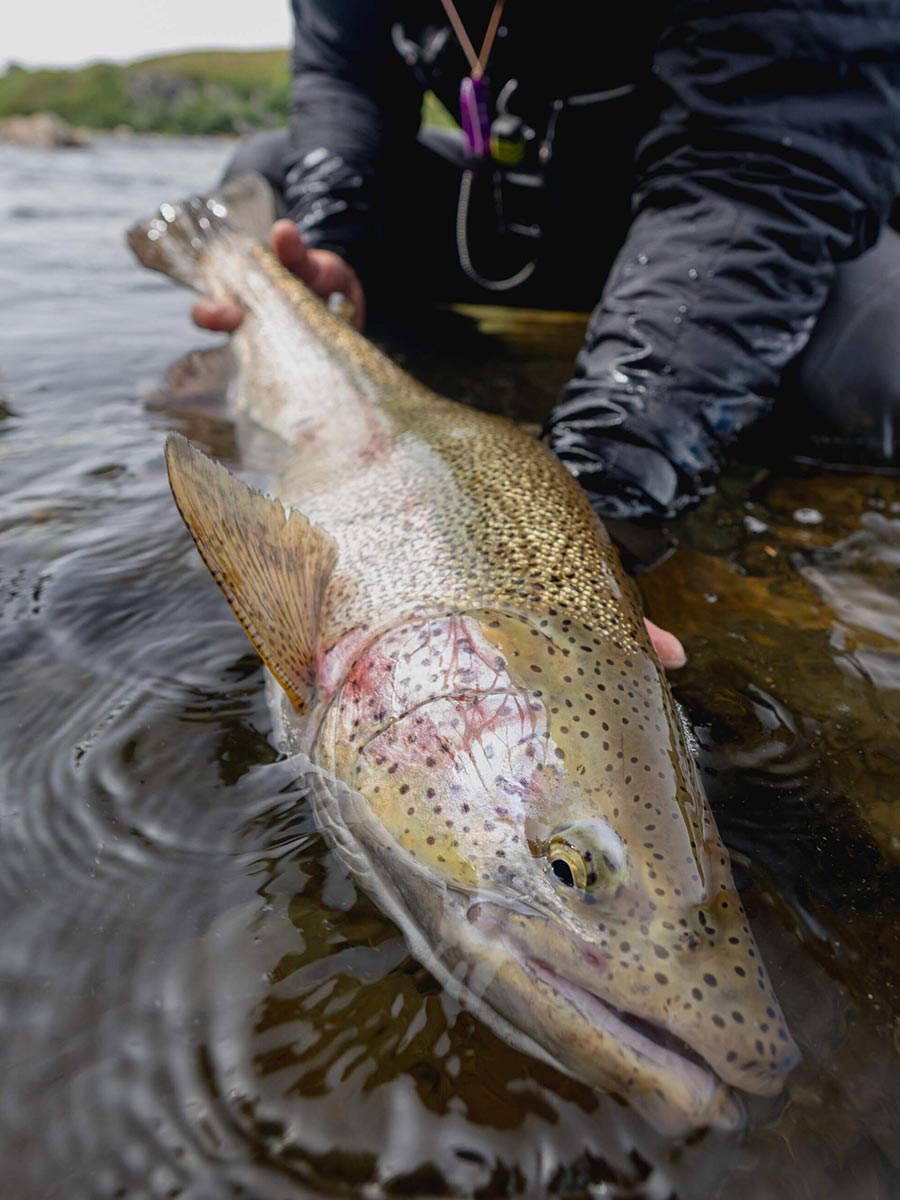
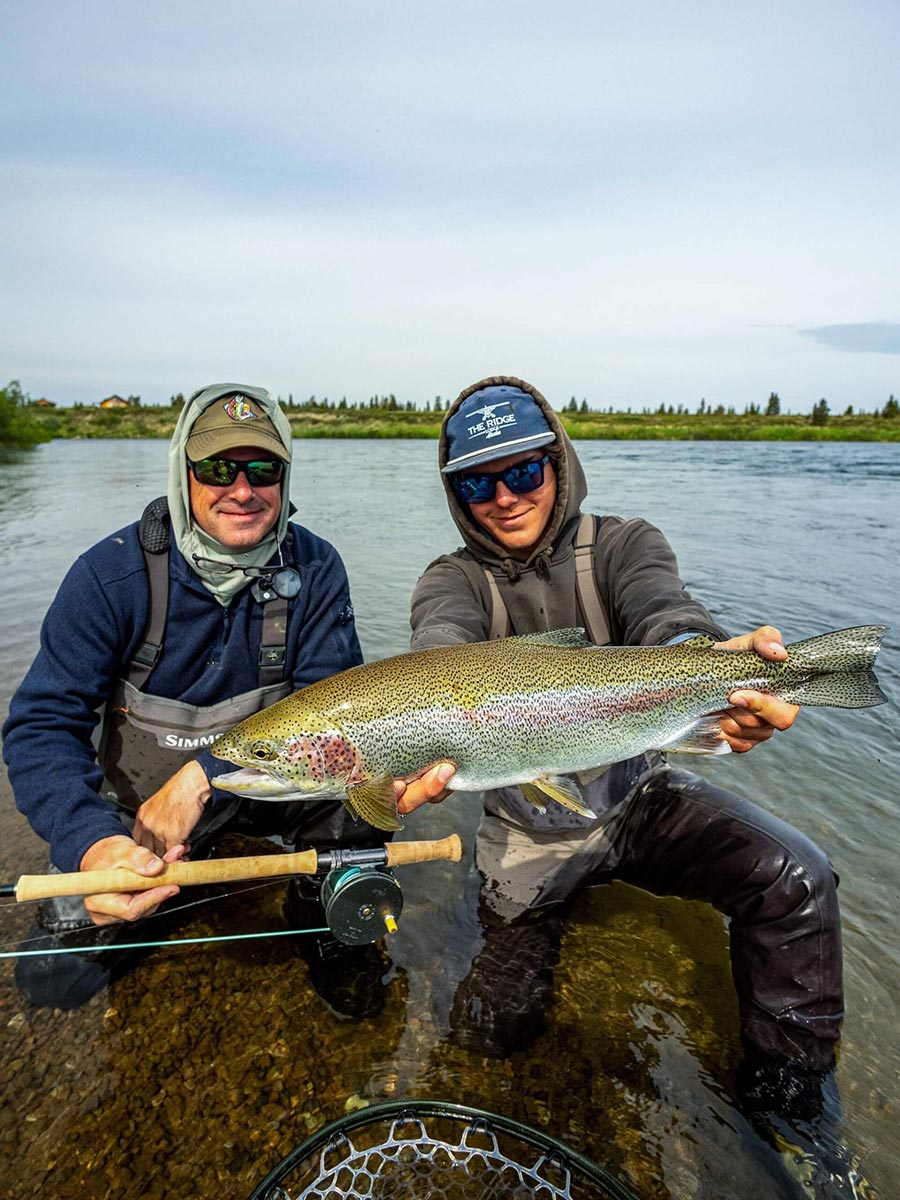
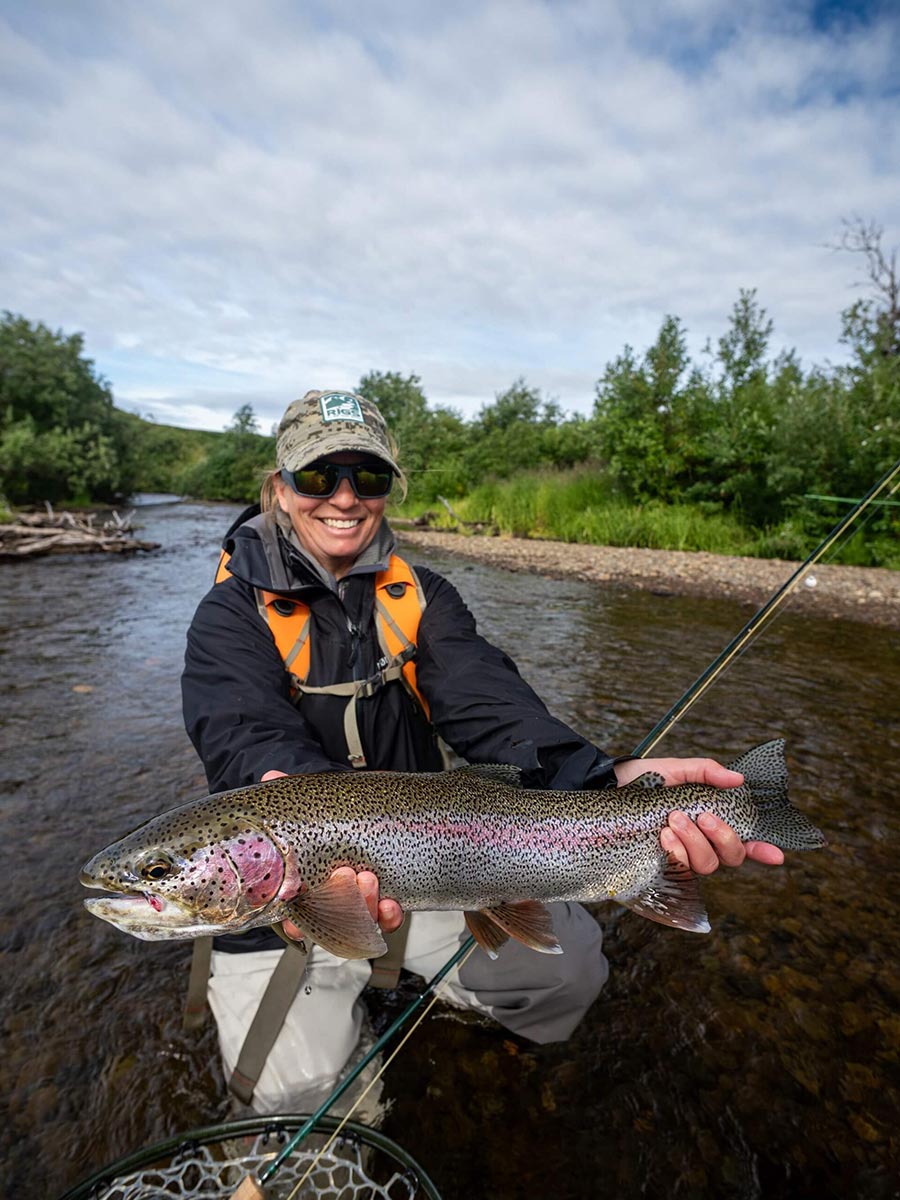
Early in the season, warming water and steady insect activity support reliable dry-fly and nymph fishing, while streamers work along shelves and cutbanks where trout and char hunt fry and sculpins. As salmon begin pairing, trout settle just downstream to intercept drifting eggs, then later pieces of salmon flesh. These transitions are easy to read on the Copper, giving both newer and experienced anglers confident sight-fishing opportunities. Whether covering a longer run or working tighter margins, the river remains a steady anchor from June into autumn.
Fly-Out Waters Across Iliamna & Katmai
Floatplanes open access to a wide mix of Bristol Bay waters beyond the Copper. Outlet rivers tied to Lake Iliamna hold strong pushes of lake-run trout and provide deeper structure that stays productive through seasonal shifts. Clear tributaries offer close-range fishing when light and levels align, while medium freestones provide familiar early-season water with defined currents and steady surface activity.
Some rivers are best approached by raft, allowing anglers to drift long, quiet sections and explore side channels that often hold surprising numbers of fish. Coastal systems add variety with bright salmon, sea-run dollies, and tide-shaped pools that change character through the day. Across these waters, guides match the day’s destination to the conditions and keep presentations simple and effective.
Early Season—June to Early July
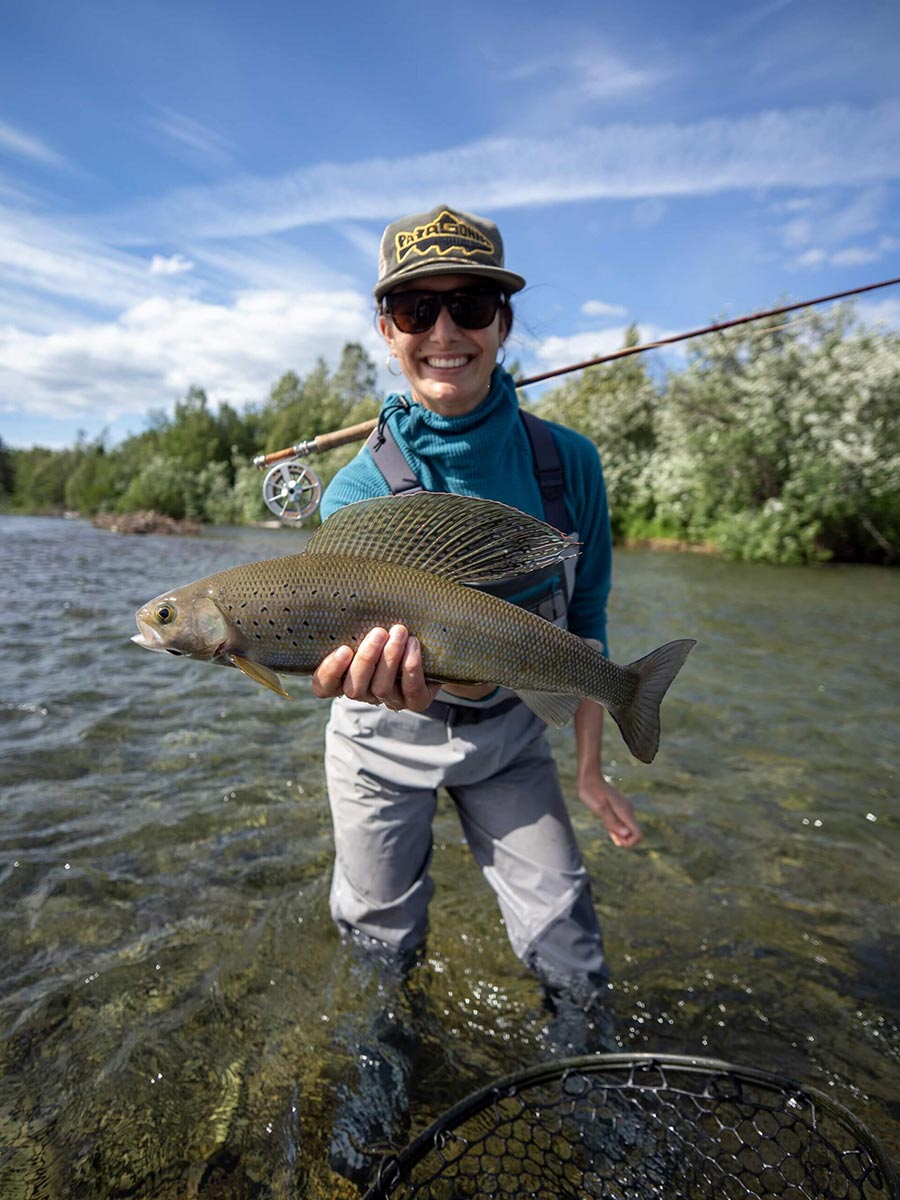
The season typically opens early June, when trout and grayling feed aggressively after winter and respond to a wide range of presentations. On the Copper and nearby creeks, early-season dry-fly and nymph fishing is strong, supported by insect hatches and trout spreading into accessible shallow water. Streamers remain effective thanks to movements of sockeye fry, lamprey, and sculpins.
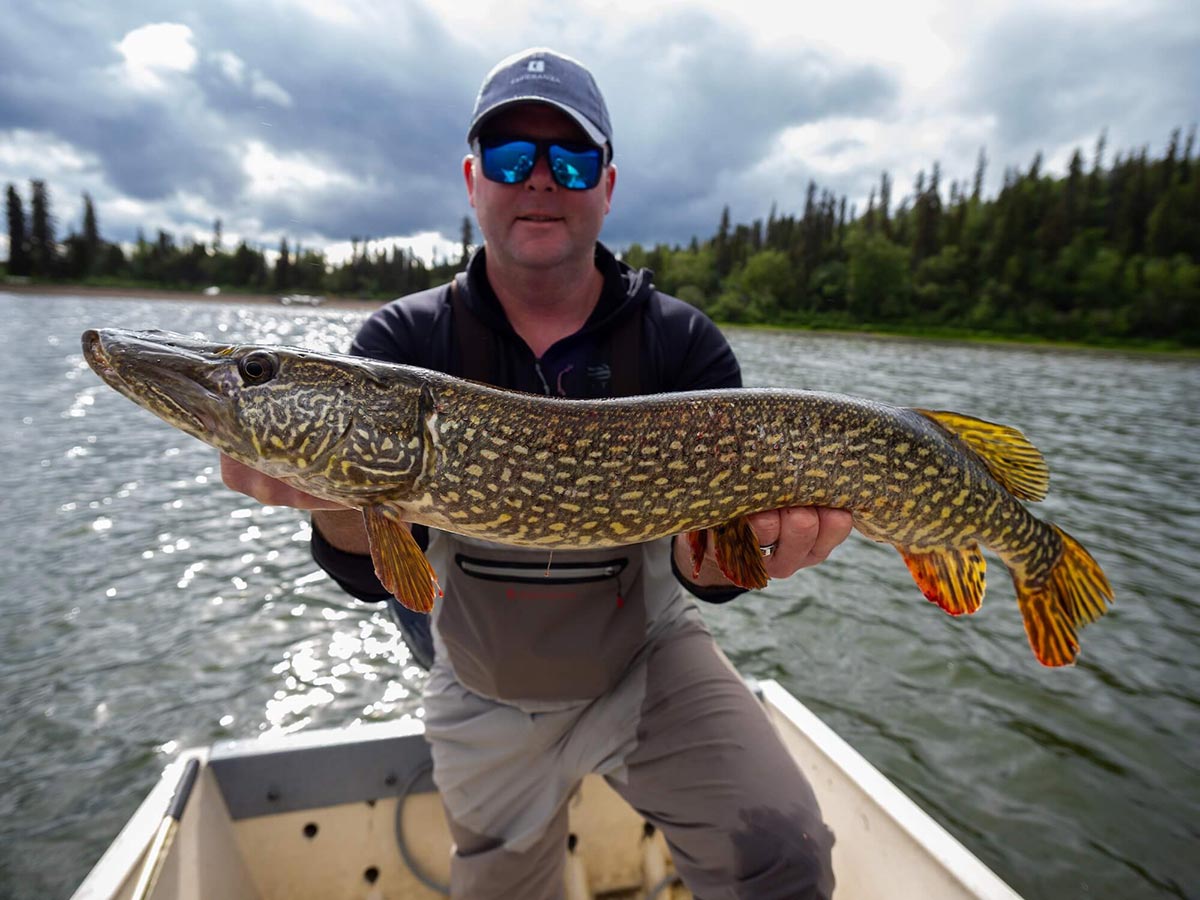
On lake-influenced outlets such as the Kvichak, smolt migrations group trout and lake trout in predictable lanes—ideal conditions for swung or stripped flies. Early-season weeks also offer good pike and grayling options in backwaters. For many anglers, this period brings clear water, stable weather, and the broadest mix of opportunities before salmon reshape the system in July.
Midseason Salmon & Multi-Species Options (July)
July brings the Bristol Bay sockeye migration, with bright fish pushing across shallow bars on the Copper and offering reliable sight-fishing. Retention is permitted within daily limits, a welcome option for guests wanting to take fish home. Their arrival also aligns with peak wildlife activity, especially when bears gather along narrow feeding stretches.
Coastal rivers see the first pink and chum salmon, followed by sea-run dolly varden. For trout anglers, July becomes a transitional month: early on, streamers and larger food patterns still move fish; by mid-July, spawning begins and trout set up behind salmon pairs. Anglers can combine trout, salmon, and dollies in the same week depending on conditions and interest.
Spey Fishing & Late-Season Trophy Opportunities (Aug–Oct)
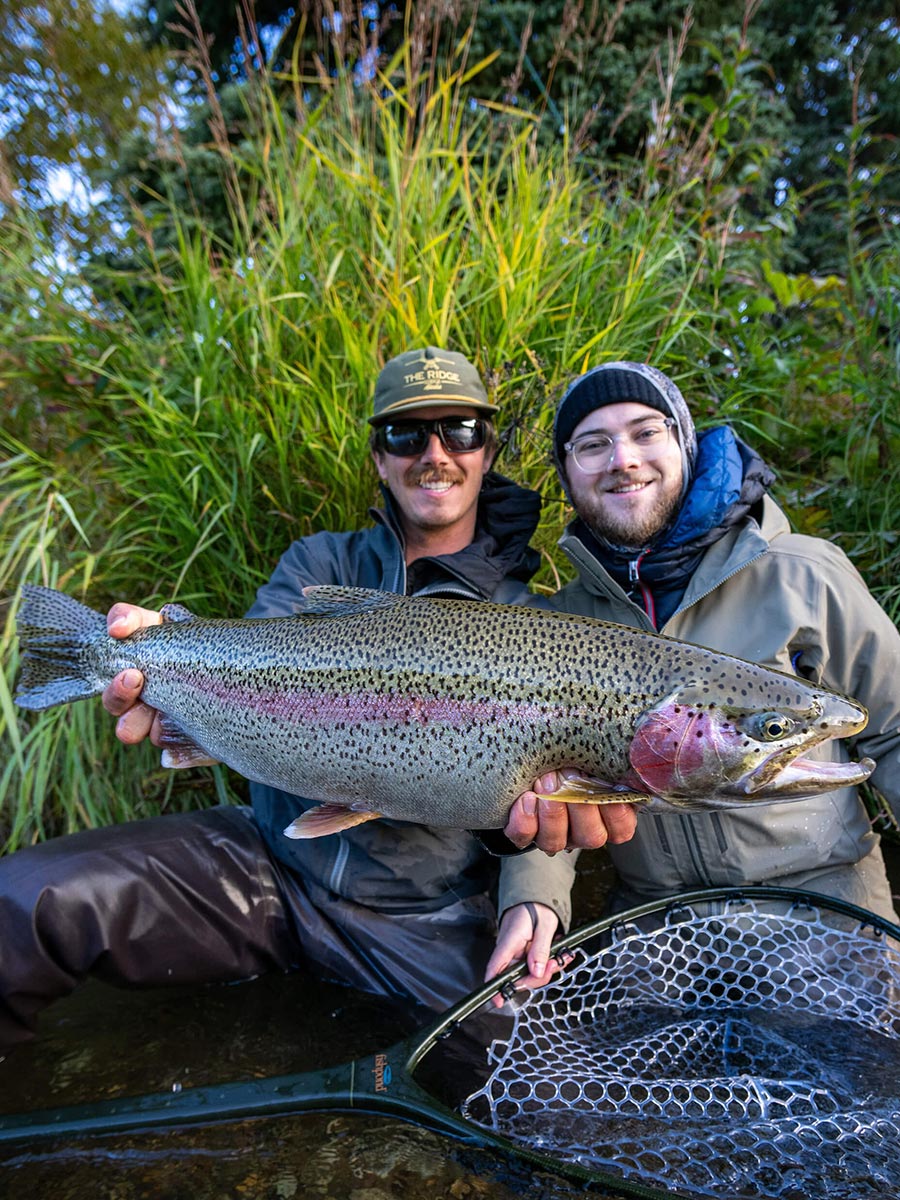
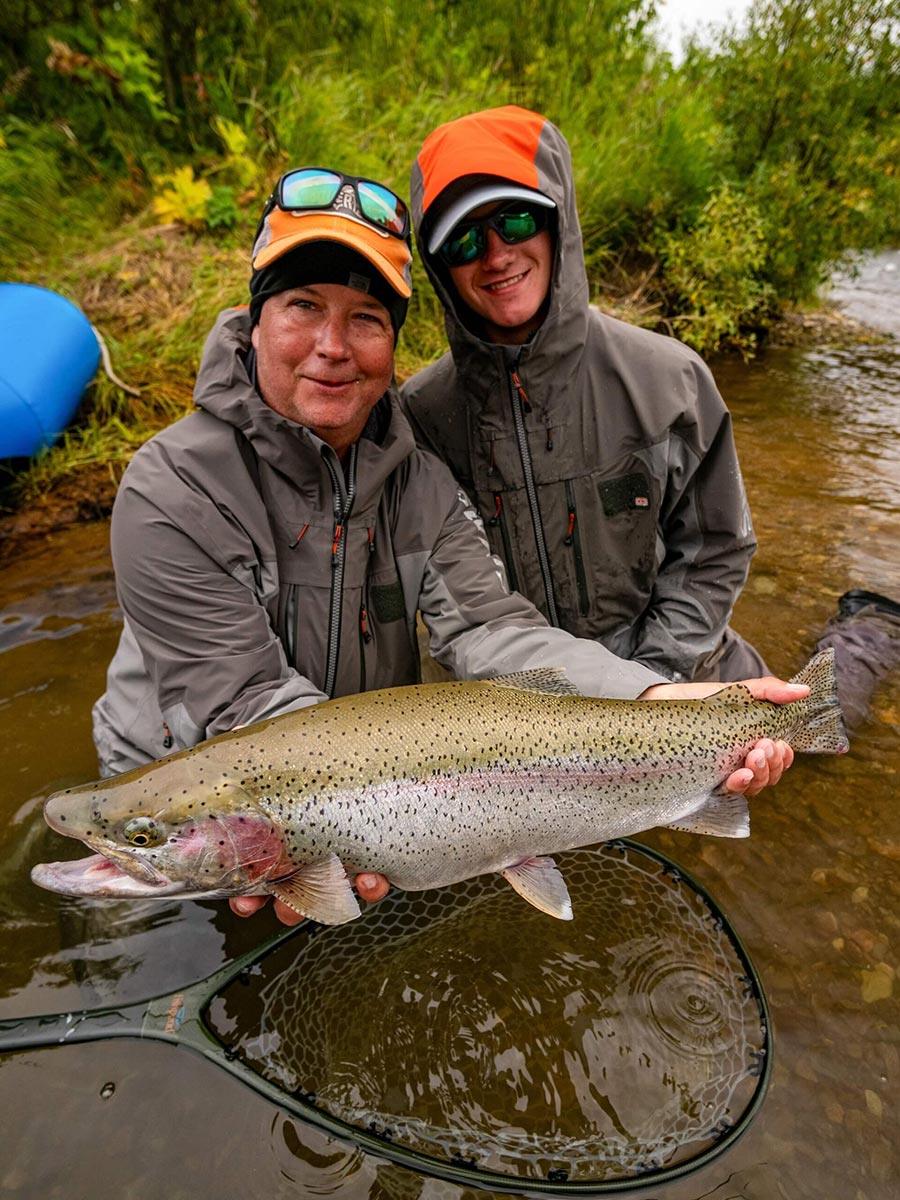
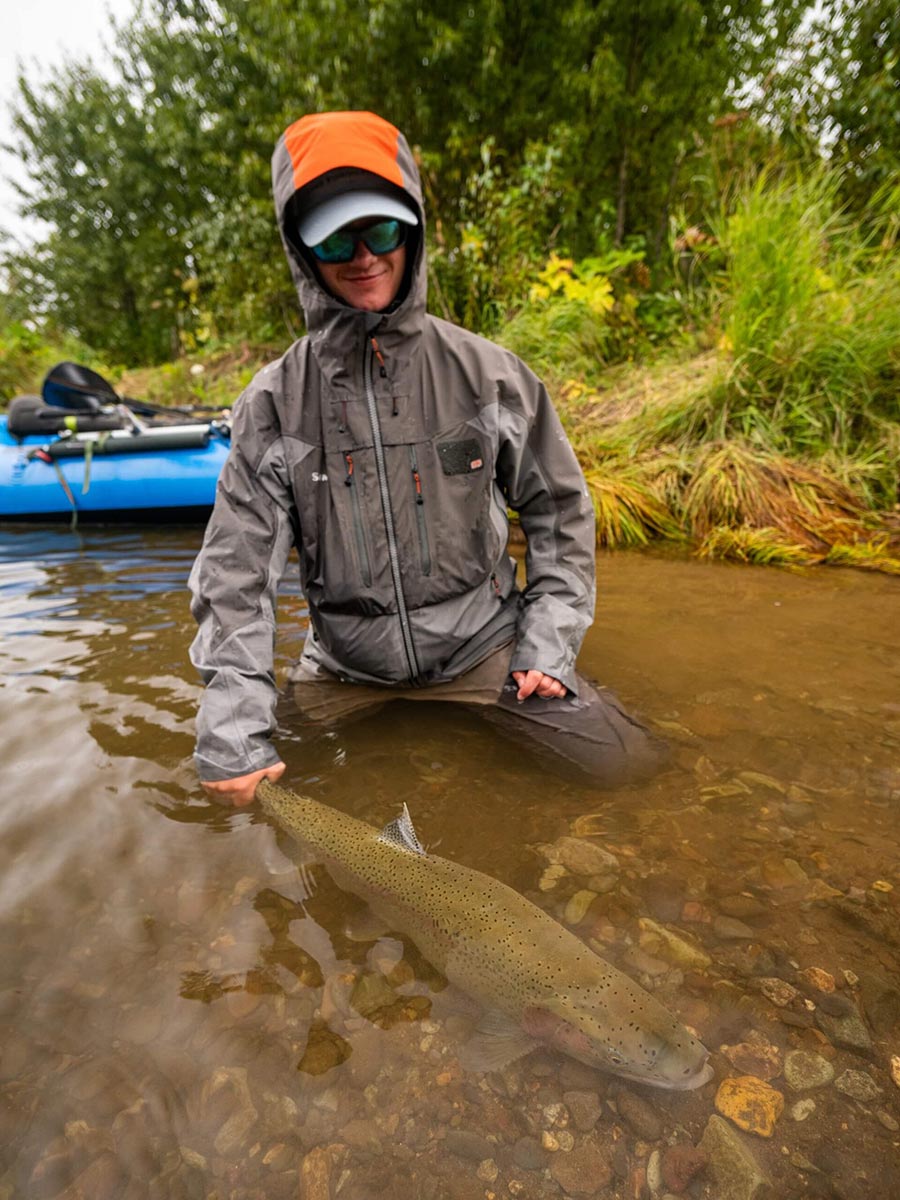
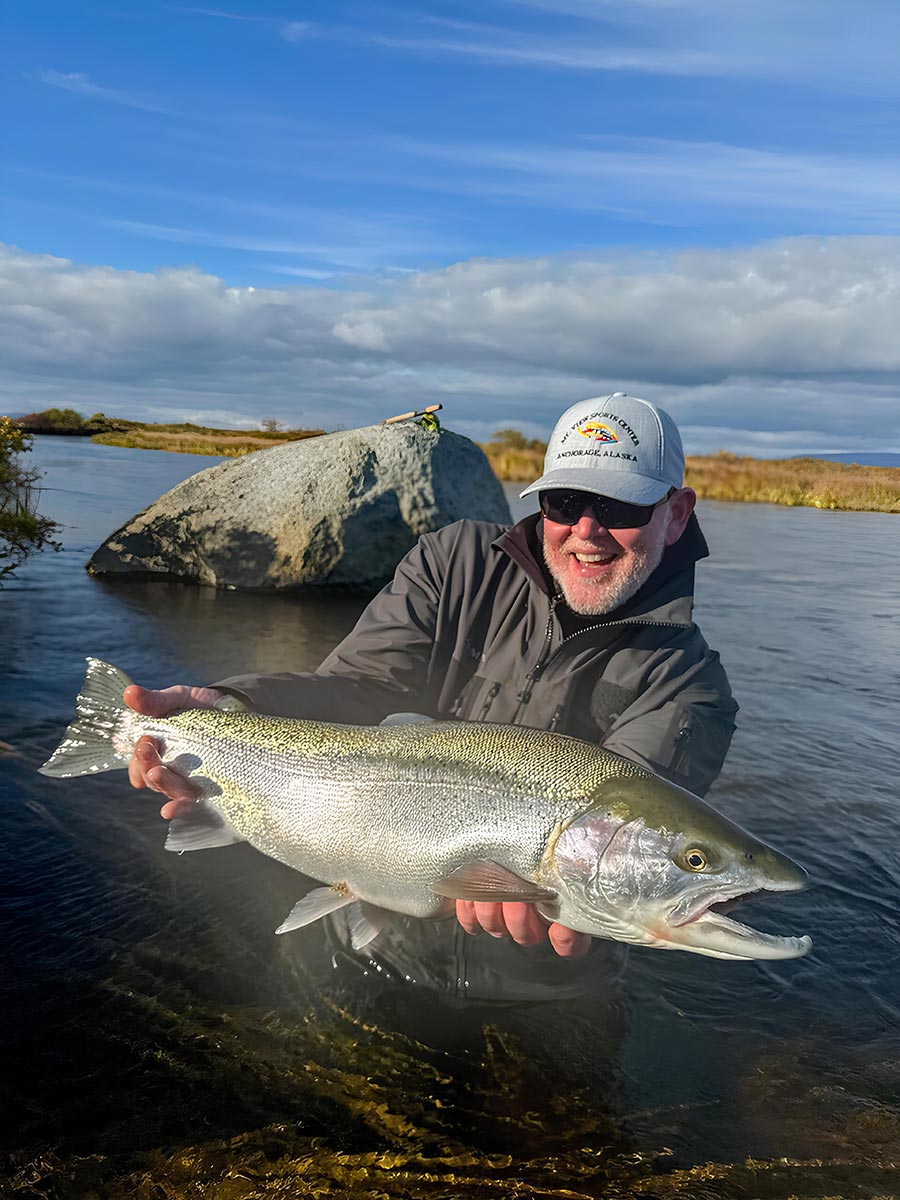
By August, salmon are spawning heavily, and trout concentrate behind them. Sight-fishing remains a highlight through mid-September, with large rainbows positioned downstream of salmon in clear, shallow water. Coastal fly-outs offer excellent coho fishing at this time, with fresh fish pushing into tidewater and the lower river.
As spawning tapers, trout shift toward flesh, leeches, and sculpins—prime conditions for two-handers. Four- to seven-weight spey rods come into their own on deeper runs and outlet systems, covering water efficiently without technical casting. Guides keep instruction practical and straightforward. Cooler nights, lighter pressure, and focused fish make late season one of the most rewarding windows for anglers targeting larger lake-run trout.
Additional Water Types & Daily Flexibility
With limited guest numbers, guides can respond quickly to weather, flows, and angler preference. Clear tributaries provide visual fishing when conditions align; lake-connected systems hold trout, char, and lake trout throughout much of the season; and raft-float rivers offer long, uninterrupted days far from other anglers.
Because so many waters sit within a short flying radius, anglers rarely repeat locations unless they choose to. One day may be spent walking Copper River swing runs; the next drifting a remote creek or stepping into a coastal pool full of fresh salmon. The blend of access, mobility, and low pressure makes The Ridge a varied and dependable Bristol Bay fly-fishing experience.
Across a week at The Ridge, anglers move through a curated range of waters—quiet tributaries, broad outlet rivers, coastal pools, and the Copper’s signature pieces. It’s the kind of fly-in Alaska experience shaped by access, expertise, and the unobtrusive attention that defines a truly premium small-group lodge.
To learn more about the fishing and express an interest, message Wild On Alaska.