
The Lodge’s Location and Fishery
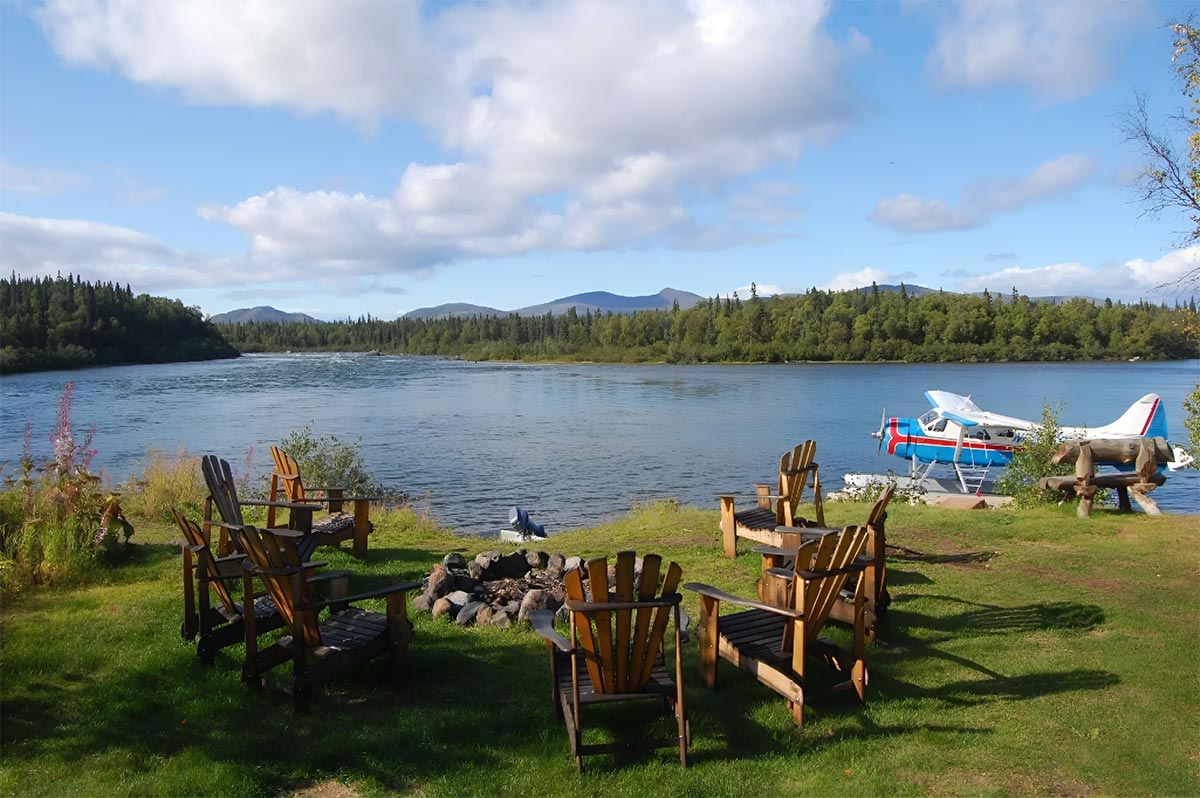
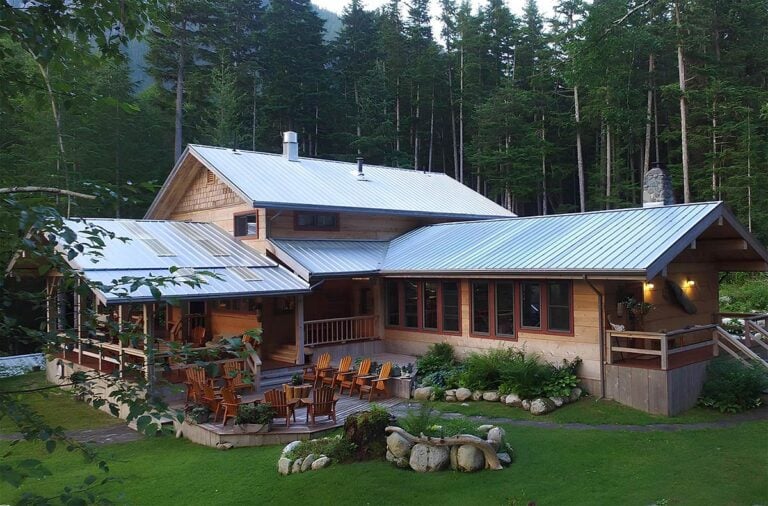
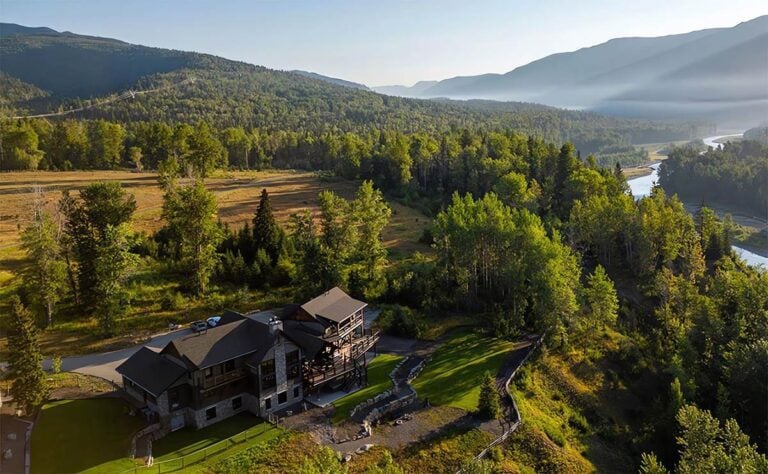
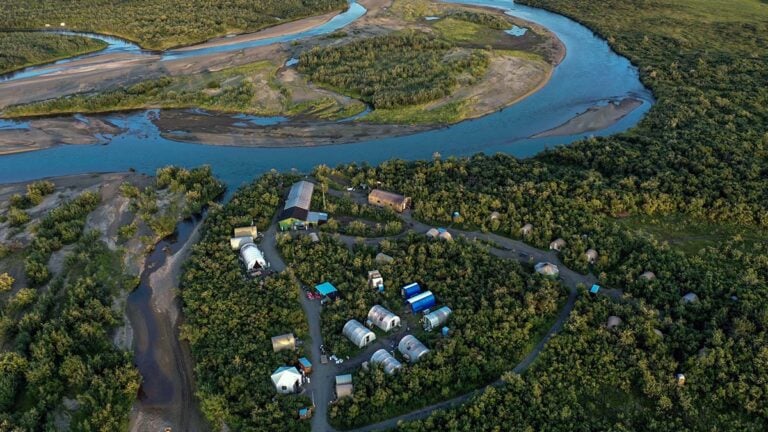
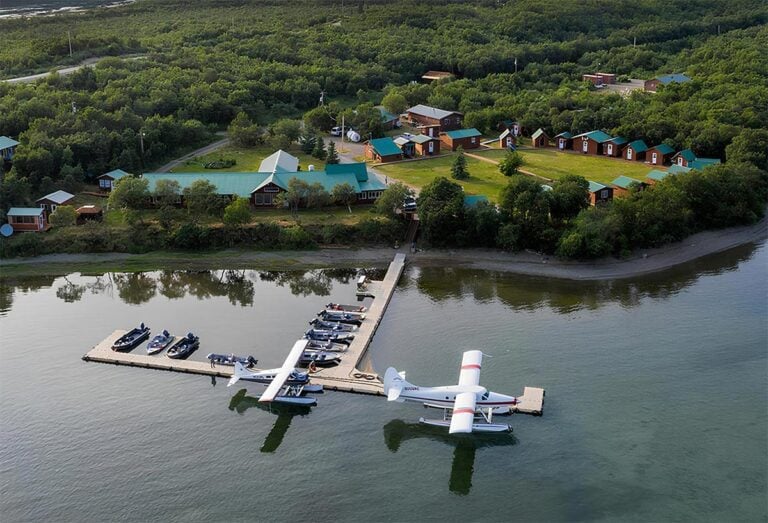
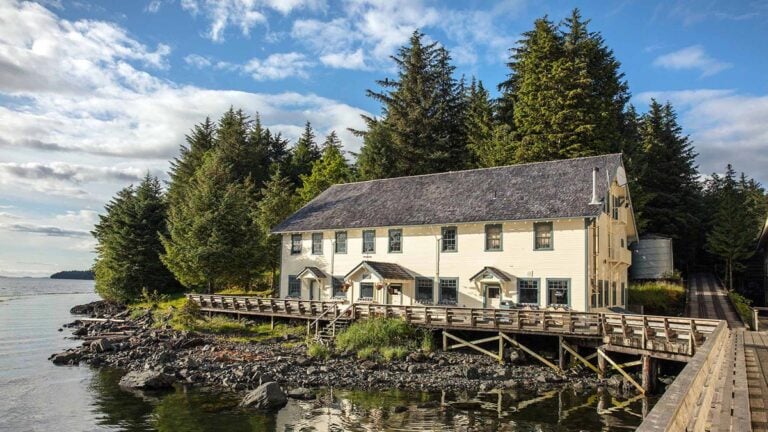
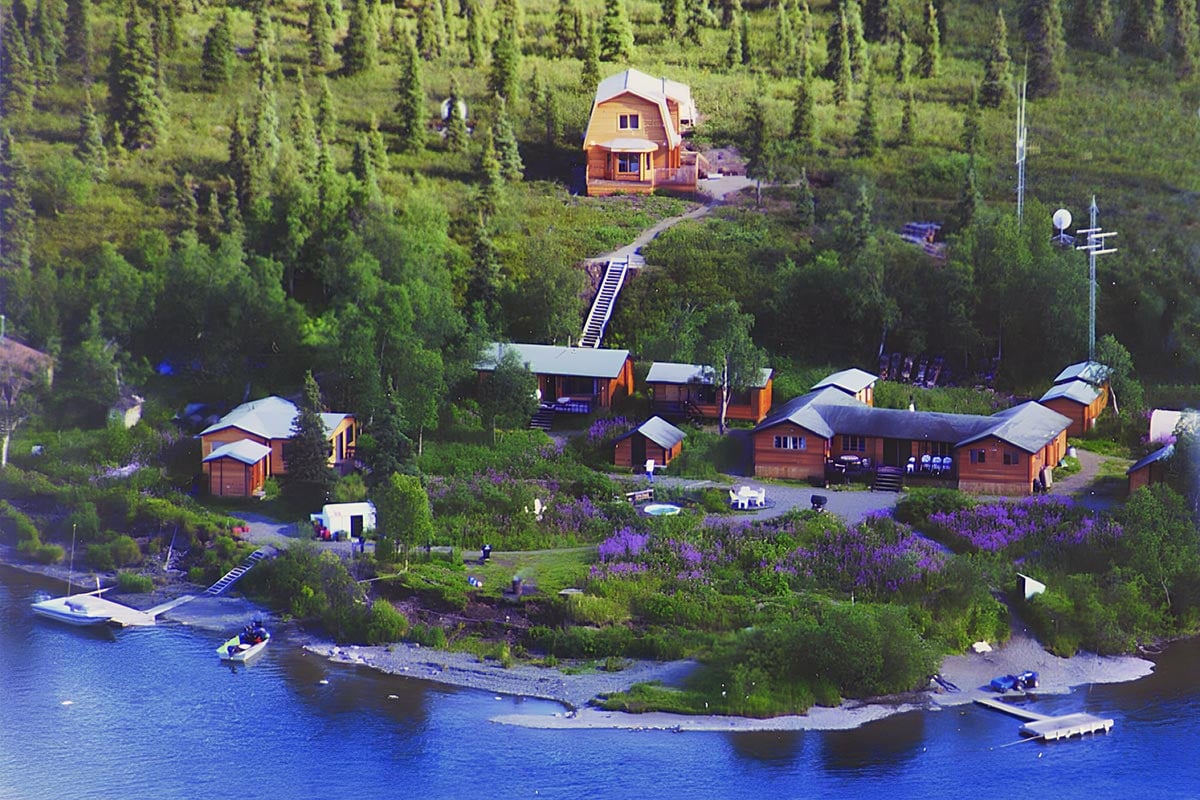
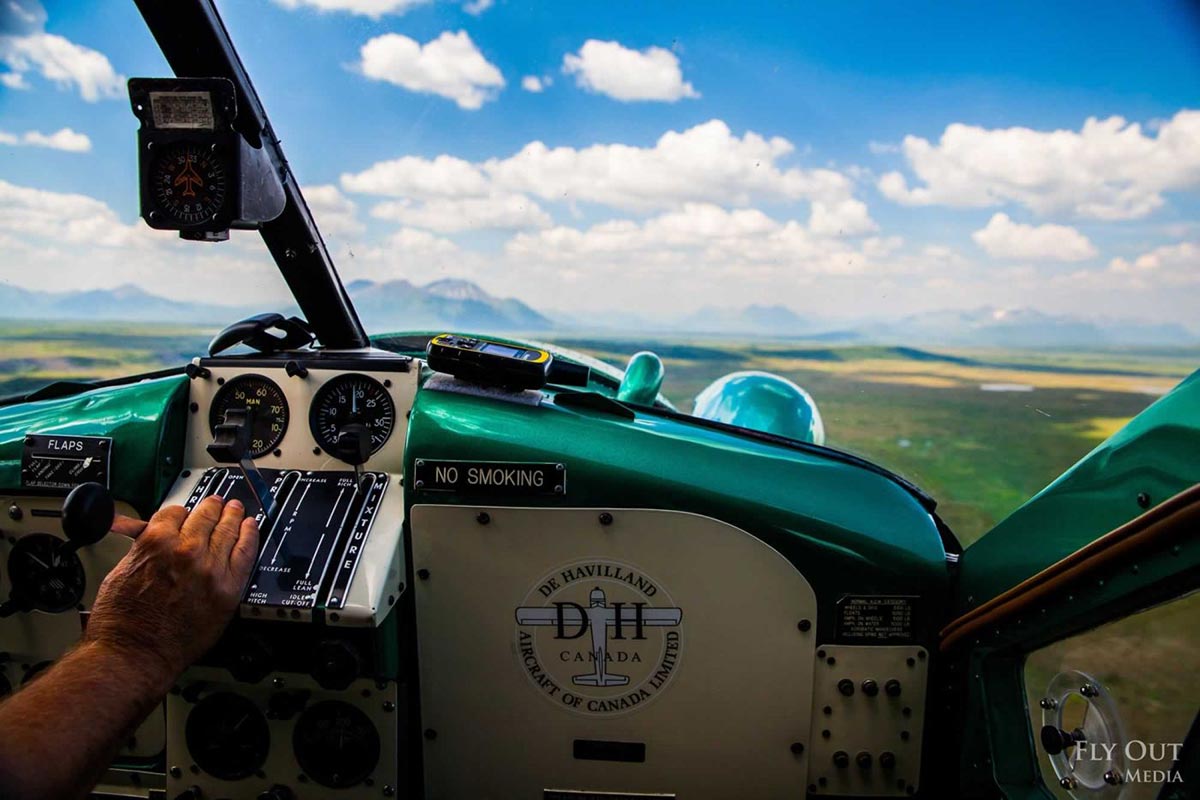
Royal Coachman is the only lodge on the upper Nuyakuk River, set in a quiet, isolated stretch of Bristol Bay where guests arrive exclusively by floatplane from Dillingham after connecting through Anchorage. From the lodge’s dock, two de Havilland Beaver aircraft operate daily across Wood–Tikchik, the Togiak National Wildlife Refuge, and a broad sweep of Bristol Bay—an unusually wide operating range for a lodge hosting a maximum of 12 anglers each week.
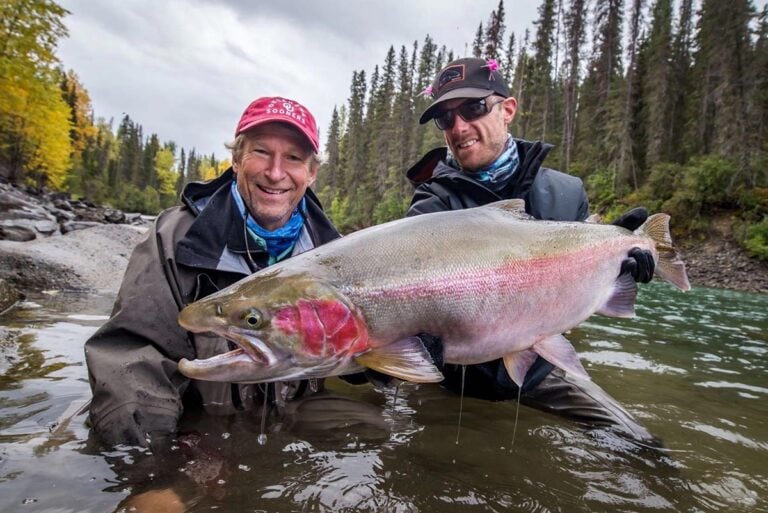
From this remote base, 25–30 distinct fisheries can be reached, spanning tributaries, lake outlets, mid-sized rivers, and coastal salmon streams. One day might involve sight-fishing rainbows in side channels where fish often push into the mid-20-inch range; the next, walking a small coastal stream for fresh-run salmon or flying into high-country lakes for char that color up through August and September.
With multiple long-held permits across several systems, the team can adjust plans quickly based on water levels, clarity, wind, and recent fish movement. For anglers planning Alaska fly fishing trips, this translates to a program built around conditions rather than a fixed rotation—one of the main reasons Royal Coachman maintains consistent fishing from early season through fall.
Fishing the Nuyakuk – The Lodge’s Home Water
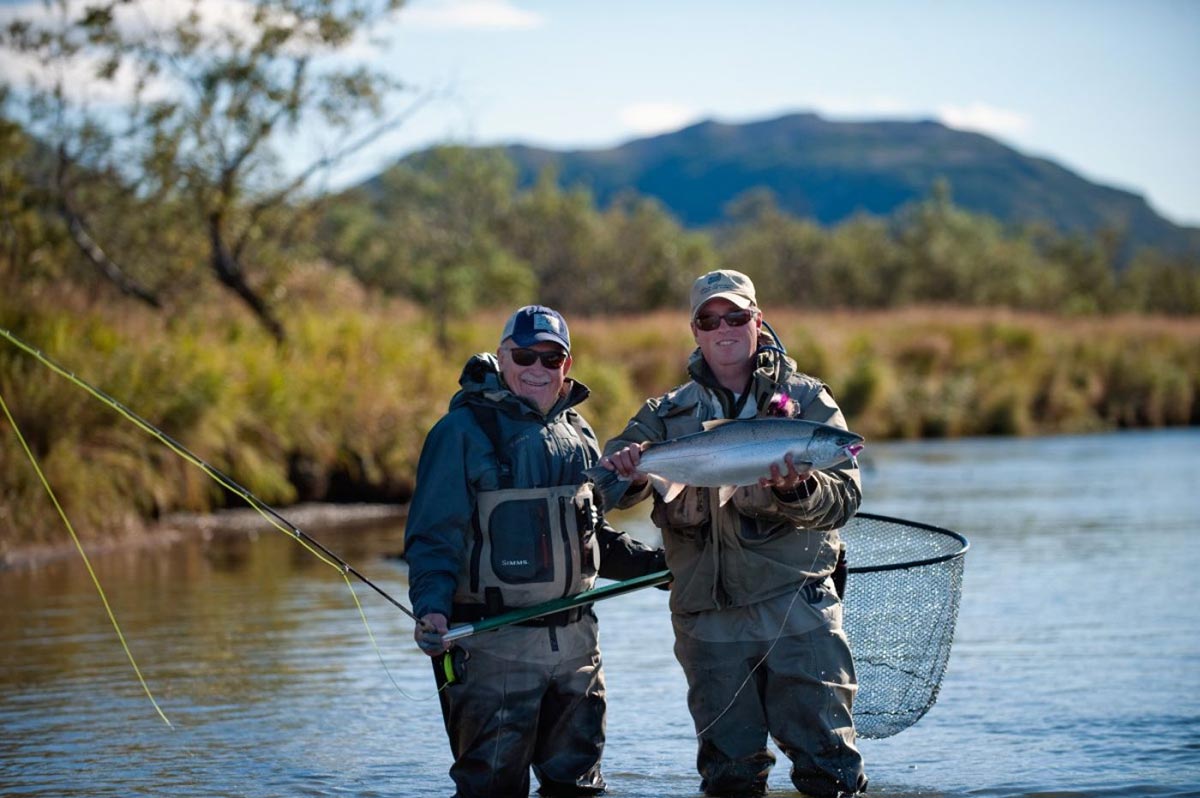
The Nuyakuk is the lodge’s home river and a genuine highlight, not just a weather fallback. With rapids above and below the property and no road access or other communities anywhere nearby, local pressure is almost nonexistent. From the dock, guides can reach long shallow runs and deeper pools that hold hard-fighting rainbows, char, grayling, and salmon throughout the season.
Early summer produces strong fishing for trout and char as they intercept outbound smolt; by midseason the river fills with sockeye, chum, and pink salmon, with resident fish stacking behind them to feed on eggs during the main spawning period.
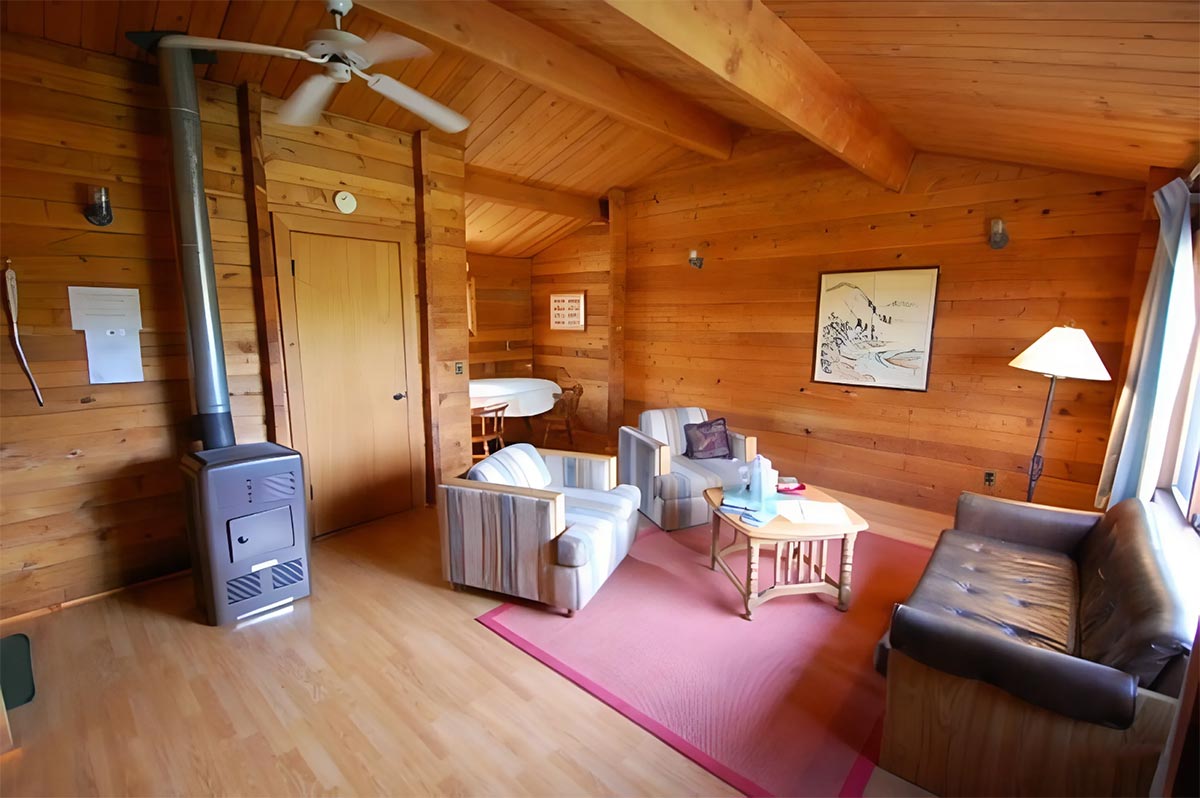
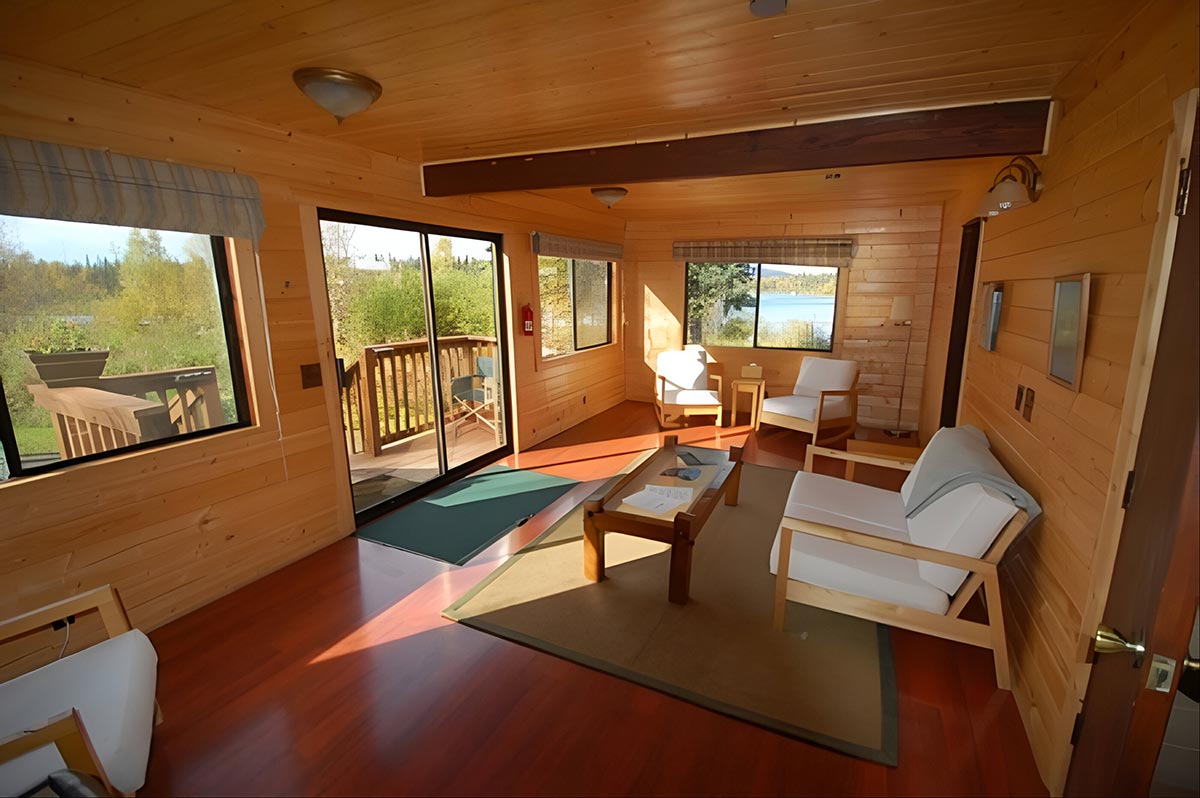
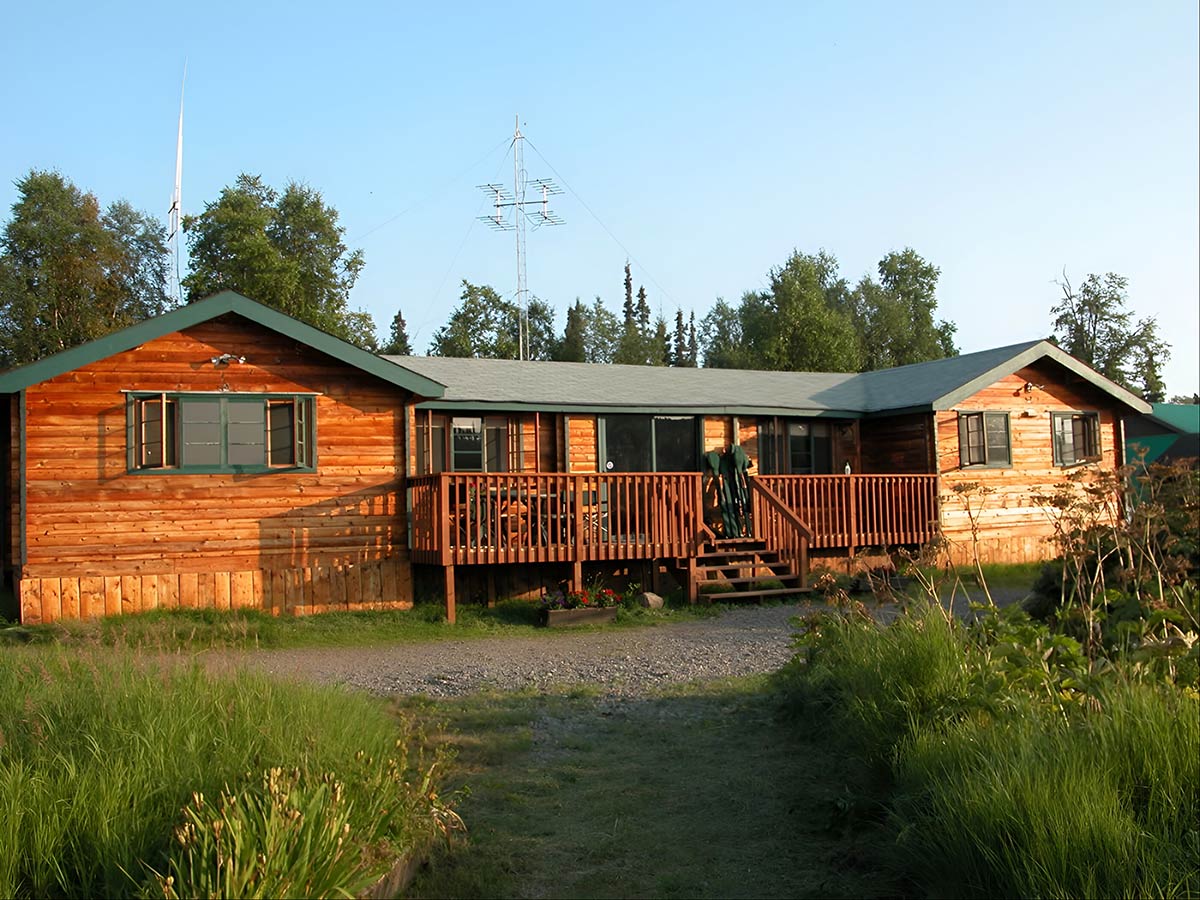
For those wanting a quick cast in the evening, the lodge’s home pool offers dependable trout and grayling activity just steps from the riverside cabins.
Fly-Out Fishing Across the Bristol Bay Region
Daily fly-outs open access to a wide mix of waters—from tight wadable creeks to broad salmon rivers and remote headwater lakes. As a true Bristol Bay fly-out lodge, Royal Coachman connects anglers to fisheries that vary dramatically in size and character. Jet boats cached throughout the region let guides and guests step out of the Beaver and start fishing almost immediately.
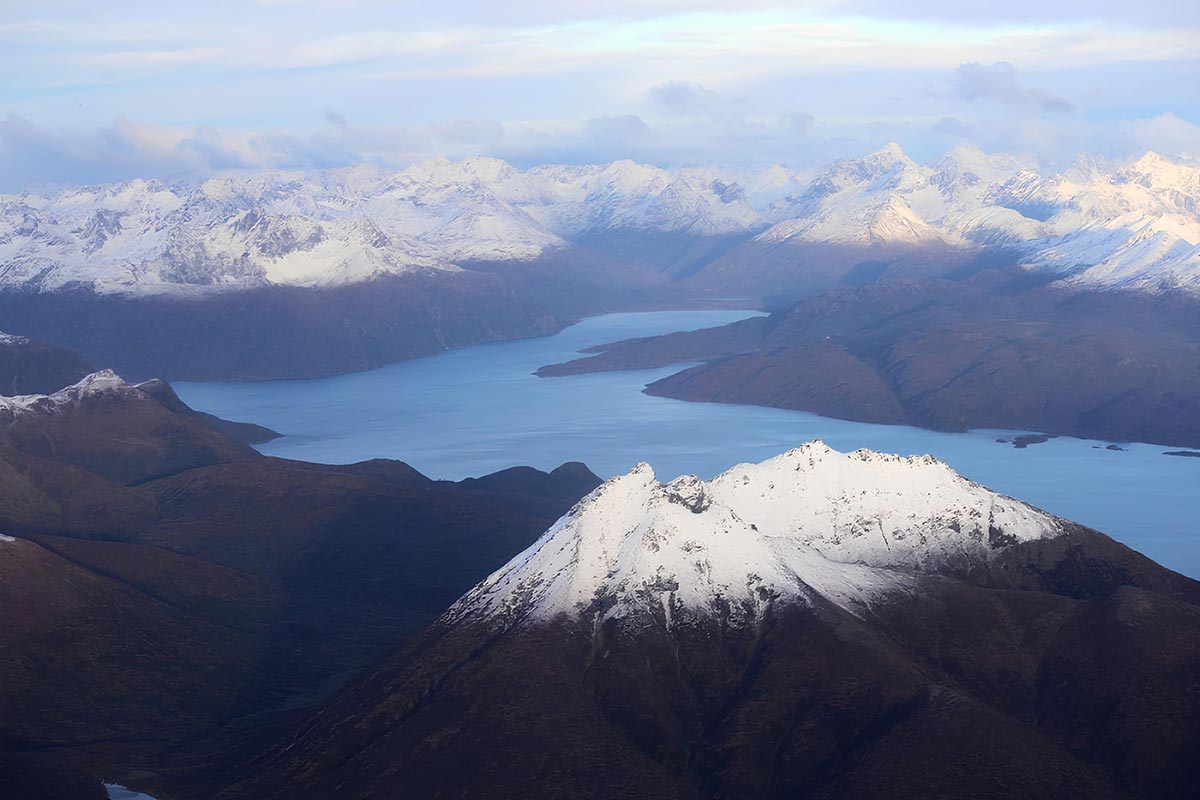
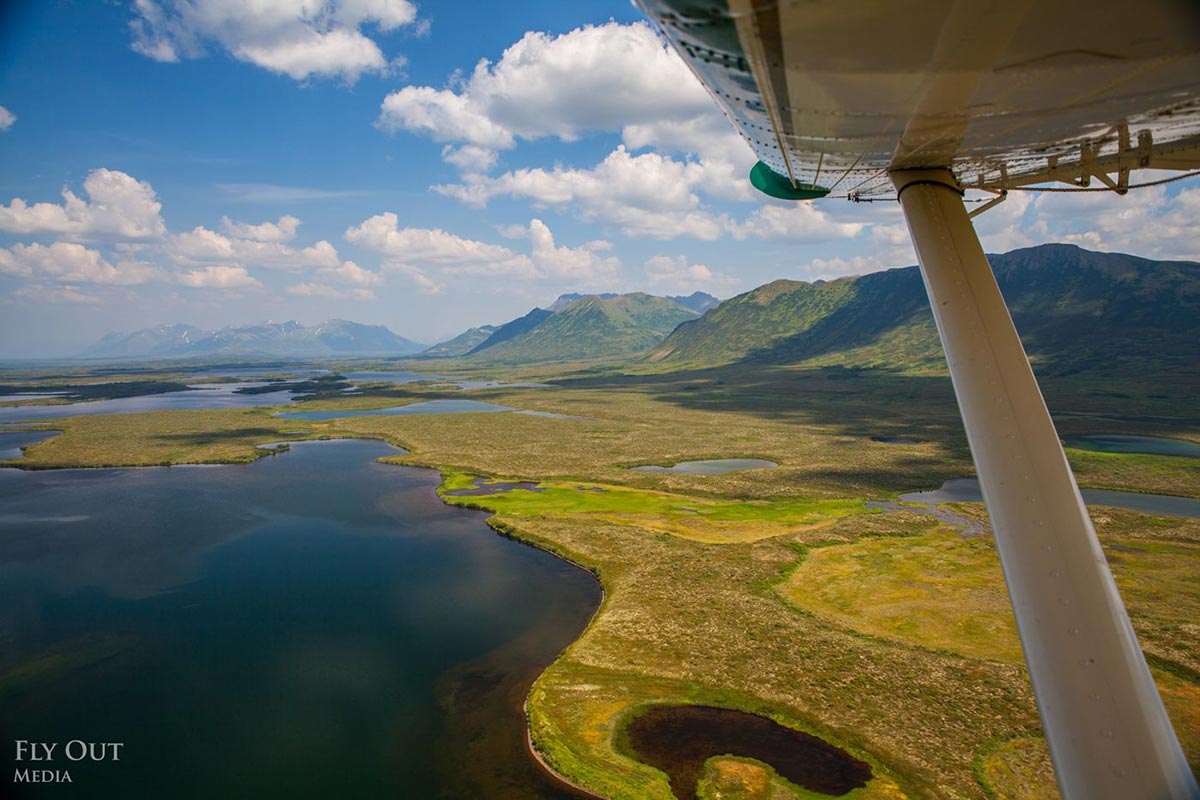
Aircraft depart directly from the lodge dock after breakfast, once the day’s plan has been confirmed. Time in the Beaver is part of the experience—smooth climbs over tundra, wide lakes, and river networks that give a real sense of the scale of Bristol Bay before you touch down to fish.
Lakes and Rivers of Wood–Tikchik State Park
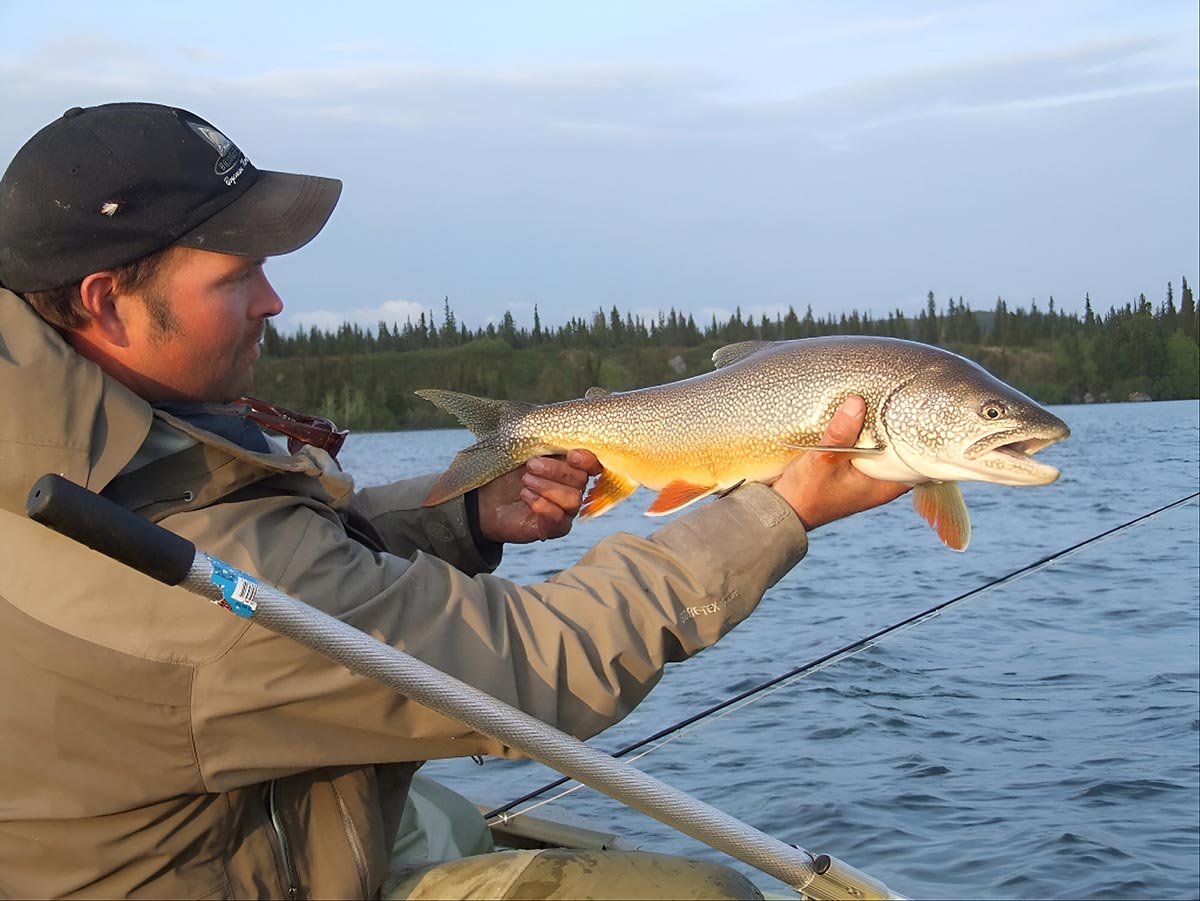
Wood–Tikchik’s chain of deep lakes and tributaries forms a core part of the weekly program. Early in the season, rainbow trout, char, and lake trout concentrate around outlet currents and narrow migration corridors, creating visual fishing where baitfish and smolt patterns are effective.
As summer progresses, salmon pour into the system and resident fish become more aggressive, shaping where guides head each day. Streamers and egg patterns dominate at this stage, with guides adjusting leader setups and presentations to match water levels and flow.
Consistently clear water and varied structure make this area a dependable choice for anglers who want a mix of sight casting to cruising fish and classic drifting tactics.
Remote Rivers in the Togiak National Wildlife Refuge
The Togiak Refuge offers larger, more open rivers and classic Bristol Bay salmon water. Several systems receive steady runs of kings, sockeye, chum, pink, and later coho (silver) salmon. Resident rainbows, Dolly Varden, and char gather in numbers behind salmon activity from midseason onward, creating predictable fishing along gravel bars and shallow shelves.
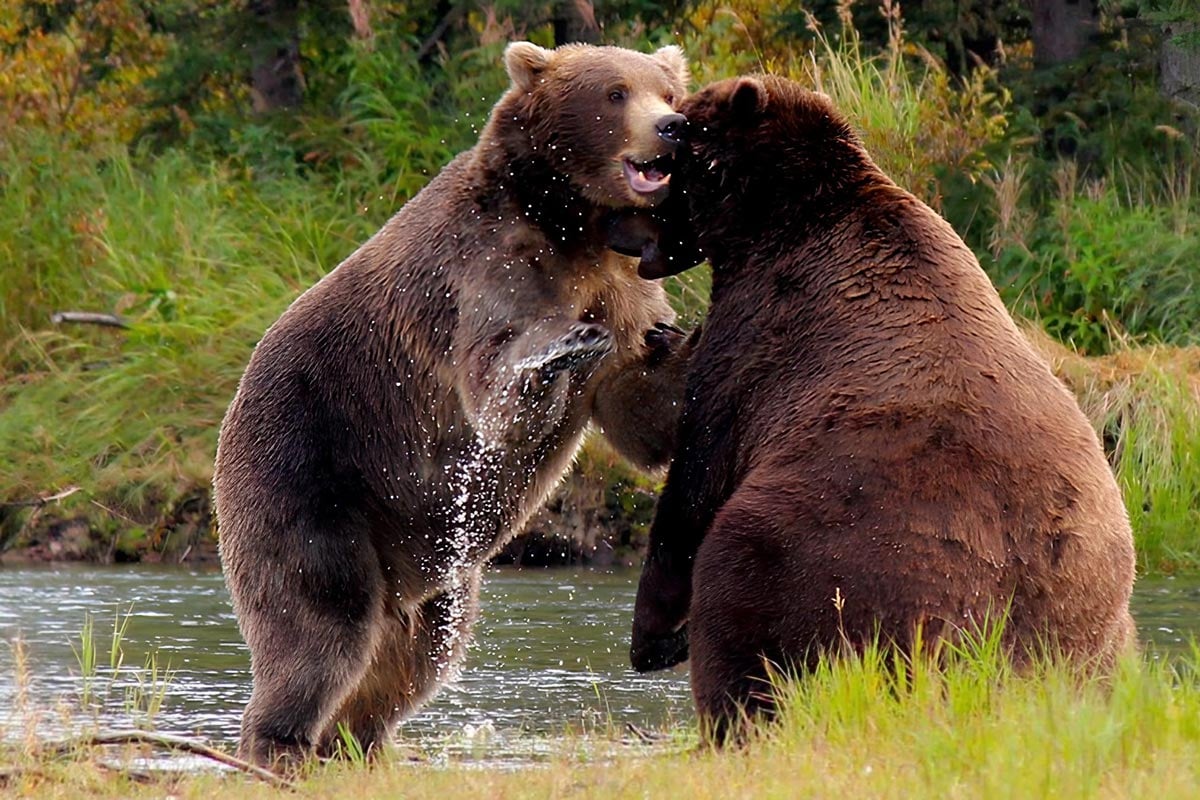
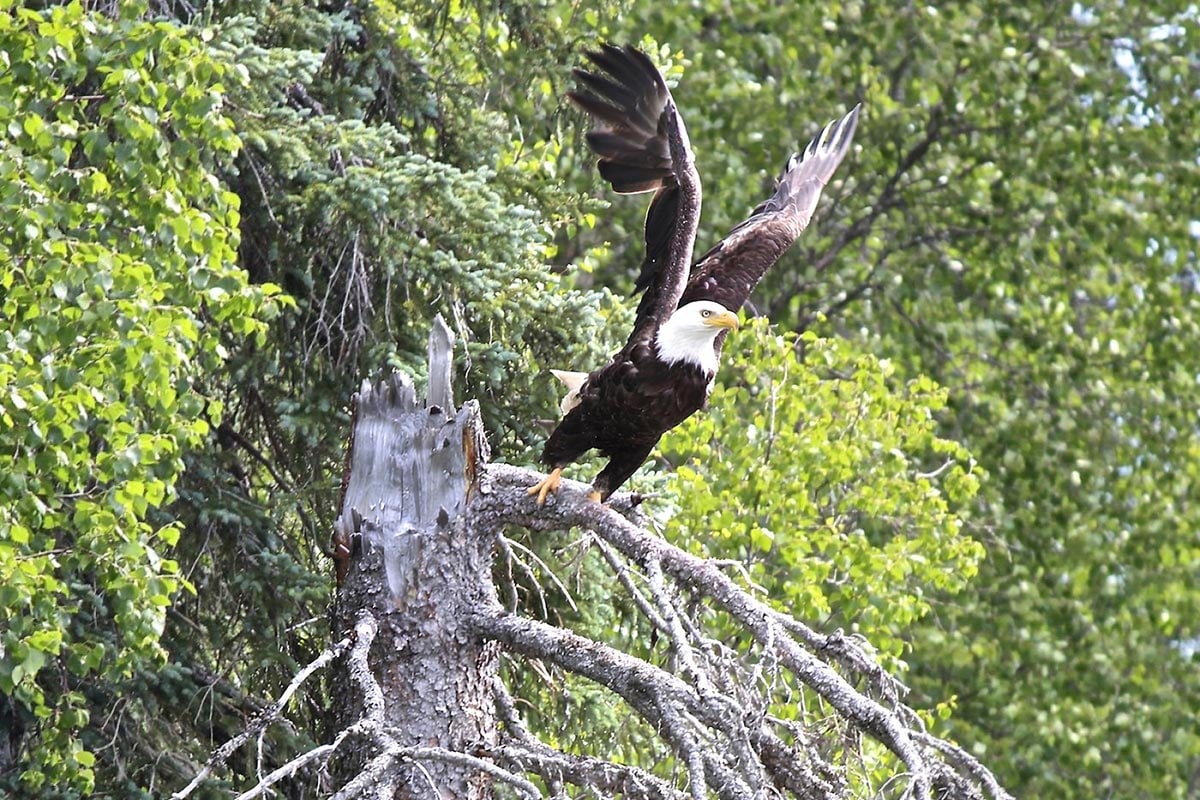
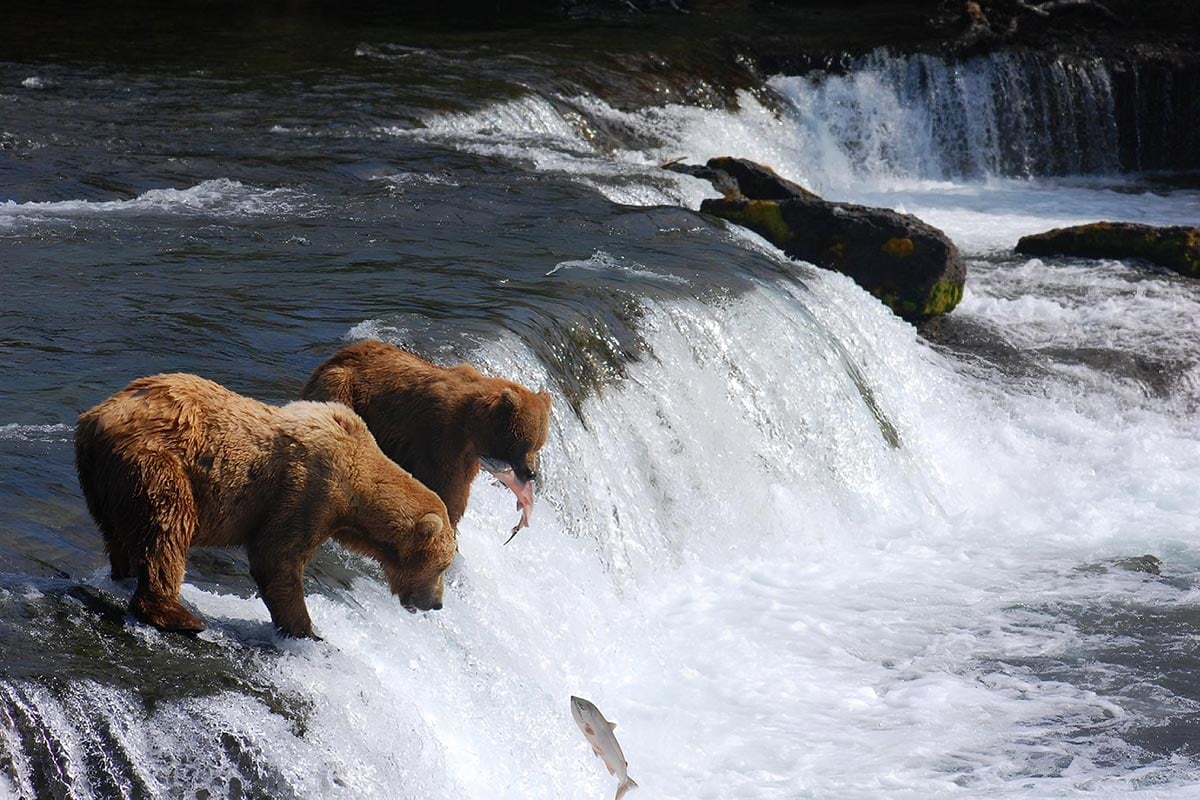
During these peak migration periods, bears are commonly seen working the same corridors, especially on sockeye rivers. Guides manage positioning carefully, maintain distance, and carry bear deterrent devices, so encounters remain a memorable part of the trip rather than a concern.
On stable-weather days, high-country lakes within the refuge add a more remote option, with strong char numbers and dramatic scenery far from any other operation.
Salmon Fishing Across Bristol Bay
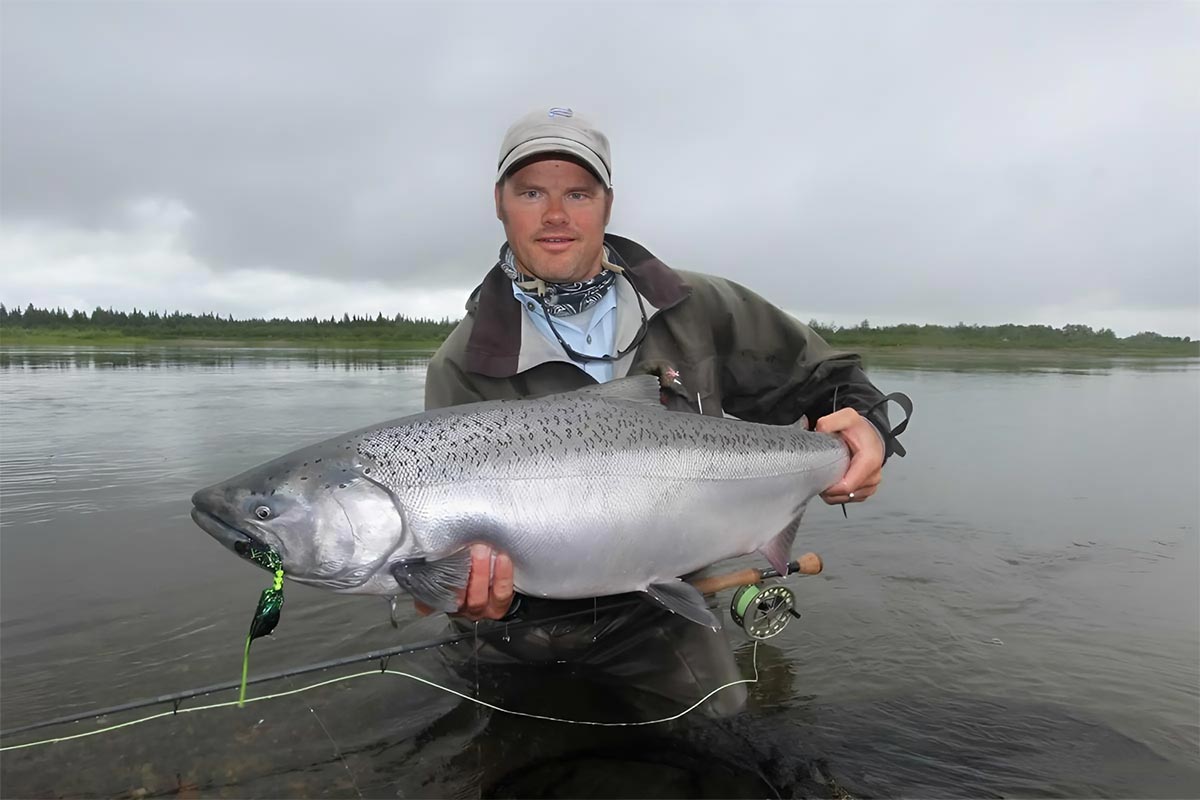
Royal Coachman’s season aligns with the full salmon calendar. Kings arrive first in June and early July, targeted in coastal rivers and braided reaches of the Nushagak system. Sockeye push through clear bottlenecks in dense, visible waves.
Midseason brings heavy chum and pink salmon returns that are ideal for anglers looking for near-constant bent rods. By August and September, silvers become a major focus—aggressive fish that hold well in smaller rivers, take streamers readily, and often jump repeatedly when hooked.
Depending on the river and water level, anglers can choose between wading or fishing from the boat.
Rainbow Trout Fishing Season and Rivers
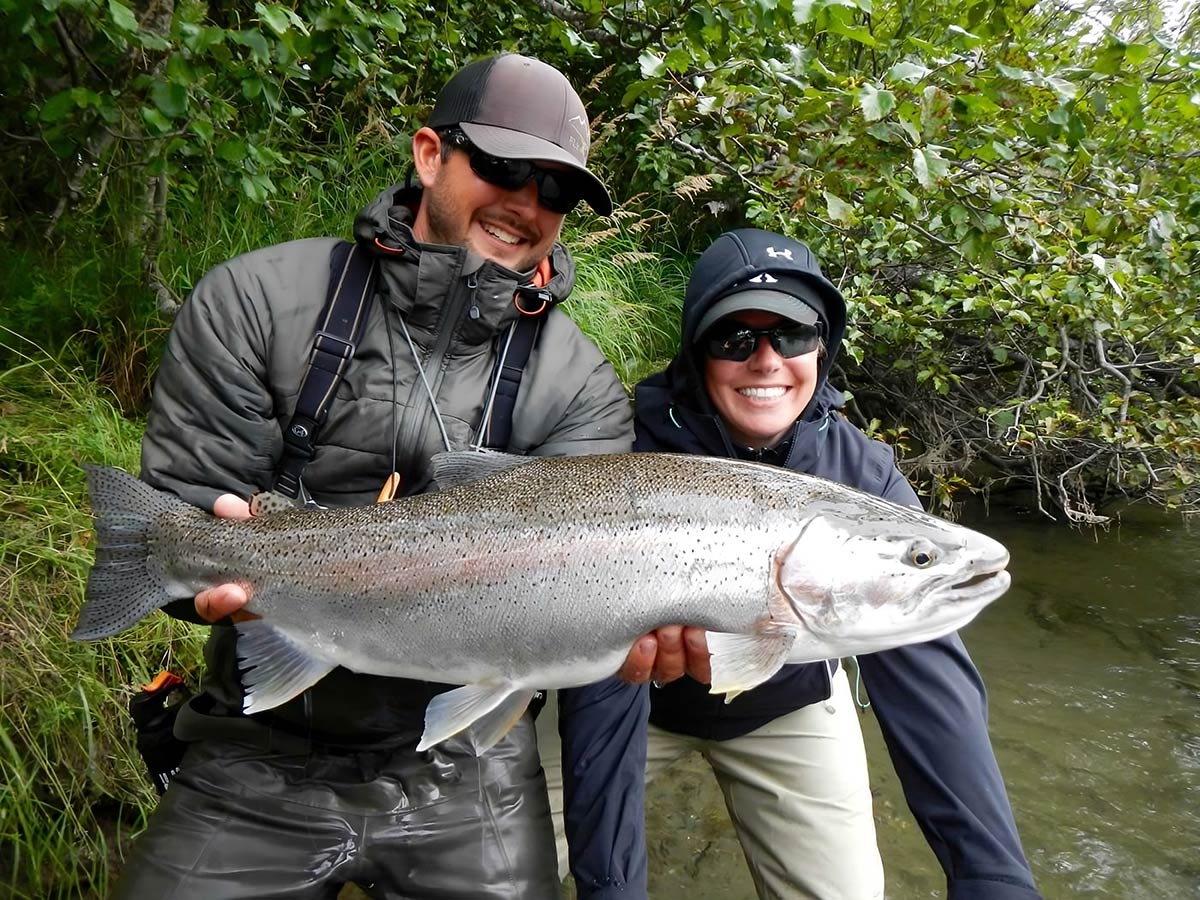
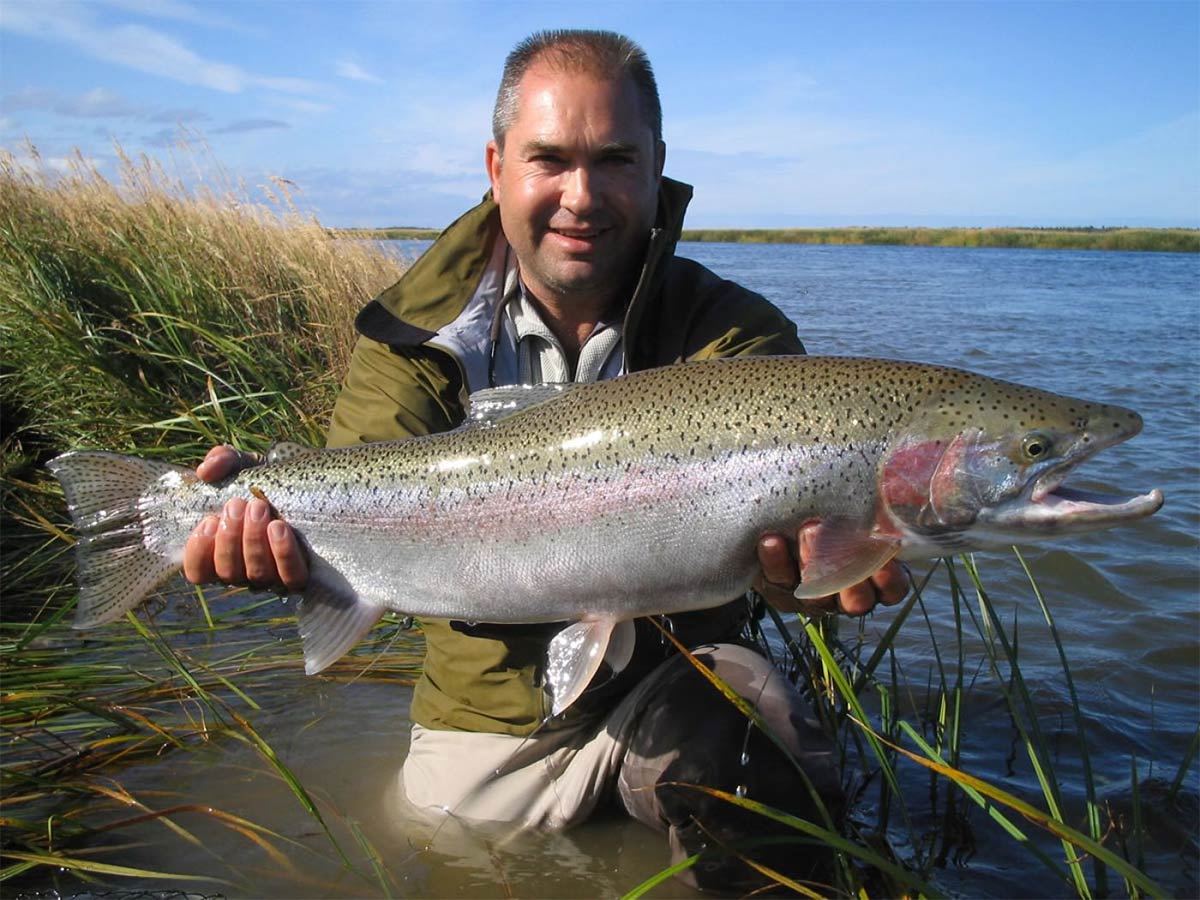
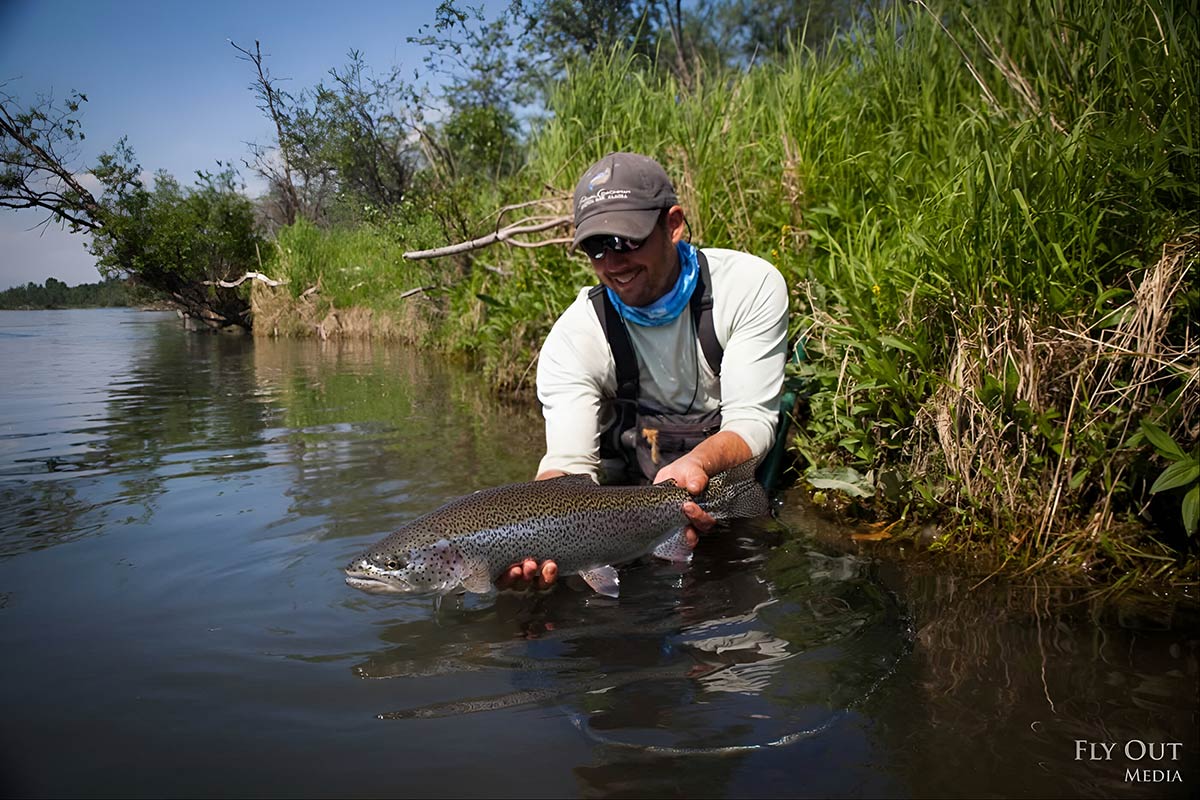
Wild rainbow trout are a major draw in this program. They can be targeted throughout the season, with guides shifting tactics as their feeding patterns change. Early on, trout respond well to traditional dries and nymphs; once salmon begin to spawn, fish concentrate behind them and indicator rigs with egg patterns become highly effective.
Later in the season, larger streamers and soft-hackle patterns fished just below the surface come into play, with big, well-fed rainbows holding tight to banks and mid-river structure. Depending on conditions, days might be spent on small tributaries with light rods or on larger rivers such as sections of the upper Nushagak or Kvichak, where rainbow trout grow to serious proportions.
Arctic Char and Dolly Varden Fishing
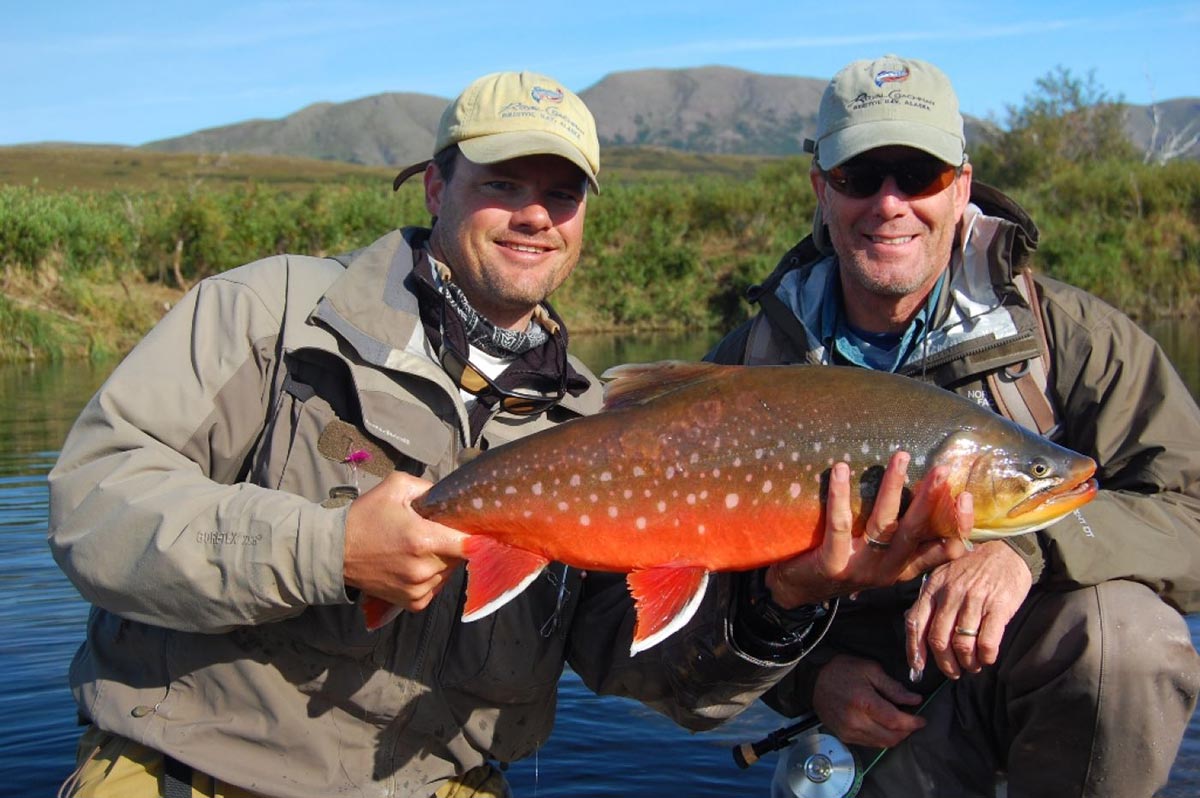
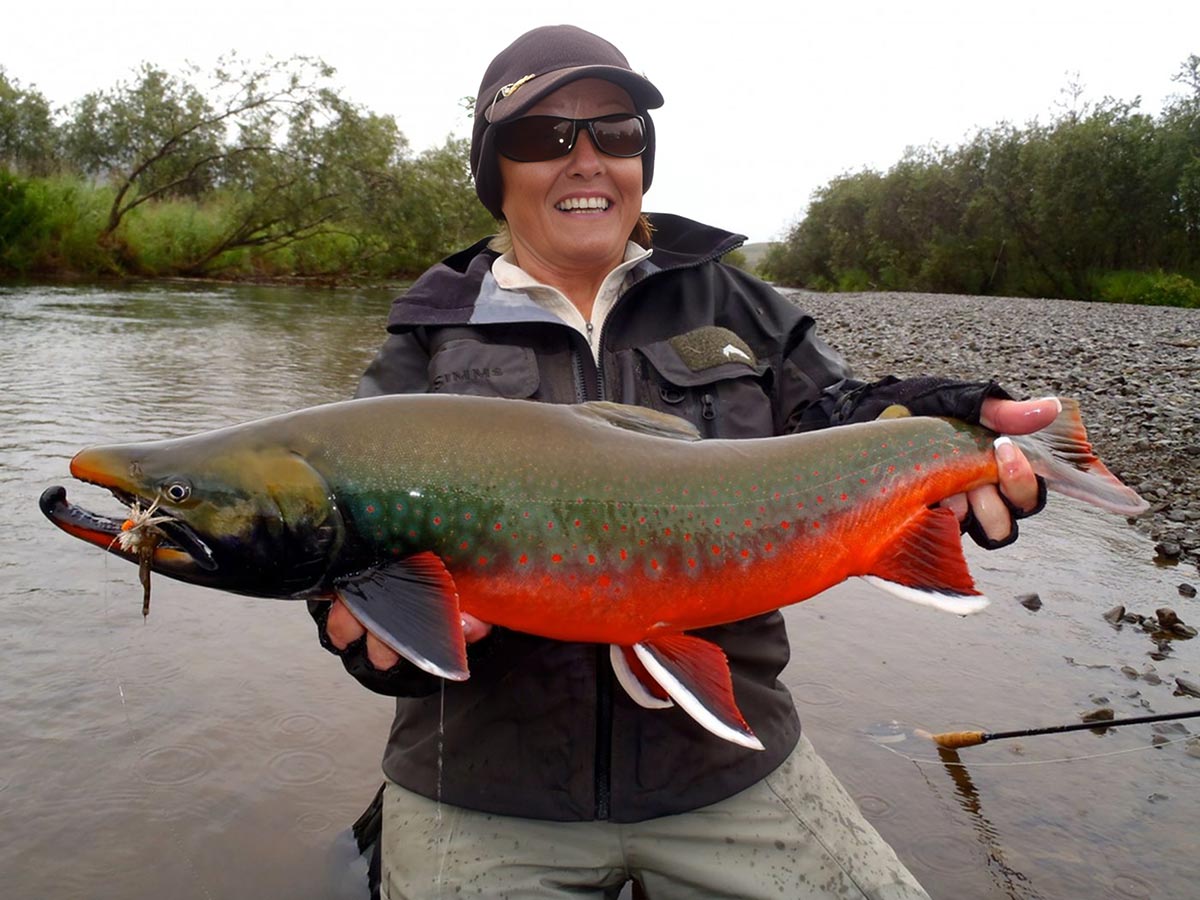
Arctic char and Dolly Varden are available across much of the fly-out range, from lake outlets to mid-sized rivers and mountain tributaries. Early in the year they hunt baitfish and juvenile salmon; later summer and fall bring them together behind spawning salmon in big numbers.
August and September bring peak color, with fish displaying deep reds and oranges that are as memorable as their fighting ability. Clear water often allows for true visual fishing, and anglers who enjoy steady action with light tackle often dedicate full days to these species.
Northern Pike, Grayling and Sheefish
Northern pike provide a change of pace and extra variety in the week. Shallow bays, weed edges, and slow backwaters in several lake and river systems hold pike that will track and eat large surface flies, mouse patterns, and big streamers. Many guests pair a half day of pike with trout or char fishing nearby.
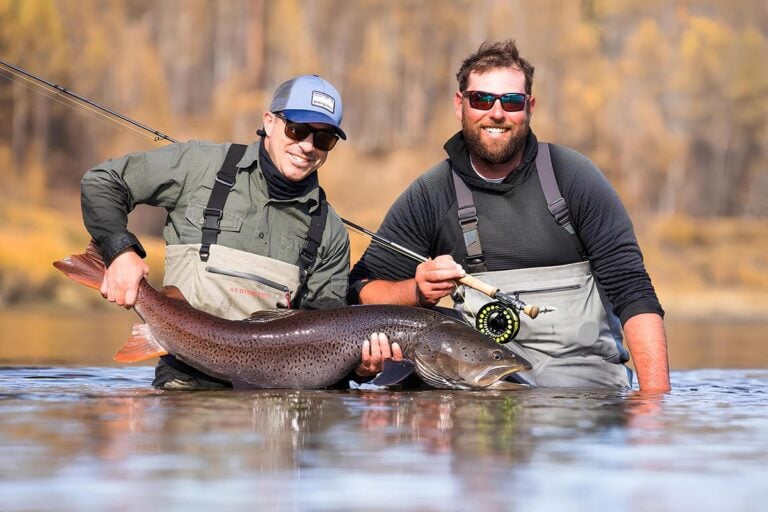
Other species round out the program: grayling are a reliable dry-fly option on both rivers and lakes, lake trout are most accessible early in the season when they feed near the surface, and in select systems there are occasional opportunities to target the elusive sheefish.
Guides, Conservation and Daily Plan
Daily plans are set the evening before at the main lodge, based on weather, water levels, and guide reports. With a standard 2:1 angler-to-guide ratio, each pair can decide what type of fishing they’re interested in—wading smaller systems, fishing from jet boats on mid-sized rivers, or drifting lakes and slower channels.
The lodge operates with a strict conservation ethic: barbless, non-stainless hooks are standard; rainbow trout, char, grayling, and pike are released; and only a limited number of salmon are kept where regulations allow.
Most days involve a morning flight, a full fishing session with a streamside or boat lunch, and a late-afternoon return. When flying is not practical due to weather, the Nuyakuk offers more than enough high-quality fishing for a complete day on the river.
With small guest numbers and a program built around conditions on the day, Royal Coachman Lodge keeps the emphasis firmly on time well spent on the water. It’s a strong match for anglers who value remote settings, varied fisheries, and a schedule guided by what’s fishing best rather than routine.
To learn more about the fishing and express an interest, message Sweetwater Travel.