Discover the best pink (humpy) salmon fishing destinations, guided trips, and lodge-based experiences worldwide. Explore remote waters and world-class angling with expert local hosts.

No results available
Pink salmon — also called humpies for the prominent dorsal hump males develop during the spawn — are the most abundant Pacific salmon species. Found in massive schools and quick to hit flies and hardware, they provide fast-paced fishing and a reliable target for both fly and light tackle anglers.
Although smaller than other Pacific salmon, averaging 3 to 5 lbs, pinks make up for it with numbers and aggression. They return on a strict two-year cycle, flooding rivers from Alaska to Japan with millions of fish. Their compact size and eager takes make them ideal for lighter setups and great sport during peak migration windows. In the right conditions, it’s near-continuous action.
Alaska sees some of the world’s largest pink salmon returns. Rivers along the southeast coast, Prince William Sound, and Cook Inlet systems deliver consistent action. Run timing and dominant year varies by region — southern Alaska systems tend to peak in odd years while many northern and western systems have stronger even-year runs.
BC offers strong pink runs on the Fraser, Skeena, and smaller Vancouver Island rivers, with major runs in odd years across most southern BC systems. Fly anglers also sight-fish for pinks on estuarine beaches during high tides.
From Puget Sound to the Columbia River, pink salmon show up reliably in odd years. Beach casting, estuary trolling, and river fishing all produce results.
Kamchatka’s wild rivers see heavy pink salmon migrations from June through August. They provide excellent bonus fishing on mixed-species trips, often alongside chum and coho.
Pink salmon are all about volume, accessibility, and pace. Their schooling behavior and bold takes make them a perfect target for light rods and surface techniques. They are often the first salmon species younger anglers encounter — but that doesn’t diminish the non-stop action they provide in remote rivers or tidal zones on 5 and 6-weight gear. For fly anglers who want high catch numbers and visual eats, few salmon deliver as consistently during peak runs.
In the ocean, pink salmon are bright silver with a steel blue-to-green back and large, oval-shaped black spots on both the back and entire tail fin — spots on both lobes of the tail distinguish them from coho, which are spotted only on the upper lobe. A distinctive identifier is their white mouth with a black gum line. During the spawning migration, males develop a pronounced dorsal hump — the source of the “humpy” nickname — along with a hooked jaw and duller coloration. Females turn olive-green with pale undersides and transform less dramatically than males.
Planning around the two-year cycle is essential — when timed correctly, pink salmon provide dependable fishing with high catch rates during peak runs.
FishingExplora lists pink salmon fishing programs across Alaska. Pink salmon are typically part of multi-species programs during the summer season — check each listing for run timing and species availability.
FishingExplora’s editorial content draws on lodge input, guide experience, published field reports, and independent research to help anglers make informed decisions about premium fishing destinations.
Pink salmon follow a strict two-year life cycle, but whether the strong year is odd or even depends on location. In southern BC, Washington, and Oregon, major runs occur in odd-numbered years. In northern and western Alaska, even years are often stronger. Always check local run data for the specific system you plan to fish — the difference between a peak year and an off year can be dramatic.
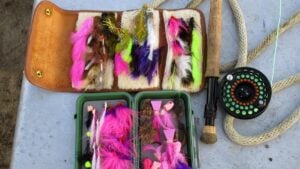
Simple, bright streamers in pink, cerise, or chartreuse are consistently effective. Clouser Minnows, Egg Sucking Leeches, and small beadhead buggers all work well in both fresh and tidal water. Pinks are aggressive and not selective — pattern matters less than color and size. Small flies on 5 or 6-weight gear with floating lines are the standard setup, with a short sink tip for deeper runs.
Pink salmon are best eaten fresh or smoked, ideally within the first few days of entering freshwater when condition is at its peak. Their flesh is softer and lower in oil than kings or sockeye, which makes them less versatile for grilling or pan cooking but well-suited to smoking, canning, and chowder. Fresh-caught fish from tidewater are noticeably better than those taken further upriver.
A 5 or 6-weight rod is the standard choice for pink salmon — light enough to make the fight genuinely enjoyable, strong enough to handle their fast runs and turn fish in current. Floating lines with short sink tips cover most situations. Pinks are forgiving targets for anglers practicing presentation or working on casting distance on larger tidal systems.
Yes — beach and estuary fishing for pink salmon is productive and widely practiced, particularly on the Pacific coast during incoming tides when schools push into shallow water. Light spinning gear or 5-weight fly tackle works well. Sight-fishing to visible schools in clear estuarine water is one of the more engaging ways to target them, and conditions can produce very high catch rates on peak days.
We use cookies to improve your experience and enable key features on the platform. You can choose which cookies to allow. Some features may not work fully without consent.