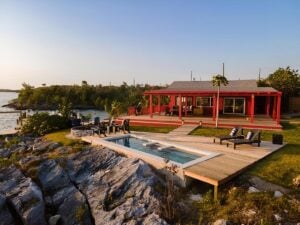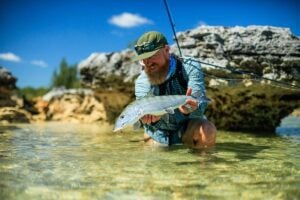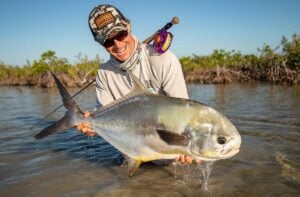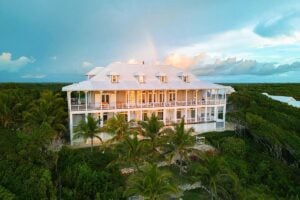
Explore fishing trips in the Bahamas, staying at carefully selected lodges that combine expert guiding, remote wilderness settings, and exceptional angling.
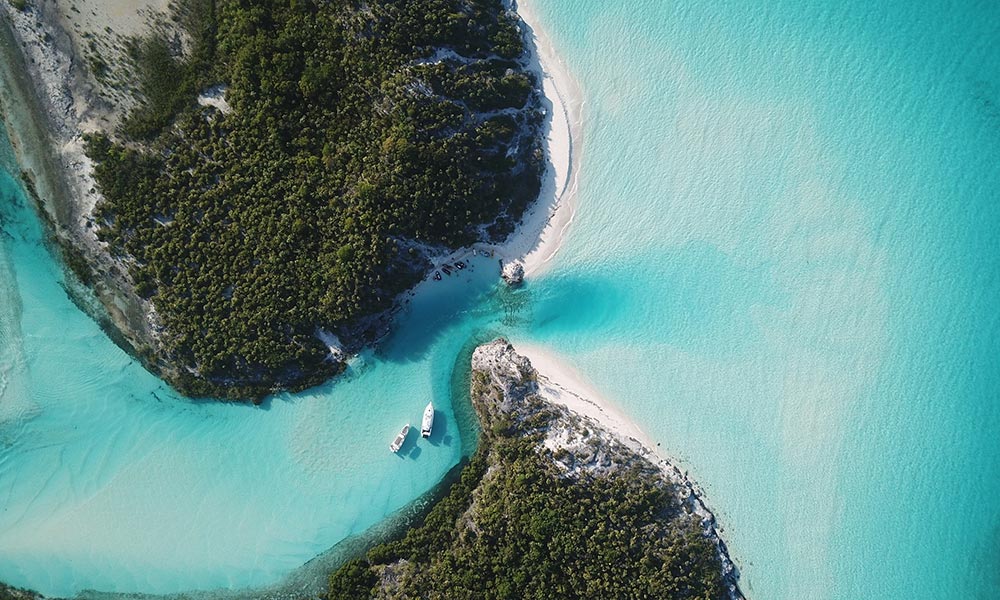
Abaco, The Bahamas
Amberjack, Barracuda, Bonefish
Abaco, The Bahamas
Barracuda, Bonefish, Grouper
South Andros, The Bahamas
Bonefish, Permit, Tarpon
Mangrove Cay, The Bahamas
Barracuda, Bonefish, Snapper
No results available
The Bahamas sits at the center of the world’s most developed bonefishing infrastructure. Andros alone holds more flats acreage than any other island in the Caribbean, and the guide culture here — particularly on the Bights — runs generations deep. Anglers planning a first saltwater fly fishing trip and those returning for the tenth both find the same thing: remarkably consistent fish, serious local knowledge, and lodge programs that are built around the fishing rather than around the resort experience.
Just a short hop from the U.S. East Coast, the Bahamas offers the most accessible world-class bonefishing on the planet — and for dedicated fly anglers, that accessibility has never compromised quality. The outer islands remain lightly pressured, the flats are vast, and in the right conditions you can wade a flat for a full tide without seeing another angler.
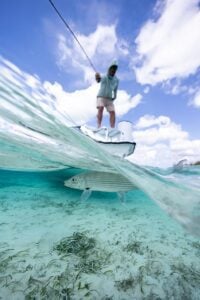
Bonefishing is the backbone of every serious lodge program here, but the fishery is broader than that. Permit are present across several island systems, tarpon move through sheltered creeks and backchannels on a seasonal schedule, and offshore pelagic fishing — wahoo, mahi-mahi, and tuna — is within reach of most lodge bases.
For a full comparison of how Bahamas lodge programs differ and what to look for when choosing, see our Editorial Guide to Bahamas Fishing Lodge Programs.
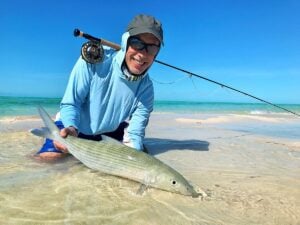
South Andros is where anglers come when they want Andros without the distractions. The flats here are expansive and lightly pressured, the tides push fish reliably, and the lodges that operate in this part of the island are run by people who take the fishing seriously. South Andros consistently produces trophy-class bonefish — fish in the 6–10 lb range are realistic targets, not outliers. All access is by boat or small plane; the remoteness is part of the appeal.
Mangrove Cay sits at the heart of Andros, overlooking the famed Bights — a sprawling network of tidal creeks, flats, and channels that many serious bonefishing guides consider the most productive water in the Bahamas. The guiding culture here is unlike anywhere else in the Caribbean: families who have been reading these tides for three and four generations, passing down knowledge that no amount of satellite imagery replicates.
Lodges here typically run skiff-based programs with experienced local guides who know exactly where the fish are on any given tide. The opposing tides between Andros’ east and west sides — the Bights running one direction while the ocean flats run the other — mean there is almost always fishable water somewhere within reach of the dock, a practical advantage that serious anglers quickly learn to appreciate. On the remote West Side, locally known as the Land of the Giants, fish in double digits are a realistic seasonal expectation.
Abaco offers some of the most reliable logistics in the Bahamas alongside consistently productive bonefishing. The Sea of Abaco provides protected water for skiff operations, and the mix of shallow flats, mangrove edges, and deeper channels means guides can find fish across a range of conditions. Permit are present here with more regularity than on many other islands, and the overall infrastructure — flights, transfers, lodge facilities — makes Abaco a strong choice for first-time visitors or those combining fishing with travel companions who aren’t on the water every day.
The Exuma chain blends shallow bonefishing flats with quick access to reef edges and deep blue water. Anglers who want to mix skiff days with offshore time — wahoo, mahi-mahi, tuna — will find more variety here than on the dedicated bonefish islands to the north. Permit are also reported with reasonable consistency in the southern cays.
These southern islands represent the far end of the Bahamas spectrum: minimal infrastructure, outstanding fishing, and a self-reliant experience that appeals to experienced anglers who know what they want. The Bight of Acklins in particular holds some of the least-fished bonefish water in the entire island chain. A handful of small lodge operations provide the logistical support; guests do the rest themselves.
Long Island’s geography — flats running along both the Atlantic and Caribbean shores — gives it unusual versatility. Anglers can work protected water on one side and exposed ocean flats on the other depending on wind and tide. The island sees far less fishing pressure than Andros or Abaco, and for those who value solitude as much as fish counts, it’s one of the more underrated destinations in the Bahamas.
Eleuthera offers long stretches of wadeable flat that remain largely unfished by visiting anglers, which makes it genuinely interesting territory. The guided infrastructure is thinner than on Andros or Abaco, but for experienced fly fishers prepared to do some reconnaissance, the potential is real.
Bimini sits just 50 miles off the Florida coast and functions as a different kind of destination — primarily offshore, with wahoo, tuna, billfish, and mahi-mahi all within range. Some bonefishing is available but it’s not the draw. Best suited to anglers after pelagic action or those tagging a fishing day onto a short trip.
FishingExplora lists carefully selected saltwater fishing lodges across the Bahamas. Contact hosts directly to discuss program structure, guiding approach, and availability.
For more lodge-based options across the wider region, explore all our fishing lodges in the West Indies.
FishingExplora’s editorial content draws on lodge input, guide experience, published field reports, and independent research to help anglers make informed decisions about premium fishing destinations.
Yes. Non-resident anglers fishing from a vessel must hold a valid Bahamas fishing license. Most lodges handle this as part of the arrival process and will confirm what’s required based on how you’re fishing — from a guide’s skiff, wading independently, or on an offshore charter. Carry a copy on the water. Regulations can change, so confirm current requirements when booking.
October through June covers the core bonefishing season, with the December–April window producing the most consistent results and the largest fish. Prime weeks at the best-known lodges on Andros — particularly February through April — often book a year or more in advance. Book early if you have a specific window in mind.
An 8- or 9-weight is the guide-recommended standard for bonefishing in the Bahamas. The islands can be windy — particularly in winter and spring — and anything lighter becomes a liability when you’re trying to deliver a fly accurately at 60 feet into a 20-knot trade wind. Bring two outfits if you can. A 10-weight is worth packing for permit or tarpon days if those are part of your program.
Permit are present and catchable — Abaco, Exuma, and Andros all produce shots at permit with reasonable regularity — but the Bahamas is not a dedicated permit destination in the way that Mexico’s Caribbean coast is. Tarpon are a genuine seasonal draw, particularly adult fish moving through the Andros backchannel and creek systems in May through July. Most programs target bonefish as the primary species with permit and tarpon as realistic secondary opportunities depending on conditions.
Yes, and guides depend on it. A standard range is $100–$150 per angler per day for the guide, or approximately 15–20% of the daily guided rate, depending on the quality of service and the program. Lodge staff — kitchen, housekeeping, boat handling — typically receive a pooled tip of around 10–15% of the package cost, paid at the end of the stay. Most lodges will give you guidance on their preferred tipping arrangement at check-in. Tips are paid in USD.
Most outer island lodges are reached via short domestic flight from Nassau or, in some cases, direct service from Florida or the U.S. Southeast. Lodges typically assist with flight arrangements and coordinate ground or boat transfers on arrival. Some remote operations on the southern islands use private charter planes or boat shuttles to reach their base. Build in a buffer day around travel connections — interisland schedules can be disrupted by weather.
The Bahamas fishes across a wide seasonal range. Winter months (December–February) bring trade winds — typically 15–25 knots — cooler air temperatures in the low 70s°F, and some of the best bonefish concentrations of the year. Spring is calmer, warmer, and widely regarded as the most pleasant fishing weather. Summer is hot and can be calm, but hurricane season runs August through October and most serious lodge programs either close or scale back during that period.
Many are, particularly those on Andros and Abaco where experienced guides are accustomed to working with anglers at all skill levels. That said, saltwater flats fishing has a steeper learning curve than freshwater — presentations need to be accurate, fast, and quiet, often in wind. If you’re new to fly fishing entirely, some prep work before the trip — practice casting, particularly distance casting in wind — will make a significant difference to your experience on the water.
We use cookies to improve your experience and enable key features on the platform. You can choose which cookies to allow. Some features may not work fully without consent.