Discover the best snapper fishing destinations, guided trips, and lodge-based experiences worldwide. Explore remote waters and world-class angling with expert local hosts.
No results available
Snapper are powerful, hard-hitting reef predators found in warm coastal waters across the tropics. From mangrove creeks to deep drop-offs, they hit hard, pull deep, and offer a serious challenge for anglers fishing bait and lure.
Snapper (family Lutjanidae) include a wide range of species, from the reef-dwelling red snapper and mutton snapper to the aggressive, heavy-hitting cubera and the widespread mangrove snapper. These fish are known for their ambush tactics, explosive strikes, and determined fights near structure.
They’re most often caught using bait or jigs near reefs, rocky points, or submerged cover. In some regions — particularly in mangrove-lined estuaries and surf zones — juvenile snapper can also be targeted on the fly. Gabon and the Outer Islands offer legitimate chances at snapper species on fly gear when conditions allow.
Snapper are prized as food fish but are increasingly catch-and-release targets in remote lodge programs. Many species are long-lived and vulnerable to overharvest, especially when pulled from depth, so responsible handling is critical.
Mutton snapper are most abundant around the Bahamas and southern Florida, making it one of the best Atlantic destinations for the species. Anglers find sight-casting opportunities along sandy flats, creek mouths, and mangrove edges. Though not always the primary target, these fish are aggressive and responsive to well-placed bait or fly presentations.
Gabon’s coastline and estuary systems hold some of the world’s best opportunities for targeting the African red snapper (Lutjanus agennes), also called African cubera — a distinct species from the Atlantic cubera and the holder of the IGFA all-tackle snapper world record at 132 lbs 4 oz (Senegal, 2001). Anglers cast poppers or bait near rocky points and breakers, with juveniles occasionally caught on fly in calmer water near mangroves.
Colombia’s remote Pacific coast produces cubera, mutton, and Pacific red snapper in rocky channels and reef systems. Lodge-based boats target snapper along current seams, points, and surf breaks with jigs, plugs, or live bait.
The Seychelles Outer Islands offer mixed reef snapper including humpback, blacktail, and twinspot. While most are caught on conventional gear, some species will take deep-running streamers on the fly — especially during a dropping tide.
Red and mangrove snapper are staples across Florida and the Gulf. Most are caught on bait or jigs in 60–200 feet of water, often around artificial structure and wrecks.
Coastal Mexico and countries like Panama and Nicaragua produce excellent snapper fishing, especially for cubera and Pacific red snapper. These fish are targeted from boats, rocky beaches, and river mouths.
Snapper are common across the western Indian Ocean, with species like humpback and emperor snapper available in deep reef and lagoon systems — a mix of jig and bait opportunities from lodge-based skiffs.
Snapper strike aggressively and fight with determination, often diving straight for cover. Their power-to-size ratio makes them a thrilling inshore or reef target, especially on medium to heavy spinning tackle. In shallow water, they can be spooky and selective — but when they commit, it’s an all-in hit that tests reflexes and drag settings.
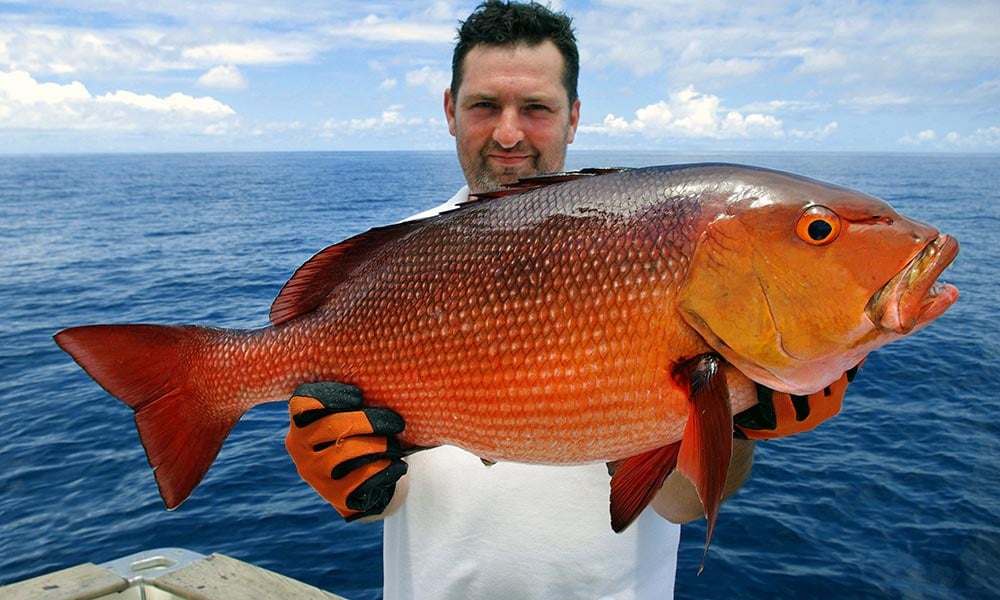
Snapper are stout, broad-shouldered fish with heavy jaws and prominent canine teeth — in large cubera the canines are visible even with the mouth closed. Coloration varies significantly by species: red snapper are deep rosy red with a dark fringe on the dorsal and tail fins; cubera snapper are dark gray to brownish with a reddish tinge and large, thick lips; mutton snapper are olive-green on the back fading to reddish sides, with a distinctive black spot above the lateral line and blue stripes on the snout and cheeks.
Sizes vary widely — mangrove and blacktail snapper typically run 2–5 lbs; mutton snapper reach 30 lbs at the trophy end; cubera snapper regularly exceed 50–80 lbs, with fish over 100 lbs taken in Florida and the Caribbean.
Snapper fishing is generally best when tides are moving, water is warm, and bait is concentrated near structure. Larger fish tend to feed more aggressively around dawn and dusk, particularly during new and full moon phases.
FishingExplora features lodge-based snapper trips in the Bahamas, Gabon, Colombia, and the Seychelles Outer Islands, where anglers target everything from surf-running cubera to reef-dwelling mutton and mangrove snapper. Contact lodges directly to discuss program structure and seasonal availability.
FishingExplora’s editorial content draws on lodge input, guide experience, published field reports, and independent research to help anglers make informed decisions about premium fishing destinations.
The most commonly targeted snapper include cubera, mutton, red, mangrove, and blacktail. Cubera and mutton are prized for size and power, while mangrove and blacktail are often caught in shallow water or near reef edges on lighter gear. In West Africa and the Indian Ocean, the African red snapper and various humpback snapper species are the primary targets.
Yes — mainly smaller species like mangrove or blacktail snapper in clear, shallow water near mangroves or tidal creeks. Larger reef species like cubera or mutton snapper are rarely caught on the fly and are more effectively targeted with bait or lures. In the Seychelles Outer Islands, some reef snapper species will take deep-running streamers on a dropping tide.
Gabon, Panama, Colombia, and Nicaragua are top destinations for trophy cubera. These fish prefer rocky coastlines, surf breaks, and river mouths — most are caught on live bait or large topwater lures near reef drop-offs or submerged ledges. The IGFA all-tackle Atlantic cubera record is 124 lbs 12 oz, caught in Louisiana in 2007.
Most snapper species are excellent table fare, with firm, mild-flavored white meat. Red and mutton snapper are especially prized for their texture. Many anglers keep smaller fish for the table while releasing larger, older snapper — large cubera in particular can carry ciguatera toxin and are widely released in conservation-minded programs.
Use medium to heavy spinning or baitcasting setups with strong fluorocarbon leaders. Snapper fight close to reefs and rock outcrops, so abrasion resistance is critical. Braided mainline improves sensitivity and gives the leverage needed to pull fish away from cover immediately after the hookset, before they reach structure.
We use cookies to improve your experience and enable key features on the platform. You can choose which cookies to allow. Some features may not work fully without consent.