Discover the best cubera snapper fishing destinations, guided trips, and lodge-based experiences worldwide. Explore remote waters and world-class angling with expert local hosts.
No results available
Cubera snapper are the apex predators of the reef—brutish, aggressive, and capable of destroying gear in seconds. Found along tropical coasts in the Atlantic and eastern Pacific, they’re often targeted near rocks, reef edges, wrecks, and deep structure, especially around dusk or during tide changes.
Cubera snapper (Lutjanus cyanopterus) are known for their crushing strikes, hard runs, and sheer power. Reaching weights of over 100 lbs, these fish demand serious tackle and tight drag settings. Most are caught nearshore on live bait, jigs, or poppers—especially around submerged rock piles and reef edges where they ambush prey. Though sometimes caught by accident while targeting other reef species, dedicated cubera anglers know to fish at dawn, dusk, or even at night, when the biggest fish come out to feed.
They’re found throughout the western Atlantic and eastern Pacific, with notable populations in West Africa, Central America, and the Caribbean. While day trips are possible, many of the best cubera fisheries are accessed through lodge-based operations with guides who know how to position clients for a legitimate shot at a trophy. Timing, moon phase, and tides all matter.
Colombia’s Caribbean coast is home to rugged reef lines and volcanic drop-offs that hold solid cubera year-round. Guides often combine cubera sessions with roosterfish and inshore pelagic targets.
Gabon’s remote coastline is famous for its giant cubera snapper, often caught in river mouths and along surf zones. Lodges here offer guided boat and beach sessions for hard-hitting inshore predators.
From Coiba Island to the Hannibal Bank and the Gulf of Chiriquí, Panama offers some of the best cubera fishing on Earth. Lodge-based operations often target them with live bait and topwater gear on nearshore reefs.
The Osa Peninsula, Drake Bay, and Golfo Dulce provide ideal structure for cubera, especially during dawn and dusk. These fish are often targeted alongside roosterfish and snook.
Cubera snapper are present in parts of Mexico, especially along the southern Caribbean coast and offshore islands like Isla Mujeres. Night fishing and live bait around reef structure can be productive.
Though not common in shallow waters, large cubera can be caught on live bait near deep wrecks around the Dry Tortugas, Marquesas, and deeper channels near Islamorada—especially at night.
These Central American countries hold solid but underfished cubera populations. Coastal reefs, rocky headlands, and drop-offs provide good structure for those willing to explore.
Southern Cuba and parts of the Dominican Republic host large cubera near deep ledges and reef walls. These fisheries are typically accessed via local guides or exploratory lodge programs.
Cubera snapper stand out for their raw, brute strength. Few reef fish hit as hard or pull as dirty—diving straight into rocks or structure at the first chance. They require precise boat handling, heavy tackle, and quick reaction time. Anglers who chase them often fish with locked drags and 100+ lb leaders, expecting gear to get tested—or broken. The first few seconds of the fight are critical—you either turn their head, or you lose.
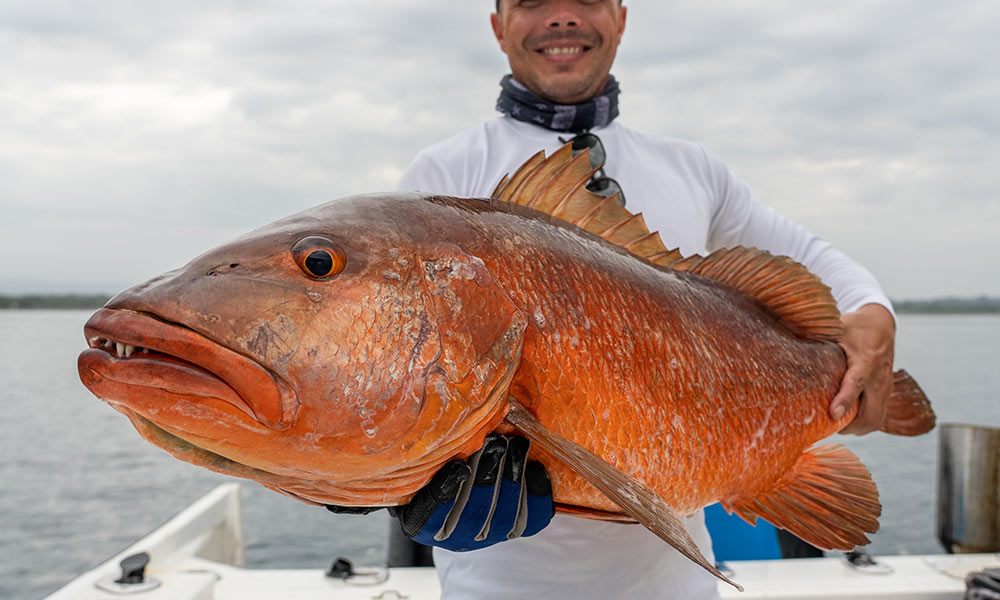
Cubera snapper are the largest of all snappers, with a deep, solid frame and a commanding presence. Their coloration ranges from dusky bronze to rusty red, sometimes with faint vertical bars along the sides—more pronounced in juveniles. They have thick, fleshy lips and an unmistakable set of oversized, conical canine teeth visible even when the mouth is closed. The eyes are large and typically amber to copper in color, helping them hunt in low light and deeper water. Their dorsal and anal fins are dark and sharply angled, and the tail is broad and slightly forked, built for short bursts of power. Combined with their size and aggressive posture, cubera snapper are instantly recognizable and impossible to mistake for smaller snapper species.
FishingExplora connects anglers with trusted cubera snapper trips in proven destinations like Colombia and Gabon. These are not casual inshore charters—most of our listings offer serious bluewater or nearshore structure access, with experienced guides who understand timing, tide, and technique. Whether you’re targeting them on live bait or aiming for a topwater strike at dawn, you’ll find trips that offer real shots at trophy fish in wild, under-pressured waters.
Heavy spinning or conventional gear with 80–130 lb braid, fluorocarbon leaders, and strong live bait hooks is standard. Locked drags and fast reflexes are essential to stop fish before they reach cover.
Yes—especially in shallower reef systems during low light. Large poppers and stickbaits are effective, but hookups can be tough due to the fish’s thick jaws and short strike window.
April through September is prime, especially around new and full moons. Early morning and night sessions near structure produce the biggest fish.
Yes, but caution is advised in some regions due to the risk of ciguatera poisoning. Many anglers release large fish to preserve breeding populations and avoid health risks.
Juvenile cubera may use mangroves or estuaries as nursery grounds, but large adults are primarily reef- and structure-oriented in deeper saltwater zones.
We use cookies to improve your experience and enable key features on the platform. You can choose which cookies to allow. Some features may not work fully without consent.