Discover top nearshore fishing destinations worldwide, with experienced local guides and lodges offering direct access to prime waters.
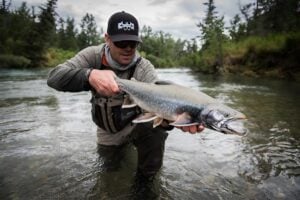
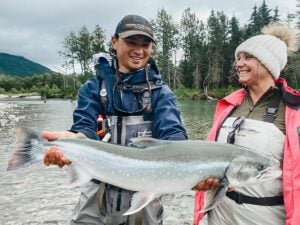
Bristol Bay, Alaska
Arctic Char, Chinook (King) Salmon, Chum (Keta) Salmon
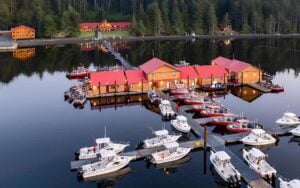
British Columbia, Canada
Chinook (King) Salmon, Coho (Silver) Salmon, Halibut
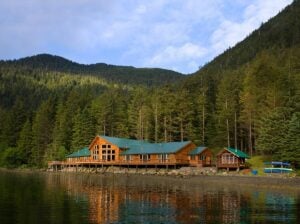
Southeast Alaska
Chinook (King) Salmon, Coho (Silver) Salmon, Halibut
No results available
Fishing close to shore doesn’t mean compromising on quality. Nearshore waters often deliver the best of both worlds—easy access, short runs, and serious fish. From Pacific drop-offs to tropical reef edges, these trips are all about structure, timing, and variety.
Nearshore fishing focuses on the zone just beyond the breakers and inside deeper offshore waters. These areas often hold strong concentrations of bait and structure—perfect for predators like snapper, roosterfish, and even tuna. You’re typically fishing from smaller boats, close to land but with access to ledges, channels, reef edges, or surf zones.
It’s a versatile format—sometimes casting lures or flies, other times jigging or trolling. What ties it together is proximity and productivity. You spend less time running and more time fishing.
Nearshore waters deliver a wide range of hard-hitting species—whether you’re fishing rock points, reef lines, or channels just off the beach. These trips are all about access and variety, especially in regions with strong guide support and structure-rich coasts.
Pacific halibut are often targeted from small nearshore boats in Alaska and British Columbia, especially around drop-offs, reefs, and saddles close to shore.
Found in rocky nearshore zones, lingcod hit hard and hold tight to structure. They’re a favorite for anglers fishing light tackle over reefs and ledges.
During key times of year, Chinook and Coho salmon move through nearshore waters in Alaska and British Columbia—providing action for trolling or casting just off the beach or headlands.
Often found around nearshore rock points and surf breaks, roosterfish offer fast, visual fishing in Mexico, Costa Rica, and parts of Colombia.
While often offshore, mahi-mahi can show up nearshore in tropical waters, especially where currents meet reef lines or floating debris drifts close to land.
In some regions, yellowfin swing surprisingly close to shore. Look for early morning activity, bait, and birds along current edges and drop-offs.
Targeted around rocky nearshore reefs and drop-offs, Cubera are one of the most powerful and prized warm-water species for inshore and nearshore anglers.
Alaska’s nearshore zones are rich with life—halibut, lingcod, and migrating salmon all pass through close-to-shore structure and reef systems.
Lingcod, halibut, and salmon are mainstays in B.C.’s nearshore waters, especially along kelp edges, drop-offs, and rocky points close to land.
Colombia’s Pacific coast offers nearshore access to aggressive species like roosterfish and cubera, often within minutes of launch.
Other standout destinations for nearshore fishing trips include Australia, Japan, Costa Rica, Panama, Scandinavia, Mexico’s Pacific coast, the Florida Gulf, and Africa. These regions offer consistent access to many species including snapper, roosterfish, jacks, and mackerel—often just minutes from shore.
Nearshore fishing combines action with convenience—no long runs, no major crossings. It’s the ideal setup for anglers looking to maximize time on the water. FishingExplora connects you with trusted lodge hosts running productive nearshore trips across the Americas and beyond. Whether you’re after a shot at roosterfish or a drop-shot rig for halibut, we help you get on the right water.
Nearshore fishing typically occurs within a few miles of land—often less than 5 miles out—targeting reefs, drop-offs, and coastal structures. It’s closer than offshore but deeper and more exposed than true inshore zones.
Yes—especially in calm conditions or when targeting species like roosterfish or snapper near rock points or bait schools. Wind and wave height play a role, but sight-fishing and surface action are possible in the right setups.
Nearshore trips involve shorter runs and smaller boats, targeting structure closer to land. While offshore trips chase pelagic species in deep water, nearshore fishing often delivers action with less travel and greater versatility.
Anchoring can be effective in nearshore zones, especially when targeting reef-holding species like snapper or lingcod. But in areas with strong currents, drifting or slow trolling may be more productive to cover larger areas. Many anglers switch between anchoring and drifting depending on structure, tide, and target species.
We use cookies to improve your experience and enable key features on the platform. You can choose which cookies to allow. Some features may not work fully without consent.