Explore trusted lodges and expert-guided trips offering popper fishing in saltwater and freshwater settings.
Pacific Region, Colombia
Amberjack, Bigeye Tuna, Cubera Snapper
Gabon, Central Africa
Cubera Snapper, Giant African Threadfin, Jack Crevalle
Alaska, United States
Chinook (King) Salmon, Chum (Keta) Salmon, Coho (Silver) Salmon
No results available
Popper fishing creates aggressive surface strikes by mimicking moving or wounded prey. The commotion and splash of each pop trigger instinctive reactions from predatory fish—especially in shallow or clear water where visibility matters.
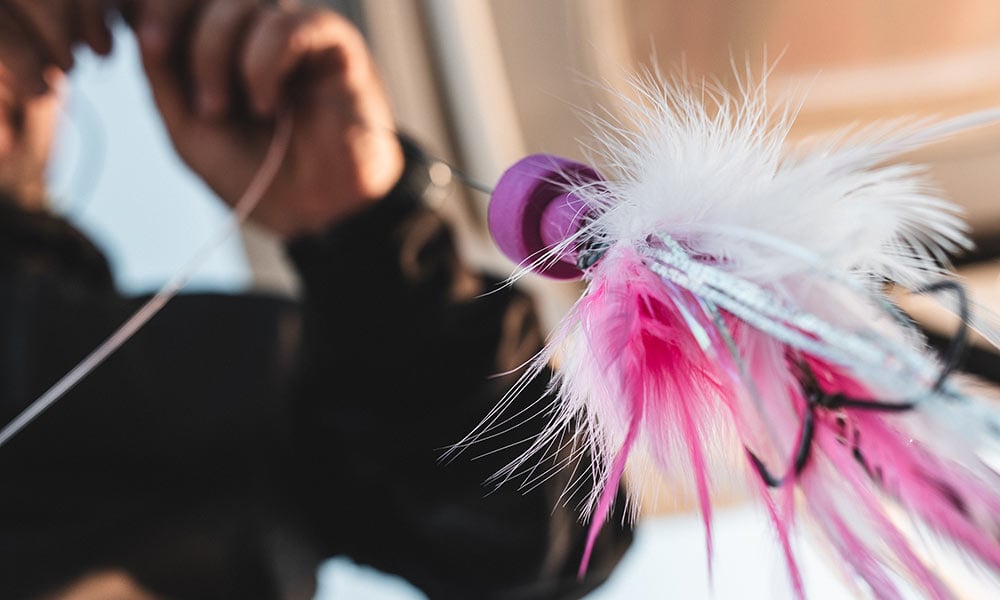
Popper fishing combines power and reaction. The concave face of the lure creates noise and disturbance as it’s ripped or blooped across the surface. Predators respond violently—often tracking the popper from below before detonating in a full-body strike. It’s not about finesse; it’s about provoking an immediate, territorial response.
Poppers are used in both saltwater and freshwater environments, and are especially effective in areas with baitfish, structure, or current. While this technique can be productive in calm water, many anglers rely on it when fish are actively hunting or when other methods go ignored.
FishingExplora highlights lodge-based trips that cater to serious topwater anglers. From Seychelles reefs to the Pacific coast of Colombia or jungle rivers of South America, these experiences are built around fish that explode on the surface—guided by experts who know when and where to throw poppers for maximum effect.
Popper fishing uses lures with a concave face that spit, bloop, or chug across the surface to provoke aggressive strikes. The visual splash and noise trigger a reaction from predatory fish—especially when they’re feeding near the top or defending territory.
Poppers are most effective when fish are feeding near the surface—early mornings, late afternoons, or during baitfish activity. Wind chop, tide movement, and cloud cover can also influence topwater feeding behavior.
A fast-action spinning rod rated for heavy braid (50–100 lb) with a high-capacity reel is ideal. Strong drag, quick line pickup, and the power to cast heavy lures long distances are critical—especially in saltwater.
Yes. Poppers work in both environments, from peacock bass and musky in freshwater to GTs and tuna in the salt. Just match the size, hooks, and gear to the species and setting.
Chugging produces loud splashes and is best for aggressive predators. Walking creates a subtler, side-to-side action on the surface. Each technique triggers different fish behavior and can be alternated based on conditions.
We use cookies to improve your experience and enable key features on the platform. You can choose which cookies to allow. Some features may not work fully without consent.