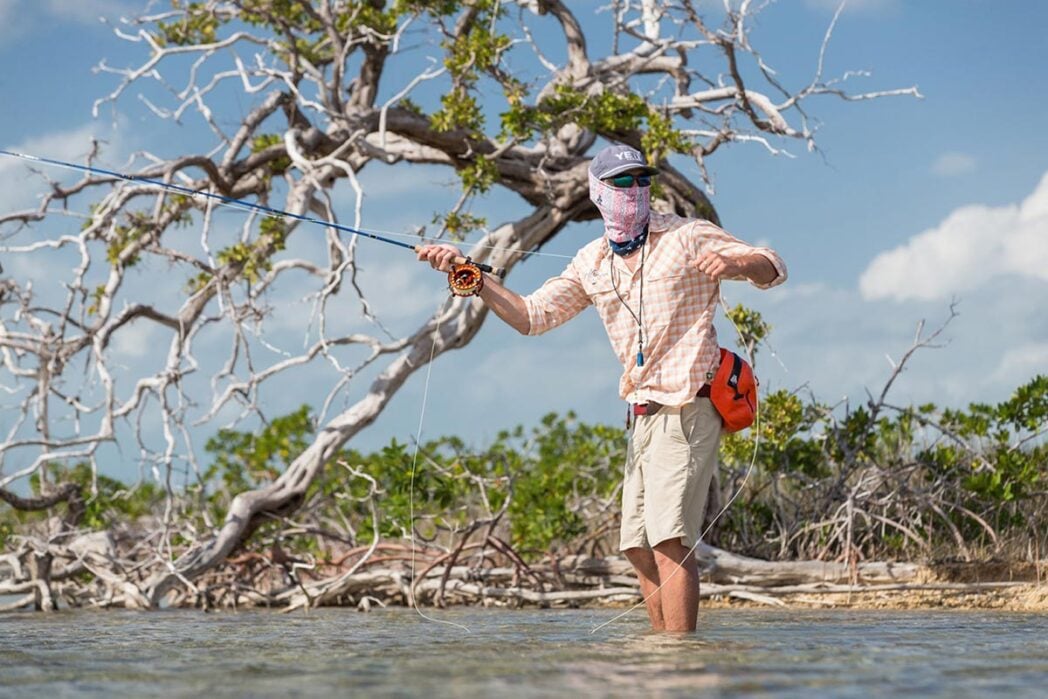
The Bahamas splits into two distinct bonefishing destinations — Andros, remote and trophy-capable, with the West Side producing the largest fish in the archipelago — and Abaco, more accessible and two-sided, where the Marls and ocean flats fish differently enough to give a week genuine variety. Getting that choice right is what separates a week that delivers from one that almost did.
Table of Contents
How Bahamas Fishing Lodges Actually Differ
The most consequential choice in Bahamas bonefishing is not which lodge — it is which island, and where on that island the lodge sits.
Andros and Abaco both offer world-class bonefishing, but they are different trips. Andros is the larger, more remote island — the Bights system alone is one of the most productive bonefish habitats on earth, and the opposing tides on its east and west sides create almost continuous fishable water through the day. The West Side, known locally as the Land of the Giants, produces the largest bonefish in the Bahamas on a seasonal basis. Getting there requires a domestic connection through Nassau, which adds a travel step — but also adds distance from the infrastructure that dilutes remote fisheries.
Abaco is more accessible. Direct flights from Miami, Fort Lauderdale, and Atlanta reach Marsh Harbour without a Nassau connection. The Marls on Abaco’s western shore — 300 square miles of bonefish habitat — rival Andros for consistency, and Abaco’s two-sided character adds something Andros cannot match: the western Marls and the cleaner, firmer-bottomed ocean-side flats fish differently enough that programs accessing both offer genuine variety within the same week.
Within each island, lodge position matters considerably. On Andros, a central Bights location puts guides within range of every major zone — sheltered creeks, open flats, and the West Side — within the same tide. On South Andros, a beachside base between creek systems gives guides the ability to shift quickly as conditions change. On Abaco, the choice is between a lodge directly on the Marls — maximum time on productive water, minimum transit — and a southern program built around trailer mobility and access to a wider range of flats types.
The lodge setting itself is worth weighing honestly. These programs range from a purpose-built beachfront fishing camp to a private club-style lodge where evenings are taken as seriously as the flats. The most common mistake anglers make is deciding on logistics first — picking Abaco because the flights are easier, or Andros because the name carries more weight — without asking whether the fishery and program structure actually match what they want. Knowing which type of week you are after is a more useful starting point than comparing amenity lists.
How We Curate Bahamas Fishing Lodges
| Dimension | What We Look For |
|---|---|
| Island & Location | Which island the lodge sits on, where on that island, and what that means for the character of the fishery and how the week is built around it. |
| Flats Access | The range and variety of water reachable from the lodge — creek systems, Bights, ocean flats, West Side — and how quickly guides can move between zones when conditions change. |
| Fishing Day Reality | How much time is spent fishing versus traveling, how guides respond when conditions change, and what the day actually looks like once you are on the flats. |
| Program Flexibility | Whether the daily plan is fixed or responsive to conditions — and how that shapes the week for different types of anglers. |
| Guest Fit | Who the program genuinely suits, based on fishing style, lodge preference, and what kind of week the angler is looking to have. |
Bahamas Fishing Lodge Programs — Our Picks
These are the Bahamas lodge programs FishingExplora covers because each represents a clearly defined approach to fishing this destination. The programs differ in island, location, and how the week is built — but each one commits fully to what it is, and that clarity is what makes the comparison useful.
Between them, these programs cover what Bahamas lodge fishing actually delivers — from fixed-base Bights fishing on Andros and beachside multi-zone programs on South Andros, to the Marls of Abaco and the varied southern flats of a private club program that moves by trailer each morning to wherever the fishing is best.
Mangrove Cay Club — Andros Bights Bonefishing Program
Mangrove Cay, Andros, Bahamas
Program Structure
Mangrove Cay Club sits on the north shore of Mangrove Cay, positioned at the heart of the Andros Bights system. From the lodge dock, guides reach the North, Middle, and South Bights, the eastern ocean flats, and the remote West Side — all within fifteen minutes. Fishing is run by licensed Bahamian captains aboard a fleet of 16-foot Dolphin skiffs, with daily plans built around tides, wind, and where fish are most active. A managed rotation keeps guides and guests on rested flats through the week.
Season & Fishery
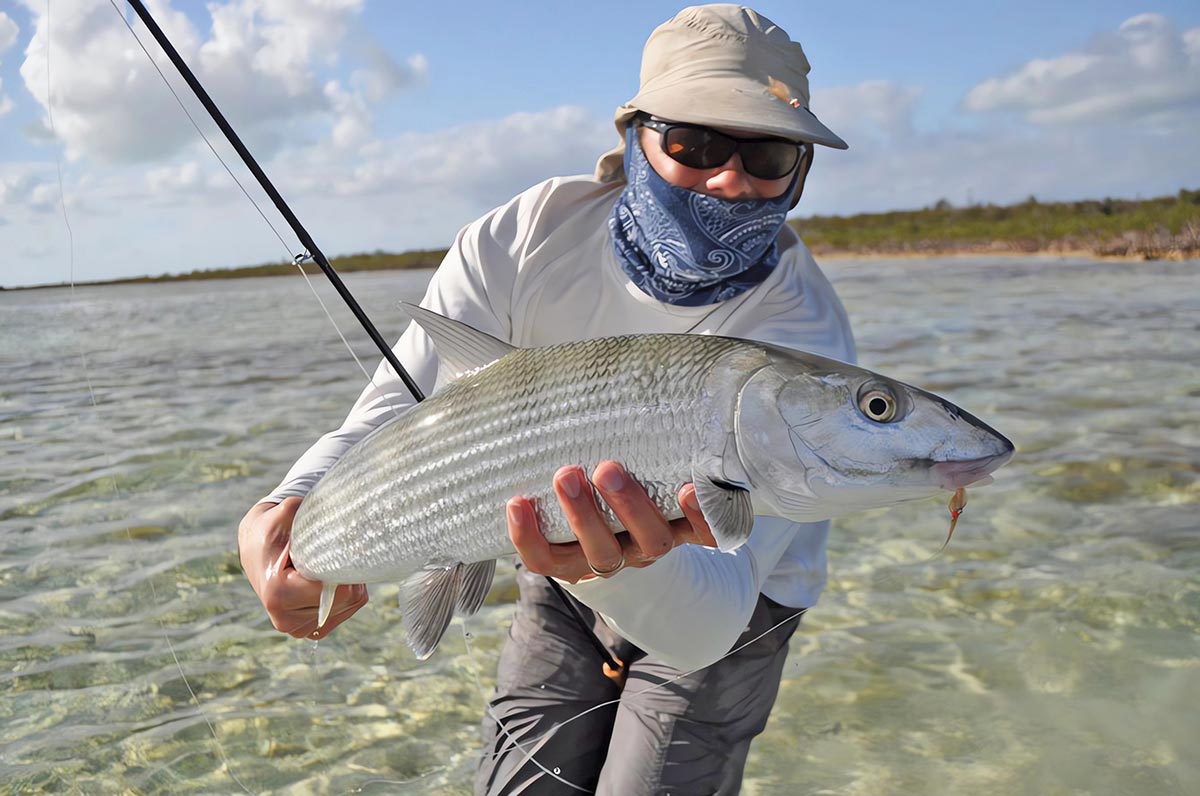
The season runs October through June. Bonefish average 3 to 5 pounds across the Bights, with double-digit fish — 11 to 13 pounds — a realistic seasonal target on the West Side, which ranks among the most productive trophy bonefish water in the Bahamas. Tarpon show seasonally through the backchannel systems; barracuda are a constant flat companion throughout.
What Defines the Week
The West Side changes the nature of what this program can deliver. Most Andros lodges are committed to one side of the island, and the West Side — if accessible at all — requires a long, exposed run that weather frequently closes off. Mangrove Cay Club’s central position makes it a genuine option on any calm morning, not an occasional bonus. Those sessions — stalking singles and pairs in shin-deep water across one of the wildest and least-pressured landscapes in the Bahamas — are the days that define a serious bonefishing trip.
Who this suits:
Saltwater fly anglers traveling to Andros Island specifically for bonefishing who want a fixed-base week with daily skiff access across the full range of the Bights system, value a quiet remote island setting, and are drawn by the genuine possibility of trophy fish on the West Side.
Bair's Lodge — South Andros Multi-Zone Bonefishing Program
South Andros, Bahamas
Program Structure
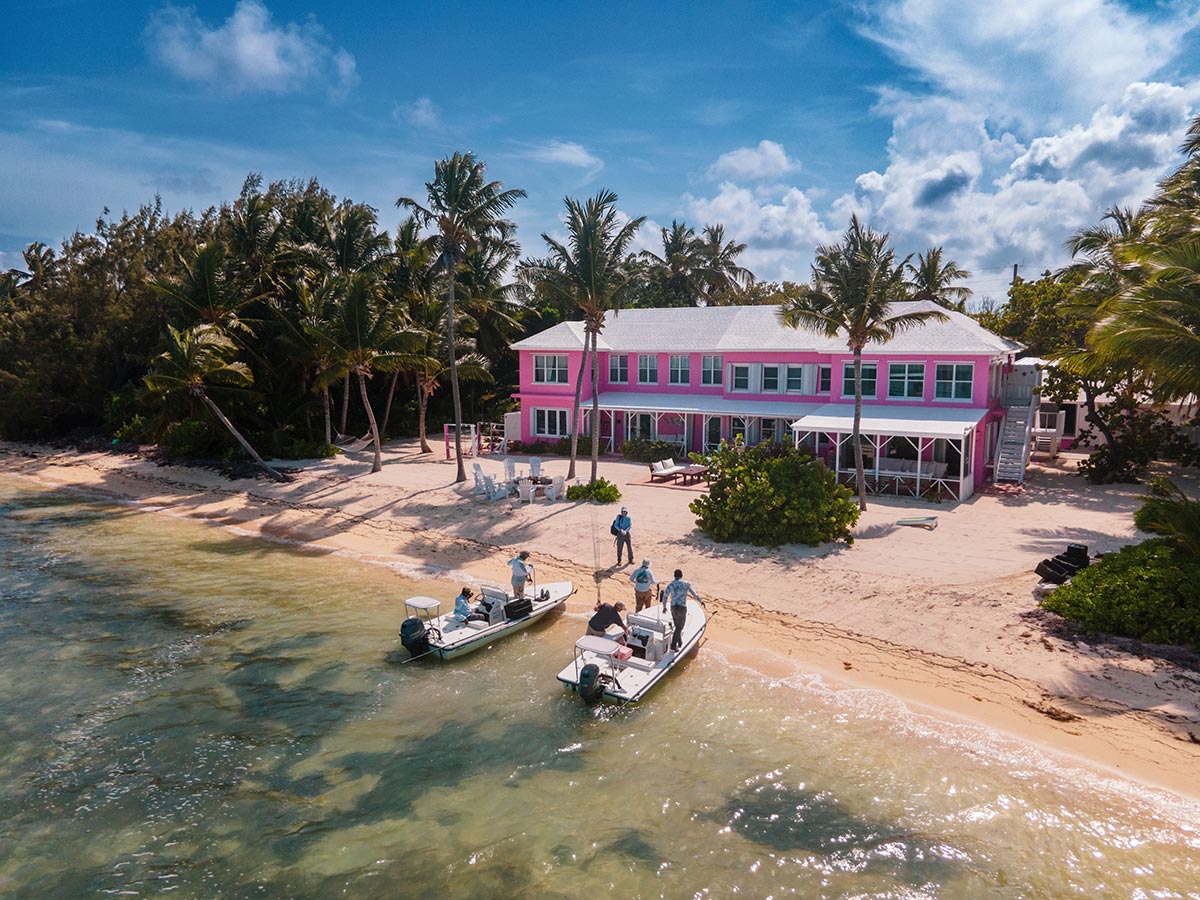
Bair’s Lodge sits on the eastern shore of South Andros, directly on the beach between Deep Creek and Little Creek — two sheltered tidal systems that open onto more than 120 square miles of productive flats. Skiffs push off from the sand each morning with no trailering and no transfers. The fishery breaks naturally into distinct zones: sheltered creek systems for difficult days, firm-sand wading flats to the south, and the West Side for trophy hunting on calm mornings.
Season & Fishery
The lodge operates October through June. Fall brings the season’s largest fish under lighter pressure; spring delivers consistent tailers in ankle-deep water across the southern flats. Permit, tarpon, and barracuda appear through the season as secondary targets.
What Defines the Week
Bair’s operates on a simple principle that most lodges struggle to deliver: the right water for the right day. The beachside launch removes one variable; the multi-zone fishery removes another. When a northeast wind comes in overnight, guides move to the creeks without losing the session. When it calms, they push south to the wading flats or west to the Land of the Giants. For a lodge of 12 guests, that operational flexibility is unusual — and Bair’s delivers it consistently because the location was built for it.
Who this suits:
Bonefish-focused fly anglers traveling to South Andros who prefer a small, higher-end beachfront lodge with private rooms and immediate skiff access to expansive flats, valuing a quiet island setting and structured, guide-led days on the water.
Abaco Lodge — The Marls Bonefishing Program
Great Abaco Island, Bahamas
Program Structure
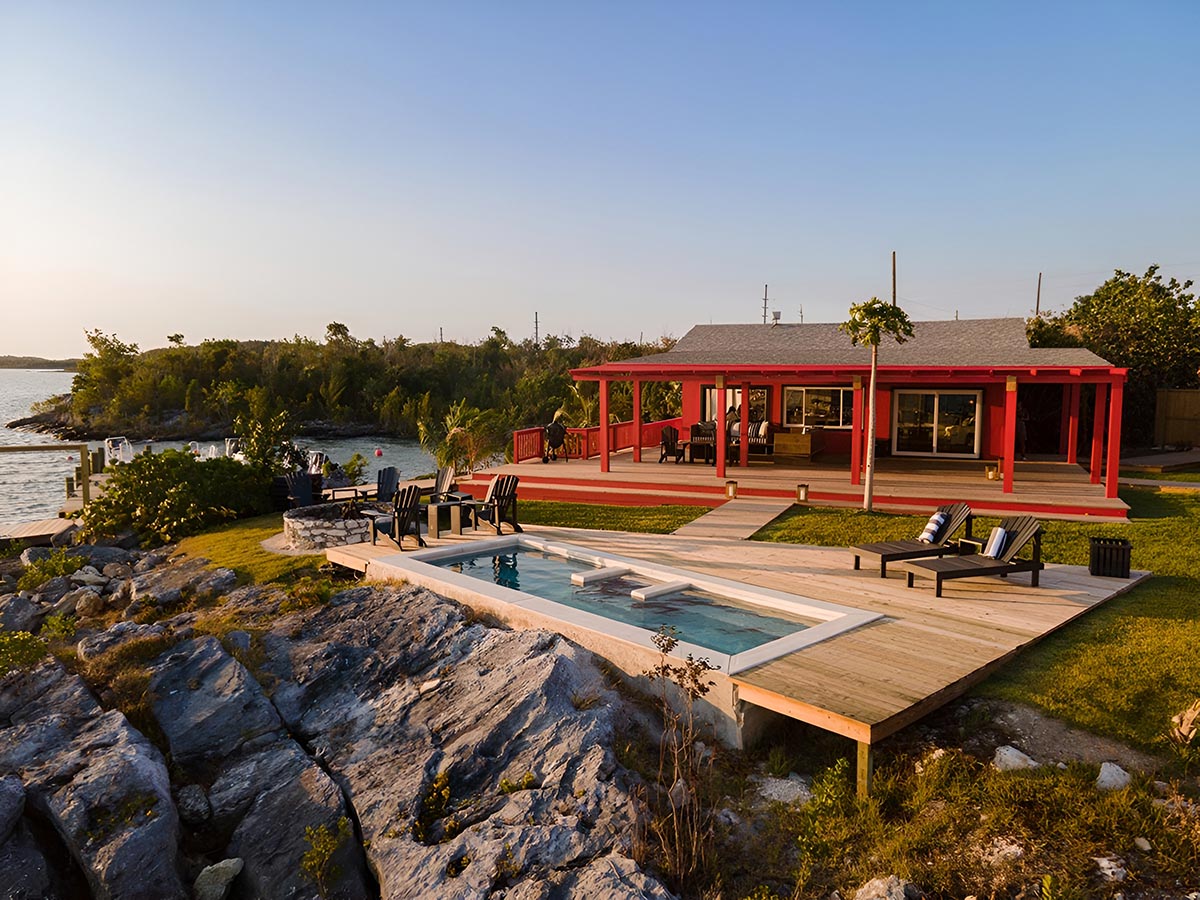
Abaco Lodge sits on the western shore of Great Abaco, sited directly on the Marls — the only fly-fishing lodge in that position on the island. Guides run Maverick HPX skiffs from the dock each morning into 300 square miles of marl, turtle grass, and mangrove flats. Daily plans are built around tides and wind, with the option to move to ocean-side flats on calmer days for larger singles and permit.
Season & Fishery
The season runs October through June. Most Marls bonefish average two to four pounds, with fish in the five to eight pound range encountered regularly on the larger flats and ocean edges. The protected character of the Marls keeps fish feeding across a long daily window in most weather, and permit show with increasing frequency in late spring and early summer along the ocean-side flats.
What Defines the Week
Being the only lodge sited directly on the Marls is a structural fishing advantage that compounds across the week. Short runs mean more time on the flats, but the more consequential point is what 300 square miles of protected habitat delivers in practice: guides can commit to genuinely fresh, unpressured water every day without repeating beats. On an island where the best flats nearest Marsh Harbour see consistent guiding traffic through the season, that scale is a real fishing advantage.
Who this suits:
Serious fly anglers making a dedicated bonefishing trip to the Bahamas who prefer a high-end island lodge base with private rooms, easy travel logistics, immediate skiff access to expansive classic flats, and a highly guided program — without the remoteness of an Andros program.
The Delphi Club — Southern Abaco Bonefishing Program
Rolling Harbour, Abaco, Bahamas
Program Structure
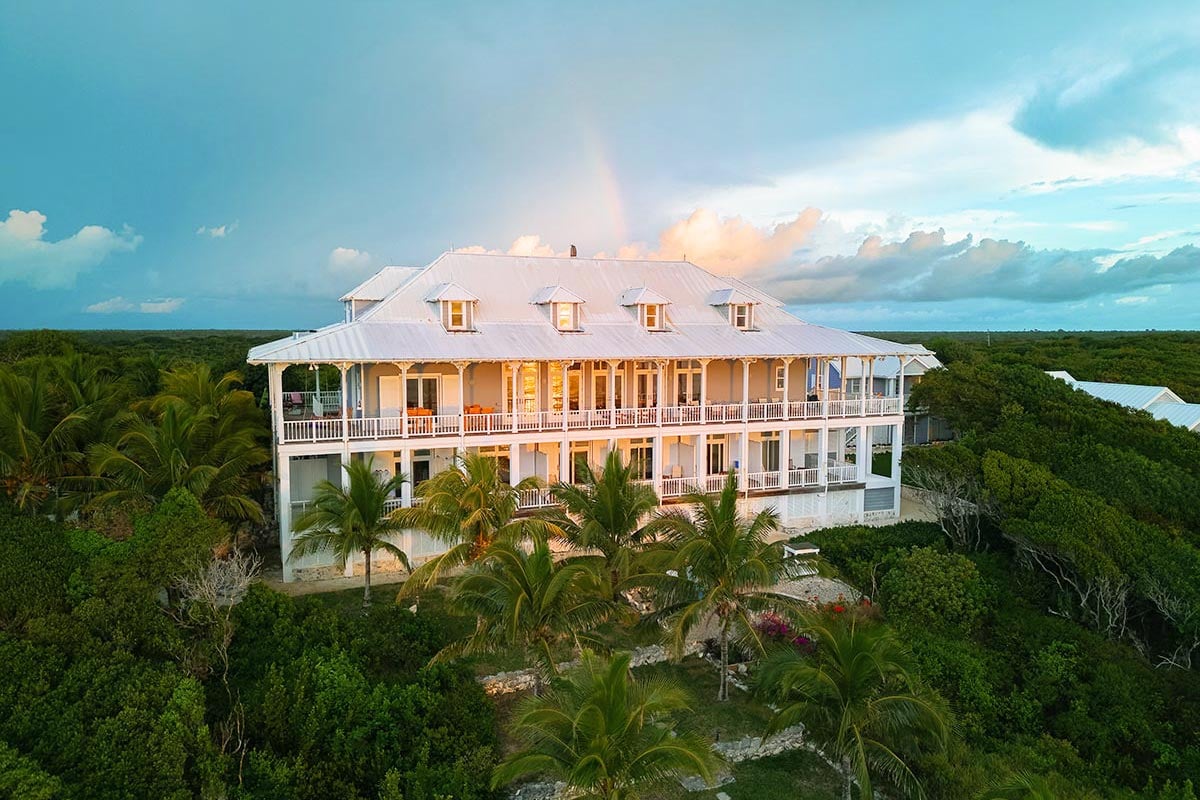
The Delphi Club sits above Rolling Harbour on southern Abaco’s Atlantic coast, some 26 miles south of Marsh Harbour. Skiffs are trailered to launch points each morning, letting guides choose where to put in based purely on where the fishing is best. The western Marls, Cherokee Sound’s firm white-sand flats, and the mixed southern waters around Sandy Point all sit within the program’s range, giving the week genuine variety in water type and fishing style. An optional bluewater program — targeting mahi-mahi and sailfish — is available when offshore conditions allow.
Season & Fishery
The season runs October through July. Bonefish across the western Marls run two to four pounds; Cherokee Sound fish average larger at three to five pounds, with double-digit fish possible in technically demanding conditions. Permit appear with reasonable regularity along southern and ocean-facing edges, especially near Sandy Point.
What Defines the Week
The trailering model is the week’s defining structural feature. Rather than fishing outward from a fixed dock, guides plan each morning around conditions and trailer to the best available launch point. That mobility, combined with access to three genuinely distinct flats systems, produces a week that changes character day by day in ways that dock-based programs rarely can. The lodge itself — eight rooms, communal dining at a single table, a serious wine cellar — suits anglers who want the surroundings to match the quality of the fishing.
Who this suits:
Fly anglers drawn to a private, club-style Bahamian flats program built around skiff-based days, rotating water across southern Abaco, and guided planning that balances pace and flexibility, with the added option to fish directly from the lodge when conditions allow.
Choosing the Right Bahamas Fishing Lodge
The Bahamas decision is simpler than most destinations make it sound. The starting point is island choice — not because one is better, but because Andros and Abaco are genuinely different trips and the right choice depends on what kind of week you are after. Andros for remoteness, scale, and the West Side’s trophy potential. Abaco for accessibility, two-sided variety, and some of the most straightforward logistics of any bonefishing destination.
Within each island, lodge position and program character determine the rest. Some programs are built purely around maximising time on productive water. Others are built around the full experience — the fishing and everything that surrounds it. Both are legitimate, but they suit different anglers and different trips, and conflating them is where most booking mistakes are made.
Get those two choices right and the week tends to take care of itself.
About This Guide: FishingExplora’s editorial guides are written by our in-house team, drawing on direct lodge input, guide experience, published field reports, and independent research to help anglers make informed decisions about premium fishing destinations.