Discover the best barracuda fishing destinations, guided trips, and lodge-based experiences worldwide. Explore remote waters and world-class angling with expert local hosts.

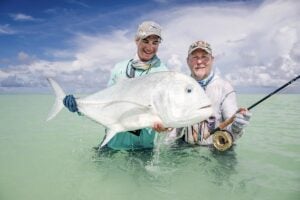
Outer Islands, Seychelles
Barracuda, Bonefish, Giant Trevally (GT)
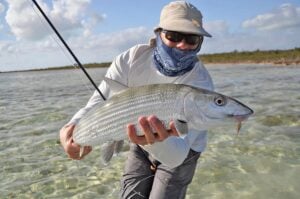
Abaco, The Bahamas
Amberjack, Barracuda, Bonefish
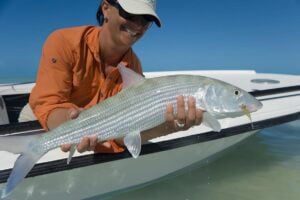
Abaco, The Bahamas
Barracuda, Bonefish, Grouper
Yucatan Peninsula, Mexico
Barracuda, Bonefish, Grouper
Outer Islands, Seychelles
Barracuda, Bonefish, Bumphead Parrotfish
Mangrove Cay, The Bahamas
Barracuda, Bonefish, Snapper
No results available
Found across warm, shallow saltwater environments, barracuda are fast, aggressive predators that crush flies and lures with sudden violence. Sight-fished on tropical flats or ambushed in deeper channels, they offer explosive strikes and blistering runs from a fish that will cut through fluorocarbon without hesitation. Fly fishing for barracuda demands speed, accuracy, and wire leaders.
Barracuda aren’t just bycatch for permit and bonefish anglers — they’re a legitimate target for fly and spin fishermen looking for sheer aggression and visual eats. The great barracuda (Sphyraena barracuda), long, lean, and built for speed, holds on edges, drop-offs, and sandy channels where it can ambush smaller fish. A properly placed fly or lure — often stripped at full speed — can trigger savage strikes.
Their habit of shadowing schools of bonefish or staging along mangrove cuts makes them accessible in many of the world’s best flats fisheries. While often targeted opportunistically, dedicated barracuda hunts are rewarding, especially when sight-fished in shallow water. Pound for pound, few species hit harder in the first seconds of the take.
Though less romanticized than tarpon or permit, barracuda are a consistent adrenaline target on the flats. Their teeth demand wire, their speed tests drag systems, and their willingness to eat a fast-stripped fly in clear, shallow water makes them one of the more accessible visual targets in saltwater.
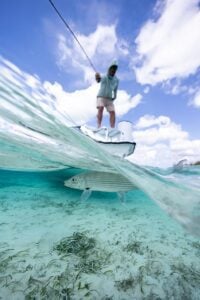
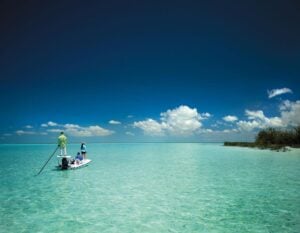
The Bahamas offer ideal habitat for sight-fishing barracuda in clear, shallow water. Long flats fishing water, tidal creeks, and channels hold fish that will sit motionless until a fast strip triggers a strike.
Remote atolls in the Seychelles produce big barracuda in skinny water, often along reef drop-offs or near deep blue holes. The fish are aggressive and strike violently on the retrieve.
From Ascension Bay to Chetumal, the Yucatán’s warm flats and lagoons produce consistent barracuda action. Fish stage in channels and along mangrove lines, often around bait-rich areas.
The Keys provide consistent barracuda opportunities on clear flats, banks, and channels — particularly during winter cold fronts when fish push shallow and feed aggressively.
In Belize, barracuda are a frequent sight on flats shared with bonefish, permit, and jacks — found near cayes, reef drop-offs, and along mangrove coastlines, ready to hit a fast-moving fly.
The outer atolls of the Maldives hold powerful barracuda that hunt along reef channels and lagoons, often near GTs, taking flies and lures with little hesitation in open, turquoise water.
This Indian Ocean destination offers strong barracuda fishing along outer reef flats, coral shelves, and drop-offs — especially around tide changes and bait-rich current zones.
The Andaman Islands are home to large barracuda patrolling current lines, reef edges, and drop-offs. These fish are aggressive and often strike topwater lures or fast-stripped flies.
PNG’s reef systems and inshore bluewater zones hold sizeable barracuda that share habitat with GTs and dogtooth tuna. Anglers casting from skiffs or shorelines connect with powerful fish in largely unfished water.
Few saltwater species combine visual drama and raw violence the way barracuda do. Their torpedo-shaped bodies, oversized jaws, and forward-facing teeth give them a prehistoric look — and they fish just as aggressively. The initial strike is lightning-fast, followed by blistering runs and head-shaking chaos. They are opportunistic ambush predators, but when targeted deliberately, they offer some of the most visual and reactive fly fishing in warm saltwater.
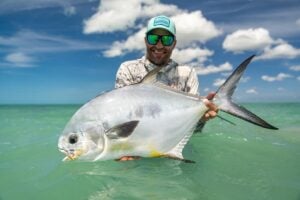
The great barracuda has a long, torpedo-shaped body with a pointed snout, a projecting lower jaw, and two rows of fang-like teeth of unequal size — adapted for ambush and high-speed strikes. The back is blue-gray to brownish-gray, fading to silver on the sides and chalky-white below. The most reliable field mark is a series of black blotches on the lower flanks; faint darker bars or cross-bars may also appear on the upper sides, most visible when the fish is stationary.
The second dorsal, anal, and caudal fins are dark violet to black with white tips. Typical flats fish run 5–15 lbs; large specimens reach 20–40 lbs, with exceptional fish exceeding 50 lbs. In clear water they can appear almost motionless — hovering like a suspended missile — before launching at a fly or lure with blistering speed.
FishingExplora connects you with lodges and guides who understand the visual nature and tactical demands of targeting barracuda on the fly or spin. Whether sight-casting on Bahamian flats or hunting reef edges in the Seychelles, these destinations combine skilled guides, ideal habitat, and remote water.
FishingExplora’s editorial content draws on lodge input, guide experience, published field reports, and independent research to help anglers make informed decisions about premium fishing destinations.
Yes — barracuda are highly responsive to fly fishing, especially when sight-fished on the flats. Use long, flashy baitfish patterns stripped fast and always rig with wire. Their aggression and visual strikes make them one of the most exciting fly rod targets in warm saltwater.
An 8–10 wt rod is the standard for barracuda, depending on fish size and wind conditions. A fast-action rod helps drive long casts and strip large flies quickly, while a strong reel with a smooth drag handles their sudden runs. Wire or heavy-gauge titanium leader is non-negotiable.
Yes — great barracuda have extremely sharp teeth set in two rows of unequal size and thrash violently when landed. Always use long pliers or a dehooker, keep hands clear of the mouth, and avoid bringing them into the boat unless necessary.
Often, yes. Barracuda may tail or hover nearby when bonefish stir up bait on the flat. Watch for long, shadowy shapes trailing the action. Switching quickly to a wire-tipped rig can turn an observer into a hooked fish — though a barracuda appearing near tailing bonefish will frequently put the flat down, so the decision requires judgment.
The Bahamas, Seychelles, and Mexico’s Yucatán Peninsula offer the clearest flats, most consistent fish, and guides experienced in spotting and triggering barracuda in shallow water. All three destinations allow barracuda to be targeted deliberately rather than opportunistically.
We use cookies to improve your experience and enable key features on the platform. You can choose which cookies to allow. Some features may not work fully without consent.