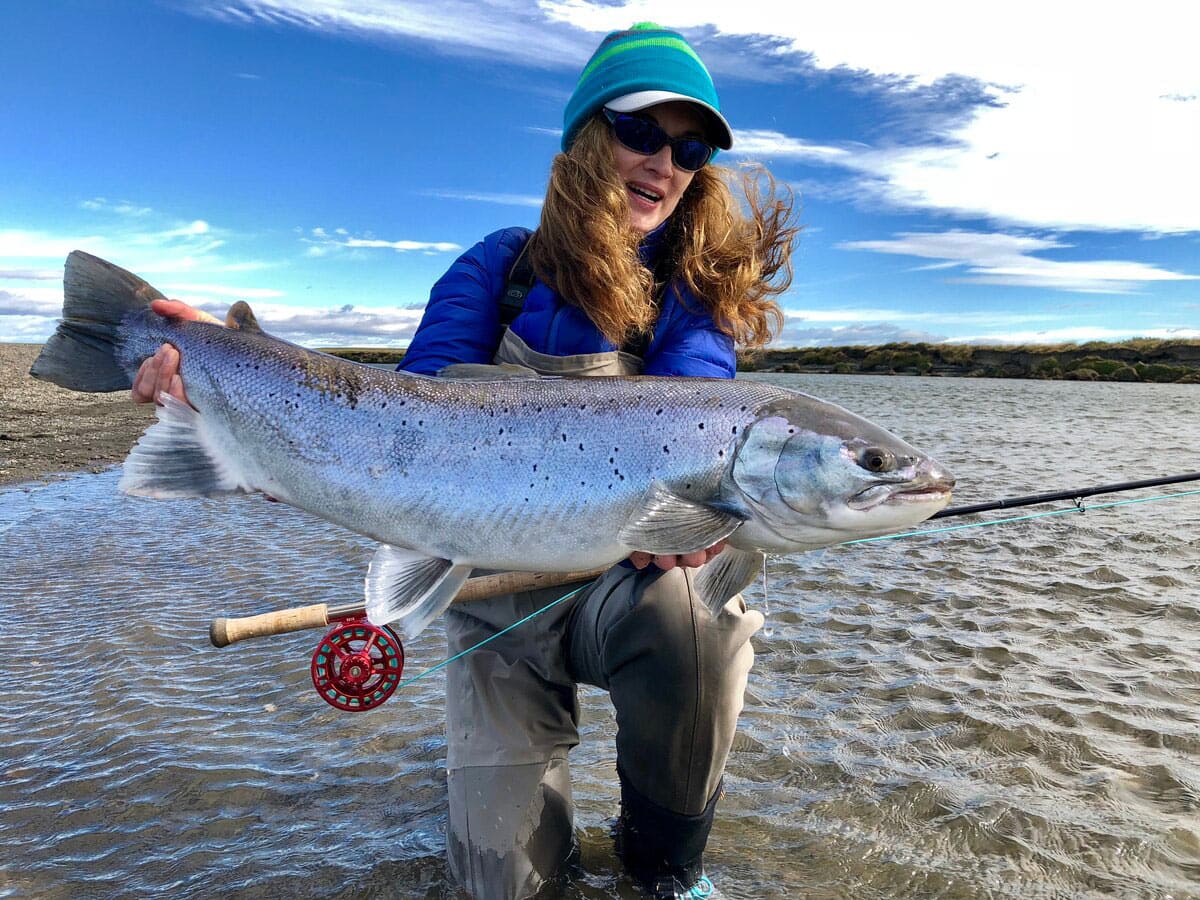

Sea-Run Brown Trout Fly Fishing – Lower Río Grande
Set on the lower Río Grande just above the tidal reach, Villa María Lodge gives anglers first access to the world’s most productive sea-run brown trout river, where fish regularly exceed twenty pounds. Long, even pools, fine-gravel footing, and dependable wind lanes make this stretch of Tierra del Fuego ideal for Spey casting—classic southern Patagonia water where fresh South Atlantic fish pause before pushing upstream.
With only six rods across twenty kilometers of private beats, the program delivers focused, small-group fishing and short drives, with riverside lunches that keep you on the water when the conditions are right.
Lower Río Grande Advantage
Positioned only a few miles above the tidal reach of the estuary, Villa María anglers gain the first opportunity to target sea-run browns fresh from the South Atlantic—fish that haven’t yet seen a fly. Tidal movements take new fish through the beats each day, creating subtle shifts in holding areas and a steady rotation of opportunities. Guides help anglers adapt to those movements, rotating beats and fine-tuning tactics as conditions change.
Gentle gradients and the low, open banks of the steppe make this water easy to read and cast across, offering some of the most consistent action on the Río Grande. Across the core months, stable flows and regular arrivals from the tides maintain the lower river’s reliability.
Season Overview: January to March
Villa María concentrates its operation in January, February, and March, when flows are stable and both banks are safely wadeable.
January – Opening Period: Higher flows and steady upstream movement of fresh fish define the start of the season. Expect powerful, newly arrived sea trout—often females heavy with eggs—holding in pool heads. Fast-sinking tips and weighted flies help hold depth in the stronger early-season flows, and guides assist anglers in covering water actively as fish move through beats.
February – Mid Season: As water drops and clears, temperatures rise and fish grow selective. Anglers lighten lines, lengthen leaders, and downsize flies to maintain a natural swing. Fresh, bright fish continue to enter on most tides, mixing with earlier arrivals, and careful fly presentation becomes key during bright, calm days.
March – Late Season: Cooler days and early autumn rain bring renewed flow and fresh movement in the river. Territorial males turn aggressive, responding best to slower swings and longer hangs along current edges. With lower sun angles, overcast days and less wind, March delivers dramatic takes and the season’s most striking, fully colored fish.
Daily Rhythm, Beat Rotation & Guides
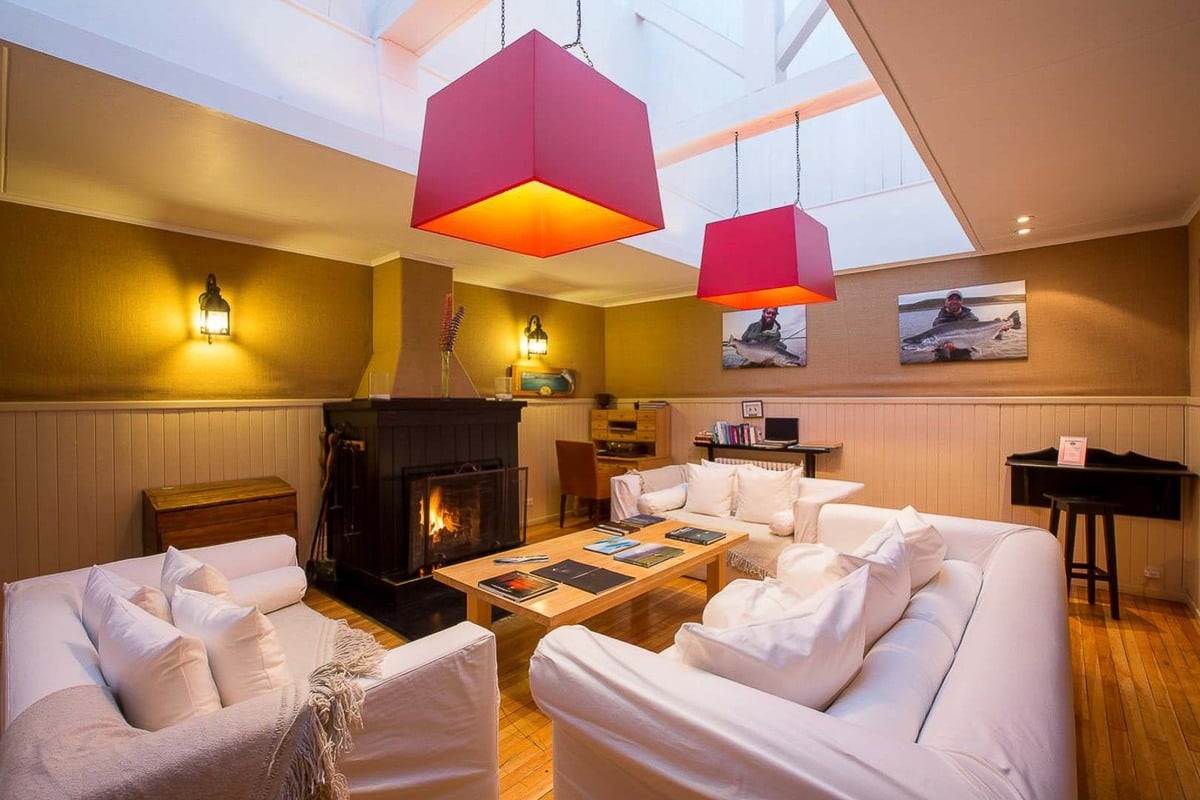
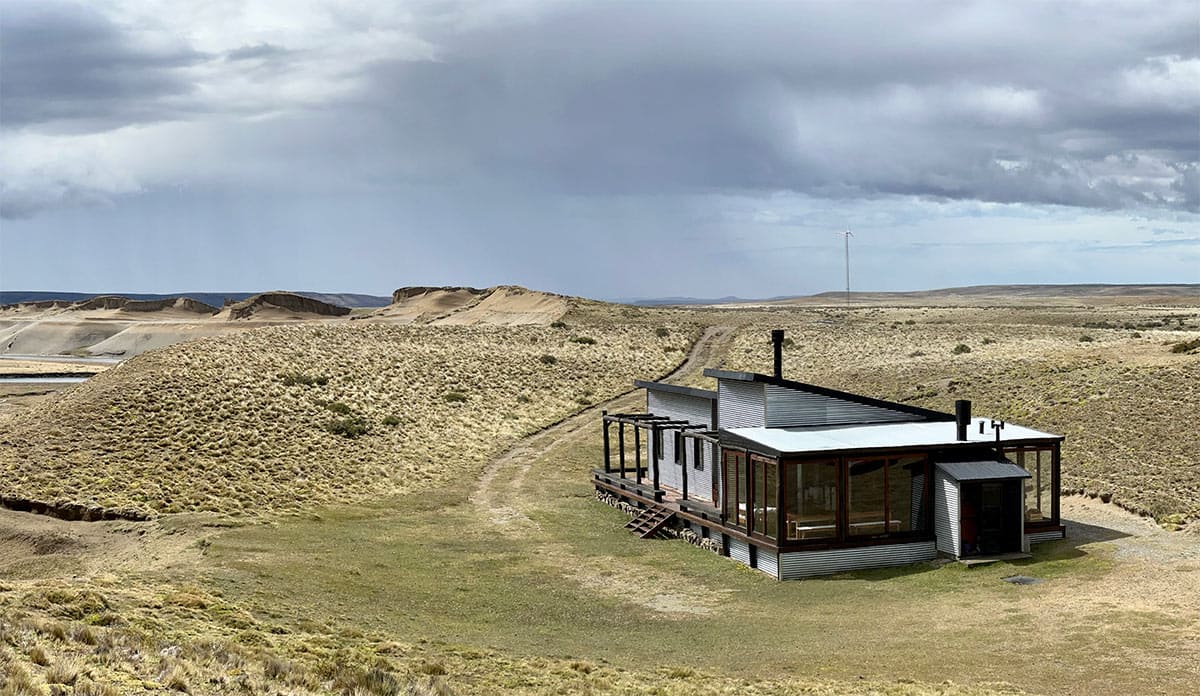
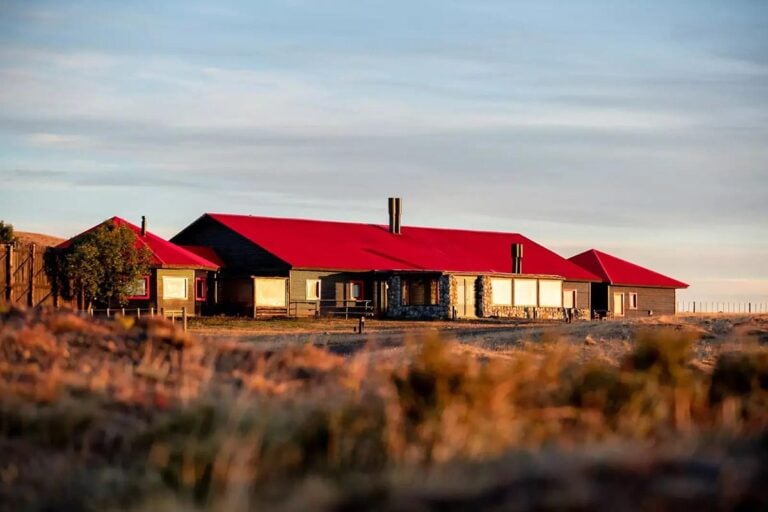
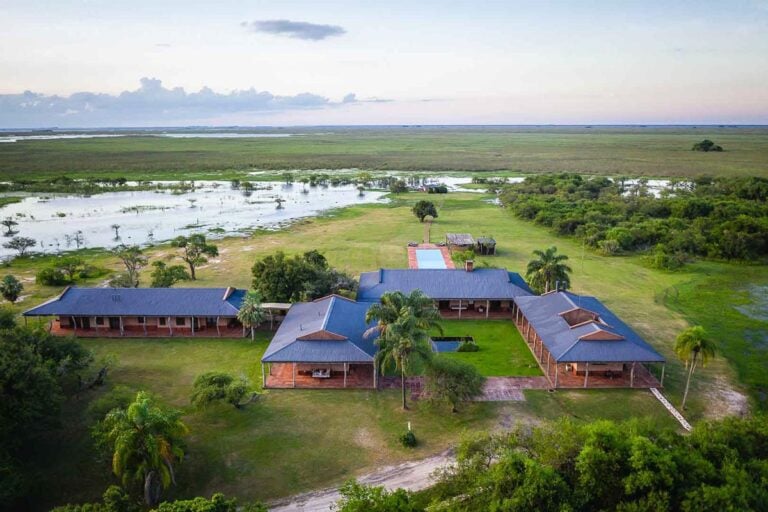
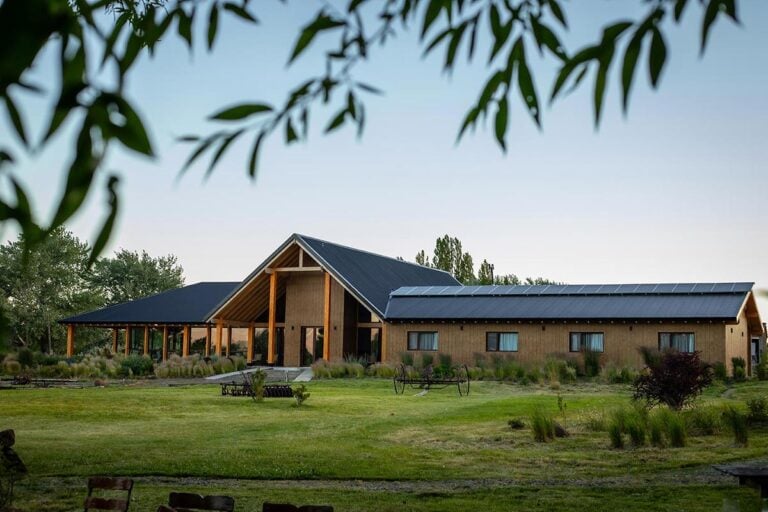
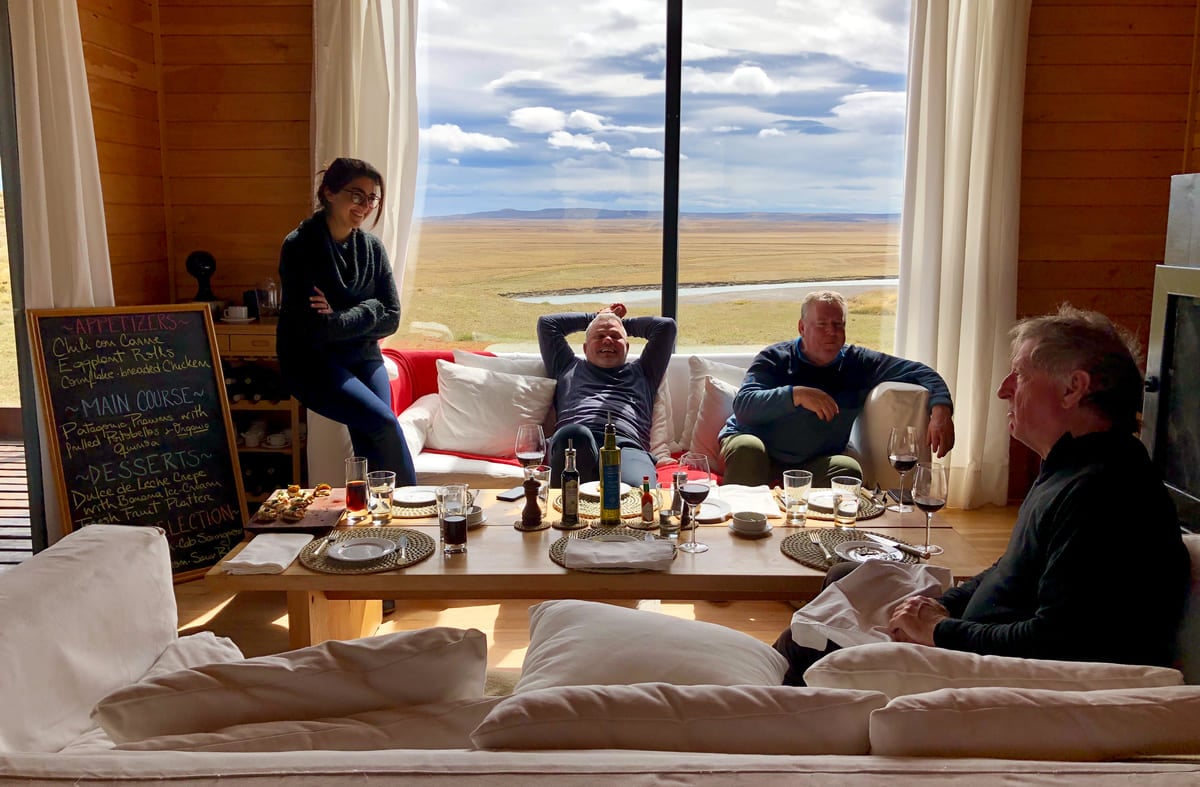
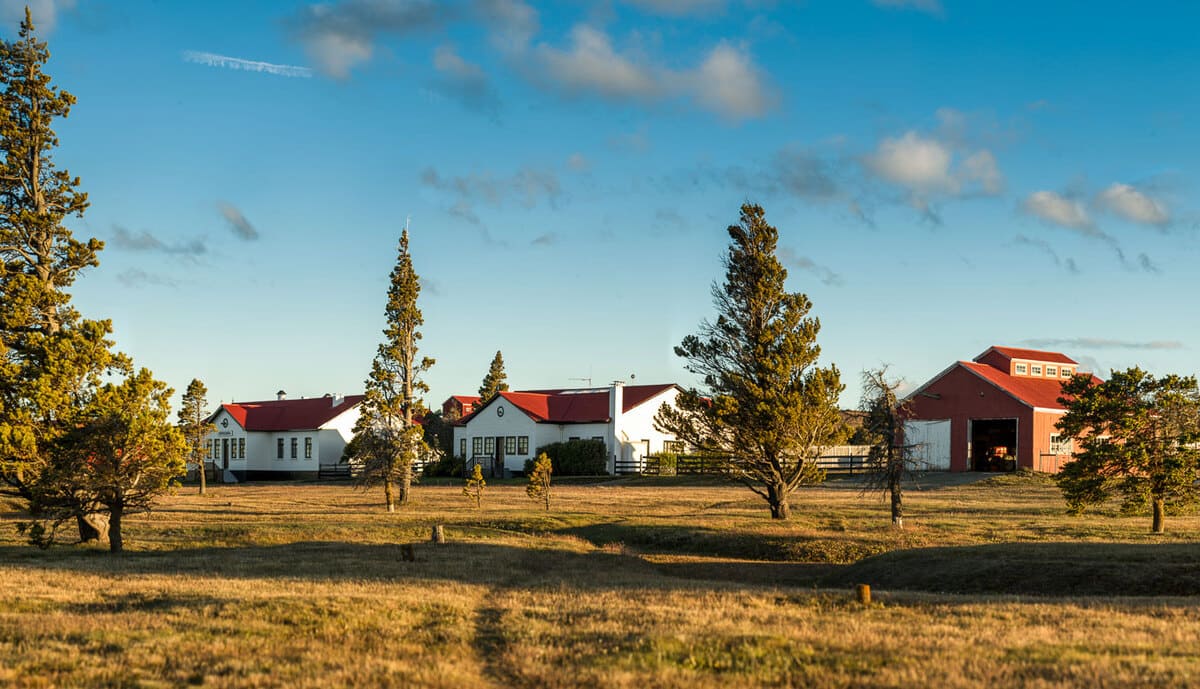
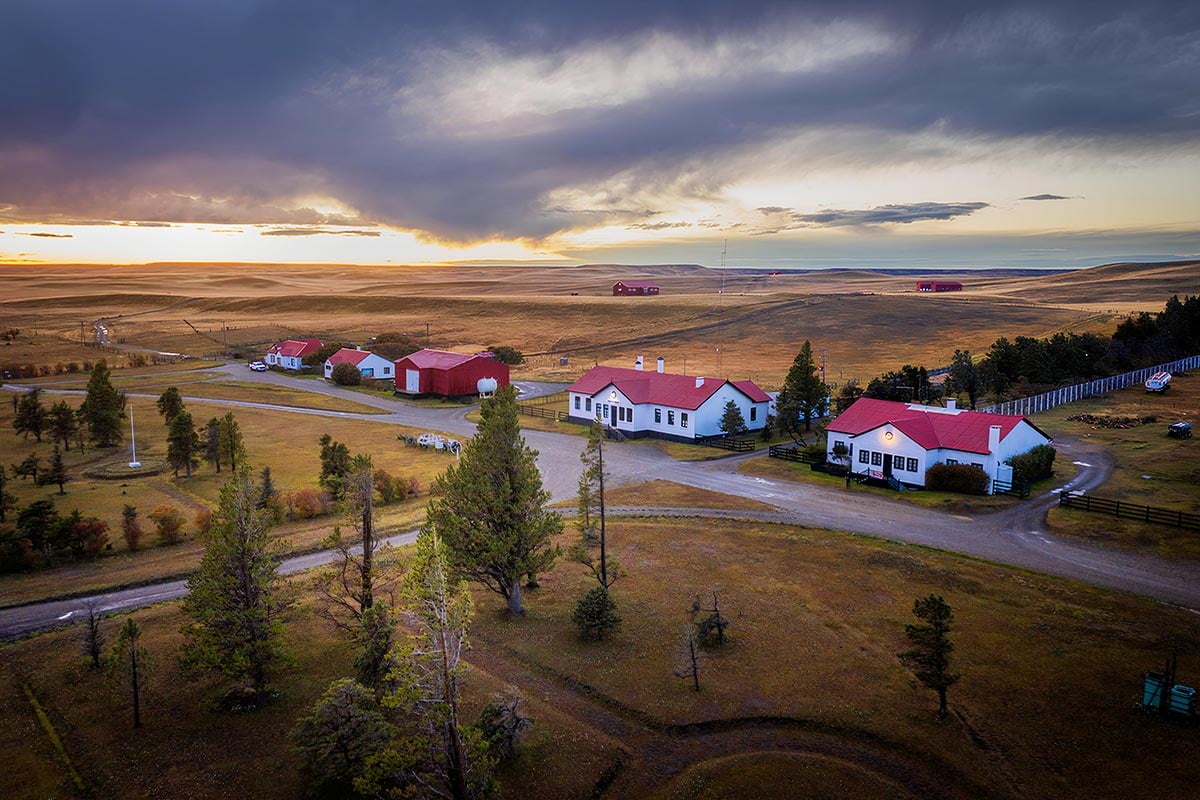
Days at Villa María follow a steady rhythm shaped by the season and daily conditions. After breakfast, anglers fish through late morning into early afternoon before breaking at the river-house lodge for lunch and a short siesta. Positioned directly beside the lower river, the day lodge lets anglers rest without leaving the beats, adding valuable time on the water and keeping a relaxed yet focused pace. The evening session runs until dusk, when the lower river often switches on again as light and temperature drop.
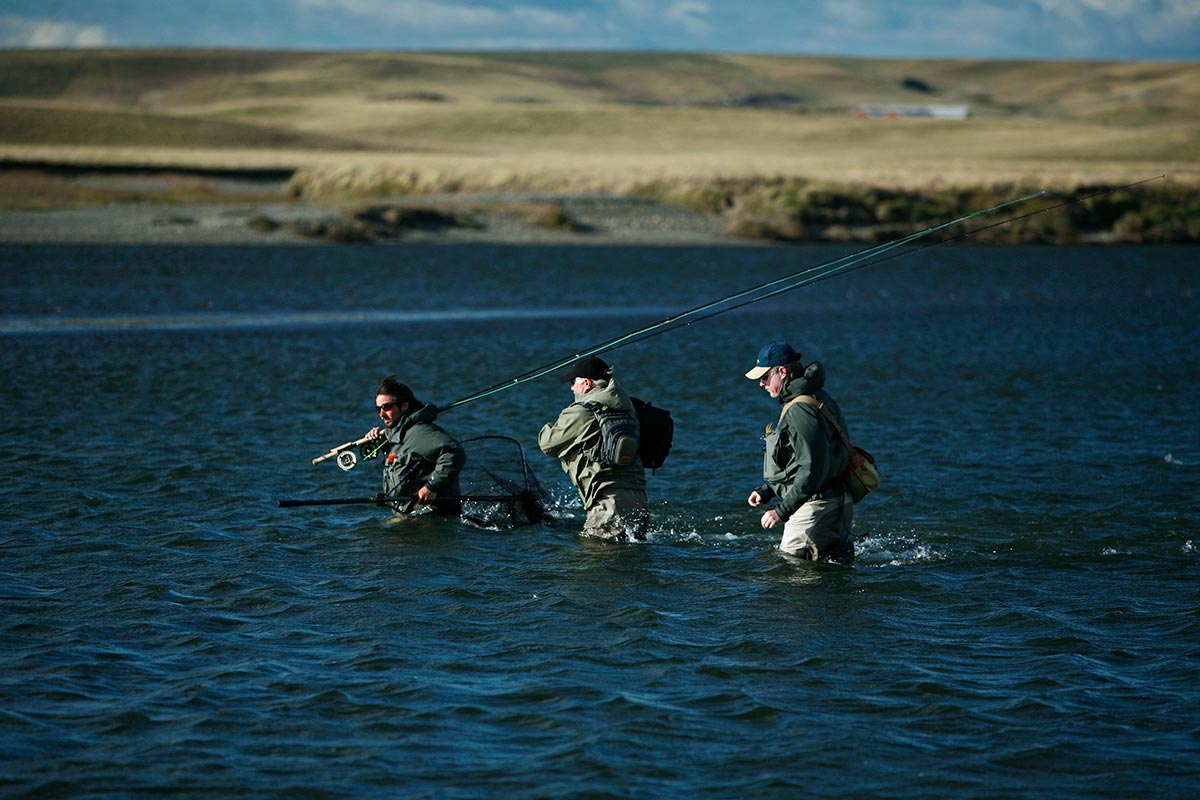
On arrival, guests usually enjoy a short warm-up session to tune casting and get a feel for the landscape, water and prevailing wind. The lodge’s 20 km of private water is divided into a number of beats, each holding several pools. Anglers pair-up to share one guide, rotating beats between morning and evening to ensure new water is continually fished.
The guide team combines seasoned local knowledge with international experience, adjusting tactics daily for wind, flow, and light. The rotation not only keeps water rested but also gives anglers a chance to fish varied stretches and learn from different approaches throughout the week—a system refined over decades on the Río Grande. The simple rule still holds true: tails in the morning, heads at night.
Spey Casting and Gear Setup
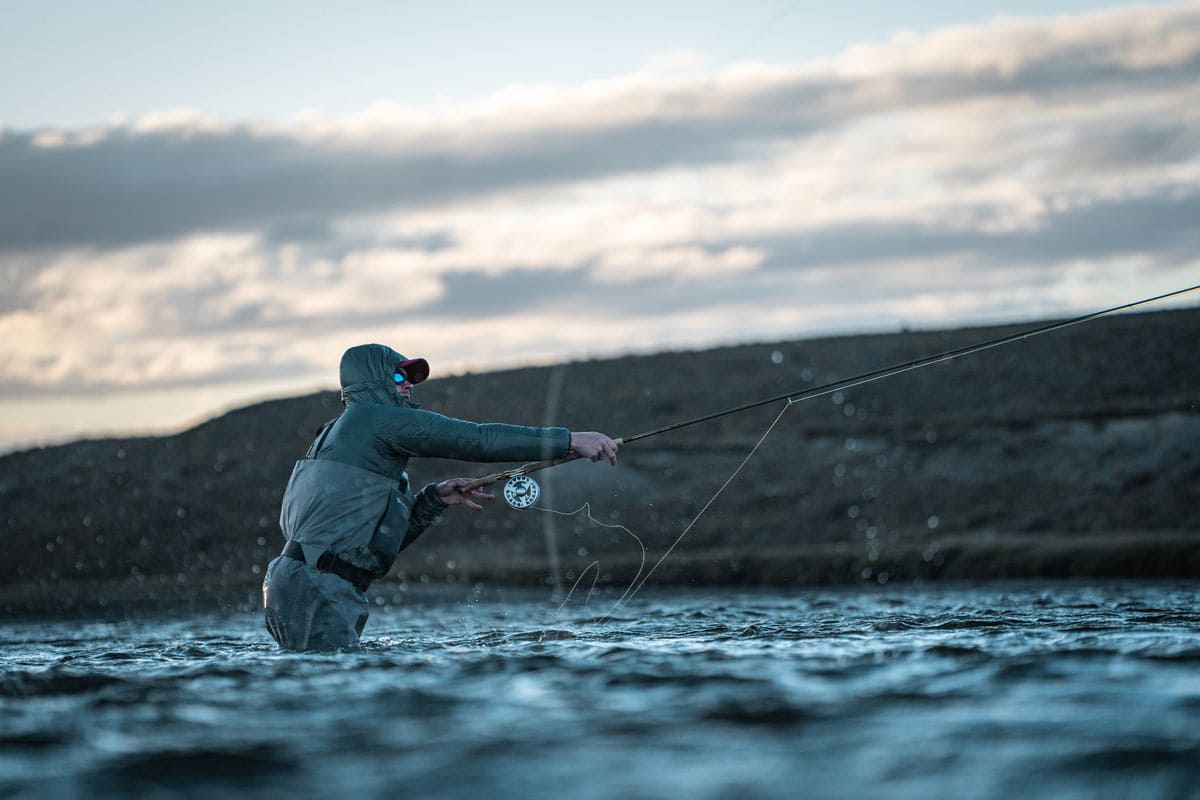
Capable Spey casting makes the lower Río Grande far easier to cover, although plenty of fish are also caught with single handed rods. For double-handers, most anglers favor 12- to 14-foot rods in 8–10 weights, which manage long casts, deep mends, and heavy tips in the wind.
A mix of Skagit and Scandi heads plus floating, intermediate, and sink-tip options will help cover every depth. Skagit heads load quickly and will better turn over heavier lines and weighted flies, while Scandis excel when cleaner presentation is required.
Single-handed rods should certainly be included in the packing list, especially when stronger downstream southwesterly winds make Spey casting more challenging. A 9–10 ft single-hand rod in an 8–9 weight is the optimal choice in these conditions.
High quality loaner gear is available, but seasoned anglers and repeat guests often bring their own trusted setups tuned to their casting style.
Productive Flies for the Río Grande
Carry a versatile box. Rubber-leg nymphs, leeches, and articulated streamers in black, purple, and blue move water and trigger reaction strikes. Sunray-style tubes excel on intermediate tips for shallows and overcast evenings. Local classics such as the Green Machine and Peacock remain highly effective, skated, hitched, or swung subsurface. Smaller wets and bombers come into play under calm skies. Only single hooks are permitted, and barbless patterns are recommended to protect both fish and angler.
Wind, Water, and Wading Conditions
Patagonia’s wind is an ally when used correctly. Roll- and effective Spey-based casts avoid fighting gusts, and long pools provide room for steady step-and-swing coverage. The river’s even gravel bottom makes wading straightforward, yet studded boots, wading belt, and layered thermal gear are essential. Expect fast-shifting weather—from calm, sunlit mornings to raw southern gusts within an hour.
Sea-Run Brown Trout Behavior
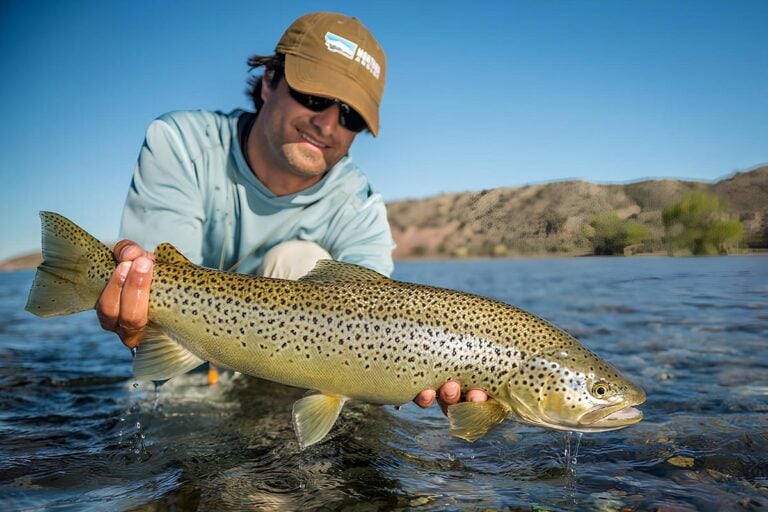
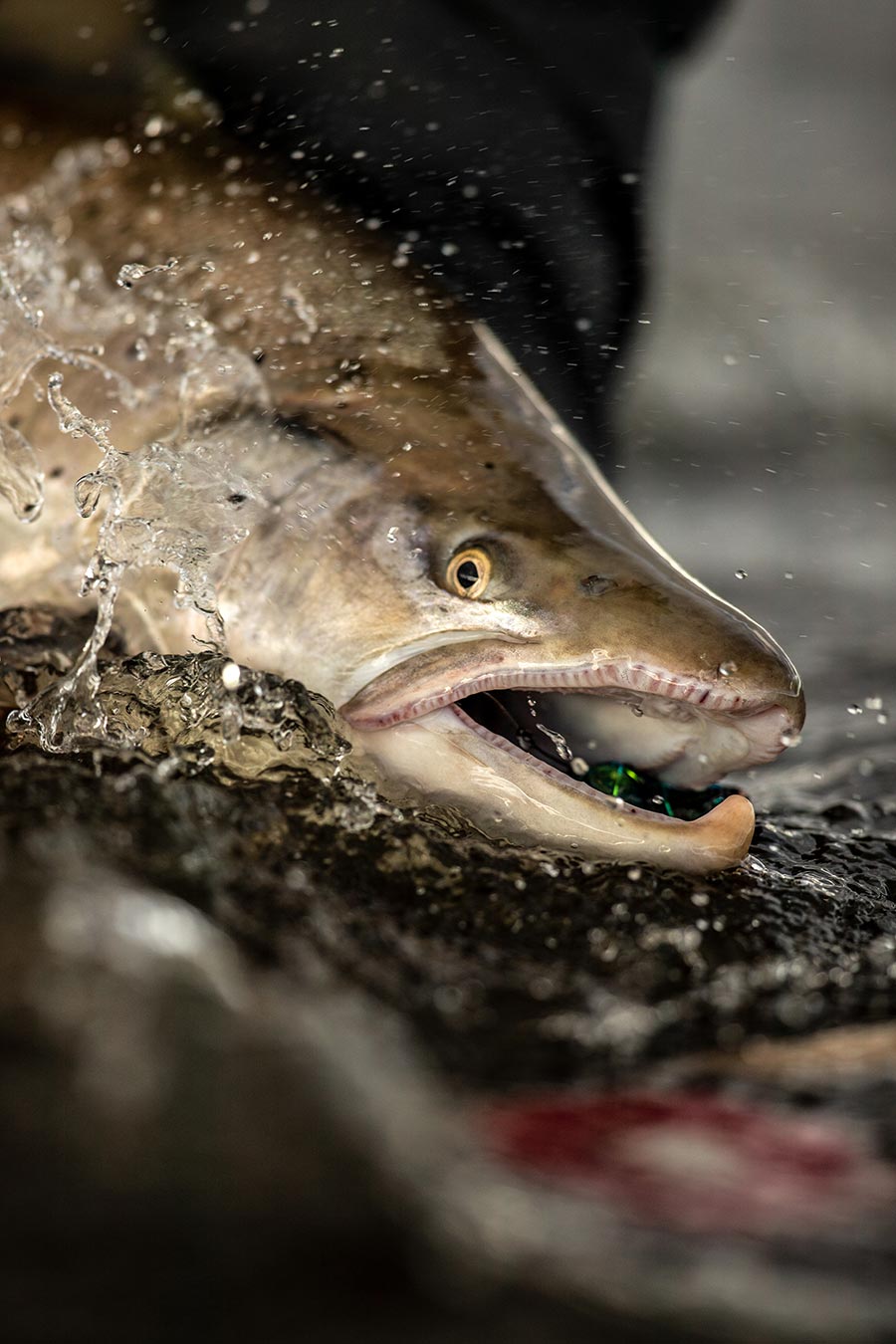
Rio Grande sea-run brown trout (sea trout) are powerful and unpredictable. Fresh fish often travel in pods, holding in pool heads and necks before sliding upstream. Midday they tuck under cutbanks; low water pushes them to faster lanes. On overcast days, fish spread through the entire pool and respond better to surface presentations. Consistent success comes from systematic coverage and precise swing control—first casts count.
Catch Rates, Conservation, and Handling
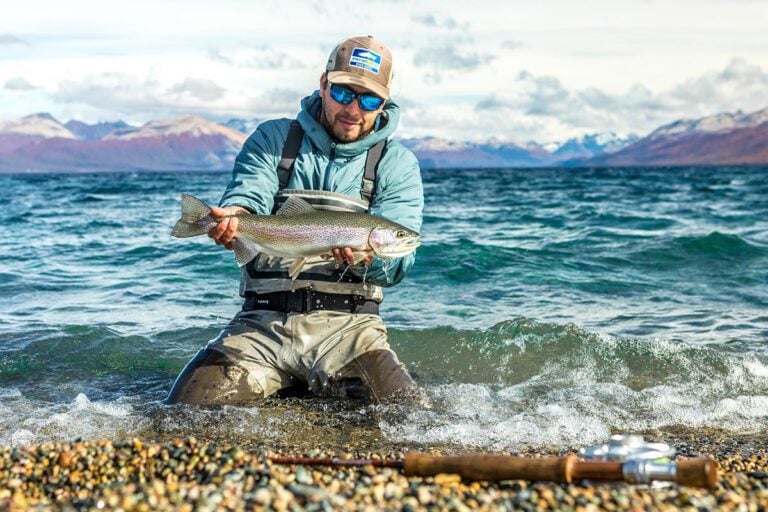
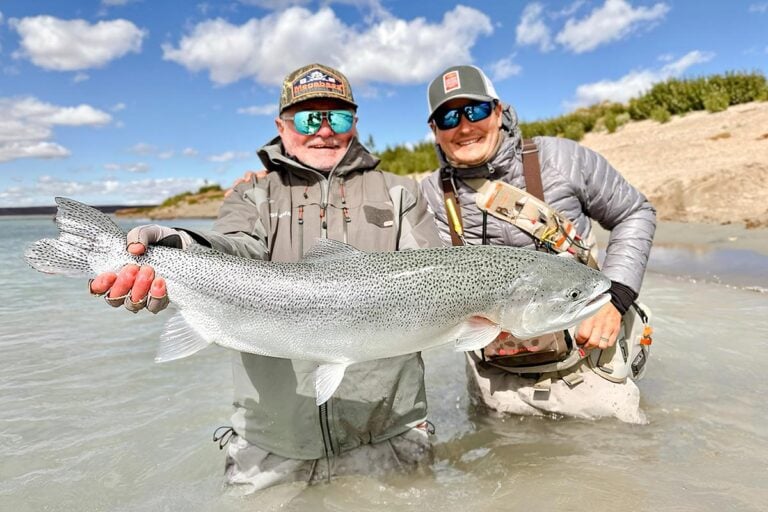
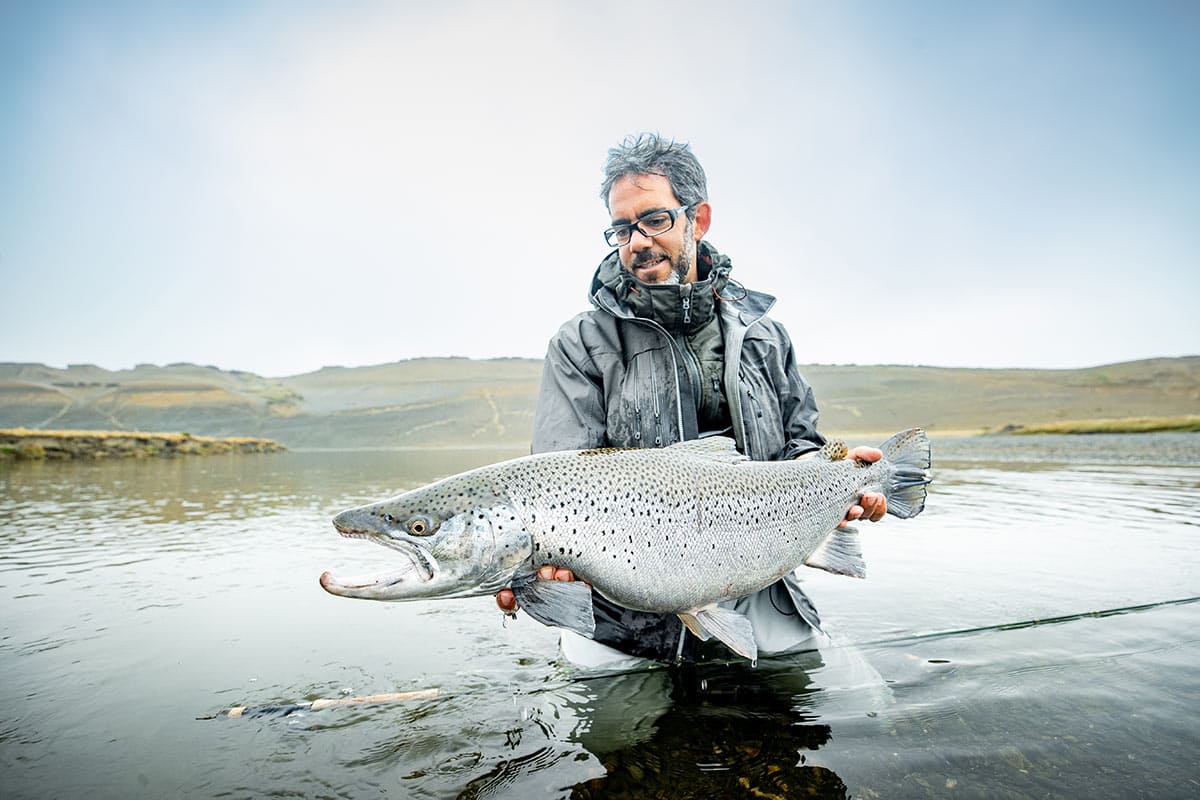
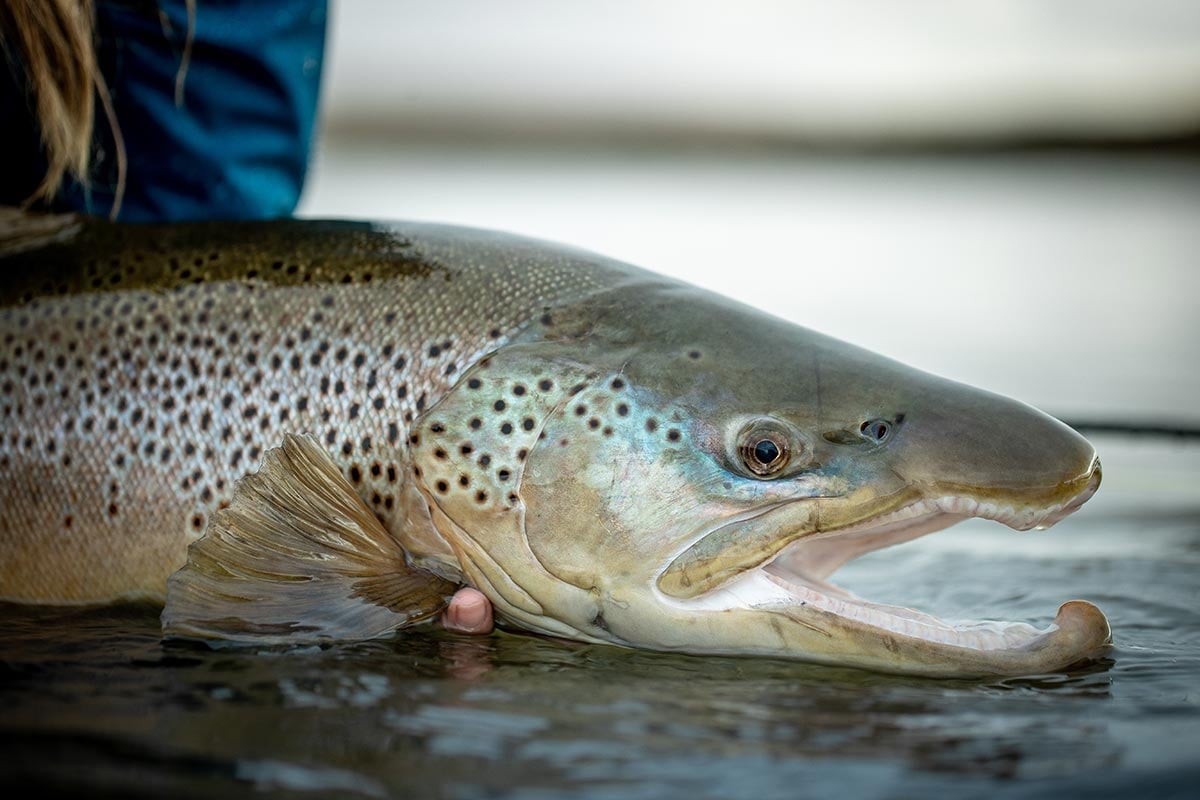
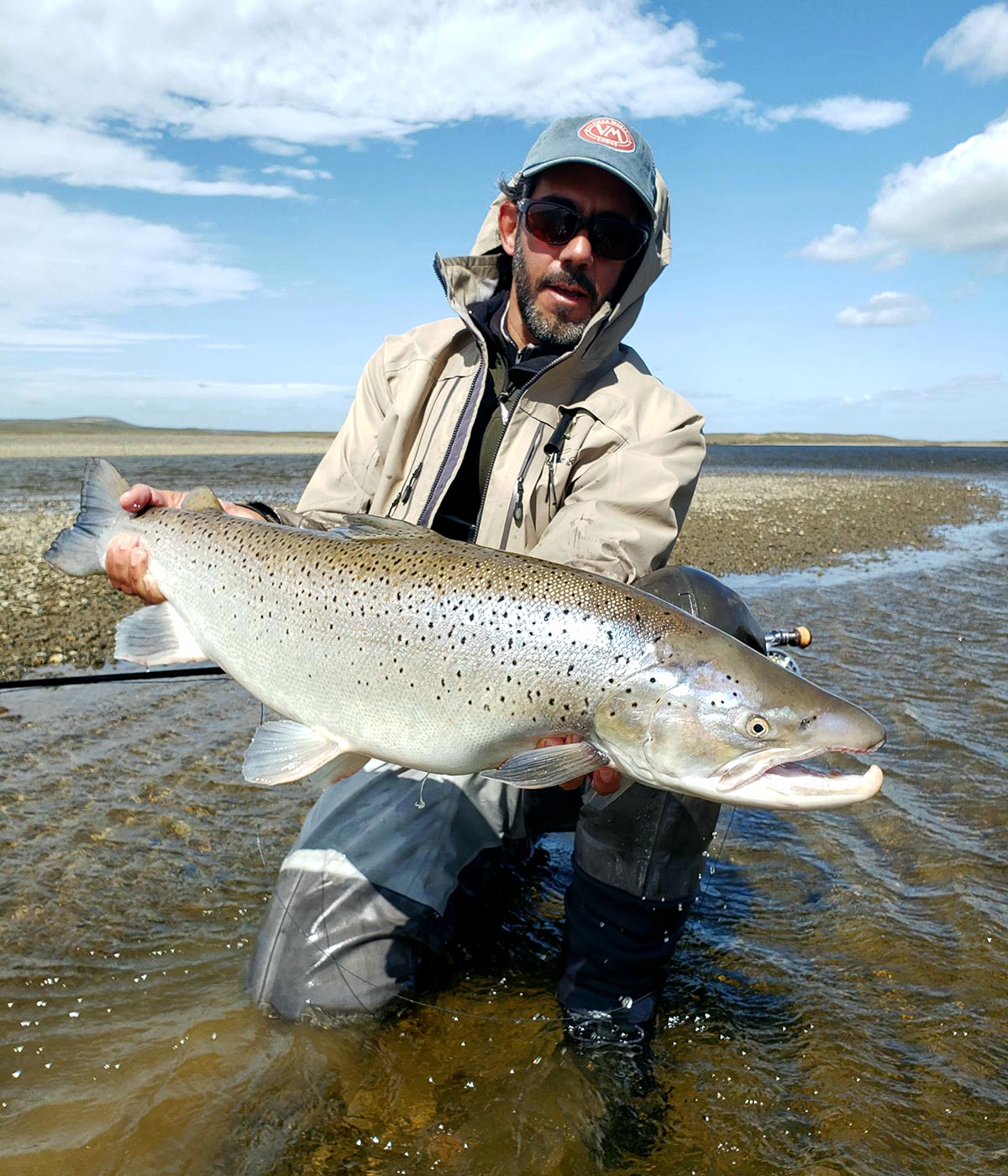
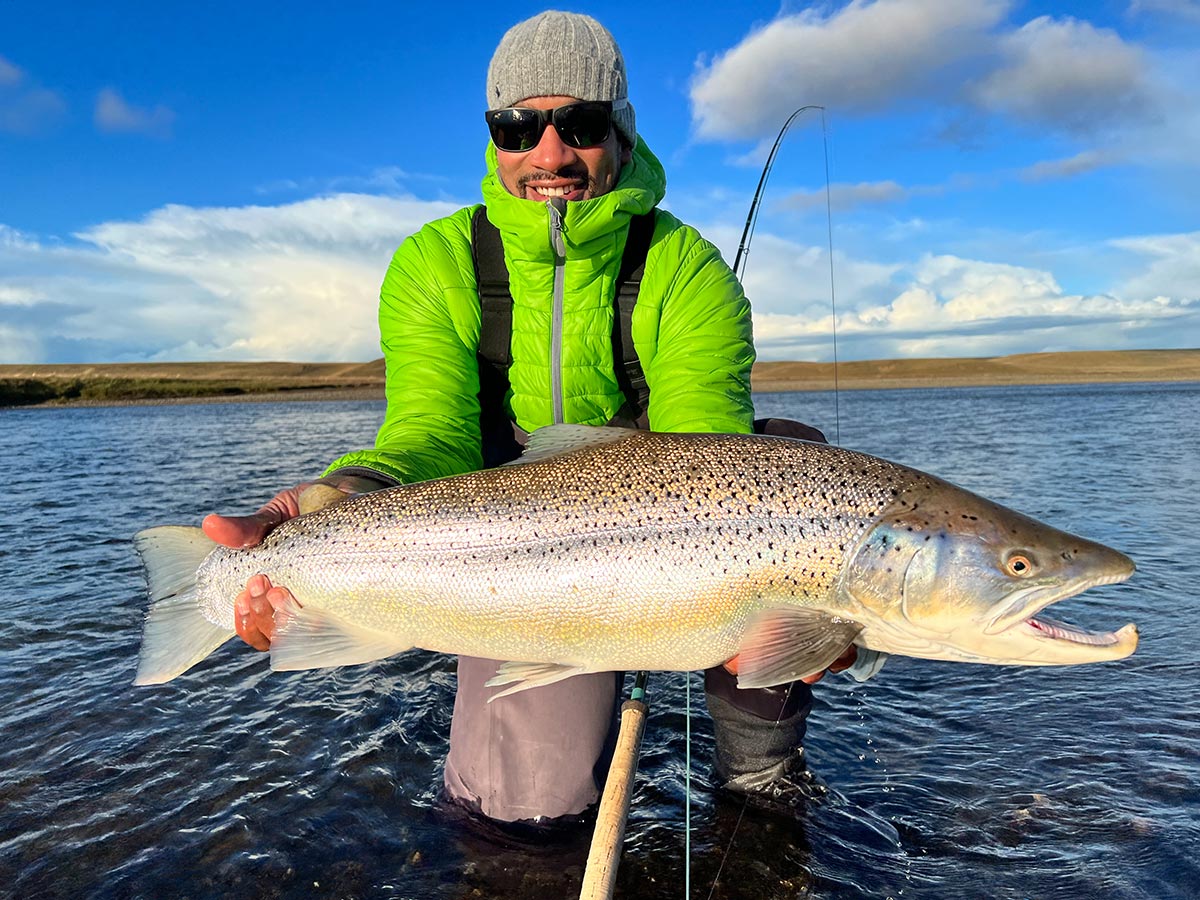
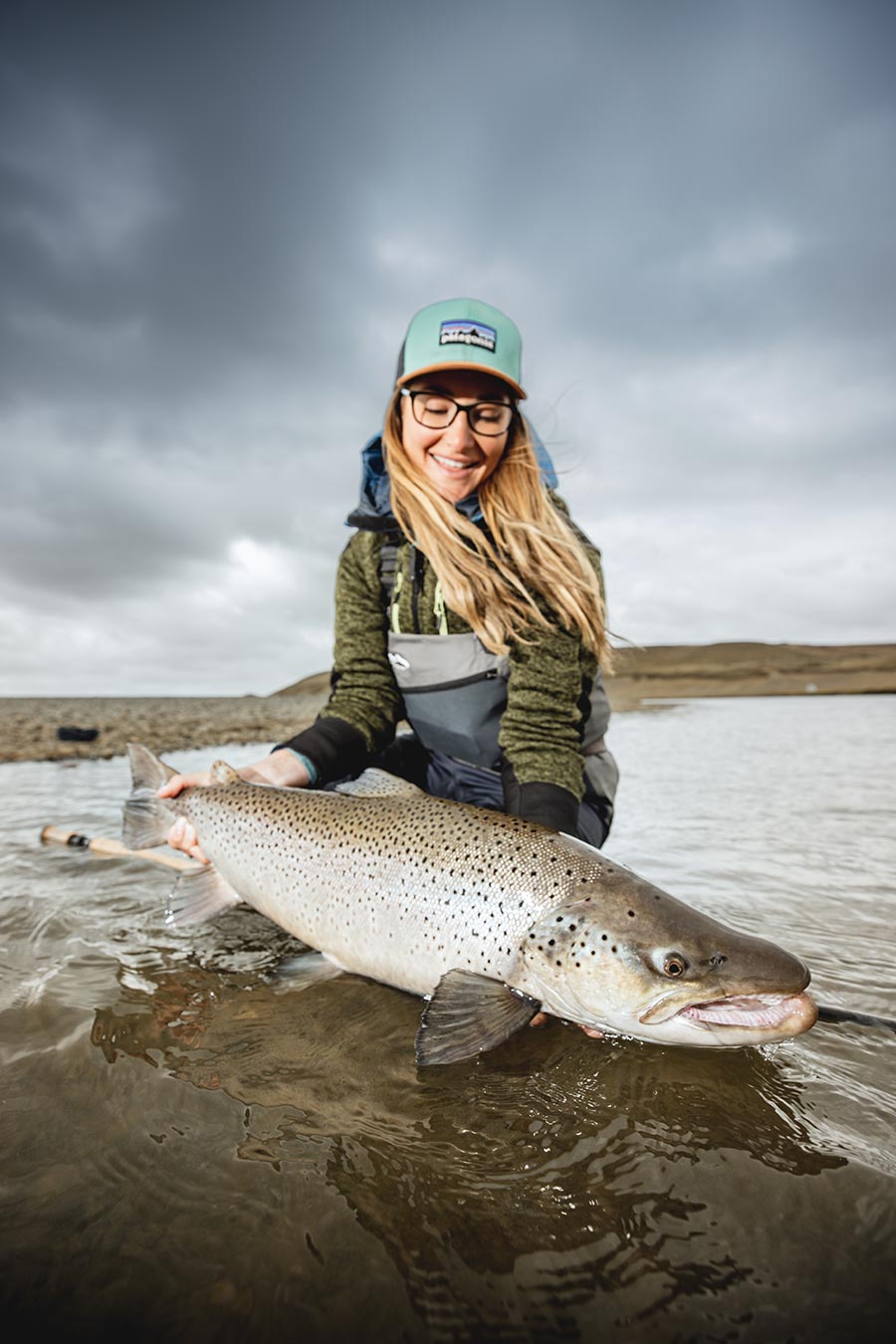
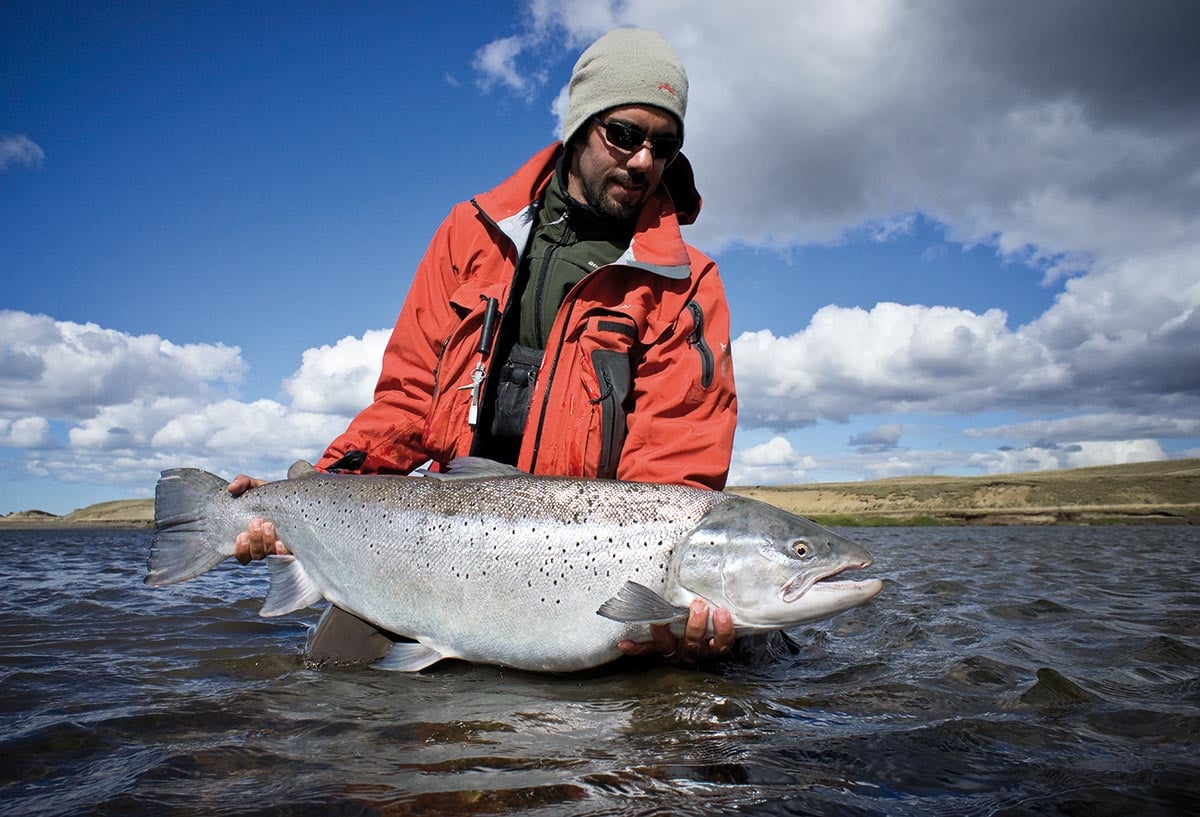
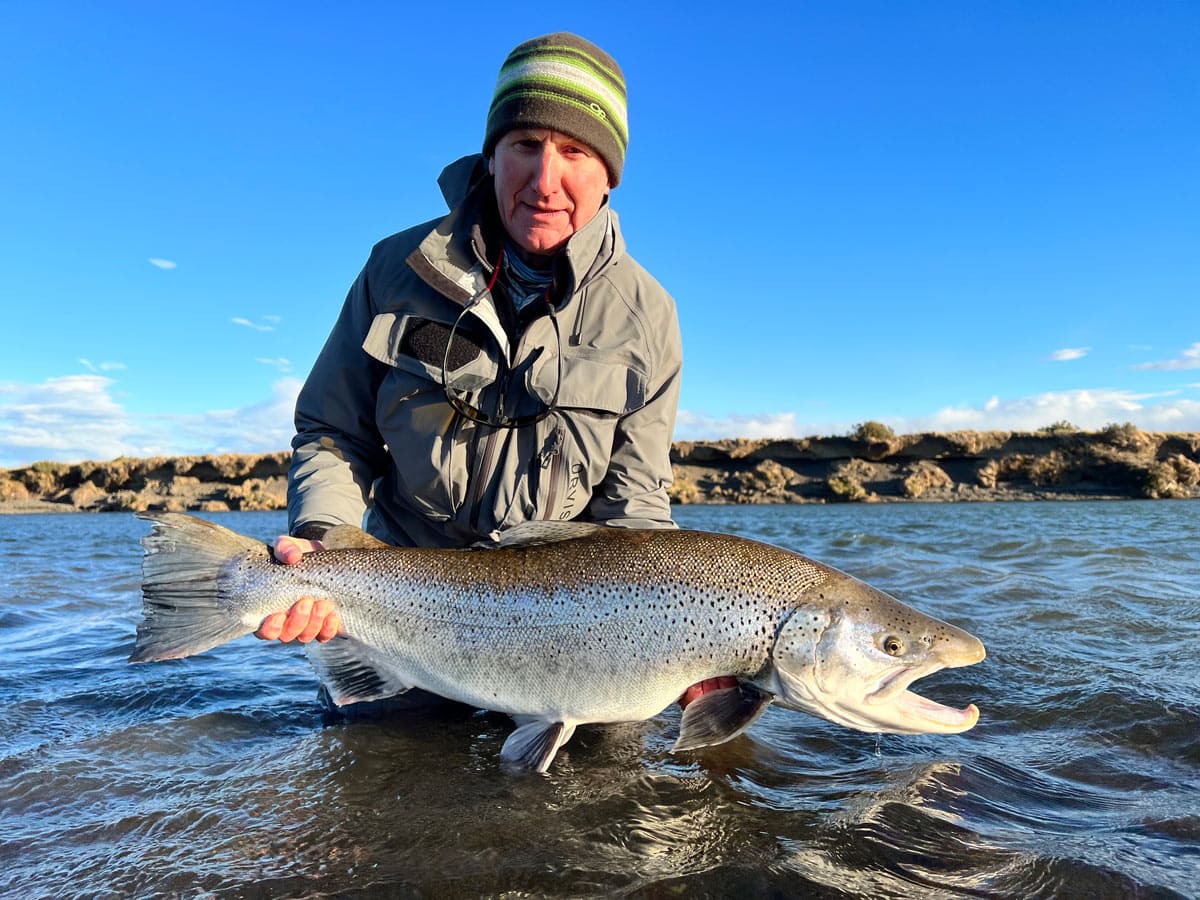
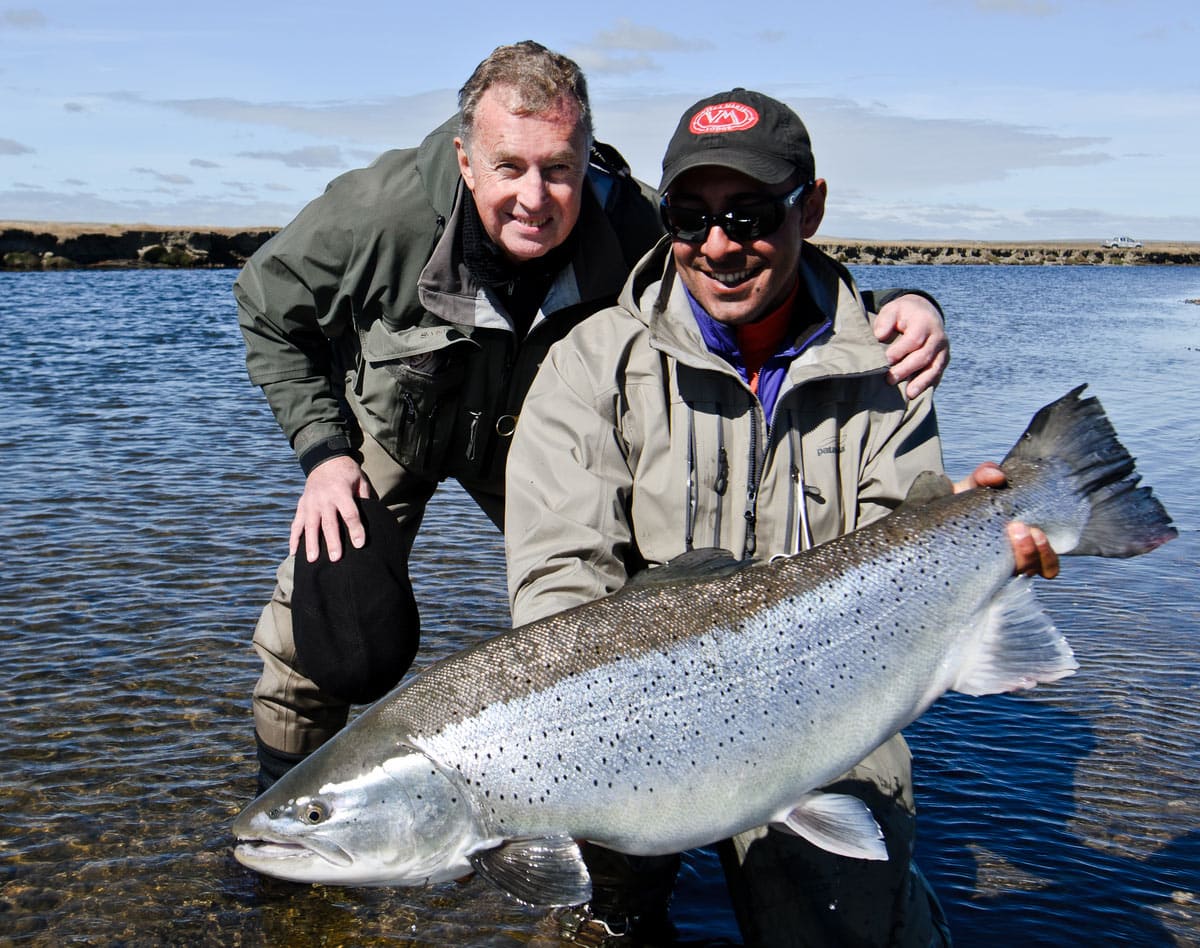
Villa María operates on a strict catch-and-release policy, using soft-mesh nets and in-water handling. Most mature sea-run browns weigh 8–15 pounds, with younger first-return fish—those making their first trip back from the ocean—typically around 3–6 pounds. Across seasons, the lodge sees an average landed fish of roughly eight pounds. Older, multi-sea-winter trout frequently top 20 pounds, and trophy-class fish in the 25-30 pound range appear each season.
Anglers can expect steady action across the week, with conditions sometimes aligning for truly memorable sessions. Guides emphasize wet handling and minimal photo time so these fish remain strong for future runs. The health of the Río Grande fishery remains one of the clearest examples of long-term, sustainably managed trout fishing in the Southern Hemisphere.
Why Villa María Stands Out
Few programs offer this combination of lower-river location, refined rotation, and an elite guide team. The lodge lies close to where fresh sea-run trout hold briefly before spreading through the system, providing consistent shots at the freshest fish of the season. Add disciplined water management, expert instruction, and quietly polished hospitality, and Villa María remains the benchmark for sea-run brown trout fly fishing in Argentina.
To learn more about the fishing and express an interest, message Nervous Waters.