Explore fishing trips in Greenland, staying at carefully selected lodges that combine expert guiding, remote wilderness settings, and exceptional angling.

Sermersooq, Greenland
Arctic Char
No results available
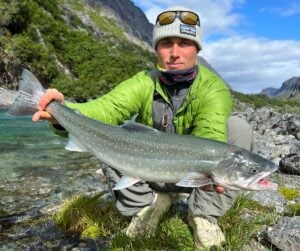
Greenland offers one of the most remote and rewarding fishing lodge and camp experiences on Earth. Glacier-fed rivers and icy fjords hold strong runs of Arctic char and rugged coastal species—with landscapes that feel completely untouched. Short seasons, limited access, and small-scale setups make this a true destination for anglers who want to fish far off the map.
Today, Greenland’s fishing infrastructure reflects its frontier nature—small tent camps and simple lodges, often accessed by boat or charter flight. While still emerging, the quality and character of these operations deliver direct access to wilderness fisheries experienced by very few anglers.
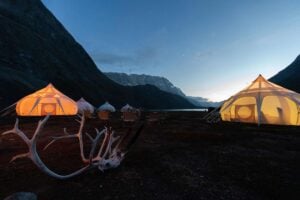
Greenland’s fishing camps are typically small-scale and remote—ranging from tent-based setups to simple lodges designed for serious anglers. Conditions are often raw, but the access to wilderness rivers and glacial coastlines is exceptional. If you’re looking for sea-run char, Arctic solitude, and waters few others ever fish, Greenland’s lodges and camps deliver exactly that.
This vast eastern region combines dramatic fjords with sea-run char rivers accessed by boat or helicopter. Expect rugged terrain, glacial water clarity, and deep solitude.
One of Greenland’s best-known char rivers. Accessible only by boat or fly-in, it offers clear water, aggressive fish, and a remote tent-camp experience built for fly anglers.
A productive glacial system with reliable sea-run char action. Sight-fishing is common, and pressure remains light thanks to its limited access and controlled seasons.
Southern Greenland’s more accessible fishing region, with flights from Iceland and a mix of fjord and river systems. A good entry point for first-time visitors.
A rare combination of convenience and variety. Close to Nuuk yet wild in feel, this region offers both coastal and river action within boat range of the capital.
A little-known Arctic char river with minimal angling pressure. Suited to adventurous anglers willing to hike between clear pools and spend long hours in untouched terrain.
More saltwater-oriented than inland rivers, Disko Bay supports halibut, cod, and wolffish in a surreal landscape of floating ice and steep glacial cliffs.
FishingExplora connects you directly with Greenland’s top fishing lodges and remote camp operators. We help you access glacier-fed rivers, wild Arctic species, and experienced local guides—without intermediaries or commission-based booking platforms. Whether you’re flying into a tent camp or casting from a coastal skiff, Greenland delivers the kind of fishing few anglers ever experience.
For more lodge-based options across the larger region, explore all our fishing lodges in North America.
Yes. All anglers, including non-residents, must obtain a fishing license to fish in both freshwater and coastal areas. Licenses can be arranged through your lodge or local tourism offices. Be aware that some rivers operate under limited concession systems to manage angling pressure and habitat impact.
DIY fishing is possible, but many productive rivers are leased under seasonal concession systems that limit unguided access. Booking through a lodge or outfitter ensures legal access and support with logistics in Greenland’s rugged terrain.
Arctic char respond well to streamers like Zonkers, Mickey Finns, and articulated leeches. Egg patterns and small nymphs also work, especially late in the season. Bright colors (orange, pink, red) are often most productive, particularly when fished in fast runs or deeper glacial pools.
Greenland is part of the Kingdom of Denmark, but travel rules differ. Most visitors enter via Iceland or Denmark and may require a Schengen visa depending on nationality. Check visa requirements well in advance, especially if connecting through Europe.
Yes. To prevent the spread of invasive species, anglers must disinfect all gear—waders, boots, rods—prior to entering Greenland. A disinfection certificate may be required at customs or by your lodge, especially when fishing protected waters.
Peak Arctic char fishing runs from mid-July to mid-August. Coastal species like cod and halibut are active June through early September. Ice melt and river conditions vary slightly year to year, so flexibility helps with timing.
Yes. Most Greenland camps cater to seasoned anglers looking for off-grid adventure. Facilities are often basic, but fishing quality is high. Trips may involve hiking, boat transfers, or helicopter access—ideal for those comfortable with remote, weather-dependent conditions.
Greenland is remote but reachable via Reykjavík or Copenhagen. Most anglers fly into Kangerlussuaq, Nuuk, or Narsarsuaq before transferring by boat or bush plane to their lodge. Travel requires coordination, but outfitters handle most logistics on arrival.
Expect cool, often wet conditions. Summer temperatures range from 5–15°C (41–59°F), with wind and rain common even during peak fishing windows. Quick-drying layers, waterproof outerwear, and a quality wading jacket are essential gear.
Yes. In tundra valleys and lowlands, mosquitoes and midges can be heavy from July through August. Most anglers use strong repellent, wear long sleeves, and carry a head net when fishing away from the coast.
Tipping is customary in Greenland. A general guideline is 10–20% of your trip cost for guides and support staff. Tips are usually given in cash—preferably Danish kroner or euros. Confirm preferred currency with your outfitter before arrival.
Greenland uses the Danish krone (DKK). Credit cards are accepted in larger towns and by many outfitters, but carrying some cash is wise for tipping or in case of connectivity issues in remote areas.
We use cookies to improve your experience and enable key features on the platform. You can choose which cookies to allow. Some features may not work fully without consent.