
The Trout Fishing Program at Bravo Sur
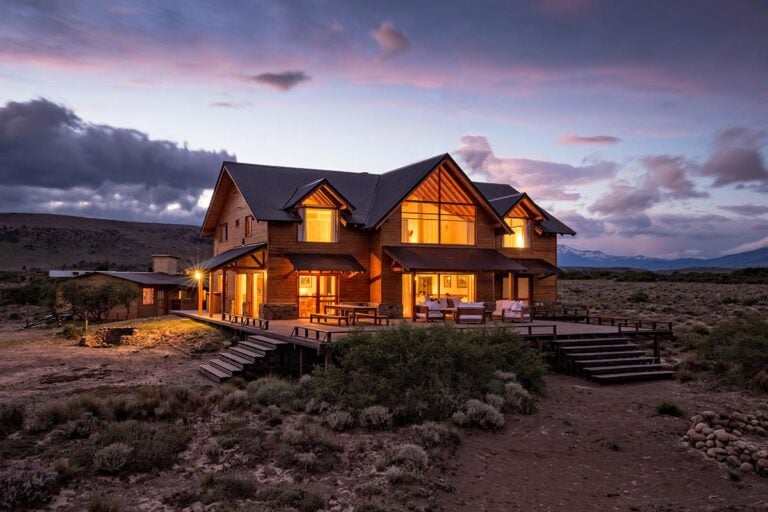
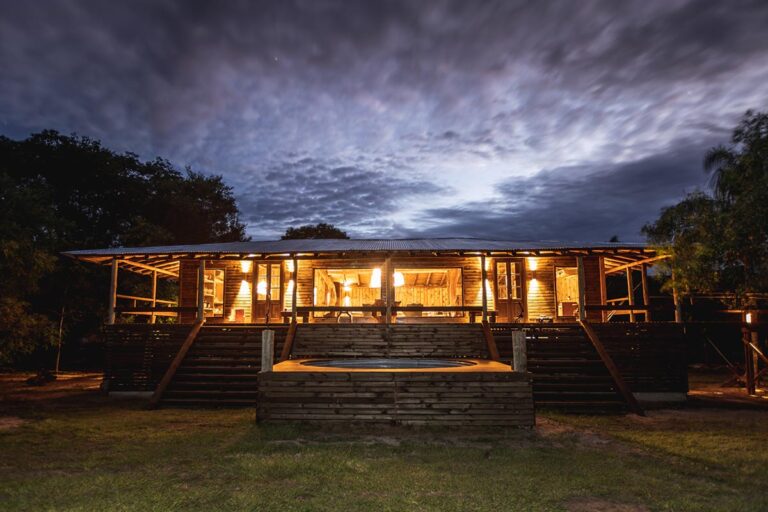
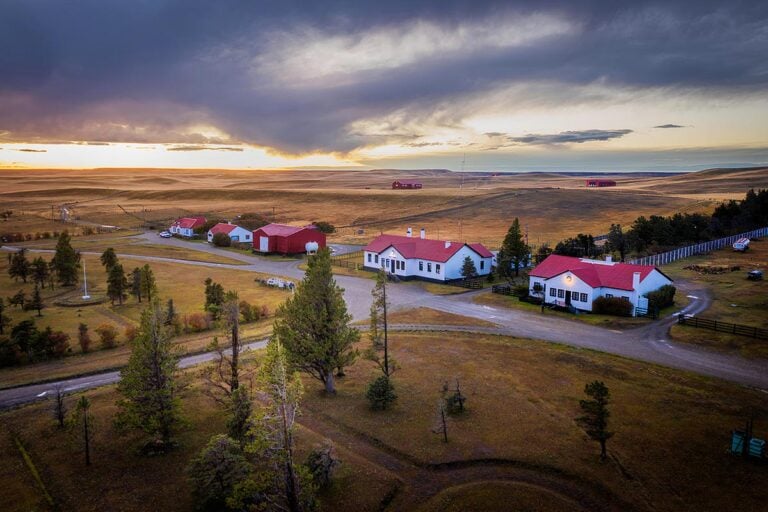
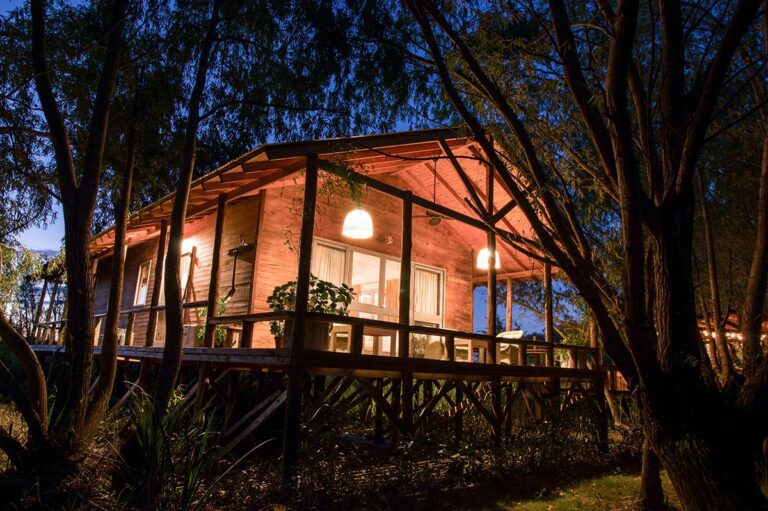
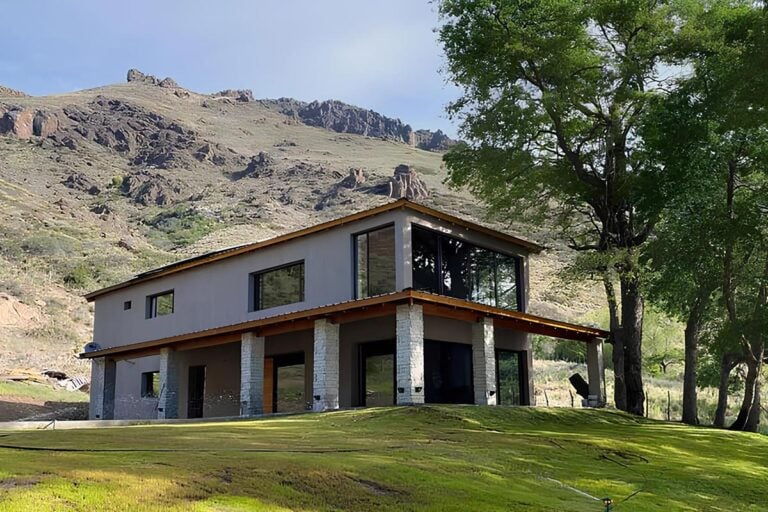
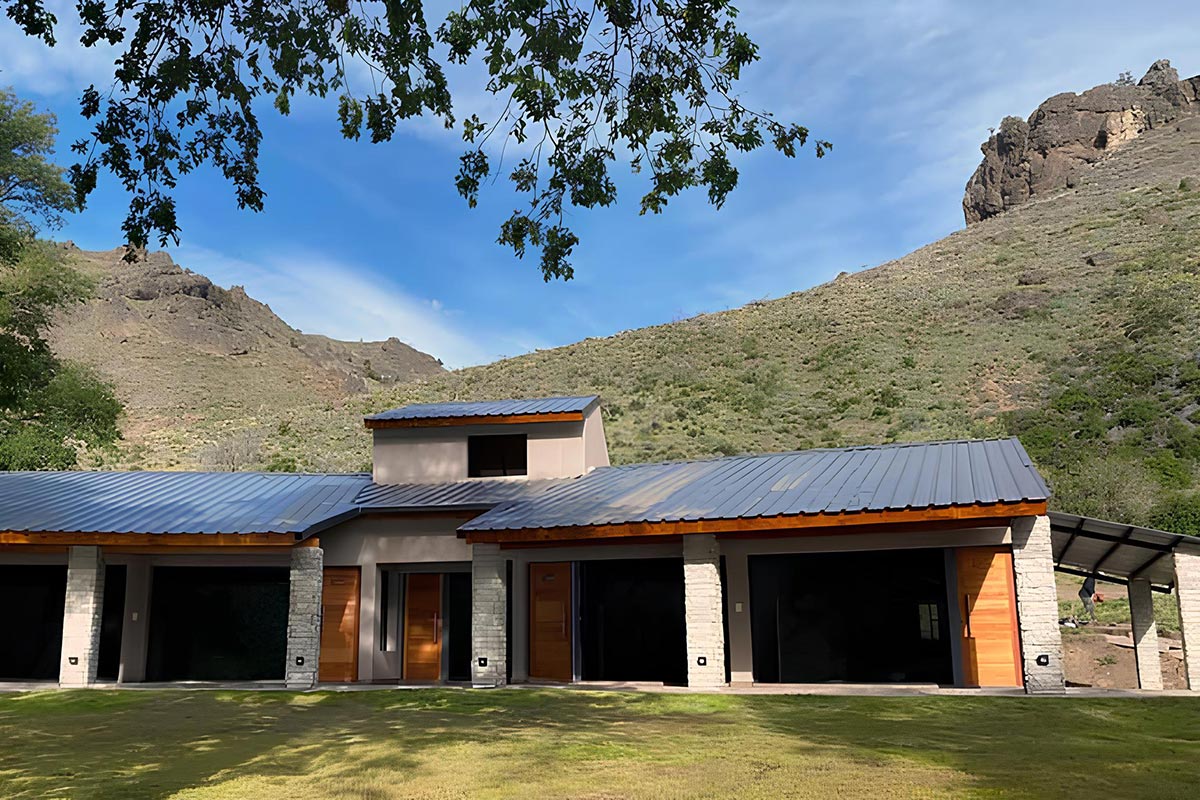
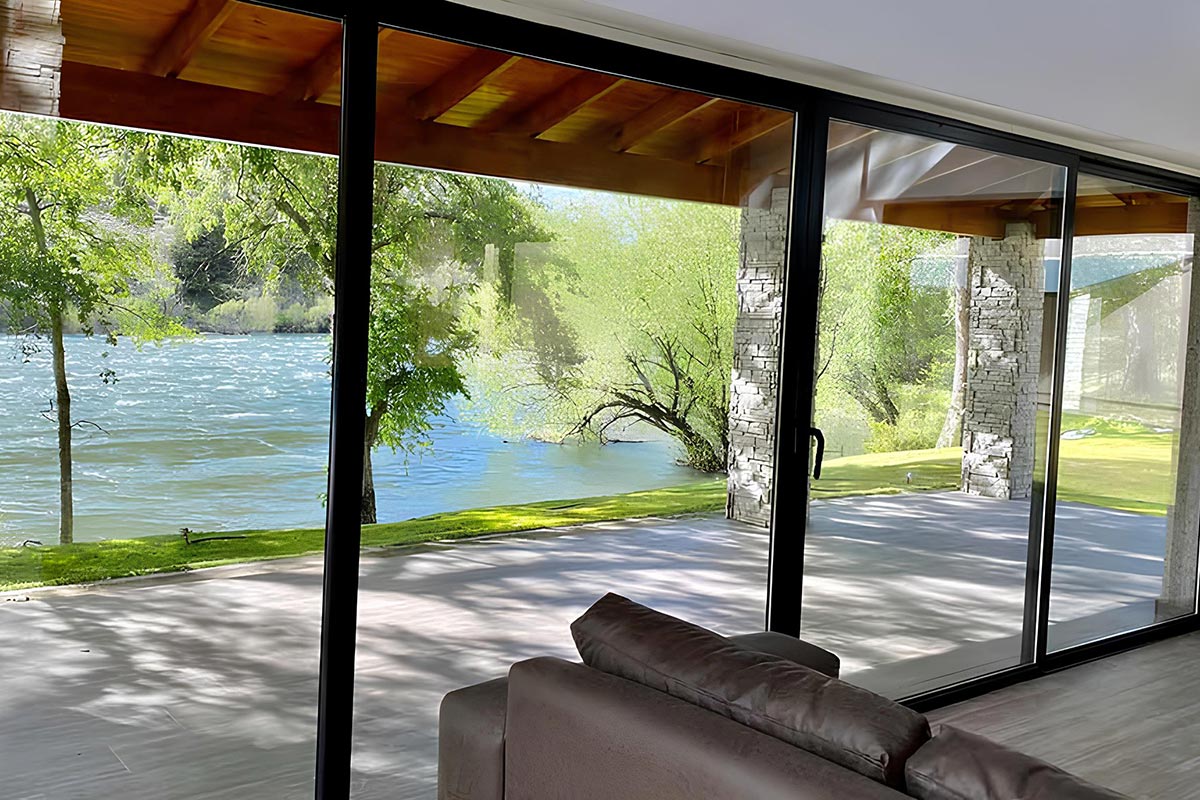
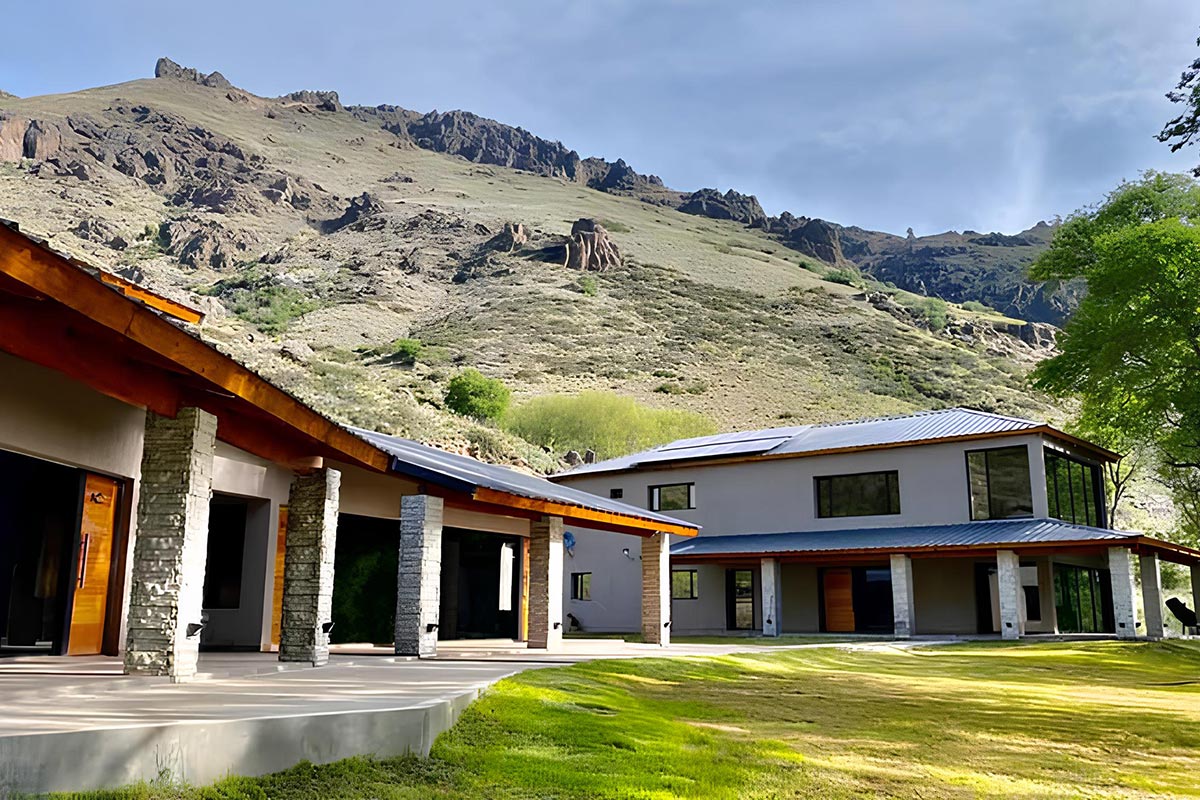
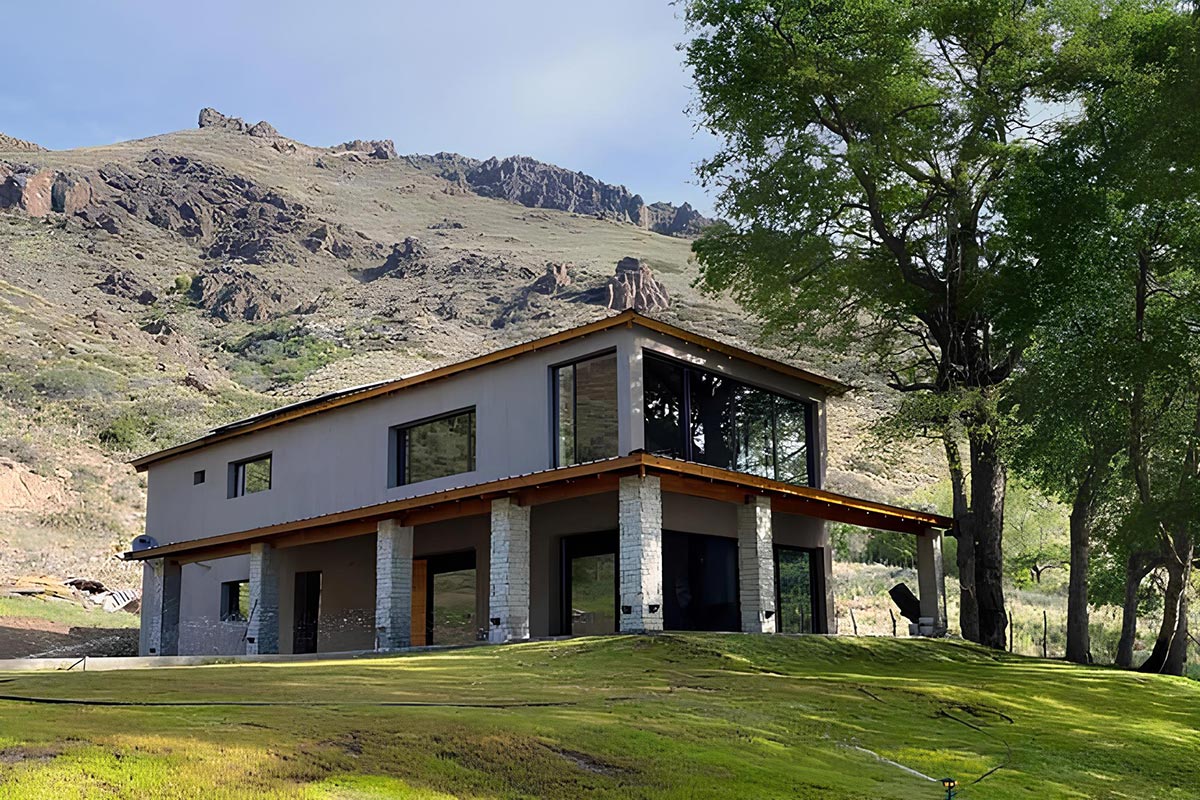
Bravo Sur Lodge is based in the town of Aluminé, with its fishing program centered on one of northern Patagonia’s standout trout rivers. The week is typically built around several full float days on the Aluminé River, paired with at least one dedicated lake day to vary pace and setting. Evenings are unhurried, with the option to slip down to the river below the lodge for a short fishing session.
The season runs from November through the end of May, offering a long window to experience the river and surrounding lakes under changing light and seasonal conditions. Daily transfers are short, keeping the focus on time on the water rather than logistics, and the overall rhythm of the week balances full fishing days with a comfortable lodge routine.
Guides know the Aluminé system well and rotate sections to match conditions and maintain variety through the week, helping preserve a naturally low-pressure feel.
Floating the Aluminé River in Northern Patagonia
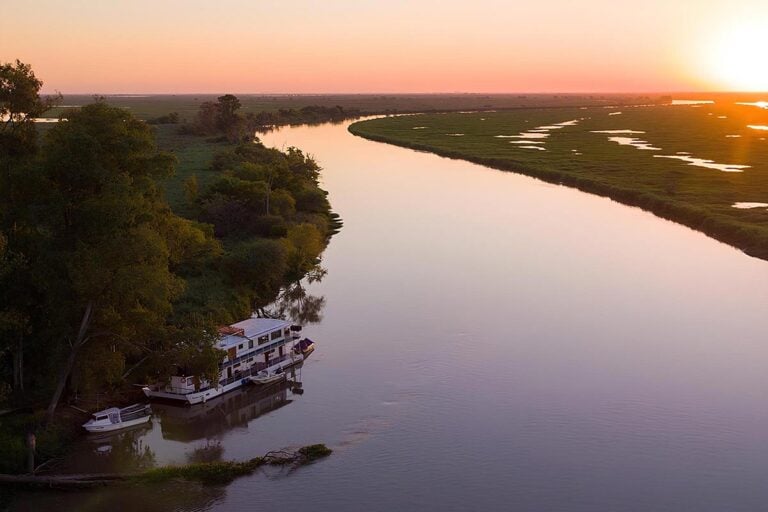
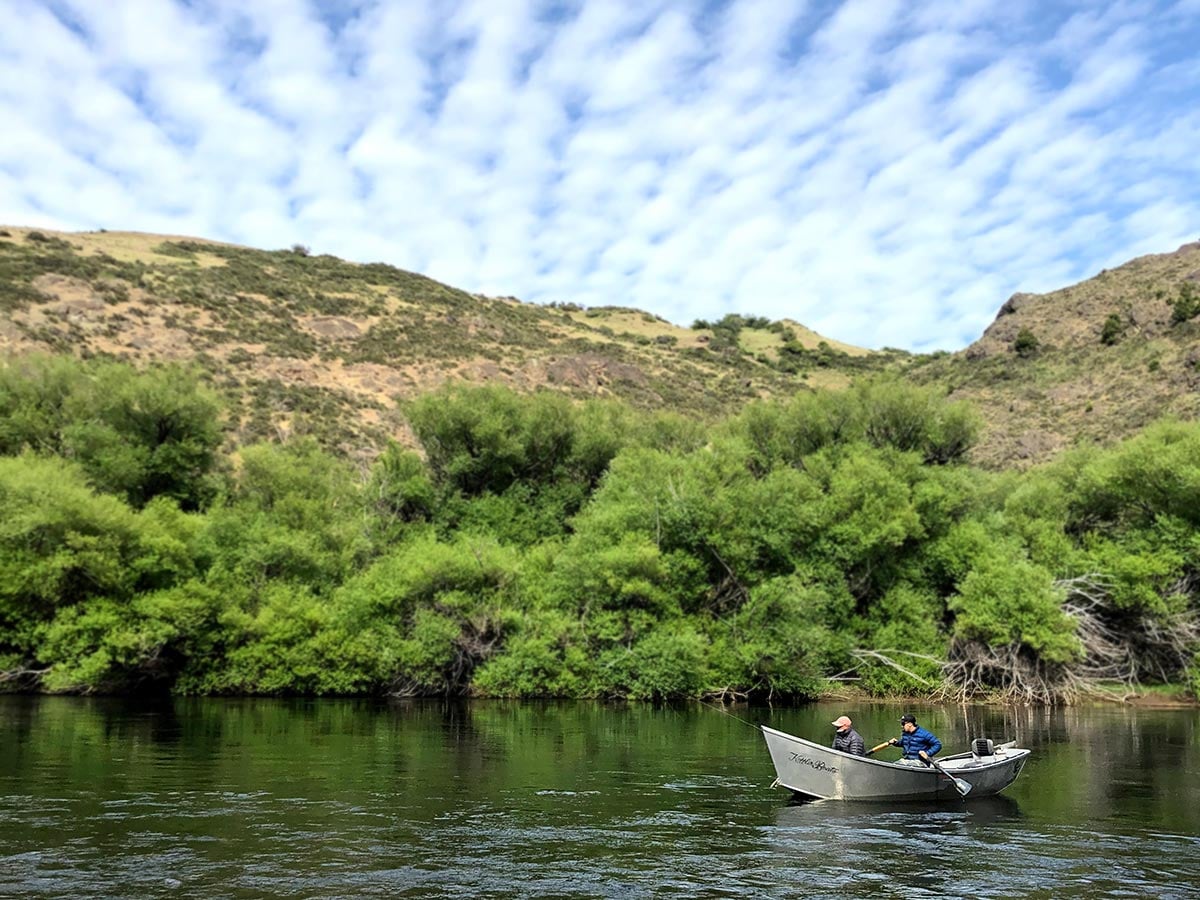
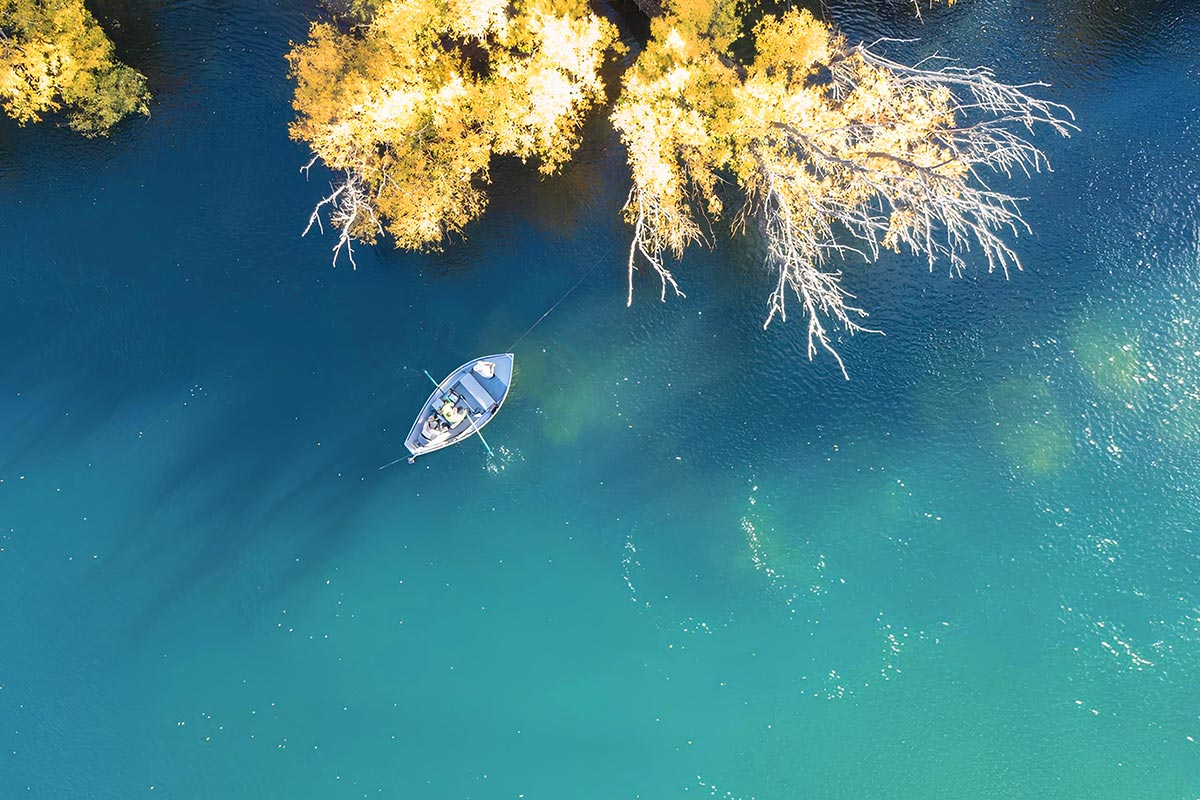
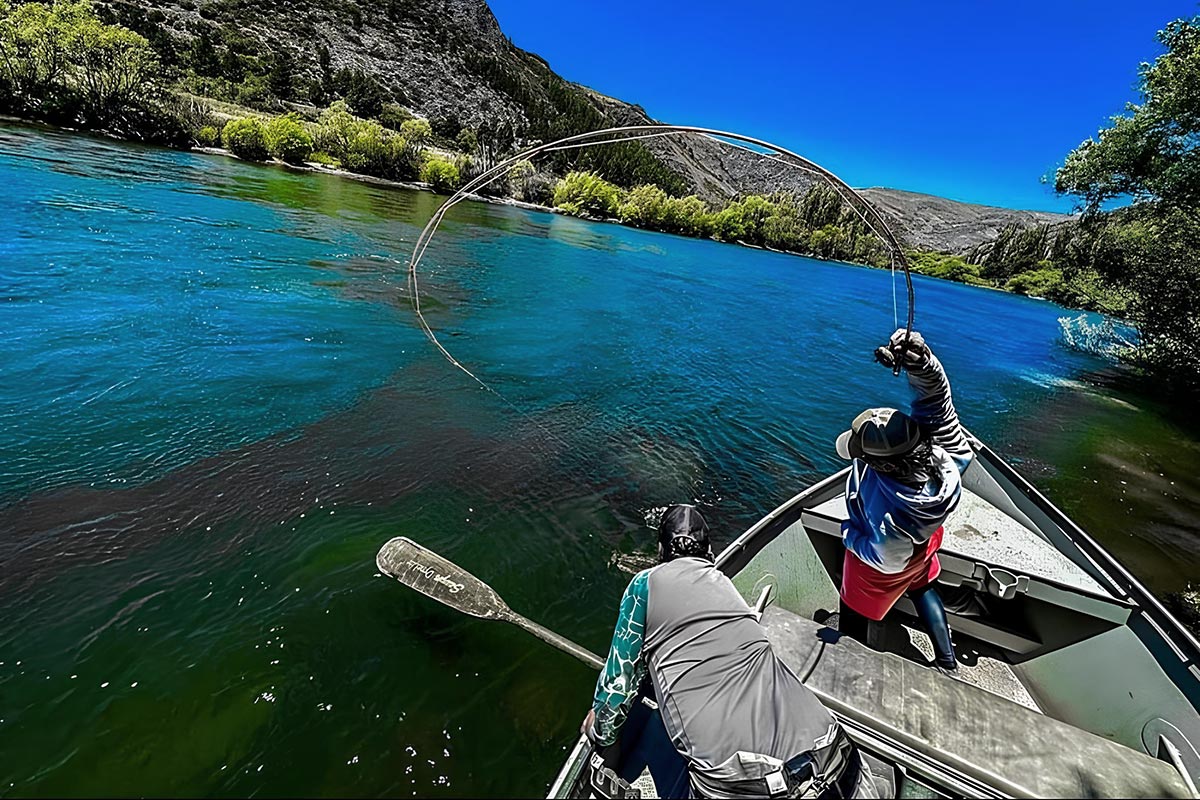
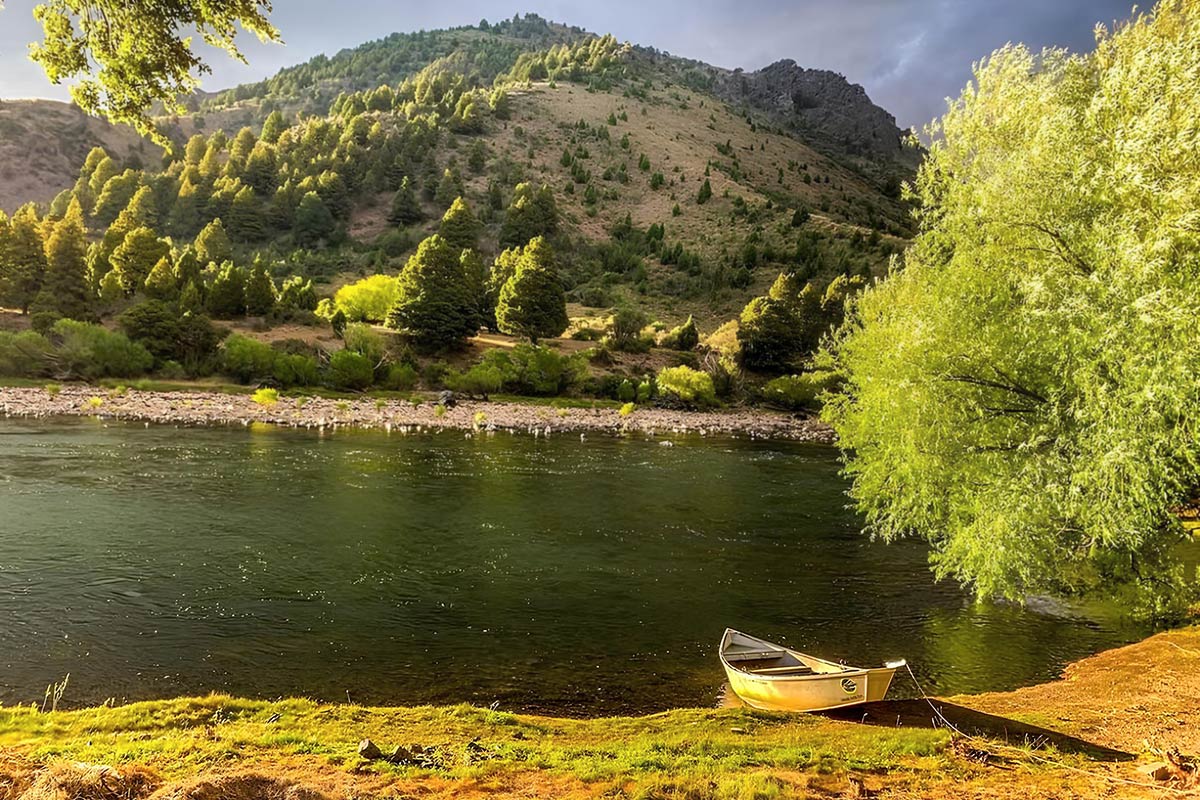
The Aluminé River is the backbone of the Bravo Sur program. Flowing out of the Andean foothills, it moves through open valleys framed by low hills, native trees, and wide gravel banks. Much of the fishing is done from drift boats, allowing anglers to move through substantial stretches of river in a single day while stopping to fish selected banks and quieter edges along the way.
Visually, the river is defined by clear Andean water, often blue-toned in bright light, with clarity that regularly allows anglers to spot fish moving, following then striking a well-presented fly. Brown trout and rainbow trout are well distributed throughout these floats, and the river’s scale lends itself naturally to full-day fishing without feeling rushed.
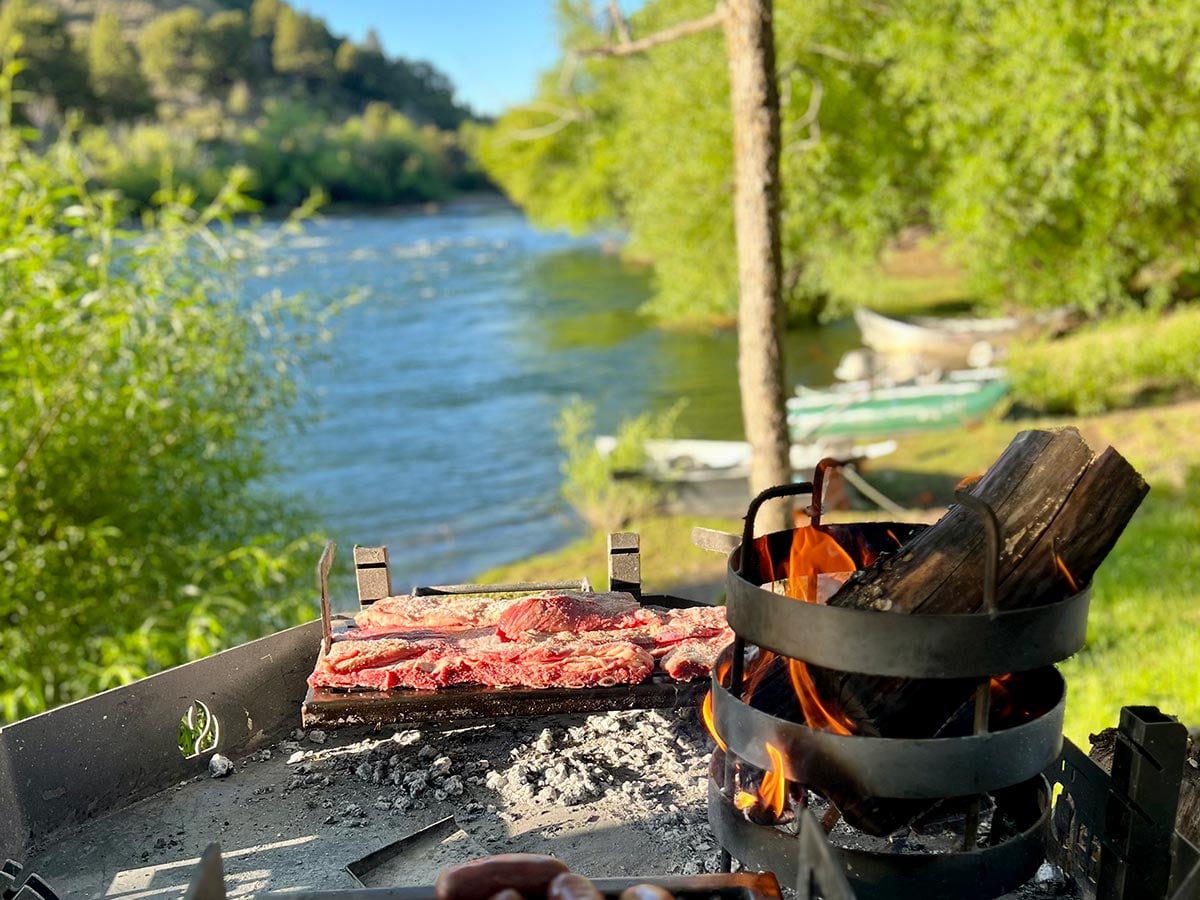
Shore lunches are typically taken mid-day, often on open banks with long views up and down the valley, before continuing downstream and returning to the lodge in the afternoon or early evening.
Aluminé River Sections Covered During the Week
A standard trout week at Bravo Sur rotates through several named sections of the upper and middle Aluminé, helping spread pressure and keep each day distinct. Itineraries include floats such as Abra Ancha, a section of roughly twelve miles, as well as longer runs including Avispero / Pichi Leufu, Avispero / Puesto Quemado, Puesto Quemado / Rancague, and Rancague / Techo Amarillo Cabins.
Many of these floats are substantial, often covering the equivalent of fourteen miles or more in a day. Some sections include gentle rapids and quicker water, while others slow into broader reaches bordered by open pasture and willows. The emphasis throughout the week is on steady progression through new water instead of fishing the same stretch repeatedly, giving anglers a genuine sense of travel along the river.
While the core Bravo Sur trout program centers on the Aluminé and nearby lakes, the wider northern Patagonia region also includes rivers such as the Malleo, Collón Curá, and Ñorquinco, which help define the area’s reputation as one of Argentina’s most varied trout landscapes.
Brown and Rainbow Trout of the Aluminé Region
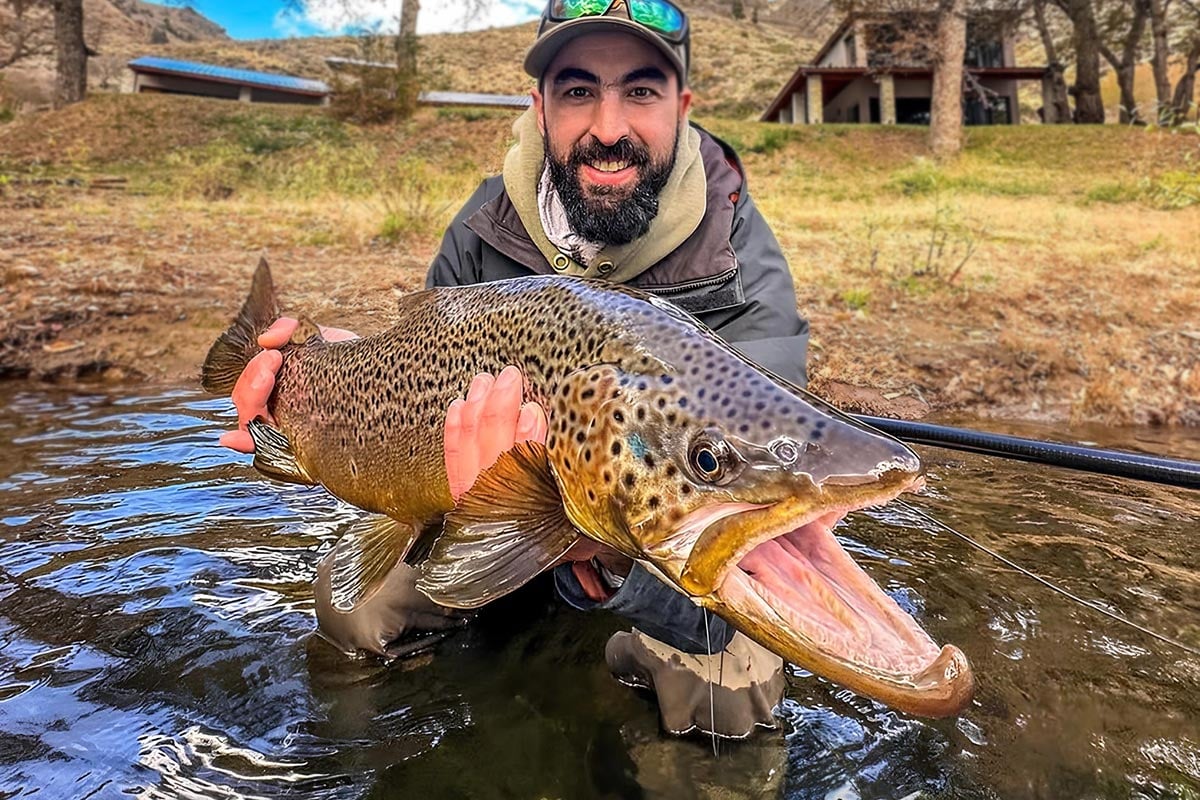
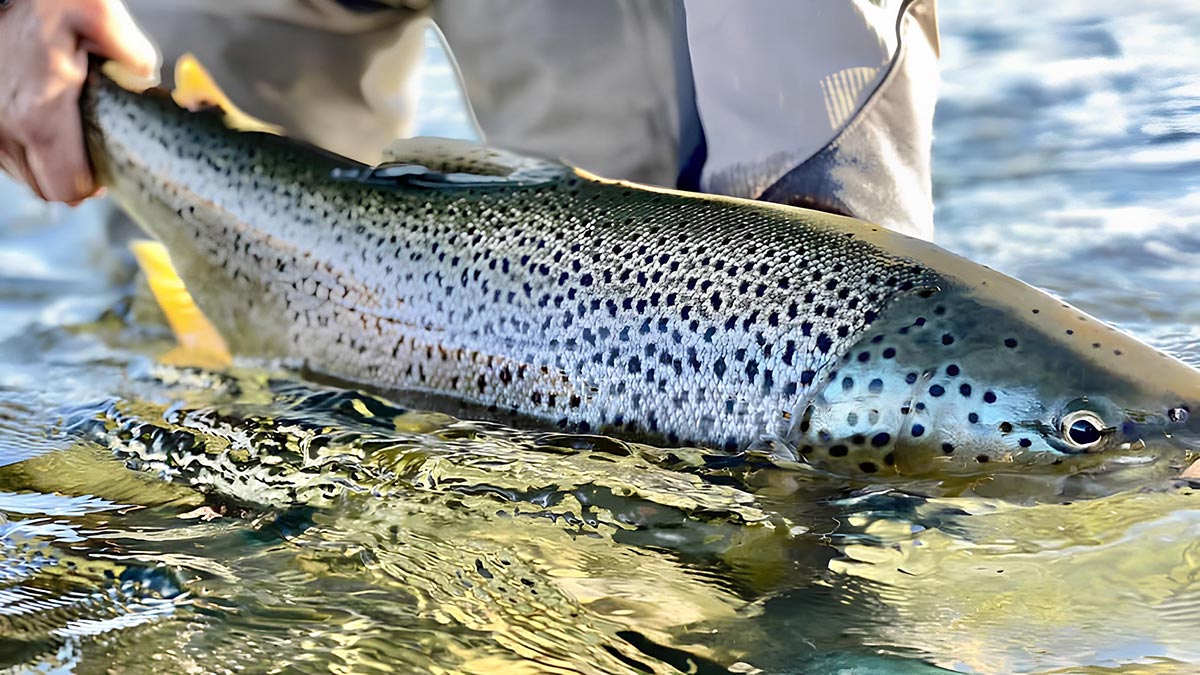
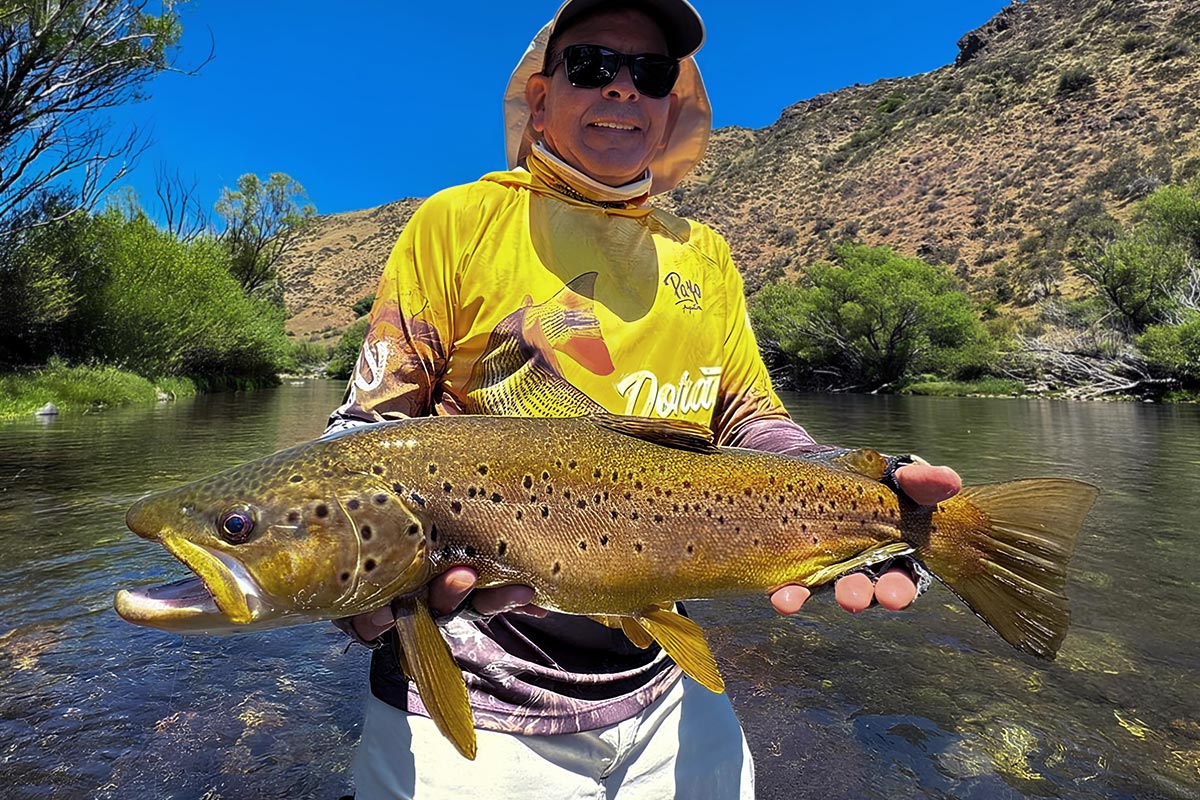
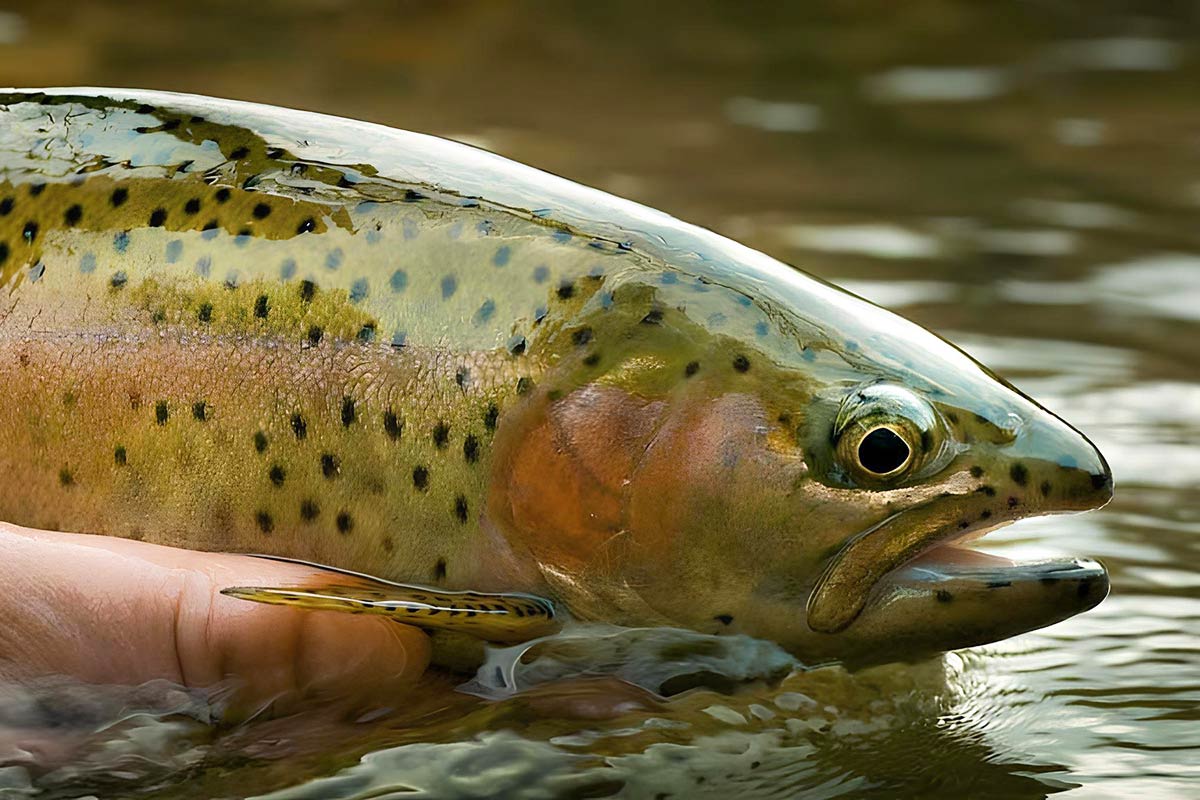
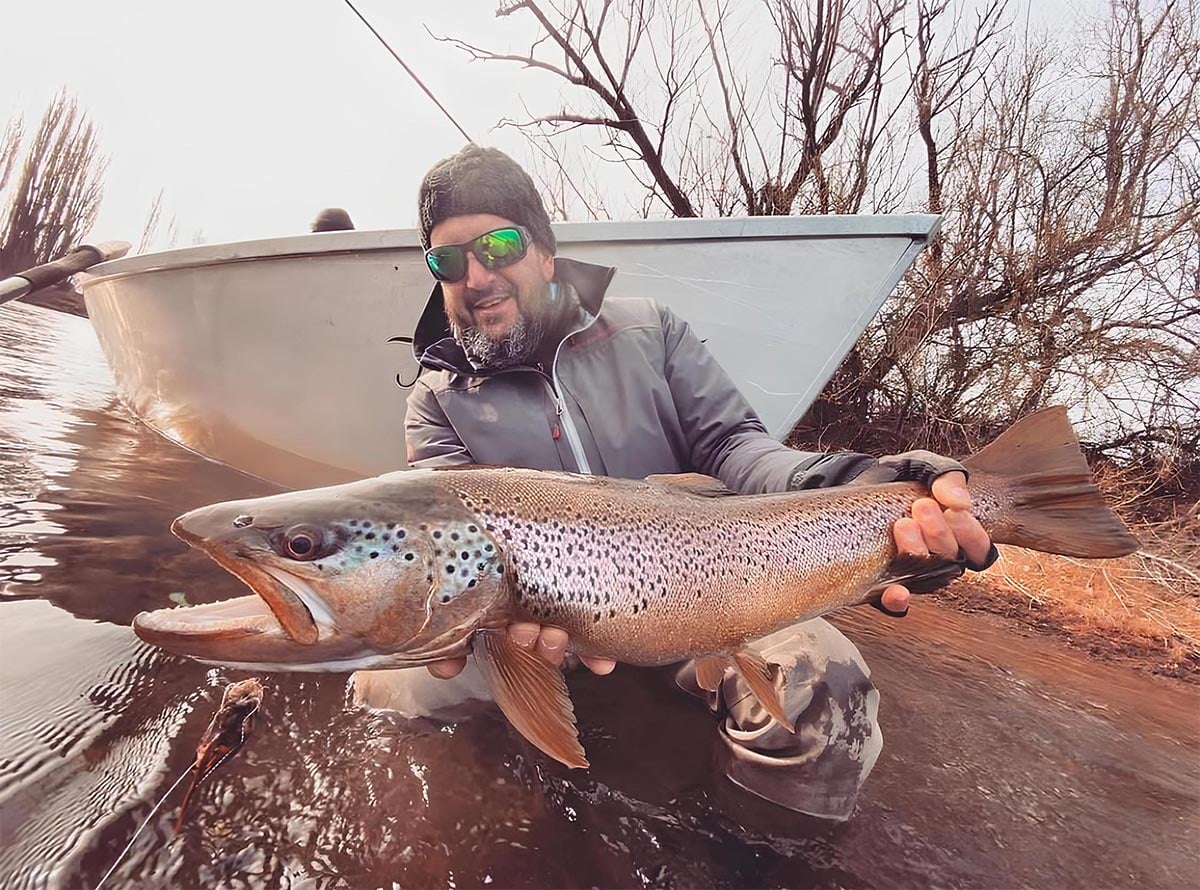
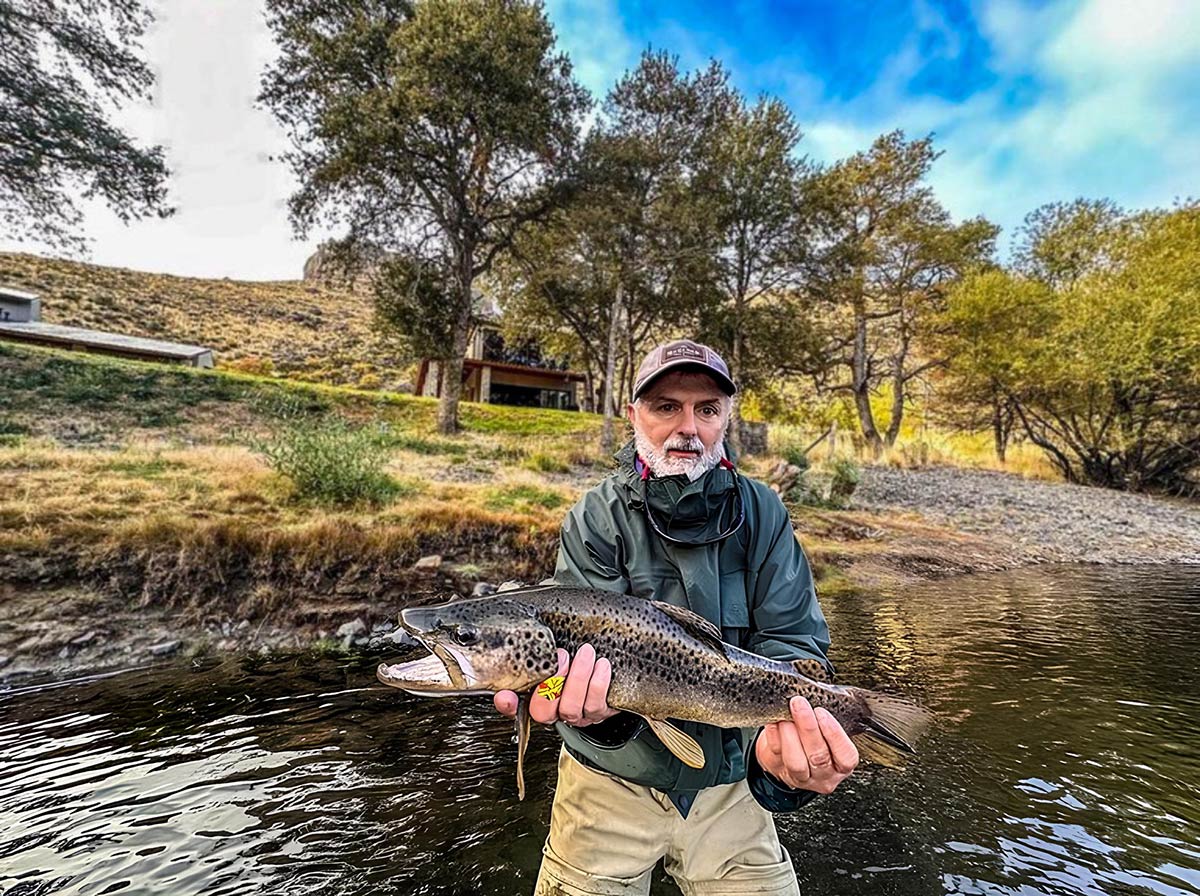
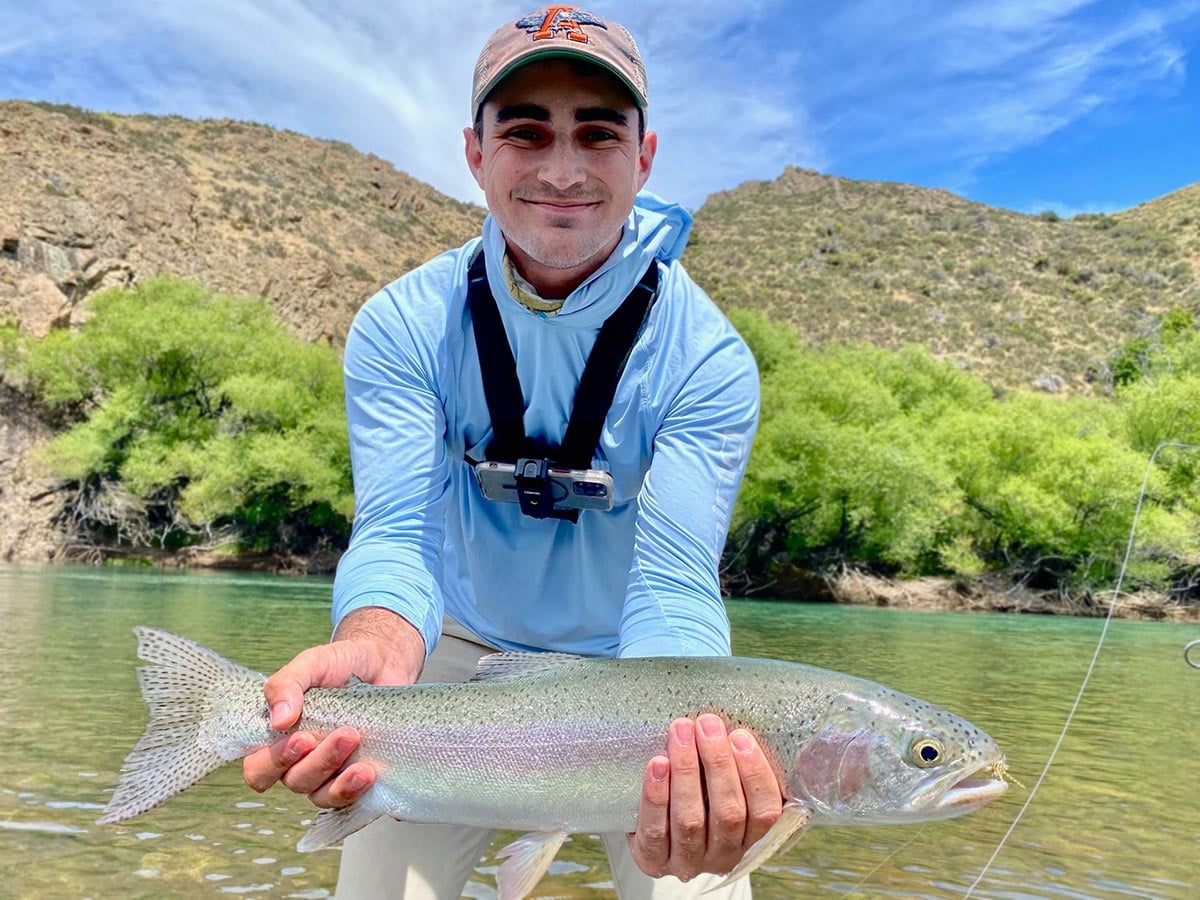
Brown trout and rainbow trout are the primary species targeted at Bravo Sur, with fish spread throughout the Aluminé River system and nearby lakes. Browns are especially well established in the river sections fished during the week, often encountered along longer runs and deeper bends that suit full-day floats. Rainbows are also common and tend to appear regularly in faster, transitional water.
Most brown and rainbow trout fall into a solid, well-conditioned size range, with browns commonly running in the mid- to high-teens (inches). The Aluminé also holds genuinely large brown trout, and each season produces trophy fish that sit clearly outside the norm. These larger fish are not everyday encounters, but they are a real part of the fishery and often show up over the course of a full week spent covering water.
Rainbow trout typically run slightly smaller on average but are strong, clean fish shaped by the river’s cold, clear flows. Brook trout are present in parts of the wider region and may appear occasionally, adding variety rather than defining the program.
Lake Pulmarí and Lake Quillén
Most trout weeks at Bravo Sur include at least one stillwater day, usually spent on Lake Pulmarí or Lake Quillén. These lake sessions provide a clear contrast to the river floats, both in pace and setting. Surrounded by Andean scenery and open skies, lake days tend to feel quieter and more expansive, with long views across the water and a slower rhythm to the fishing.
The lake day breaks up consecutive river floats and adds variety to the week without feeling like a diversion. Travel is straightforward, and lunches are typically enjoyed along the shore, making the stillwater session a natural extension of the overall program rather than a separate add-on.
Season, Daily Rhythm, and Access
With a long-running season from November to May, anglers have flexibility when planning a fishing trip. Early season often brings higher energy in the river, while mid-summer offers long daylight hours and warmer afternoons. Late season trips tend to feel quieter, with a slower pace settling over the valley as autumn approaches.
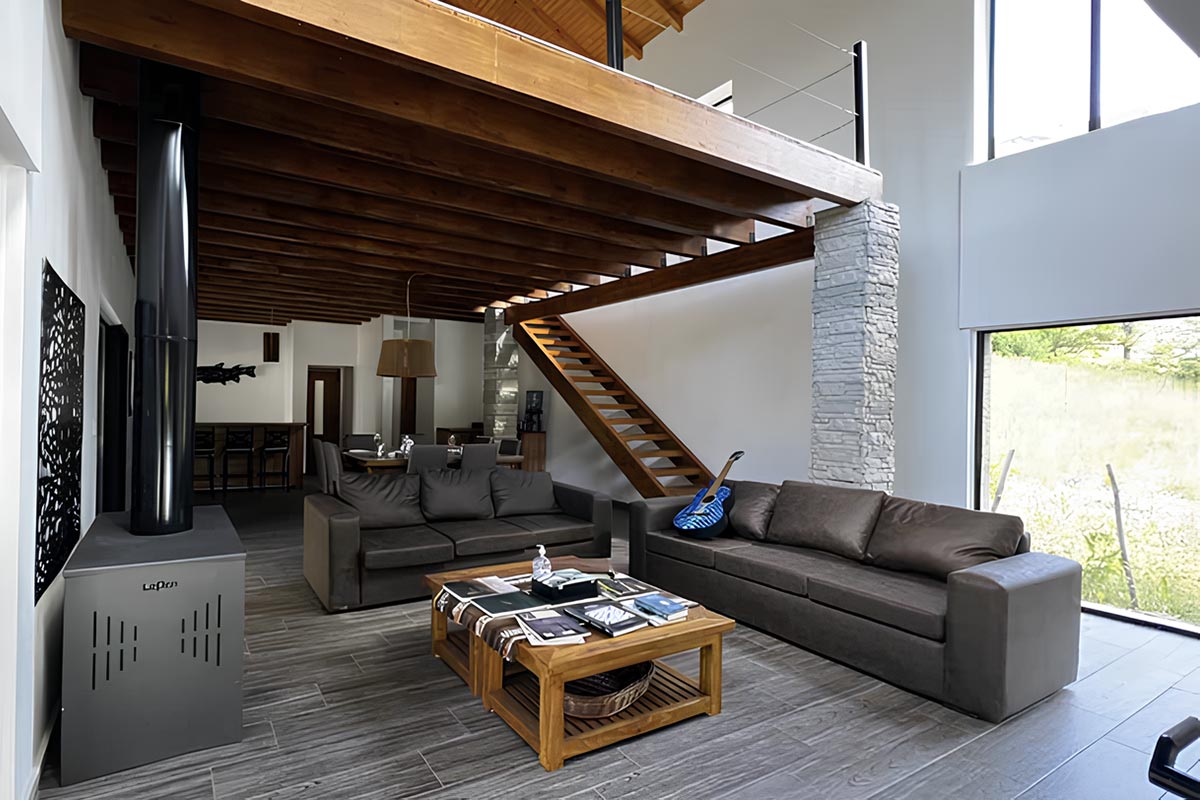
A typical day begins with breakfast, followed by either a short transfer or a nearby start on the river, a full day on the water with a shore lunch, and a relaxed return to the lodge for dinner. Guides will review the next day’s plan, so anglers know where they’ll be fishing and how the itinerary will unfold.
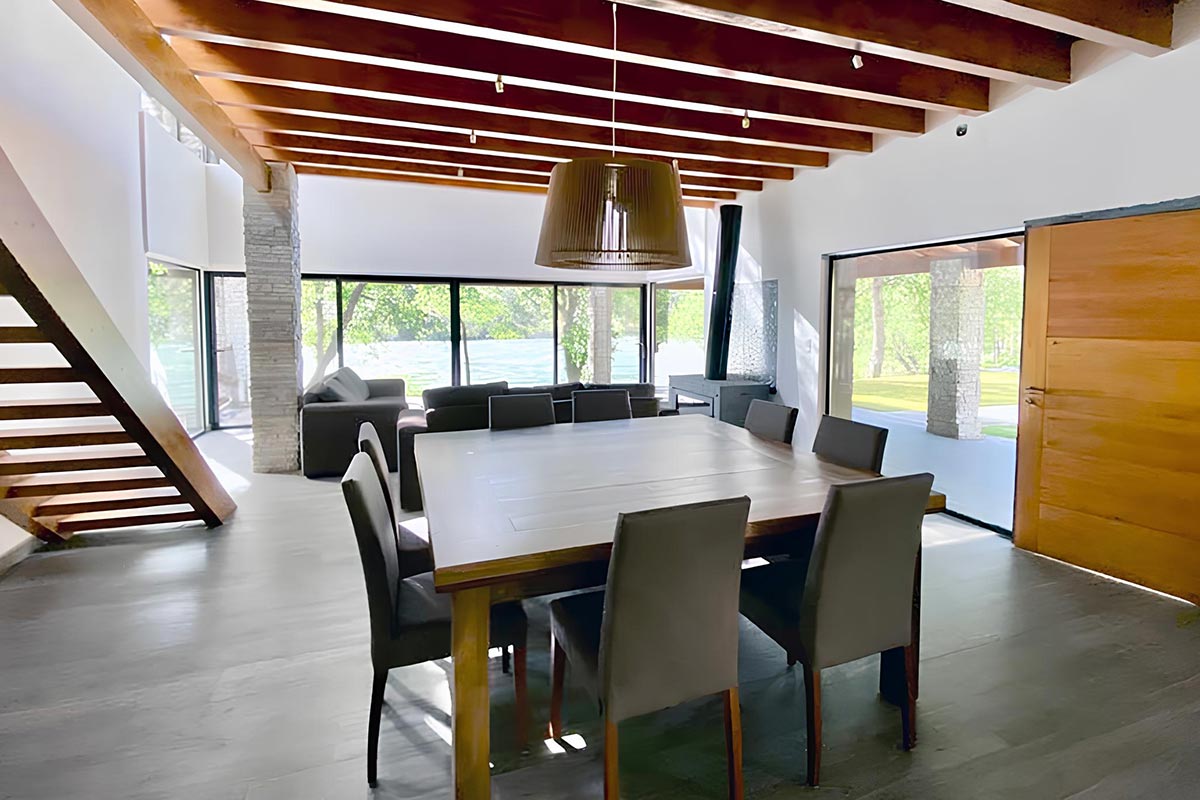
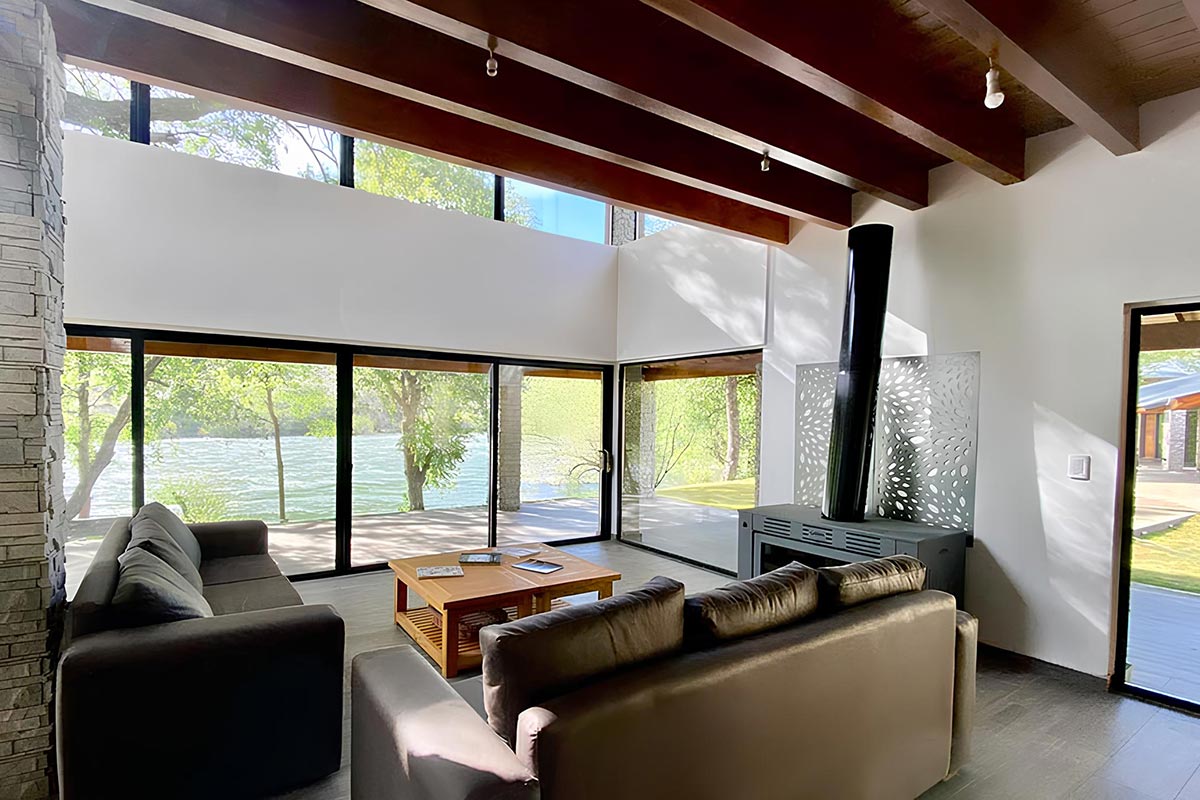
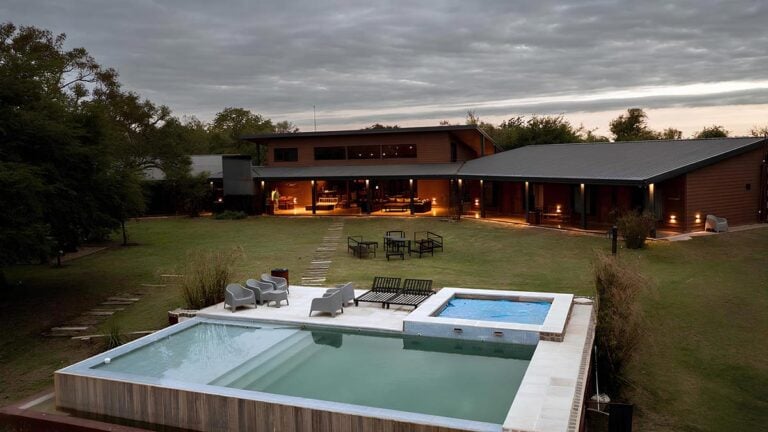
While most days involve short drives to planned float sections, the lodge’s riverfront position also allows guests to fish the Aluminé just steps from the lodge, including short sessions before or after dinner.
Note: For guests interested in extending a Patagonia trout trip, the Bravo Sur team also operates Rio Bravo Lodge, focused on golden dorado fishing in Argentina, making it possible to combine trout and dorado fishing as part of a mixed fishing program.
From long Aluminé floats to quiet lake days, Bravo Sur delivers a focused Patagonia trout program shaped by space, movement, clear water, and the chance of genuinely memorable fish.
To learn more about the fishing and express an interest, message Sierra Brava.