Explore fishing trips in Neuquén, staying at carefully selected lodges that combine expert guiding, remote wilderness settings, and exceptional angling.

Neuquén, Argentina
Brown Trout, Rainbow Trout
Neuquén, Argentina
Brook Trout, Brown Trout, Rainbow Trout
Neuquén, Argentina
Brook Trout, Brown Trout, Rainbow Trout
Neuquén, Argentina
Brook Trout, Brown Trout, Rainbow Trout
No results available
Set in northern Patagonia, Neuquén combines classic trout rivers, glacial lakes, and spring-fed creeks across a landscape of wide Andean valleys and open steppe. With dependable water levels, prolific insect hatches, and light fishing pressure relative to its quality, it draws dry fly anglers, streamer fishers, and those running multi-day float trips on some of the best trout water in South America.
Neuquén’s diversity is genuine. Rivers like the Limay and Aluminé offer big-water float fishing with consistent streamer and dry fly opportunities, while the Malleo — originating at Lago Tromen in Lanín National Park — rewards stealth and precision on wade-only water known for its caddis and mayfly hatches. Glacial lakes including Huechulafquen hold cold, deep water that produces large resident trout, with the Chimehuin River draining its eastern end to provide one of northern Patagonia’s most storied boca fisheries.
For those comparing lodge programs across northern Patagonia — from Malleo estancia beats to Limay float operations — see our Editorial Guide to Patagonia Argentina Fishing Lodges, which explains how these programs differ and how to choose the right fit.
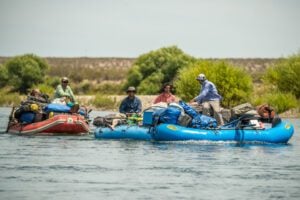
Flowing 380 kilometers northeast from Nahuel Huapi Lake before meeting the Neuquén River, the Limay is one of Patagonia’s major trout rivers. Its fall migratory run of brown trout from the Chocón reservoir is the headline draw, with fish averaging 4 to 7 lbs and double-digit specimens landed regularly. Float-supported access covers the most productive beats.
Originating at Lago Tromen and running approximately 50 miles to its confluence with the Aluminé, the Malleo is a wade-only river known for consistent caddis and mayfly hatches throughout the season. Fish average 14 to 20 inches. Private estancia beats offer the best access to the upper and middle sections.
Flowing from Lago Aluminé through open steppe terrain, the Aluminé supports both drift and wade fishing with reliable dry fly action and strong populations of rainbows and browns across multiple accessible stretches.
At 30 kilometers long and 78 square kilometers in area, Huechulafquen is one of the largest lakes in Neuquén Province, sitting within Lanín National Park 25 kilometers from Junín de los Andes. Boat-based fishing targets structure and depth transitions for resident brown and rainbow trout. The Chimehuin River draining its eastern end is a separate and well-known fishery in its own right.
FishingExplora connects anglers with carefully selected lodges and outfitters throughout Neuquén — from Limay float operations to Malleo estancia programs. You can contact hosts directly and plan your program from here.
For more lodge-based fishing across the region, explore our Patagonia Argentina fishing lodges.
FishingExplora’s editorial content draws on lodge input, guide experience, published field reports, and independent research to help anglers make informed decisions about premium fishing destinations.
November through April covers the full season. January and February are prime for dry fly fishing — consistent caddis and mayfly hatches across the Malleo and Aluminé, clear water, and active fish. March and April shift the focus to the Limay’s migratory brown trout run, with large fish moving up from the Chocón reservoir as water temperatures drop. Spring conditions from November onward suit streamer fishing and lake work.
A 5 or 6-weight rod covers the Malleo and smaller rivers for dry fly and nymph fishing; carry fine tippets and hatch-matching patterns for the caddis and mayfly hatches that define the summer season. For the Limay and bigger water, step up to a 7 or 8-weight with streamers and sink-tip lines, particularly for the fall migratory brown trout run. For lake fishing, sinking lines and longer leaders are standard for targeting depth transitions. Breathable waders and felt or rubber-soled wading boots are appropriate across all Neuquén rivers.
Yes. A provincial fishing license issued by Neuquén Province is required for all fishing. Most lodge programs include the license in the weekly rate or arrange it on your behalf — confirm at booking. Regulations on the Malleo and Lanín National Park rivers require catch-and-release on many beats; check current rules for the specific water you intend to fish.
It depends on the water. The Aluminé and lower Malleo suit intermediate anglers — guides put you on fish and wading is straightforward. The upper Malleo and Limay demand more: accurate casting to rising fish in clear, pressured conditions on the former; reading big migratory water and handling strong current on the latter. Anglers who have fished with a guide on a significant river elsewhere will adapt quickly. Complete beginners are better matched to guided lake days or lower river beats before committing to technical wade water.
Fly into Chapelco Airport (CPC) near San Martín de los Andes for access to the Malleo, Aluminé, and Huechulafquen. Most lodges in the northern Neuquén fishing zone use CPC and include ground transfers in the weekly package. Neuquén City Airport (NQN) serves the lower Limay zone for anglers focused on that river specifically. Both airports are reached on domestic connections from Buenos Aires.
Summer temperatures in the Andean valleys typically range from 60°F to 85°F (15°C to 29°C), with strong sun and dry air. Afternoon wind is common on open steppe stretches and can affect casting on exposed river sections. Spring and fall bring cooler temperatures and more variable conditions — layering and a windproof outer shell are practical on any day. Snow is rare during the fishing season but cold fronts move through quickly, particularly in shoulder months.
We use cookies to improve your experience and enable key features on the platform. You can choose which cookies to allow. Some features may not work fully without consent.