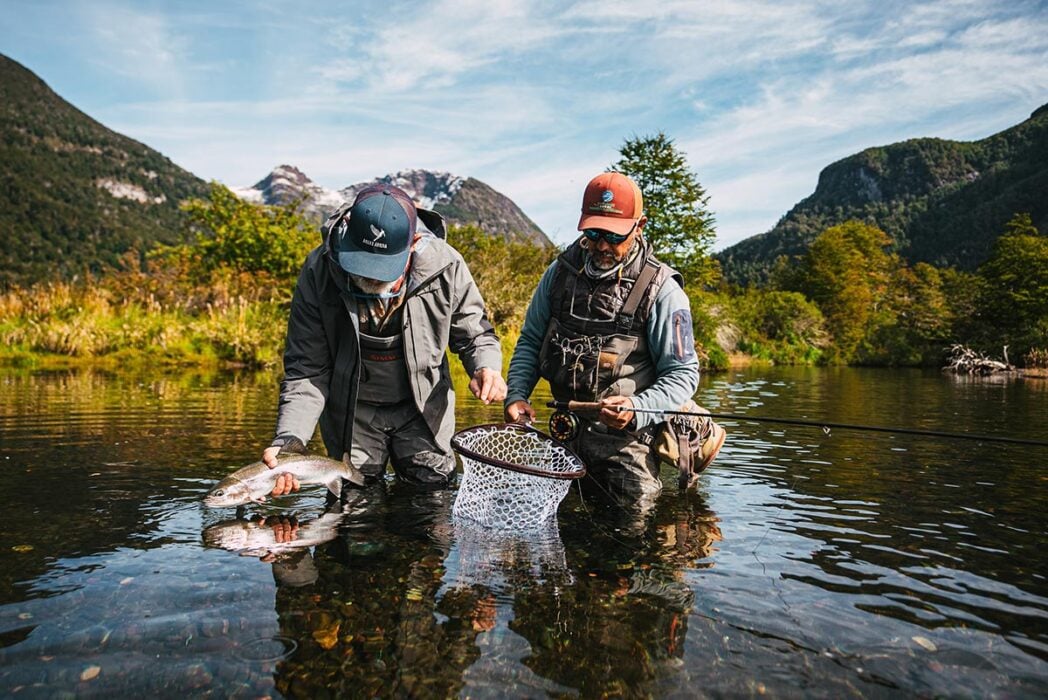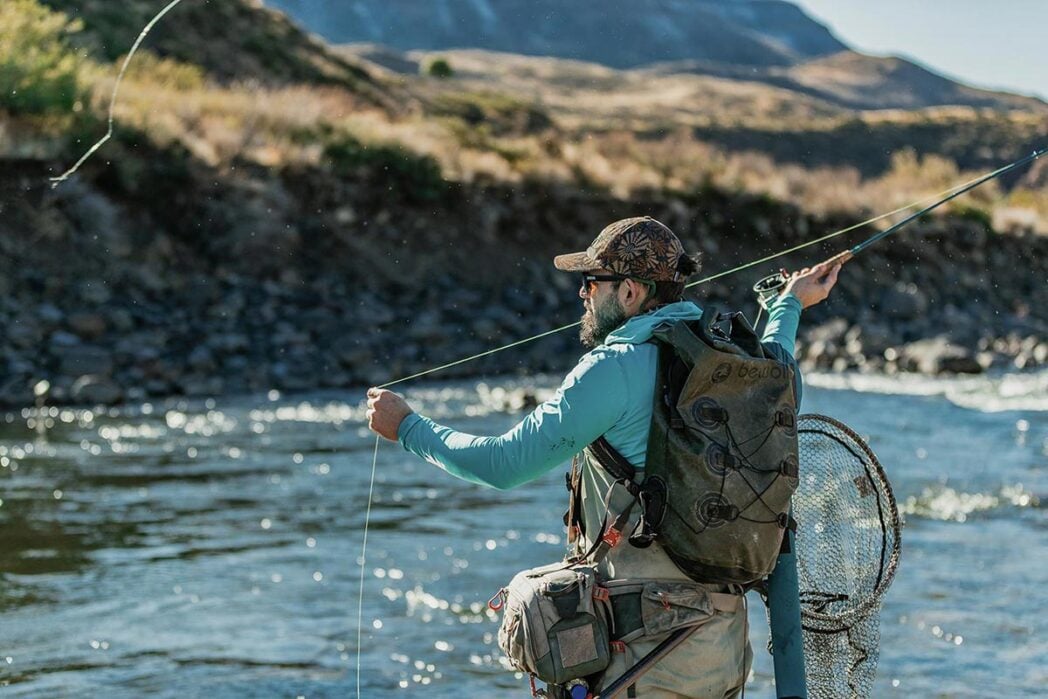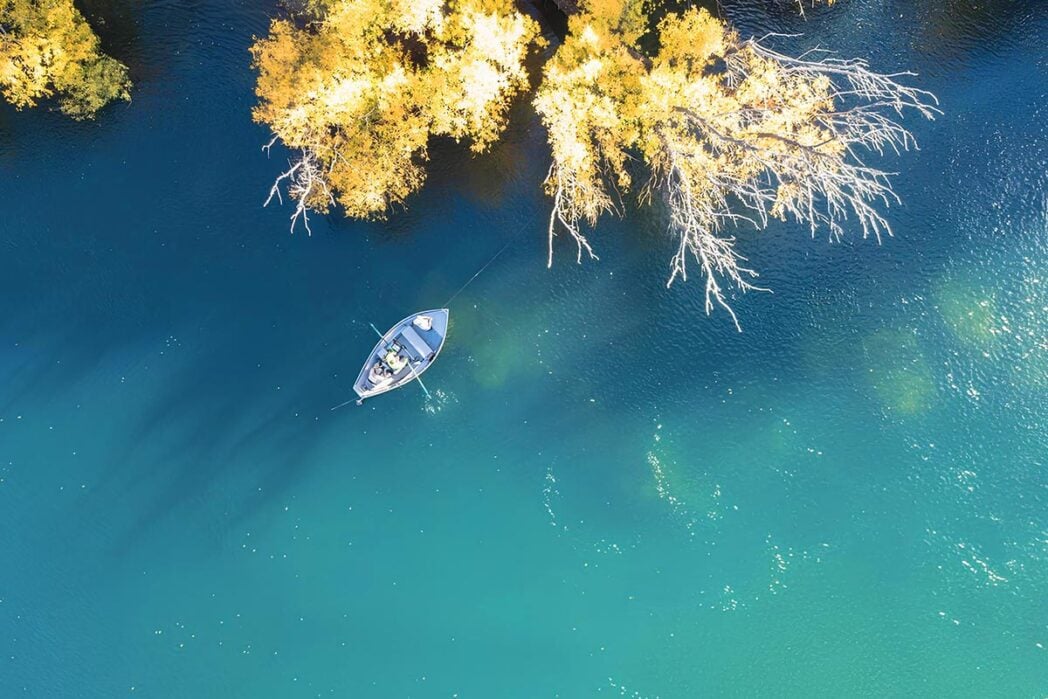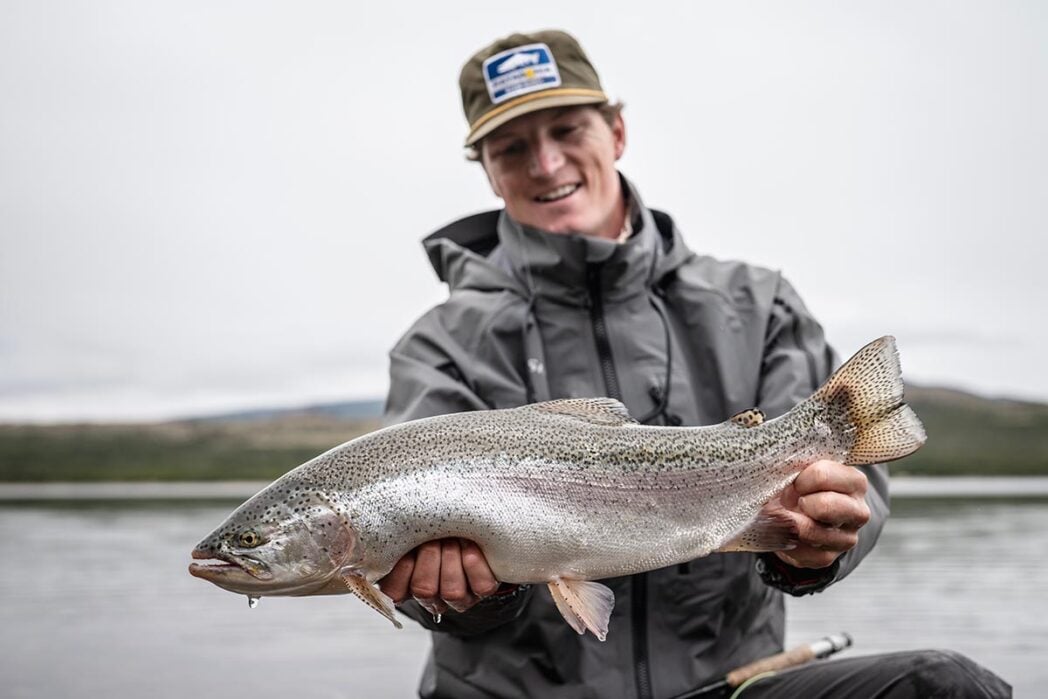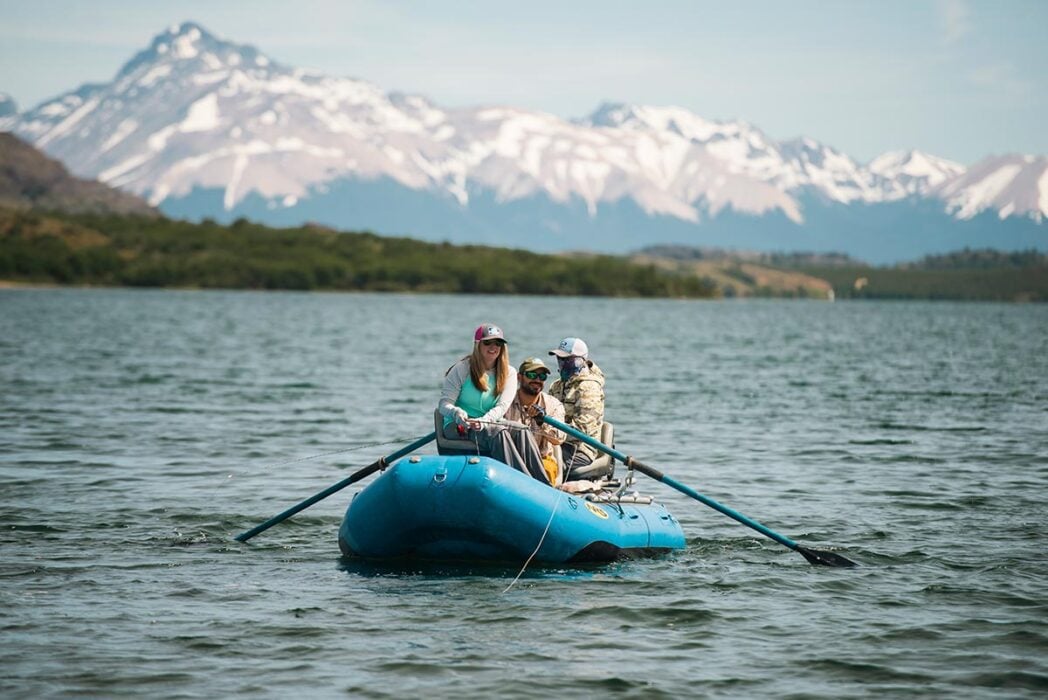
There are numerous fishing lodges in Patagonia catering to the traveling angler, providing access to a wide range of trout water. The type of fishing you're after will determine which lodge is the best fit. From mobile multi-river trout programs in the Andean lake district to beat-based sea trout weeks on the Río Grande in Tierra del Fuego, there's a lot on offer. This guide explains the general differences between some of the more premium lodge programs for anglers planning a serious Patagonia fly fishing trip.
Table of Contents
- How Patagonia Argentina Fishing Lodges Actually Differ
- Trout Fishing in Patagonia Argentina Explained
- Patagonia Argentina Fishing Lodges Compared
- Patagonia Argentina Fishing Trips — Our Top Picks
- Chime Lodge — Northern Patagonia Fixed-Base Trout Program
- Rio Manso Lodge — Northern Patagonia Lake District Trout Program
- Bravo Sur Lodge — Northern Patagonia Aluminé Trout Program
- Estancia Chochoy Mallín — Northern Patagonia Remote Estancia Trout Program
- PRG North — Northern Patagonia Multi-River Trout Program
- PRG Unplugged — Northern Patagonia Float Trout Program
- PRG South — Southern Patagonia Multi-River Trout Program
- Villa María Lodge — Río Grande Sea Trout Program
- Kau Tapen Lodge — Río Grande Sea Trout Program
- Estancia Laguna Verde — Jurassic Lake Trout Program
- Lago Strobel Lodge — Jurassic Lake Trophy Trout Program
- Choosing the Right Patagonia Argentina Fishing Lodge
Trout Fishing in Patagonia Argentina Explained
When comparing Patagonia fishing lodge programs, the most important differences have little to do with the lodge itself. Where you fish, what you're targeting, when you go, and how guides move you between waters will shape the week far more than the accommodation.
Patagonia Argentina has more varied trout water than most people realize, and where you fish in Patagonia largely determines the type of experience you will have. For a deeper look at each region’s fisheries, our Patagonia trout fishing guide covers the full picture.
In northern Patagonia — the Andean lake district across Neuquén and Río Negro provinces — the fishing is for brown and rainbow trout on freestone rivers and connected lake systems. The practical choice here is between lodge-based programs, where guides cover a network of nearby rivers and lakes each day, and mobile programs that rotate between estancias or river camps to follow conditions across multiple watersheds. Both approaches fish the same water and the same species; what differs is the rhythm of the week and how much ground gets covered.
Central Patagonia — Chubut province — sees considerably less international fishing traffic than the northern lake district, yet holds water that rivals anything further north. Around Esquel and Trevelin, good fishing is within a short drive of the local airport. Further into the province, rivers like the Río Pico and Corcovado are among the least visited big-trout waters in all of Patagonia.
In Tierra del Fuego, the target changes entirely. The Río Grande runs through open steppe, and the fish are sea-run brown trout moving in from the South Atlantic. Fishing is wade-based and beat-driven, with anglers rotating through assigned pools on private water. River position is the key variable — lower beats intercept fresher fish earlier in their migration, middle beats offer more consistent conditions across the full season.
On the Strobel Plateau in Santa Cruz Province, the fishery is stillwater. Jurassic Lake holds large resident rainbow trout, and fishing is done on foot along exposed shoreline. These programs are specialist by nature — anglers come for size, not variety, and the week reflects that.
The regions are not within practical reach of each other on a single trip. Choosing which one to fish is the starting point. For timing, our seasonal guide to fly fishing in Patagonia Argentina covers when each region fishes best. How each program is structured on the water is covered in the lodge entries below.
Patagonia Argentina Fishing Lodges Compared
Below we offer a comparison of a select number of fishing lodges and guided programs in Patagonia Argentina. Quickly compare by region, species, water type, access, price band, capacity and operating months. Tap a lodge for the full profile.
| Lodge | Species | River | Lake | Access | Price | Max. Guests | Oct | Nov | Dec | Jan | Feb | Mar | Apr | May |
|---|---|---|---|---|---|---|---|---|---|---|---|---|---|---|
| Northern Patagonia · Andean lake district — trout | ||||||||||||||
| Chime Lodge | Brown, rainbow, brook | ✓ | ✓ | Wade & boat | $$$ | 10 | ✕ | ✕ | ✓ | ✓ | ✓ | ✓ | ✓ | ✕ |
| Rio Manso Lodge | Brown, rainbow, brook | ✓ | ✓ | Wade & boat | $$ | 16 | ✕ | ✓ | ✓ | ✓ | ✓ | ✓ | ✓ | ✕ |
| Bravo Sur Lodge | Brown, rainbow, brook | ✓ | ✓ | Wade & boat | $$ | 10 | ✕ | ✓ | ✓ | ✓ | ✓ | ✓ | ✓ | ✓ |
| Estancia Chochoy Mallín | Brown, rainbow, brook | ✓ | ✓ | Wade | $$ | 11 | ✕ | ✕ | ✕ | ✓ | ✓ | ✓ | ✓ | ✕ |
| PRG North | Brook, brown, rainbow | ✓ | ✓ | Wade & boat | $$$ | 16 | ✕ | ✓ | ✓ | ✓ | ✓ | ✓ | ✓ | ✓ |
| PRG Unplugged | Brown, rainbow | ✓ | ✕ | Boat | $$ | 8 | ✕ | ✓ | ✓ | ✓ | ✓ | ✓ | ✓ | ✓ |
| Central Patagonia · Chubut — trout (confirm lodge placement) | ||||||||||||||
| PRG South | Brown, rainbow, brook | ✓ | ✓ | Wade & boat | $$$ | 18 | ✕ | ✓ | ✓ | ✓ | ✓ | ✓ | ✓ | ✕ |
| Tierra del Fuego · Río Grande — sea-run brown trout | ||||||||||||||
| Villa María Lodge | Sea-run brown | ✓ | ✕ | Wade | $$$ | 6 | ✕ | ✕ | ✕ | ✓ | ✓ | ✓ | ✕ | ✕ |
| Kau Tapen Lodge | Sea-run brown | ✓ | ✕ | Wade | $$$ | 12 | ✕ | ✕ | ✓ | ✓ | ✓ | ✓ | ✓ | ✕ |
| Strobel Plateau · Jurassic Lake — trophy rainbow trout | ||||||||||||||
| Estancia Laguna Verde | Rainbow (resident) | ✓ | ✓ | Wade | $$$ | 12 | ✓ | ✓ | ✓ | ✓ | ✓ | ✓ | ✓ | ✕ |
| Lago Strobel Lodge | Rainbow (resident) | ✓ | ✓ | Wade | $$ | 8 | ✓ | ✓ | ✓ | ✓ | ✓ | ✓ | ✓ | ✕ |
Patagonia Argentina Fishing Trips — Our Top Picks
These are some of the Patagonia Argentina lodges we would point serious anglers toward. Some are built around depth on a single system; others are designed to move, using access to multiple rivers as the primary tool for staying on fish through changing conditions.
Together they cover the full range of what Patagonia Argentina lodge fishing actually offers — from guided drifts on classic northern Andean rivers to wade fishing remote beats on the Río Grande and covering miles of shoreline on the Strobel Plateau in pursuit of fish that average double figures.
Chime Lodge — Northern Patagonia Fixed-Base Trout Program
Neuquén Province, Patagonia, Argentina
Program Structure
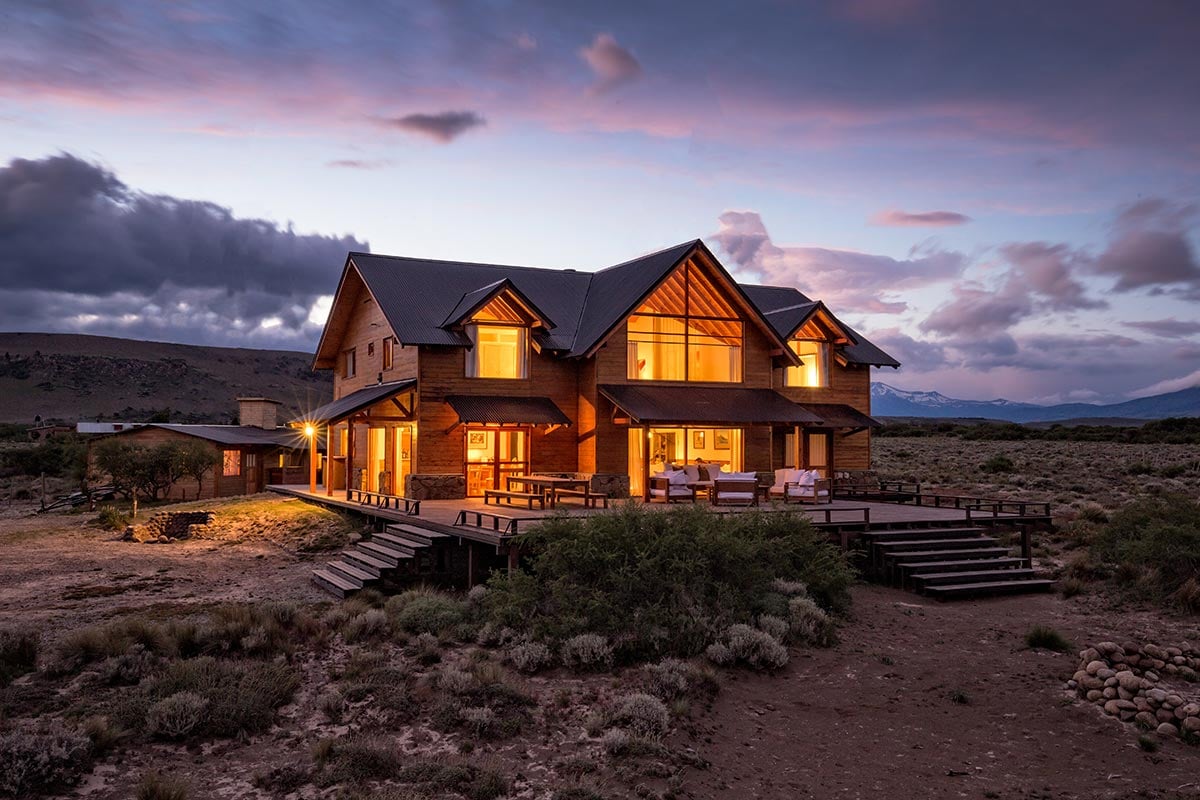
Set near Junín de los Andes, Chime Lodge runs a conditions-led program guided by PRG North, a team with several generations of experience across this specific group of watersheds. Days combine raft floats on larger freestone systems, and wading smaller tributaries. Plans shift based on where conditions are best rather than a fixed weekly rotation. For anglers who want more time away from the lodge, a two-night Unplugged river camp on the Aluminé, Chimehuín, or Limay can be added within the same week.
Season & Fishery
The season runs through Patagonia’s core trout window from the start of December to the end of April. Guests target brown and rainbow trout across several of the region’s most productive river systems — the Chimehuín, Malleo, Collón Curá, Aluminé, and various lakes holding trophy sized fish. The rivers and lakes each fish differently through the season, giving guides a genuine toolkit to work with as flows and hatches change.
What Defines the Week
The combination of a refined lodge base and a well-established multi-water guiding program gives Chime Lodge a distinct operational advantage: guests are not committed to one river for the week. They return each evening to the same lodge, the same guides, and a consistent level of hosting. For anglers who want access to classic northern Patagonia river fishing from a high-end base, this balance is hard to match in the region.
Who this suits:
Those drawn to a Patagonia fly-fishing program built around raft-based floats and rotating rivers, shaped by a well-developed guiding program, optional river camps, and a refined lodge base that keeps logistics simple while maximizing time on varied trout water.
Rio Manso Lodge — Northern Patagonia Lake District Trout Program
Río Negro Province, Patagonia, Argentina

Program Structure
Set near the Chilean border within Nahuel Huapi National Park, the Rio Manso lodge operation provides access to a compact network of lakes, creeks, and short river sections reachable within short drives. The tight geographic footprint means guides can read conditions each morning and redirect to fresh water mid-day without significant travel, keeping fishing time high relative to movement.
Season & Fishery
The season runs the main fishing months from early November through the end of April. Brown and rainbow trout are the primary target species across a mix of stillwater and connected river systems. The combination of lake outlets, creek mouths, and short freestone sections rewards technical fishing. This is a mixed-access program, with anglers fishing on foot as well as from drift boats or rafts depending on conditions and the water being fished.
What Defines the Week
Rio Manso sits in one of the most productive and scenically concentrated parts of Patagonia’s lake district. The proximity of multiple distinct fisheries within a tight radius is genuinely unusual — most programs of this type either commit to a single river or require long daily transfers to access variety. Here, guides can work several systems in a day without the week feeling rushed, and the option to add remote river camps extends range for anglers who want more ground. The dragonfly hatch is a defining part of the summer season and a major draw for anglers.
Who this suits:
Fly anglers who value a lodge-based Patagonia stay with short daily transfers, guided access to lakes and creeks, and the flexibility to add remote river camps without committing to a fully mobile or expedition-style program.
Bravo Sur Lodge — Northern Patagonia Aluminé Trout Program
Neuquén Province, Patagonia, Argentina
Program Structure
Based in Aluminé, Bravo Sur is built around drift boat fishing the Aluminé River, with the week structured around floating different sections rather than repeating the same water. Daily sections are selected based on flows, season, and where fish are most active. A lake day is typically worked into the rotation to break up the river rhythm and target trout in different feeding modes.
Season & Fishery
The program runs through the full Patagonia trout season, targeting brown and rainbow trout on a clear, freestone Andean system fed by snowmelt from the Andes and Lake Aluminé. The river’s clarity makes it well suited to dry fly and sight fishing for anglers comfortable presenting on relatively open water.
What Defines the Week
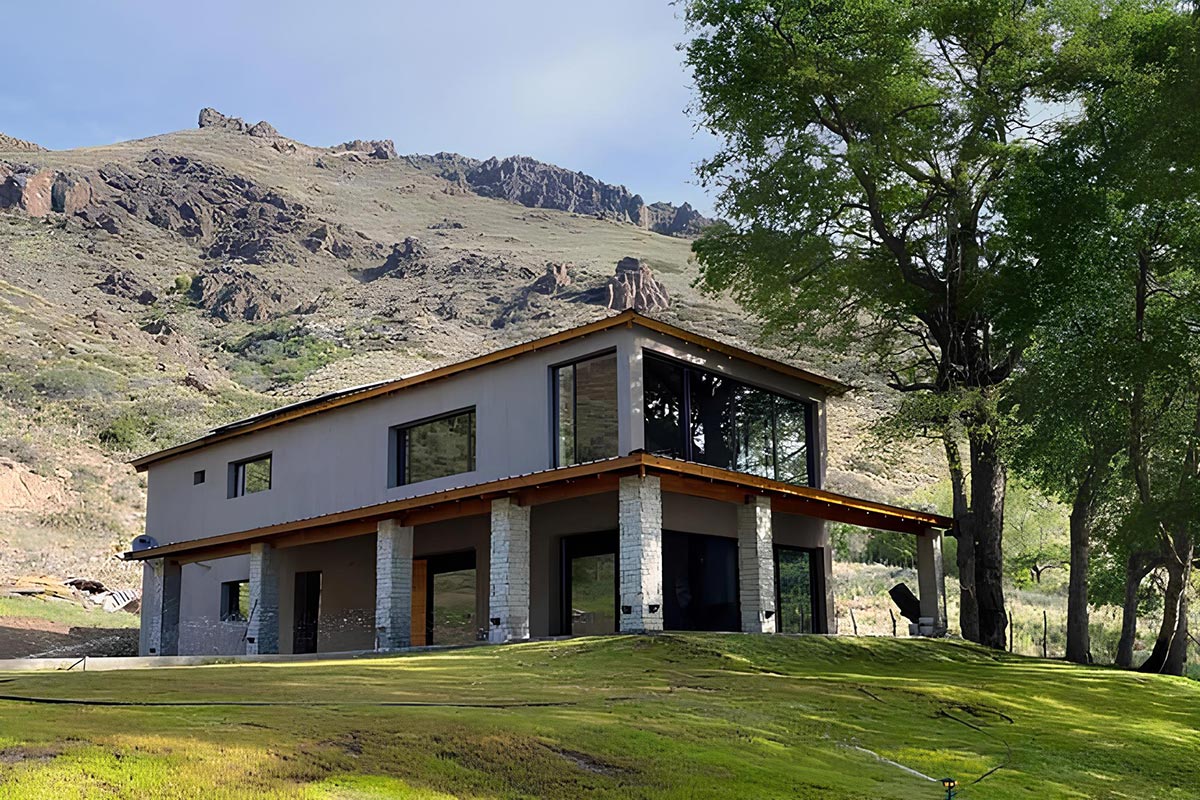
The Aluminé is not the most famous river in northern Patagonia, but that works in the program’s favor. Compared to the Chimehuín or Malleo, it sees less fishing pressure and guides know its sections intimately. Bravo Sur’s private riverfront lodge location — with direct drift-boat launch access — removes the shuttle logistics that erode fishing time on some programs. A well-focused week on one honest river, fished properly, is what this program delivers.
Who this suits:
Fly anglers seeking a lodge-based Patagonia trout week built around long drift-boat floats on a clear Andean river, occasional lake days, and short daily transfers, paired with a modern, private riverfront lodge and guided day planning within a fully hosted travel setup.
Estancia Chochoy Mallín — Northern Patagonia Remote Estancia Trout Program
Neuquén Province, Patagonia, Argentina

Program Structure
Set within a large private estancia in the Cordillera del Viento, this is a fixed-base program built around exclusive access to 15km of private rivers and spring creeks that run entirely through the property. Fishing is on foot, with guides rotating anglers between systems rather than committing to a single stretch. The absence of public access on these waters is not incidental — it is the structural basis of the program.
Season & Fishery
The program runs a short season from early January to early April, targeting brown, rainbow, and brook trout across a mix of freestone rivers and smaller spring-fed systems, with the option of fishing some high altitude lagoons. Spring creeks on private estancias fish differently to large public rivers — tighter presentations, more selective fish, and a technical premium that not every angler is looking for, but many will find more satisfying.
What Defines the Week
Private water in Patagonia is genuinely scarce. Most of the region’s recognizable rivers are public, heavily guided through the season, and fished with the same patterns by the same rotation of guides. Chochoy Mallín’s spring creeks and estancia rivers carry none of that pressure, and the fish behave accordingly. Anglers who have fished the classic northern Patagonia rivers before and want something quieter and more technical will find this program occupies a different category.
Who this suits:
Fly anglers traveling to northern Patagonia for a remote lodge-based week structured around private rivers and spring creeks, who value secluded fishing, guided access, and rotating through a large, lightly fished landscape.
PRG North — Northern Patagonia Multi-River Trout Program
Neuquén Province, Patagonia, Argentina
Program Structure
PRG North is a mobile program built around moving between a small group of estancias across the San Martín de los Andes and Junín de los Andes region. Rather than fishing outward from a fixed lodge, the program rotates lodging alongside rivers, allowing guides to commit fully to each system for a day or two before moving on. Each day’s plan is set around current river conditions — drift boat fishing on larger systems, walk-and-wade on smaller ones.
Season & Fishery
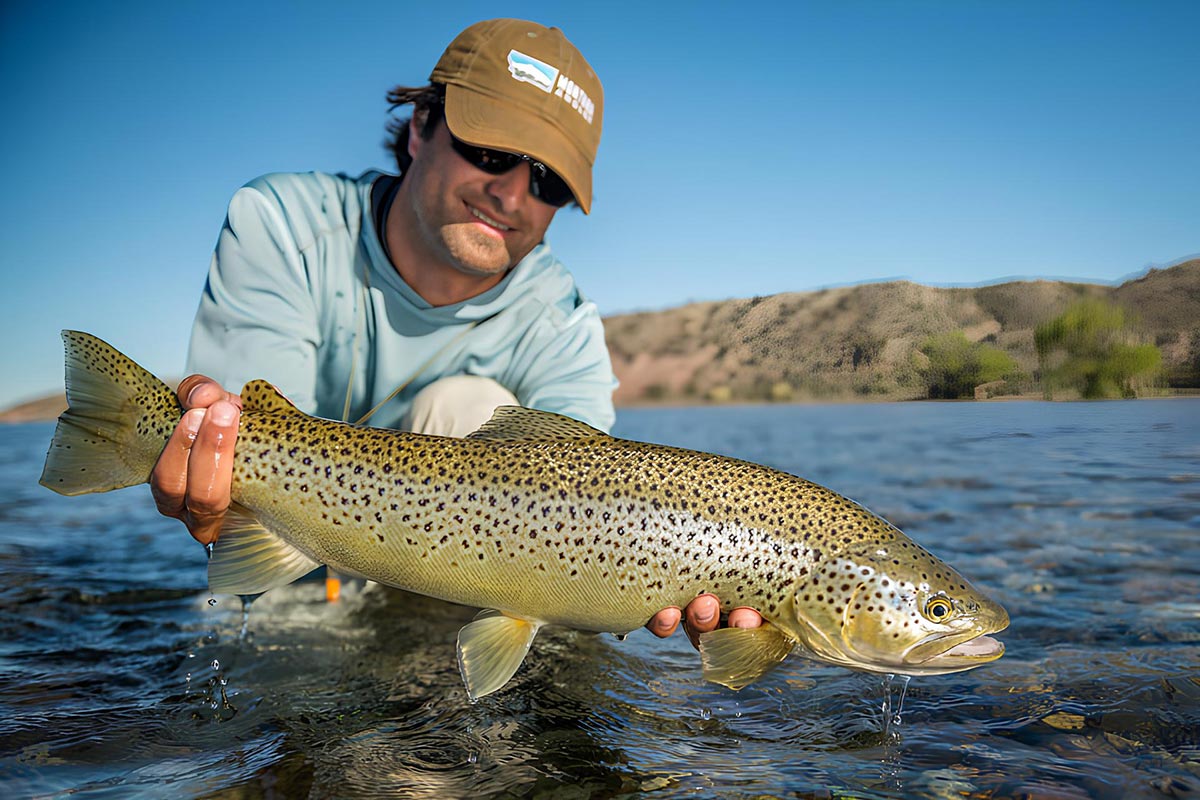
The program targets brown and rainbow trout through Patagonia’s core season across several of the region’s main rivers. The Malleo, Chimehuín, Quilquihue, and Collón Curá all come into the rotation depending on timing and flows. Fishing multiple distinct watersheds in a single week means guests are rarely on pressured water, and the shift in river character from one system to the next keeps the week genuinely varied.
What Defines the Week
Patagonia River Guides has operated across this region for long enough that the estancia relationships and river access built into PRG North are not easily replicated by a single-lodge operation. The program’s mobile format is not a compromise — it is the architecture. Anglers who want to fish the breadth of what northern Patagonia’s rivers offer, rather than committing the week to one, will find this structure works consistently in their favor.
Who this suits:
Those drawn to Patagonia’s classic trout rivers who want to fish multiple watersheds in one trip, combining drift boat and walk-and-wade fishing within a flexible guided program moving between estancia lodges over the course of a week.
PRG Unplugged — Northern Patagonia Float Trout Program
Neuquén Province, Patagonia, Argentina
Program Structure
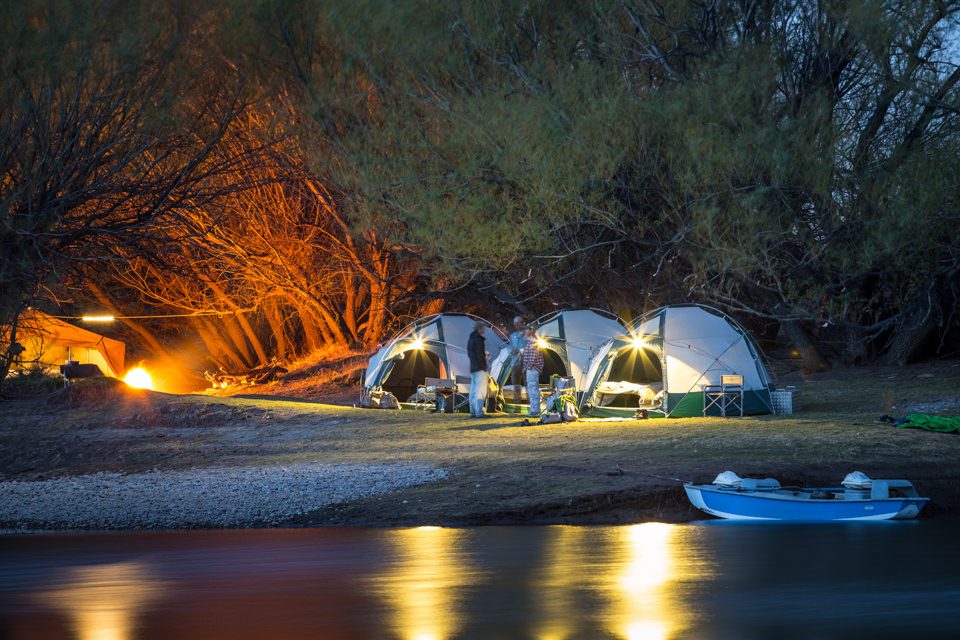
PRG Unplugged runs as a multi-day float on the Limay and Aluminé rivers, with no fixed lodge base. Camp is set up on the riverbank each evening and broken down the following morning, and the week moves continuously downstream. Every section fished is new water — there is no returning to yesterday’s beat, and no driving to the put-in. The river is the only location.
Season & Fishery
The program targets wild brown and rainbow trout through Patagonia’s main season on large, freestone rivers. The Limay in particular runs through terrain that is inaccessible from the road for long stretches, meaning much of the water covered during a float sees very few anglers through the season. Fish in this kind of environment are not educated in the way that heavily guided public water produces.
What Defines the Week
A float trip on a Patagonian river is a structurally different experience from any lodge-based program, and PRG Unplugged is the most honest version of it available through FishingExplora’s inventory. The trade-off is real — no hot shower, no lodge meals, camp comfort rather than lodge comfort — but what anglers get in return is uninterrupted time on the water across sections that most visiting anglers never reach. For the right person, that is not a trade-off at all.
Who this suits:
Fly anglers drawn to multi-day float trips and staying in well-run riverside camps, who value covering water and fishing through remote sections rather than returning to a fixed lodge each day, and who are comfortable with a mobile, river-based week.
PRG South — Southern Patagonia Multi-River Trout Program
Chubut Province, Patagonia, Argentina

Program Structure
PRG South operates as a mobile program based around Trevelin and Esquel in Chubut Province, drawing from a network of rivers, spring creeks, and lakes across multiple nearby watersheds. Days are built around current conditions rather than a fixed rotation, with guides choosing water from a menu that includes freestone rivers, spring creeks, and lake systems within a manageable driving radius.
Season & Fishery
The program targets brown and rainbow trout through Patagonia’s core trout season across a mix of water types. Southern Patagonia sits at a lower elevation than the northern lake district, and the spring creeks and smaller tributaries around Trevelin and Esquel are often at their technical best mid-season when northern rivers are running higher.
What Defines the Week
PRG South operates in a part of Patagonia that receives considerably less fishing traffic than the Junín and San Martín area to the north. The rivers here are well known to local guides but rarely feature in international fishing media, which means pressure is lower and the variety of water types — particularly the spring creeks — offers something that purely river-based northern programs cannot. For anglers who have already done the Chimehuín and want a different angle on Patagonian trout fishing, the south is a credible answer.
Who this suits:
Trout anglers comfortable fishing a range of waters—including freestone rivers, spring creeks, and lakes—who prefer a guided Patagonia program where days are shaped by conditions and time is spent fishing the best available water rather than staying on a single system.
Villa María Lodge — Río Grande Sea Trout Program
Tierra del Fuego, Argentina
Program Structure
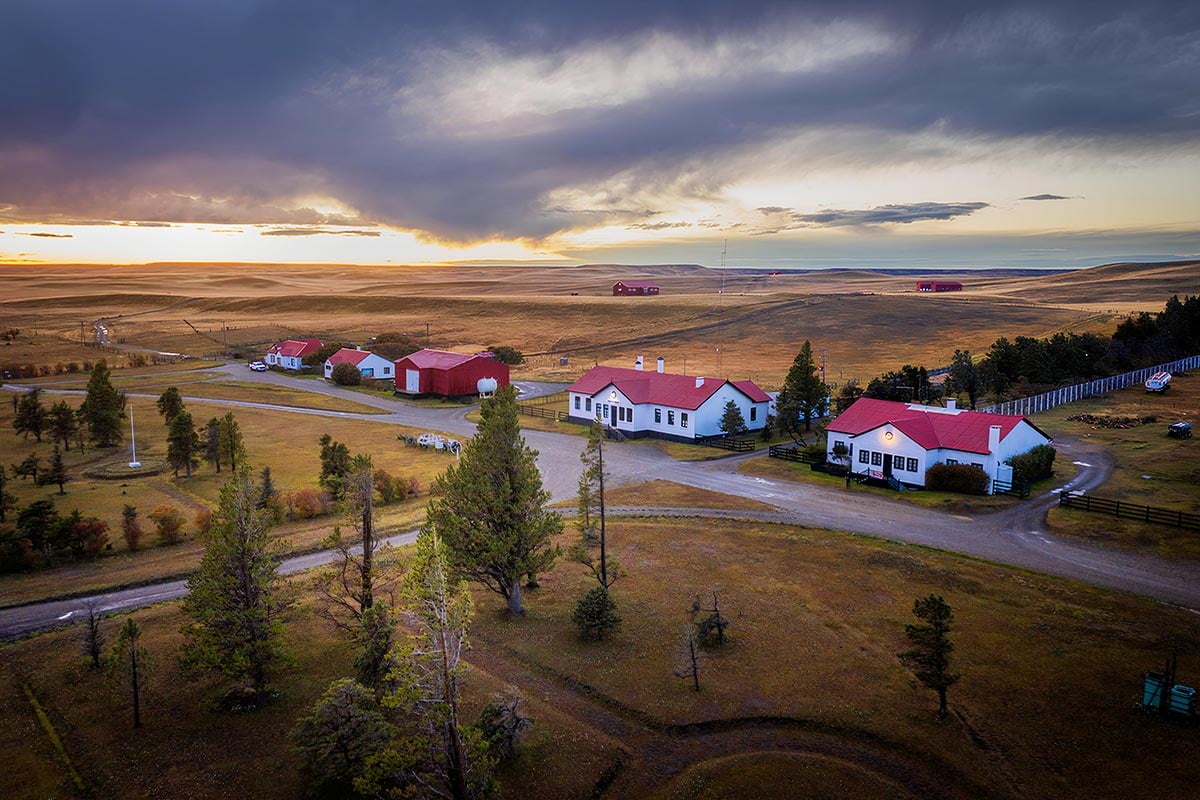
Set on the lower Río Grande, Villa María operates a structured beat rotation across a long stretch of private water on both banks of the river. Anglers fish morning and evening sessions with a guide, rotating through assigned pools on foot. Most beats are reached within short drives from the lodge, and the week builds a working familiarity with the lower river’s character — where fish hold, how they move through a pool, how presentation needs to shift with changing light and wind.
Season & Fishery
The season runs from January through to March and targets large sea-run brown trout as they enter and move through the lower Río Grande from the South Atlantic. Lower-river positioning means the lodge consistently intercepts fresh fish early in their upstream migration — these are fish that have not yet been worked through multiple beats further up the system. Numbers build as the season progresses and runs stack.
What Defines the Week
On the Río Grande, river position determines what kind of fishing the week delivers. Lower-river lodges like Villa María see fish that are often more aggressive and less pressured than those that have moved through several rotations of private water upstream. The trade-off is that the lower river is broader and typically requires longer casting in more exposed conditions — this is not intimate wade fishing. It suits anglers who come prepared for the physical demands of Fuegian sea trout fishing and want the best chance at genuinely fresh-run fish.
Who this suits:
Those traveling to Patagonia specifically for large sea-run brown trout who want a foundational week from a classic lodge base in the heart of Tierra del Fuego, drawn to extensive rotating private beats on the lower river where fresh fish enter from the ocean.
Kau Tapen Lodge — Río Grande Sea Trout Program
Tierra del Fuego, Argentina
Program Structure
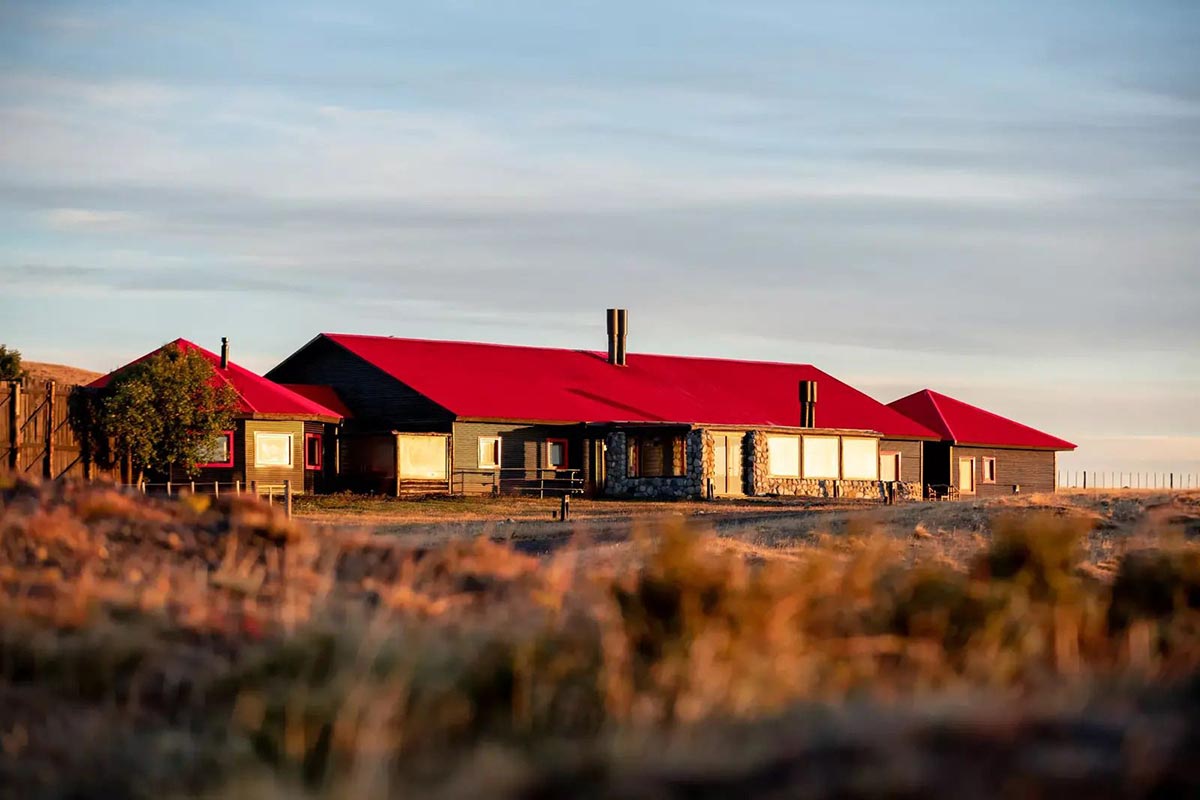
Located on the middle section of the Río Grande, Kau Tapen runs a traditional beat-based program with exclusive access to both banks of the river and the Menéndez tributary. Fishing is entirely wade-based, with two anglers per guide rotating through established pools morning and evening. The beat rotation is carefully managed — pools are rested between sessions, and guides know the holding lies on their allocated water intimately.
Season & Fishery
The season spans the full sea trout run from late December through April. Middle-river positioning gives the program a different character from lower-river lodges: fish here have moved upstream and are holding rather than running, which means more consistent occupancy in known pools but a fishing style oriented toward patience and precise presentation rather than intercepting fresh arrivals.
What Defines the Week
Kau Tapen is one of the most established operations on the Río Grande, with a management history and beat structure that has been refined over decades. The Menéndez tributary adds a second fishery to the week — a smaller, more intimate piece of water that fishes differently to the main stem and gives guides a genuine alternative when the Río Grande is running off-color or under wind. Few lodges on the river can offer that kind of backup within the same program.
Who this suits:
Fly anglers heading to Tierra del Fuego for large sea-run brown trout who prioritize high-end lodge accommodation, extensive private water access, and a structured week built around classic beat rotation on the middle Río Grande.
Estancia Laguna Verde — Jurassic Lake Trout Program
Santa Cruz Province, Patagonia, Argentina
Program Structure
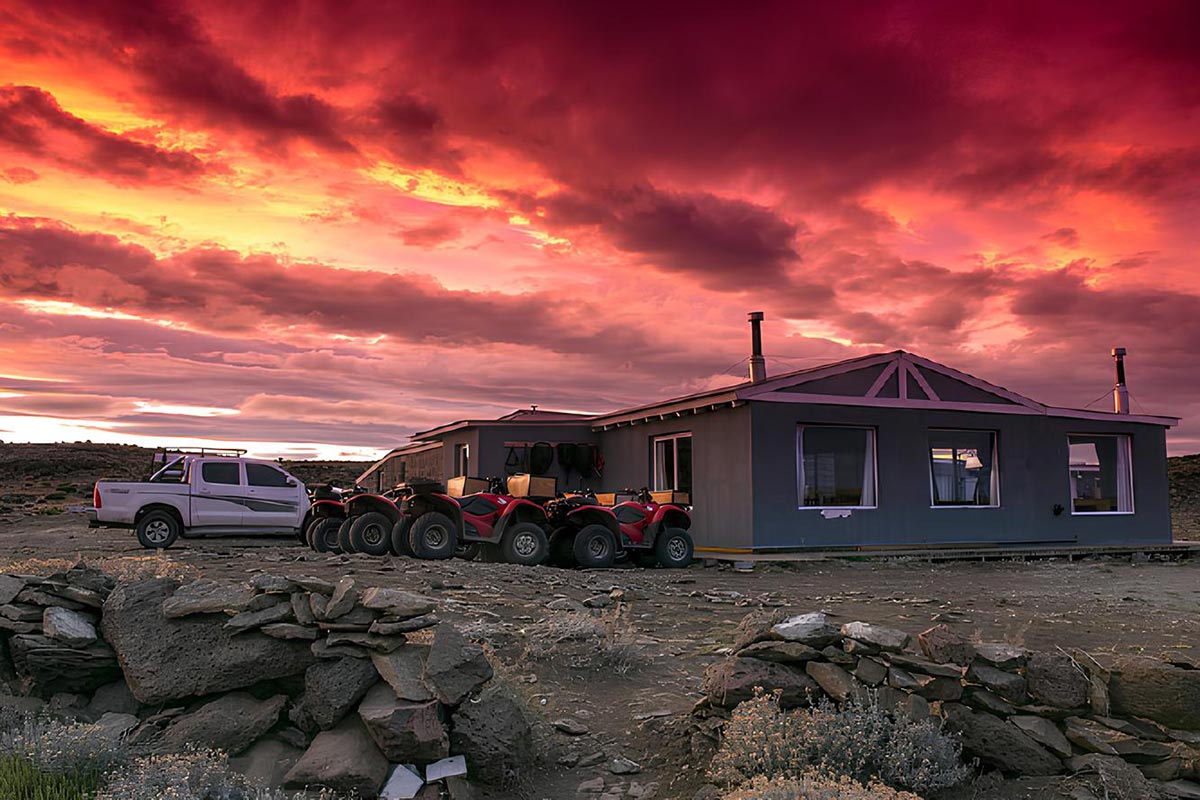
Based on a large private estancia on the Strobel Plateau, the program fishes Jurassic Lake alongside the Barrancoso River and a network of smaller surrounding lagoons and waters. Fishing is done on foot or by short vehicle transfer between different lake sections and river beats, with daily plans shaped around where fish are concentrated and how wind is affecting the shoreline.
Season & Fishery
The season runs from early spring through autumn (mid October through to the end of April), targeting large resident rainbow trout. Jurassic Lake is the core fishery at Estancia Laguna Verde, with the Barrancoso River, Moro Creek and surrounding lagoons acting as secondary systems used to adapt to conditions and add variety through the week. This variety gives guides a genuine reason to move rather than simply working the same shoreline each day.
What Defines the Week
The presence of the Barrancoso River and surrounding waters within the same property changes the nature of a week at Laguna Verde relative to programs that commit entirely to the lake. When wind locks down lake fishing — as it sometimes does on the exposed plateau — there is an alternative rather than a lost day. Anglers who want access to Jurassic Lake’s trophy trout population but prefer some variety in water type will find this program more adaptable than a purely stillwater operation.
Who this suits:
Fly anglers planning a remote lodge-based week in Patagonia who prioritize large resident trout, are comfortable covering water on foot, and prefer a varied itinerary across independent lakes and rivers rather than focusing on a single system.
Lago Strobel Lodge — Jurassic Lake Trophy Trout Program
Santa Cruz Province, Patagonia, Argentina

Program Structure
Lago Strobel Lodge is primarily focused on Jurassic Lake, with access to a long stretch of private shoreline. Fishing is done on foot, working bays, points, and wind-protected margins, with additional sessions on the Barrancoso River as conditions allow. The day is shaped by reading the lake — wind direction and strength determine which sections are most productive and how presentations are adjusted.
Season & Fishery
The program runs from mid-October through mid-April, targeting large resident rainbow trout. Jurassic Lake is the core fishery, with its reputation for trophy-sized fish well established, and size is the defining draw. The fishing demands patience and physical effort, with anglers covering significant ground across exposed plateau terrain, and conditions that can shift quickly within a single day.
What Defines the Week
Lago Strobel Lodge commits to the lake more fully than any other program on the plateau, and that focus produces a fishing experience with a different intensity to multi-water programs. When Jurassic Lake is in form — calm enough to present accurately, fish feeding along the margins — it is unlike anything else in Patagonia. The program is built for anglers who understand that and are willing to accept the plateau’s conditions in exchange for the chance at a rainbow trout of genuine consequence. It is not a program that suits everyone, and it does not try to be.
Who this suits:
Independent fly anglers drawn to a full week on an iconic Patagonian stillwater who prioritize exceptionally large resident rainbow trout, are comfortable walking and covering water on foot, and prefer immersion in a single lake system over rotating across multiple fisheries.
Choosing the Right Patagonia Argentina Fishing Lodge
The first choice in Patagonia Argentina is not which lodge — it is which region. Northern Patagonia, Tierra del Fuego, and the Strobel Plateau each require a separate trip, and no single itinerary covers all three well.
If trout on Andean rivers is the answer, the northern programs split between fixed-base and mobile operations. Fixed-base suits anglers who want consistency and comfort as the base from which to fish; mobile suits those who want the breadth of the region covered in a single week.
If sea-run brown trout is the target, the Río Grande programs differ most meaningfully by river position — lower beats for fresh-run fish, middle beats for more stable conditions and a longer season.
If trophy stillwater is the draw, the Strobel Plateau programs differ in how fully they commit to the lake versus offering surrounding water as an alternative.
The three “If” questions mentioned above are the right starting point. Everything else follows from the answer.
About This Guide: FishingExplora’s editorial guides are written by our in-house team, drawing on direct lodge input, guide experience, published field reports, and independent research to help anglers make informed decisions about premium fishing destinations.