
Fishing in Northern Patagonia’s Lake District
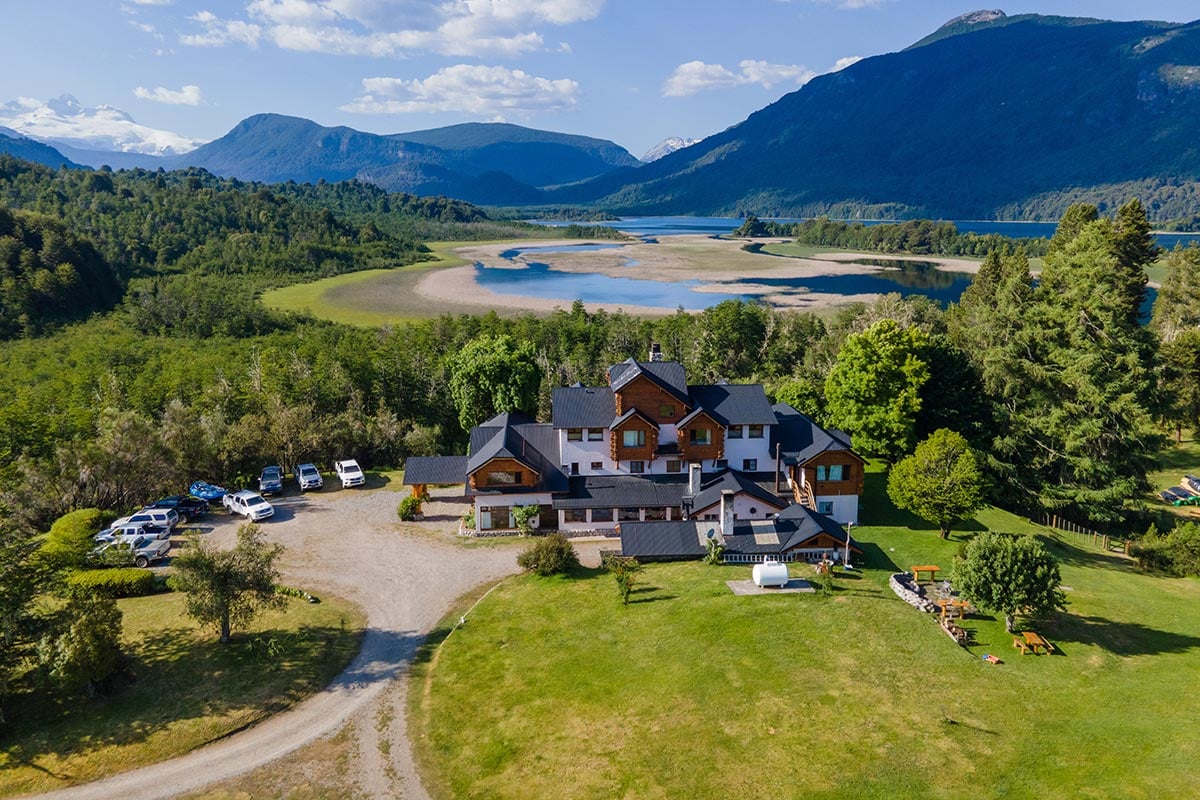
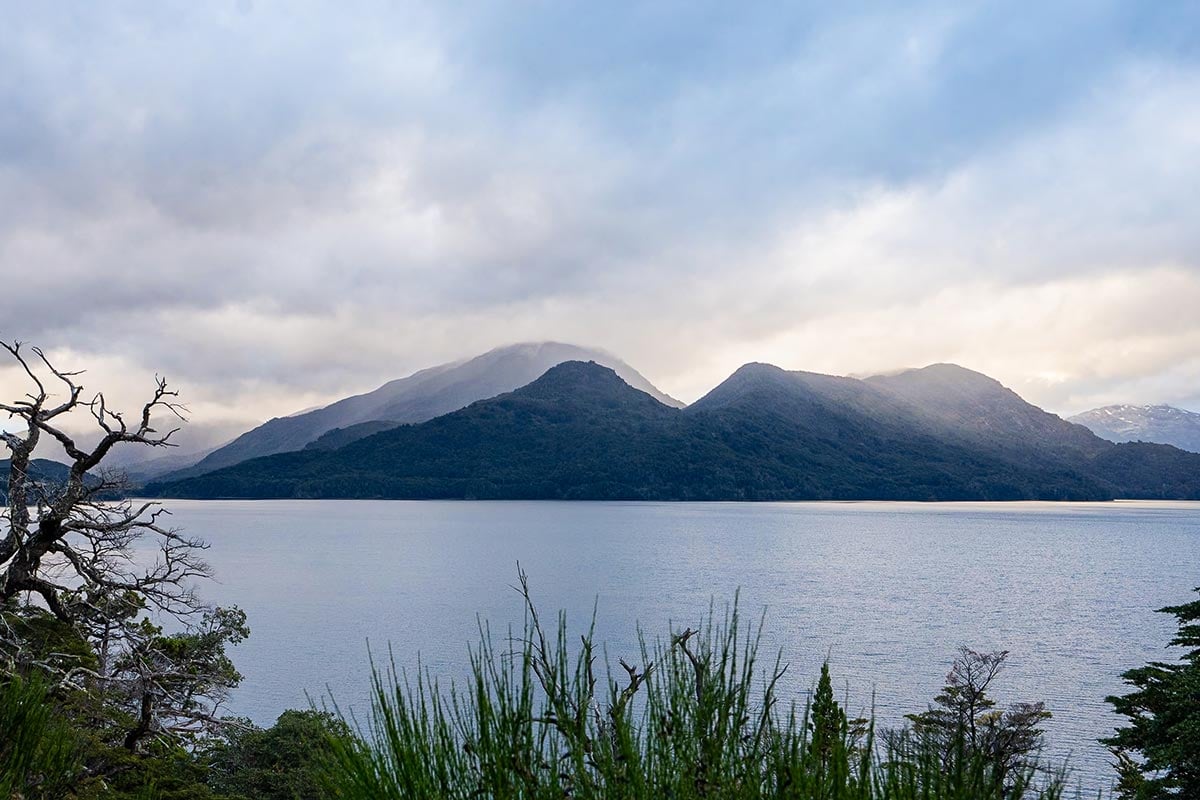
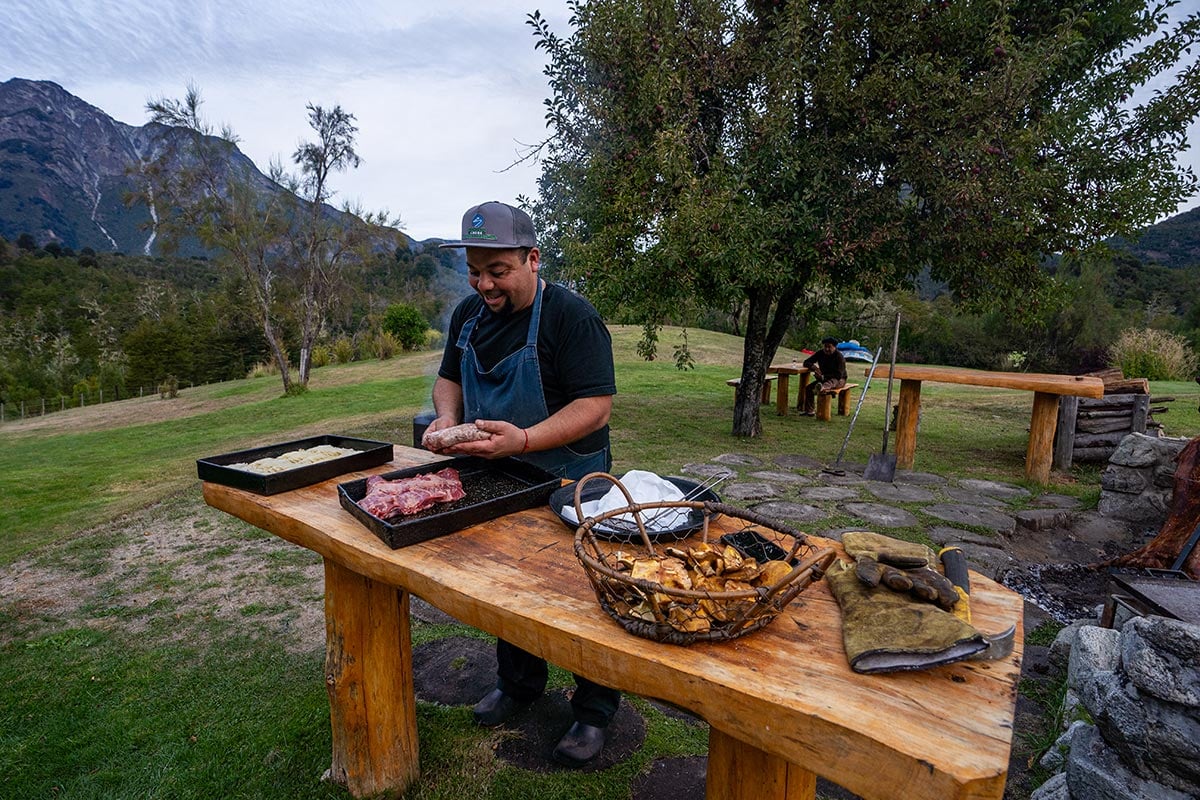
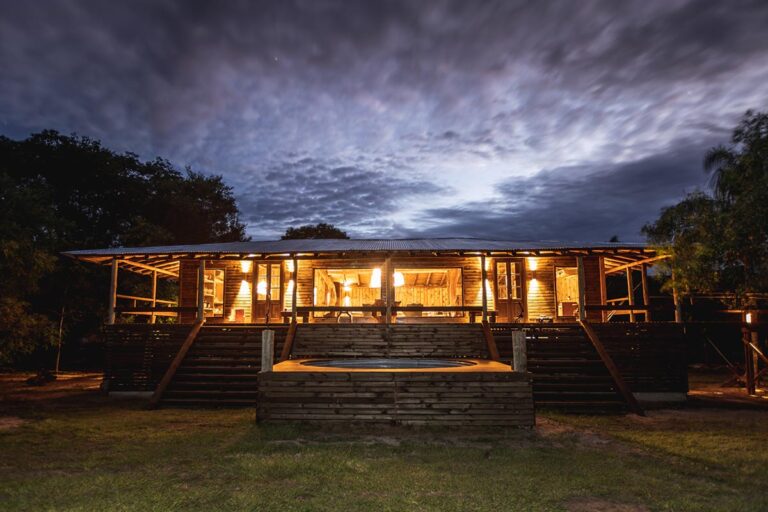
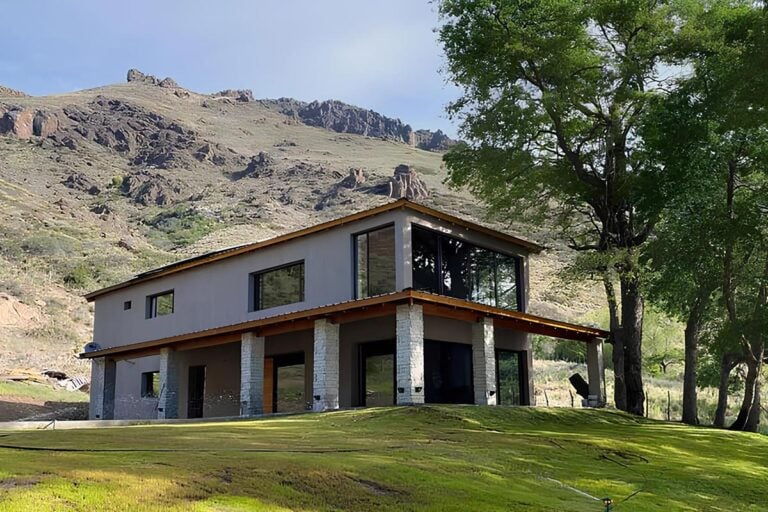
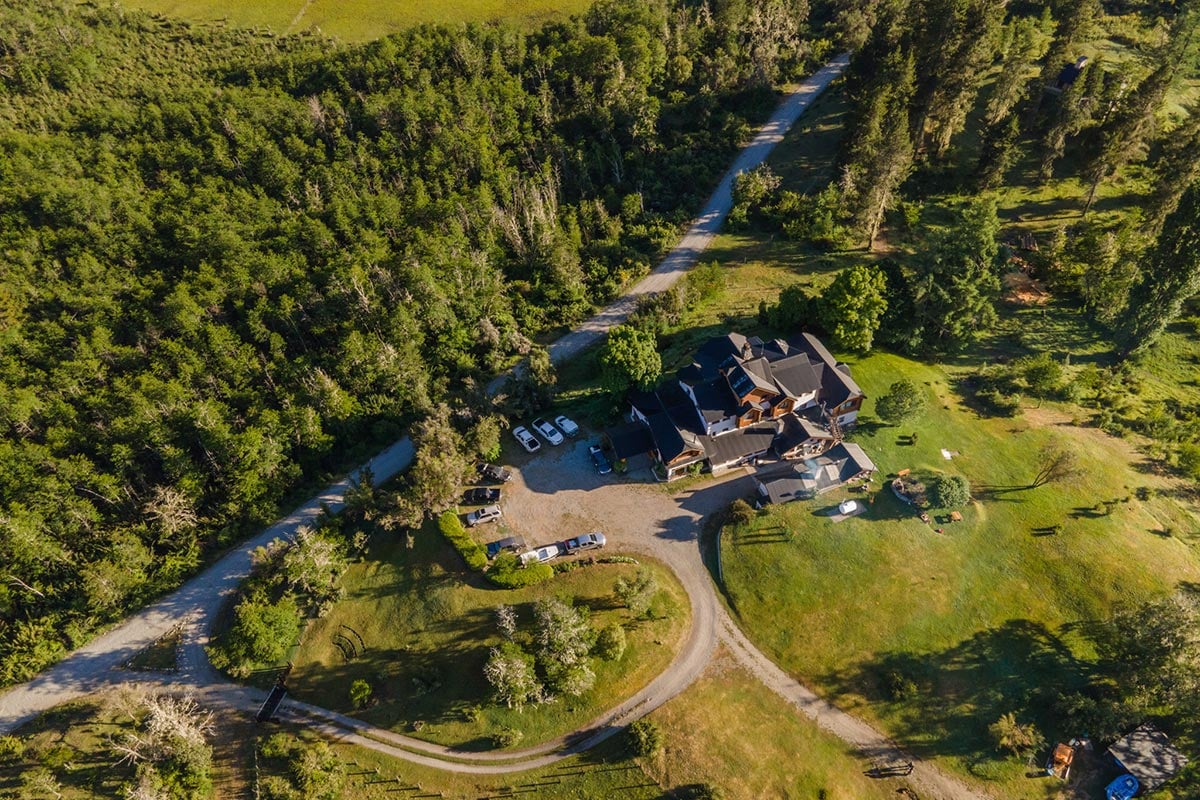
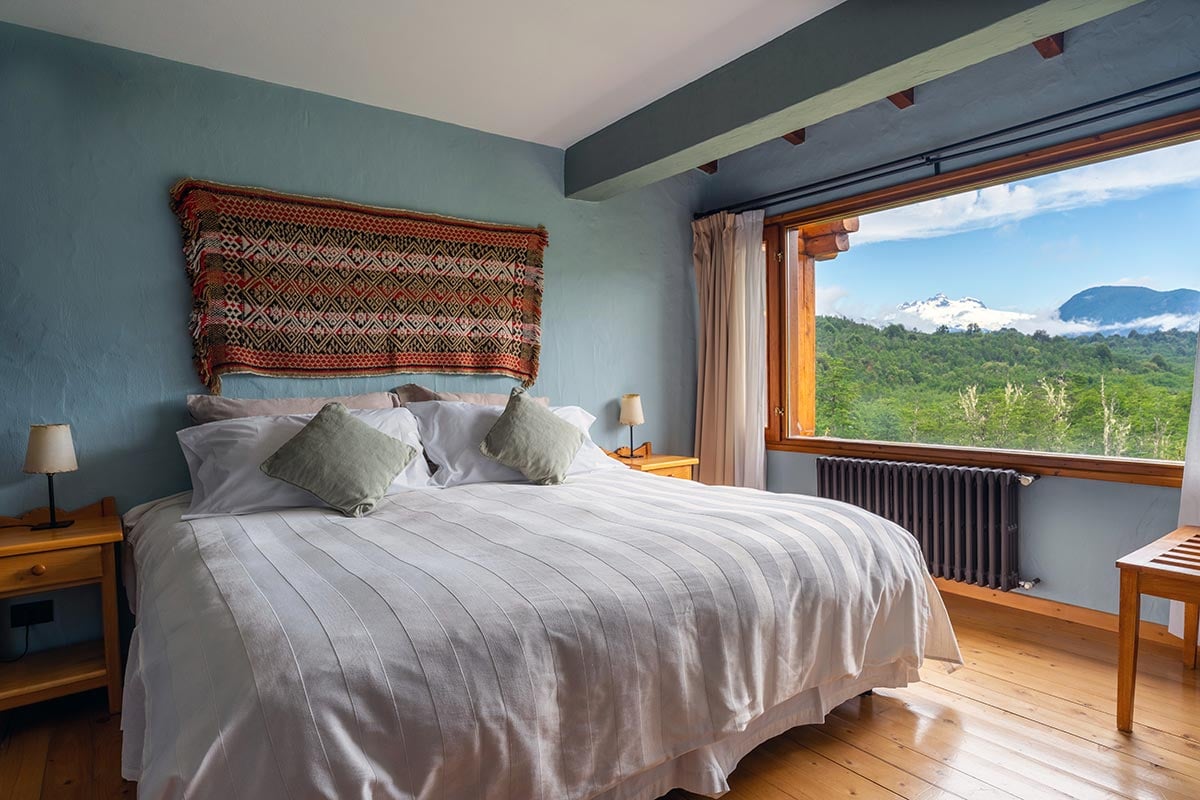
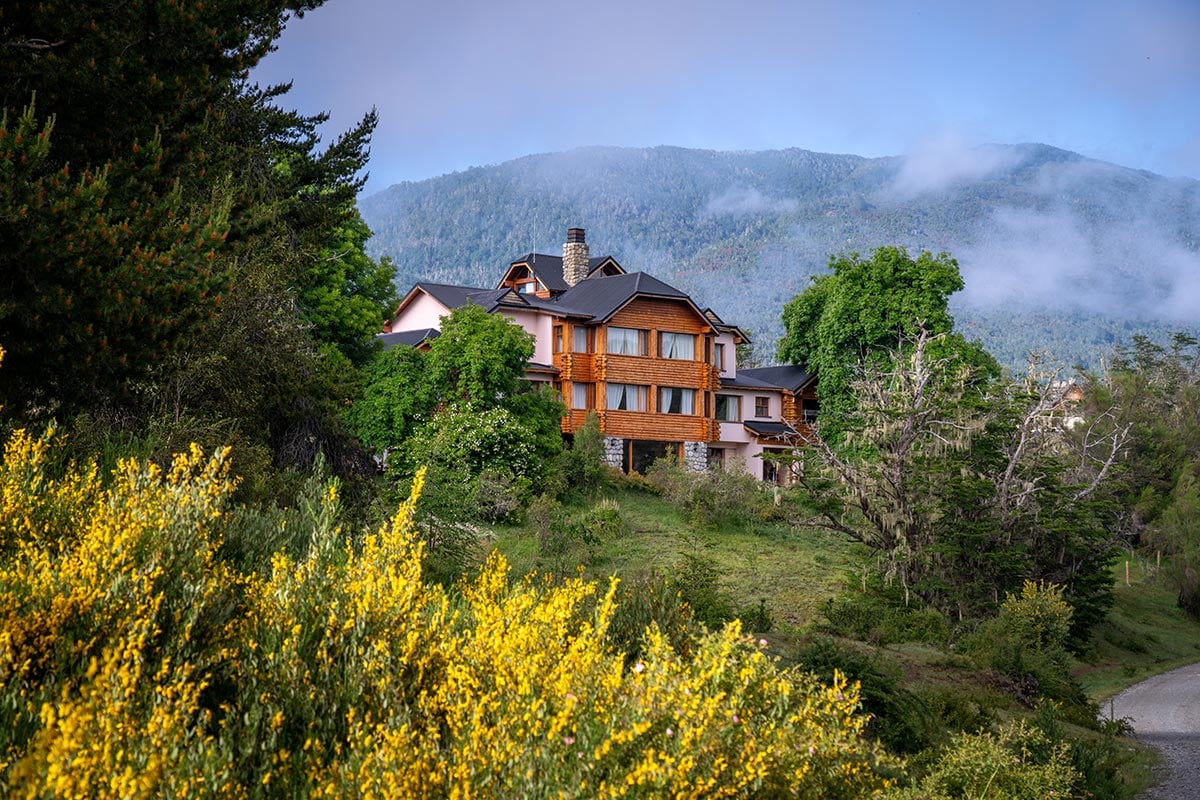
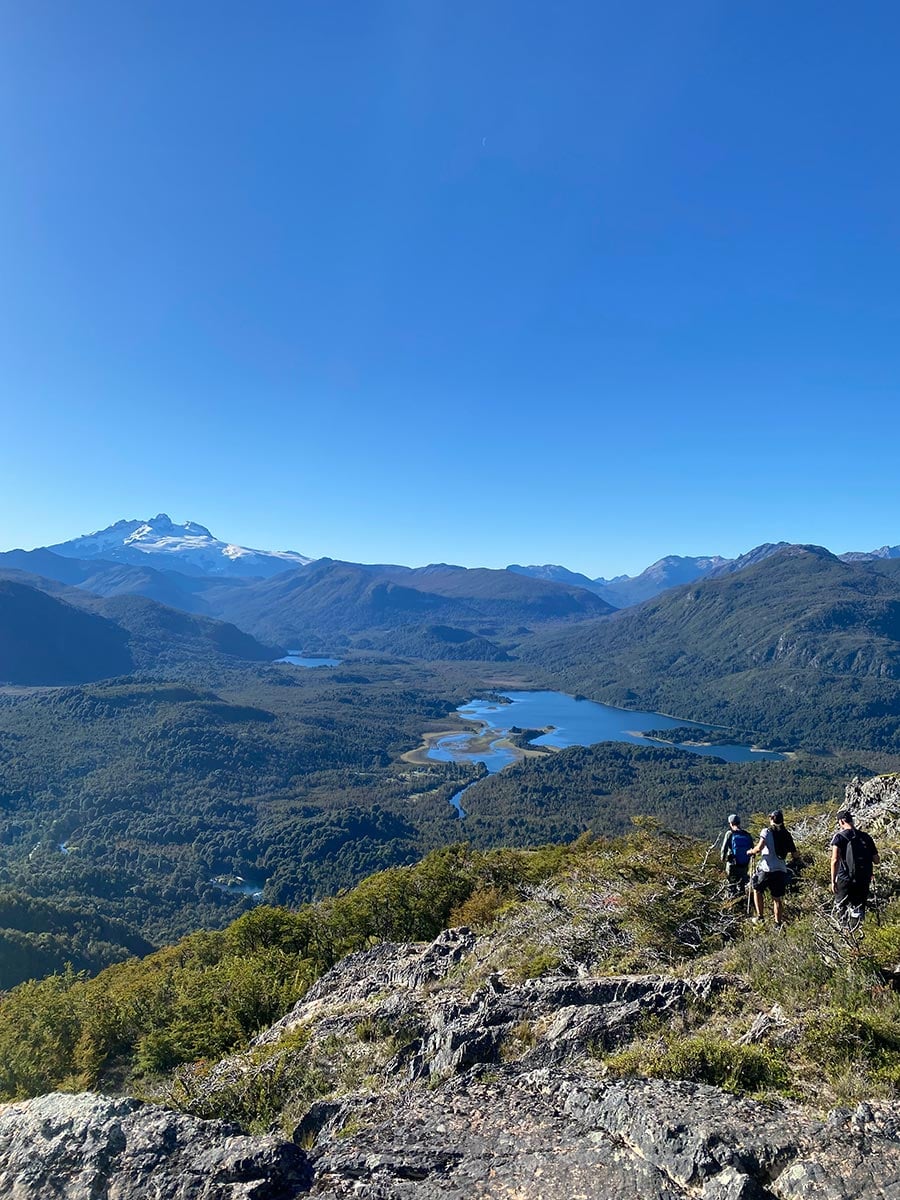
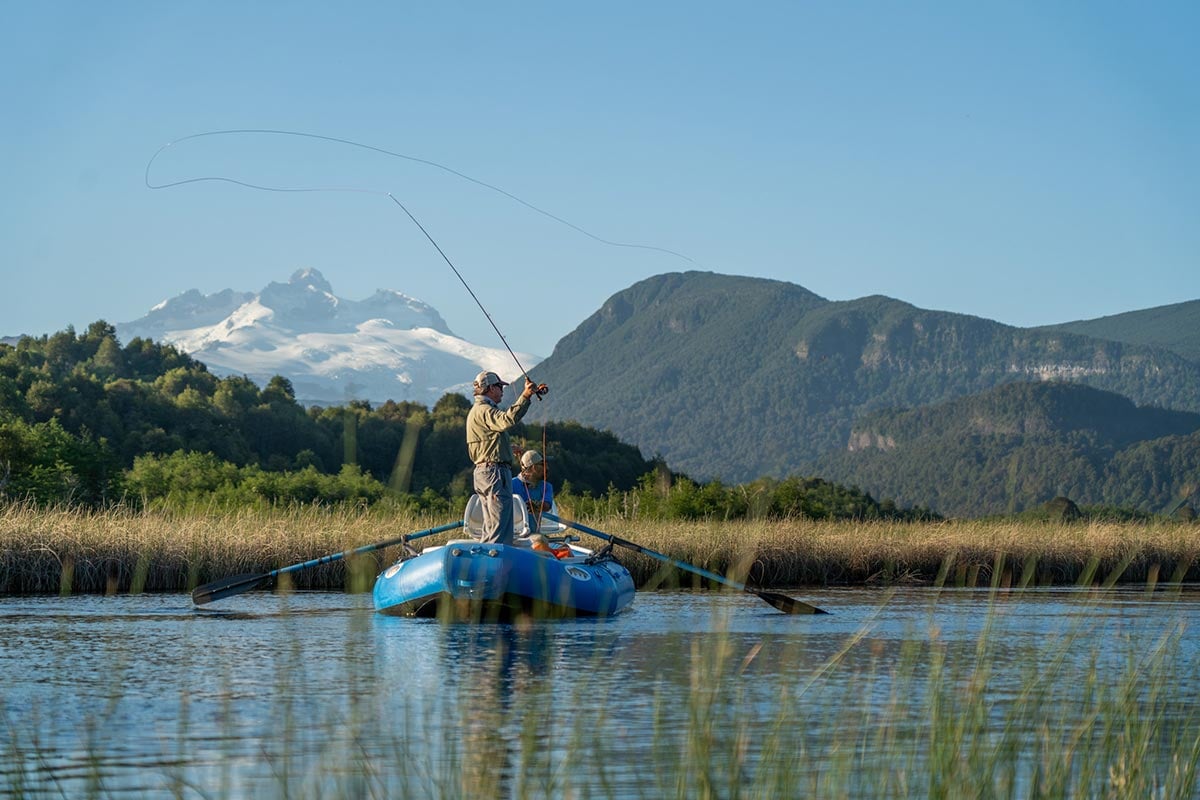
Set against the snowcapped peaks of Monte Tronador, Rio Manso Lodge sits in one of Patagonia’s most scenic and secluded corners, where dense forests, glacial lakes, and narrow river valleys run west toward the Chilean border. This protected part of northern Patagonia is defined by low angling pressure, clean water, and a largely undeveloped landscape.
Most systems lie within 20 to 30 minutes of the lodge, allowing full fishing days without long transfers. Whether fishing from a skiff or wading remote creeks, the days follow a steady rhythm shaped by season, water type, and a highly experienced local guide team.
Waters of Nahuel Huapi National Park
Unlike most rivers in the region, the Rio Manso flows west of the continental divide, draining toward the Pacific rather than the Atlantic. This geography creates a distinct drainage fed by a chain of glacial lakes and tributaries that wind through the Andean foothills.
From its headwaters beneath Monte Tronador, the system flows through Lago Mascardi, Lago Los Moscos, Lago Hess, and eventually into the Rio Manso gorge. These waters lie within Nahuel Huapi National Park, a protected zone where development is restricted and daily angling pressure remains low.
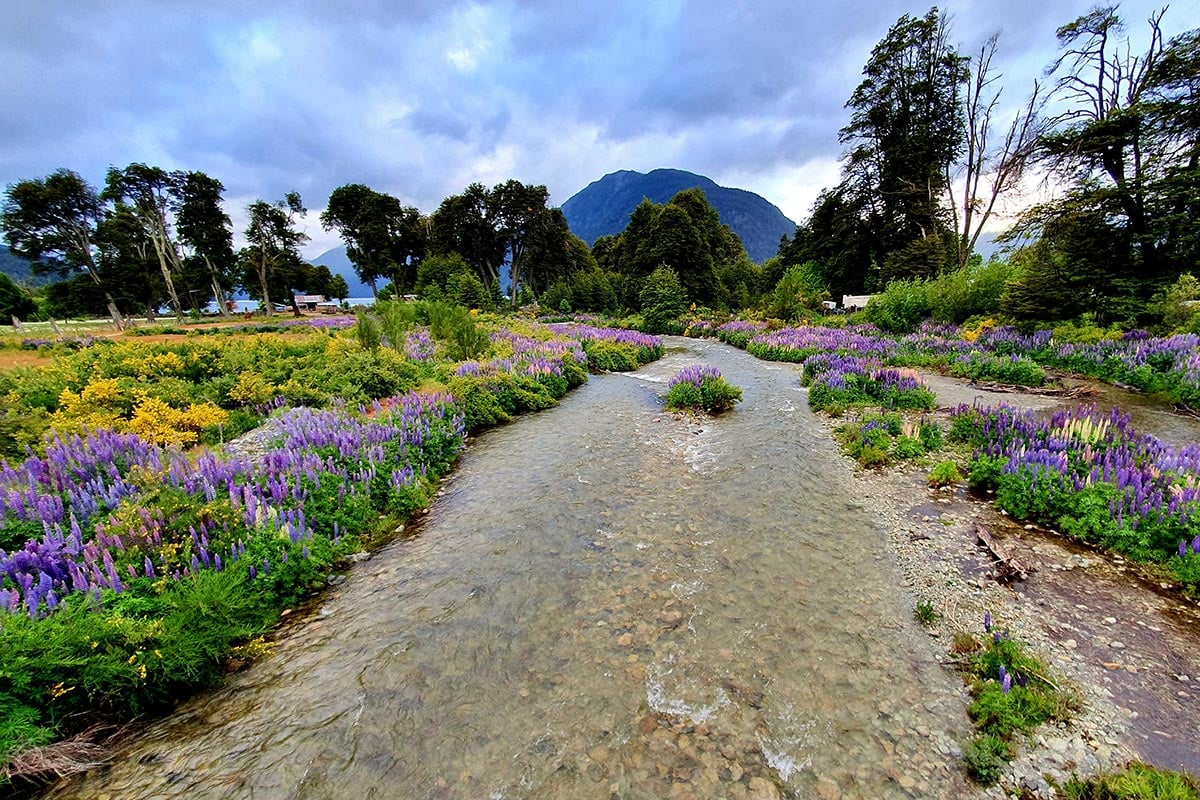
The surrounding landscape is shaped by lenga and coihue forest, volcanic slopes, and open clearings where spring creeks spill into broader valley floors. For anglers, the system offers consistent visibility, varied habitats, and enough contrast in depth and structure to support healthy populations of wild trout across both stillwater and moving water.
Glacial Lakes and Short Outlet Rivers
Most fishing at Rio Manso Lodge takes place within a compact watershed of glacial lakes and their connecting outlet streams, just upstream of the Rio Manso gorge. Lago Hess, Lago Fonck, and Lago Roca are the primary systems fished, each responding differently to light, wind, and seasonal conditions. All are accessed within 20 to 25 minutes of the lodge, allowing relaxed starts and unhurried days on the water.
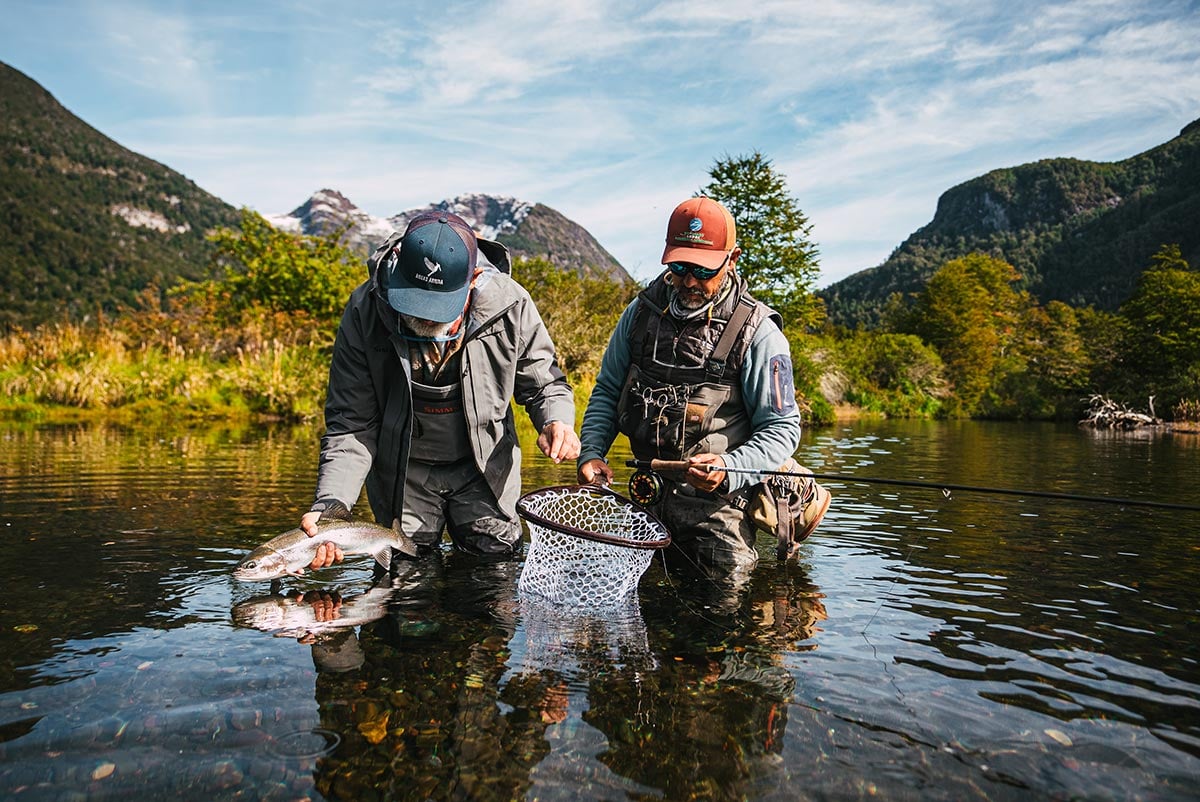
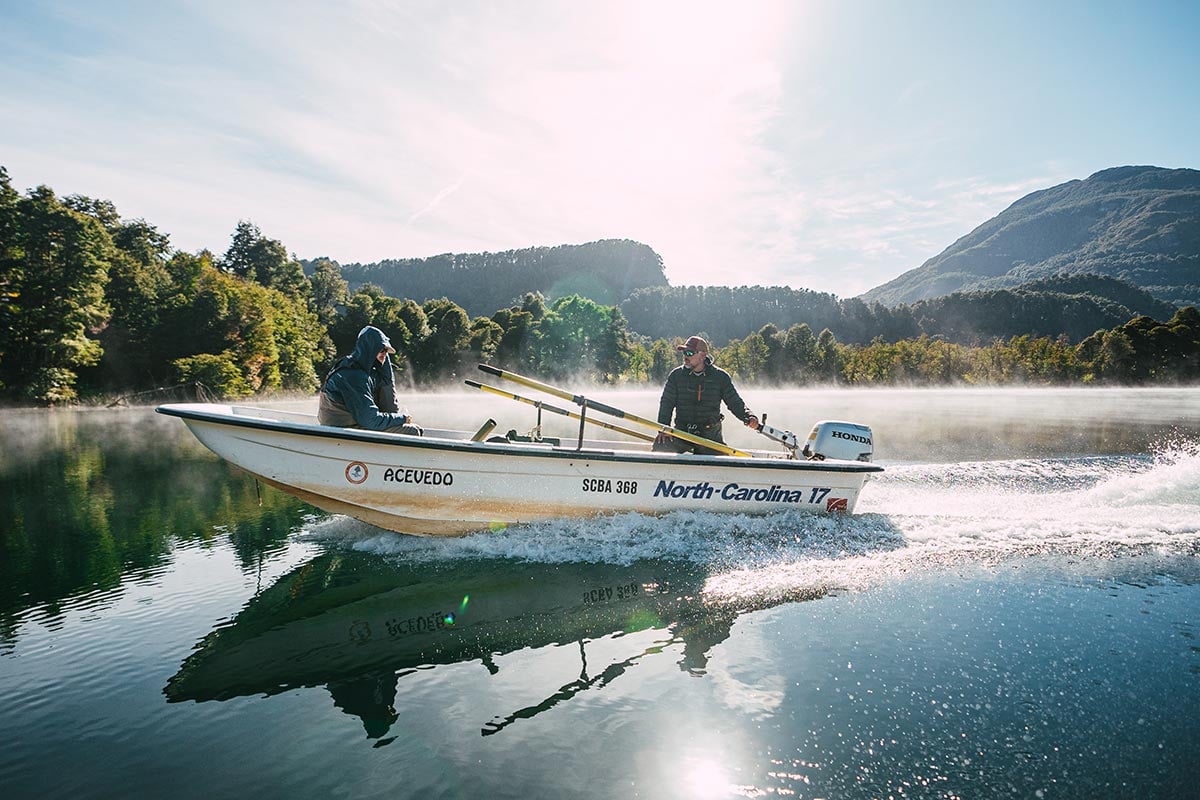
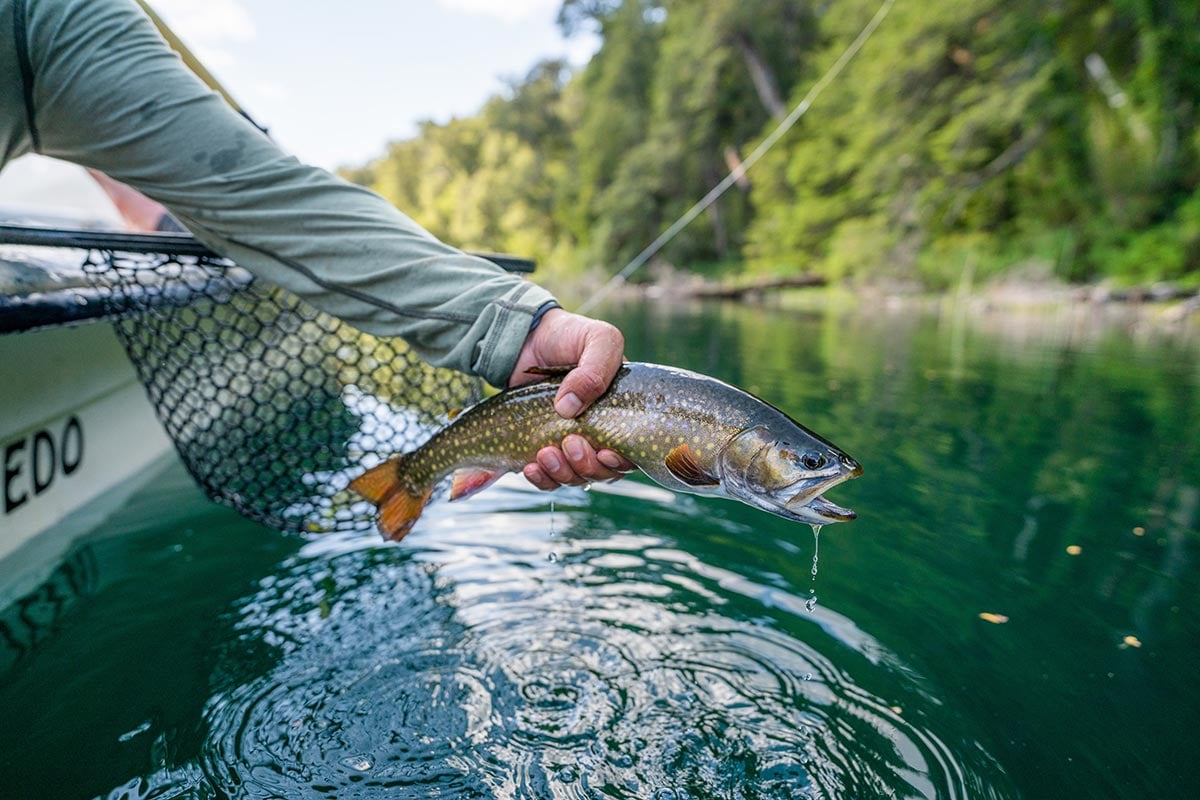
Fishing is typically done from Carolina skiffs, enabling anglers to move efficiently before stepping out to wade productive areas. Creek mouths, sheltered bays, and submerged edges near weedbeds hold fish throughout the season, particularly during periods of increased insect activity or shifting temperatures. The lakes, fed by cold Andean runoff and framed by forested shorelines, remain well oxygenated and often offer enough visibility for sight fishing when conditions align.
A standout feature of the program is the Channels section—a convergence of multiple inflows where cool creeks feed into one of the lake arms. With stable temperatures and a mix of currents, this area often produces steady surface activity and consistent opportunities across much of the season.
Seasonal Fishing Across Lakes and Creeks
The season at Rio Manso runs from early November through the end of April, with noticeable changes in water levels, temperatures, and trout favoring as the months progress. In spring (November through early December), snowmelt brings higher flows and cooler lake temperatures, favouring streamer fishing along banks and deeper drop-offs.
By late December and January, water levels stabilize and insect activity increases across the system. Mayfly and caddis hatches bring more reliable dry fly opportunities, particularly along weedlines, backwaters, and outlet creeks. On calmer days, anglers can spot cruising fish along lake margins, mixing skiff-based fishing with wading smaller creeks and inflow zones.
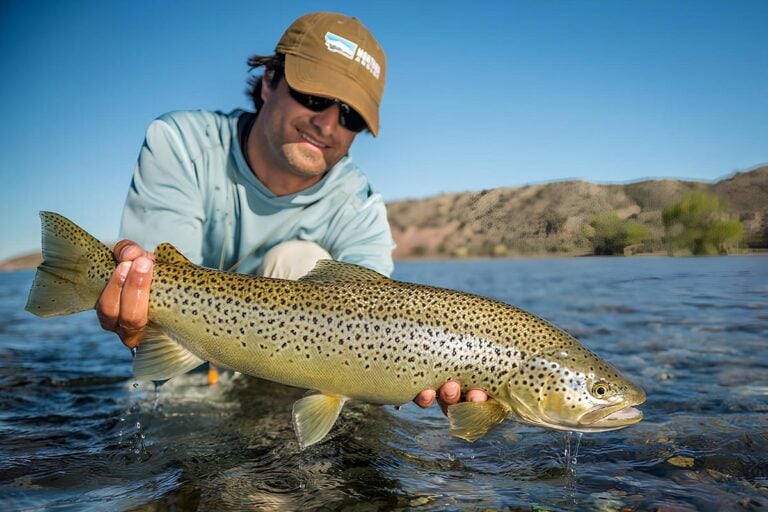
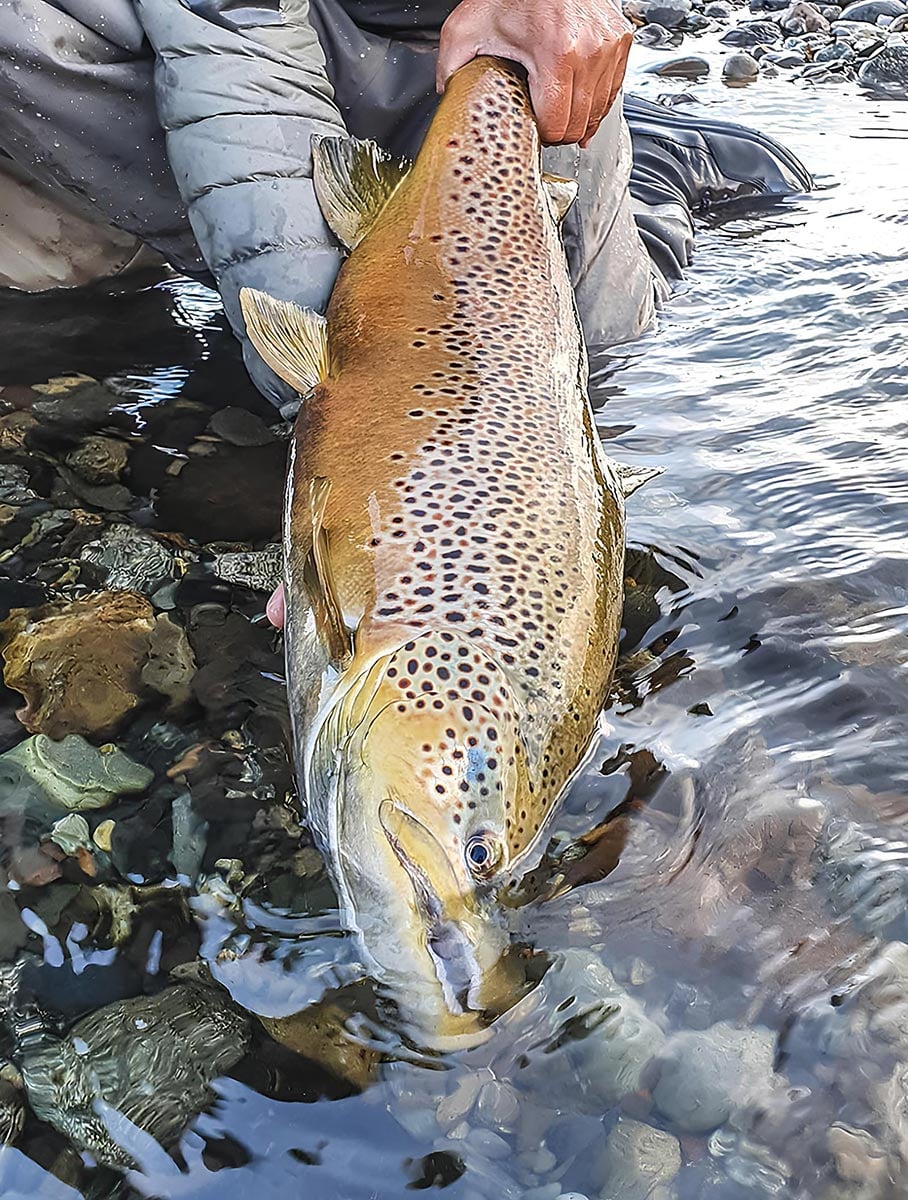
Autumn (March–April) brings cooler temperatures and renewed movement from brown trout, many of which begin to push into river sections. Lakes remain productive with larger dries and smaller streamers, while creeks and channels become increasingly important as transitional holding water.
Throughout the season, guides adjust locations and daily plans based on weather, water conditions, and angler preference, maintaining a flexible and unpressured approach.
Dragonfly Hatch and Surface Fishing Windows
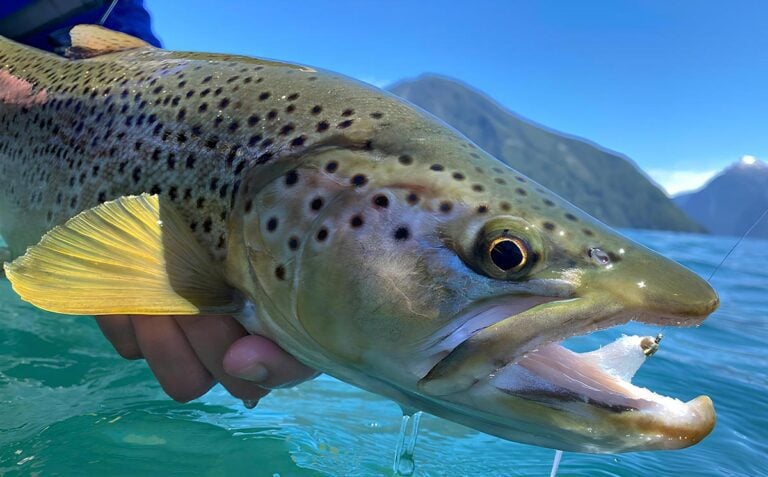
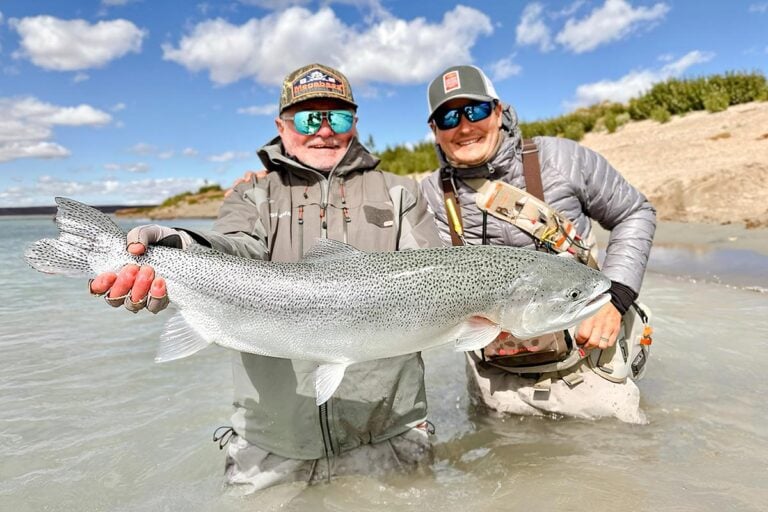
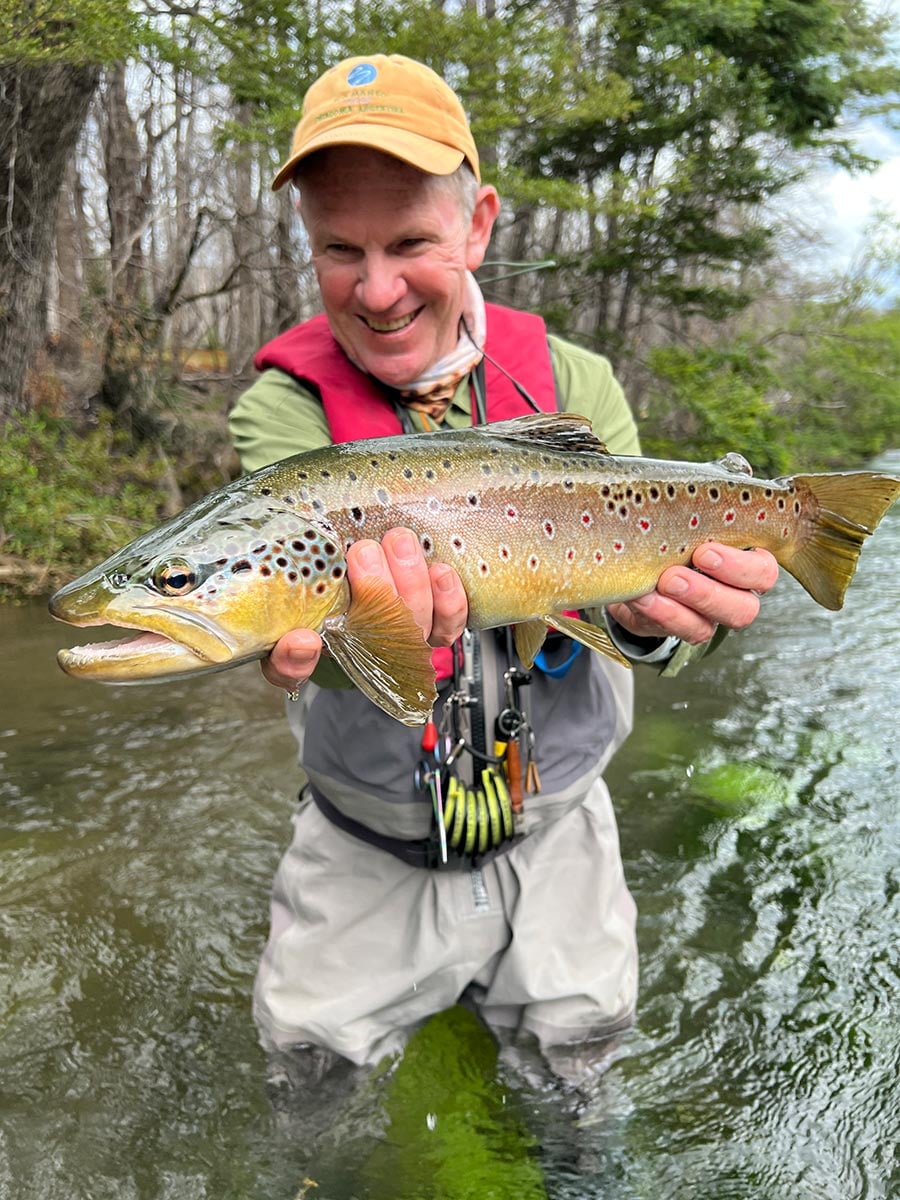
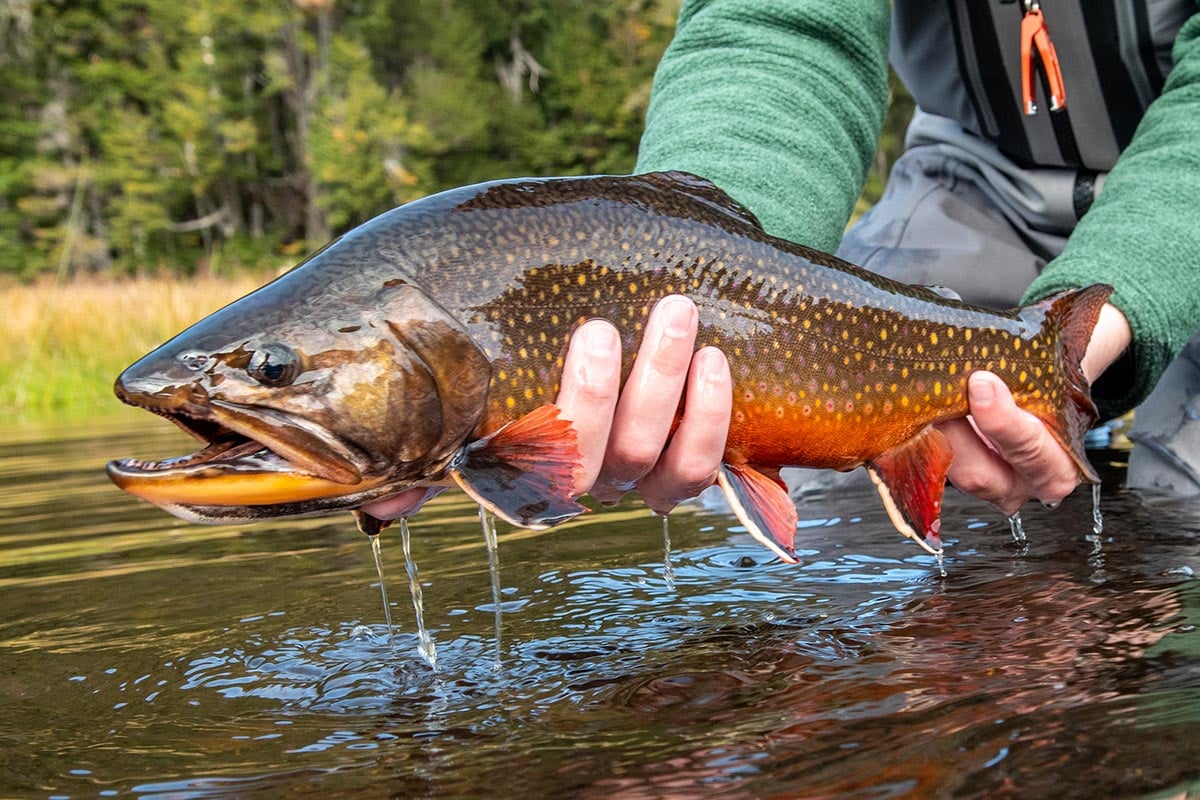
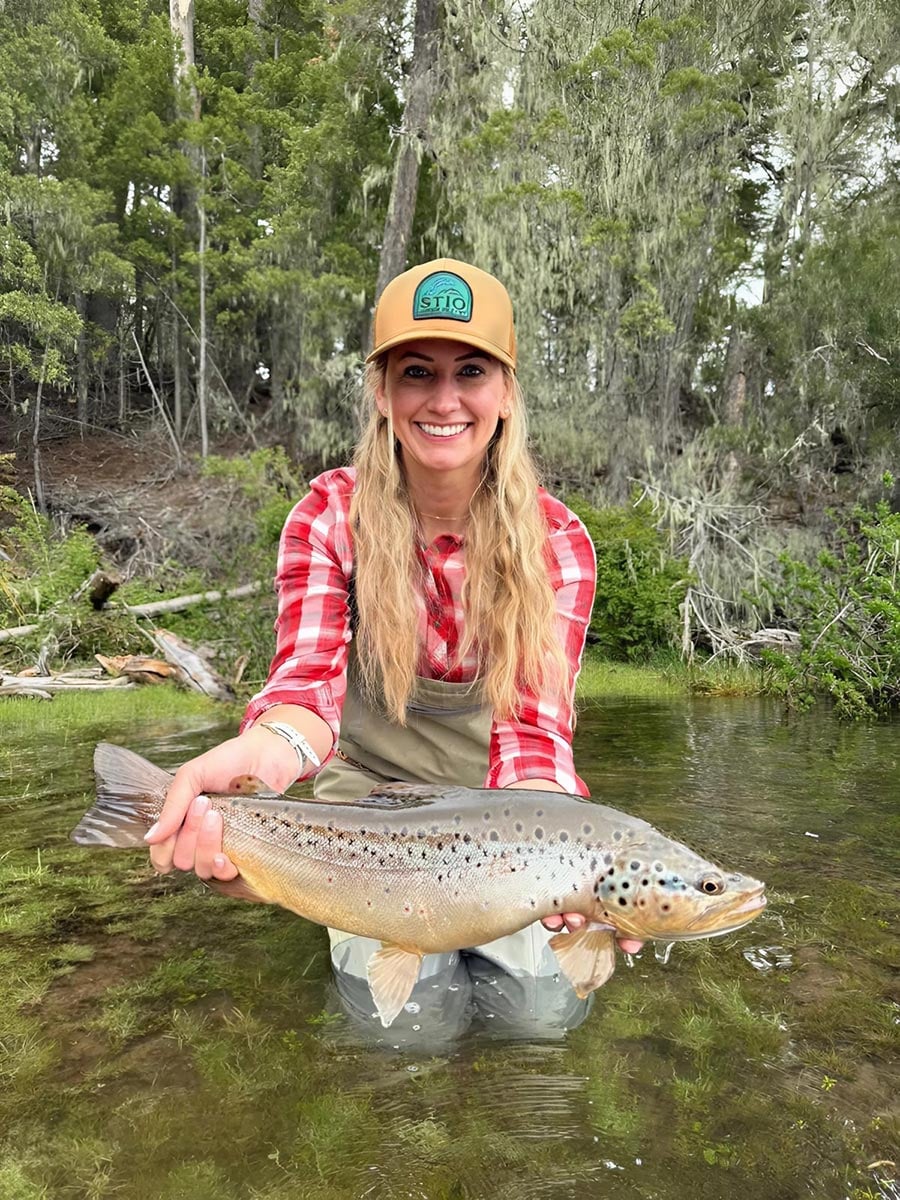
From late November through early January, a strong dragonfly hatch takes place across the lakes and channels near Rio Manso Lodge, turning calm margins and reed-lined edges into prime surface water. Large brown and rainbow trout patrol these areas, feeding aggressively during stable conditions.
Sight fishing plays a central role during this window. On clear, still days, anglers can track cruising fish and time presentations to movement and angle rather than distance. While the hatch is most pronounced on the lakes, fish also respond in connected creeks and channel inflows, making this one of the most visually engaging periods of the season.
River Camps, Float Trips, and Weekly Flow
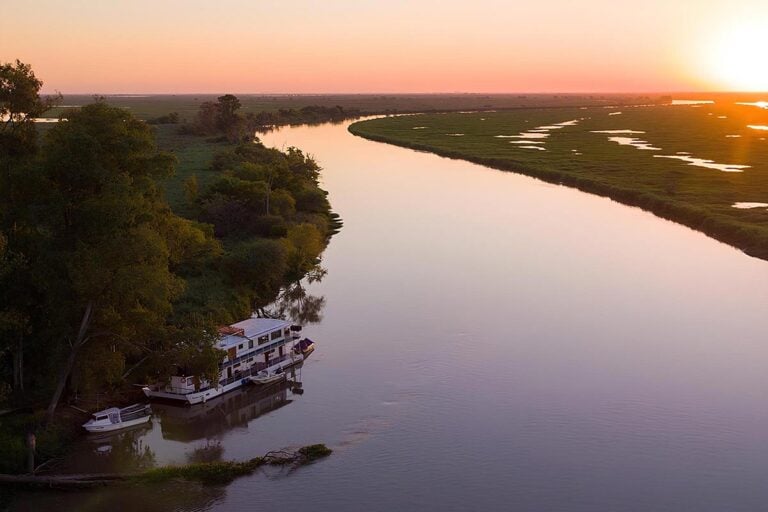
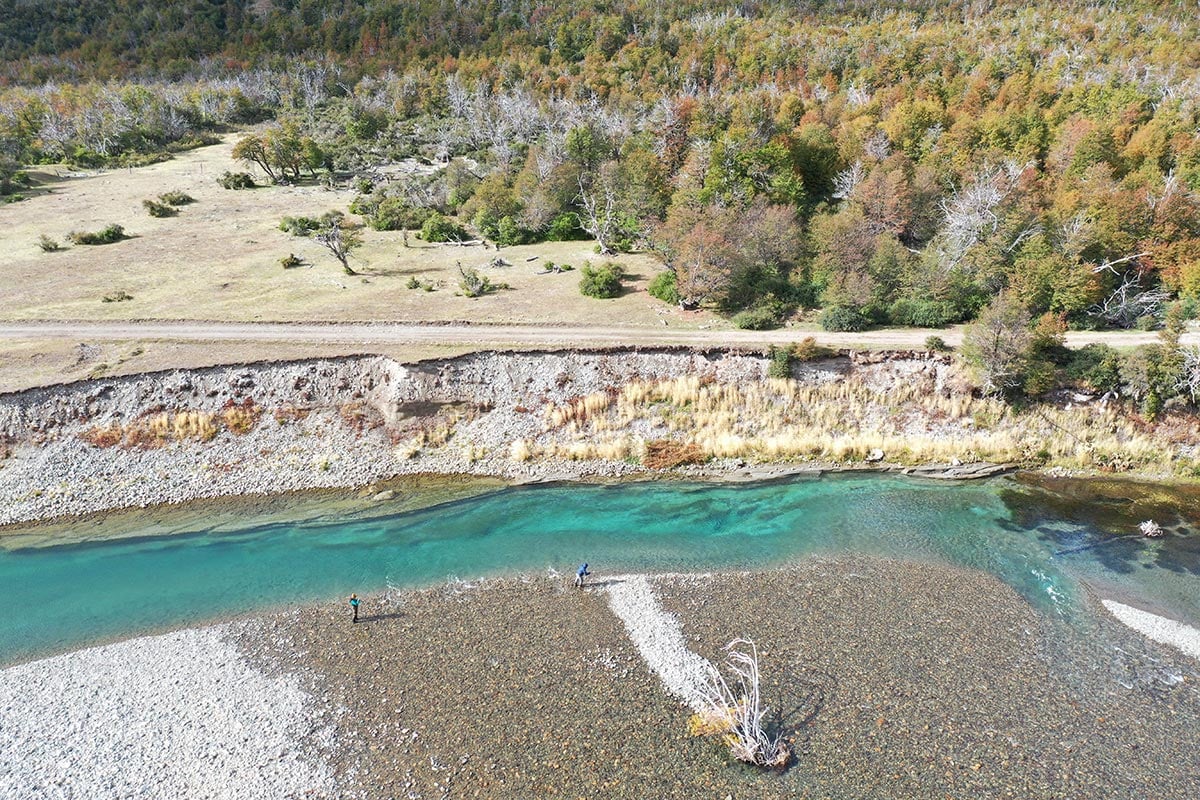
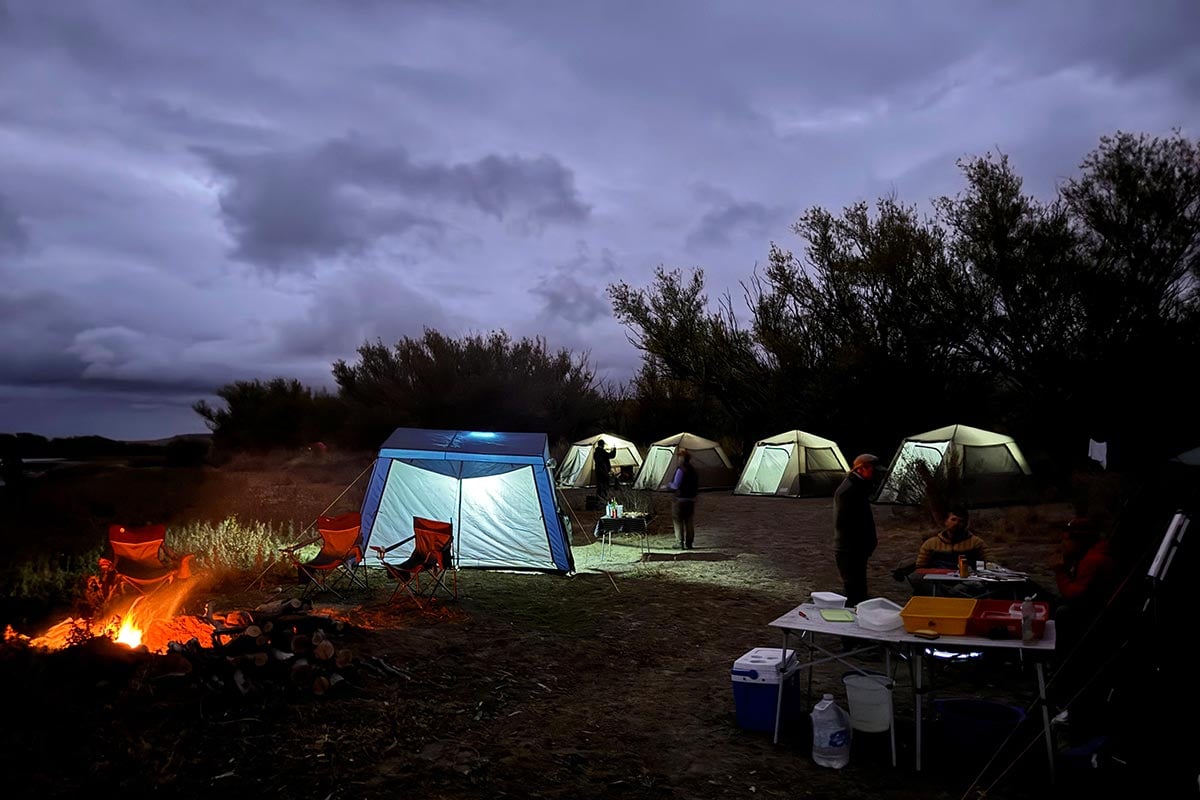
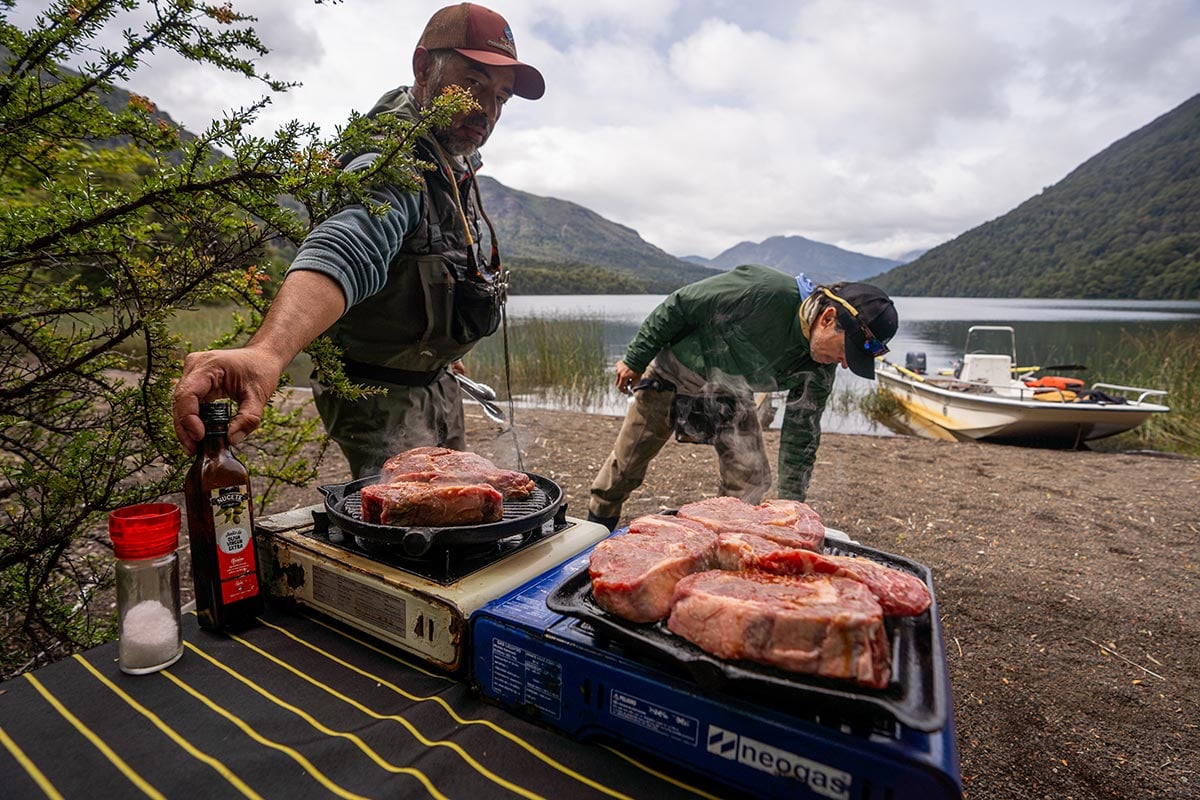
In addition to the core lake and creek program near the lodge, Rio Manso offers optional multi-day river camps for anglers seeking deeper wilderness access. These guided trips explore remote stretches of the upper Manso system, combining long fishing days with nights in comfortable tent camps near the water. The pace is slower and more immersive, with limited pressure and extended time on a single piece of water.
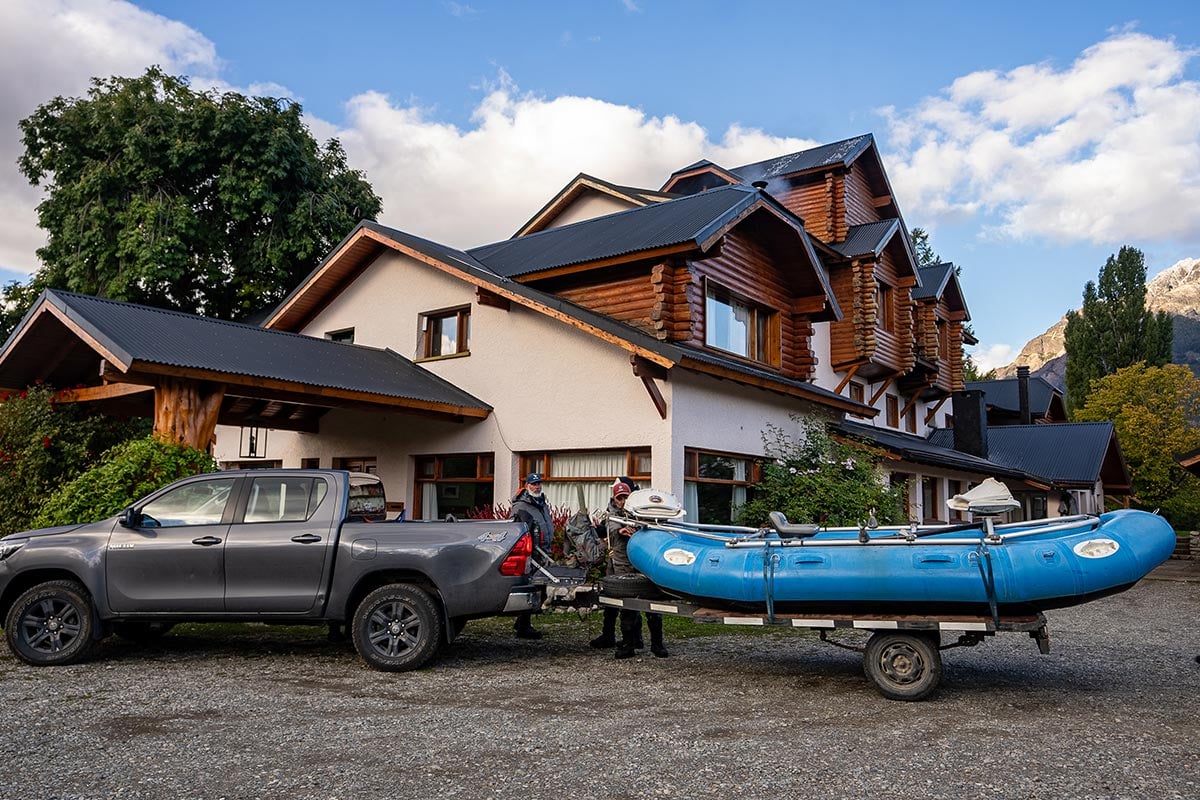
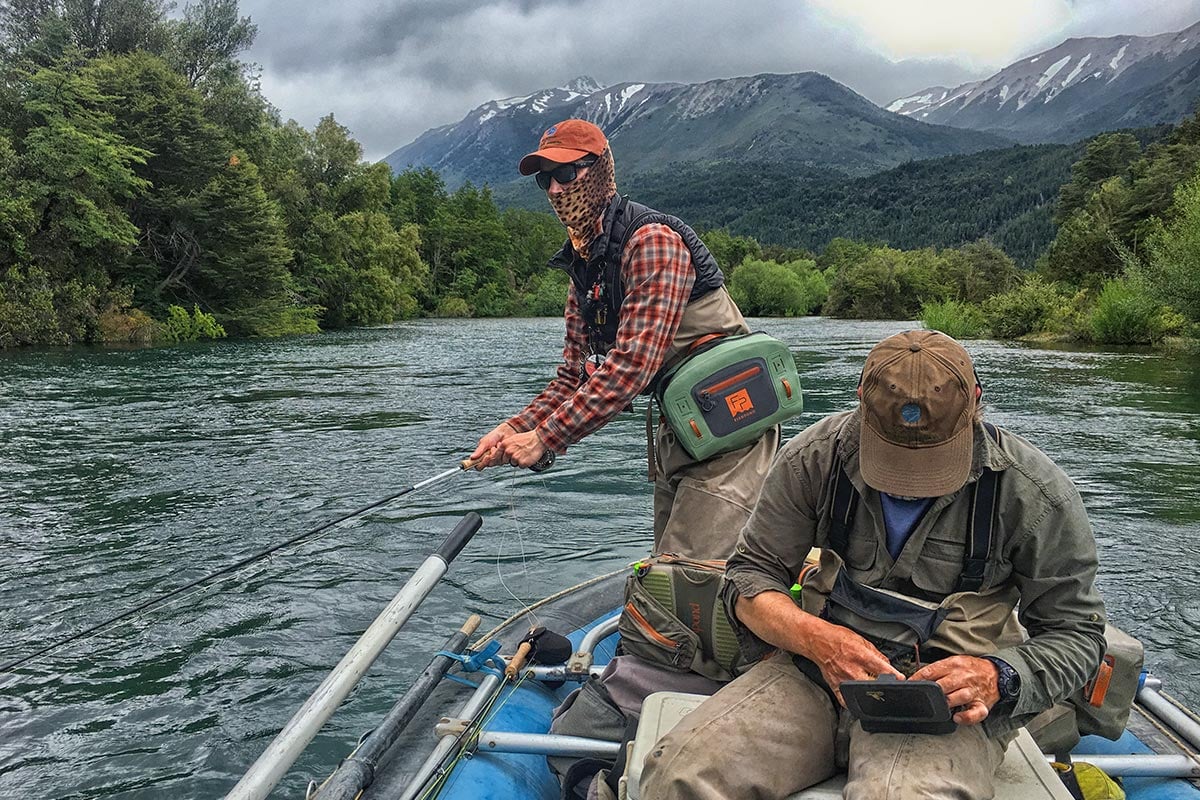
Optional float trips are also available on the Collón Curá and Limay Medio—larger rivers known for migratory brown trout and expansive water. Guests fish from rafts or drift boats, covering long sections with opportunities to wade when flows allow.
These extensions are typically planned in advance and provide a contrast to the lodge-based program, adding depth and flexibility to the overall week.
Built around close-access glacial lakes, seasonal surface fishing, and optional wilderness extensions, Rio Manso Lodge delivers a well-paced freshwater fly fishing program in Northern Patagonia.
To learn more about the fishing and express an interest, message Rio Manso Lodge.