Discover the best brook trout fishing destinations, guided trips, and lodge-based experiences worldwide. Explore remote waters and world-class angling with expert local hosts.
Neuquén, Argentina
Brook Trout, Brown Trout, Rainbow Trout
Neuquén, Argentina
Brook Trout, Brown Trout, Rainbow Trout
Patagonia Argentina
Brook Trout, Brown Trout, Rainbow Trout
Neuquén, Argentina
Brook Trout, Brown Trout, Rainbow Trout
Río Negro, Argentina
Brook Trout, Brown Trout, Rainbow Trout
Patagonia Argentina
Brook Trout, Brown Trout, Rainbow Trout
Los Lagos, Chile
Brook Trout, Brown Trout, Rainbow Trout
No results available
Brook trout thrive in cold, high-quality waters — spring creeks, glacial lakes, and mountain streams — from the Appalachians to Labrador and Patagonia. Known for their vivid colors and aggressive strikes, they are a favorite target for dry fly purists and backcountry anglers alike.
Brook trout (Salvelinus fontinalis) are technically char, not true trout, but they hold iconic status in North American fly fishing. These fish prefer cold, oxygen-rich environments and are often found in remote, high-elevation waters. They feed aggressively and respond well to a wide range of fly and light-tackle presentations.
In most mountain streams and high-elevation creeks, brook trout run small — 6 to 10 inches is typical in many native Appalachian and Rocky Mountain systems, and that intimacy is part of their appeal. While many fisheries rely on stocked fish, wild brook trout still thrive in unspoiled waters — especially in eastern Canada and select US waters. In Labrador’s best wilderness lake systems, fish average around 4–5 lbs with specimens pushing 8 lbs taken regularly — among the largest wild brook trout on Earth.
Canada holds some of the last strongholds for wild, native brook trout. Labrador and Quebec produce true trophy fish — particularly in the Minipi watershed, where brook trout average around 5 lbs and fish to 8 lbs are taken most seasons. Access to the best water requires floatplane.
From the Appalachians to the Rockies, the US offers brook trout fishing in both stocked and native habitats — particularly in high-altitude streams, beaver ponds, and remote lakes. Most river fish run well under a pound in smaller systems, with larger fish in productive northern lake systems.
Southern Argentina hosts introduced brook trout in remote Patagonian lakes and rivers. Glacial drainage, high elevations, and low fishing pressure combine for scenic fishing and healthy populations of resident fish.
Chile’s southern regions support wild brook trout populations in clear rivers and backcountry lakes. Much of this fishery is centered in Patagonia, where cool conditions and minimal access create a genuinely remote experience.
Scandinavia, the Alps, and parts of the UK support stocked brook trout populations in cold lakes and rivers, providing dry fly opportunities in scenic wilderness settings.
Brook trout are among the most visually striking freshwater fish in the world. Their habitats — often quiet, clear, and remote — make them a favorite for fly fishers seeking solitude and natural beauty. In larger lake systems, brook trout can reach surprising sizes and offer serious fights on light tackle. The combination of accessibility in smaller streams and genuine trophy potential in wilderness lake systems gives them a broader appeal than most char species.
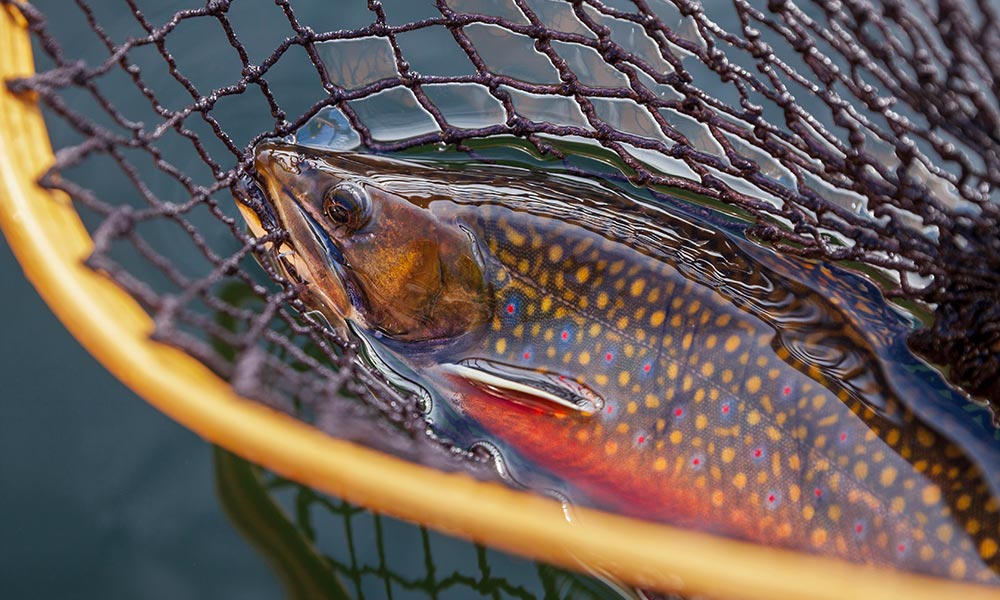
Brook trout are unmistakable. Their backs are dark olive-green to brown, overlaid with a distinctive marbled pattern of pale, worm-like vermiculations that extend from the head across the back and into the dorsal fin. The flanks carry crimson spots encircled in blue halos — one of the most distinctive markings in freshwater fishing. Bellies and lower fins are orange to reddish, with the fins edged in white followed by a narrow black stripe. During the fall spawn, males intensify dramatically — flanks deepen, bellies flush orange-red, and the kype develops on the lower jaw.
FishingExplora’s current lodge relationships cover Canada, Argentina, and Chile. Lodge cards for each destination are listed below.
FishingExplora’s editorial content draws on lodge input, guide experience, published field reports, and independent research to help anglers make informed decisions about premium fishing destinations.
The largest wild brook trout are found in remote regions of Canada — particularly Labrador’s Minipi watershed, where fish average around 5 lbs and specimens to 8 lbs are taken most seasons. Quebec and Ontario also produce trophy fish. In the US, productive northern lake systems and Great Lakes tributaries hold the largest fish outside Canada.
Dry flies like Elk Hair Caddis, Royal Wulff, and Stimulators are reliable for brook trout in mountain streams, imitating key terrestrial and aquatic insects in clear, fast water. In slower pools, small beadhead nymphs and attractor dries tend to be more productive. Brook trout in small streams are generally less selective than browns and will often take a well-presented attractor pattern.
No — brook trout are native only to eastern North America. They were introduced to both continents for sport fishing and now sustain wild populations in Patagonia and high-alpine streams across parts of Europe including Scandinavia, Austria, and Spain. Outside their native range they can outcompete and displace native fish species.
Late spring through early fall, with peak surface activity during summer hatches of mayflies, caddis, and terrestrial insects. Early morning and evening windows offer the most consistent topwater action in clear streams. In Labrador, July and August are the prime dry fly months, coinciding with the major Hexagenia and caddis hatches on the wilderness lake systems.
Yes — brook trout inhabit both flowing and still waters. River-dwelling fish thrive in spring-fed creeks and mountain streams, while lake-dwelling fish often grow considerably larger in deep, cold-water lakes with rich forage. Some populations move between rivers and lakes seasonally, particularly in northern wilderness systems where lake-connected rivers produce the largest fish.
We use cookies to improve your experience and enable key features on the platform. You can choose which cookies to allow. Some features may not work fully without consent.