Explore fishing trips in Santa Fe, staying at carefully selected lodges that combine expert guiding, remote wilderness settings, and exceptional angling.
Santa Fe, Argentina
Golden Dorado, Pacú, Surubi
No results available
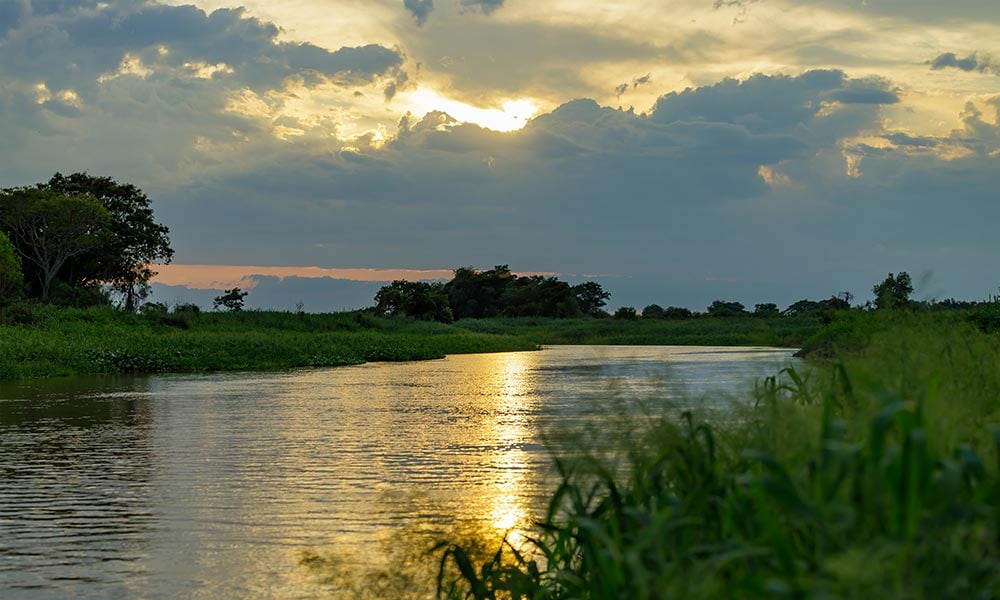
Santa Fe lies along the central stretch of the Paraná River, where wide braided channels, backwater lagoons, and jungle-lined creeks create an ideal warmwater ecosystem. This region delivers consistent fishing for golden dorado, surubí catfish, pirá pitá, and tararira — supported by year-round lodge operations, seasoned guides, and a one-hour flight from Buenos Aires.
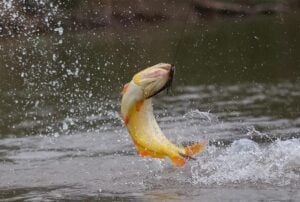
The middle Paraná through Santa Fe Province breaks into a network of islands, oxbows, and lagoons — each holding distinct fishing opportunities. Dorado on the middle Paraná average 5 to 20 lbs with 30-lb fish possible, targeting sábalo schools along structured banks and sunken timber. San Javier, approximately two hours from Santa Fe city, is the primary lodge hub, with the San Javier River delta providing a maze of channels and backwaters suited to both fly and spin fishing.
For those comparing lodge programs across northern Argentina’s dorado fisheries, see our Editorial Guide to Argentina Fishing Lodges, which explains how these programs differ and how to choose the right fit.
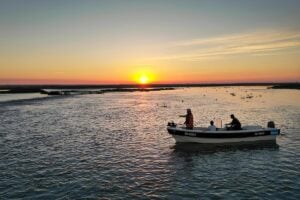
Located approximately two hours from Santa Fe city, San Javier sits at the confluence of the San Javier River and the Paraná delta — a maze of channels, lagoons, and side creeks holding strong dorado populations. Most established lodge operations in Santa Fe Province are based here, with boat access to both main river structure and quieter backwater systems.
The San Javier River itself is quieter than the main Paraná channel, with fewer boats and a more technical style of fishing. Overgrown banks, submerged timber, and slower pools suit precise fly presentations and sight fishing for dorado and tararira.
A key launch point for day trips and multi-day expeditions targeting golden dorado and surubí in the main Paraná channels. The Reconquista area sits further north in the province, offering access to less-pressured sections of the big river.
Close-to-town stretches of the Paraná near the provincial capital offer reliable action for day trips with easy logistics — productive for dorado and a practical option for anglers combining fishing with time in the city.
FishingExplora connects anglers with carefully selected lodge operations across Santa Fe — from San Javier delta programs to main-river dorado expeditions. You can contact hosts directly and plan your program from here.
For more lodge-based fishing across the country, explore all our Argentina fishing lodges.
FishingExplora’s editorial content draws on lodge input, guide experience, published field reports, and independent research to help anglers make informed decisions about premium fishing destinations.
October through April covers the core season, with January to March producing the most aggressive surface action as warmer water and higher flows push dorado into flooded backwater channels. October and November are also strong as water temperatures rise and fish become active ahead of the main summer peak.
A fast-action 8 or 9-weight fly rod with floating and intermediate lines covers most situations — large streamers and topwater patterns are the primary flies. Always use a short wire trace; dorado teeth will cut fluorocarbon quickly. Spin anglers should bring medium-heavy gear with braided line, topwater lures, and a wire leader.
Yes. Golden dorado have sharp, bone-hard teeth and will cut standard fluorocarbon on contact. A short knottable wire trace of 8 to 12 inches and 15 to 30 lb test is standard on all dorado programs in Santa Fe. Most lodges supply wire or can recommend local brands — confirm at booking.
Yes. A provincial fishing license issued by Santa Fe Province is required for all fishing. Most lodge programs include the license in the weekly rate or arrange it in advance — confirm at booking. The Paraná River system is catch-and-release only for dorado on most guided programs, and regulations vary by specific water body.
Surubí — two catfish species, pintado and surubí proper — are regularly caught in deeper current seams on swung streamers or bait. Tararira respond well to topwater lures in weedy backwaters, especially early morning. Pirá pitá are taken on small flies in sheltered creeks and offer a technical challenge for fly anglers between dorado sessions.
Intermediate fly anglers adapt quickly — guides position the boat on fish and casting distances are manageable. The main challenge is accuracy under wind and speed of presentation; dorado strike fast and reject a poorly stripped fly. Spin anglers can be effective from day one with medium-heavy gear. The San Javier backwater system is more forgiving than main-river structure fishing on the big Paraná.
Santa Fe Airport (SFN) is the primary gateway — a one-hour domestic flight from Buenos Aires, with most San Javier lodges approximately two hours by road from the airport. Reconquista Airport (RCQ) serves lodges in the northern part of the province. Most lodge programs include ground transfers from the arrival airport.
We use cookies to improve your experience and enable key features on the platform. You can choose which cookies to allow. Some features may not work fully without consent.