Discover the best pirá pitá fishing destinations, guided trips, and lodge-based experiences worldwide. Explore remote waters and world-class angling with expert local hosts.

Corrientes, Argentina
Golden Dorado, Pacú, Pirá Pitá
Buenos Aires, Argentina
Golden Dorado, Pacú, Pirá Pitá
Corrientes, Argentina
Golden Dorado, Pacú, Pirá Pitá
No results available
Pirá Pitá offer a rare freshwater challenge—fast, hard-pulling omnivores that can be targeted on dry flies, streamers, or even fruit imitations. They thrive in warm jungle rivers across northern Argentina and the upper Paraná basin.
Pirá Pitá (Brycon orbignyanus) are one of South America’s most overlooked freshwater gamefish. Often called the “South American freshwater permit” for their wary nature and technical takes, they demand precision, patience, and subtle presentation—especially on fly.
These native characins are found in flowing, oxygen-rich rivers where rocky structure, submerged wood, and bank-side vegetation offer prime feeding zones. Most anglers pursue them with light fly tackle, casting to visible fish feeding on surface insects, drifting fruit, or bottom nymphs. They strike with speed and fight with surprising strength, often making long runs and sharp turns.
While overshadowed by golden dorado in the same rivers, targeting pirá pitá is a deliberate, finesse-oriented game. Some anglers spend whole sessions sight-casting at cruising fish with dry flies or small streamers—especially during fruit-drop season.
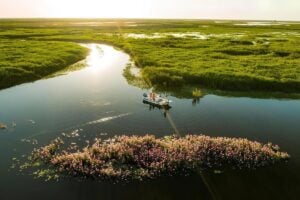
Corrientes is one of the top destinations for pirá pitá fishing, especially in areas where clear tributaries and forested banks create ideal conditions for sight-fishing. Lodges here typically offer multi-species trips, with pirá pitá as a technical and rewarding secondary target to dorado.
Misiones province offers remote river systems where pirá pitá thrive, especially in clear sections of the Paraná and Uruguay Rivers. Sight-fishing is common here during stable water levels and fruit-drop periods.
Sections of the upper Paraná River and its tributaries in Paraguay offer excellent pirá pitá habitat, though angling pressure and water conditions vary. Best results come from well-managed stretches with forest cover and current seams.
Pirá pitá range into southern Brazil, particularly in the Paraná and Uruguay river systems. While less targeted here than in Argentina, they remain a viable and sporty catch where access and visibility allow.
Pirá Pitá are a technical, often visual freshwater target that behave more like trout or carp than typical jungle predators. They feed on a wide range of items—leaves, insects, seeds, and small fish—but are best known for their ability to take surface flies or fruit imitations with subtle, deliberate eats. This makes them ideal for sight-fishing with small dries or light streamers. Their fighting ability is underrated, especially on 4–6 weight rods.
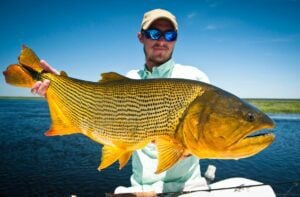
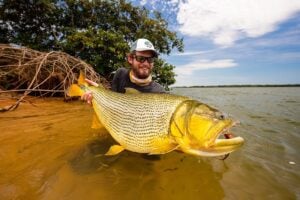
Pirá Pitá are sleek, deep-bodied characins with reddish fins, a slightly upturned mouth, and a bronze-silver body that often reflects golden tones in clear water. They typically weigh between 2 and 10 pounds, with a compact, muscular frame built for fast runs and agile movement. Their overall appearance reflects their omnivorous lifestyle—adapted to grazing on plant material, drifting fruit, and opportunistic insect or baitfish feeding.
Pirá Pitá fishing depends heavily on water clarity, fruiting seasons, and river levels. Sight-fishing improves dramatically during dry weather and when native trees are dropping food into the river.
FishingExplora features lodge-based trips in Corrientes, one of the most consistent regions for pirá pitá. These programs often combine golden dorado and pacú fishing with dedicated sessions for pitá—perfect for anglers seeking a more technical, finesse-driven target in South America’s jungle rivers. Whether casting dry flies to tailing fish or drifting fruit patterns under forest canopy, pirá pitá fishing offers a distinctive and rewarding experience.
Foam fruit imitations, beetles, and ants are top choices, especially during fruit-drop season. Small streamers and nymphs can also be effective in deeper runs or when fish are less surface-active.
Unlike dorado, pirá pitá require finesse. Anglers use lighter rods, subtler flies, and often sight-fish to picky eaters. It’s more about precision and patience than aggression and power.
Yes. In clear water with low flows, pirá pitá can be sight-fished with dry flies or fruit patterns. This is especially common in Corrientes and Misiones during stable weather.
A 5- or 6-weight rod with floating line and 3X–4X leaders is ideal. Use high-floating dry flies or lightly weighted streamers depending on conditions. Stealthy presentations are key.
Corrientes and Misiones in Argentina are top spots, along with select rivers in Paraguay and southern Brazil. Clear water, forested banks, and stable flows define the best fisheries.
We use cookies to improve your experience and enable key features on the platform. You can choose which cookies to allow. Some features may not work fully without consent.