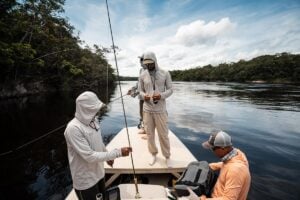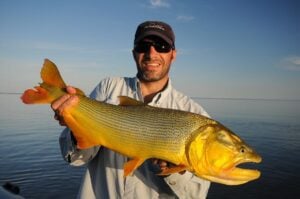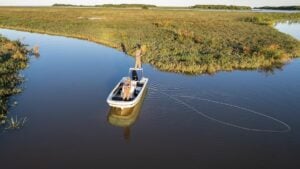
Discover the best tararira (wolf fish) destinations, guided trips, and lodge-based experiences worldwide. Explore remote waters and world-class angling with expert local hosts.
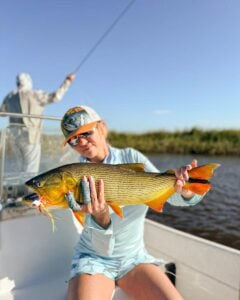
Buenos Aires, Argentina
Golden Dorado, Pacú, Pirá Pitá
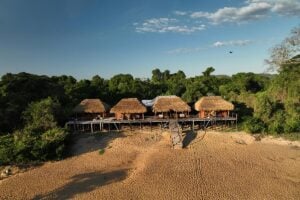
Amazon Basin, Brazil
Matrinxã, Pacú, Peacock Bass
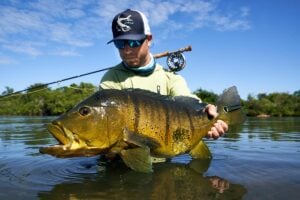
Amazon Basin, Brazil
Peacock Bass, Surubi, Tararira (Wolf Fish)
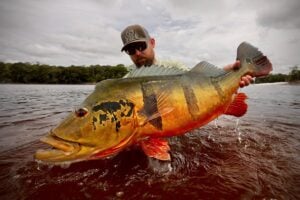
Buenos Aires, Argentina
Golden Dorado, Surubi, Tararira (Wolf Fish)
No results available
Tararira are ambush predators known for their aggressive strikes, explosive surface takes, and hard-charging runs. Found in warm, vegetated waters across southern South America, they’re a favorite among light tackle and fly anglers alike.
Tararira (Hoplias malabaricus and Hoplias lacerdae) are widely distributed across lowland wetlands, backwaters, and floodplain lagoons. Also known as trahira or wolf fish in some regions, they’re especially popular targets near Buenos Aires, where seasonal rain fills marshes and sloughs with prime tararira habitat.
These fish are active, responsive, and incredibly visual. Anglers fish topwater lures, frogs, soft plastics, and streamers in heavy cover—where tararira lurk beneath mats, grasslines, or submerged timber. They strike with force, often leaping or rolling at the surface. Their aggressive feeding makes them one of the most fun warmwater species to pursue in South America.
Just outside the city, seasonal wetlands and oxbow lakes fill with tararira as waters rise. Local guides know where to find fish early in the day or after storms, especially in weed-choked or lightly stained water.
Uruguay has strong populations of tararira, especially in warm months when floodplain lagoons are full. It’s a popular catch-and-release species for local anglers.
From Rio Grande do Sul to the Pantanal fringe, Brazil hosts both small and large tararira species in vegetated rivers and temporary lagoons.
Tararira are caught throughout Paraguay’s river margins and forest lagoons, especially in more isolated or less-pressured systems during the wet season.
Tararira offer visual, aggressive takes and hard-hitting fights in skinny water. Their willingness to attack surface lures or streamers makes them exciting to target on light tackle or fly, especially when the water is warm and visibility is low. Few freshwater fish offer the same topwater violence for such a wide range of anglers.
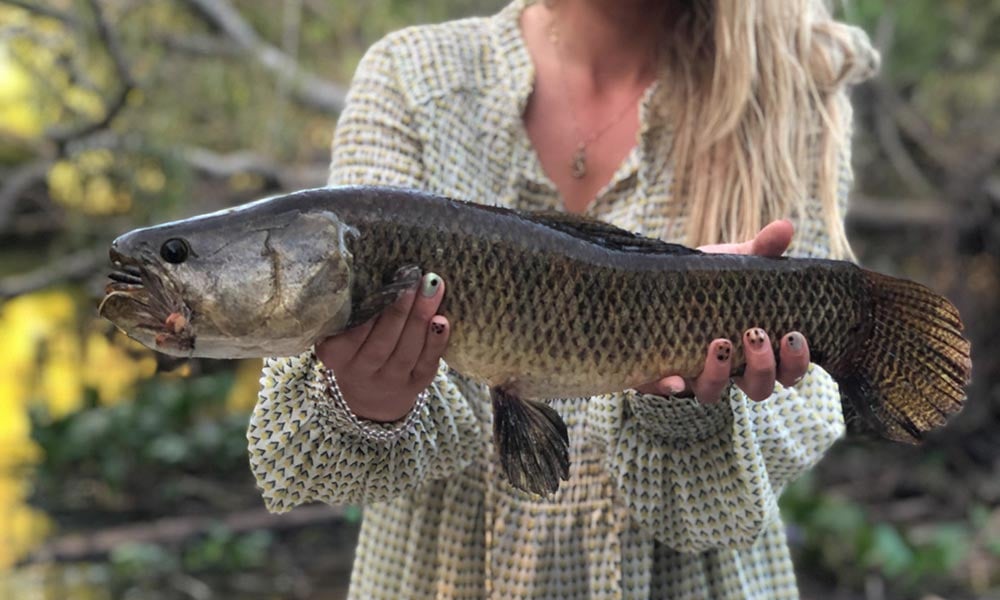
Tararira are thick-bodied fish with large, toothy mouths, blunt heads, and muscular frames. Their color varies by habitat—generally dark olive to brown with pale, segmented markings or spots. Some have faint vertical barring or irregular blotches. Fish typically range from 2–10 pounds, though larger lacerdae species can reach 15+ pounds.
Tararira are warmwater fish. They’re most active in 20–30°C water, especially after storms or rising water conditions. Early morning and evening hours produce the most reliable surface action.
FishingExplora features guided tararira trips in Buenos Aires, where anglers access remote wetlands and backwaters during prime seasonal conditions. These trips focus on visual takes, explosive surface eats, and technical casting in tight, vegetation-heavy waters. Light tackle and fly options are both effective.
Yes—tararira are aggressive enough to be caught on fly, especially using baitfish streamers or surface sliders. Use a 7–9 weight rod with floating or intermediate line and cast into structure or over weed beds early or late in the day.
Tararira are most active in warm months—October to April in Argentina and southern Brazil. Rising water levels and warm temperatures trigger aggressive feeding, especially at dawn or after rainfall.
Absolutely. Topwater frogs, mice, and poppers are highly effective for tararira, especially in early morning or low-light conditions. Their surface attacks are fast, loud, and explosive—part of what makes them so exciting to target.
Tararira thrive in warm, slow-moving waters with vegetation and cover. Floodplain lagoons, oxbows, marshes, and muddy creeks are prime. They hold tight to weed edges, submerged logs, and undercut banks.
Yes—Hoplias malabaricus is the more common species, while Hoplias lacerdae (the “giant wolf fish”) is larger and found mainly in Brazil. Both share similar behavior but vary in size and range.
We use cookies to improve your experience and enable key features on the platform. You can choose which cookies to allow. Some features may not work fully without consent.