Discover the best bull trout fishing destinations, guided trips, and lodge-based experiences worldwide. Explore remote waters and world-class angling with expert local hosts.

British Columbia, Canada
Brown Trout, Bull Trout, Cutthroat Trout
No results available
Bull trout are apex predators of cold, glacier-fed rivers and lakes in North America. Known for their powerful strikes and remote habitats, they offer one of the most rewarding freshwater challenges for fly anglers and light-tackle purists alike.
A native char species (Salvelinus confluentus), bull trout require pristine conditions—cold, clean water with deep pools and complex structure. They’re aggressive, territorial, and often ambush-oriented, preferring large prey over small nymphs. Catching one often means traveling deep into the Rockies or northern wilderness, where wild fish still thrive.
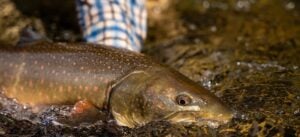
Bull trout strike big streamers, spinners, and even live bait when legal, and their fights are marked by brute strength and long runs. Their olive-silver bodies with light spotting make them one of the most beautiful char species in North America.
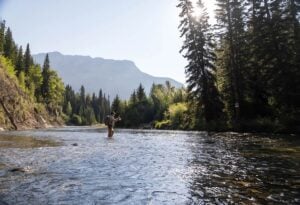
British Columbia and Alberta offer some of the best bull trout waters on the continent, with large migratory fish in rivers like the Elk, Wigwam, and Kootenay. Trophy specimens are also found in Yukon and the Northwest Territories.
Montana, Idaho, and Oregon are home to protected bull trout populations. Look to rivers like the South Fork Flathead, Metolius, and Middle Fork Salmon for prime fly fishing in remote wilderness settings.
While less targeted than other species, bull trout (or similar char forms) can be found in Southeast Alaska and Copper River tributaries—often in unpressured systems alongside Arctic grayling and salmon.
Bull trout are one of the few native predators that actively chase down big meals. Unlike trout that sip insects, these fish hammer streamers and baitfish patterns with force. Their elusive nature and demand for clean, intact habitats make them both a conservation symbol and a prized target for serious anglers seeking solitude, scenery, and raw power.
Bull trout are deep-bodied with broad, flattened heads and small, pale yellow to cream-colored spots scattered along their back and sides. Their coloration ranges from olive-green to bronze, often fading into lighter flanks and a silvery belly. White-edged fins and a translucent tail help distinguish them from other char, while larger specimens may display orange or reddish belly tones—particularly in colder seasons.
FishingExplora connects anglers to remote and responsible bull trout fisheries across North America. From wilderness float trips in Alaska to alpine rivers in British Columbia and backcountry lakes in the Yukon, our listed lodges and outfitters specialize in native char, expert guidance, and wild, scenic environments.
Bull trout are aggressive predators but require specific water conditions and good presentations. They often hold deep or under cover, and big fish may only strike large flies or lures. Finding them often means venturing into remote systems.
A 6–8 weight rod with a sink-tip or full-sinking line is ideal. Use large streamers like sculpins or baitfish patterns, and focus on swing presentations in deep pools and drop-offs.
In most regions, bull trout are catch-and-release only due to their threatened status. Always check regulations before fishing. Many top waters are managed as conservation fisheries.
Bull trout can exceed 20 pounds in some lake systems, though most river fish range from 2–10 pounds. Larger specimens are usually migratory and require targeting deeper or seasonal habitats.
Bull trout and Dolly Varden can look very similar, but bull trout often have a broader head, larger mouth, and fewer distinct spots. Dolly Varden tend to show more vivid spotting—especially pink or red spots along the flanks—and a slimmer profile. Bull trout usually appear more muted and stocky in coloration and build.
We use cookies to improve your experience and enable key features on the platform. You can choose which cookies to allow. Some features may not work fully without consent.