• Verified
  • +13

Yellowfish Camp – Lesotho Highlands, Africa

Lesotho, Southern Africa

  • All Inclusive
  • Verified

LOCATION

Southern Africa, Lesotho

TARGET SPECIES

Trout, Brown Trout, Rainbow Trout, Yellowfish

TECHNIQUE

Fly Fishing

SEASON

November to March

ACCOMMODATION

Up to 8 guests

Fishing at Lesotho Yellowfish Camp

  • Who this experience is for:

    Anglers attracted to a walk-and-wade fly-fishing program in the mountains of southern Africa, favouring visual fishing on one river system, multi-night stays in a single location, and the chance to include family within a relaxed, community-run camp.

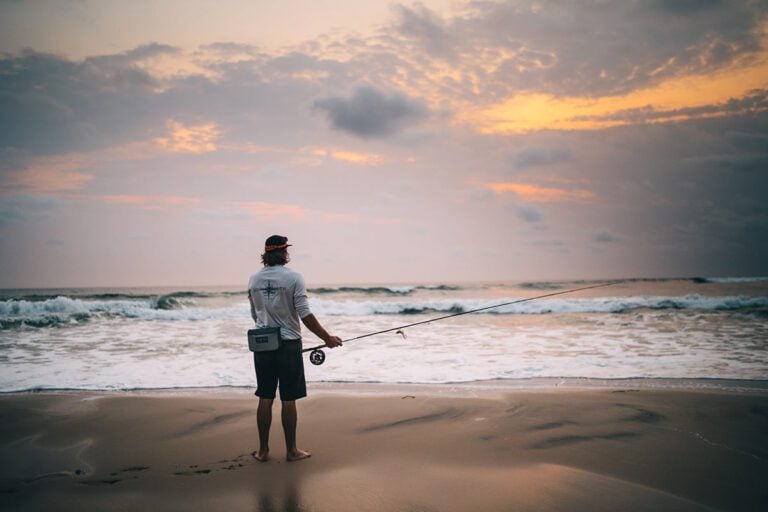
Far from the crowd—this is fly fishing in Africa at its most raw and rewarding. Makhangoa Community Camp delivers both challenge and authenticity in one of the continent’s most unique fisheries. Visiting anglers gain access to over 20km of the finest yellowfishing waters available in Southern Africa.

Sight-fishing for Yellowfish in Lesotho, Africa

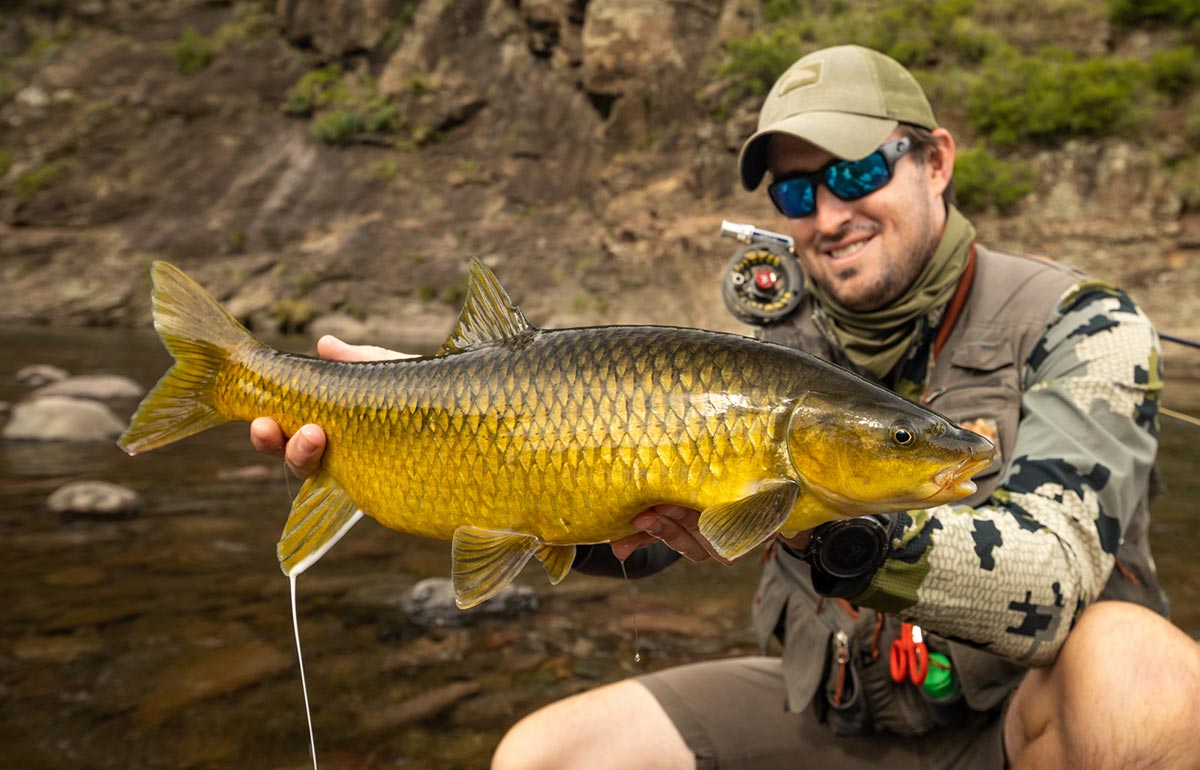
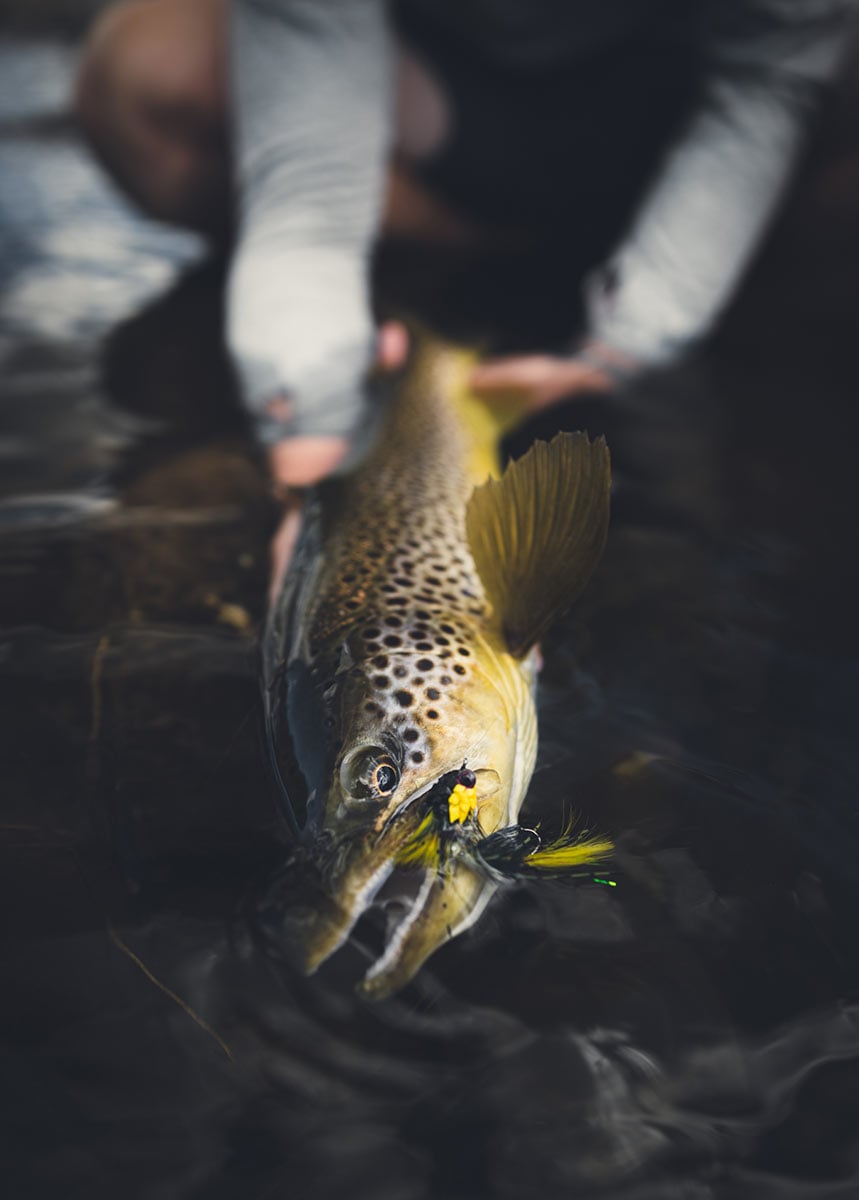
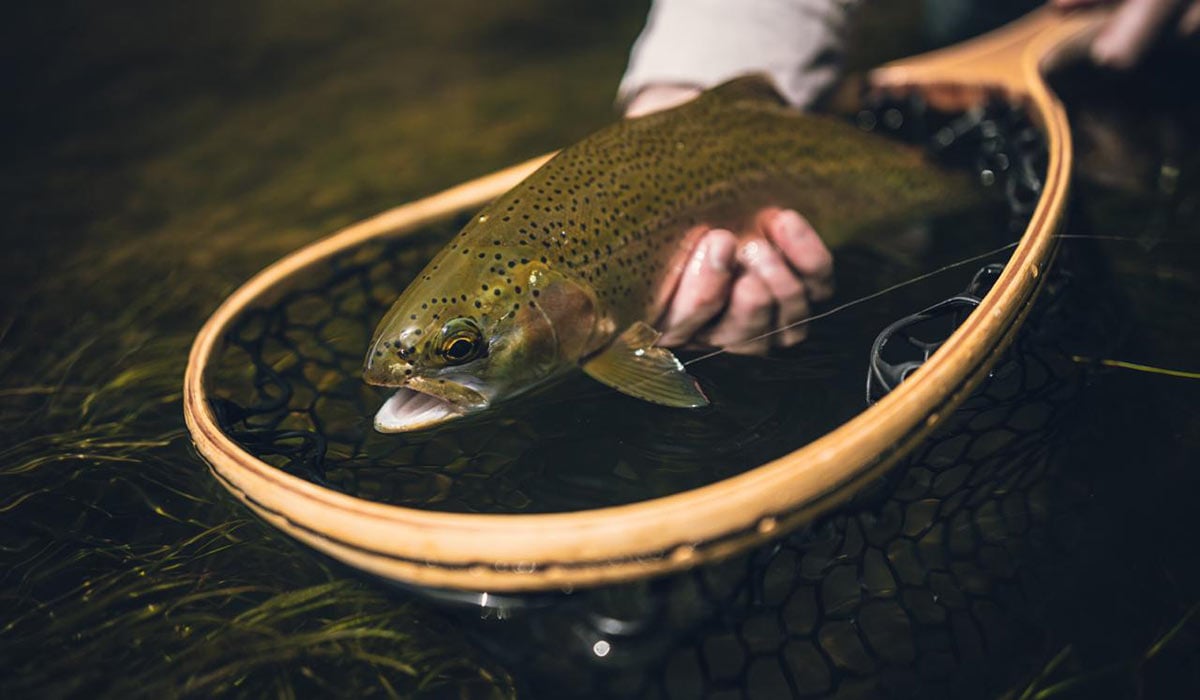
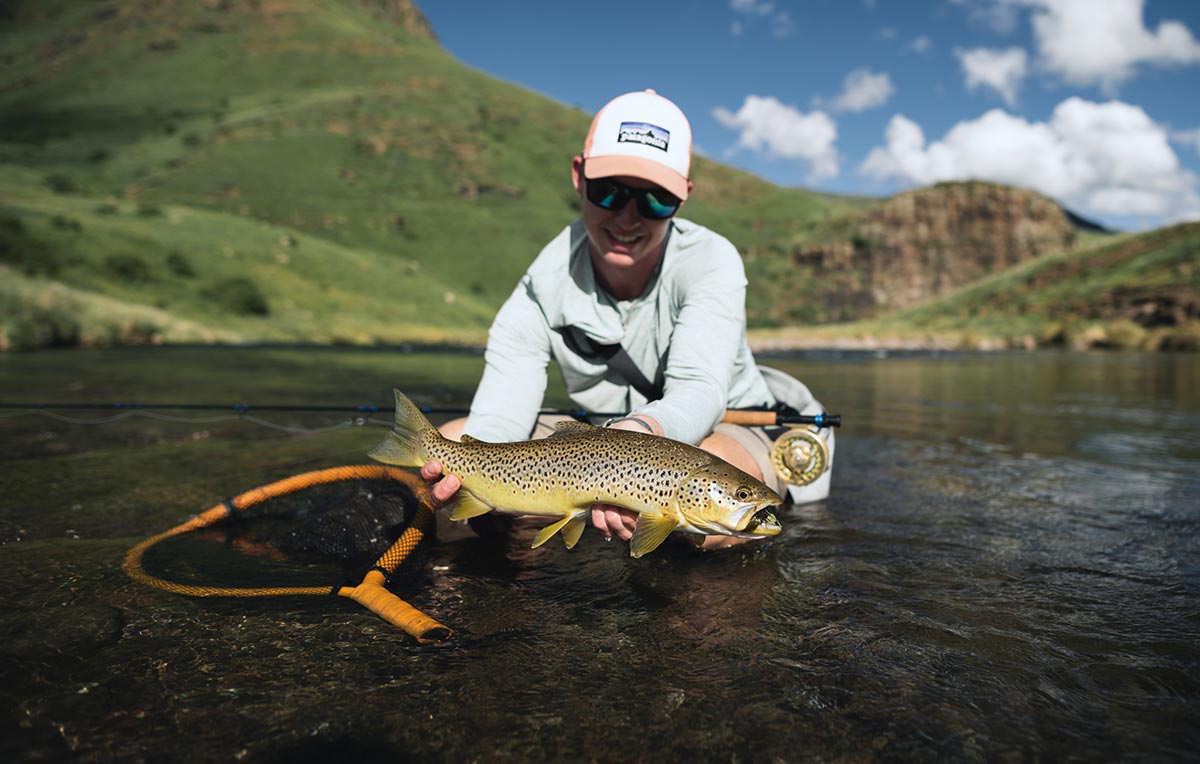
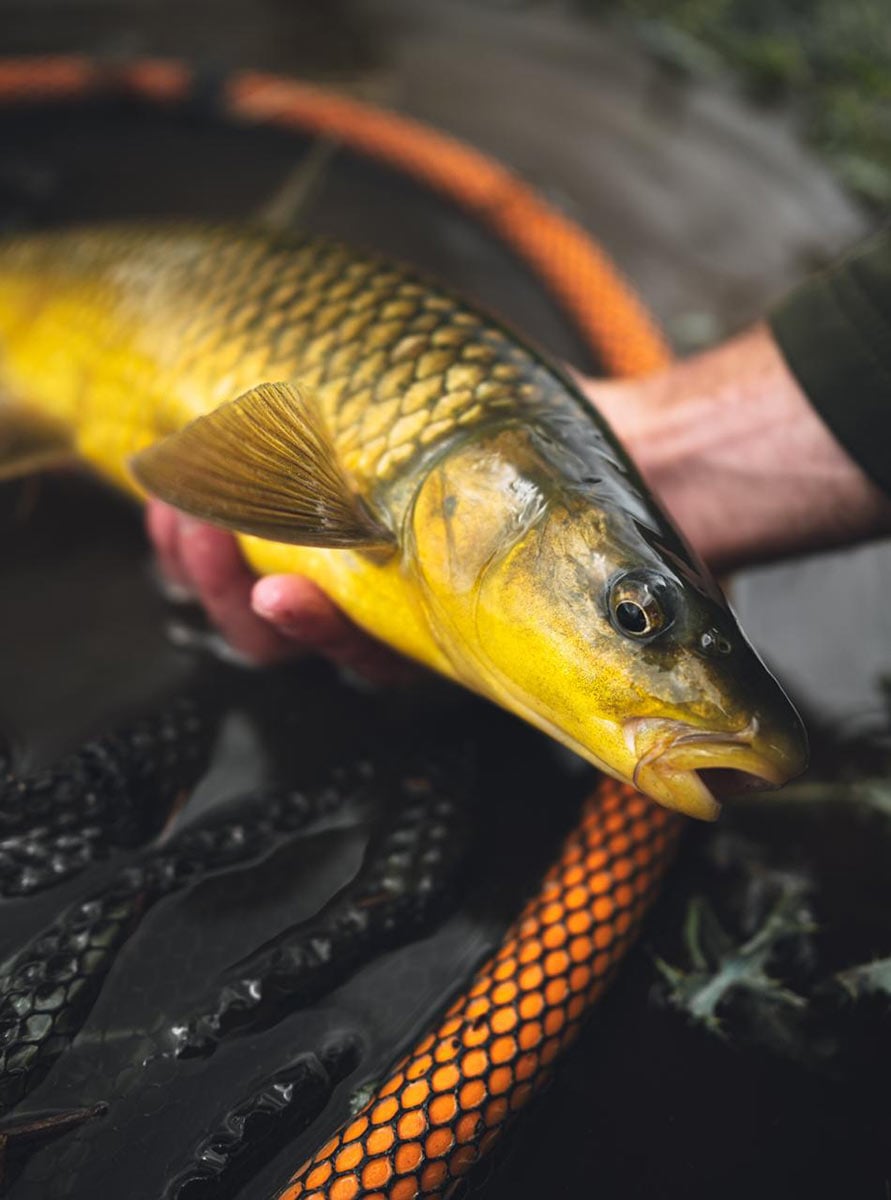
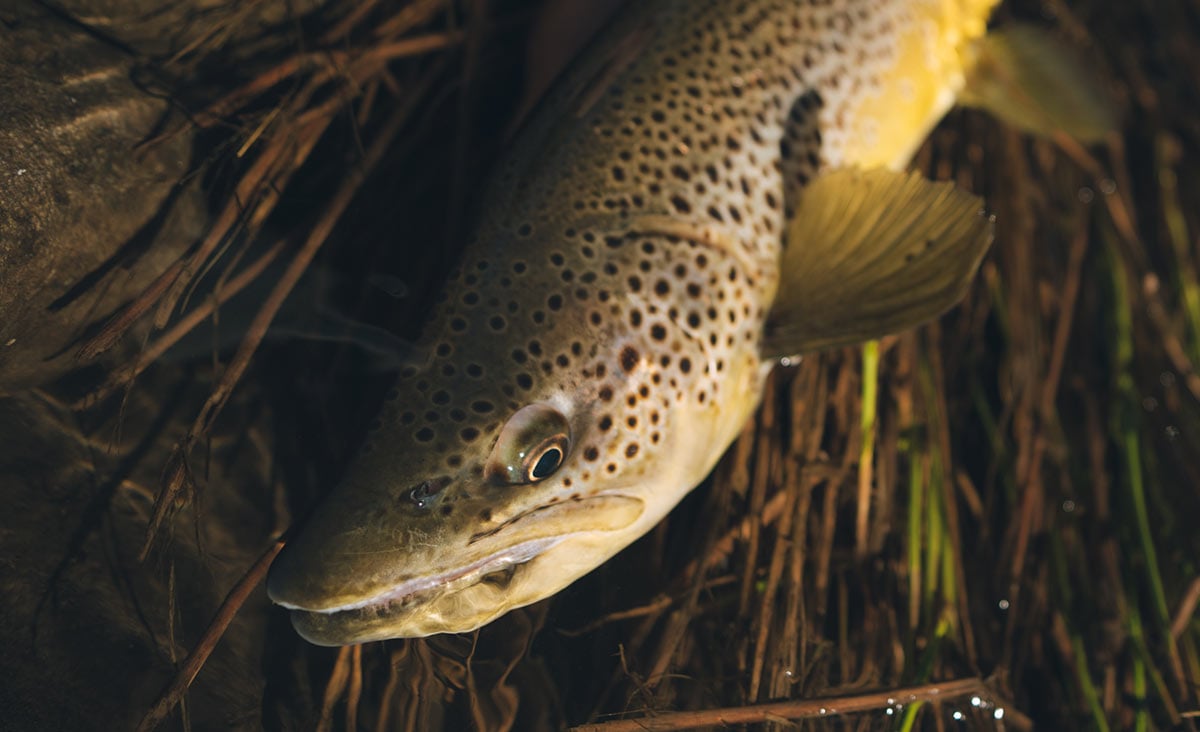
High in the Lesotho highlands, where rugged peaks cut the sky and rivers run cold and clear, Makhangoa Community Camp offers one of the most distinct fly fishing experiences in Africa. Set along the Bokong River, this community-run camp gives anglers exclusive access to sight-fishing waters packed with spirited smallmouth yellowfish, wild brown trout and rainbows.

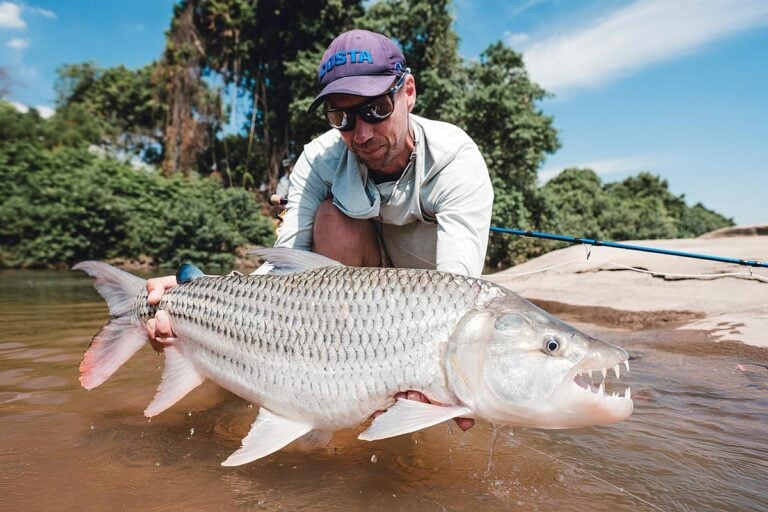
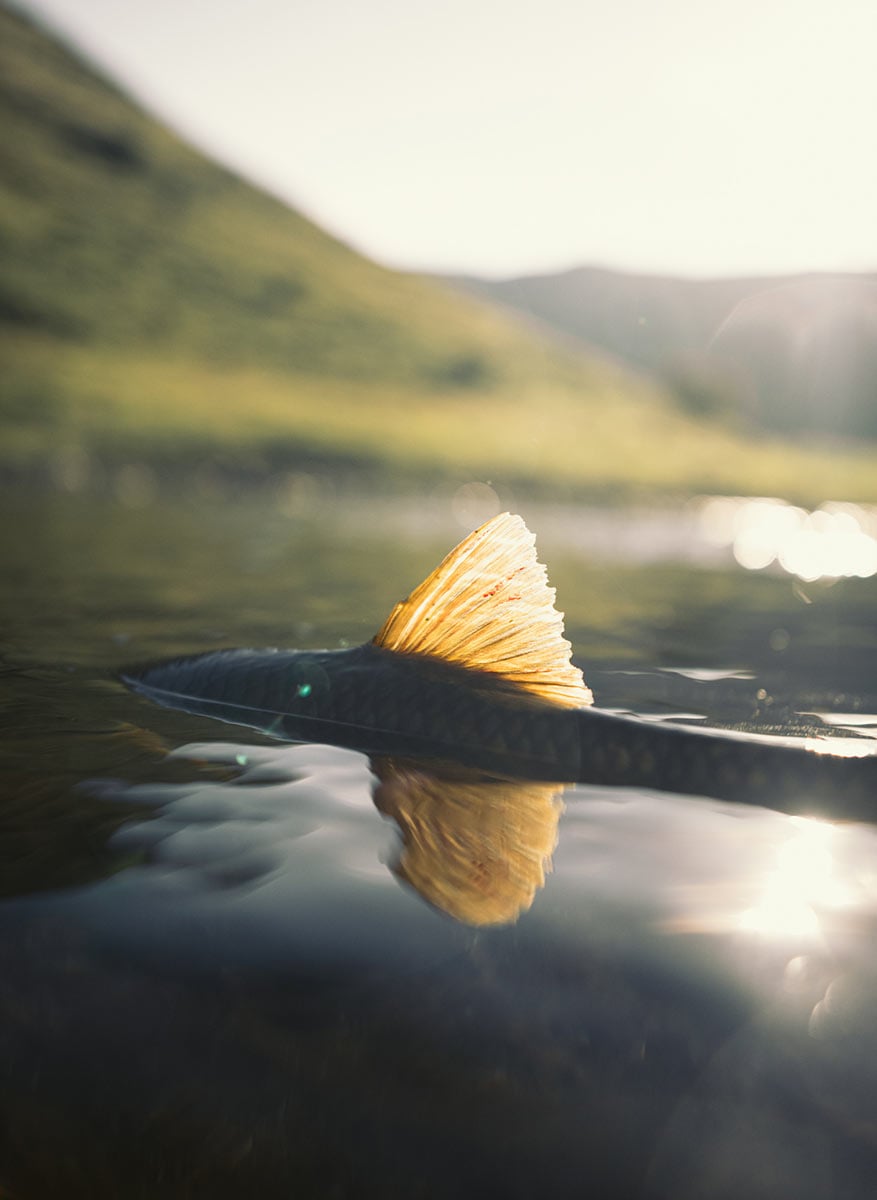
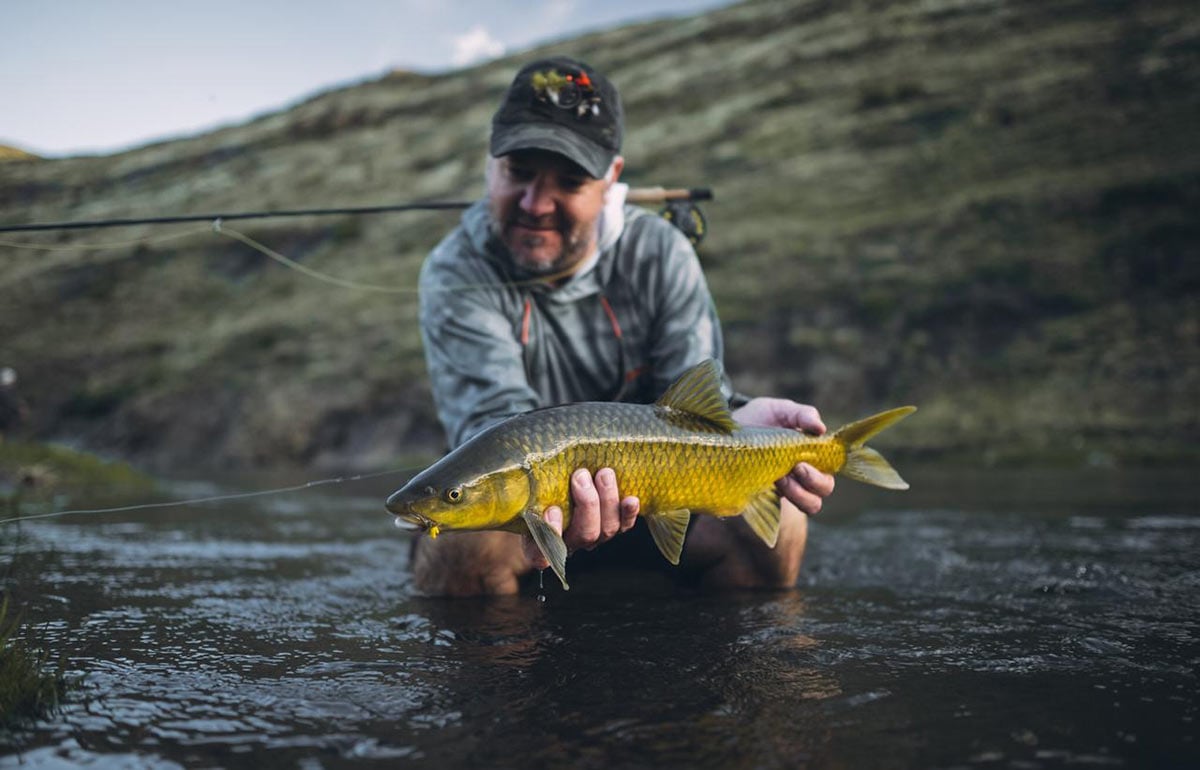
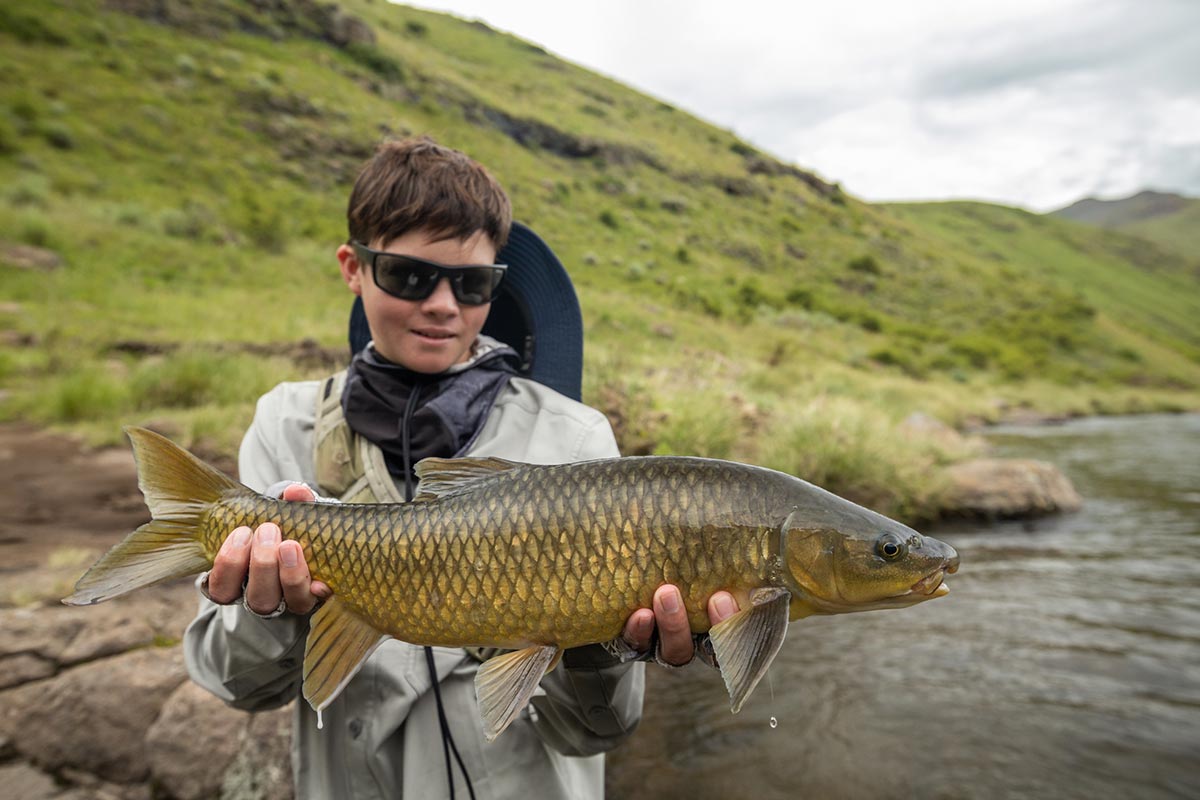
Yellowfish are southern Africa’s native freshwater gamefish and one of the continent’s most respected fly-rod targets. Strong, long-running, and highly visual feeders in clear water, they reward careful approach and accurate presentation, offering a challenge that feels closer to saltwater sight-fishing than traditional river trout fishing.

The fly fishing here is precise and visual—ideal for those who thrive on technical challenges. In the warmer months, sight-casting dry flies to cruising yellowfish in shallow runs is the primary draw. Later in the season, strong resident brown and rainbow trout move into the system, shifting the focus to deeper pools and more deliberate presentations. Whether you’re stalking a slow bend or working fast pocket water, it’s an active style of fishing that suits anglers who enjoy technical water.

Wade Fishing the Bokong River

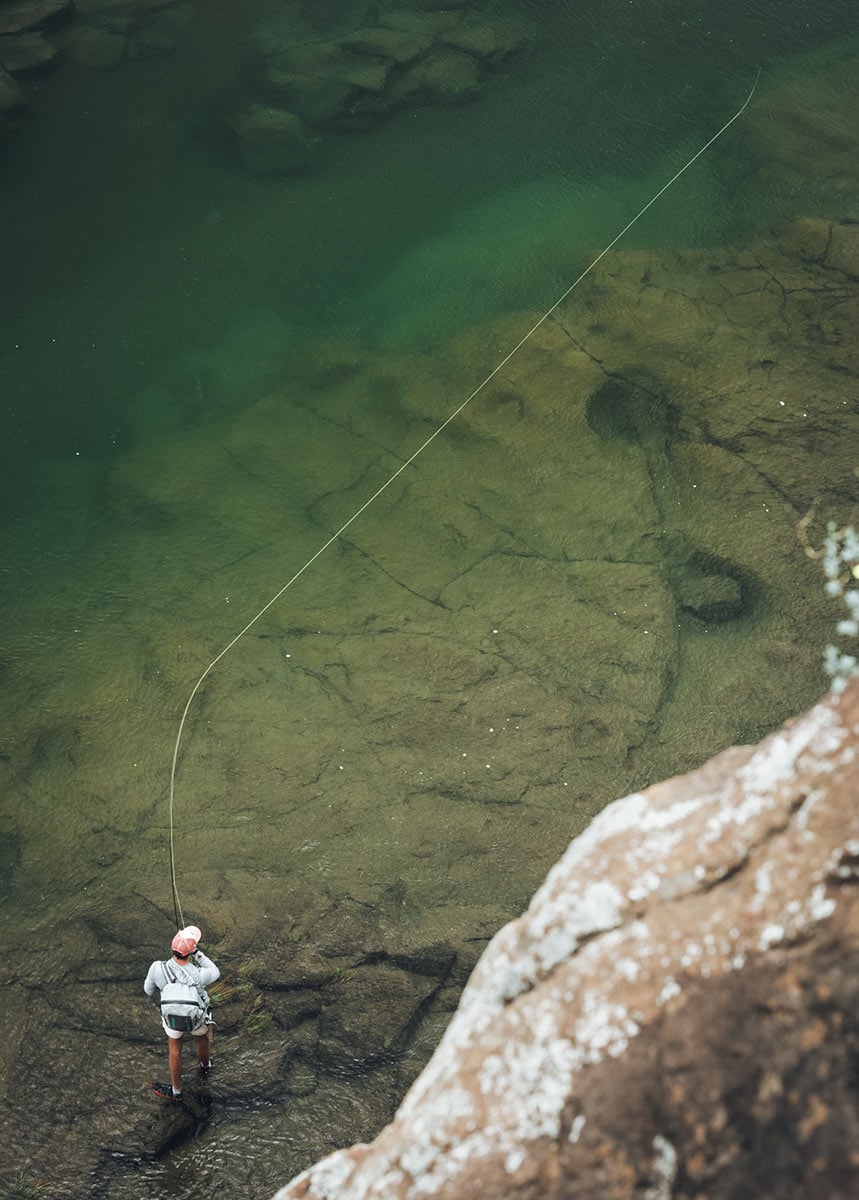
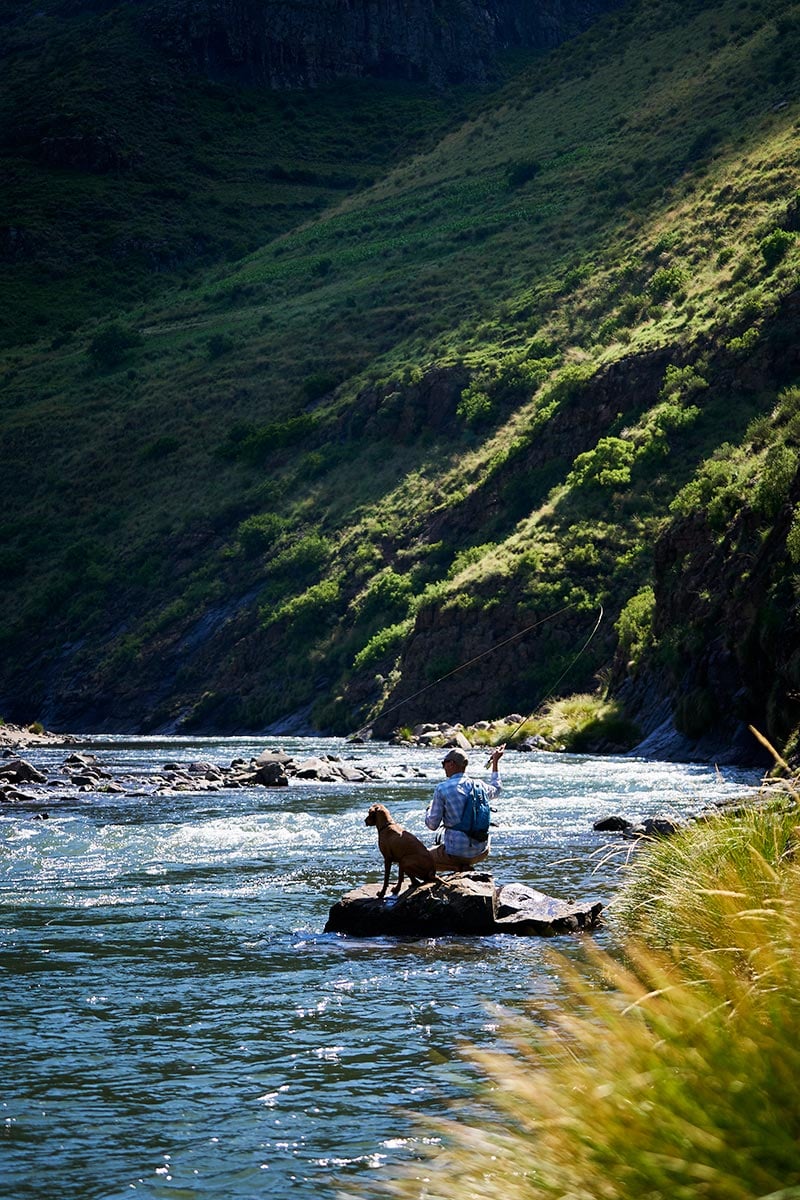
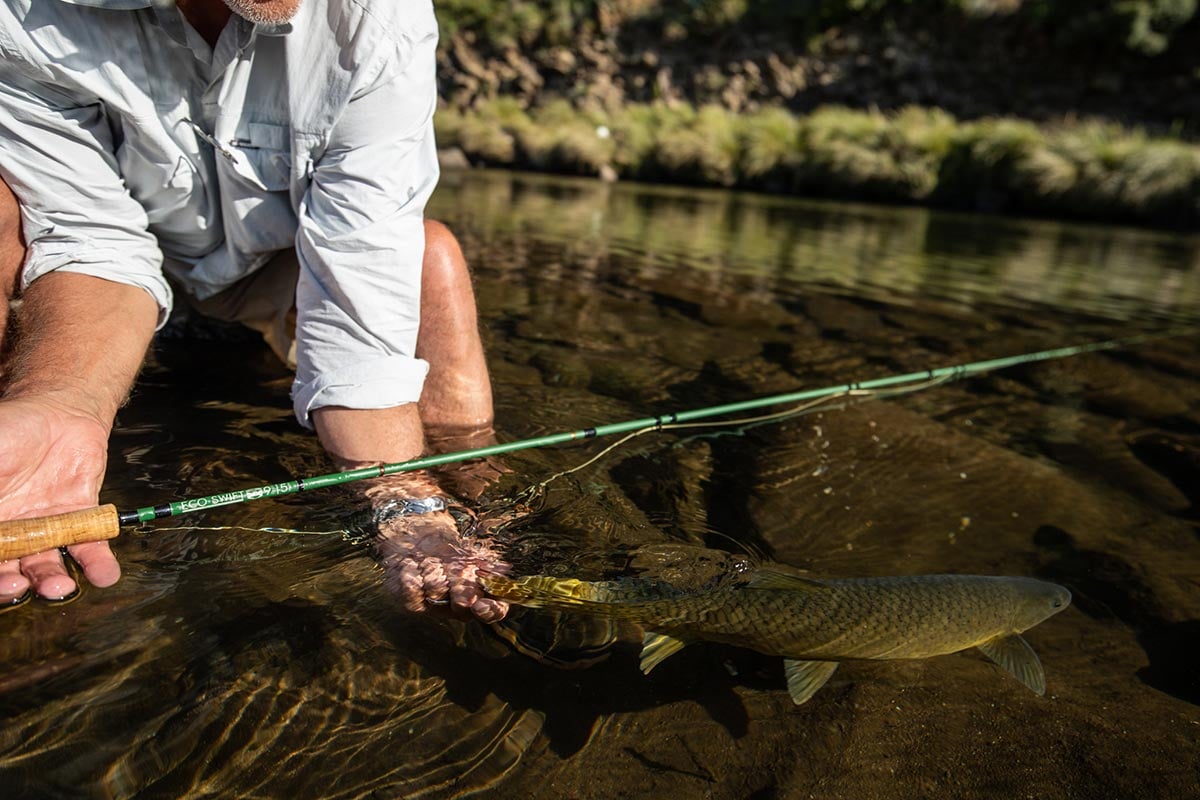
The Bokong River is best fished on foot. Wet-wading, walk-and-stalk techniques, and clean, stealthy casts define the approach. During high water, anglers can use drift boats where the Bokong flows into Katse Dam. Dry flies are the go-to tactic, though nymphs and streamers come into play when needed. It’s arguably one of Africa’s best sight-fishing experiences—technical, visual, and deeply satisfying.

A Camp That’s Part of the Local Community

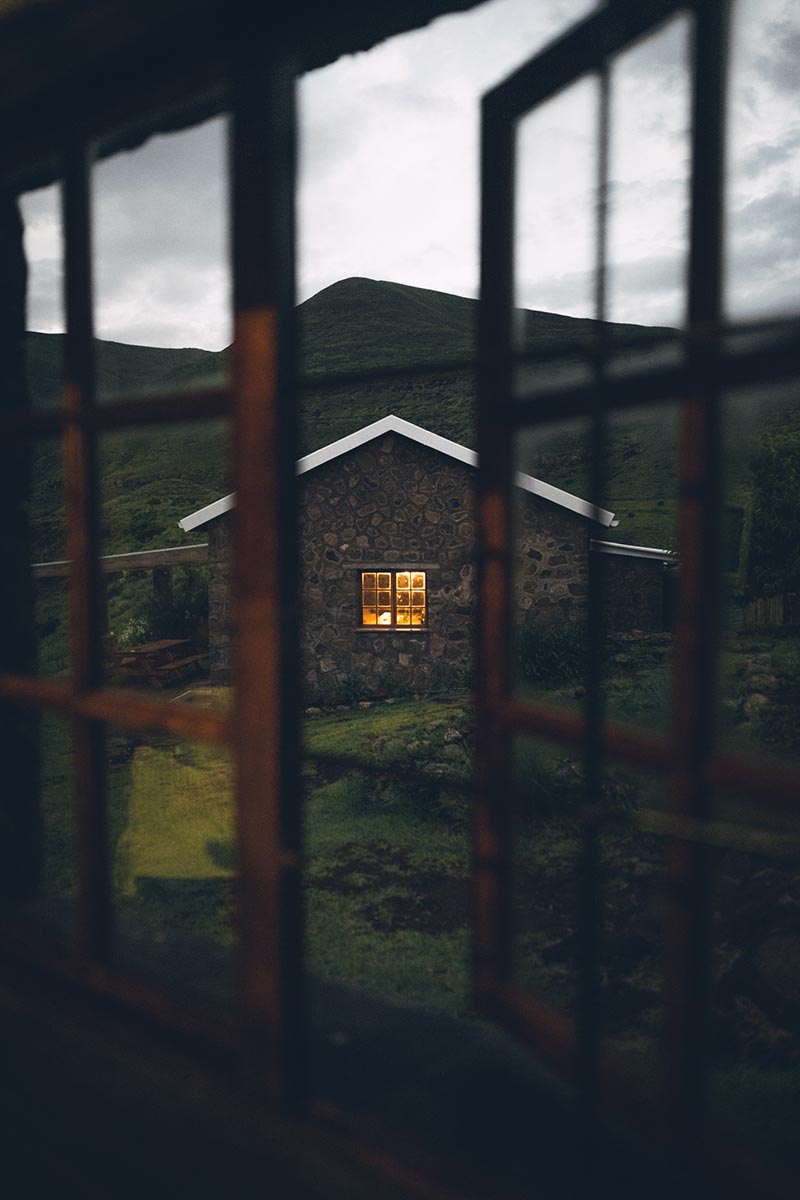
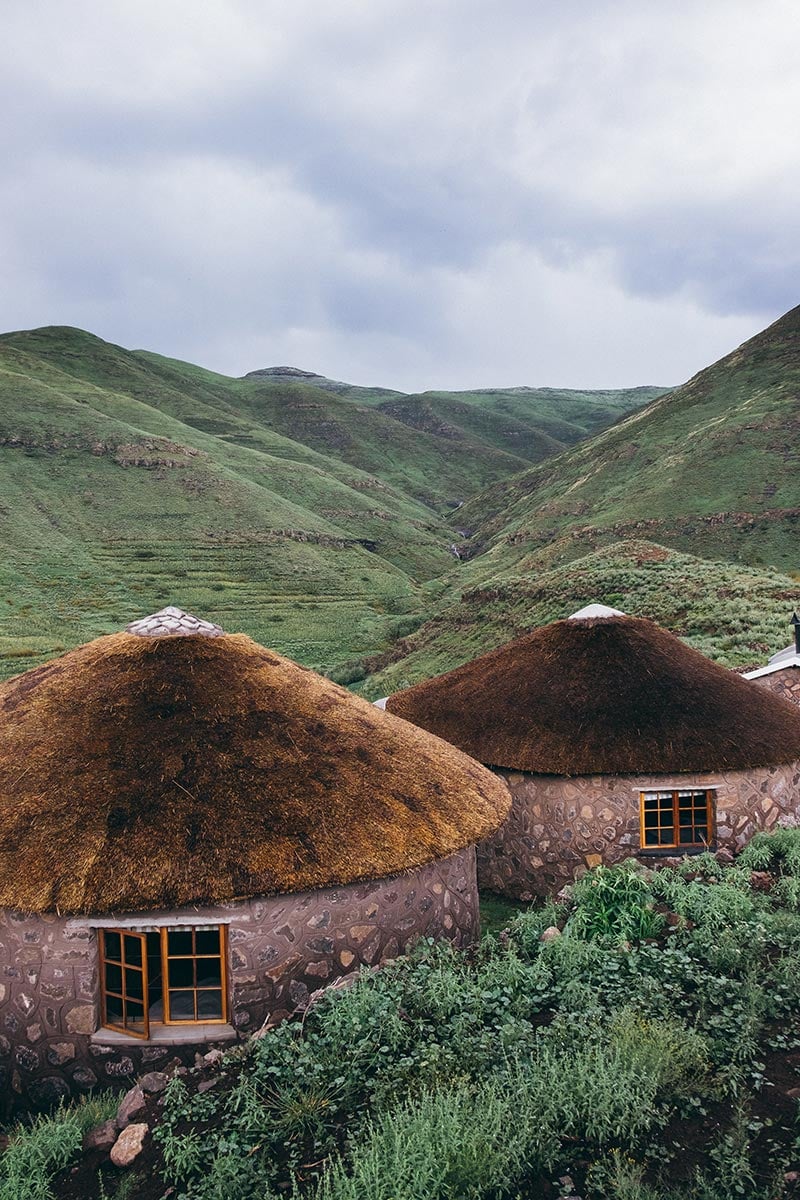
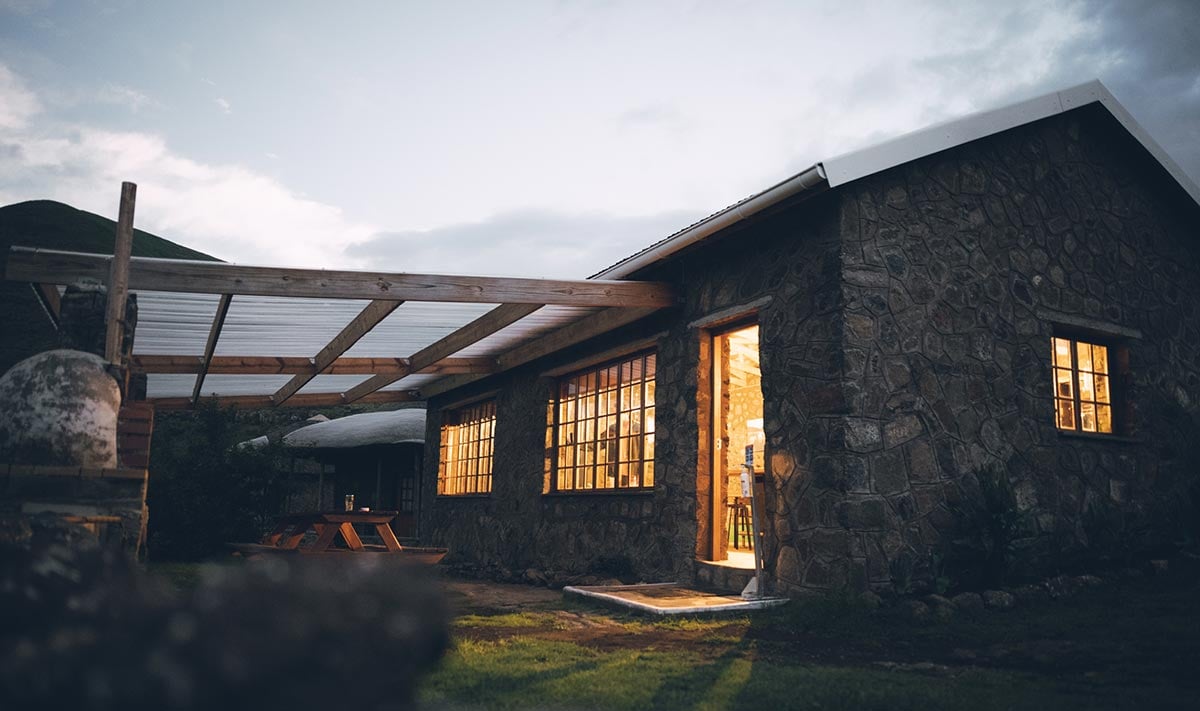
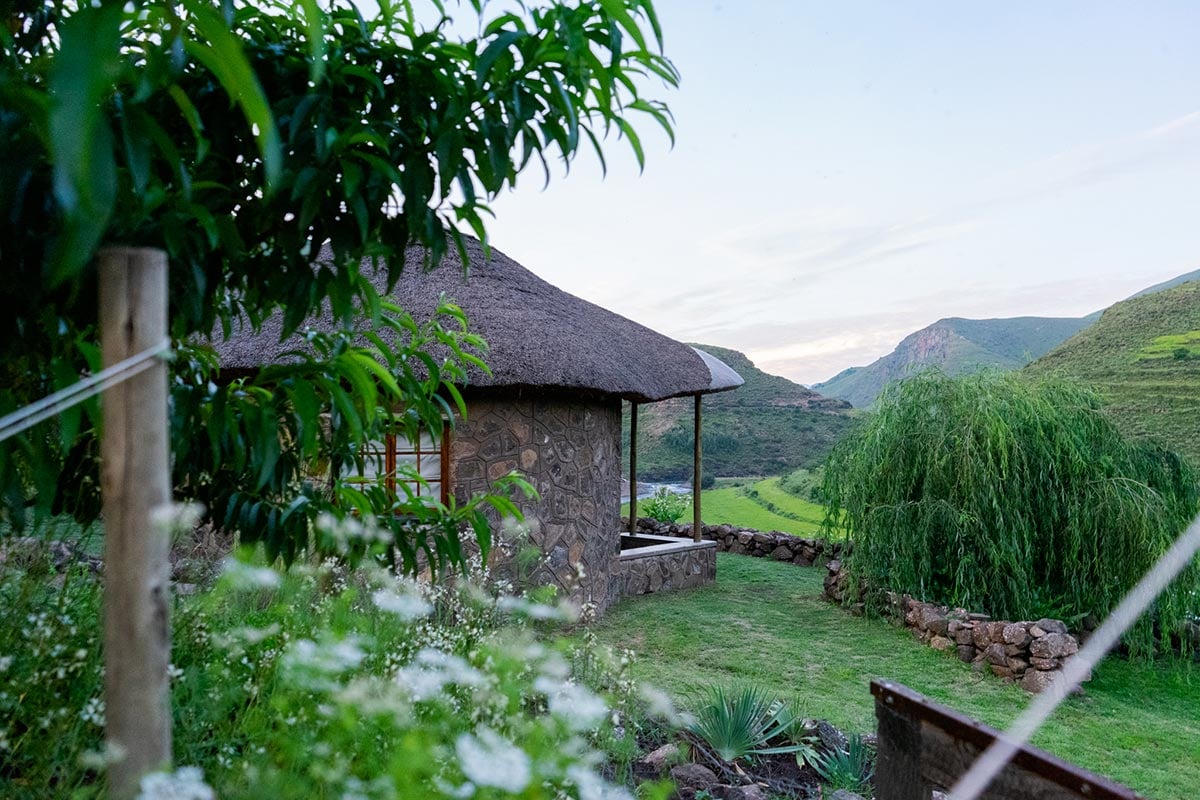
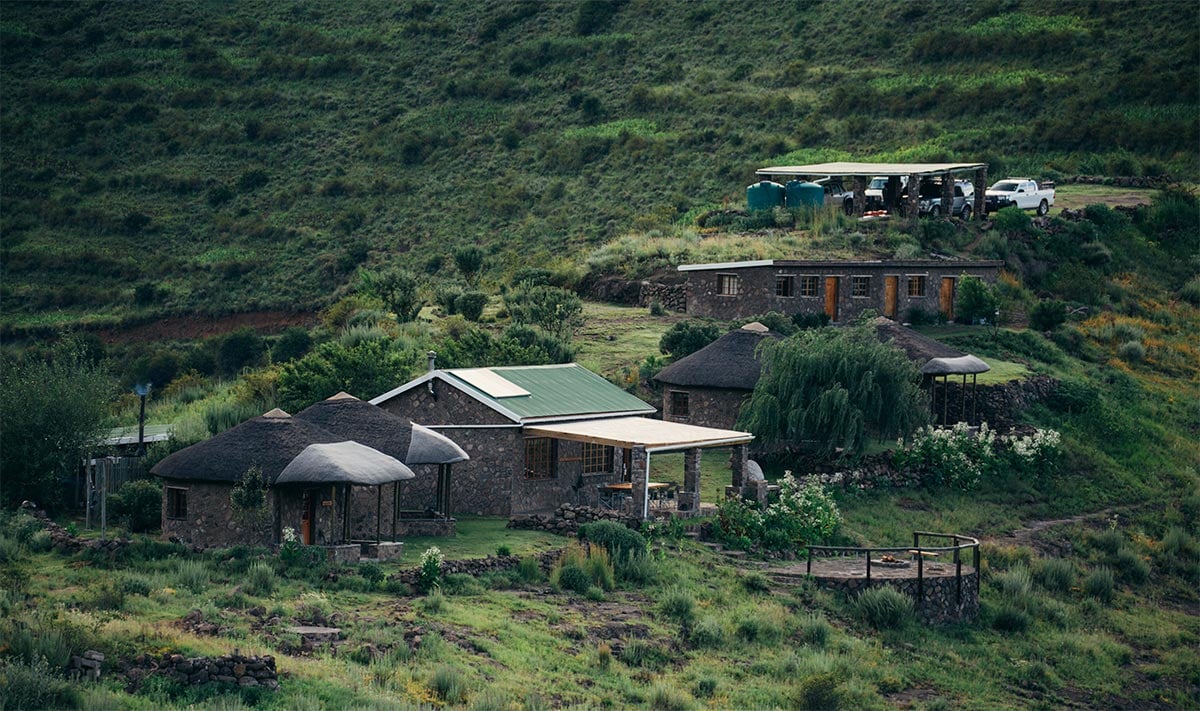
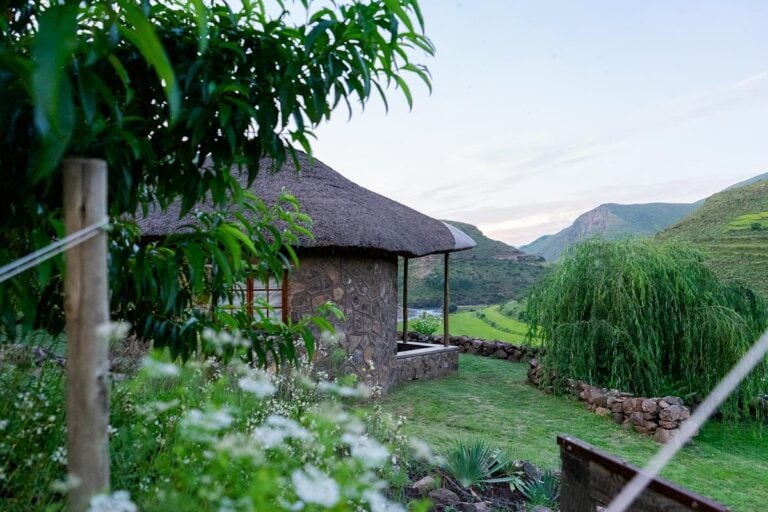
Built from local stone and thatch, the camp blends naturally with its surroundings. Guests stay in traditional-style rondavels with modern comforts, set above the river with views of the valley and mountains. It’s simple, comfortable, and exactly what anglers need.

The experience here goes well beyond the water. Shared meals, local guides, and a sense of place run deep. The camp is owned in partnership with the surrounding community, meaning every visit supports long-term conservation and meaningful rural employment.

Fly Fishing in Africa’s Mountain Kingdom

Makhangoa isn’t just about fly fishing in Africa—it’s about connection. To the land, the river, the people, and the fish. It’s about taking the time to slow down and fish with focus. For those looking to go beyond the usual and cast in one of the continent’s most underrated fisheries, this is your place.

Season, Access, and Length of Stay

The fishing season at Makhangoa Community Camp runs from November through May, aligning with stable access and productive conditions across the upper Bokong system. Most fishing is done on foot, with anglers wet-wading and covering long, uninterrupted river sections at a deliberate pace.

During periods of high water, fishing can shift toward the Bokong–Katse Dam confluence, where drift boats provide effective access until river levels settle. Stays typically range from three to ten nights, allowing anglers to settle into the rhythm of the river and adjust their focus as conditions evolve over the course of the week.

Community Stewardship and River Protection

The Bokong River fishery is supported by a long-standing partnership between African Waters and the Makhangoa community, established in 2012 and central to how the camp operates today. All camp staff are drawn from the surrounding area, with employment rotating across a broad group of local households.

On the river, trained rangers and monitoring programs help protect fish stocks and maintain access, while education and conservation initiatives reinforce long-term stewardship. This community-led structure plays a direct role in preserving both the quality of the fishing and the character of the valley.

Taken together, Makhangoa Community Camp offers a high-altitude, walk-and-wade fly-fishing program on the Bokong River, where seasonal yellowfish and trout fishing are supported by long-term community stewardship and river protection.

To learn more about the fishing and express an interest, message African Waters.
Fishing Highlights

  • Active adventure
  • Customizable itinerary
  • Family-friendly
  • Guided fishing
  • Loaner rods & reels
  • Sight fishing
  • Wilderness fishing

Fishing at Makhangoa Community Camp is entirely fly focused, with most days spent walking and wading the Bokong River. The emphasis on visual fishing and longer leaders means rods in the 9 to 9.5 ft range are well suited to the open river sections, wind, and precise presentation often required.

Dry flies account for much of the fishing when water clarity allows, with subsurface flies coming into play during higher or coloured water. While the river is the primary focus, periods of heavy rain can shift fishing toward the Bokong–Katse Dam confluence, where different line densities are commonly used to maintain depth.

The high-altitude setting brings variable mountain weather, and anglers should plan gear accordingly. As equipment provision and specific tackle setups are not standardised, confirming personal gear requirements with the operator ahead of travel is recommended.

  • Fishing Program: Freshwater Fly Fishing

  • Fishing Gear: Loaner gear is available for guests.

  • Species to Target: Trout, Brown Trout, Rainbow Trout, Yellowfish

  • Season: The fishing at Lesotho Yellowfish Camp runs from November to March.

  • For seasonal updates and recommended gear, message African Waters.
Commitment to Sustainability

  • Lesotho Yellowfish Camp follows catch-and-release (C&R) practices and actively supports local conservation initiatives to help sustain fish populations for future generations. It also invests in projects that help the local community benefit directly from its operations.

  • Eco-tourism is a fundamental part of the fishing program and guest activities.

  • Advocates for Catch & Release

  • Committed to Conservation

  • Supporting Local Communities

  • Promoting Eco-Tourism

Lesotho Yellowfish Camp Accommodation

Makhangoa Community Camp - keeps things simple, comfortable, and close to the fishing. The camp sits just above the Bokong River, blending naturally into the surrounding mountains with its traditional Basotho homestead architecture.

Traditional Rondavels and Guest Comfort

Guest accommodation consists of four stone-and-thatch rondavels, each sleeping two guests (with the option for a king-size bed). Inside, they strike the right balance between rustic charm and practical comfort—stone walls, timber beams, handmade touches, and thick duvets that hold up well against cold highland nights. Each rondavel also includes a private veranda overlooking the river.

Shared Living Spaces

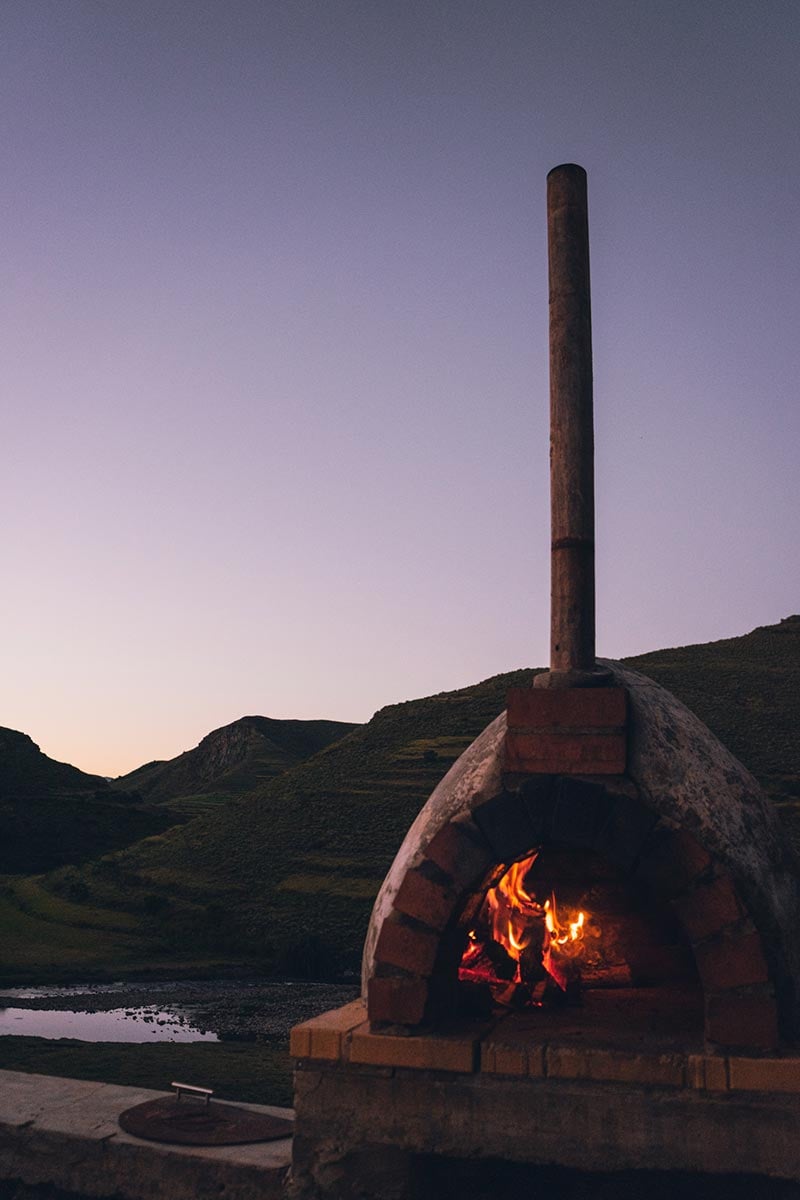
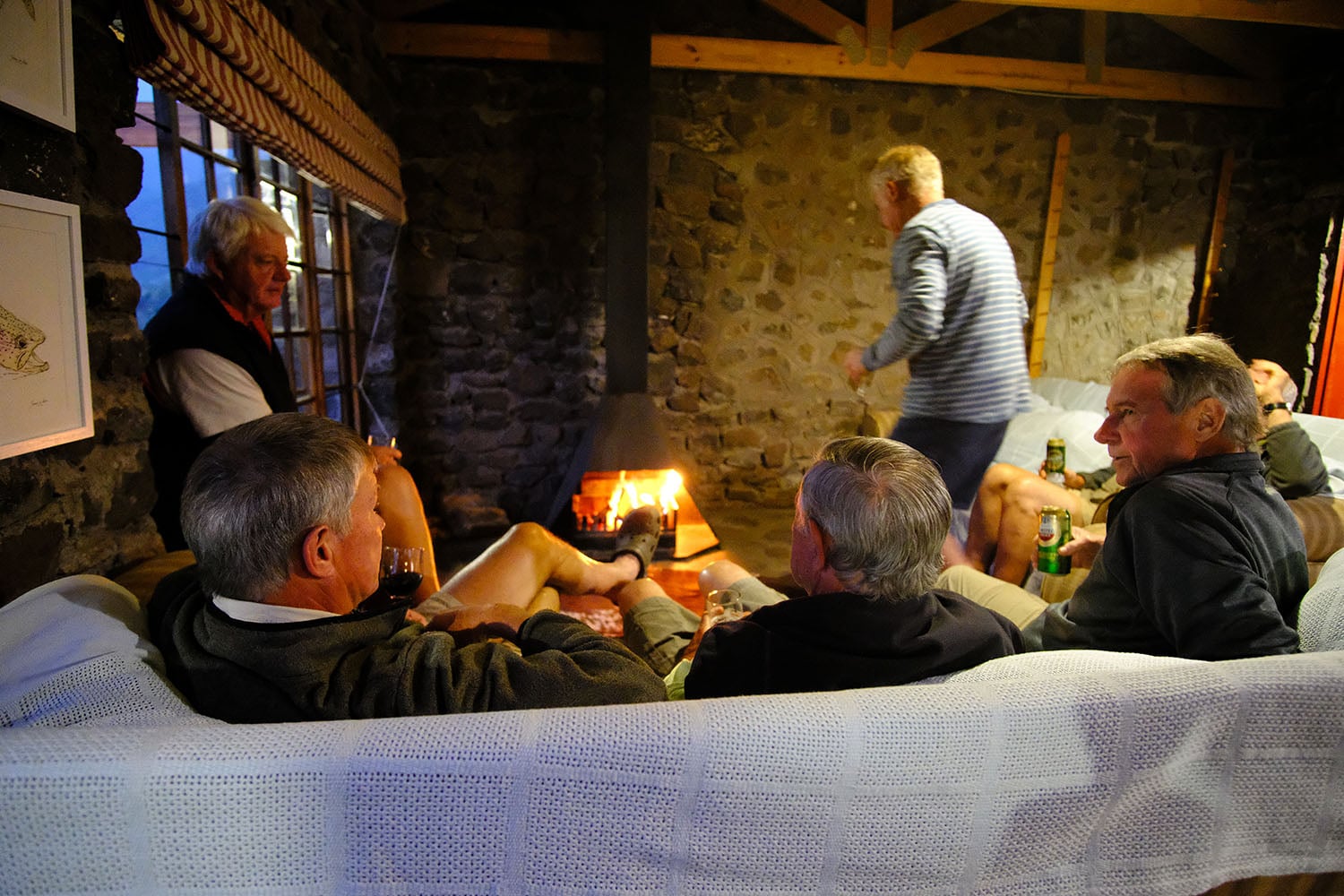
The central living space is where the camp comes together: a shared indoor lounge with a fireplace, an open-plan kitchen with a bar-style dining table, and an outdoor deck with a pizza oven and another fireplace—perfect for unwinding after long days on foot.

Facilities and Practicalities

Electricity is solar-powered (220v), with plug points available in the main living area. Two boutique bathrooms serve the camp, each with a clawfoot bath, fireplace, shower, toilet, and double vanity. Bedding and towels are provided.

Meals and Camp Atmosphere

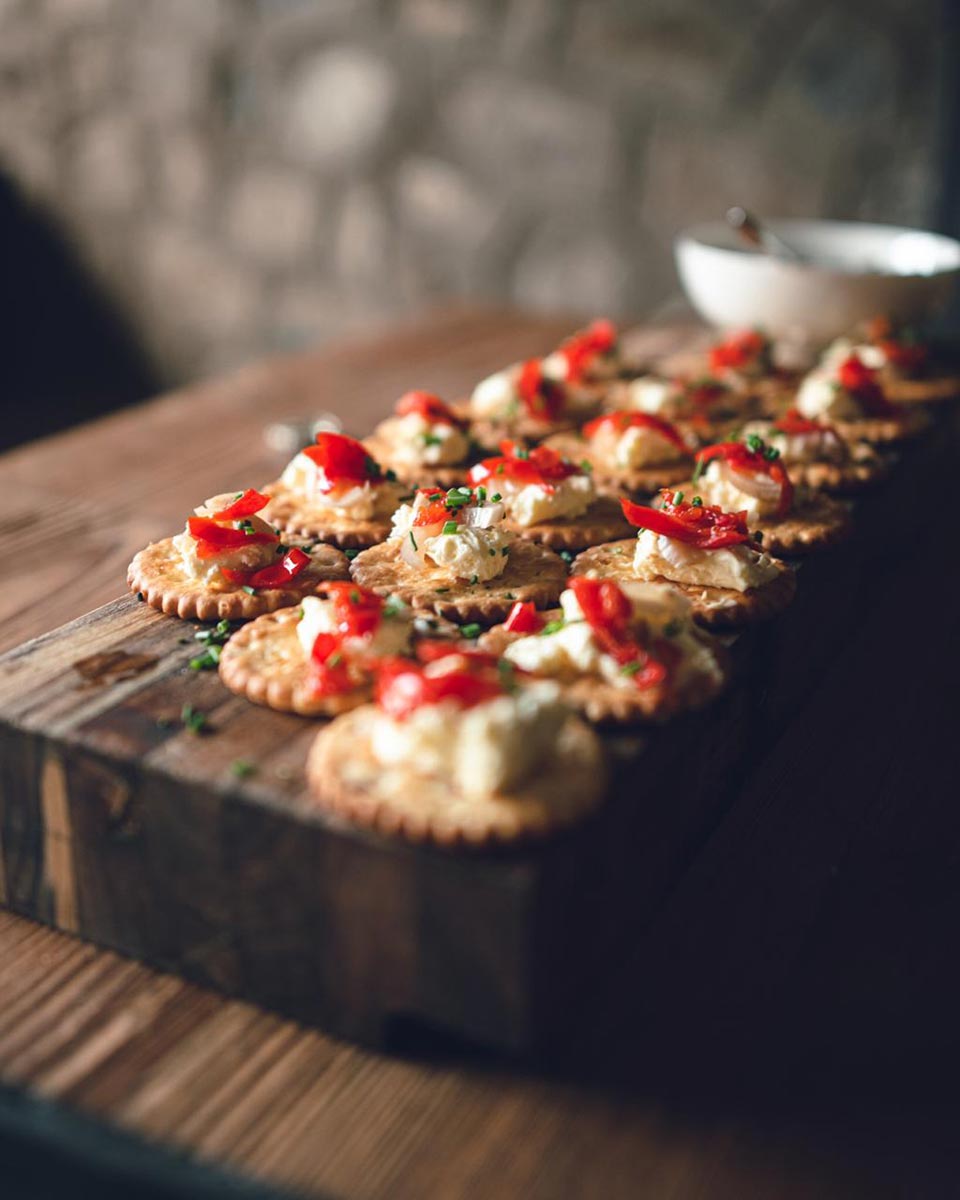
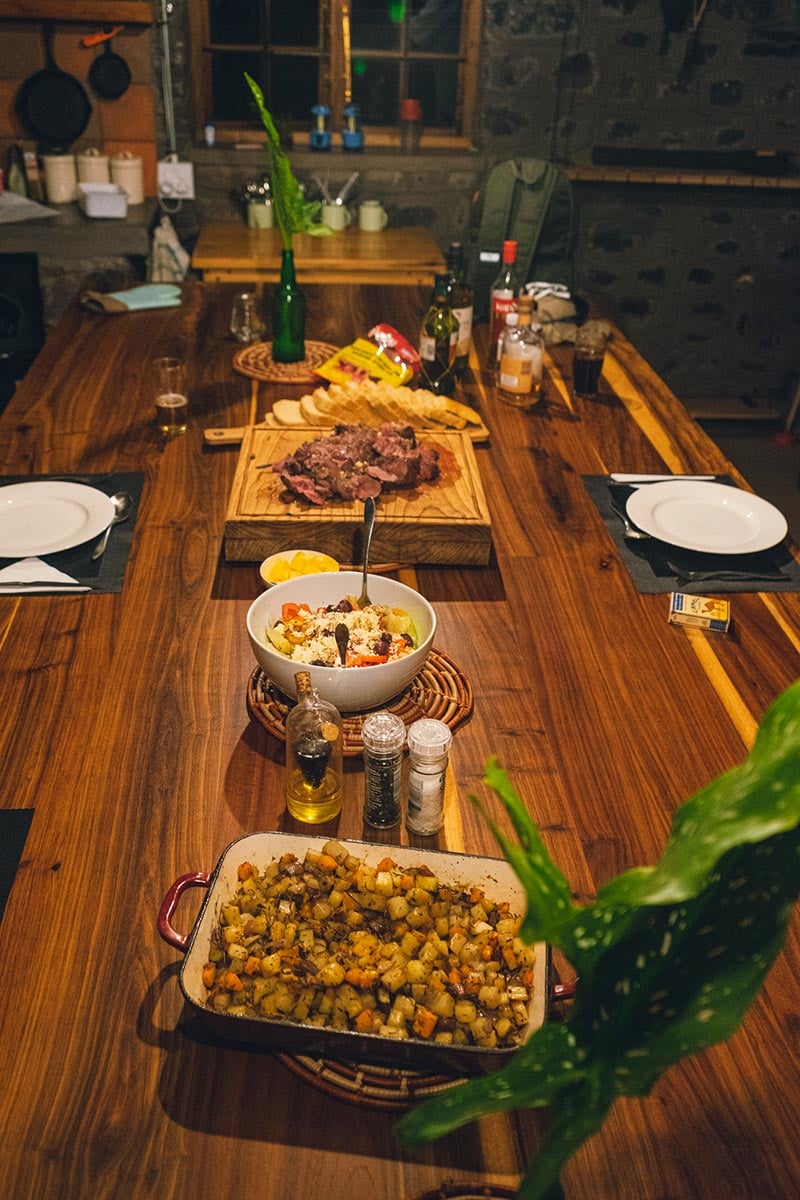
The camp hosts only eight anglers at a time, keeping the atmosphere quiet and personal. Meals are hearty and well-cooked—fresh bread, local stews, and full breakfasts that fuel serious time on the river. Everything’s shared around the communal table, where stories stretch into the evening and no one’s checking their phone.

There’s limited cell reception and Wi-Fi, no distractions—just clean air, clean water, and the kind of stillness that reminds you why you came.

To explore room options, availability, and planning your stay, message African Waters.
Accommodation Gallery

Accommodation Highlights

  • Off-grid experience
  • Mountain views
  • Walk to fishing
  • Double occupancy rooms
  • Laundry service
  • Mobile network access
  • Open lounge
  • Prepared meals

Travel to Makhangoa Community Camp is typically via southern Africa’s main international gateways, with Johannesburg the most common starting point. From there, guests either self-drive or arrange a road transfer into the Lesotho highlands. The final approach is through mountain roads, with access dependent on conditions and vehicle clearance.

African Waters can assist with transfers from Johannesburg and can also coordinate meeting arrangements near Katse Lodge when required. Guests choosing to self-drive are advised to plan carefully and confirm route and access details in advance. Final travel instructions and timings are provided by the operator prior to arrival to ensure a smooth transfer into camp.

Entry requirements for southern Africa vary by nationality, and travellers should check current visa rules with the relevant embassy before departure. Many visitors do not require a visa for short tourist stays, but passports are typically required to be valid for at least six months beyond the return date, with sufficient blank pages.

There are no mandatory vaccinations for entry when travelling directly from Europe or North America to this part of southern Africa. A yellow fever certificate is only required if arriving from a country where yellow fever is present. Malaria is not a concern in the high-altitude regions of Lesotho. Travellers should seek personalised advice from a medical professional or travel clinic prior to departure.

Travel regulations and health recommendations may change, so guests should verify current visa and vaccination requirements before traveling.

Beyond Fishing Experiences

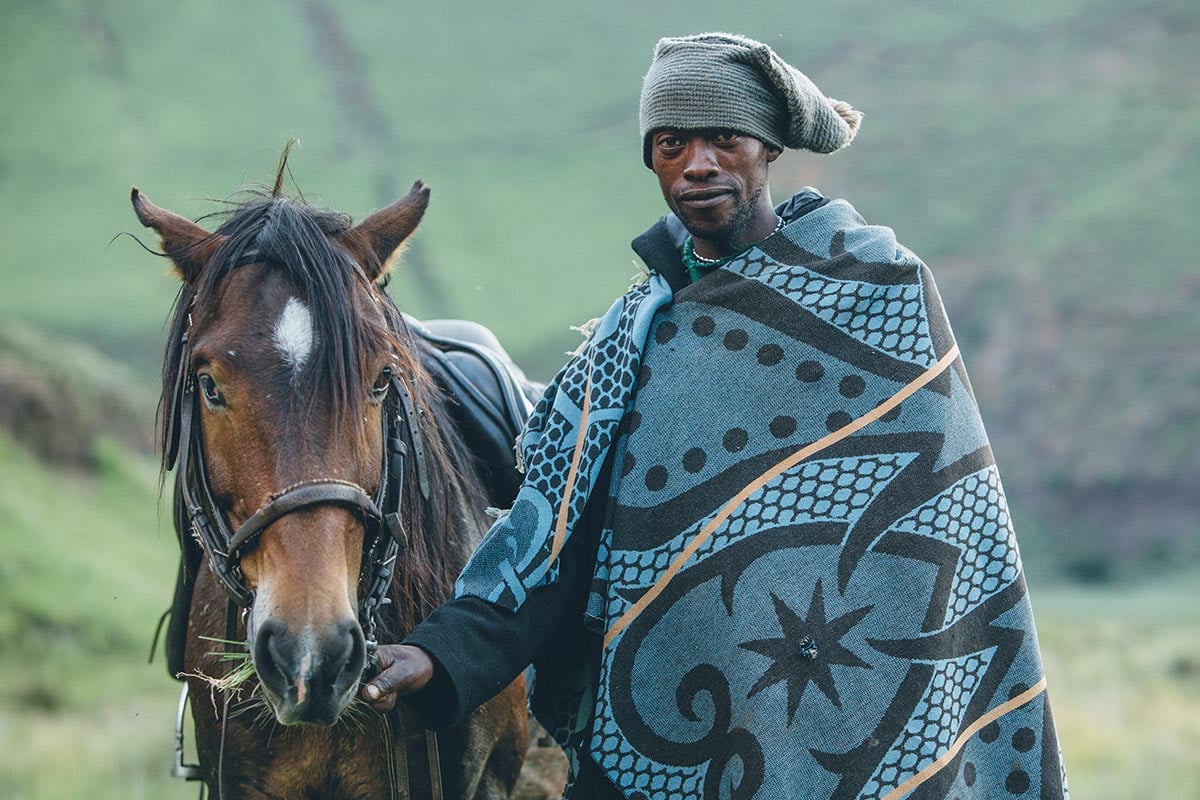
While the river is the main draw, time at Makhangoa Community Camp offers more than just days on the water. Set beside a remote Basotho village, the camp provides a genuine window into local life, from herders moving across the hillsides to traditional homes and a pace shaped by the rhythms of the mountains.

Guests can explore the surrounding valley on foot, join guided village walks, or simply take in the stillness of the highlands. Birdlife is abundant, the air is clear, and changing light and weather continually reshape the landscape. Evenings tend to be unhurried, shared around the camp after full days outdoors.

For international travellers, Makhangoa can also form part of a broader southern Africa itinerary. African Waters can assist with add-on travel in South Africa, including time in Cape Town or a safari extension to the Kruger National Park, allowing fishing in the Lesotho highlands to be combined with other classic regional experiences.

To find out if this fishing trip is right for you, message African Waters.
Additional Activities

  • Birdwatching
  • Cultural activities
  • Ecotourism
  • Hill walking
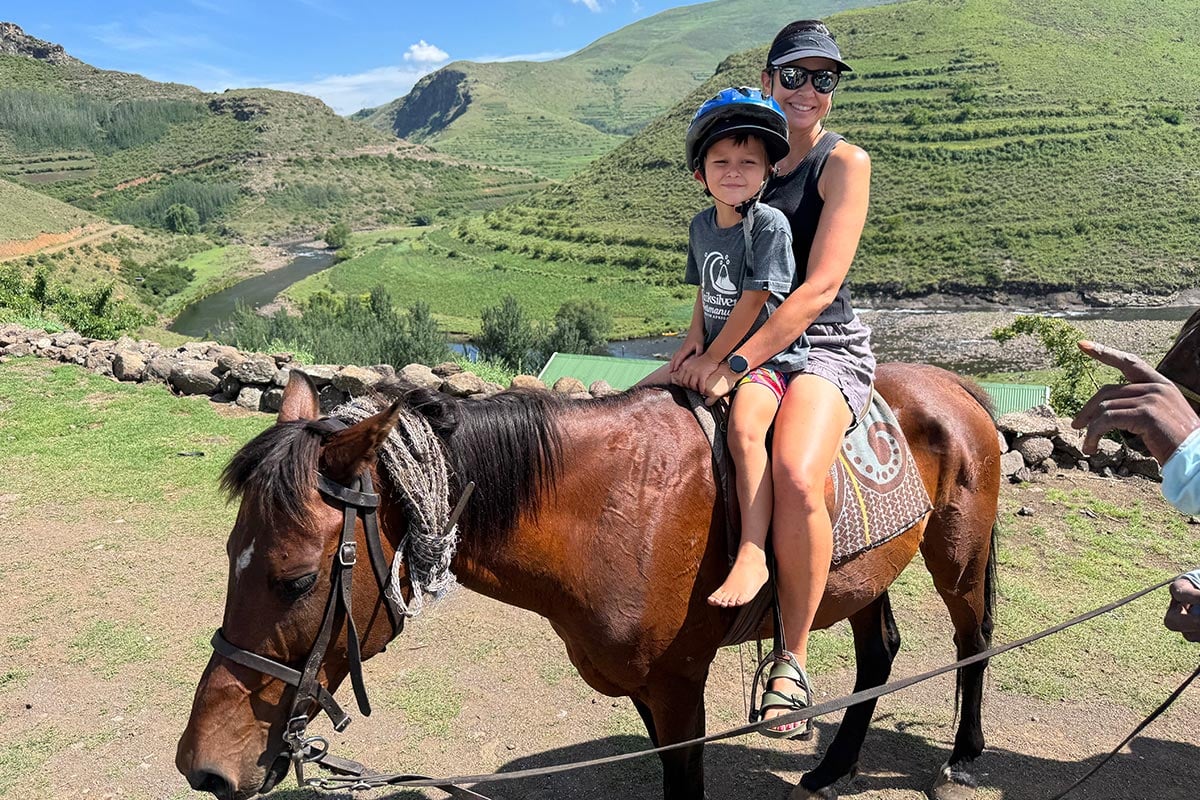
  • Horseback riding
  • Mountain biking
  • Wild swimming

Editorial note: Information verified with Lesotho Yellowfish Camp and compiled by FishingExplora’s editorial team.

There is something magical about fishing in the highlands of Lesotho in Africa, whilst staying in these traditional stone-and-thatch rondavels. It's an experience the whole family can enjoy.

– Keith, African Waters

Location & Transport Services

  • Southern Africa, Lesotho
  • Lesotho Yellowfish Camp is located approximately 2 hours travel from Johannesburg (JNB) airport.

  • If arriving by plane, car hire will be required for the final leg of the journey.

  • From  $672 
  • nightly
  • Per angler (double occupancy)

Available to members

Quick signup - No fees, no spam.

Your Advantage

Get direct access to lodge owners for up-to-date information from the source.

  • Message lodges instantly
  • Book directly with your host
  • Access exclusive experiences
  • Get latest fishing updates

Pricing, Insurance & Travel Information

Pricing Information

  • Prices based on double occupancy (sharing a room and a boat/guide).

  • A single-room upgrade may be available.
  • A private boat/guide upgrade may be available.
  • The minimum stay is 3 nights.
  • Discounts are available for group bookings.
  • For the latest pricing information, please message your host.

  • Arrival & Departure Lodge Transfers, Fishing Licenses, Guided Fishing, Laundry Service, Lodging, Meals.
  • Airfares, Airport Shuttle Service, Baggage Insurance, Beverages (alcoholic), Beverages (non-alcoholic), Fishing Gear Loan, Staff Gratuities, Travel Insurance.
  • Gratuities are entirely at the guest’s discretion and not mandatory. That said, they’re always appreciated by the team. As a general guideline, guests can tip between 5-10%, depending on the level of service.

Recovery & Insurance

Global Rescue Logo
Stay safe on your next fishing trip with Global rescue. Emergency support, travel insurance, and evacuation services, so you can focus on your next big catch.

Members can book Global rescue cover once logged in.

  • Lesotho Yellowfish Camp can advise on both local and international travel options to reach their location.

  • Guests traveling by plane are advised to arrange a rental car for the final leg of their trip.
  • Lesotho Yellowfish Camp doesn't provide an airport transport service, but can offer advise on the best travel options to reach them.

  • Local Airport: Johannesburg (JNB) - 2 hours away from final destination.

  • International Airport: Johannesburg (JNB)

The Location

  • Members can view the exact location and travel directions once logged in.

Fishing Programs Offered by African Waters

  • All-Inclusive
  • Freshwater Fly Fishing, Freshwater Predator Fishing
  • Catfish, Vundu (Giant Catfish), Pacú, Ndungu (African Pacu),...
  • From  $13,750 
  • weekly
  • All-Inclusive
  • Freshwater Fly Fishing, Saltwater Fly Fishing, Freshwater Predator Fishing, Sea Fishing
  • Giant African Threadfin, Jack Crevalle, Longfin Jack, Snappe...
  • From  $7,350 
  • weekly

Recommended Fishing Experiences in Southern Africa

  • All-Inclusive
  • Freshwater Fly Fishing
  • Trout, Brown Trout, Rainbow Trout, Yellowfish
  • From  $672 
  • nightly