• Verified
  • +12

Dhala & Samaki Tigerfish Camp - Tanzania

Tanzania, East Africa

  • All Inclusive
  • Verified

LOCATION

East Africa, Tanzania

TARGET SPECIES

Catfish, Vundu (Giant Catfish), Pacú, Ndungu (African Pacu), Tigerfish, Yel...

TECHNIQUE

Fly Fishing

SEASON

August to November

ACCOMMODATION

Up to 8 guests

Fishing at Dhala & Samaki Camp

  • Who this experience is for:

    Tigerfish-focused fly anglers looking for a camp-based, boat-focused adventure in remote Tanzania, targeting genuinely large fish and comfortable with off-grid accommodations, fixed travel logistics, and full days on the water that reward reasonable fitness and an appetite for isolation.

Dhala & Samaki Camp offers a rare opportunity to fly fish for trophy tigerfish on Tanzania’s Mnyera and Ruhudji Rivers, within a tightly protected private concession in Nyerere National Park. Limited to just eight anglers per week, the program combines remote access, low pressure, and consistently large fish.

Fly Fishing for Trophy Tigerfish in Tanzania

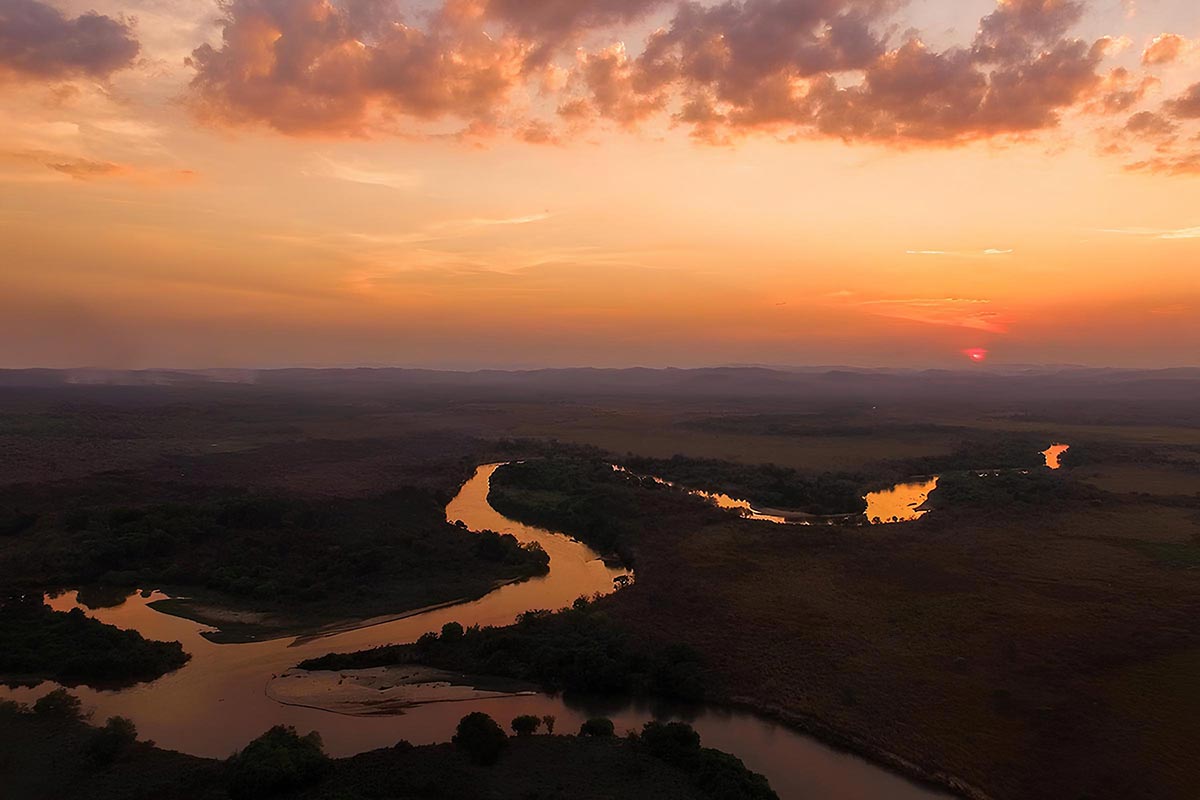
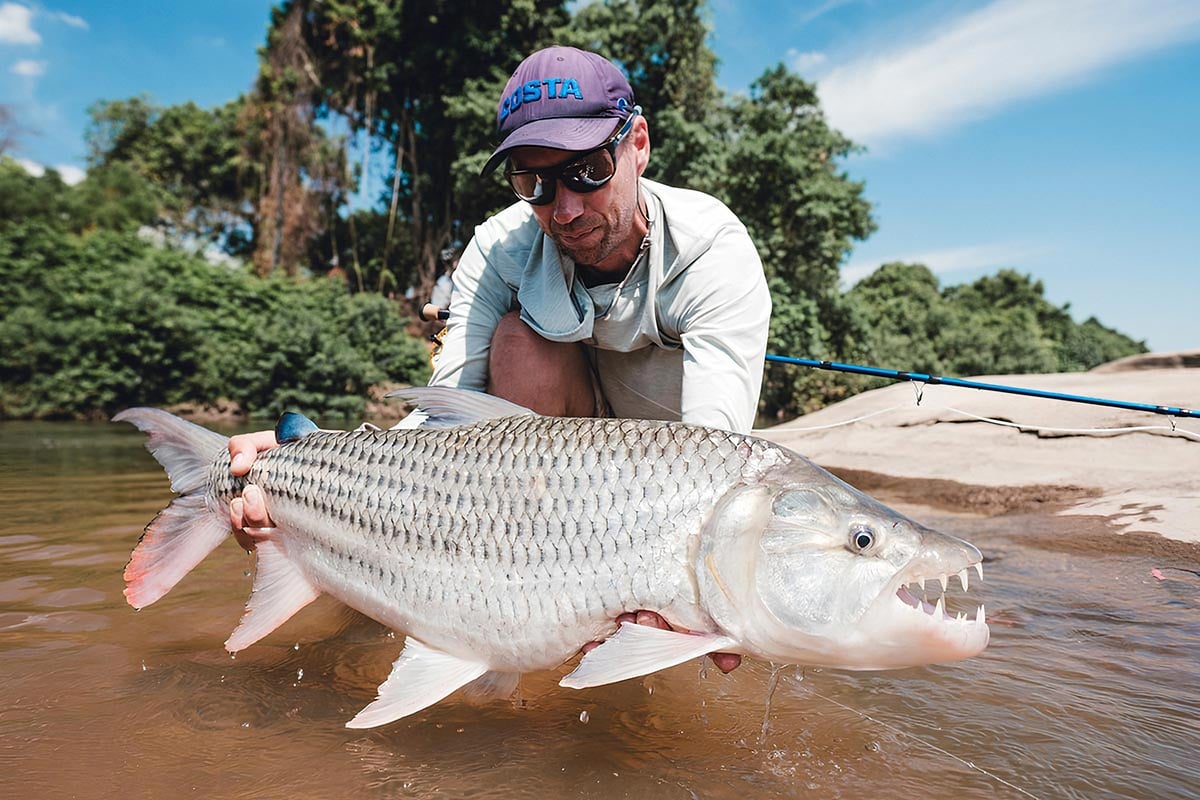
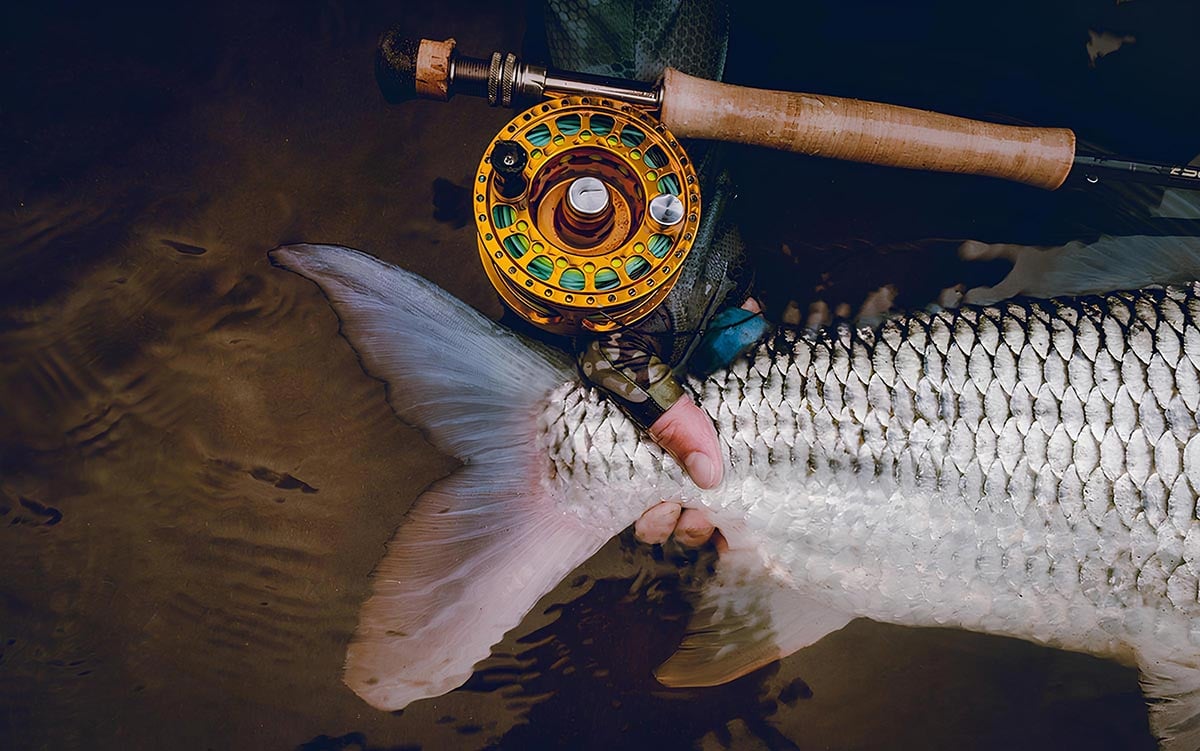
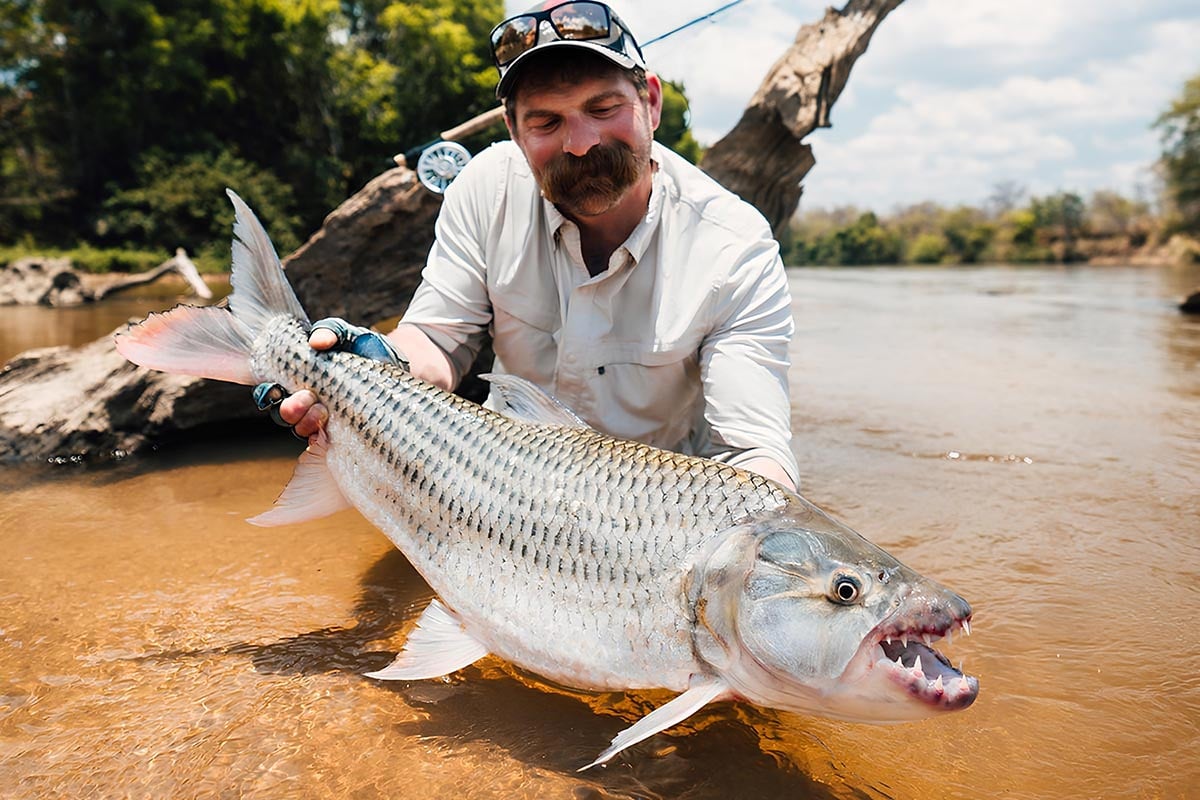
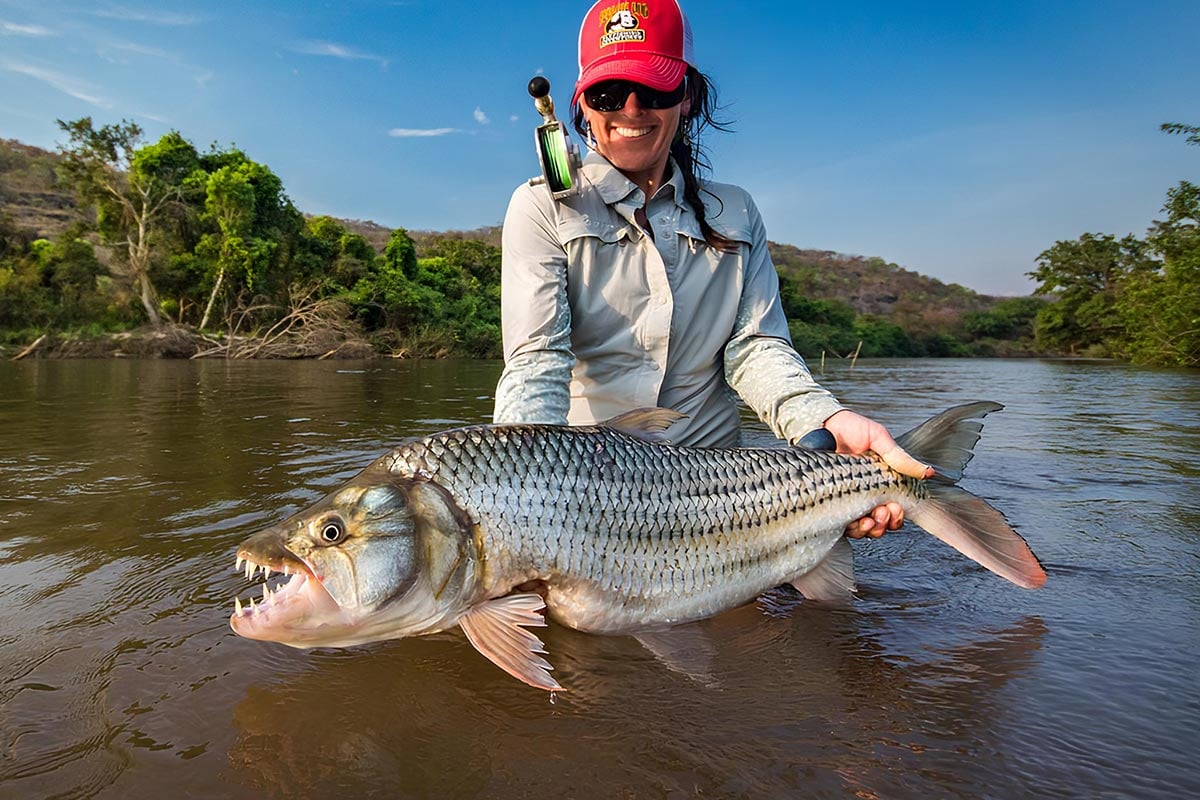
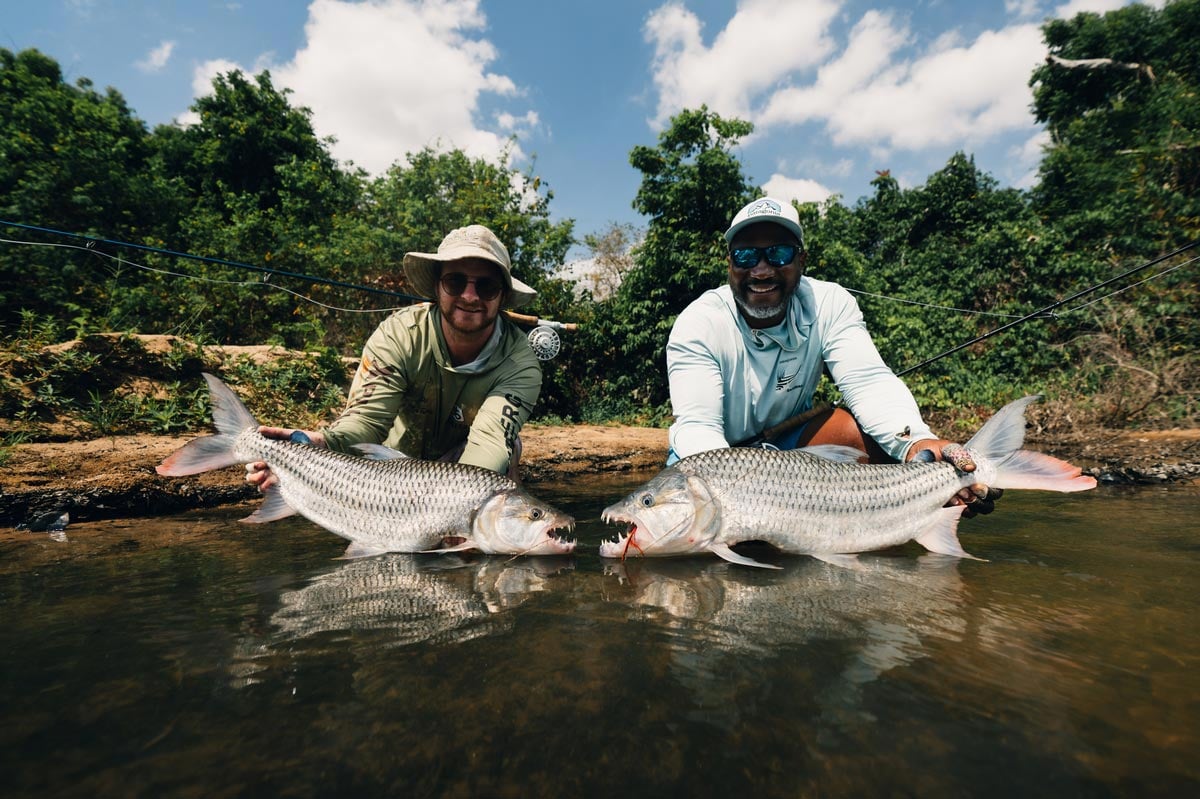
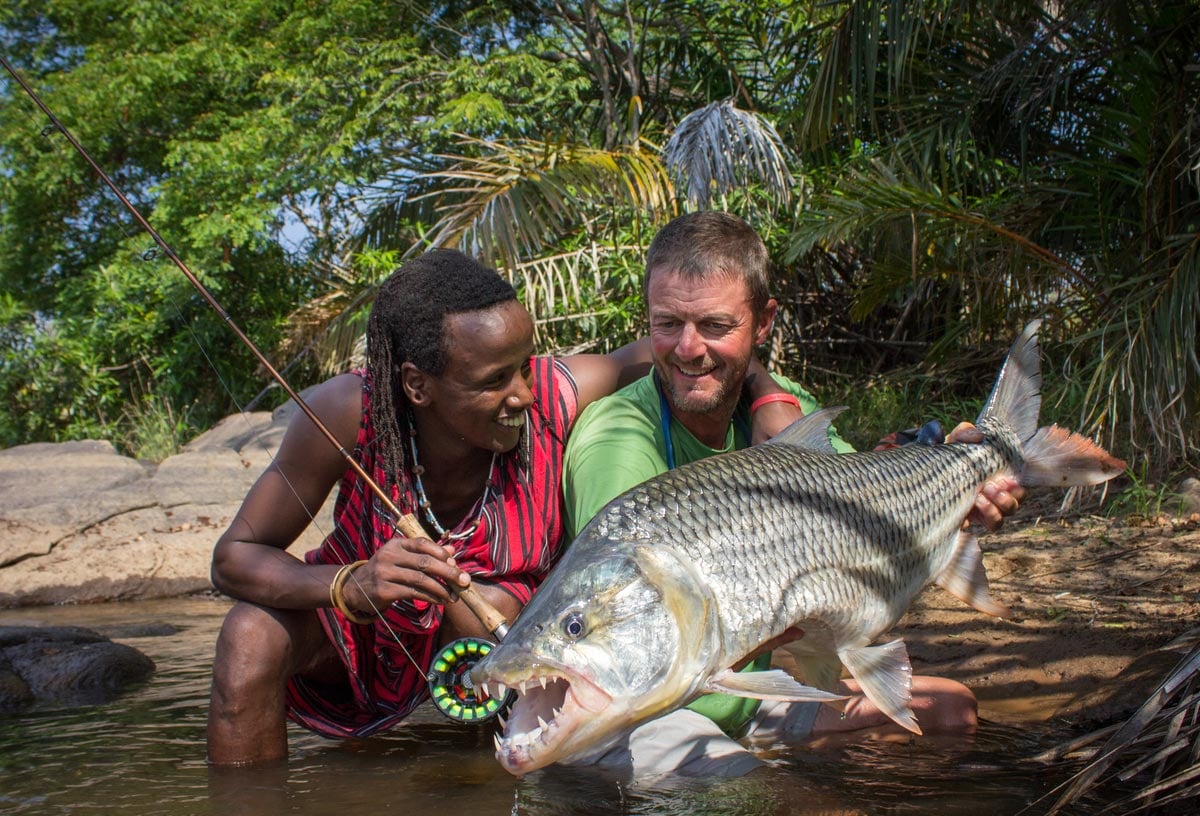
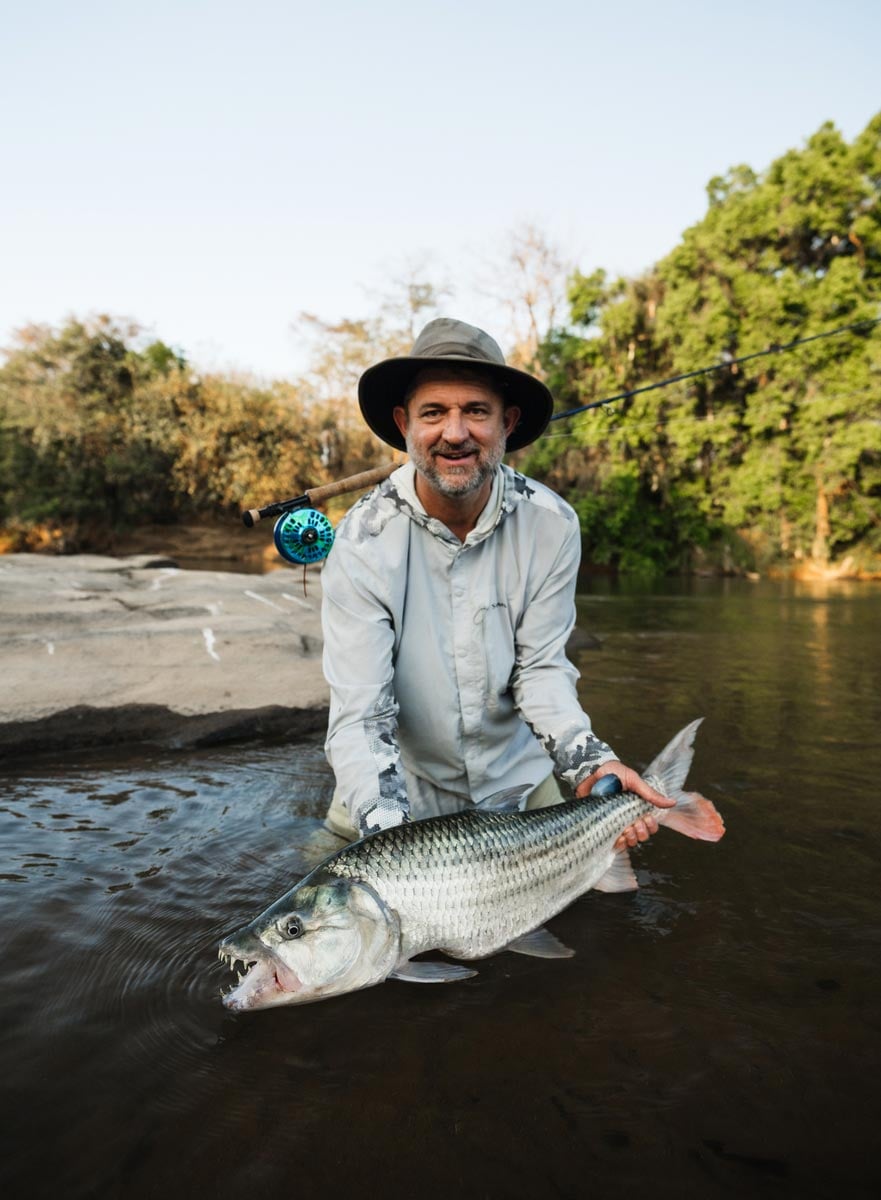
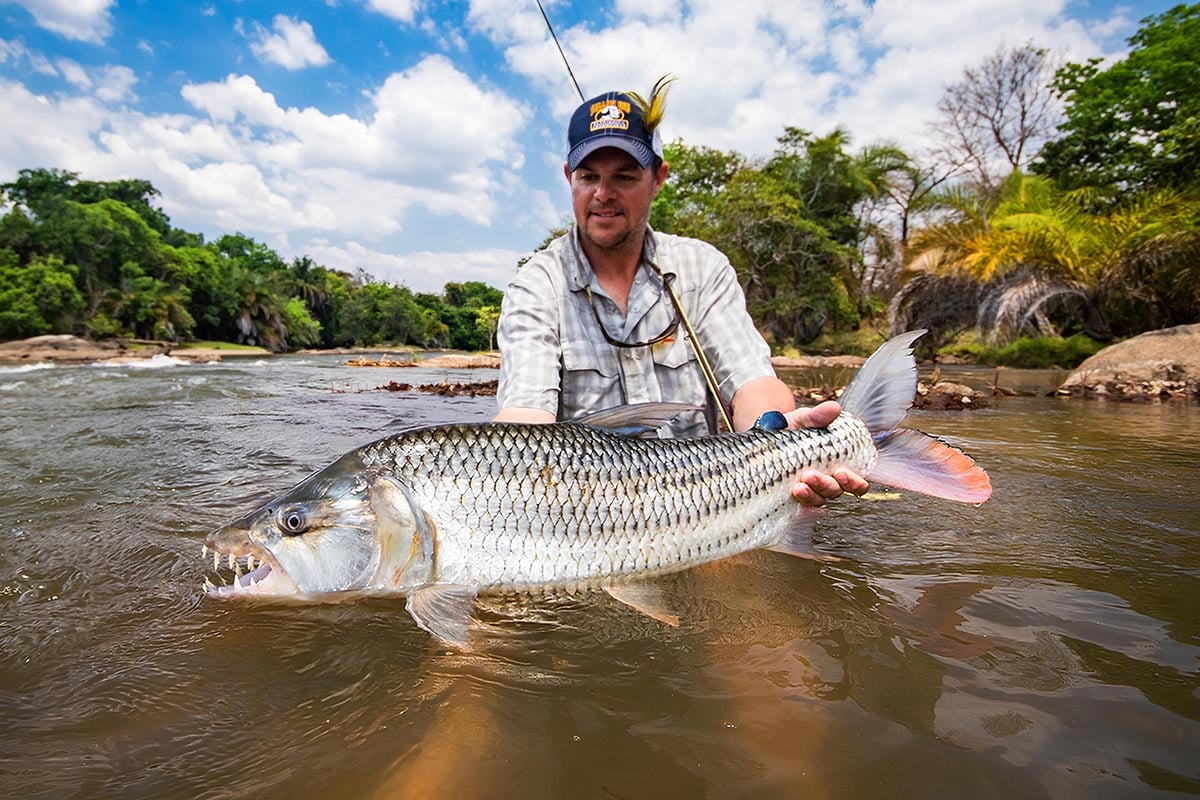
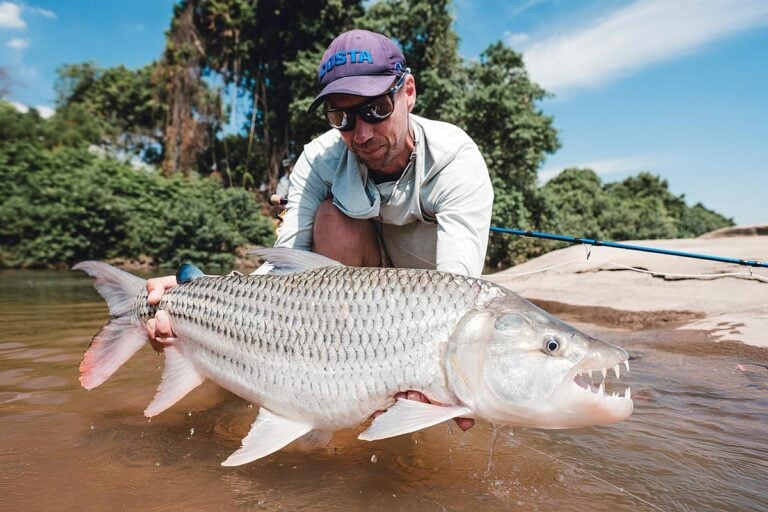
Deep in southwestern Tanzania, Dhala and Samaki Camps provide access to two of Africa’s most productive tigerfish rivers, in a part of the country rarely seen by traveling anglers. Since exploratory trips began in 2008, the Mnyera and Ruhudji have earned a global reputation for producing large Hydrocynus vittatus, with fish commonly ranging from 10 to 25 pounds and larger specimens encountered each season.

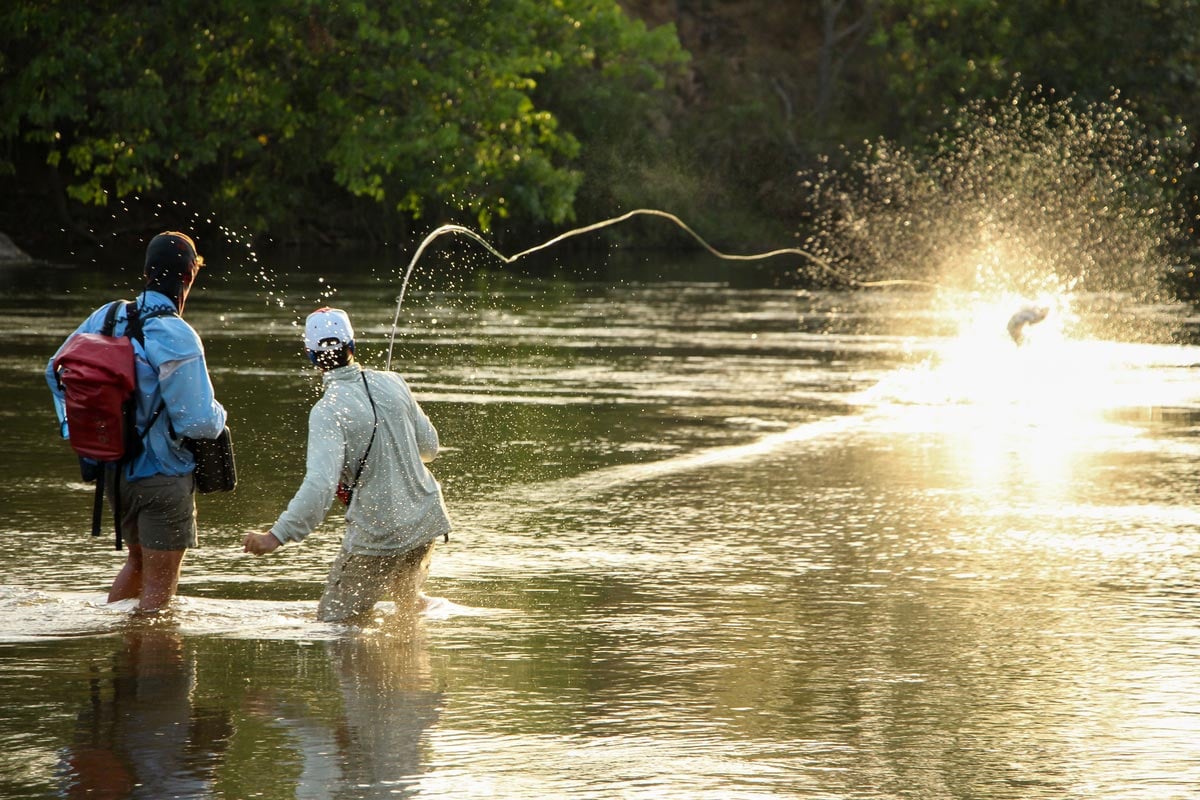
Tigerfish in these rivers are highly territorial predators, holding tight to structure and current seams and committing quickly when a fly is presented well. It’s this combination of fish behavior and controlled access that gives each day a sense of genuine expectation rather than chance.

Fishing pressure is capped at eight rods per week, for only twelve weeks each year, across a vast and carefully managed concession inside Nyerere National Park. The result is a fishery that retains its raw character while delivering dependable encounters with aggressive, territorial tigerfish throughout the season.

The Mnyera and Ruhudji Rivers

The fishing program is built around two distinct river systems, each offering a slightly different rhythm and feel.

The Mnyera River forms the backbone of the operation, with long productive drifts, varied structure, and broad sections that allow anglers to cover water efficiently by boat. These longer drifts are broken by quieter stretches where the river opens out, giving days a steady, absorbing flow from the boat.

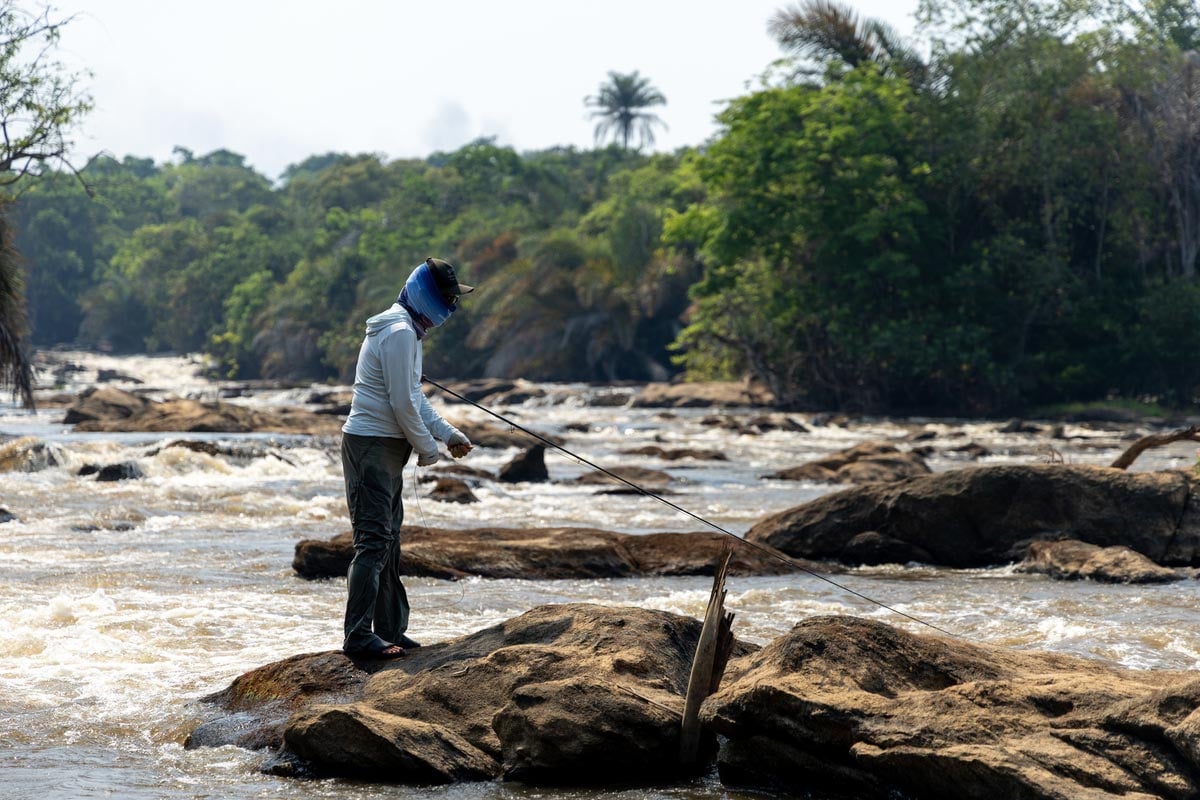
The Ruhudji River provides contrast. Narrower in places and more dynamic in character, it includes stretches of faster water and rapids that are fished on foot during a dedicated day each week. Fishing these sections on foot brings anglers into close contact with the river, where movement, sound, and pace feel very different to the drifting days.

Working both rivers over the course of the stay adds variety and balance, and helps explain why anglers return year after year.

Remote Access, Conservation, and Guided Boat Fishing

Dhala and Samaki operate within a 14,000 km² private concession inside Nyerere National Park, operated by African Waters as part of a long-term conservation and access agreement. Access is tightly controlled, and angling forms part of a broader conservation model that includes park fees, concession payments, licensing, and full-time anti-poaching support.

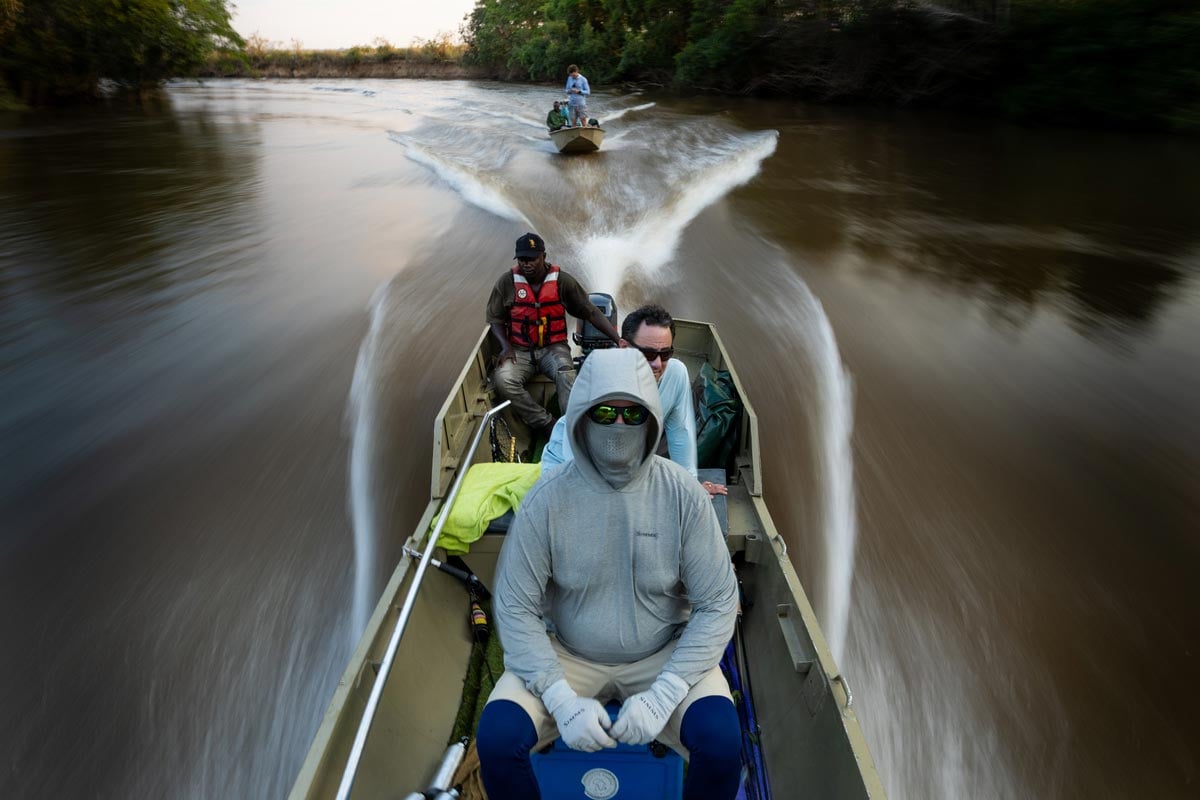
Fishing is fully guided and primarily boat-based, with anglers fishing two per boat from shallow-draft 18-foot Go Devil skiffs that allow long, efficient drifts across productive sections of river. Each boat is operated by an experienced African Waters guide alongside a local coxswain, with safety equipment carried on board as standard.

Six rotating beats across the two rivers ensure balanced access, low pressure, and flexibility as river conditions evolve through the season.

How the Fishing Week Unfolds

The fishing program makes use of both Dhala and Samaki Camps over the course of a stay, allowing anglers to fish both the Mnyera and Ruhudji Rivers as part of a single, integrated week.

A typical stay unfolds over seven nights, with six full fishing days that quickly settle into a steady rhythm. Most days are spent drifting productive sections of river by boat, covering a mix of water. One day each week is reserved for fishing the Ruhudji rapids on foot, offering a more physical and immersive contrast to the drift days and standing out as a highlight for many guests.

With only eight anglers on the concession, the experience feels spacious and unrushed, allowing guests to focus fully on the fishing and the surrounding wilderness.

Season and Best Time to Fish for Tigerfish

The Dhala and Samaki season runs from August through November, aligning with the late dry season in southwestern Tanzania and offering the most consistent conditions for tigerfish. From September to November, river levels stabilize, access improves across both the Mnyera and Ruhudji systems, and fish are well distributed, making this the most reliable window for anglers planning a tigerfish-focused trip.

This narrow seasonal window, combined with strict rod limits, plays a key role in maintaining the quality of the fishery. For anglers planning well in advance, the late dry season offers the most reliable conditions and the best balance of water clarity, access, and tigerfish activity.

With access to two of Africa’s most respected tigerfish rivers and camp-based logistics designed around fishing rather than comfort theater, Dhala and Samaki deliver a focused, immersive experience that rewards anglers willing to travel well off the usual path.

To learn more about the fishing and express an interest, message African Waters.
Fishing Highlights

  • 4x4 transport supplied
  • Active adventure
  • Camp experience
  • Casting tuition
  • Guided fishing
  • Rental rods & reels
  • Soft drinks while fishing
  • Trophy fishing
  • Wilderness fishing

Fishing at Dhala & Samaki Camp is physically engaging and best suited to anglers comfortable spending long days on the water in a remote environment. Most fishing is done from boats while drifting, so good balance, stamina, and the ability to cast confidently from a moving skiff are important across the week.

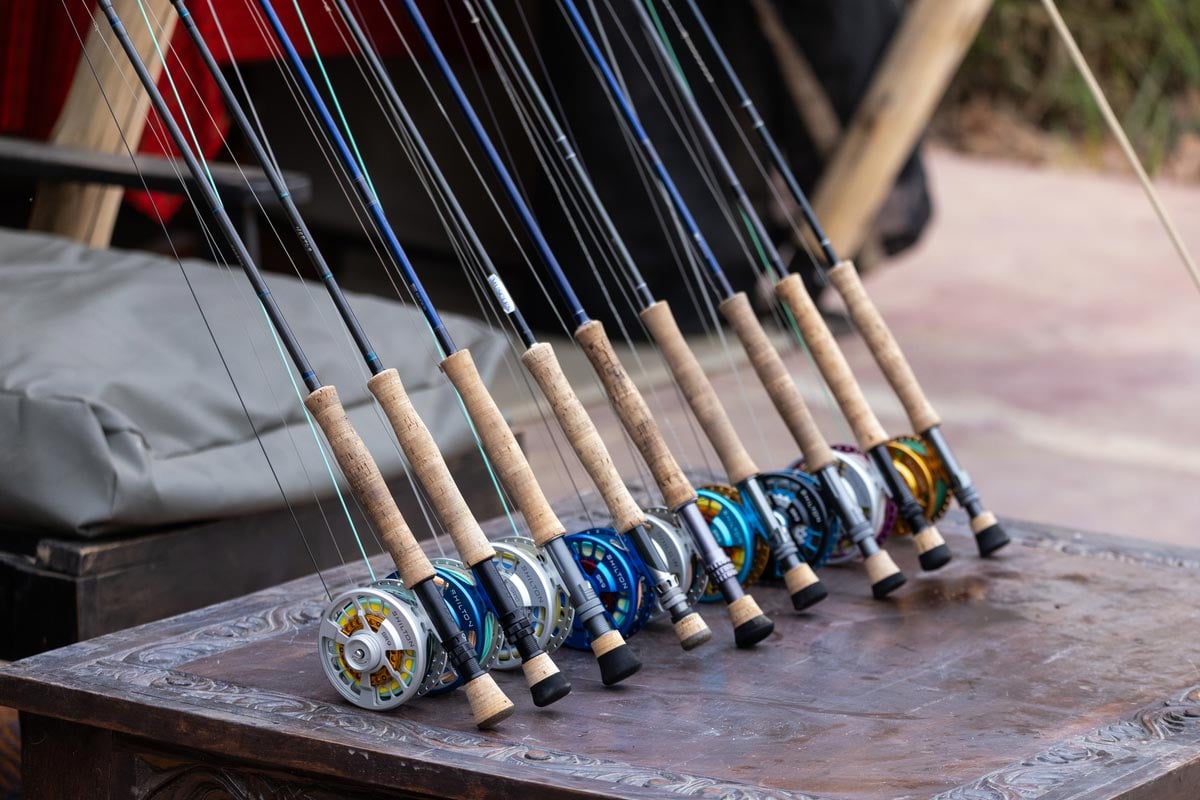
Anglers should plan on bringing their own fly-fishing equipment appropriate for large, aggressive tigerfish, along with a complete backup in case of breakages. 

Quick-drying clothing, reliable footwear for the wading day, and effective sun protection are essential. Given the camp’s remote setting, guests are encouraged to travel with any preferred personal tackle and accessories.

Anglers have the option to rent tackle, but availability can vary by season and should be confirmed in advance. African Waters provides detailed pre-trip guidance, and any questions regarding flies, leaders, or equipment options are best discussed directly during trip planning.

  • Fishing Program: Freshwater Fly Fishing & Freshwater Predator Fishing

  • Fishing Gear: Rental gear is available on request.

  • Species to Target: Catfish, Vundu (Giant Catfish), Pacú, Ndungu (African Pacu), Tigerfish, Yellowfish

  • Season: The fishing at Dhala & Samaki Camp runs from August to November.

  • For seasonal updates and recommended gear, message African Waters.
  • Boat shoes
  • Buffs
  • Gloves
  • Insect repellent
  • Leaders & Tippets
  • Lip block
  • Long sleeve
  • Mosquito headwear
  • Pliers / Forceps
  • Polarized Sunglasses
  • Single-handed rod
  • Spare rod
  • Stripping gloves
  • Sun hat / cap
  • Sungloves
  • Sunscreen
  • UV proof flats shirts
  • UV proof pants

Commitment to Sustainability

  • Dhala & Samaki Camp follows catch-and-release (C&R) practices and actively supports local conservation initiatives to help sustain fish populations for future generations. It also invests in projects that help the local community benefit directly from its operations.

  • Eco-tourism is a fundamental part of the fishing program and guest activities.

  • Advocates for Catch & Release

  • Committed to Conservation

  • Supporting Local Communities

  • Promoting Eco-Tourism

Dhala & Samaki Camp Accommodation

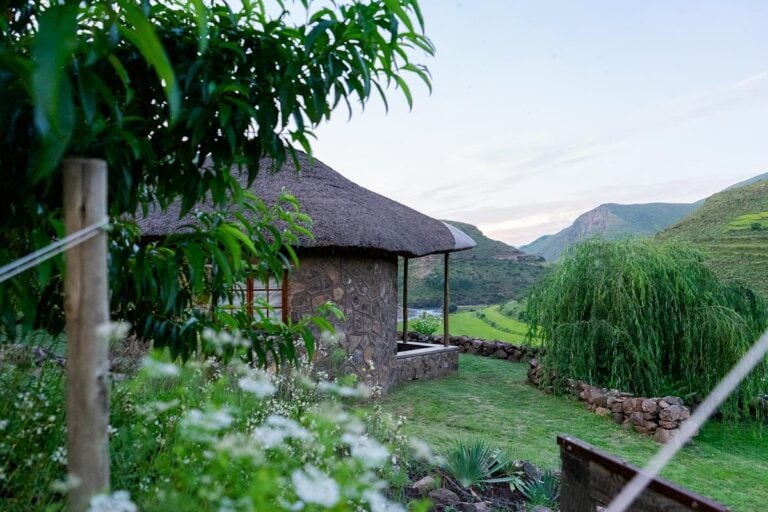
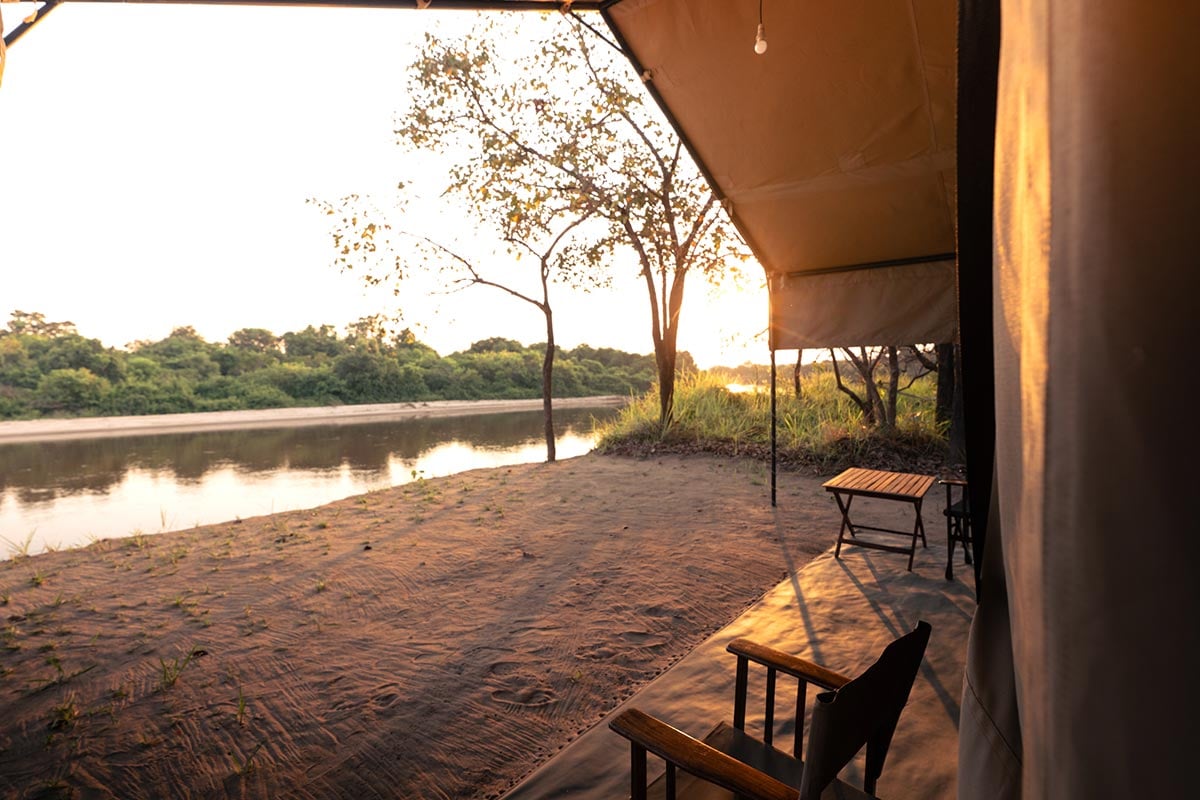
Dhala and Samaki Camps provide a simple, well-run base designed around long days on the river and quiet evenings back at camp. Both are seasonal, safari-style tented camps set directly on the riverbank, offering comfort where it matters while keeping guests closely connected to their surroundings.

Dhala Camp (Mnyera River)

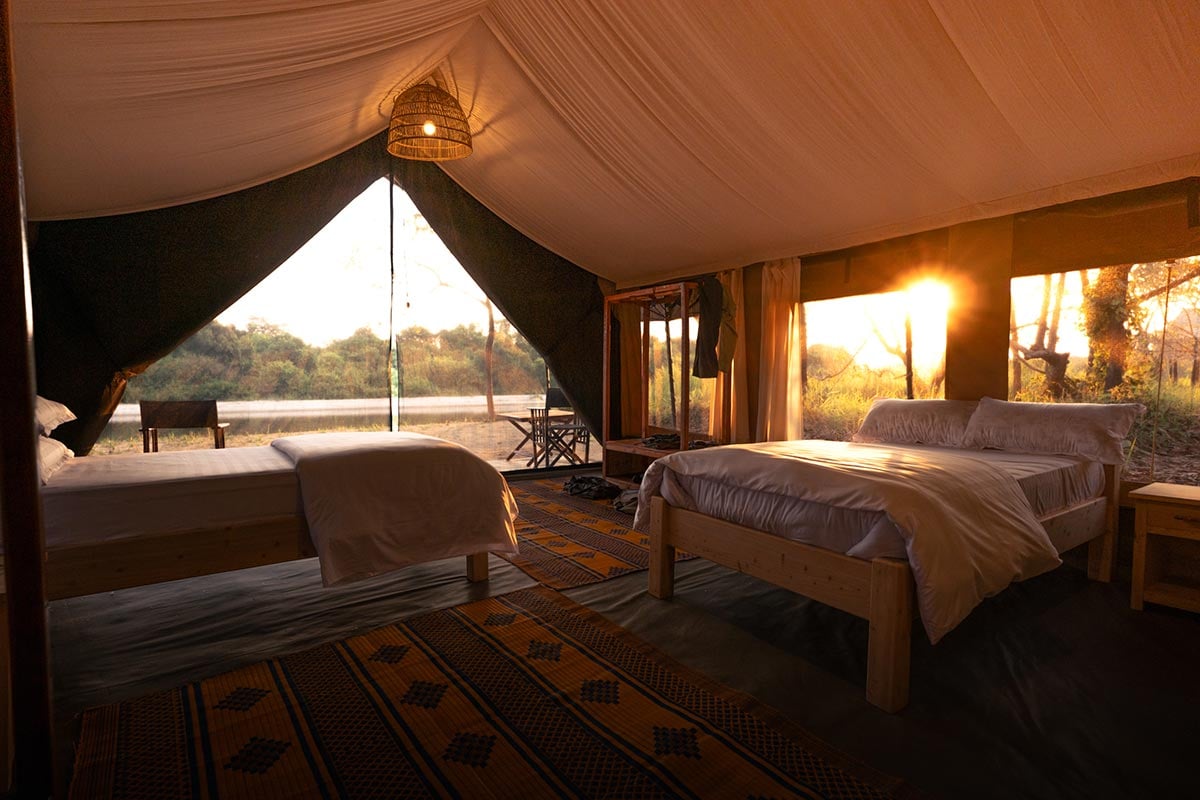
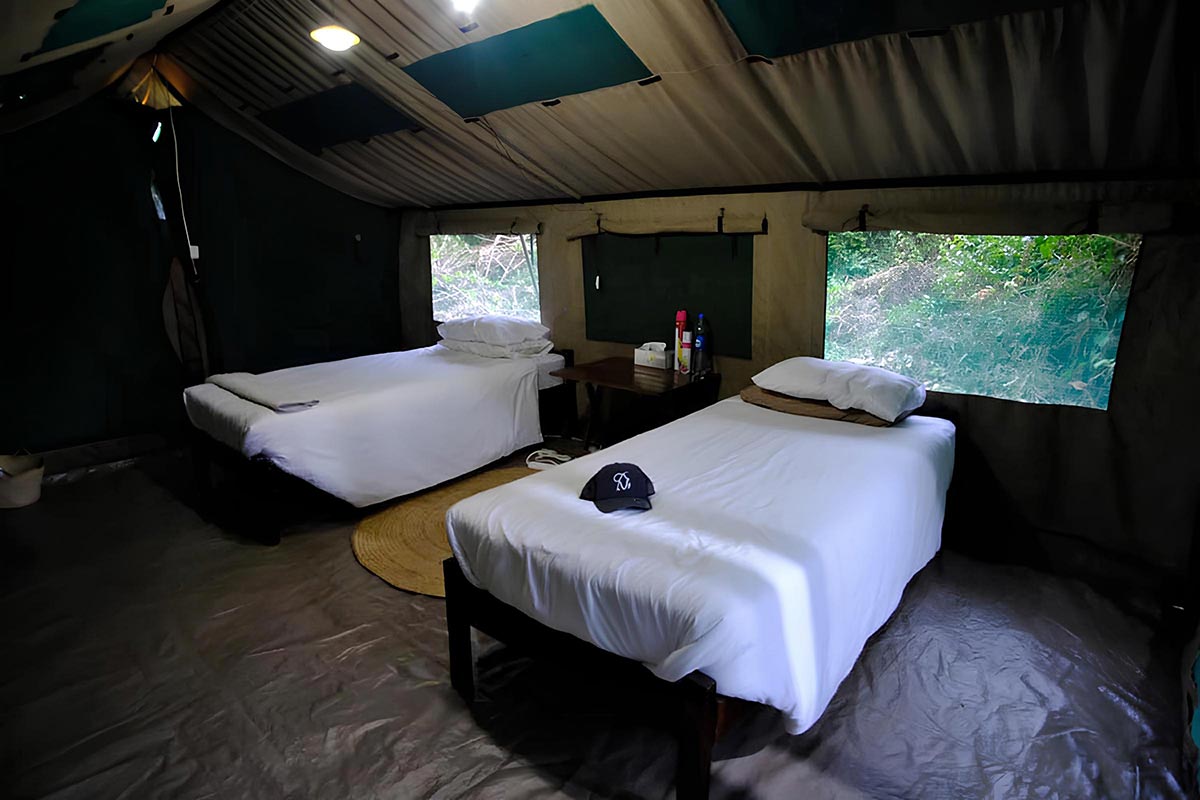
Dhala Camp serves as the primary base on the Mnyera River and offers the higher level of comfort of the two camps. The camp consists of six spacious safari tents, each positioned for river views and fitted with an en suite bathroom, flushing toilet, and hot-water shower.

Proper beds, fresh linens, and screened tents create a comfortable place to switch off, with the sounds of the river and bush close by at night.

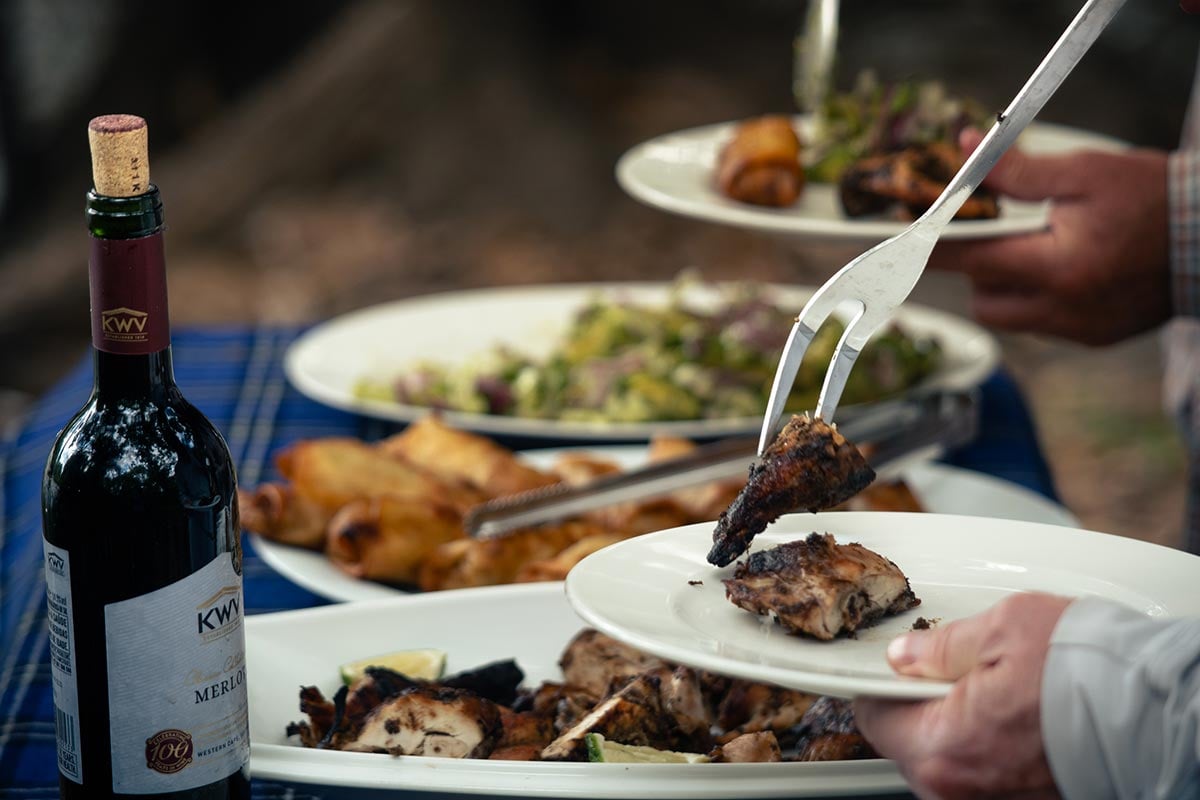
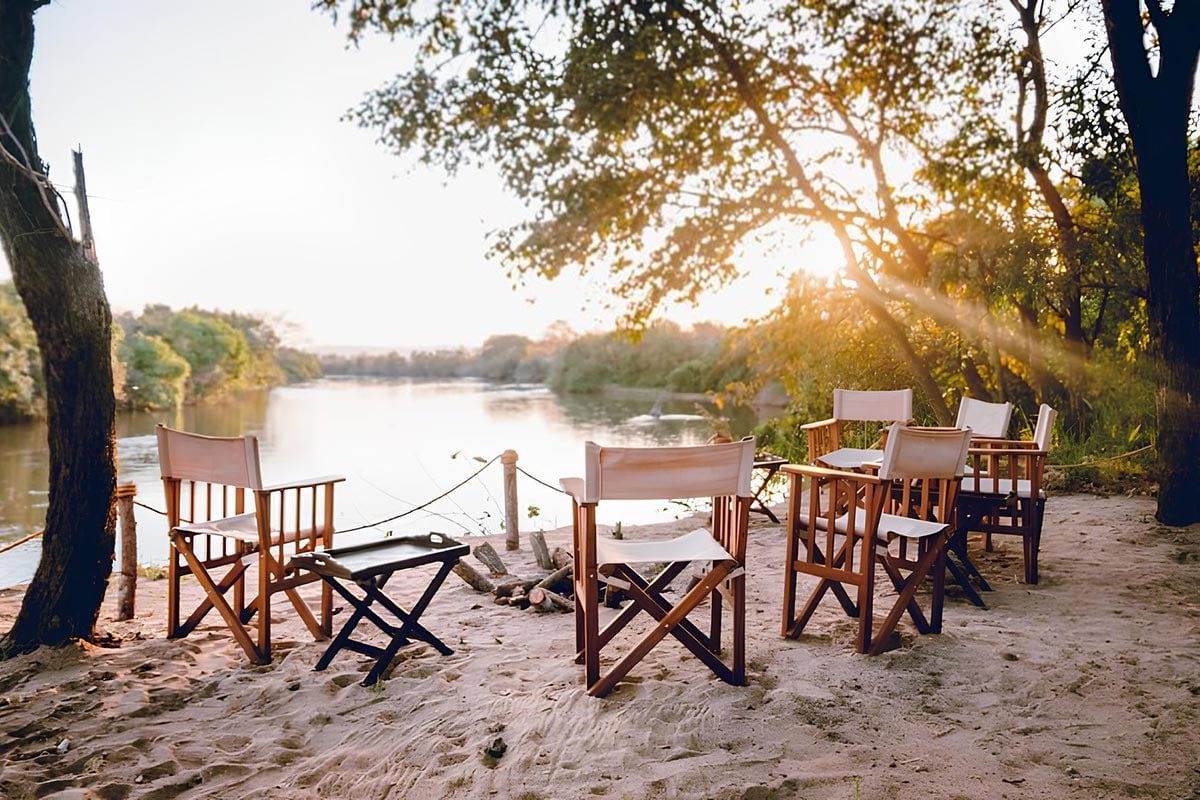
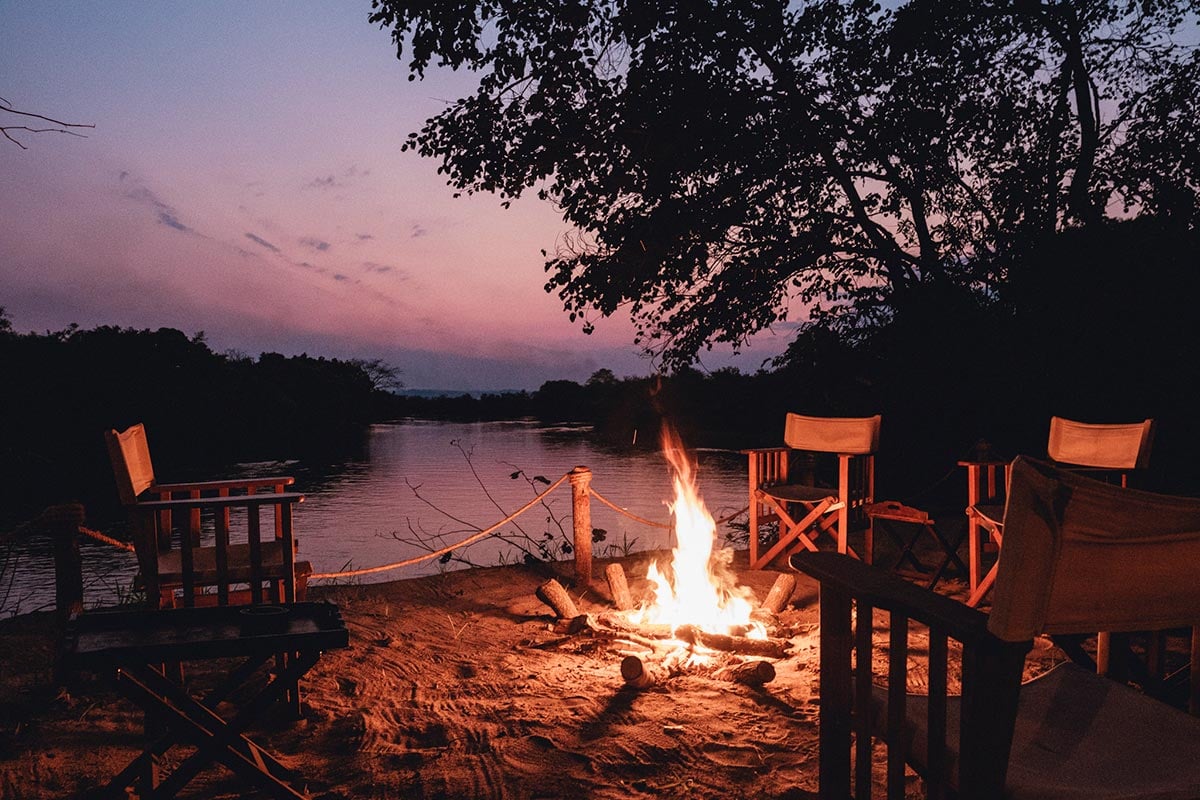
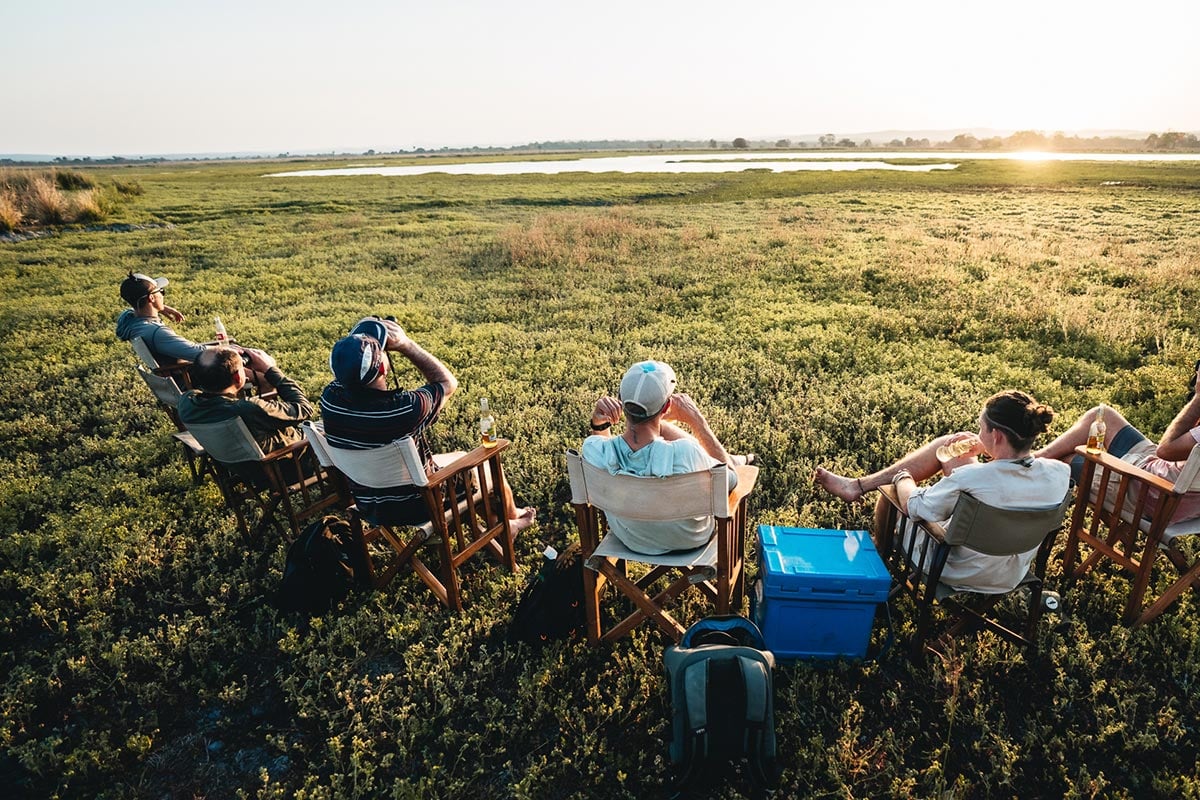
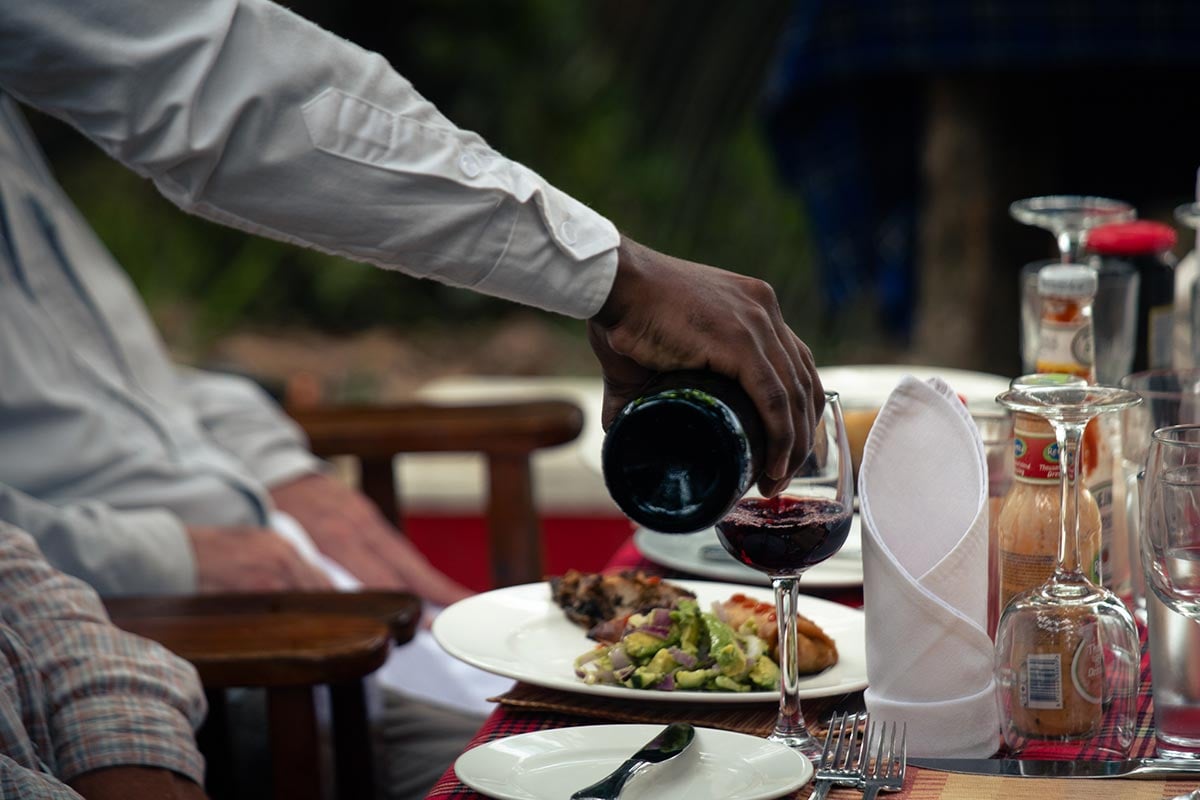
A spacious dining and lounge tent with river views forms the social heart of the camp. Meals are served either under canvas or outdoors by the fire, and evenings tend to follow an easy rhythm of shared dinners, quiet conversation, and preparation for the following day.

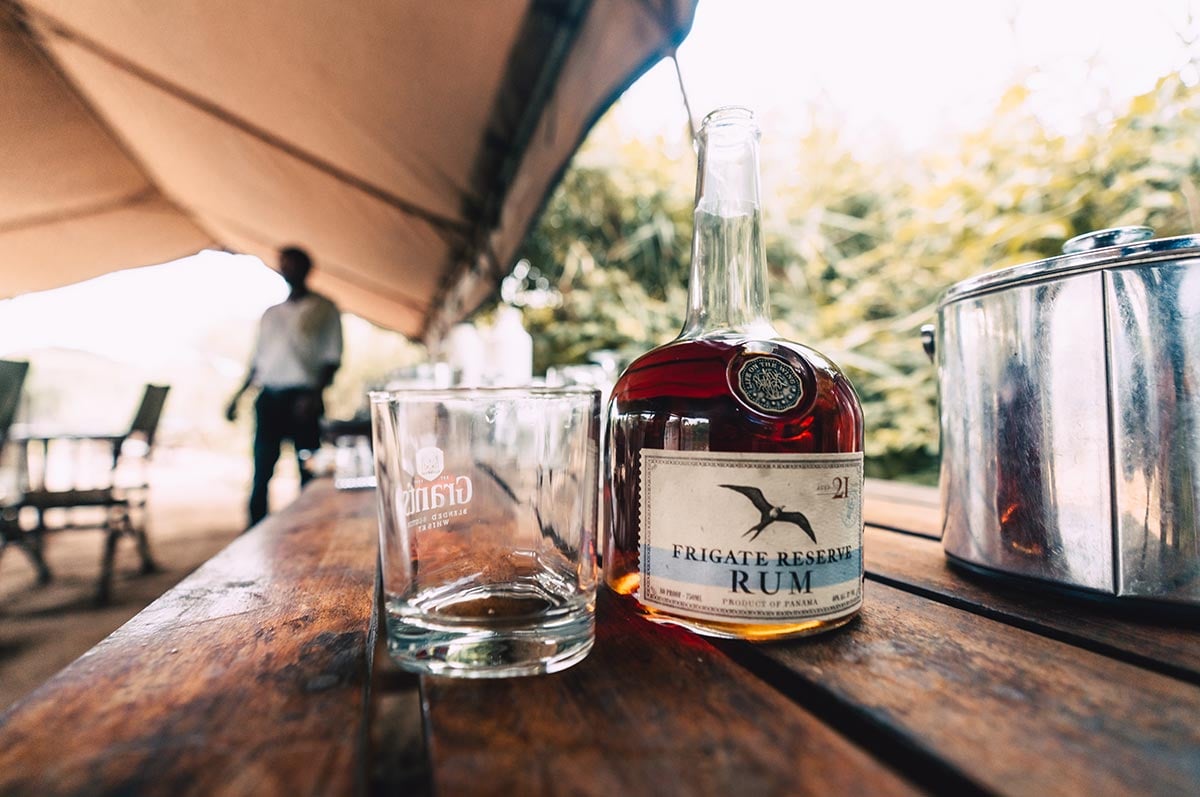
A shaded lounge area, small library, bar, fly-tying station, and charging points for electronics are available, with electricity supplied to support basic lighting and device charging.

Samaki Camp (Ruhudji River)

Samaki Camp is a more stripped-back, off-grid camp set on the banks of the Ruhudji River, with a shaded forest feel that suits its more remote character. Designed to support fishing on this system, it offers an immersive bush experience with a quieter, simpler rhythm.

The camp features safari tents in twin or double configurations, each with an en suite bathroom and a river or forest outlook.

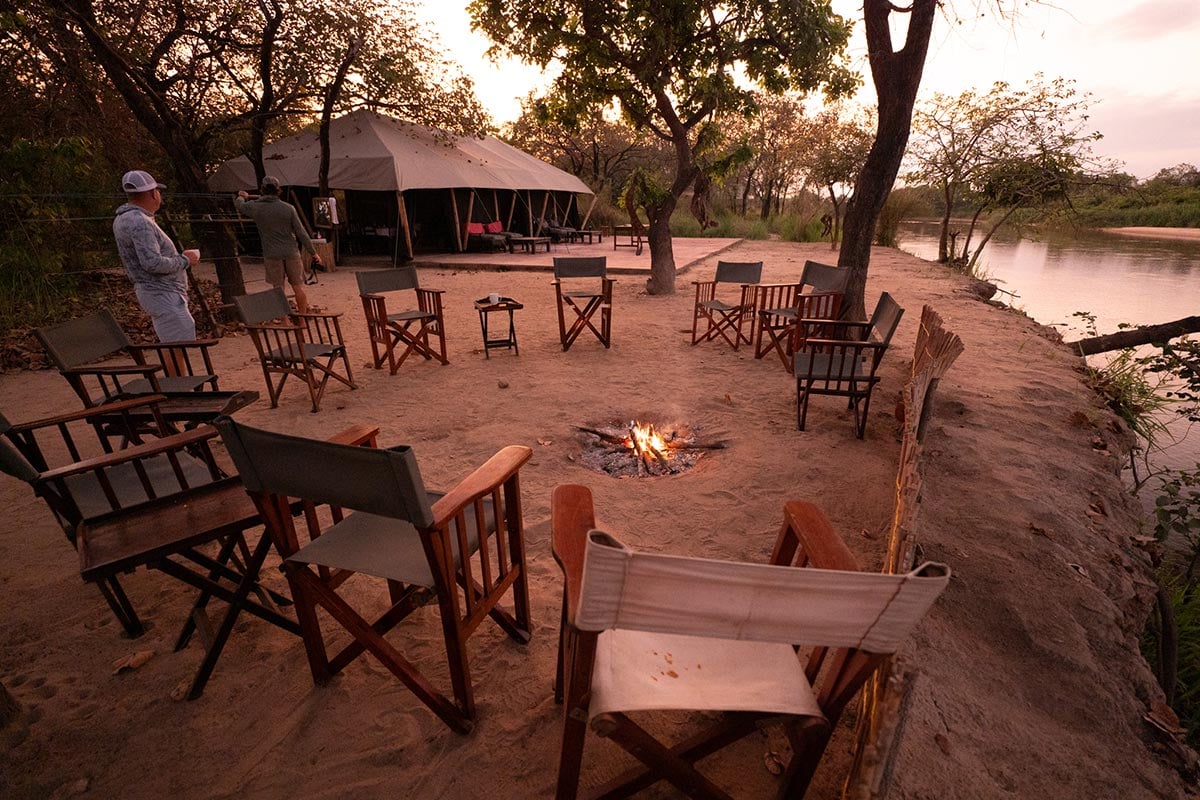
There is no mains electricity at Samaki Camp, and evenings are typically lit by lanterns and firelight. Meals are served outdoors where possible, often in an alfresco setup on the sandbank.

While more rustic in nature, the camp remains comfortable, well organised, and purpose-built for anglers spending their week on the Ruhudji.

Together, Dhala and Samaki Camps support a single fishing program, with guests making use of both camps over the course of the week to match access to the Mnyera and Ruhudji Rivers. The setup gives guests space to disconnect, recover between fishing days, and experience a remote corner of Tanzania at a measured pace.

To explore room options, availability, and planning your stay, message African Waters.
Accommodation Gallery

Accommodation Highlights

  • Complimentary drinks
  • Off-grid experience
  • Riverfront views
  • Walk to fishing
  • Double occupancy rooms
  • Fire pit
  • Laundry service
  • Outdoor dining area
  • Prepared meals
  • Raised camp beds
  • Shower

Travel to Dhala and Samaki Camps begins with an international flight into Dar es Salaam, Tanzania. On arrival, guests are met and transferred to the Seacliff Hotel for an overnight stay before continuing onward to camp.

The following morning, guests fly by chartered Cessna Caravan from Dar es Salaam directly into the concession, with a flight time of approximately two hours and fifteen minutes. From the landing strip, travel continues by 4×4 to camp, providing direct access to the remote river system and avoiding lengthy overland journeys.

All internal transfers, charter flights, and travel logistics are arranged in advance by African Waters as part of the scheduled arrival and departure plan. Due to the camp’s remote location, travel days are fixed, and guests are advised to follow the recommended routing to ensure smooth connections.

Most travellers require a visa to enter Tanzania. An eVisa can be applied for online in advance, and visas are also available on arrival at major international airports. Passports must be valid for at least six months beyond the date of entry and contain at least one blank page.

Yellow fever vaccination is mandatory only if arriving from, or transiting for more than 12 hours through, a country where yellow fever is present. There is no yellow fever requirement when travelling directly from Europe or North America.

Other vaccinations such as Hepatitis A, Typhoid, and Tetanus are commonly recommended depending on travel history and duration of stay. Malaria is present in Tanzania, and travellers should seek medical advice on appropriate prevention before departure.

Travel regulations and health recommendations may change, so guests should verify current visa and vaccination requirements before traveling.

Beyond Fishing Experiences

While the rivers are the focus of each stay, Dhala and Samaki Camps sit within a 14,000 km² private concession inside Nyerere National Park, one of East Africa’s largest protected wilderness areas. Low-impact angling tourism here plays a direct role in maintaining long-term access and habitat protection across the wider ecosystem.

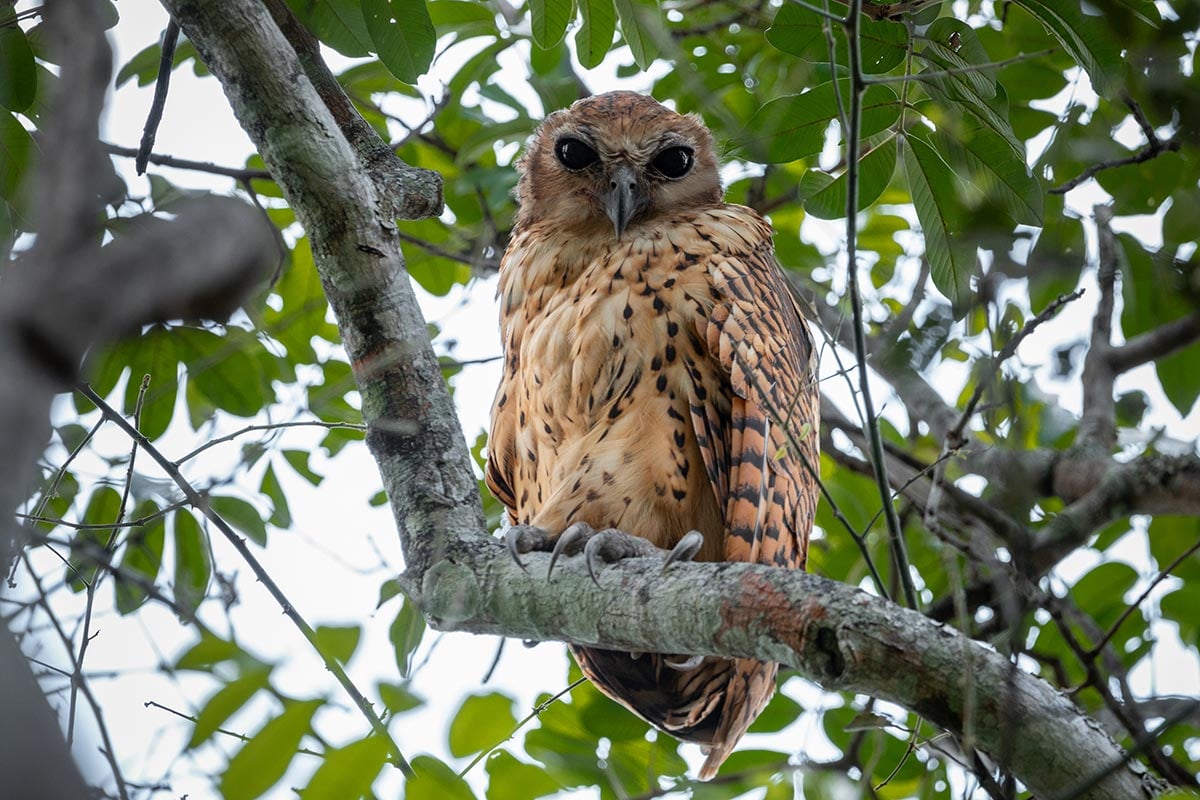
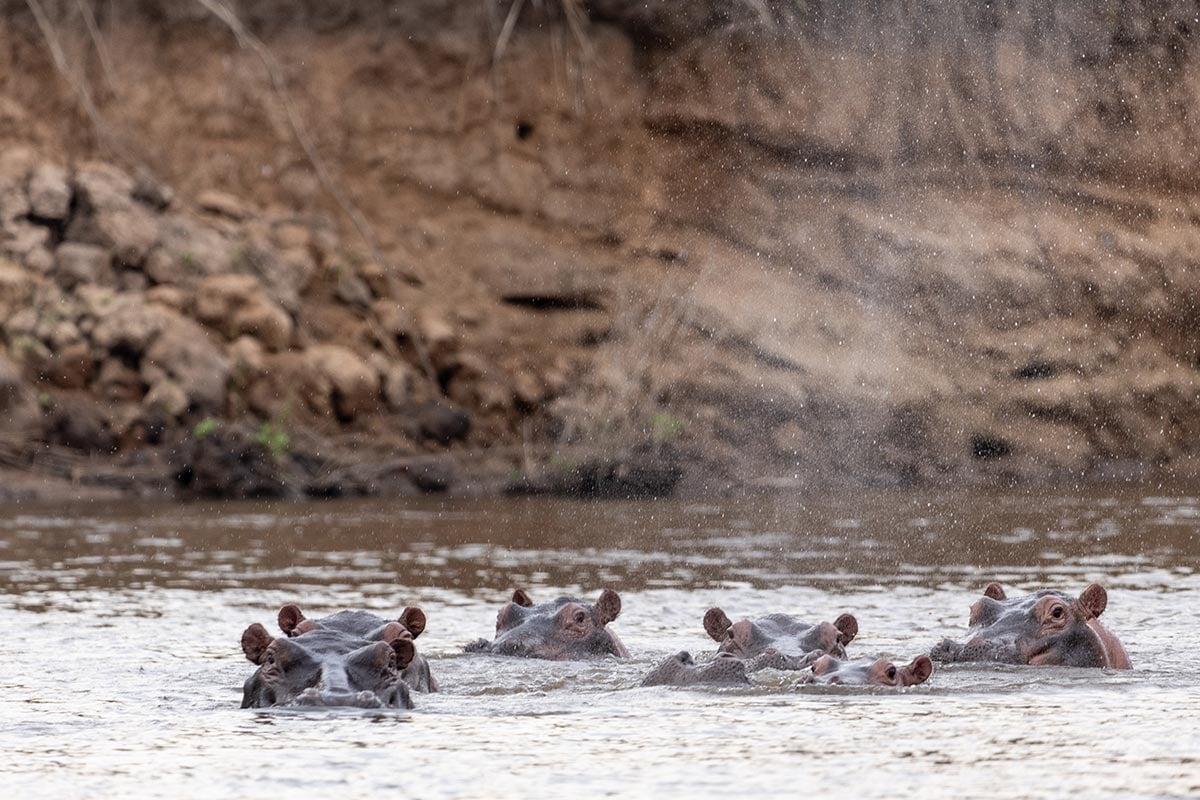
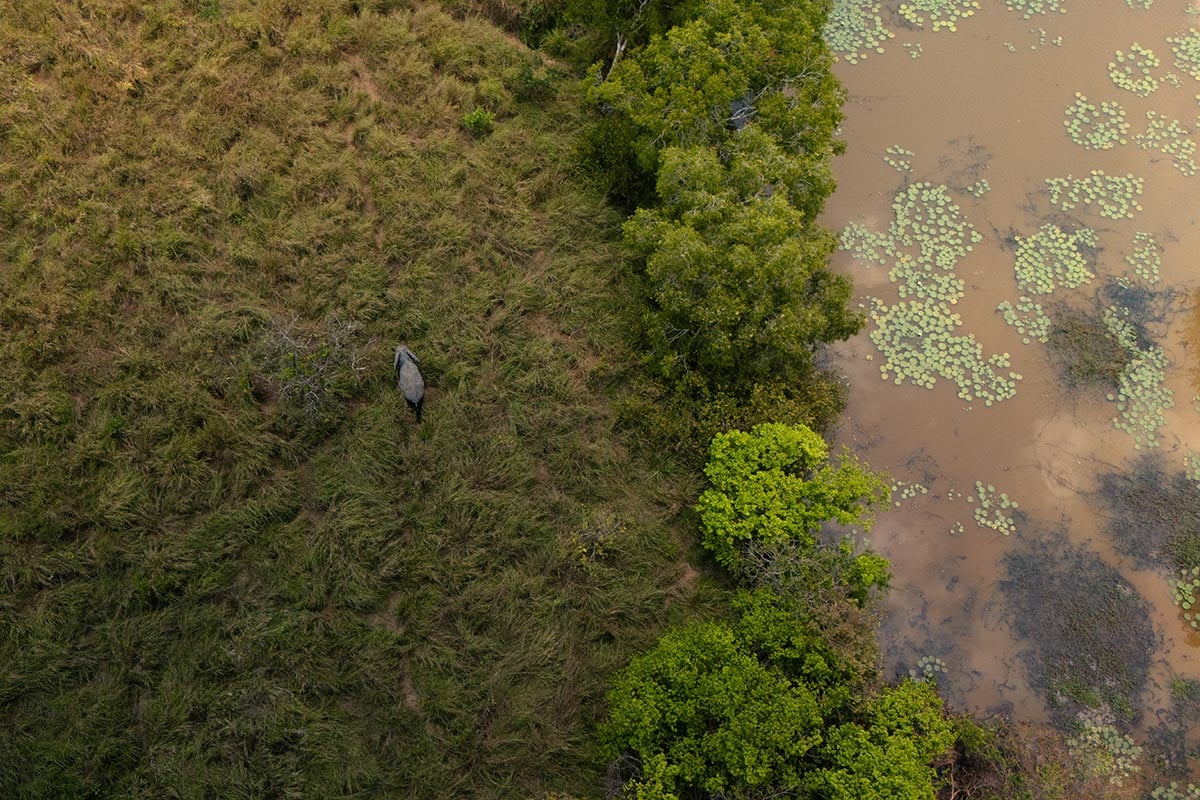
Wildlife encounters are part of daily life along the river corridors. Guests may see elephants, buffalo, and occasionally predators such as leopards moving through the floodplain and forest margins, while birdlife is ever-present, including species such as Pel’s fishing owl and African fish eagles.

African Waters’ presence in the concession supports conservation through park fees, concession payments, fishing licences, and the funding of full-time anti-poaching teams operating year-round with local partners.

For guests wishing to extend their time in Tanzania, optional safari add-ons of three, five, or seven nights can be arranged through African Waters’ reservations team, with seasonal timing that can align well with wildlife movements in the Serengeti and Ngorongoro Crater.

To find out if this fishing trip is right for you, message African Waters.
Additional Activities

  • Birdwatching
  • Ecotourism
  • Photography
  • Wildlife tours
  • Wildlife watching

Editorial note: Information verified with Dhala & Samaki Camp and compiled by FishingExplora’s editorial team.

Few experiences rival the thrill of fly fishing for these incredible tigerfish at Dhala and Samaki Camp—truly a must for any angler at least once in their lifetime.

– Keith, African Waters

Location & Transport Services

  • East Africa, Tanzania
  • Dhala & Samaki Camp is located approximately 2.25 hours travel from Dar es Salaam, Tanzania (DAR) airport.

  • An airport transport service is available for guests.

  • From  $13,750 
  • weekly
  • Per angler (double occupancy)

Available to members

Quick signup - No fees, no spam.

Your Advantage

Get direct access to lodge owners for up-to-date information from the source.

  • Message lodges instantly
  • Book directly with your host
  • Access exclusive experiences
  • Get latest fishing updates

Pricing, Insurance & Travel Information

Pricing Information

  • Prices based on double occupancy (sharing a room and a boat/guide).

  • A single-room upgrade may be available.
  • A private boat/guide upgrade may be available.
  • The minimum stay is 7 nights.
  • For the latest pricing information, please message your host.

  • Arrival & Departure Lodge Transfers, Beverages (non-alcoholic), Fishing Licenses, Guided Fishing, Laundry Service, Local Boat Transfers, Lodging, Meals, Round-trip Charter Flights.
  • Airfares, Baggage Insurance, Beverages (alcoholic), Hotel Nights During Transfers, International Airfares, Personal Insurance, Staff Gratuities, Travel Insurance.
  • Gratuities are not included in the listed prices. While optional, they are customary and form an important part of the staff’s compensation. Tips are both expected and appreciated by the team, with a typical guideline of 10-15% based on your experience.

Recovery & Insurance

Global Rescue Logo
Stay safe on your next fishing trip with Global rescue. Emergency support, travel insurance, and evacuation services, so you can focus on your next big catch.

Members can book Global rescue cover once logged in.

  • Dhala & Samaki Camp can advise on both local and international travel options to reach their location.

  • Package prices include return domestic flights to the local airport.
  • You'll need to reach the nearest international airport, where a transport service will be available for your onward journey.
  • Local Airport: Dar es Salaam, Tanzania (DAR) - 2.25 hours away from final destination.

  • International Airport: Dar es Salaam, Tanzania (DAR)

The Location

  • Members can view the exact location and travel directions once logged in.

Dhala & Samaki Camp FAQs

When is the fishing season at Dhala & Samaki Camp?

The fishing season at Dhala & Samaki Camp runs from August to November.
Anglers fishing at Dhala & Samaki Camp can target species which include catfish, vundu (giant catfish), pacú, ndungu (african pacu), tigerfish and yellowfish. You can explore more about the primary target species by viewing individual species pages below:
Rates for Dhala & Samaki Camp start from 13,750 USD weekly per angler, based on double occupancy.
The minimum stay at Dhala & Samaki Camp is 7 nights.
Prices at Dhala & Samaki Camp includes arrival & departure lodge transfers, beverages (non-alcoholic), fishing licenses, guided fishing, laundry service, local boat transfers, lodging, meals and round-trip charter flights.
Not included at Dhala & Samaki Camp: airfares, baggage insurance, beverages (alcoholic), hotel nights during transfers, international airfares, personal insurance, staff gratuities and travel insurance.
The majority of guests traveling by air first fly into Dar es Salaam, Tanzania (DAR) — the nearest international gateway.
The nearest regional airport is Dar es Salaam, Tanzania (DAR) airport, approximately 2.25 hours from the final destination.

Tigerfish-focused fly anglers looking for a camp-based, boat-focused adventure in remote Tanzania, targeting genuinely large fish and comfortable with off-grid accommodations, fixed travel logistics, and full days on the water that reward reasonable fitness and an appetite for isolation.

Fishing Programs Offered by African Waters

  • All-Inclusive
  • Freshwater Fly Fishing, Saltwater Fly Fishing, Freshwater Predator Fishing, Sea Fishing
  • Giant African Threadfin, Jack Crevalle, Longfin Jack, Snappe...
  • From  $7,350 
  • weekly
  • All-Inclusive
  • Freshwater Fly Fishing
  • Trout, Brown Trout, Rainbow Trout, Yellowfish
  • From  $672 
  • nightly

Recommended Fishing Experiences in East Africa

  • All-Inclusive
  • Freshwater Fly Fishing, Freshwater Predator Fishing
  • Catfish, Vundu (Giant Catfish), Pacú, Ndungu (African Pacu),...
  • From  $13,750 
  • weekly