Discover the best pacú fishing destinations, guided trips, and lodge-based experiences worldwide. Explore remote waters and world-class angling with expert local hosts.
Buenos Aires, Argentina
Golden Dorado, Pacú, Pirá Pitá
Corrientes, Argentina
Golden Dorado, Pacú, Pirá Pitá
Amazon Basin, Brazil
Matrinxã, Pacú, Peacock Bass
Santa Fe, Argentina
Golden Dorado, Pacú, Surubi
Tanzania, East Africa
Ndungu (African pacu), Tigerfish, Vundu (Giant Catfish)
Corrientes, Argentina
Golden Dorado, Pacú, Pirá Pitá
No results available
Pacú are strong, wary, and visually distinct freshwater gamefish found in warm jungle rivers. Known for their crushing jaws and surface takes, they’re an exciting fly or spin target in parts of northern Argentina.
Pacú are part of the serrasalmid family—relatives of piranha, but with a more varied and mostly vegetarian diet. They’re one of the few freshwater species that will consistently eat fruit, seeds, and terrestrial insects, making them a fascinating topwater target.
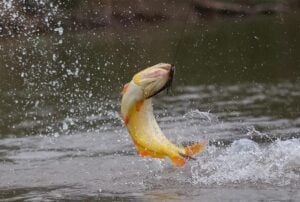
In places like Corrientes and Santa Fe, anglers target pacú on fly or light tackle near overhanging branches, back eddies, or current seams where food collects. Surface takes are often slow and deliberate, but once hooked, pacú use their broad bodies and powerful tails to pull deep into cover, requiring precision and patience to land.
For African species in the same family, see our page on Ndungu (African pacu).
Corrientes offers excellent pacú fishing in slow-moving river sections and oxbow lakes. Fly anglers often target them near fruiting trees or flooded banks, especially in the Upper Paraná basin. The region’s warm climate and abundant cover create ideal pacú habitat.
In Santa Fe, pacú are targeted near submerged logs, bank overhangs, and quiet side channels. Both fly and spin fishing are productive, particularly during lower water periods when sight-casting becomes possible.
Beyond Corrientes and Santa Fe, provinces like Chaco and Formosa offer remote river fisheries with strong pacú populations. These areas are less developed for international anglers but support healthy, lightly pressured fish.
Pacu are widespread in Paraguay, especially along slow-flowing reaches of the Paraguay and Paraná Rivers. Overhanging fruit trees and oxbow backwaters offer ideal feeding zones.
While better known for golden dorado, some Bolivian rivers also hold pacú. Sight-fishing opportunities exist in clear, jungle-fed systems with the right seasonal flow.
Brazil is home to several pacú species, with productive fishing in both the Amazon basin and Pantanal. They are often caught in tannin-stained backwaters or flooded forest margins, particularly during seasonal high water.
What sets pacú apart is their feeding style. They’re one of the few freshwater species that regularly eat fallen fruit, nuts, and insects on the surface—allowing for true topwater sight-fishing. Their fight is strong, sustained, and often close to cover, making every fish a challenge. The combination of visual eats, unique diet, and thick-bodied resistance makes pacú one of South America’s most interesting river targets.
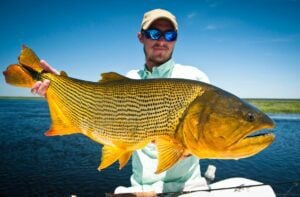
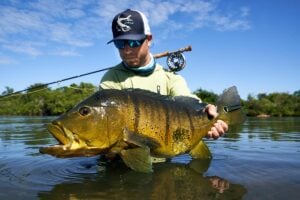
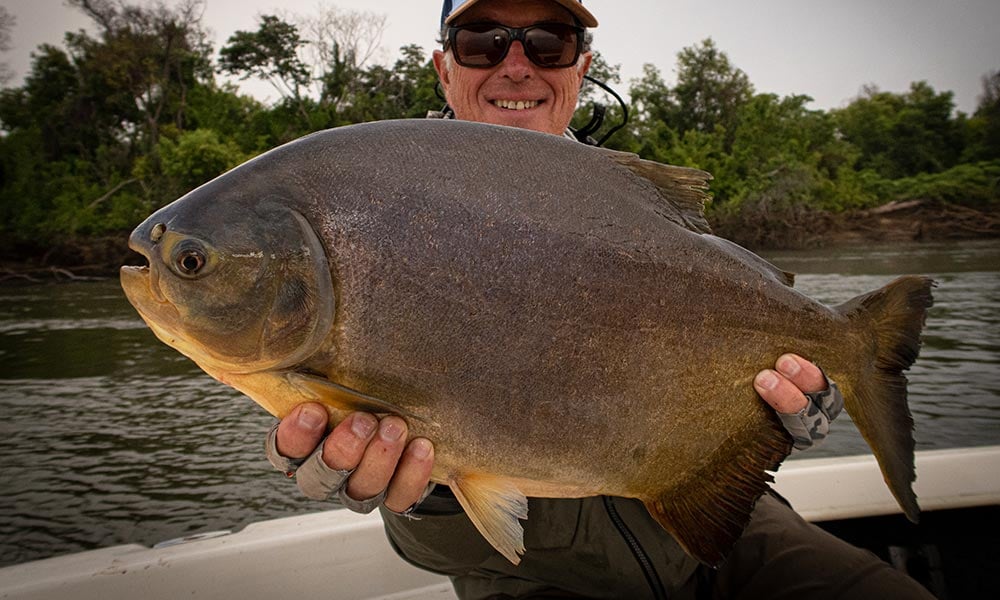
Pacú have a deep, laterally compressed body, often rounded like a plate, with blunt heads and strong jaws. Their color varies from silvery to bronze, with darker fins and occasional reddish tones near the belly or pectorals. Their broad, square tail and muscular build make them powerful fighters in tight quarters. Mature fish often exceed 10 pounds, with some reaching over 20 in prime river systems.
Pacú are highly responsive to fruiting trees, water clarity, and floodplain conditions. Timing your trip to coincide with falling fruit, stable river levels, and low turbidity will significantly improve your chances of surface eats and sight-fishing opportunities.
FishingExplora features lodge-based trips in Corrientes and Santa Fe that include pacú as a key freshwater target. Whether casting to surface-feeding fish or drifting flies near jungle structure, these trips offer a unique combination of visual eats, technical fishing, and regional biodiversity—ideal for anglers seeking something off the beaten path.
Yes—pacú and piranha are both members of the serrasalmid family. However, pacú are primarily herbivorous and eat fruit, seeds, and plants, whereas piranha are more carnivorous.
Pacú regularly eat surface food like fruit and insects, allowing anglers to use topwater presentations in freshwater. Their strength and selectiveness make them a rare and rewarding species.
Most lodge-caught pacú range from 5 to 15 pounds, but some can exceed 20 pounds. Their broad, powerful build gives them great leverage in current and cover.
Yes—in low, clear conditions, pacú can be sight-fished near overhanging vegetation or structure. Quiet presentation and patience are key to success.
We use cookies to improve your experience and enable key features on the platform. You can choose which cookies to allow. Some features may not work fully without consent.