Discover the best cutthroat trout fishing destinations, guided trips, and lodge-based experiences worldwide. Explore remote waters and world-class angling with expert local hosts.

British Columbia, Canada
Brown Trout, Bull Trout, Cutthroat Trout
No results available
Cutthroat trout are native icons of the American West, thriving in high-elevation creeks, alpine lakes, and freestone rivers. Known for their surface takes, visual appeal, and willingness to rise, they offer a rewarding blend of accessibility and wildness for fly anglers seeking solitude and classic dry fly action.
Cutthroat trout (Oncorhynchus clarkii) are native to western North America and display wide variation across their range—from coastal sea-runs to inland subspecies that inhabit isolated mountain waters. Named for the distinct red-orange slash beneath their jaw, cutthroat are both beautiful and approachable, especially in remote or lightly fished areas.
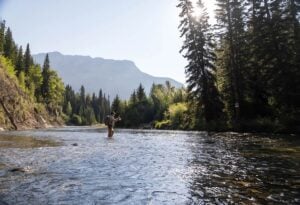
While they aren’t always the strongest fighters pound-for-pound, cutthroat make up for it with their responsiveness to dry flies and the wild, scenic waters they occupy. Anglers often encounter them in places where few others fish—off-trail lakes, steep tributaries, and braided valley streams where precise presentation and reading water are more important than distance casting.
The U.S. remains the epicenter of cutthroat trout fishing. Subspecies like Yellowstone, Westslope, Lahontan, and Coastal cutthroat can be found in alpine creeks, freestone rivers, and even estuaries. Montana, Wyoming, Idaho, and Washington are key states with native and restored populations.
British Columbia and Alberta hold wild populations of Coastal and Westslope cutthroat in scenic watersheds, often shared with bull trout or rainbows. Remote access and lightly pressured rivers make these ideal for exploratory trips.
Though less widespread than other trout, cutthroat were introduced to southern Chile and can still be found in some glacial lakes and cool river systems. These fish often coexist with browns and rainbows in diverse trout fisheries.
Cutthroat trout are beloved for their willingness to rise and their connection to remote, unspoiled water. They often hold in slower seams, undercut banks, or slick tailouts—prime targets for dry flies and small terrestrials. For anglers who enjoy walking up small creeks or hiking into high lakes, cutthroat offer the kind of intimate, visual experience that defines traditional trout fishing.
Each subspecies brings its own nuance—some feed aggressively, others are more selective. Their resilience and unique genetic heritage have also made cutthroat a focus of native fish conservation in the western U.S. For anglers chasing native fish in native waters, cutthroat trout are hard to beat.
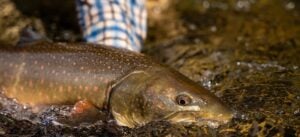
Cutthroat trout are named for the vivid red to orange slashes under their jaw, a defining feature across all subspecies. Their body color varies from olive-gold to bronze, often with black spotting concentrated toward the tail. Lake-dwelling cutthroat are typically brighter and sleeker, while river fish show darker backs and richer tones.
They have longer heads and more pronounced jaws than rainbows, with a slightly softer profile overall. During spawning, males may show intensified coloration along the gill plates, belly, and throat.
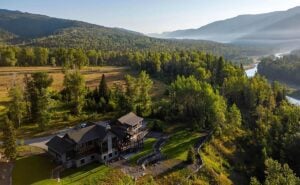
FishingExplora features lodges and guides that provide access to prime cutthroat waters across western Canada and remote parts of Chile. Whether you’re casting dries in a classic freestone river or hiking to a high-country lake, these trips offer solitude, wild fish, and a return to one of fly fishing’s most rewarding species.
Montana, Wyoming, Idaho, and British Columbia offer excellent access to native cutthroat trout. Look for protected streams, national forests, and alpine lakes with Westslope or Yellowstone subspecies.
No—while they’re known for rising freely to dries, cutthroat also take nymphs, streamers, and even small spinners. Their diet includes aquatic insects, baitfish, and terrestrials depending on habitat and season.
Yellowstone and Westslope cutthroat are among the most accessible. Both are present in public streams and lakes with good populations and are known for their responsiveness to surface patterns.
Yes—many cutthroat populations are lake-dwelling, especially in alpine or glacial systems. They often migrate into inlet and outlet streams to spawn but spend much of the season feeding along lake drop-offs.
The peak dry fly window is typically mid-June through August, when insect activity is highest and water levels drop. Warm afternoons and stable flows make for consistent surface action.
We use cookies to improve your experience and enable key features on the platform. You can choose which cookies to allow. Some features may not work fully without consent.