
Simpson, Mañihuales, Aysén and Paloma Rivers
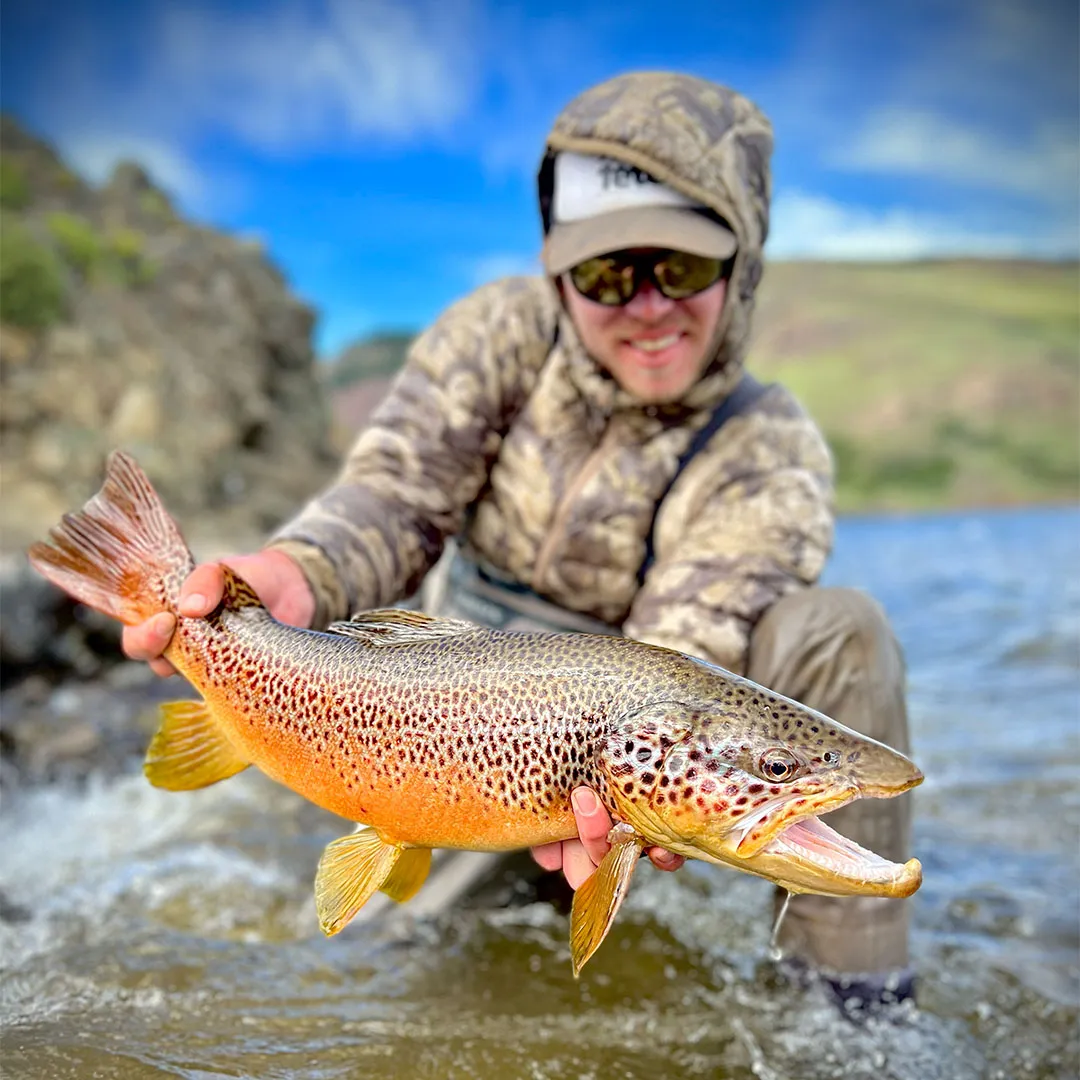
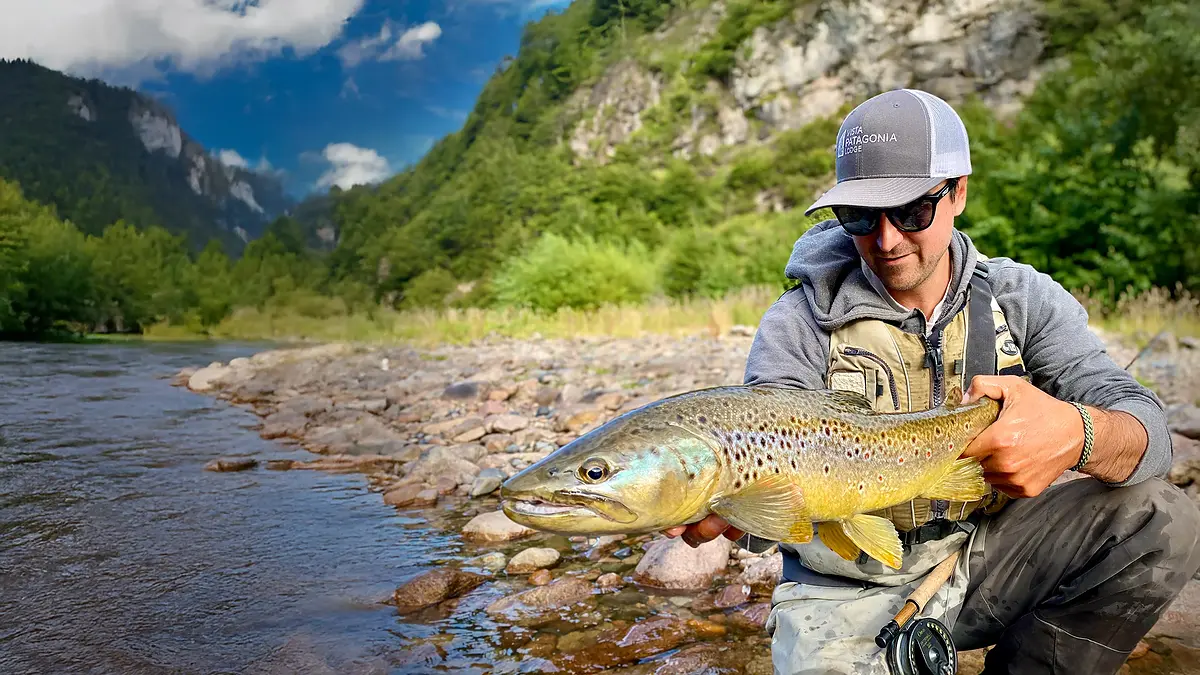
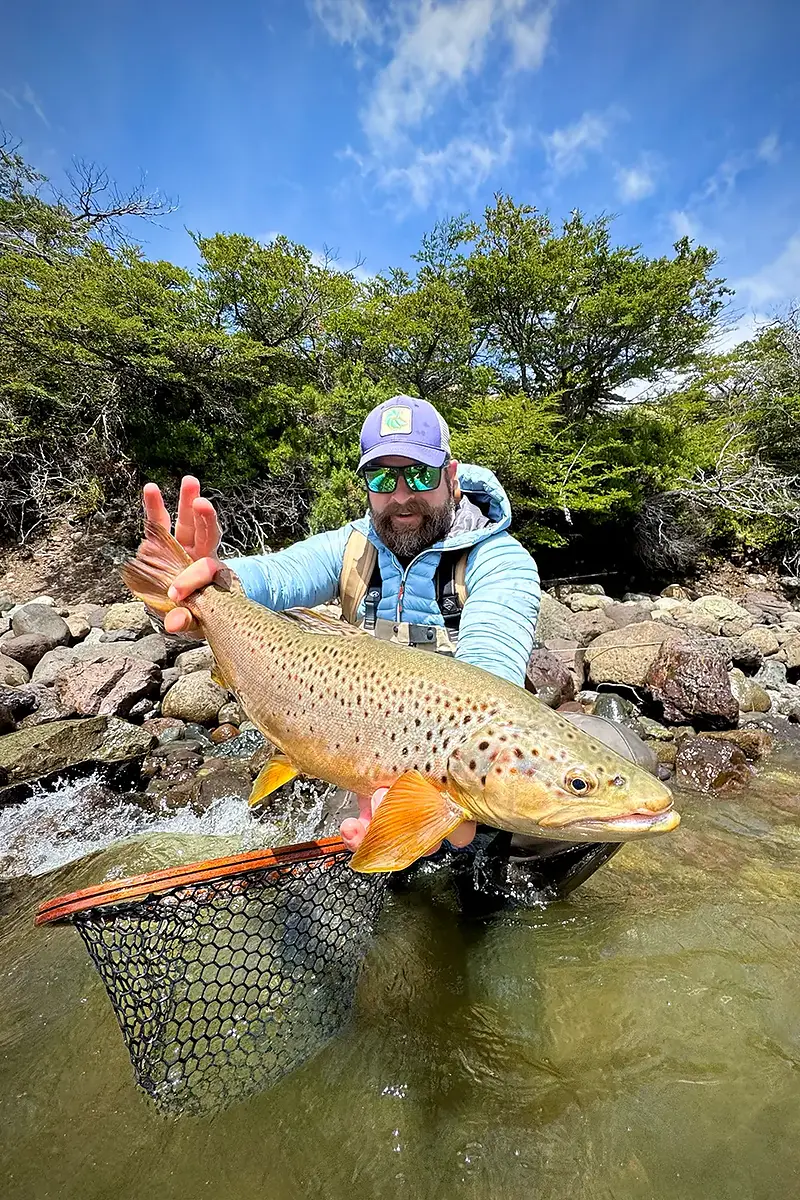
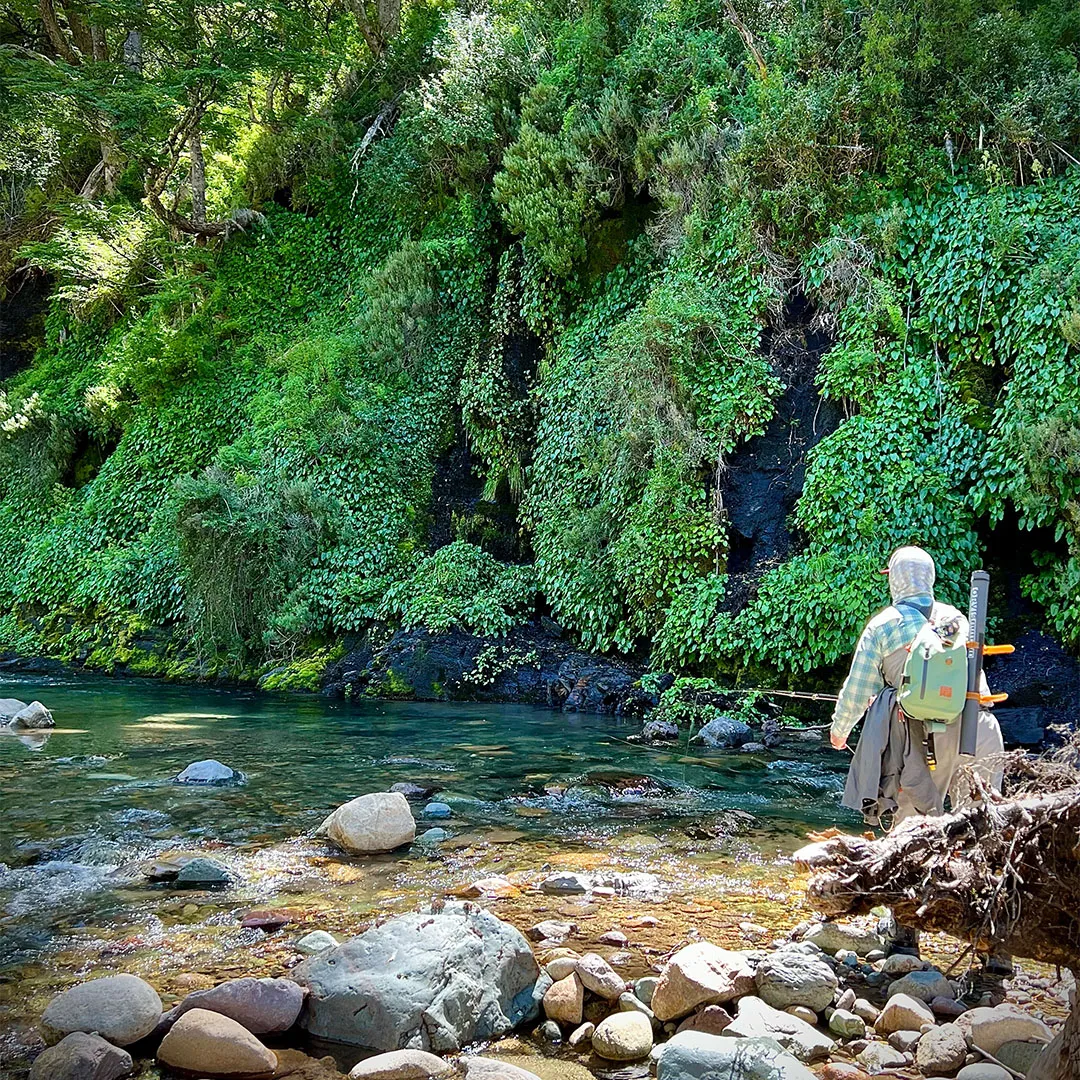
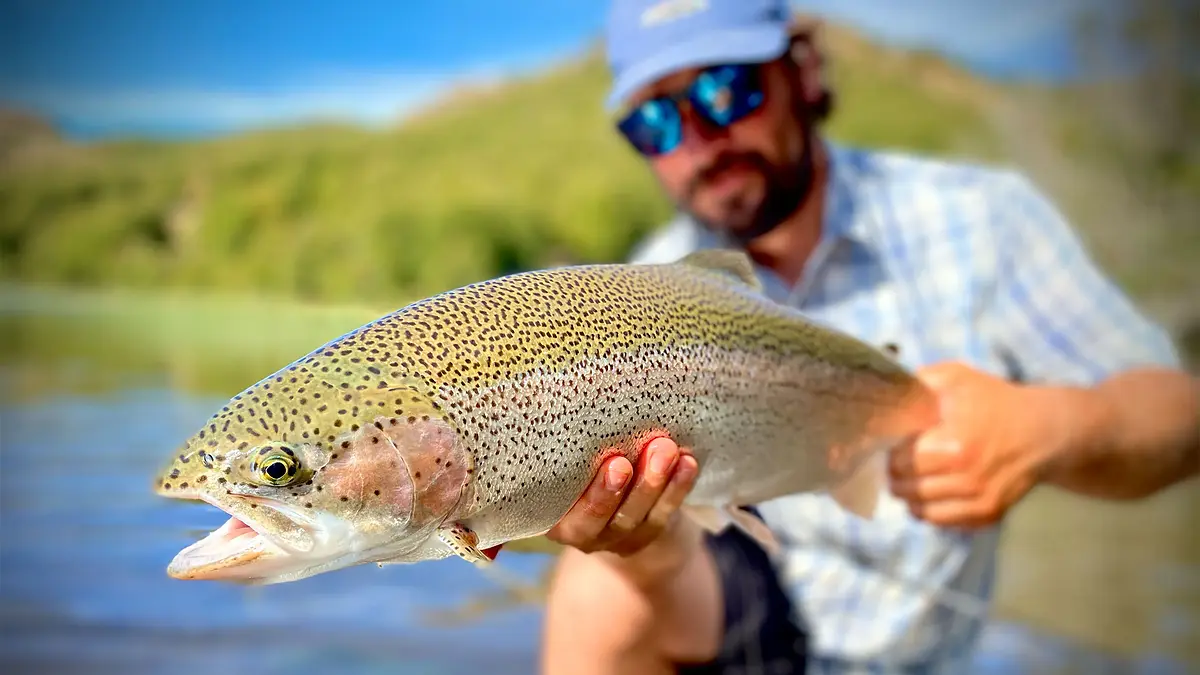
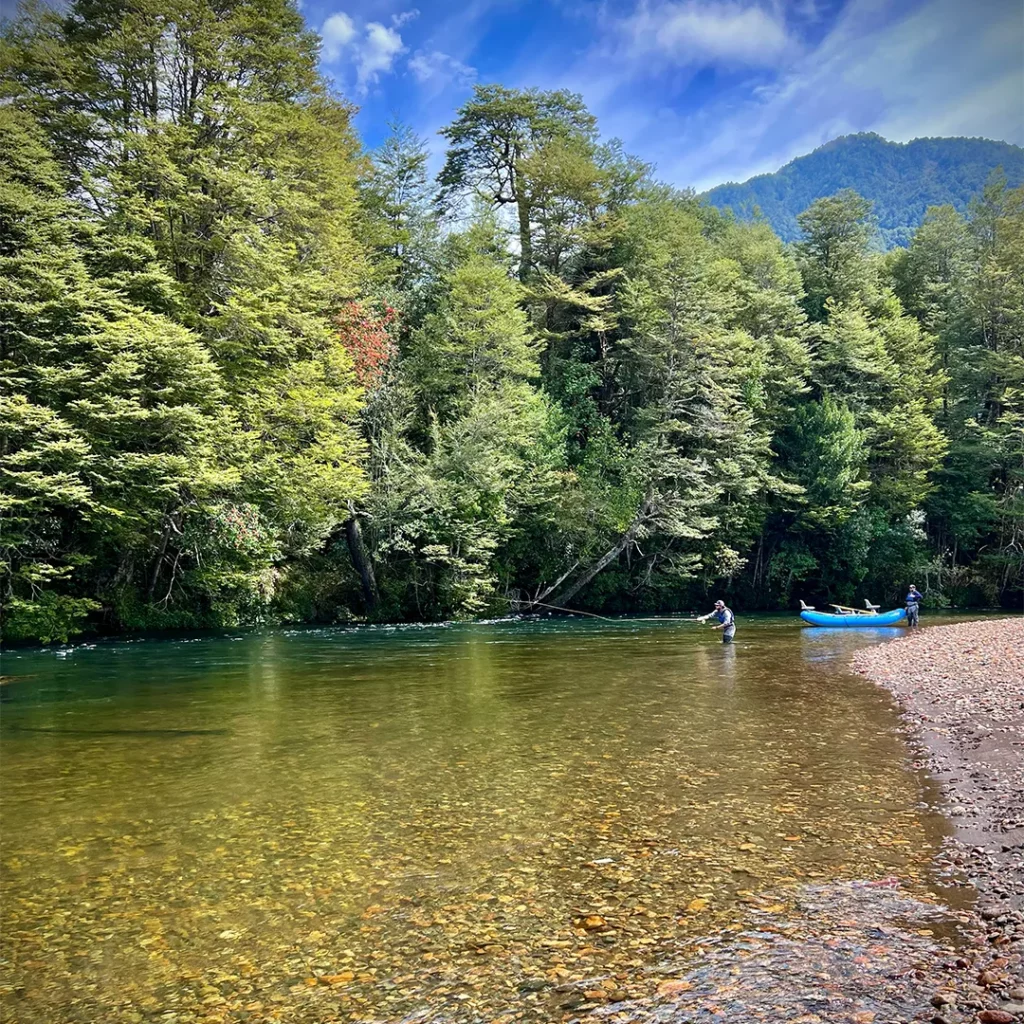
The Simpson is the river Vista Patagonia Lodge leans on most, with technical nymphing, steady hatches and streamer water in one system. The Mañihuales stays clear through runoff, so it keeps fishing while other rivers carry snowmelt, with dry-fly water in its upper reaches and large, predatory trout in the lower. Where the two meet, the Aysén is big water fished by raft, with trophy trout and the odd chinook salmon possible. The Paloma runs turquoise through a steep glacial canyon, and big terrestrials and streamers are the flies for it. The Emperador Guillermo is part of the program, and a day targeting coho salmon can sometimes be fitted in.
Rafts, Out-of-the-Way Access and Water Rotation
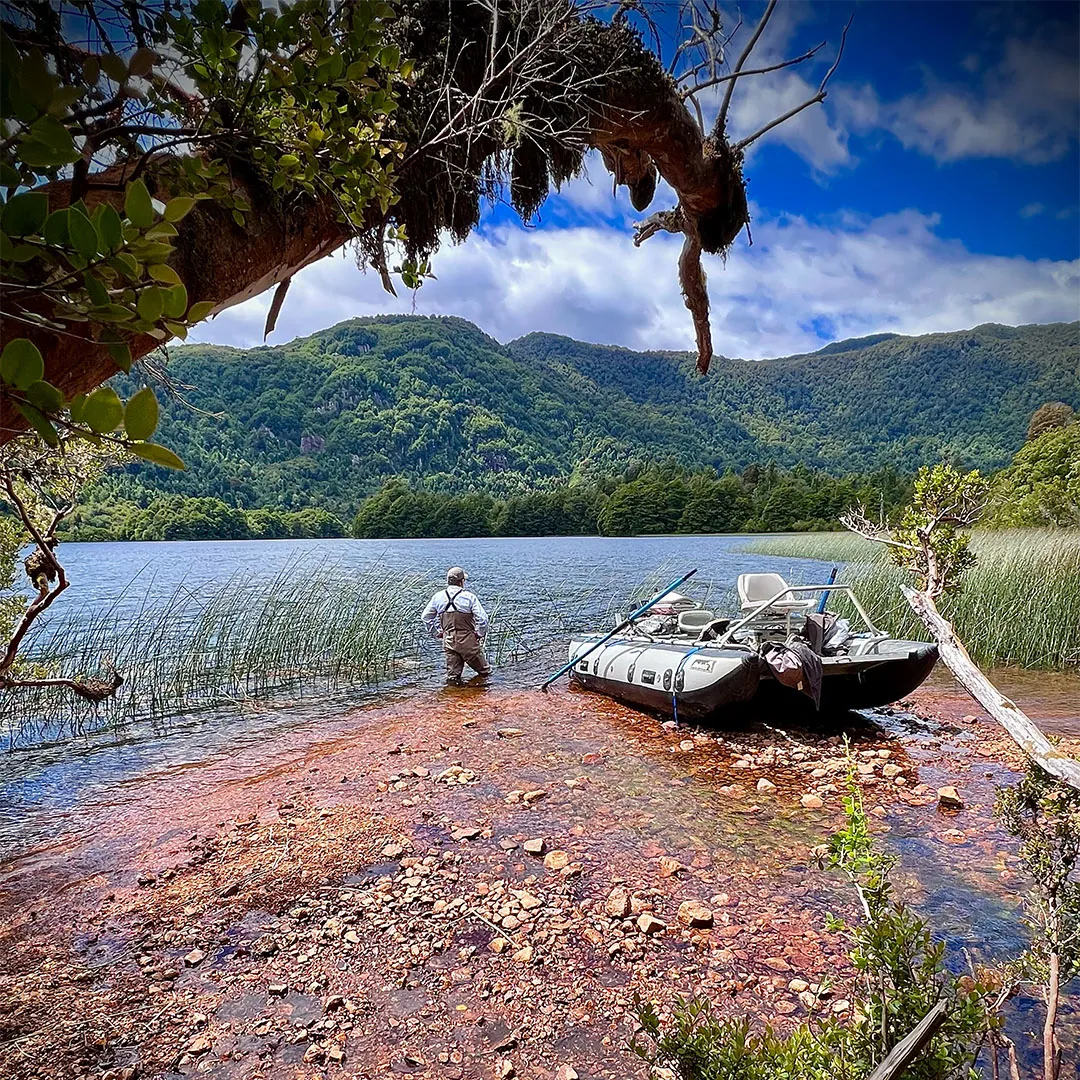
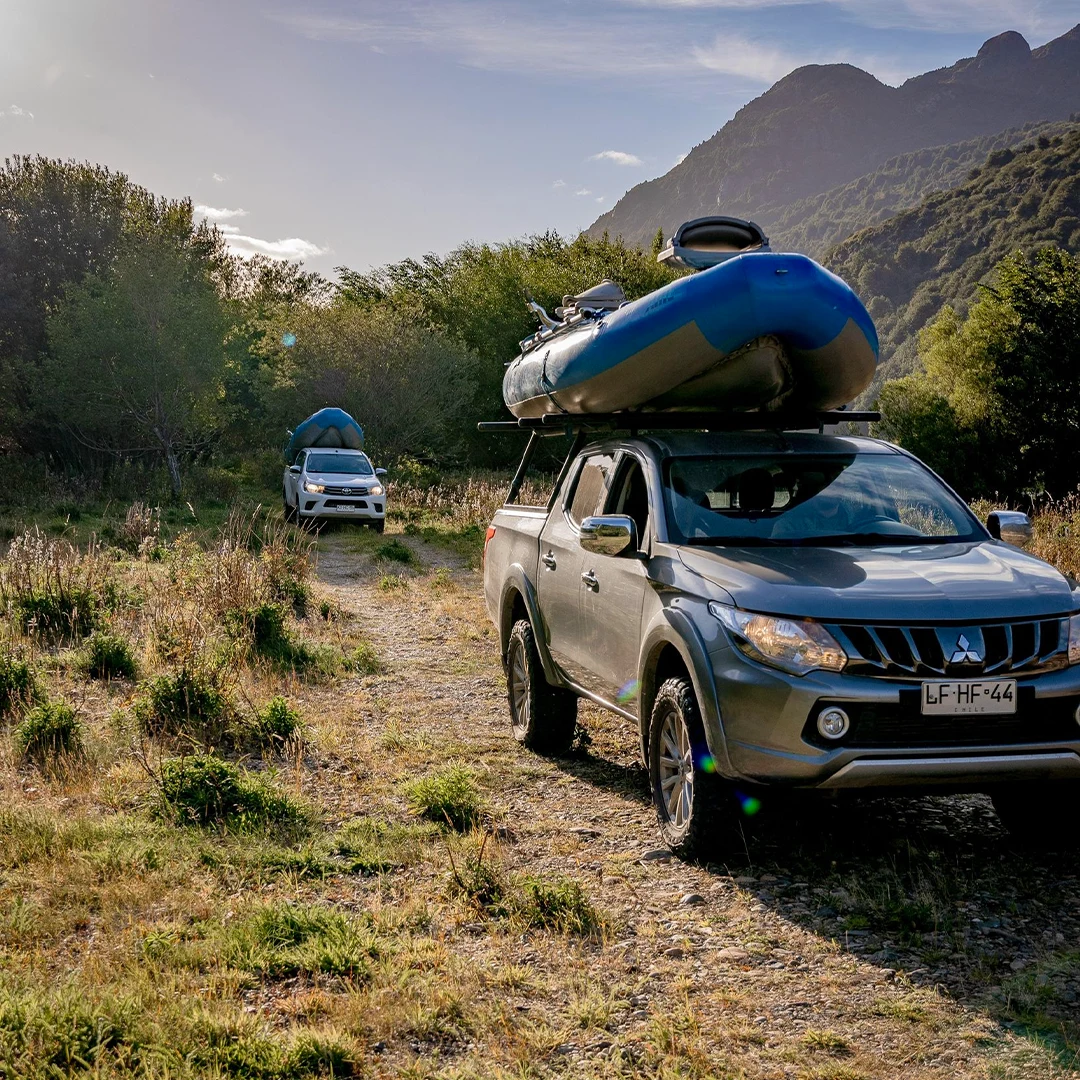
Many rivers are fished from inflatable rafts with the guide on the oars. The lodge hauls them to out-of-the-way access points, even on the popular rivers, and spots run from 15 minutes to two hours from the lodge. Days are about six hours on the water, with a 10 a.m. start on request, and beats are rotated so the fish stay rested. Guiding is two anglers to a guide. Lunch is set out on a bank or beach halfway through the float. If wind makes the lakes unsafe, the day moves to sheltered river canyons or forested creeks.
Lake Drifts at Los Juncos, Cerro Castillo and Elizalde
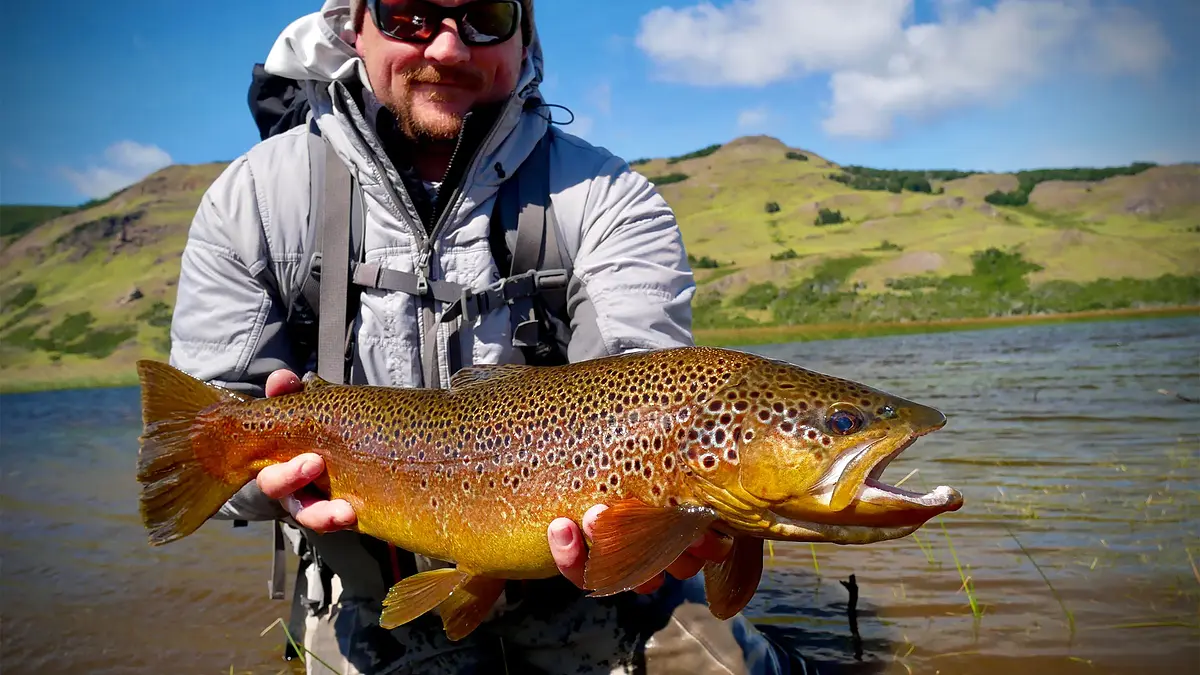
Lakes are fished on a drift along the shoreline, casting tight to the reed lines, and they often produce the largest trout of the week. Los Juncos is known for big fish along its reeds, Cerro Castillo fishes to beetles in an alpine setting, and Elizalde has clear water where terrestrials and scuds both take fish. Across the lakes, browns cruise the shallow flats hunting insects on the surface, and size 18 scuds on 12-foot leaders suit sight-fishing to them.
Ñirehuao Spring Creek and Pocket-Water Streams
The Ñirehuao meanders through the pampa and fishes for grasshoppers from January to March, at its best in February, when trout stack along the grassy banks waiting for hoppers to fall in. In the mountains, high-gradient streams of boulders and pockets hold trout that rarely see a fly, and slow spring creeks call for delicate presentations and sight-casting to cruising fish.
What the Trout Feed on Through the Season
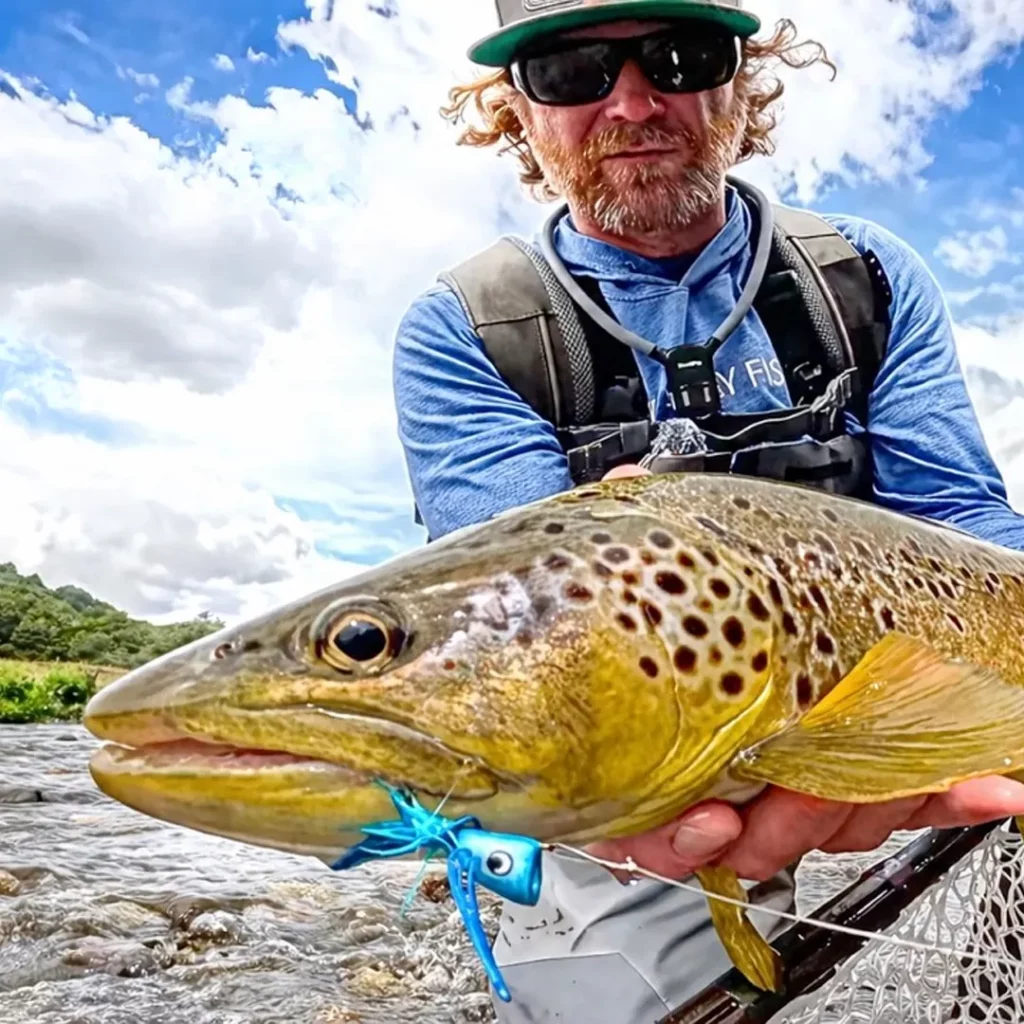
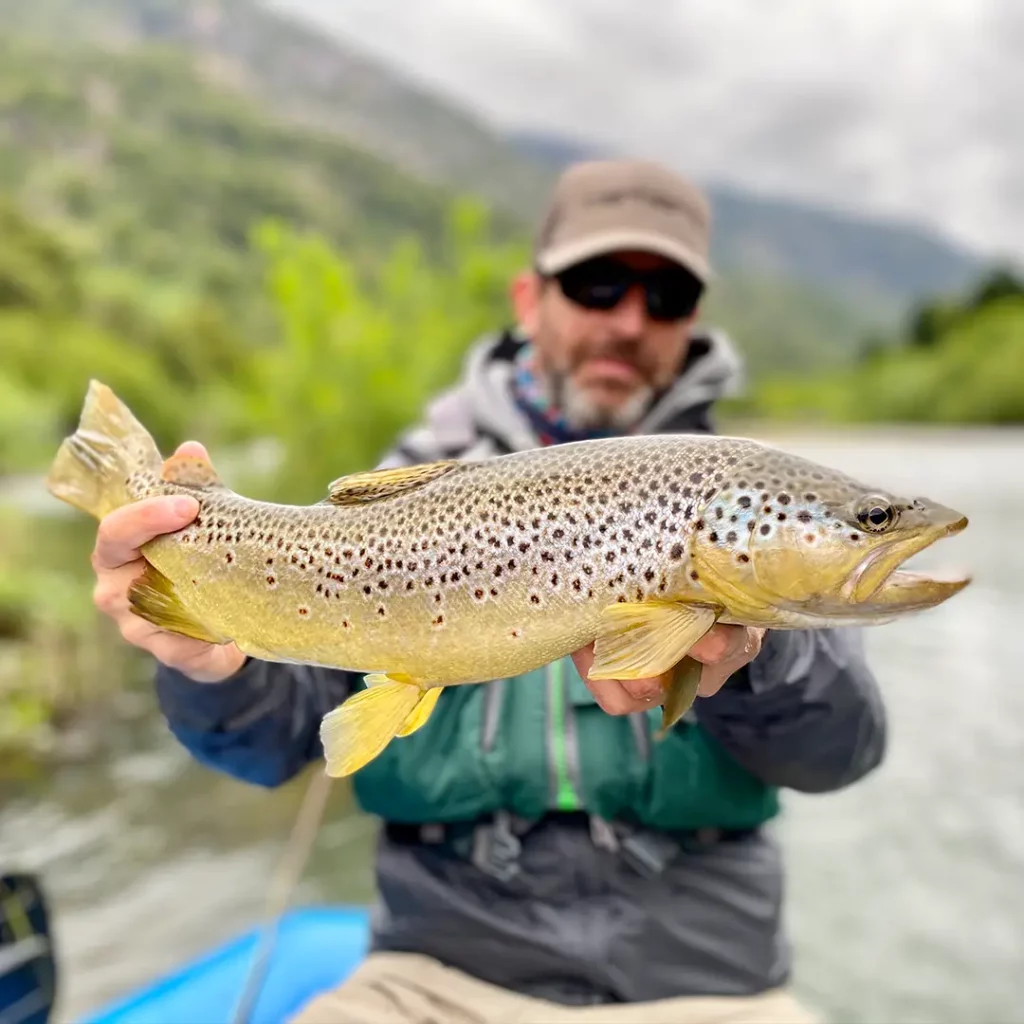
December trout are feeding hard after the winter, and the dragonfly hatch brings fish leaping out of the water for them around the reeds, taking size 4 to 6 Chubby Chernobyls. In January the runoff drops, nearly every float opens up, and Darwin’s beetles hit the water for Fat Albert patterns on 1x tippet. February is the warmest and lowest month, with peak hoppers, walk-and-wade fishing where rivers are too low to float, dry flies on the Paloma, and scuds and long leaders on the lakes. In March blue-winged olives hatch and big browns gather ahead of spawning, with 8-pound fish the target on large streamers or technical dries. Through the season, the Simpson gives morning BWO hatches and evening caddis on size 14 to 16 Parachute Adams or Sparkle Dun, with nymphs worked through deep canyon pools. On the Aysén and lower Mañihuales, sinking lines swing and strip articulated streamers that imitate puye, peladilla and young trout.
To learn more about the fishing and express an interest, message The Support Team.