Discover the best sailfish destinations, guided trips, and lodge-based experiences worldwide. Explore remote waters and world-class angling with expert local hosts.
Abaco, The Bahamas
Barracuda, Bonefish, Grouper
Pacific Region, Colombia
Amberjack, Bigeye Tuna, Cubera Snapper
No results available
Fast, aggressive, and highly aerial—sailfish are a top-tier bluewater species prized by offshore anglers. Found in warm currents around the tropics, they offer visual takes, blistering runs, and acrobatics unmatched in open water. FishingExplora connects anglers to lodge-based trips where sailfish are part of the guided offshore experience.
Sailfish are often encountered near continental shelf drop-offs, current rips, and bait concentrations. Techniques include trolling with dead or live bait, pitch-baiting with teasers, and—in the right conditions—targeting them on the fly. Peak seasons vary by region but typically align with strong current flows and bait migrations. Circle hooks and careful handling are standard, as sailfish are almost always released.
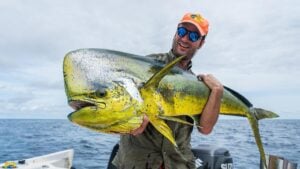
Lodge-based trips often combine sailfish with shots at dorado, tuna, and marlin, making them ideal for anglers chasing variety in bluewater environments.
Colombia offers both Pacific and Atlantic access, with bluewater lodges targeting sailfish off the Gulf of Urabá and Pacific coastal drop-offs. The diversity of water types and bait-rich currents creates ideal conditions during peak season.
In the Bahamas, sailfish cruise close to deep ledges and channels, particularly off islands like Bimini and Eleuthera. Many bluewater lodges offer quick access to offshore sailfish grounds as part of full-day guided trips.
Both countries are known for prolific sailfish bites, especially in the dry season (Dec–April). Lodges around Quepos, Golfito, and the Gulf of Chiriquí offer some of the most reliable sailfish action anywhere.
From Baja to Isla Mujeres, Mexico offers excellent seasonal sailfish migrations. These waters produce aggressive fish that readily take flies and teasers when the bait is in.
Known for its high daily sailfish release counts, Guatemala has become a bucket-list spot for billfish on fly and conventional tackle, with dedicated operations near Puerto San José.
Sailfish are the fastest fish in the ocean, reaching speeds over 60 mph. Their aggressive hunting style, where they herd baitfish with their extended dorsal fins, is unlike any other billfish. When hooked, they explode into aerial leaps, tail-walks, and blistering runs, often throwing hooks or breaking off inexperienced anglers. This combination of speed, aerial acrobatics, and willingness to hit surface teasers makes them one of the most exhilarating bluewater targets.
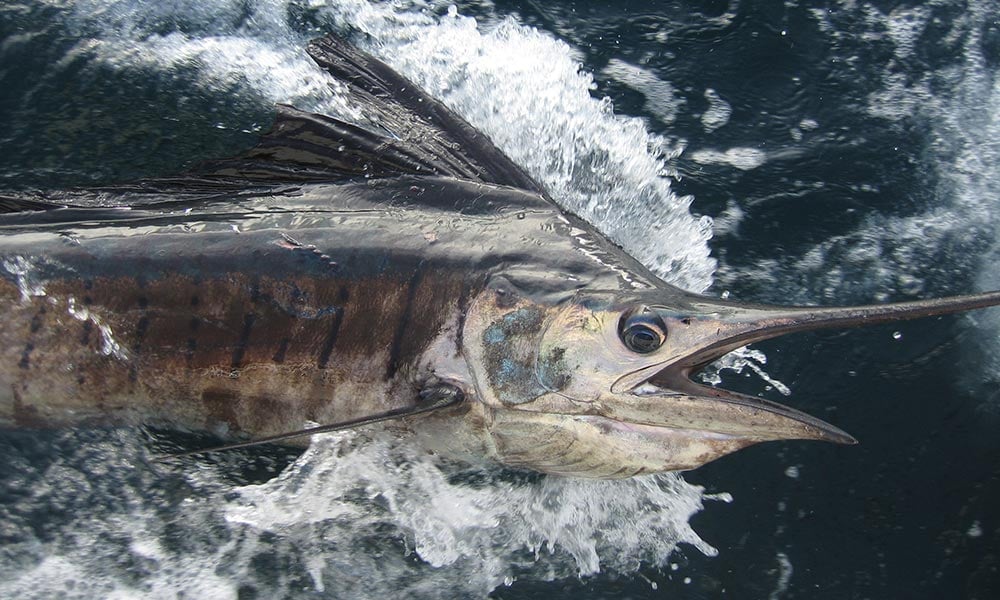
Sailfish are unmistakable—slim, torpedo-shaped bodies with cobalt blue backs and silvery sides, plus their iconic sail-like dorsal fin that rises when they’re excited or feeding. Their long, slender bills are used to slash through bait schools, and their large, dark eyes help them track prey in open water. Their vivid blue pectoral fins and striped flanks often light up when hunting or during the fight.
FishingExplora lists hand-picked bluewater lodges where sailfish are part of the offshore program—not charter-based, but integrated into lodge itineraries. From Colombia to the Bahamas, these trips include experienced guides, proper tackle, and access to reliable migratory routes.
The most effective method is teaser-and-switch. Hookless teasers are trolled to raise sailfish close to the boat. When a fish commits, the fly is cast quickly into the strike zone. This requires teamwork between the guide and angler but delivers intense visual takes.
In the Bahamas, sailfish are most active from March through June. During this window, warm currents push bait near deep ledges and drop-offs close to shore, bringing sailfish within reach of bluewater guides running from island-based lodges.
While they are edible, sailfish are not prized for eating. Most anglers release them due to their sport value, conservation importance, and relatively coarse flesh compared to other pelagics like tuna or dorado. Catch-and-release is strongly encouraged.
Yes—sailfish can be taken on light conventional or fly gear, often in the 20–30 lb class. This makes for long, exciting battles with multiple jumps and directional changes. Proper drag setting and experienced boat handling are key to success.
Lodges provide a more complete experience—multiple fishing days, consistent guides, and a base near productive waters. Unlike day charters, lodge trips focus on planning around conditions, accessing less-pressured areas, and often combining sailfish with other offshore species.
We use cookies to improve your experience and enable key features on the platform. You can choose which cookies to allow. Some features may not work fully without consent.