Discover the best spanish mackerel fishing destinations, guided trips, and lodge-based experiences worldwide. Explore remote waters and world-class angling with expert local hosts.
Abaco, The Bahamas
Barracuda, Bonefish, Grouper
Pacific Region, Colombia
Amberjack, Bigeye Tuna, Cubera Snapper
No results available
Spanish mackerel are fast, aggressive predators that roam coastal waters in packs, slashing through bait schools near beaches, reefs, and current edges. They’re a staple in warm-water fisheries worldwide—loved for their speed and availability.
Spanish mackerel (Scomberomorus spp.) are common across the Atlantic, Caribbean, Indo-Pacific, and parts of West Africa and Australia. The two main species targeted by anglers are the Atlantic (S. maculatus) and Indo-Pacific (S. commerson) varieties. These fish are known for blistering runs, sharp teeth, and explosive surface strikes.
They’re typically caught around reef drop-offs, surf zones, and nearshore current lines using metal jigs, spoons, plugs, or small baitfish. Their aggressive nature makes them an excellent light tackle or fly target in the right conditions. When bait is concentrated, multiple hookups are common.
Spanish mackerel are prized for their fight and are sometimes kept for the table, though they spoil quickly and require ice. Most lodge programs target them as part of mixed-species days, especially when bait is active nearshore or when weather limits offshore runs.
Spanish mackerel are common around reef drop-offs, channels, and beaches throughout the Bahamas. Most are caught while casting jigs or spoons along current edges and reef lines during bait runs.
Colombia offers consistent mackerel fishing in both oceans, especially during dry season. Fish hunt along beaches, river mouths, and drop-offs where bait concentrates. Lodge boats often mix mackerel into multi-species reef days.
Spanish mackerel are a staple along the southeastern U.S. coast, especially from spring to fall. Anglers catch them from piers, beaches, or boats using fast lures or live bait.
Spanish mackerel are widespread around island drop-offs and nearshore current zones. They’re often targeted during bait migrations and can be found from Cuba to the Lesser Antilles.
The Indo-Pacific species is found along the West African coast. Gabon, Angola, and Ghana offer seasonal runs where mackerel hunt in packs along reef lines and estuary outflows.
Inshore waters of northern Australia and Southeast Asia are home to S. commerson, often caught trolling or casting metal lures near reefs, sandbars, and tidal current zones.
Few coastal fish offer the same mix of speed, violence, and volume. Spanish mackerel strike hard, run fast, and hit lures with reckless aggression—often near the surface and within sight. On light gear or fly tackle, they’re pure fun. Their availability in both calm and windy conditions makes them a reliable backup when bigger offshore species aren’t accessible.
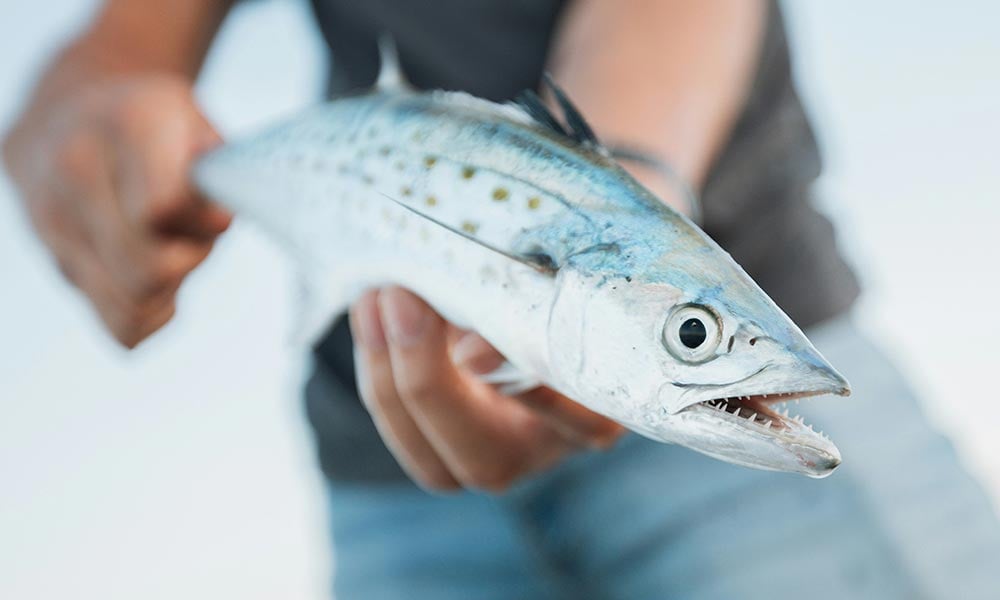
Spanish mackerel are long, narrow fish built for speed, with deeply forked tails, sharp teeth, and a distinctive spotted pattern along silver-green flanks. Their backs are dark blue to olive, and their bellies are pale silver. Most range from 1 to 5 pounds, though larger specimens over 10 pounds are caught in regions like Australia and Colombia.
Spanish mackerel are most active during bait migrations, outgoing tides, and periods of high water movement. Look for bird activity, surface commotion, and color breaks to locate feeding schools.
FishingExplora features lodge-based Spanish mackerel trips in regions where these fish thrive in nearshore waters. From the Bahamas to Colombia and beyond, anglers target them during bait-rich, multi-species sessions. Whether casting jigs into busting schools or working reef edges from skiffs, Spanish mackerel deliver fast-paced, visual strikes. These trips suit anglers who enjoy light gear, quick retrieves, and aggressive, responsive fish.
Fast retrieves with metal jigs, spoons, or plugs are the most effective. Spanish mackerel feed aggressively in the top third of the water column. Look for birds, bait activity, and current seams for the best action nearshore.
Yes. Flashy baitfish patterns retrieved quickly on intermediate lines work well when fish are near the surface. Use long leaders and wire bite tippet to avoid cutoffs. Sight-casting is possible in clear water when schools are active.
They’re decent table fare when fresh, with white, slightly oily flesh. Spanish mackerel spoil quickly, so icing immediately and eating the same day is recommended. Many anglers prefer them smoked or grilled with citrus-based marinades.
The Bahamas, Colombia, Florida, and northern Australia are top destinations. These regions offer reef access, bait-rich coastlines, and seasonal migrations that bring mackerel close to shore in big numbers.
Look for surface commotion, bait sprays, diving birds, and color changes in the water. Mackerel often hunt along reef edges and current lines. A sudden rise in surface activity or shifts in bait movement can signal a feeding school approaching.
We use cookies to improve your experience and enable key features on the platform. You can choose which cookies to allow. Some features may not work fully without consent.